

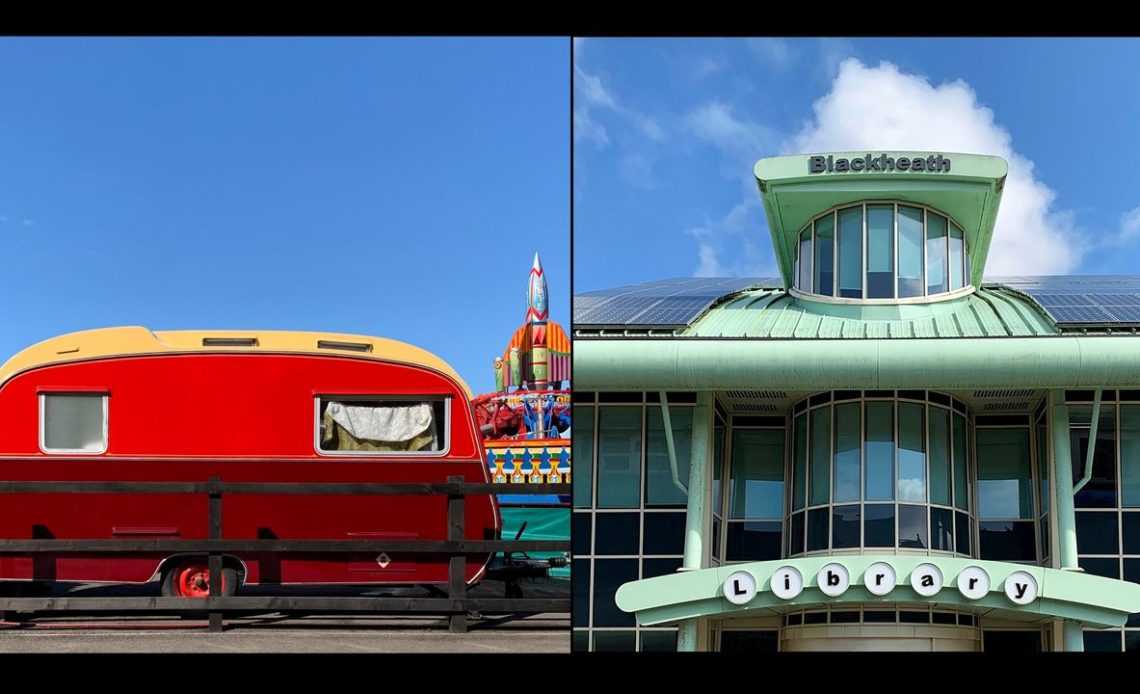
There’s a particular kind of photography that’s often a tough sell to the arty crowd. Deadpan shots of a humdrum world, boasting nothing obviously “clever” about them beyond good light and a clean composition. It’s the kind of work that might look so simple that anyone could take it.
On closer inspection, though, you realize how much discipline it takes to resist the wide angle, the dramatic crop, the filter. And that in photography, as with so many other disciplines from painting to music, making things look easy is actually a devilishly difficult skill to master.
Tom Hicks, who works under the name Black Country Type, offers a textbook example of this approach. And 12 of his images are now on show in the café space at Black Country Living Museum in Dudley, eight miles northwest of Birmingham, England.
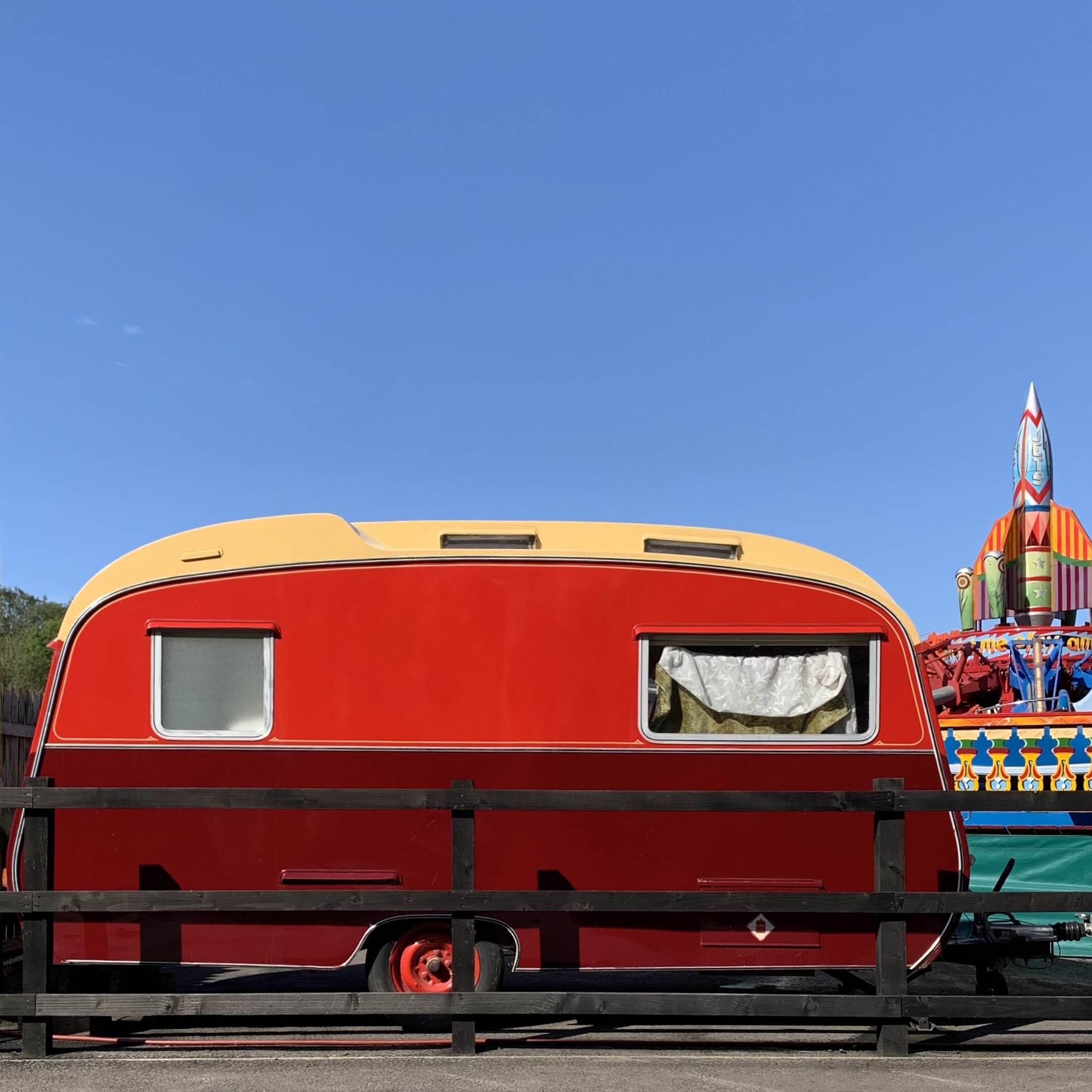
These pictures are drawn from his second book, Black Country Type II, published by The Modernist. And while the images are exceptional, it’s the foreword that’s likely to grab most attention.
Written by Robert Plant, Led Zeppelin’s frontman and one of the Black Country’s highest-profile cultural exports, it describes Hicks as capturing “the surreal madness and magnificence of our old mothership with a keen eye and quiet wit.”
The unlikely pair met when Hicks was asked to curate a photographic exhibition to accompany one of Plant’s shows at The Halls in Wolverhampton. The singer, who’s sold over 300 million records across his career, has been a fan of Hicks’ work ever since.
Swerving the clichés
Personally, what I like most about these images is that they avoid indulging in either nostalgia or misery-tourism.
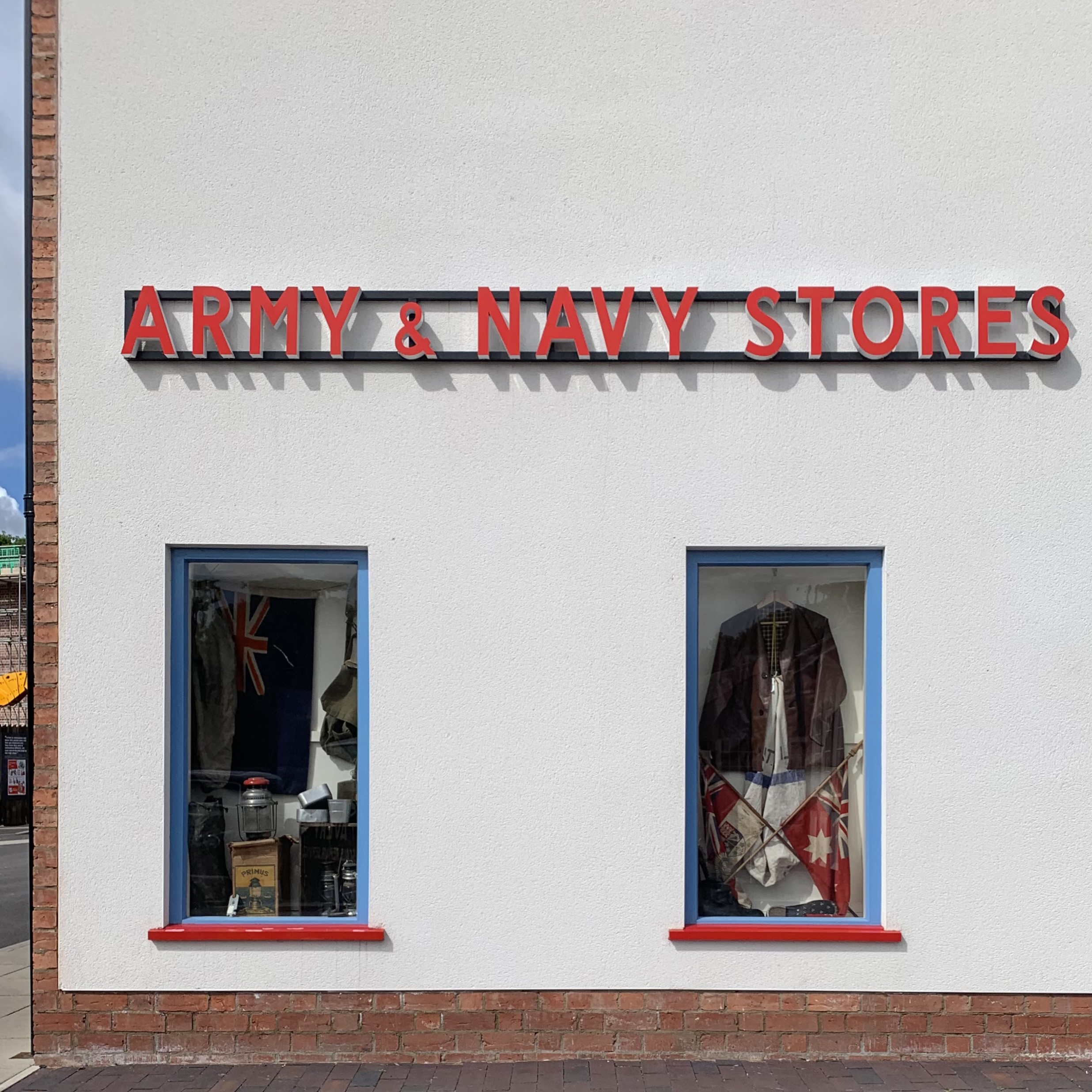
A shot of the “Central Snooker Club” in Lye, its awning intact but the shutters smashed, sits alongside the joyful lettering on “PIES” painted across corrugated steel in Tipton, and an arresting image of the word “MENTAL” spelled out on a blue-clad unit in Netherton, cloud drifting past like a punchline.
There’s real formal control, too, in these pictures. Flat, even light. Subjects placed dead center or hard against a blue sky. Color used with precision.
It’s a style that owes something to the New Topographics photographers and to Ed Ruscha’s deadpan documentation of LA signage, just translated into the very different environs of Dudley, Netherton, Lye and Tipton.
The lesson for the rest of us? The most photogenic subject in your area probably isn’t the landmark that everyone shoots. And consistency of eye, applied patiently to unglamorous subjects, is what turns a collection of snapshots into a body of work worth a museum wall, a book deal and praise from a bona fide rock legend.
The display runs in the visitor center café of the Black Country Living Museum, with Black Country Type II available from the gift shop and online, alongside prints of Hicks’ work.
Author: Tom May
Source: DigitalCameraWorld
Reviewed By: Editorial Team