

Now 87, William Eggleston is known as the “Godfather of Color Photography” for helping establish it as a legitimate, high-art medium. But that was by no means an easy task, as a new exhibition in London, England, reminds us.
William Eggleston: All That Goes Unnoticed, which runs at The Photographers’ Gallery from October to February, is a career-spanning look at the American photographer’s 60 years behind the camera. And it pulls together many of the pictures you may already recognize.
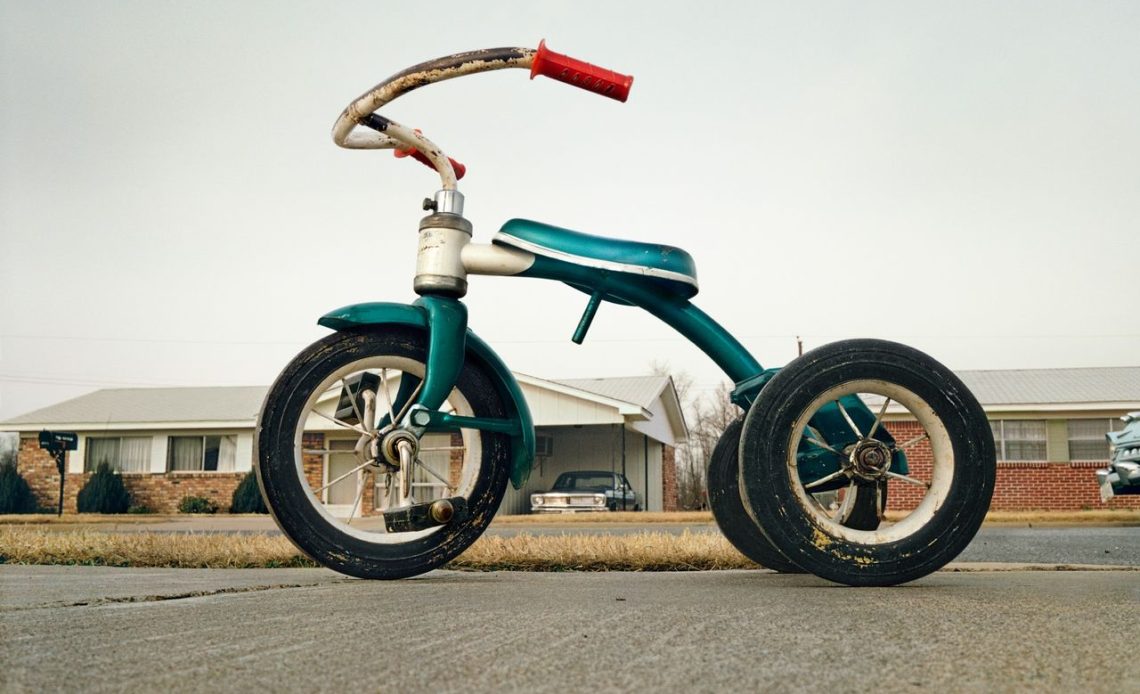
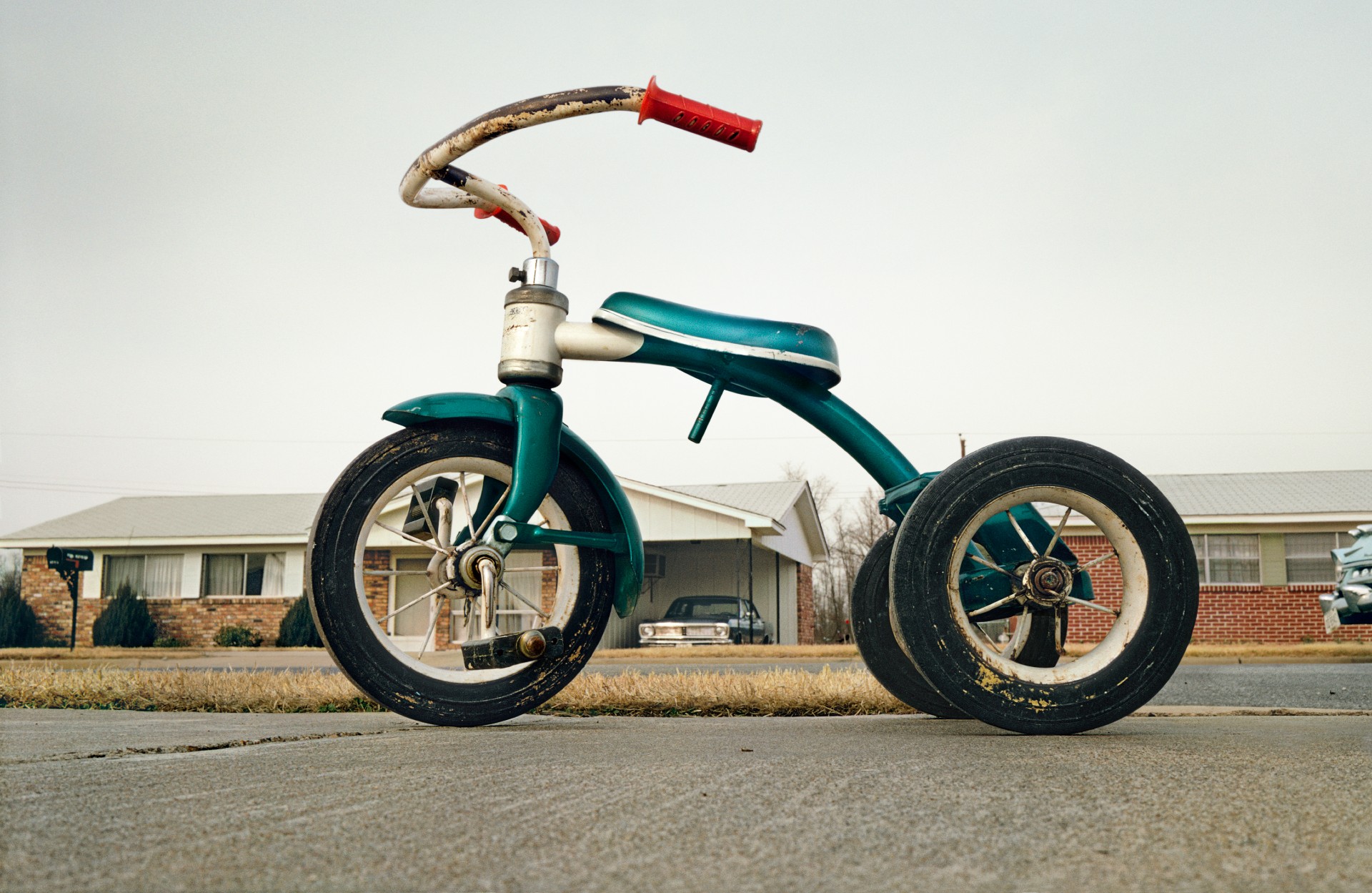
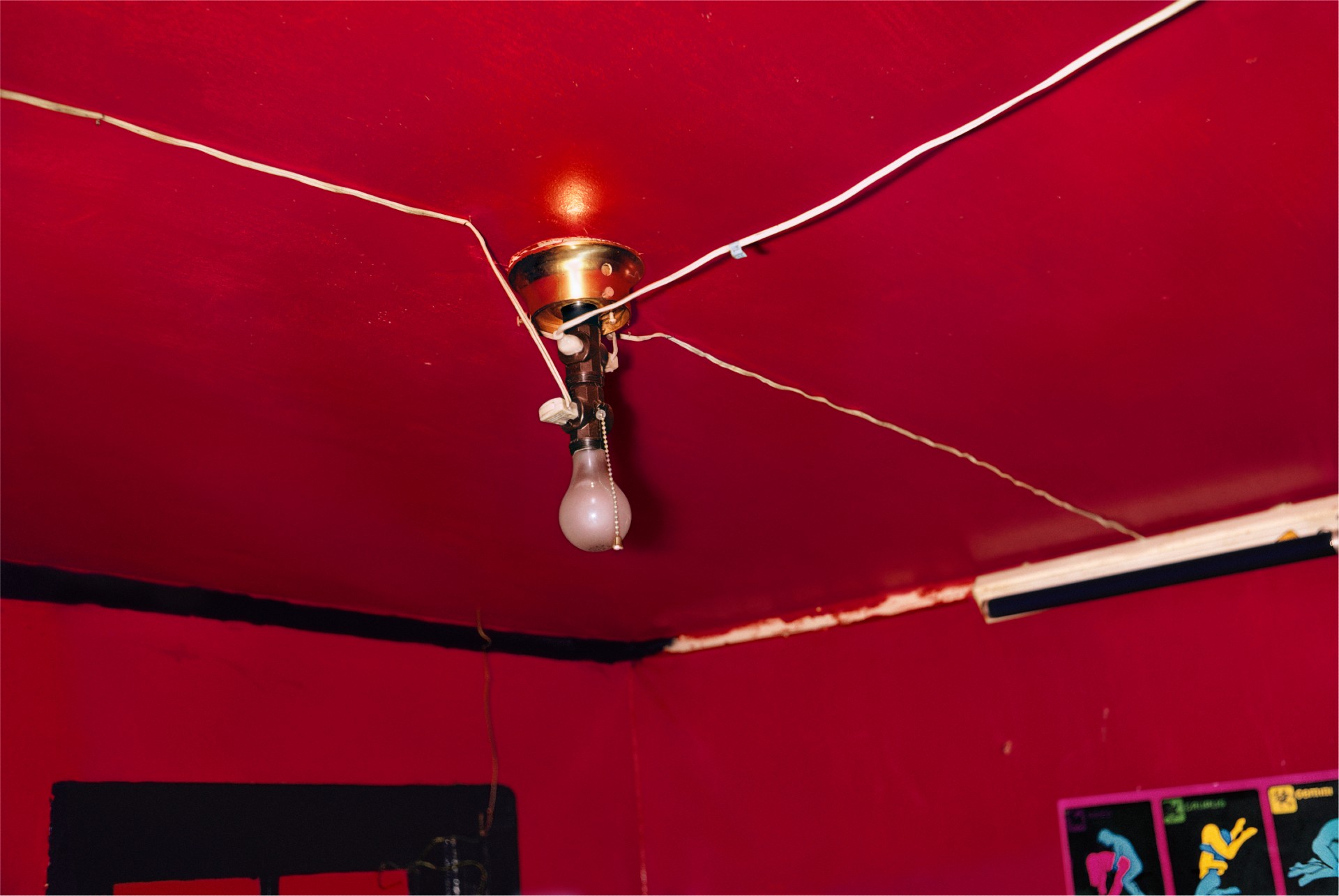
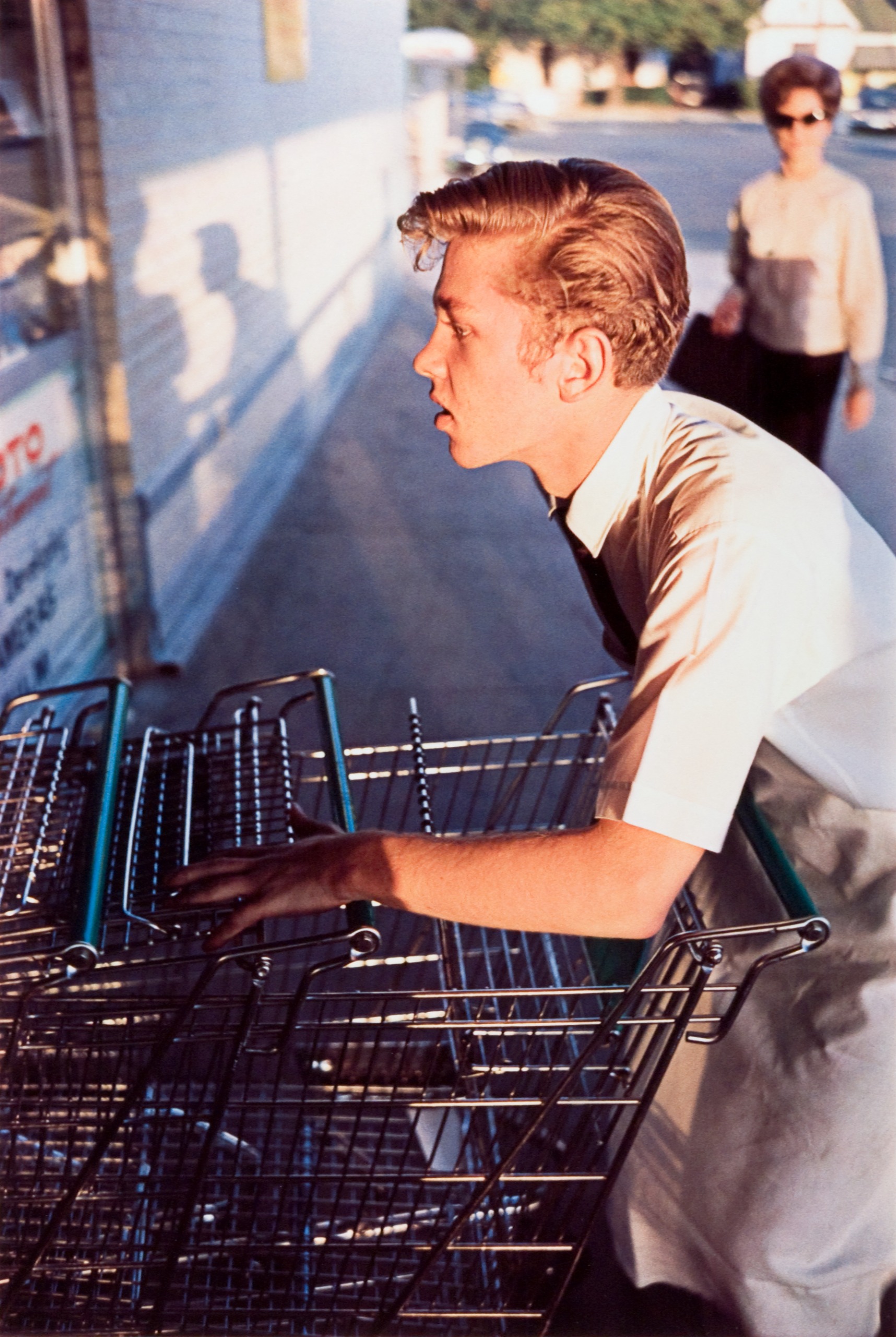
The rusted child’s tricycle; the single bulb hanging from a blood-red ceiling; a supermarket worker leaning over a train of trolleys – all are shot with the same democratic attention that Eggleston gave to everything he pointed his lens at.
He printed many of these images using dye-transfer – a laborious process borrowed from advertising, where it was typically used to make products look glossy and desirable. He called himself “at war with the obvious”.
Dye-transfer prints were, it must be noted, costly and painstaking, the kind of process a studio would reserve for a whisky advert or a car brochure; anything that needed to look irresistible.
Eggleston pointed that same expensive precision at the stuff of everyday life. At the time, this was utterly revolutionary – and not everyone was ready for it.
When these pictures were first shown, at MoMA in 1976, the critical response was brutal. New York Times critic Hilton Kramer wrote about that show: “Perfect? Perfectly banal, perhaps. Perfectly boring, certainly.”
He went on to describe Eggleston’s family and friends as “dismal figures inhabiting a commonplace world of little visual interest.” Another Times writer, Gene Thornton, reportedly voted it the most hated show of the year.
They weren’t, it must be said, out of step with the general opinion of the time. Color photography itself was still widely seen as a commercial medium unfit for a museum wall; only monochrome was acceptable if you wished to create art.
Eggleston’s subject matter, too – tricycles, oven interiors, a dog drinking from a puddle – were seen as entirely the wrong things to photograph.
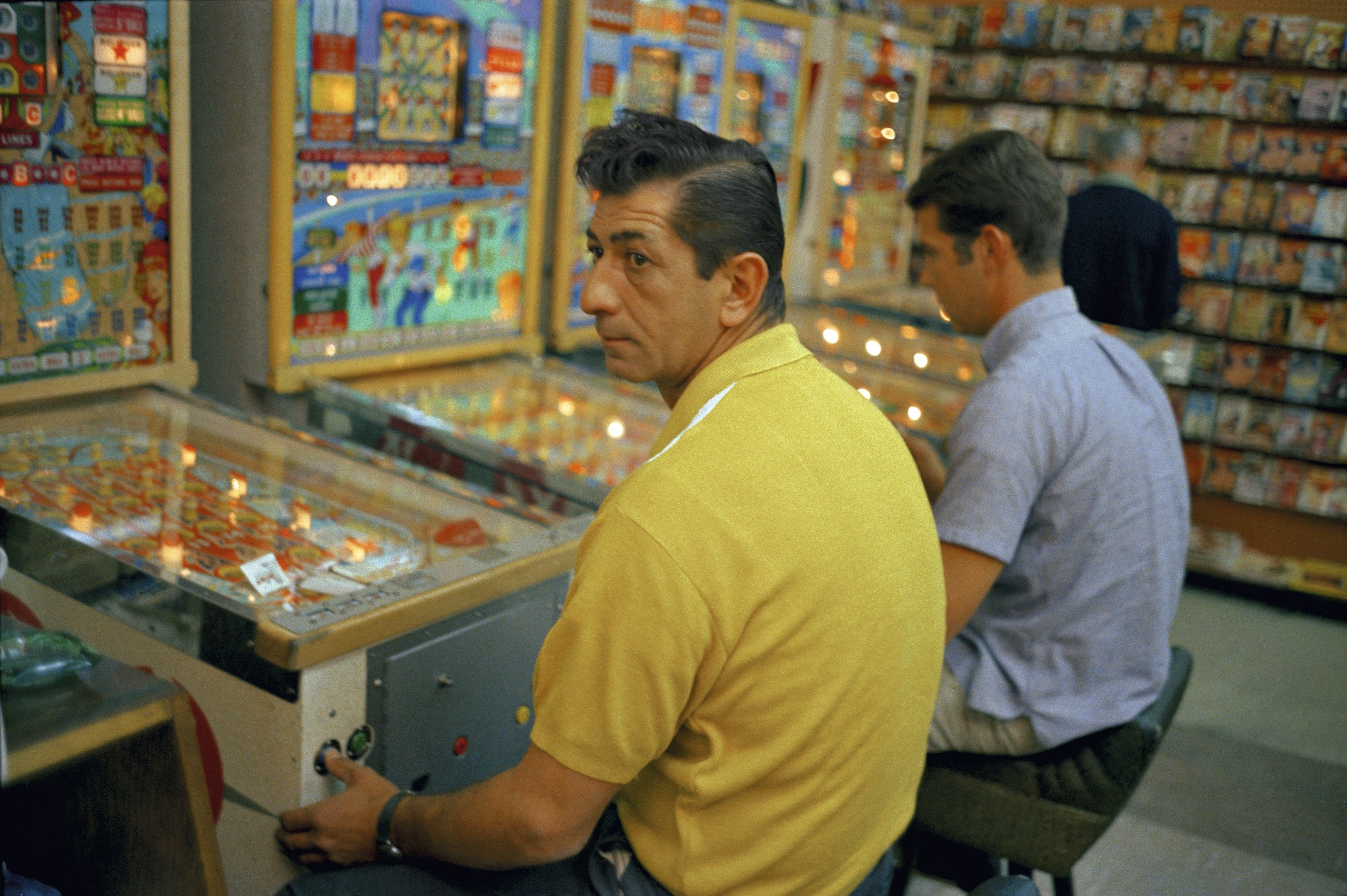
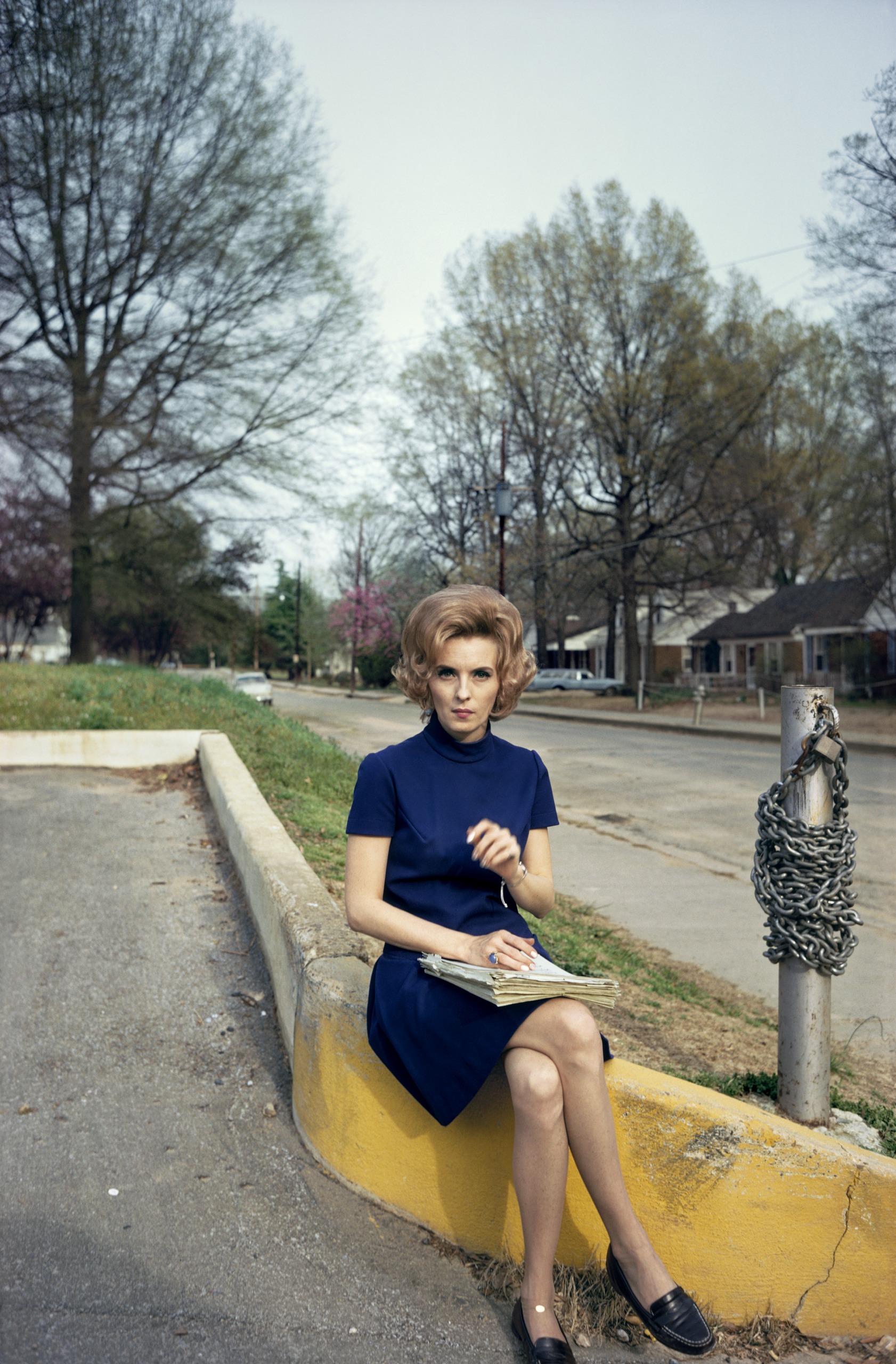
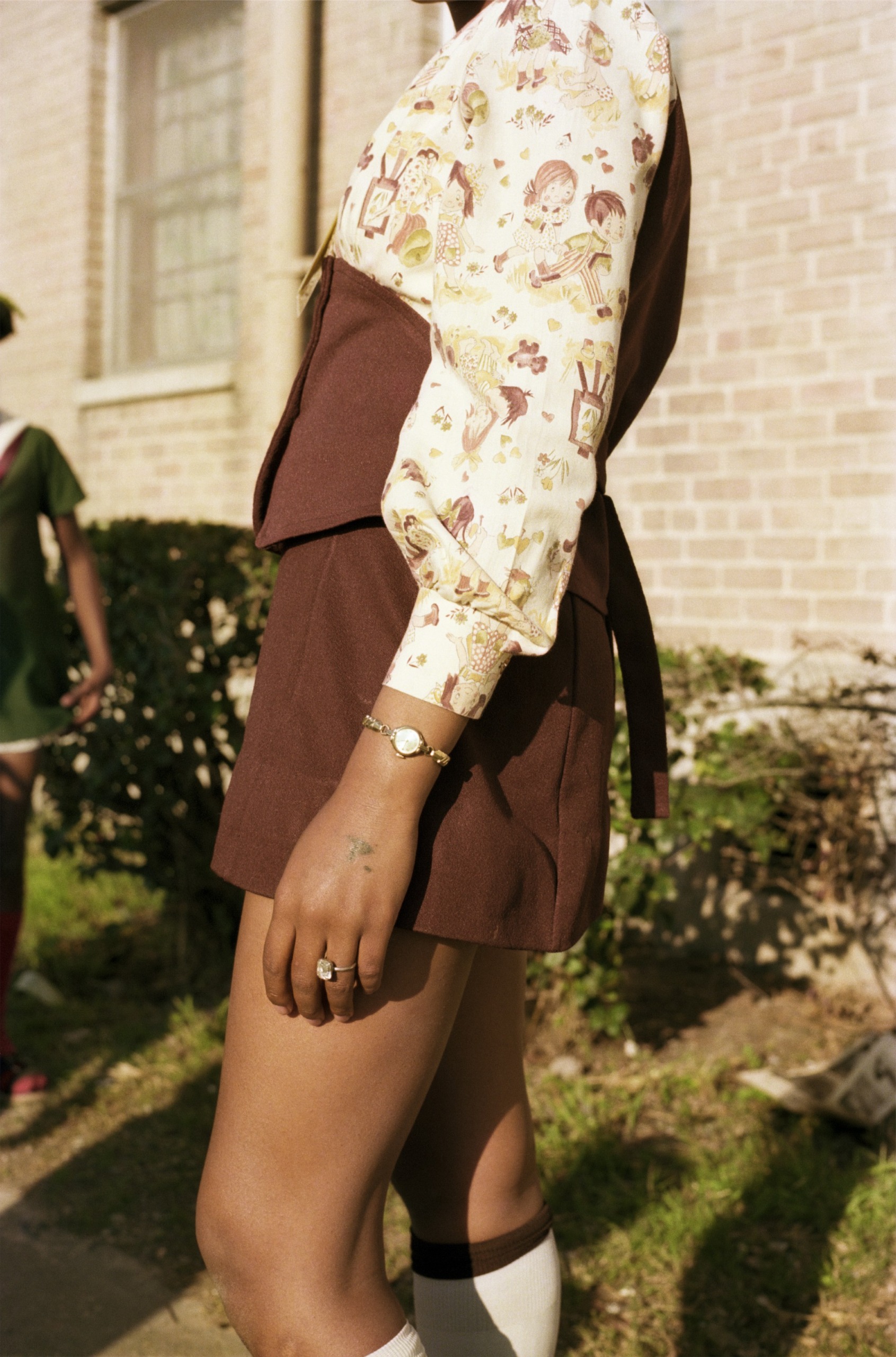
Fifty years on, in retrospect, that backlash seems odd to us. But then again, half a century’s worth of photographers have since made a habit of applying serious color to unserious subjects.
Eggleston got there first. He got the bad reviews so that others could follow in his wake and get praiseworthy ones.
Wandering into a London gallery in 2026 – ticket in hand, catalog essay – it’s strange to forget that any of this was ever contested. The photographs haven’t changed since 1976. It’s the eye looking at them that needed time to catch up.
Author: Tom May
Source: DigitalCameraWorld
Reviewed By: Editorial Team