

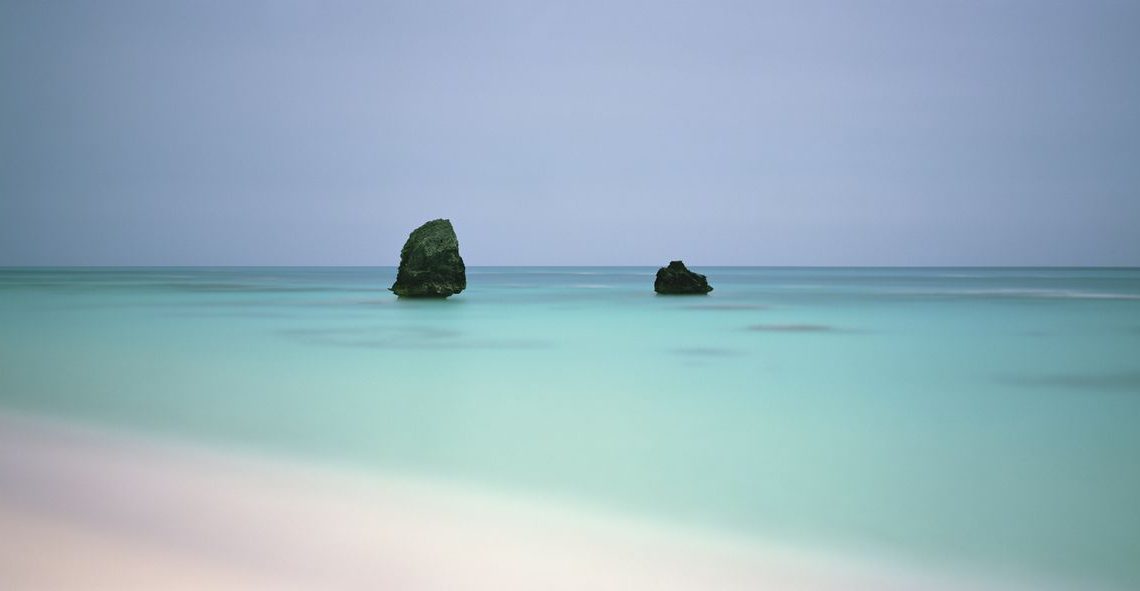
Point a camera at a landscape lit only by the moon and, by every normal rule of photography, you should get black. That’s why Darren Almond’s Fullmoon series still stops people in their tracks more than 25 years after he made the first frame.
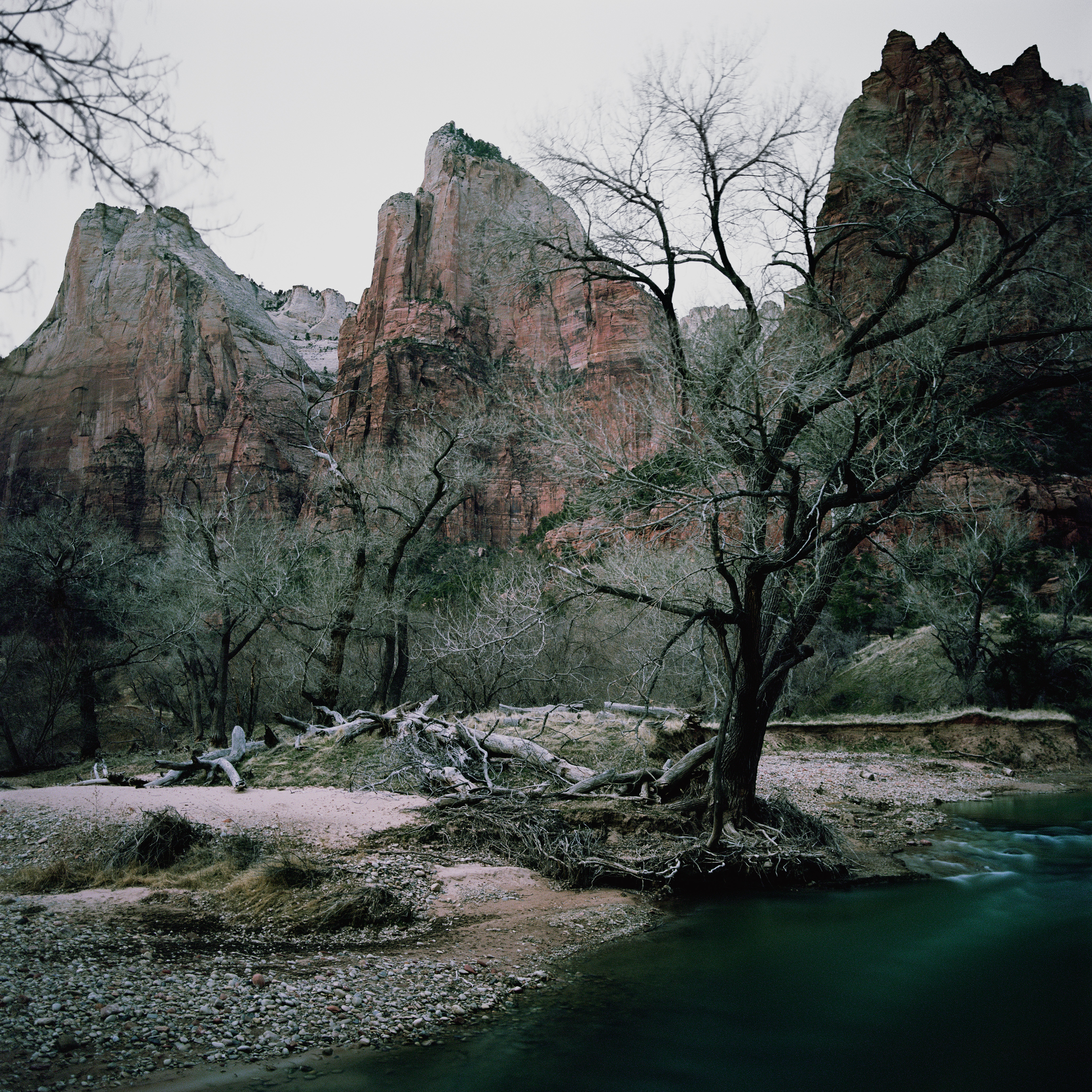
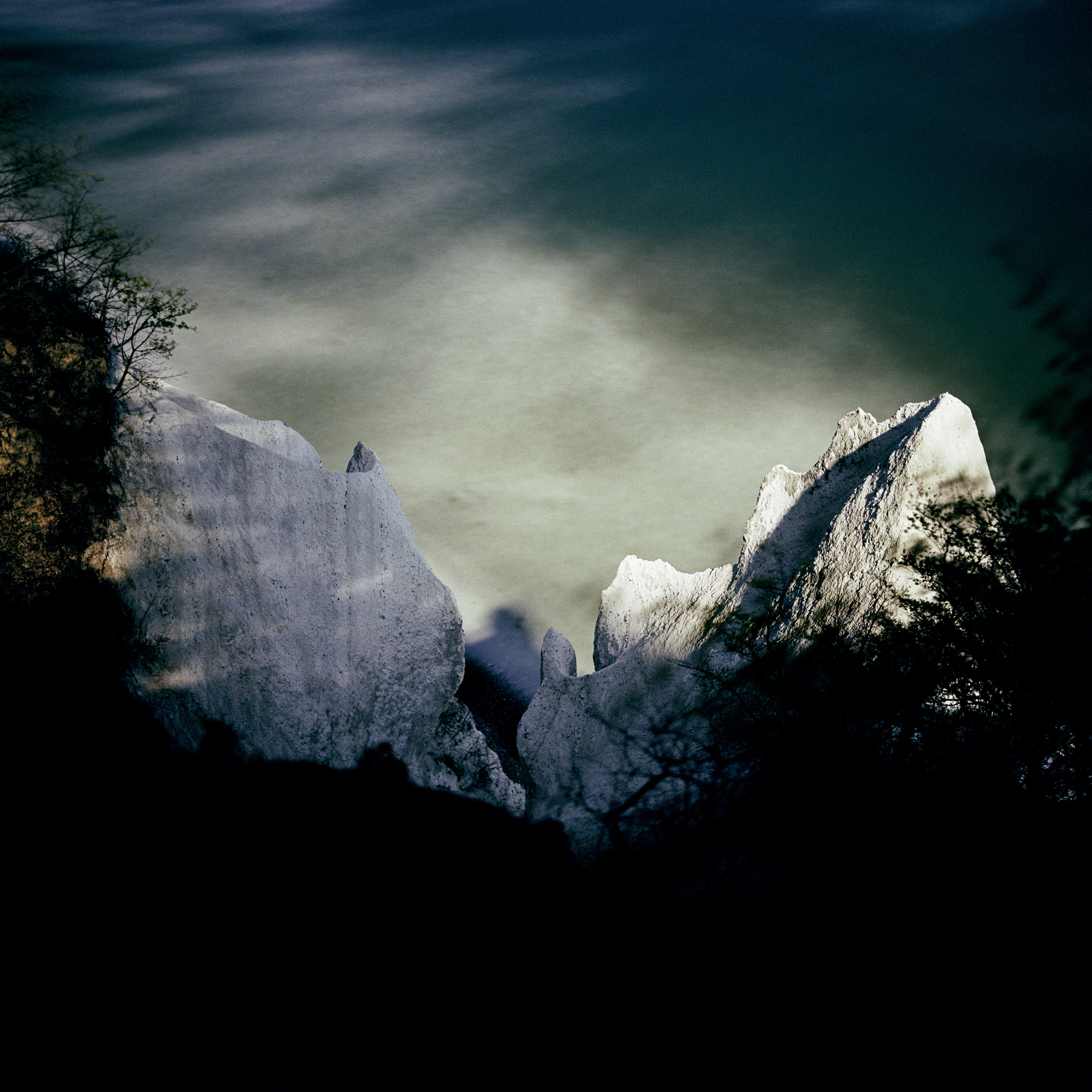
Yosemite valley, Patagonian glaciers, Japanese temple gardens and Bermuda’s pink sand beaches all appear lit as if by an overcast midday sun. They were, however, shot in moonlit darkness.
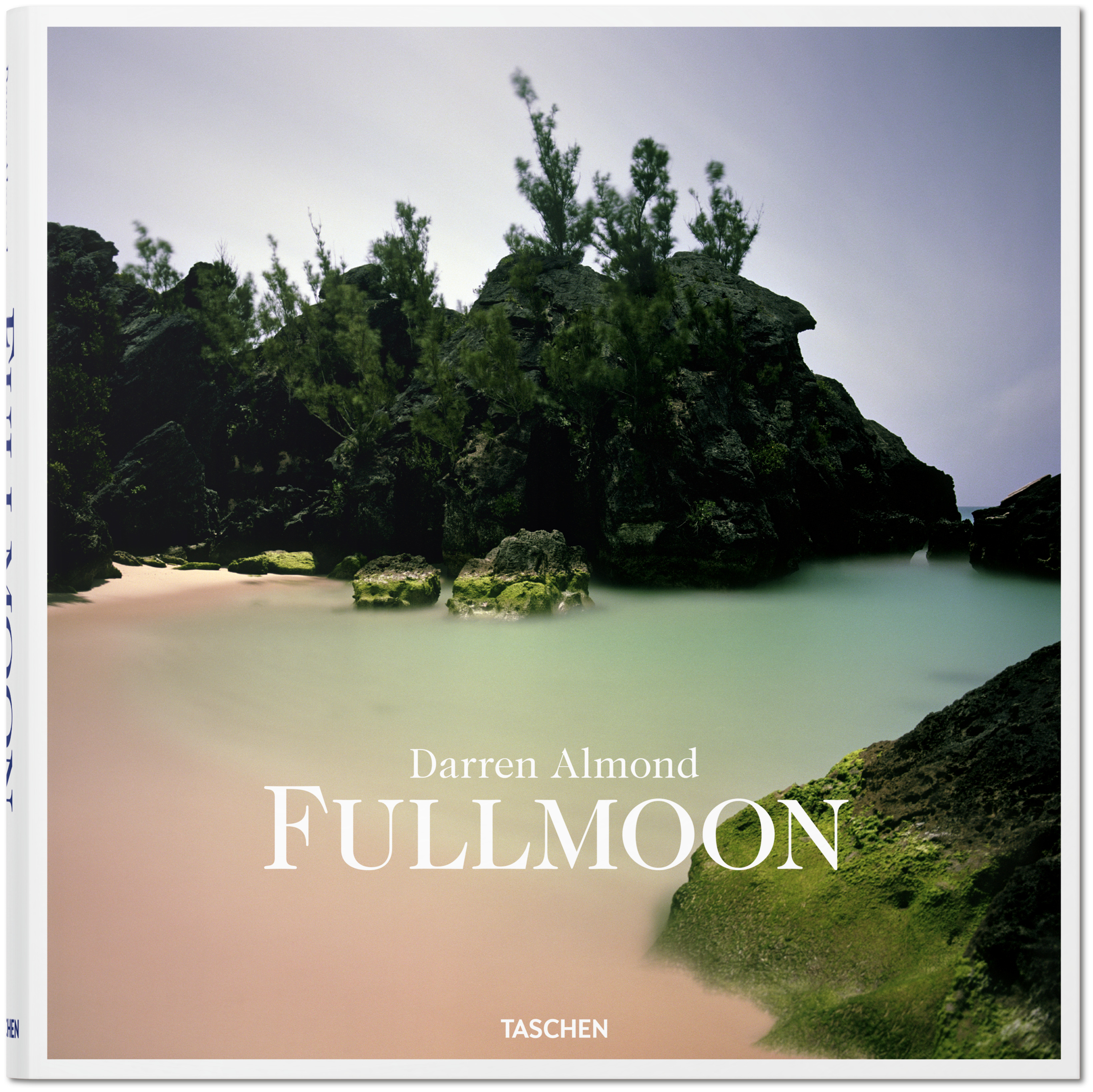
Taschen publishes an expanded edition of the book this month, bringing together more than 370 images from Almond’s travels since 1998, alongside an introduction by former Tate Modern chief curator Sheena Wagstaff and an essay by the writer Brian Dillon.
It’s a lavish, era-spanning book that would be a great gift for any lover of fine art photography. But for anyone who shoots long exposure or night photography, there’s a useful technical story in here as well. One that’s about patience, planning and an understanding of how a camera sensor behaves.
The science bit
Human night vision runs on rod cells, which pick up brightness but almost no color, which is why moonlit scenes look to us in flat, bluish monochrome.
A camera doesn’t have that limitation. Given a long enough exposure – be it Almond’s typical quarter of an hour or more – the sensor (or in his case, film) simply keeps collecting photons until the scene builds up full color and tonal range. The same, in fact, as it would in daylight; just gathered more slowly.
The moon is, let’s remember, just reflected sunlight. So there’s nothing stopping a long exposure from reading it as such.
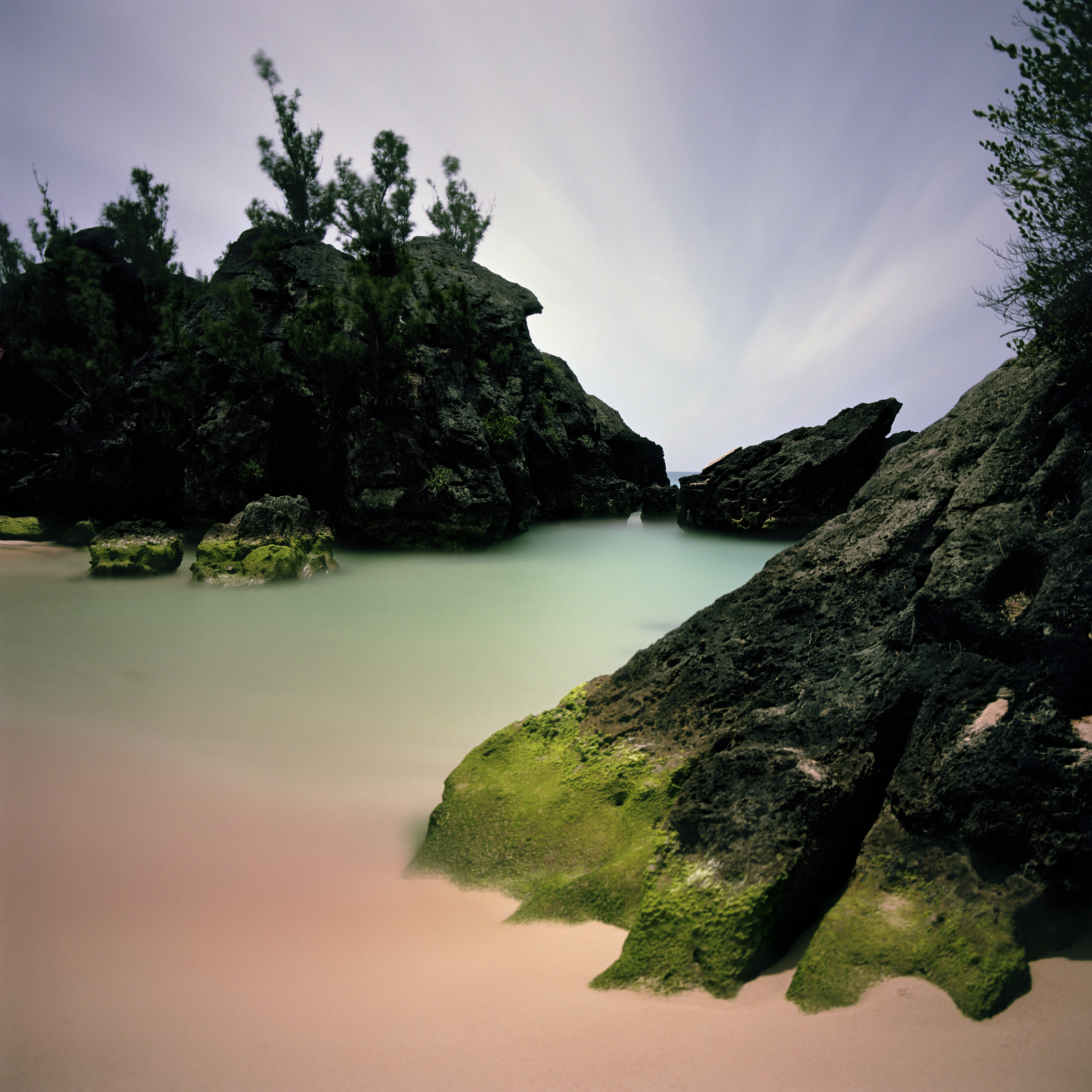
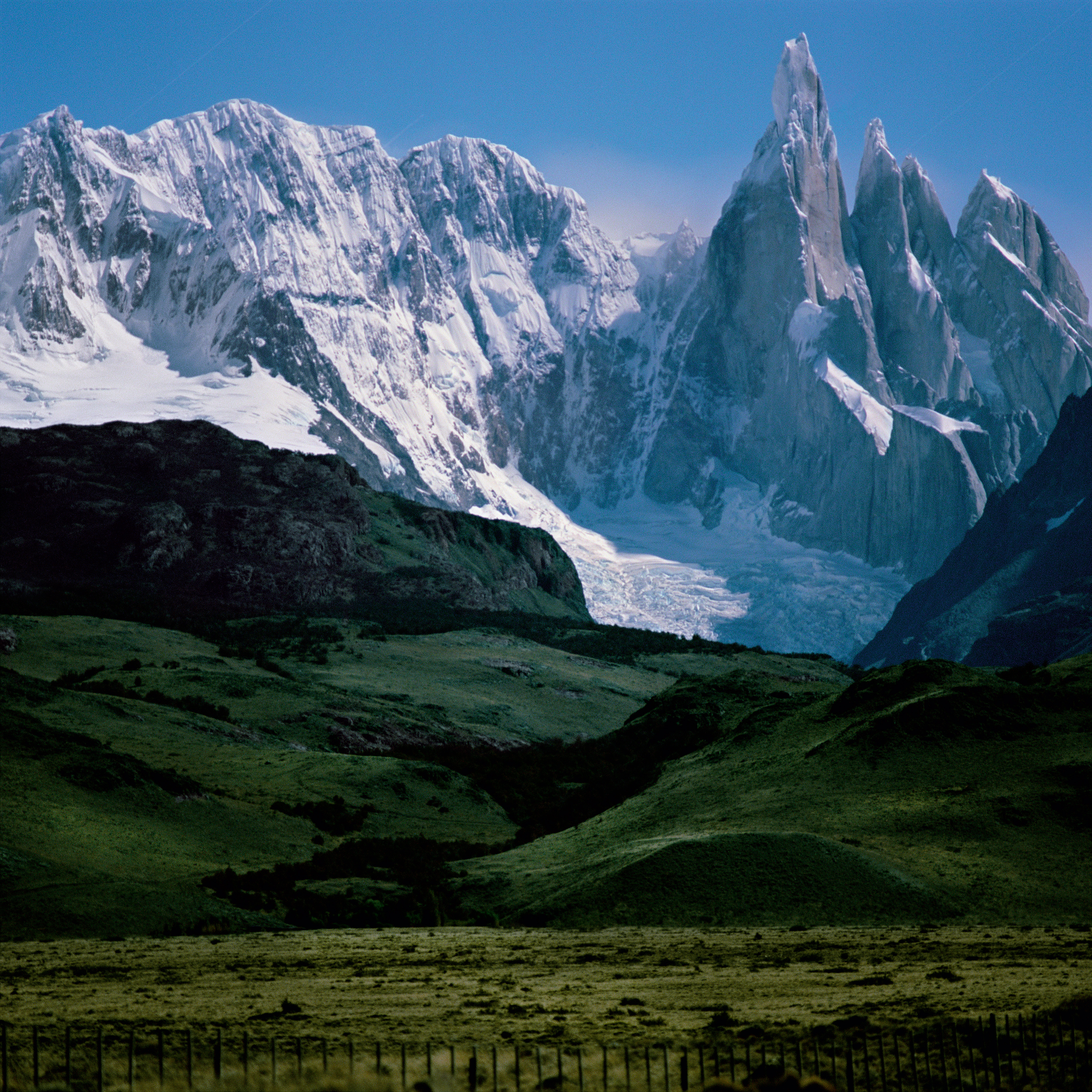
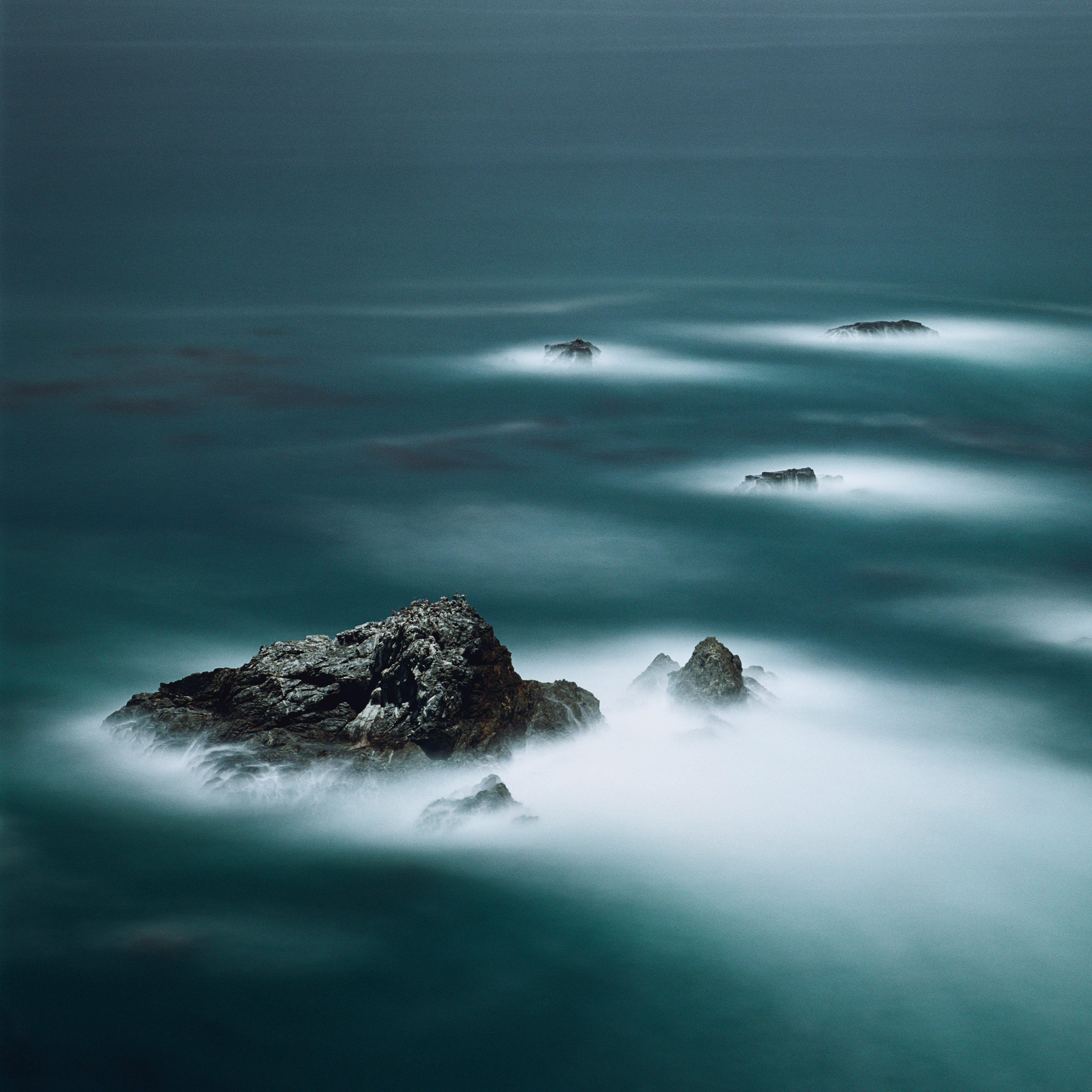
The skill is entirely in the planning. Almond works to a calculated window around the full moon, checks forecasts obsessively for cloud cover, and accepts that a single unplanned car headlight or drifting cloud can ruin a 15-minute exposure with no way to reshoot that exact configuration of moonlight, tide and season.
It’s the photographic equivalent of a single take with no retakes possible. And artistically, what elevates the project past a clever exposure technique is the choice of locations.
Almond has spent decades revisiting sites already loaded with history: the Alpine viewpoints that JMW Turner sketched in 1802, the Provençal mountain Cézanne painted repeatedly, the Antarctic terrain Robert Falcon Scott crossed, the volcanic islands of Cape Verde that Charles Darwin surveyed from the Beagle.
Capturing these places by moonlight, rather than the golden hour that every other landscape photographer chases, gives a wholly different look to subjects that have been shot a million times in daylight.
Lesson for photographers
The key takeaway for photographers is a simple but powerful one: a full moon is a usable light source, not just a subject. Yes, it’s weaker than sunlight by a factor of around 400,000. But exposure is just time, and time is free if you’re prepared to stand in a field at 02:00 waiting for cloud cover to clear.
Given the choice between chasing a sunset with 50 other photographers or having an entire moonlit landscape to yourself, Almond’s quarter-century project offers a potentially enticing alternative.
Darren Almond, Fullmoon is published by Taschen, priced $125 / £100. Hardcover, 30 x 30 cm, 3.73kg, 564 pages. This expanded edition includes over 370 images.
Author: Tom May
Source: DigitalCameraWorld
Reviewed By: Editorial Team