

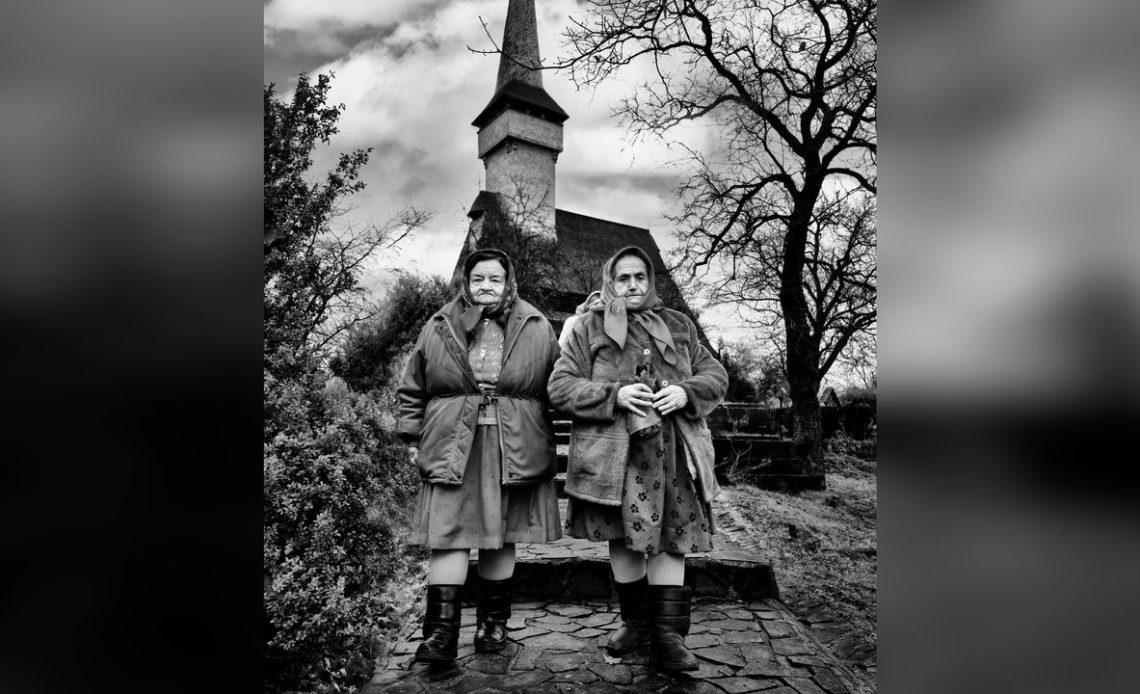
Look through Oliver Klink’s Where the Earth Remembers, on view throughout July on All About Photo’s Solo Exhibition platform, and you’ll soon see a pattern emerge.
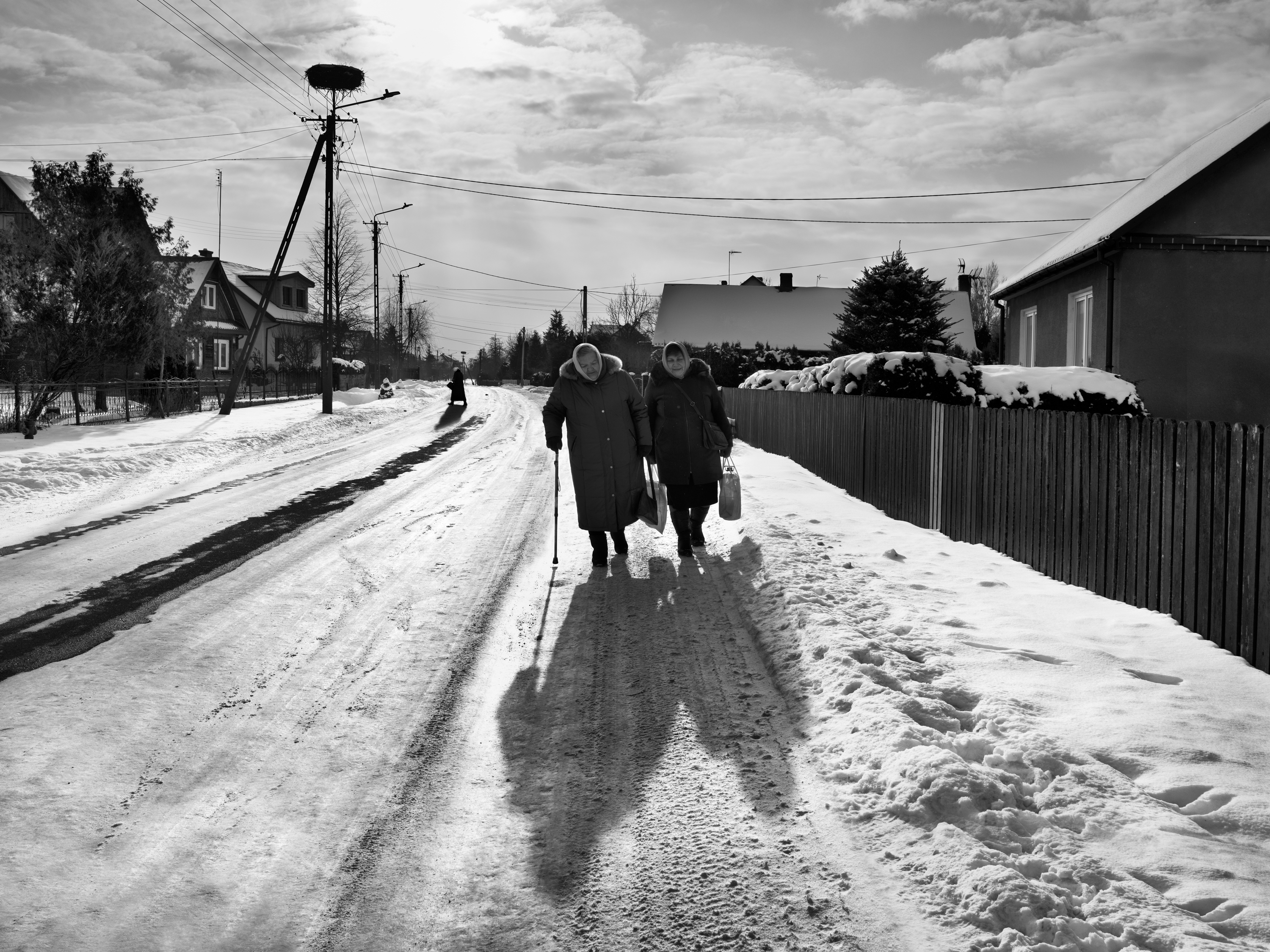
The two children steadying a donkey loaded with firewood are looking straight at the camera. So are the couple standing in their stone doorway beside an old television set. So are the elderly women pressed up against an iron church gate strung with tinsel, and the pair walking arm in arm down a snow-covered village road.
None of the subjects in these photos, it’s clear, were caught unaware.
Klink documented these communities across Poland, Romania and Turkey on a Leica Q3 Monochrom and a Fujifilm GFX100; two cameras that don’t, on the face of it, have much in common.
In fact, a fixed-lens compact camera and a medium-format camera body are about as different from each other as two digital cameras can be. And to me, that’s a reflection of how a successful series is rarely based on one particular camera, lens or even technical approach. For documentary photography, it’s more about relationships than the gear.
Moment of acknowledgment
It’s a common assumption that the best documentary work is invisible. The photographer unnoticed, the subject caught mid-life rather than mid-pose. I’d argue, though, that the brilliance of Klink’s series demonstrates the opposite.
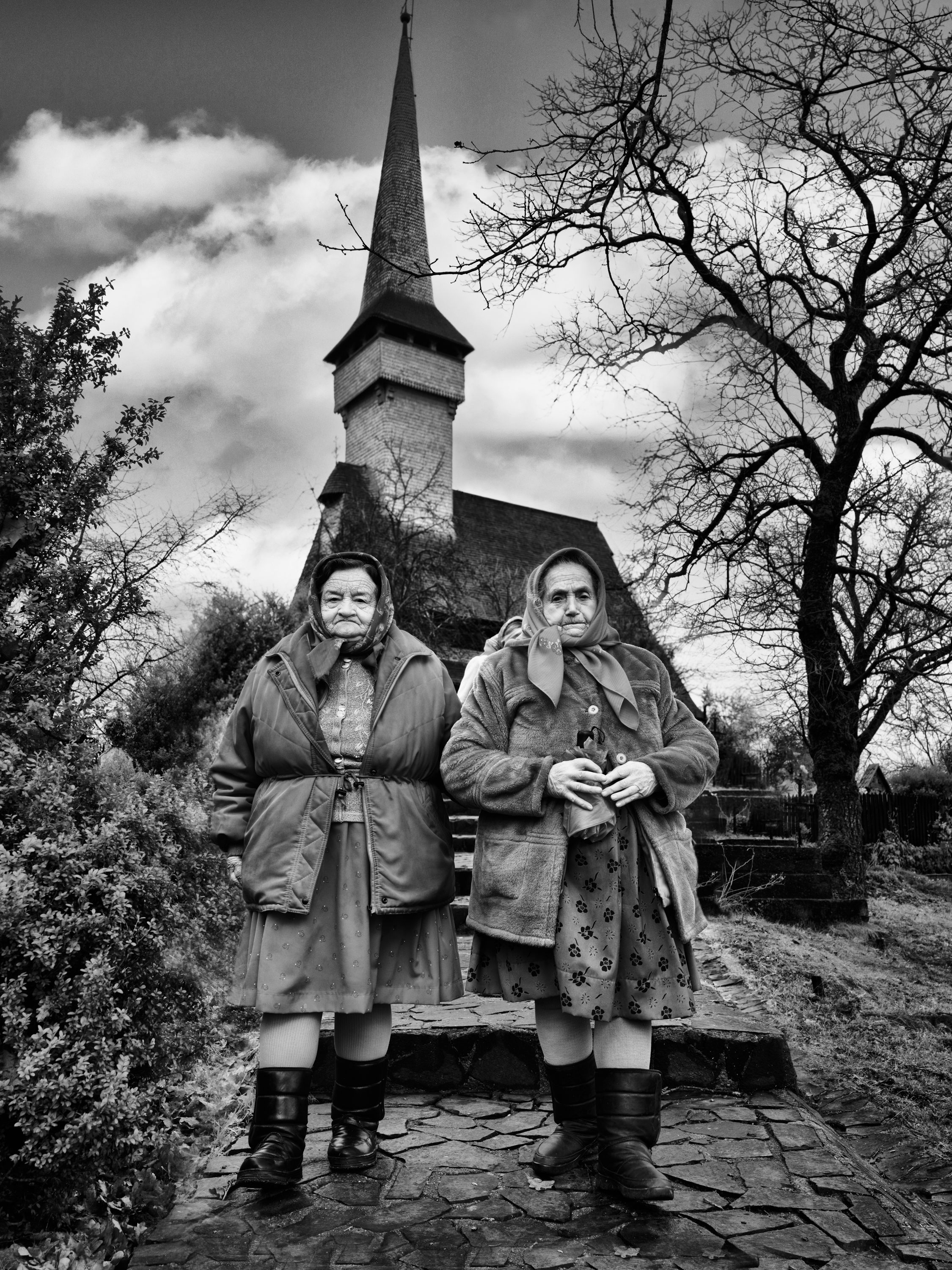
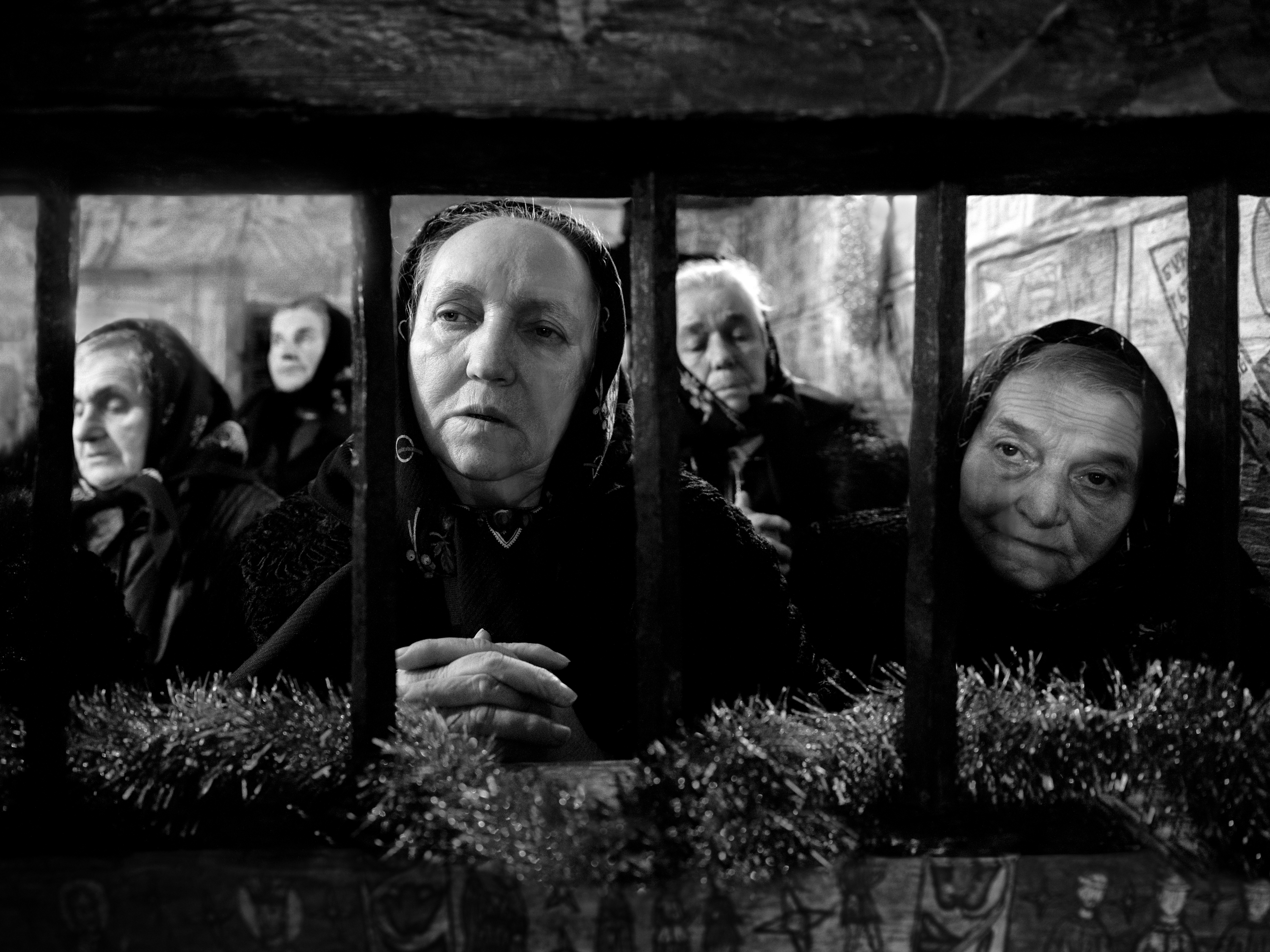
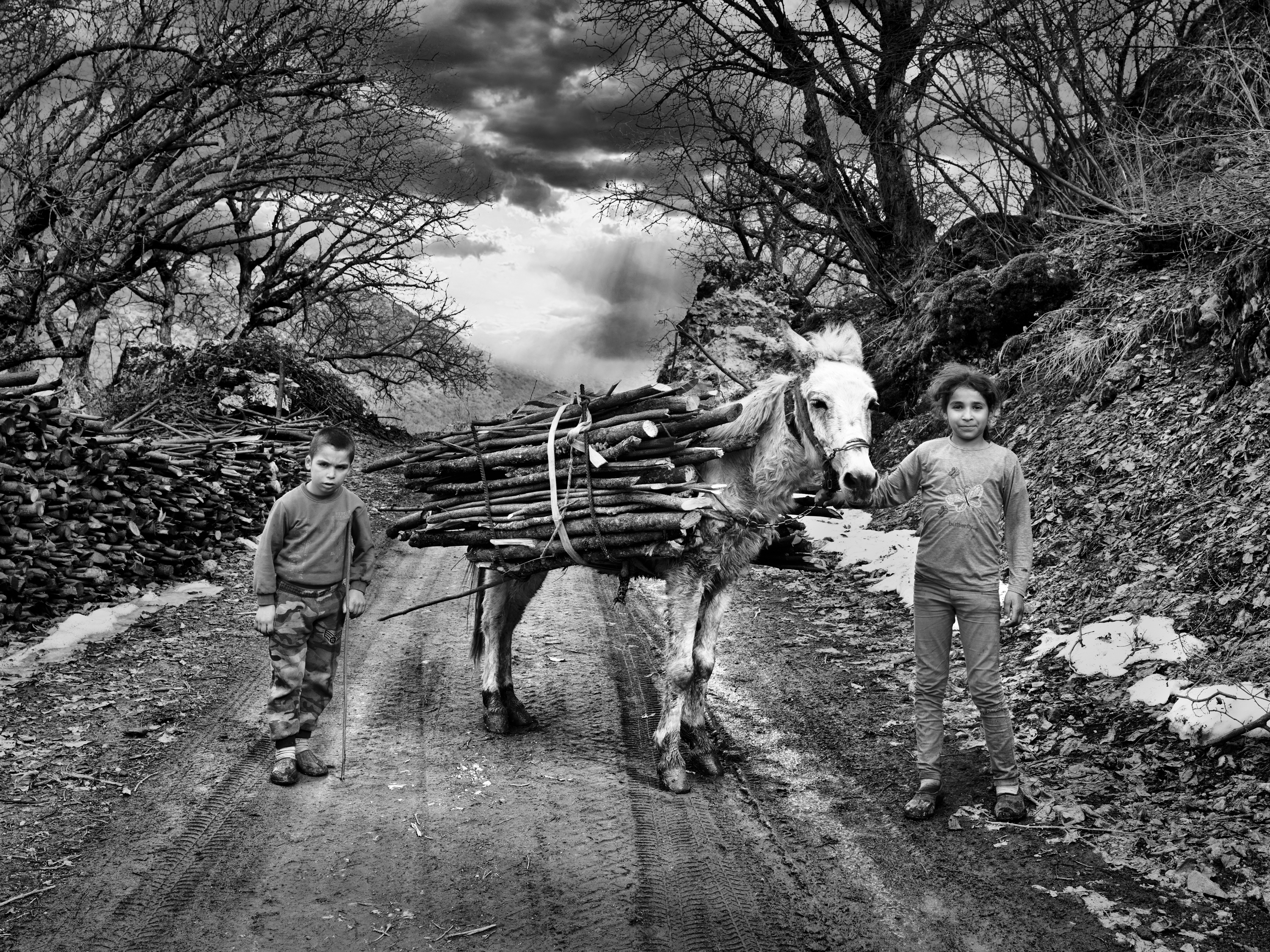
A subject who looks straight into the lens has, by definition, stopped what they were doing and acknowledged the person holding the camera. That moment of acknowledgement is much harder to earn than a candid frame, because it requires the subject to trust that being seen won’t cost them anything.
To put it another way, grabbing a candid shot from a distance takes a long lens and no relationship at all. Getting someone to meet your eyes, mid-task, in their own home, takes the opposite.
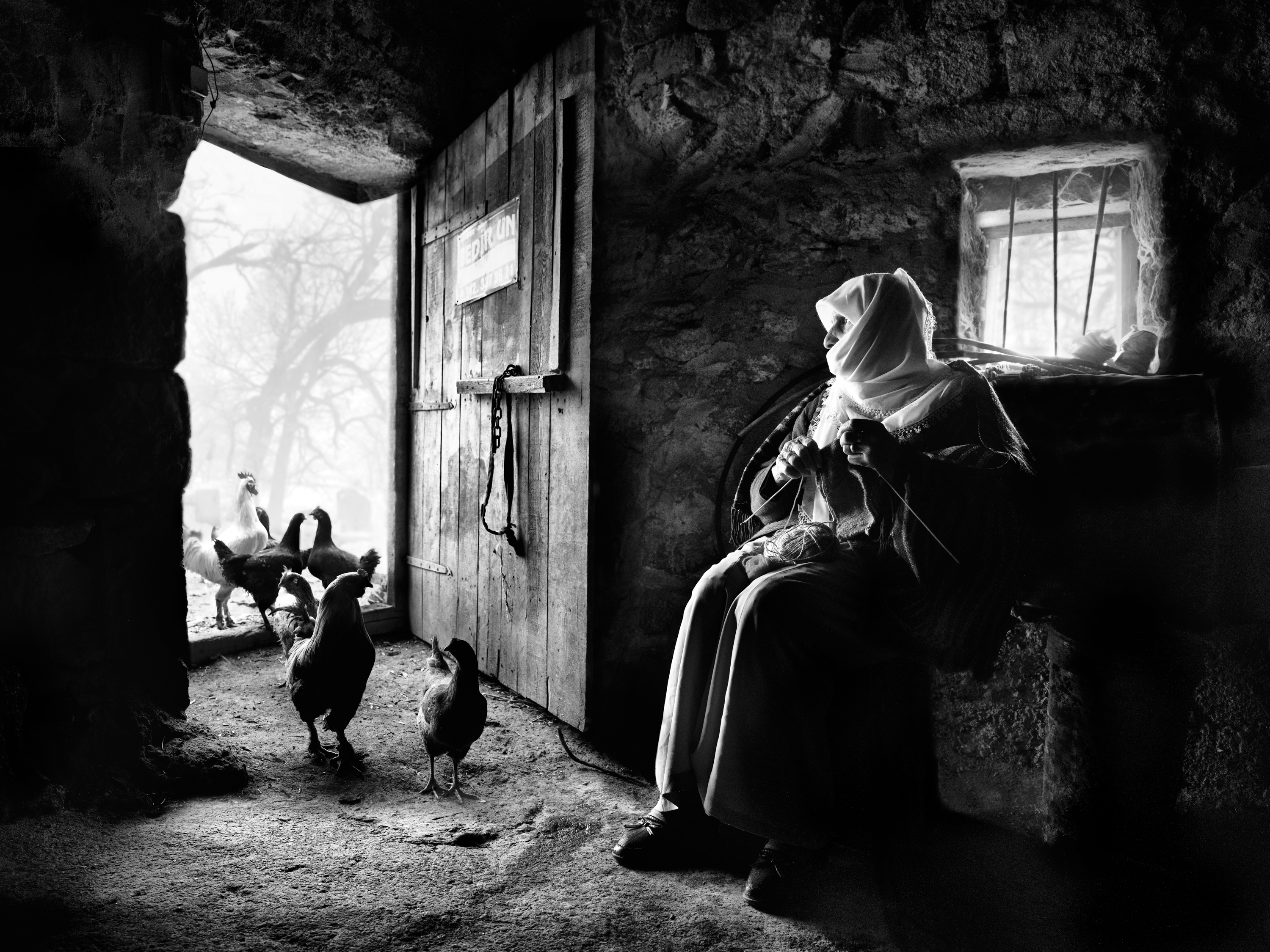
What of the images that break the pattern? In a way, they make the point clearest. Take the shot below of a woman knitting in a Turkish barn doorway, chickens crowding the threshold behind her. She is entirely absorbed in her own hands; she isn’t performing for Klink at all.
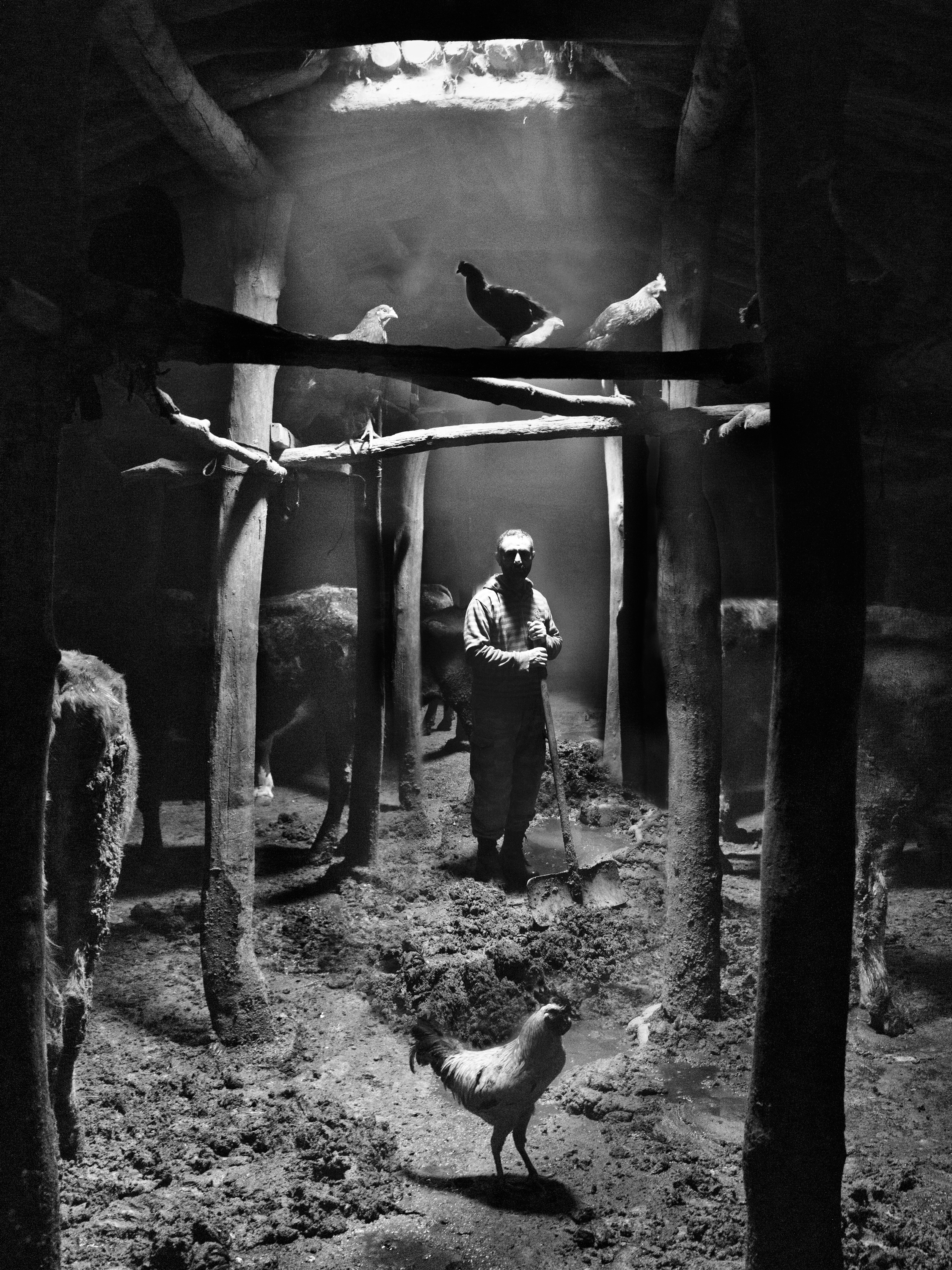
Set against the other photos on this page, that unguarded frame reads less like an inconsistency and more like proof of range. Klink got some subjects to look at him and others to simply forget he was there. But both outcomes depend on the same groundwork of trust rather than on luck or a longer lens.
The broader lesson for photographers
Klink himself grew up on a Swiss farm before building a career photographing culture and landscape internationally. And his own account of this project leans hard on patience and time spent inside these communities before the camera ever came out.
In that light, the eye contact in the finished images is the visible evidence of invisible work.
All this makes his series a useful corrective for anyone shooting portraits of strangers. Put simply, a subject looking directly at you isn’t a failure of candour. It can actually be a clear sign that you were allowed to be there in the first place.
Presented by All About Photo, Where the Earth Remembers by Oliver Klink is on view throughout July here.
Author: Tom May
Source: DigitalCameraWorld
Reviewed By: Editorial Team