

There are exhibitions where you walk around admiring individual photographs, and there are exhibitions that change how you think about photography itself. Portrait of a City: A Century of American Photography, opening at Dulwich Picture Gallery in London on 28 July, very much fits into the second box.
With more than 100 works by 38 photographers, it traces American urban life from the early 1900s to the close of the 20th century. What makes it genuinely valuable isn’t just the quality of the individual images, though that’s considerable. It’s the sweep: the chance to watch photography figure out what it’s for, in real time, across a century of history.
From ambition to urgency
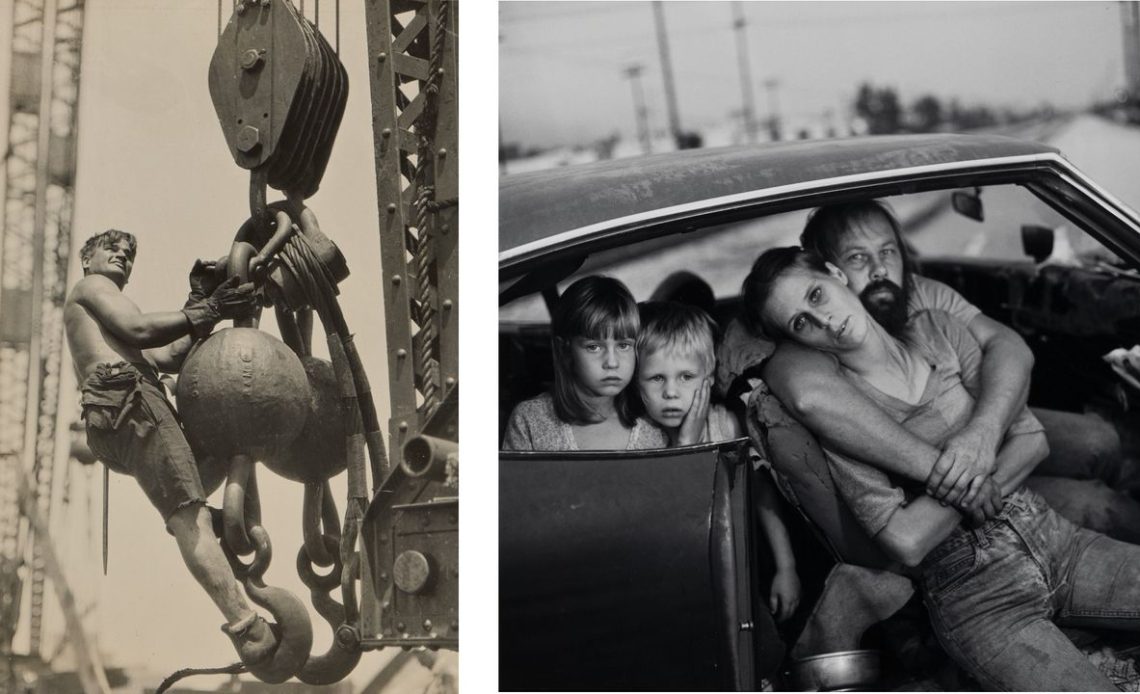
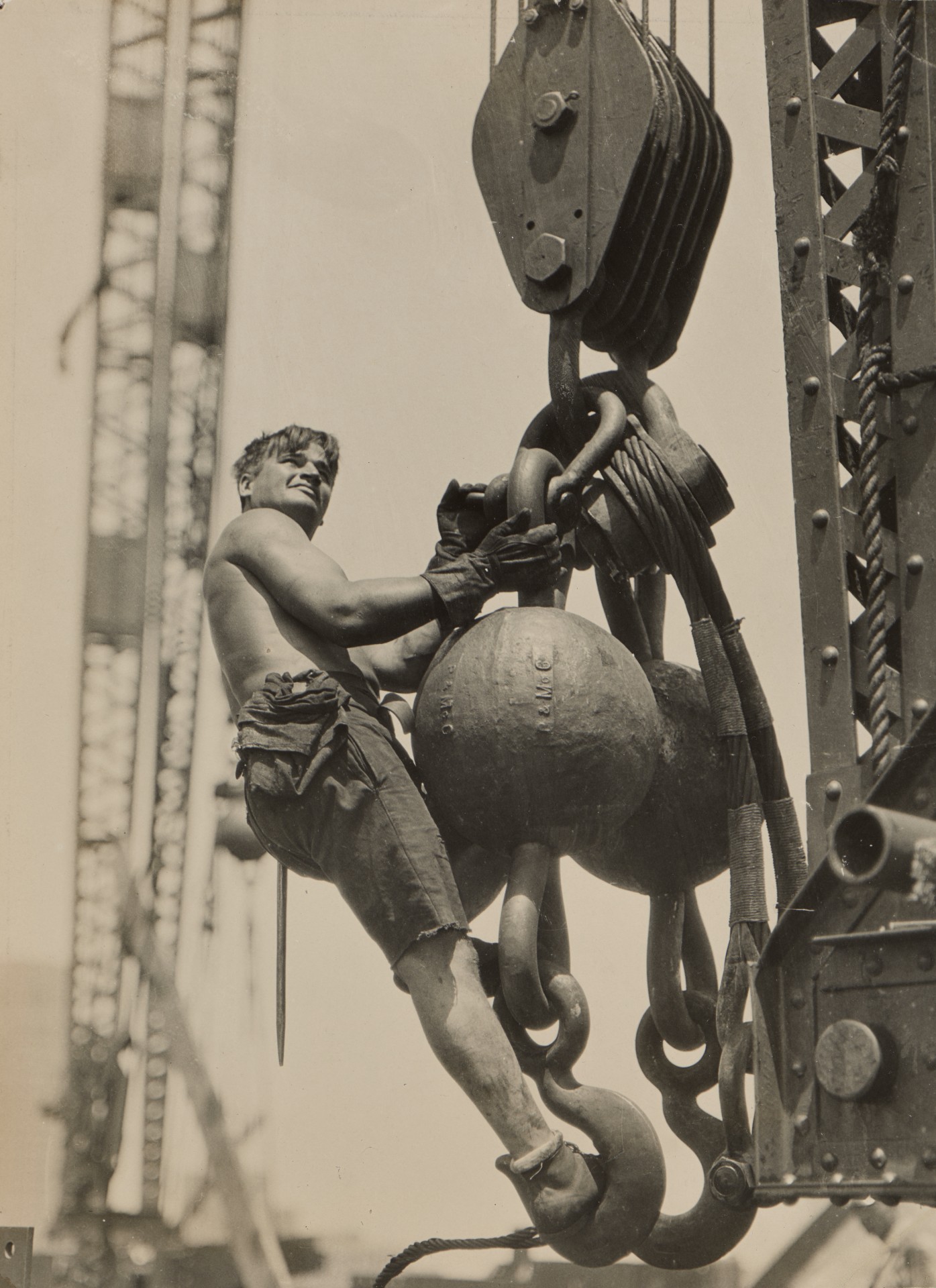
The show opens in the early 1900s, when American cities were exploding with immigration and industrial change, and photographers were working out, more or less from scratch, how to document it. Lewis Hine’s workers cling to the steel skeleton of the Empire State Building in his 1930 image Riding the Ball High up on Empire State, a photograph that manages to be both record and argument. At the same time, Alfred Stieglitz was redefining what the medium could be; his 1907 image The Steerage reveals the realities of labour and class with a directness that still lands hard.
Then the Depression hit, and photography’s purpose sharpened dramatically. Dorothea Lange’s White Angel Breadline, San Francisco, 1933 and Margaret Bourke-White’s Augusta, Georgia, 1936 show what happens when photographers point cameras at poverty without flinching. The result isn’t comfortable, but it’s honest, and that shift from ambition to urgency is one of the exhibition’s key arguments.
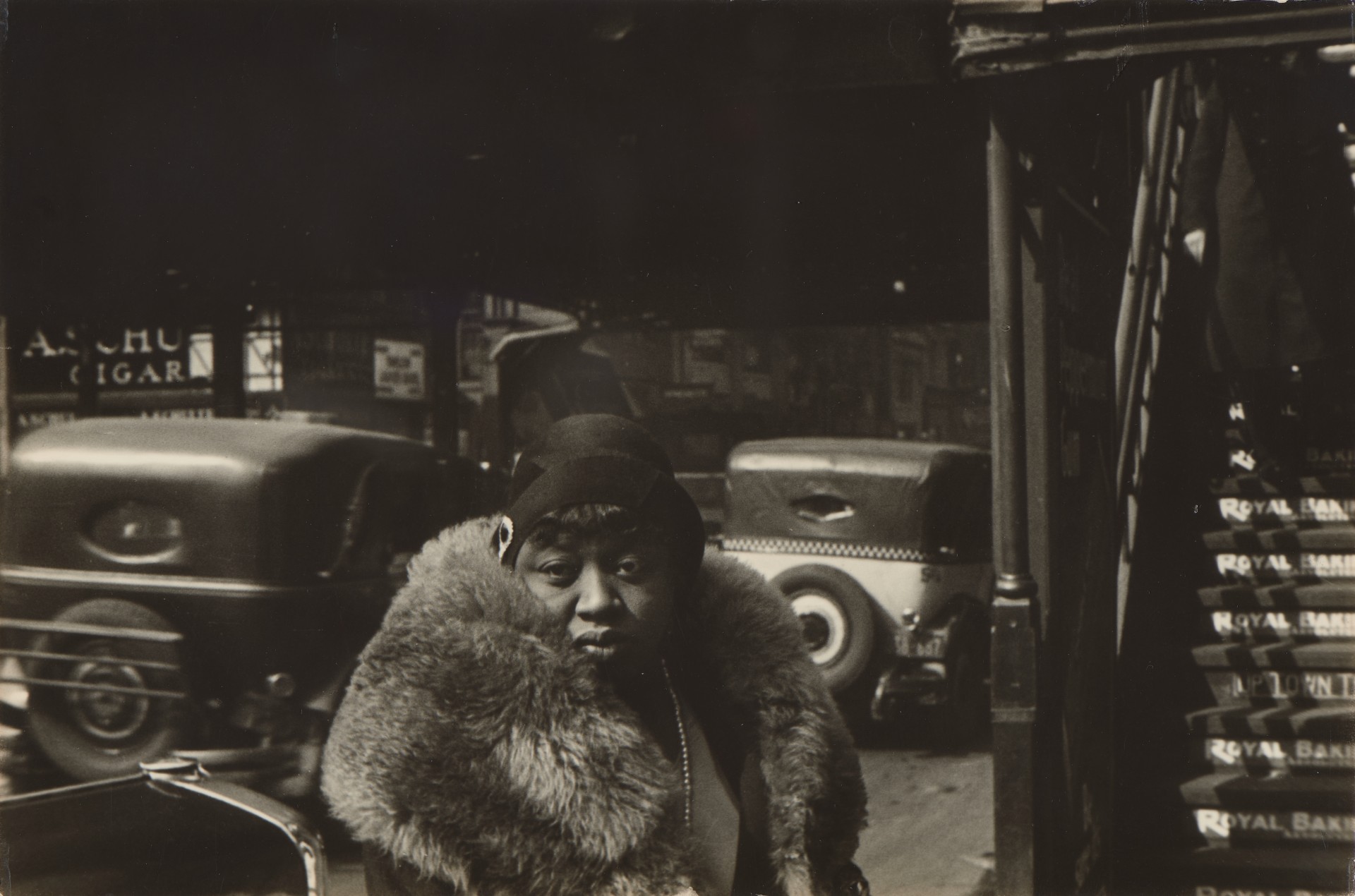
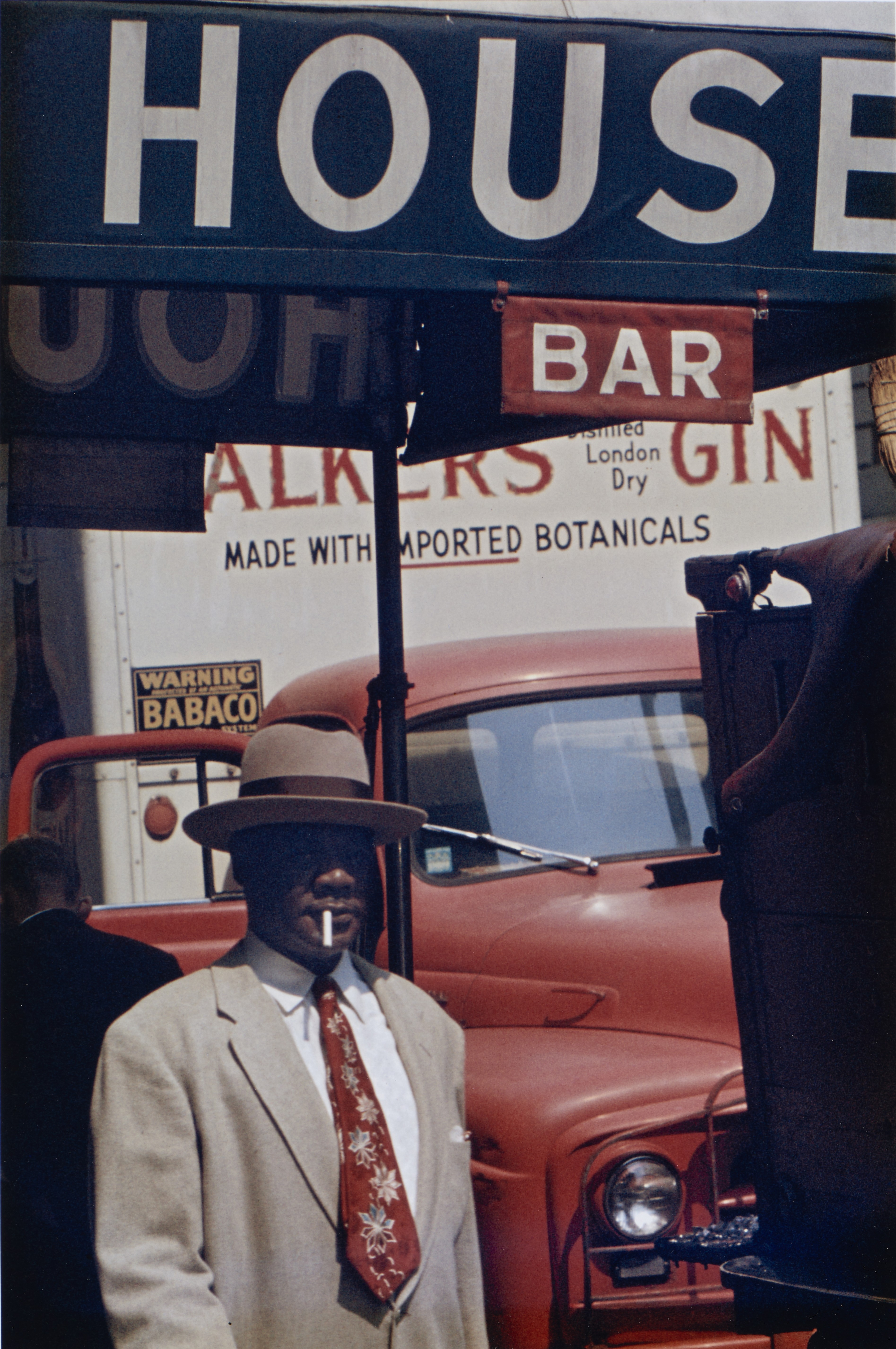
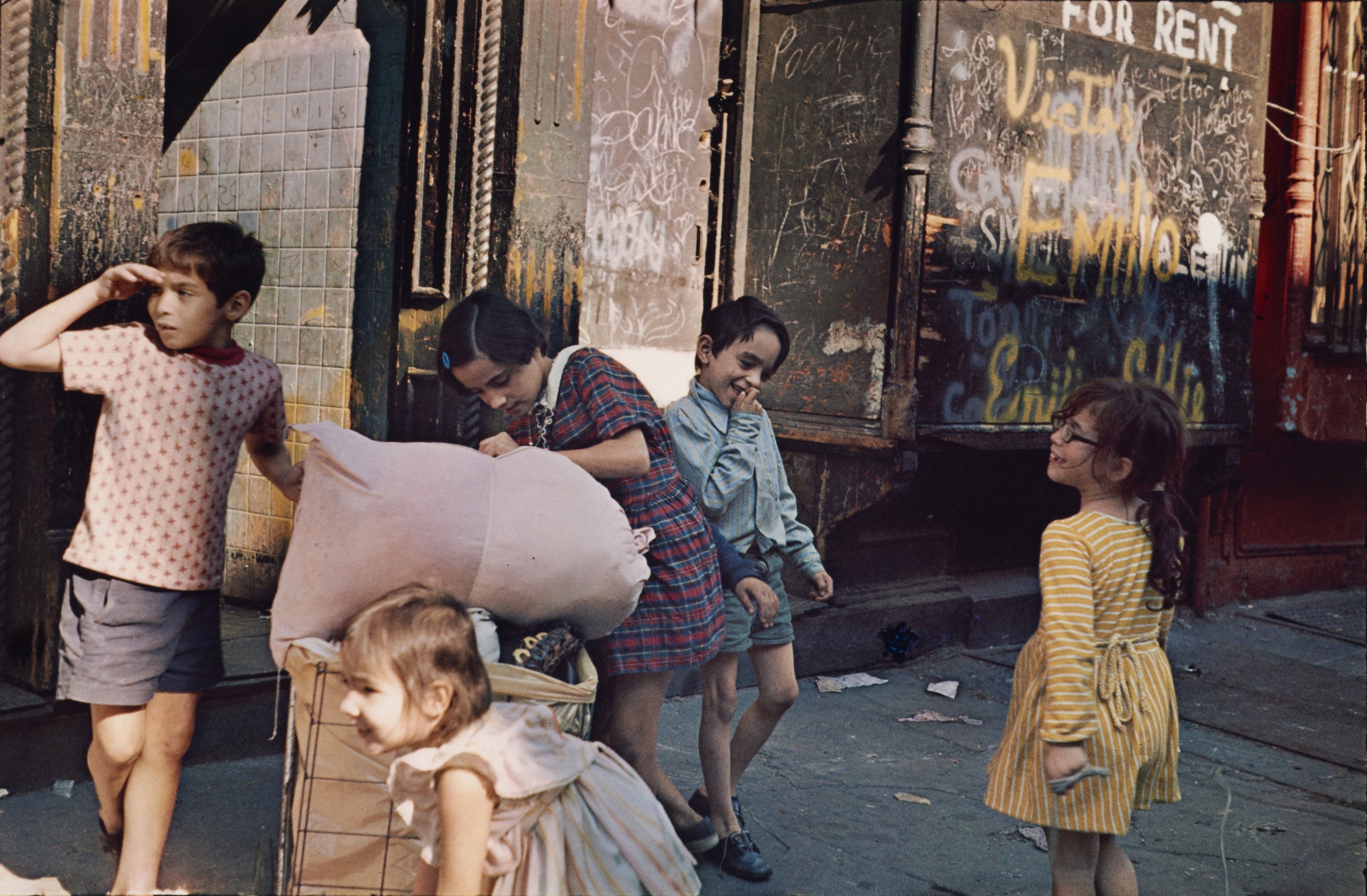
For street photographers, the middle section is likely to be the highlight. The New York Photo League, active from the 1930s through to the early 1950s, produced some of the sharpest social documentary work in the history of the medium, and several of its key figures are well represented here: Weegee, Ruth Orkin, Aaron Siskind and Rebecca Lepkoff among them. So too are Helen Levitt and Saul Leiter, whose studies of New York street life set a standard that photographers are still reaching for, and Roy DeCarava, whose tender images of life in Harlem belong in any honest account of what photography can do.
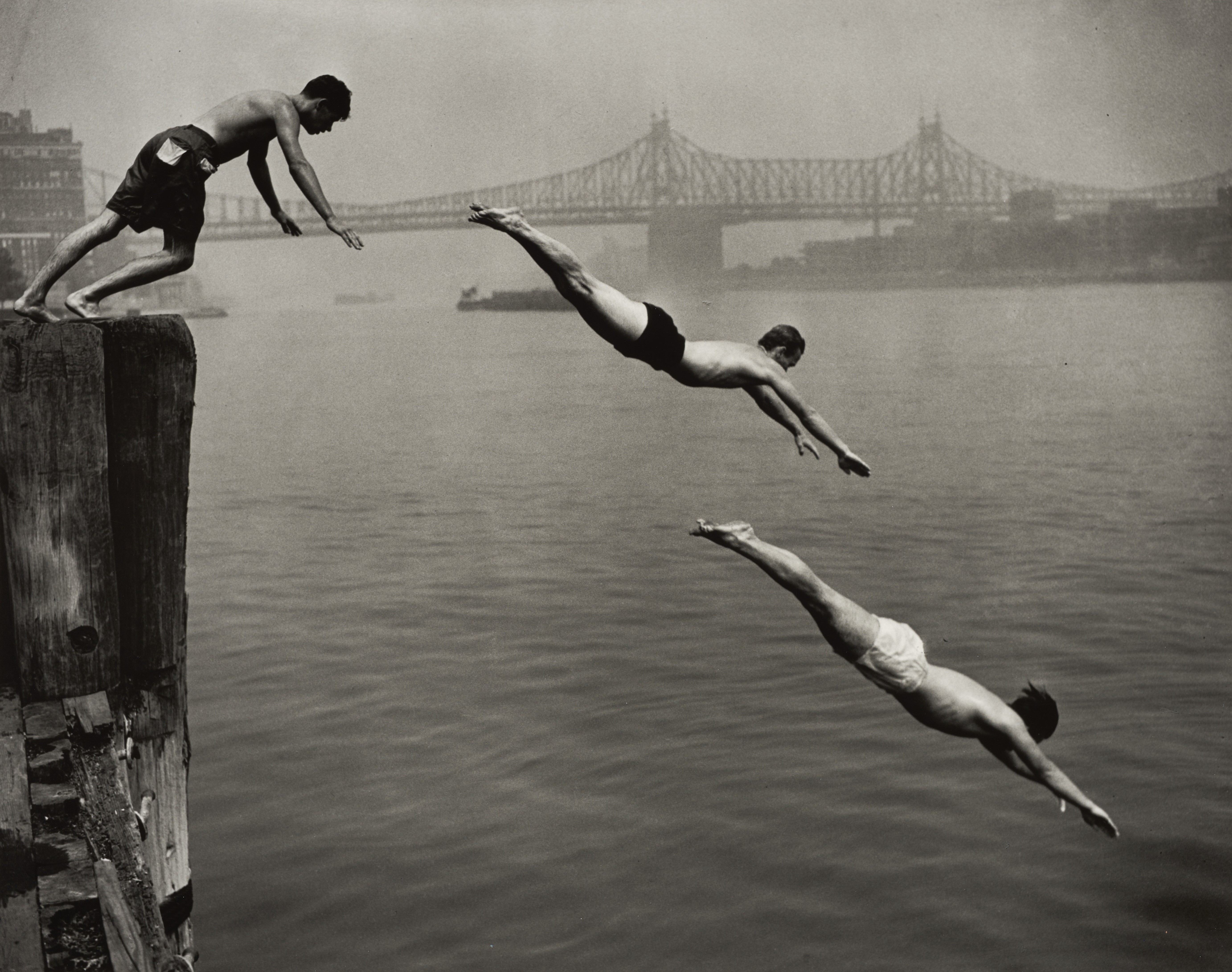
Berenice Abbott’s mid-century records of New York’s changing skyline provide a different kind of counterpoint, setting new architectural forms against the city’s historic fabric in a way that feels quietly radical. Arthur Leipzig’s Divers, East River, 1948 is another highlight: kids launching themselves off a pier, peripheral urban space briefly transformed into something joyful.
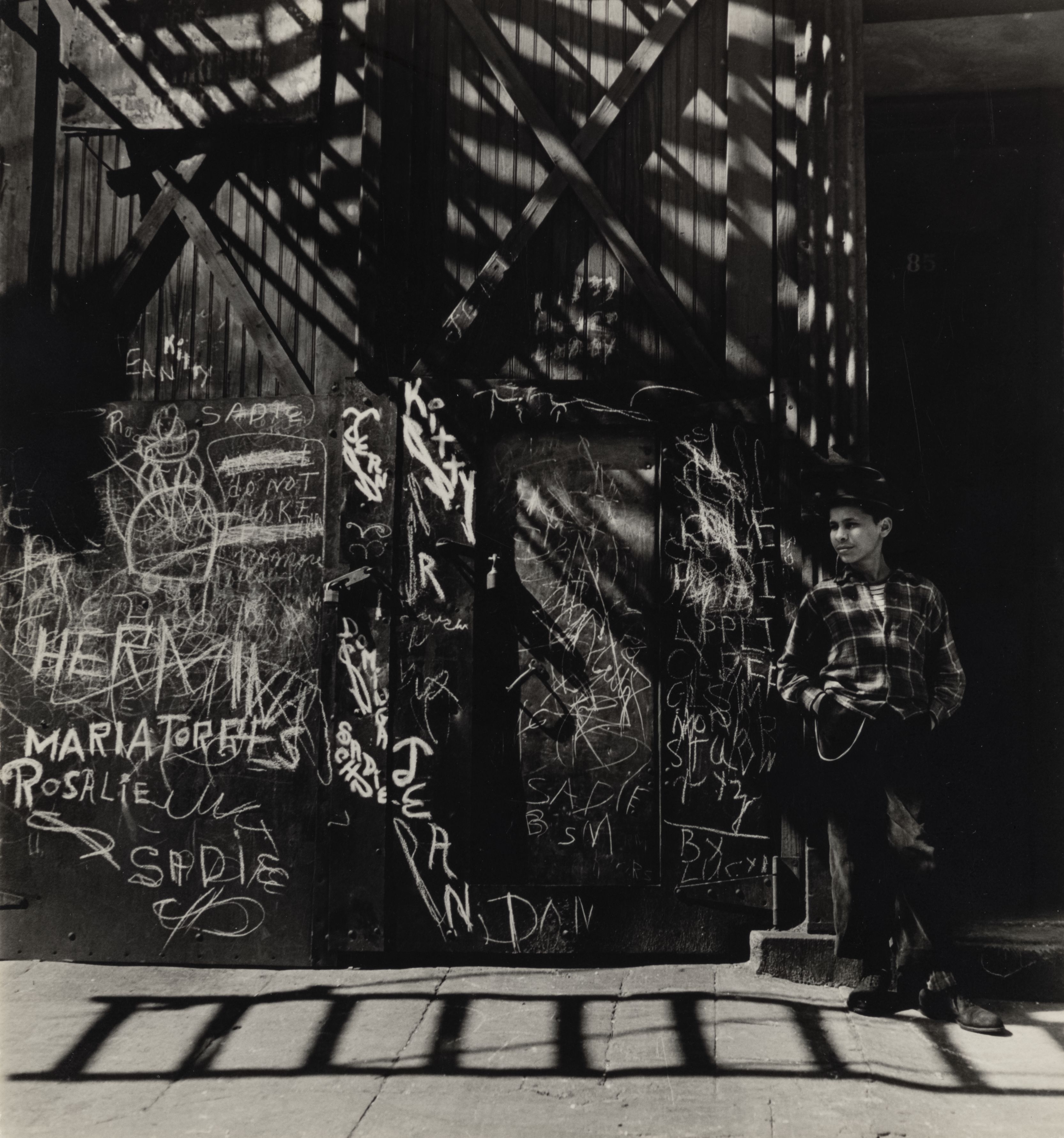
By the 1960s and 1970s, something shifts again. Garry Winogrand, Diane Arbus and Lee Friedlander bring a new restlessness to street photography, less interested in solidarity than in strangeness, in the odd and unsettling textures of modern life. Ed Ruscha and Robert Adams turn their attention to the built environment itself, the highways, car parks and strip malls of the American west.
The show doesn’t shy away from the harder material of this period. Mary Ellen Mark’s The Damm Family in Their Car, Los Angeles, 1987 confronts homelessness directly and without sentimentality. Peter Hujar’s Richie, 1985 offers an intimate portrait of communities ravaged by the AIDS crisis.
These aren’t easy photographs, but they’re necessary ones, and their inclusion here is part of what gives the exhibition its moral weight.
The closing argument
Portrait of a City concludes with Bruce Davidson’s celebrated Subway series (1980–1985), whose vivid, unflinching photographs of New York underground riders feel like a fitting end: raw, immediate, formally assured, made by a photographer who’d spent decades learning exactly how close to get.
Taken together, the show makes the case that photography’s great subject isn’t any particular city. It’s people, how they live, how they’re shaped by the places around them, and what survives when the moment has passed. The collection is drawn entirely from the DNB Savings Bank Foundation in Norway, making this a rare UK chance to see it.
Portrait of a City: A Century of American Photography is at Dulwich Picture Gallery, London, from July 28 – October.4, 2026
Author: Tom May
Source: DigitalCameraWorld
Reviewed By: Editorial Team