


National Geographic photographers captured more than a million images around the world in 2026. Now the brand has unveiled its Pictures of the Year 2026, offering 25 exclusive insights into our world – and as the tagline puts it, “the extraordinary moments we almost never see.”
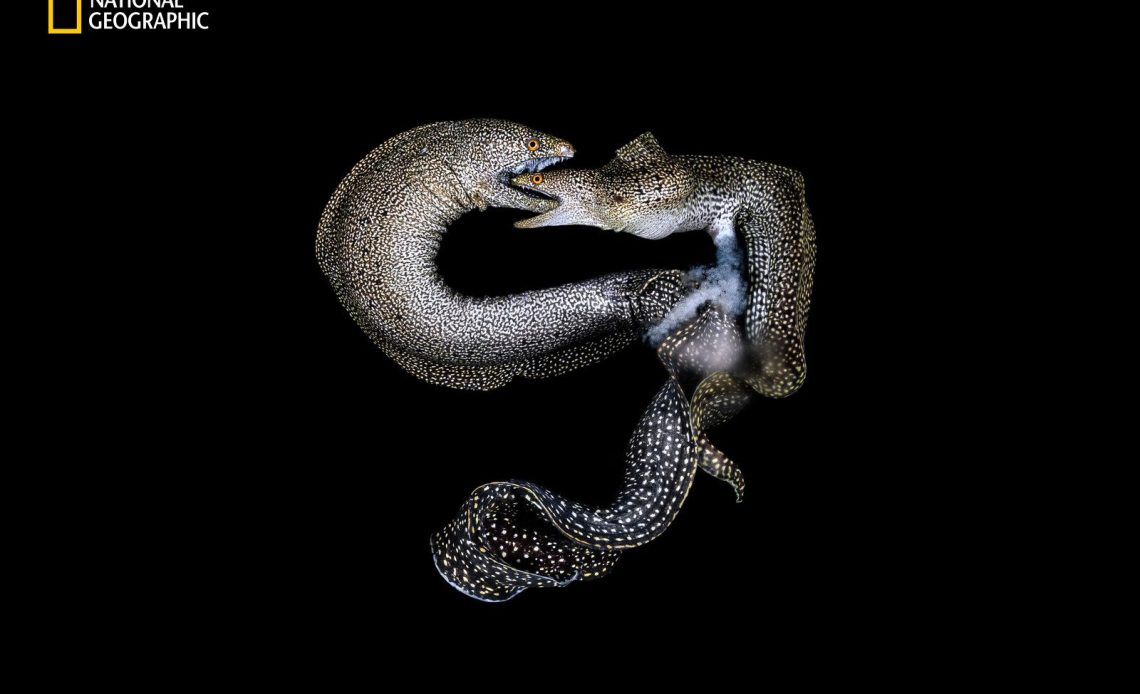
Making the collection even more significant is the fact that it includes a number of world-first images, such as those by photographer Tony Wu who spent nine months in Japan documenting a mystery that had long confounded biologists.
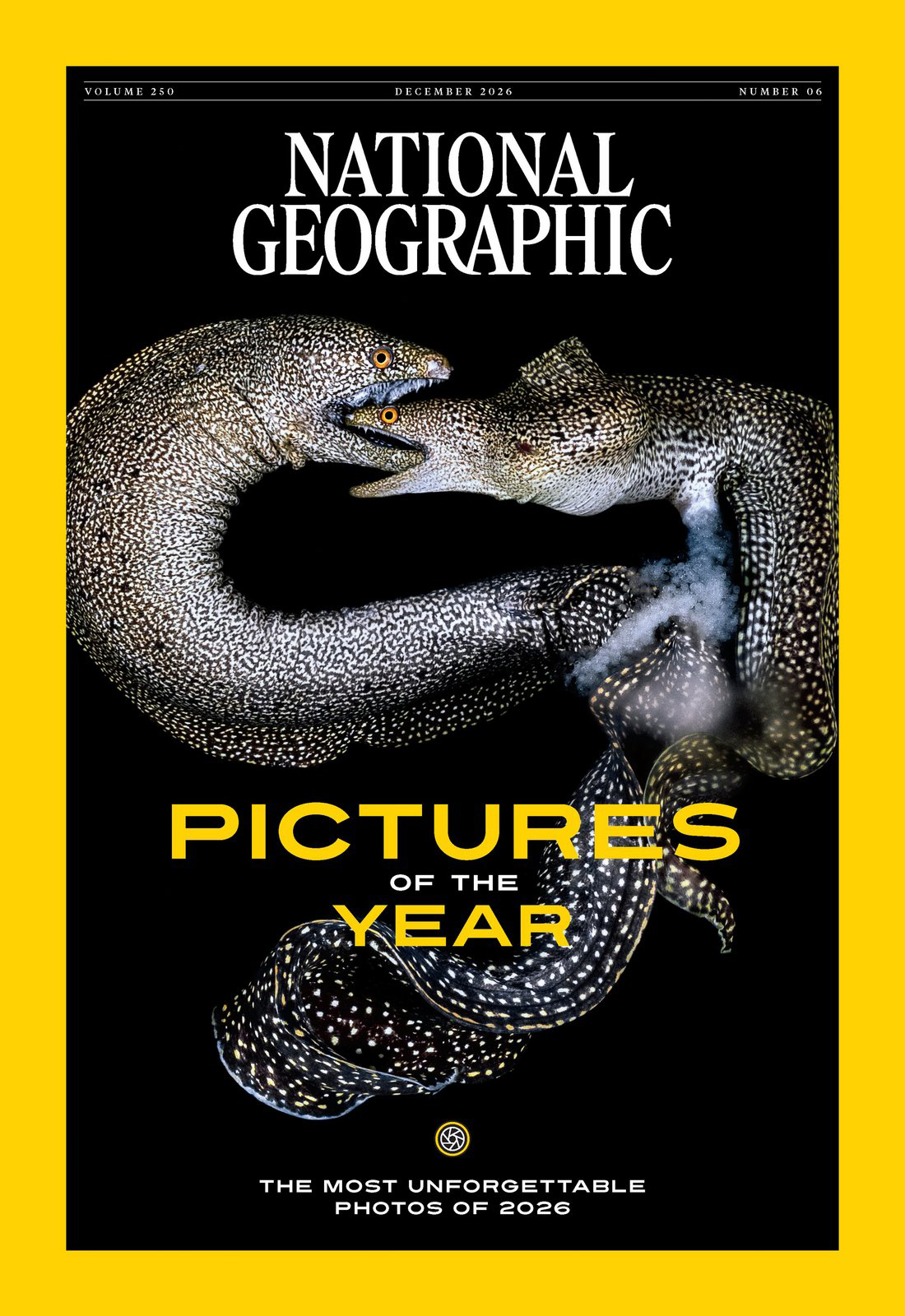
He captured something that no human is known to have photographed in the wild before, with one of his images making the cover of National Geographic‘s new December issue.
Wu photographed a pair of Abbott’s moray eels (Gymnothorax eurostus) reaching the peak of their spawning run, three-tenths of a second after leaving the cover of coral.
The male, on the left, is just releasing the female’s jaw, with both eels releasing gametes into the water. The photograph was taken in Kagoshima Prefecture, Japan.
“The power of photography is that it makes visible and understandable things many of us would never otherwise see, and that it can help us view something familiar in an entirely new way,” said Nathan Lump, editor-in-chief of National Geographic.
“This year’s Pictures of the Yearcollection is a testament to the boundless curiosity and relentless persistence of our photographers in their quest to help us better understand our world.
“Together, these images remind us how much there is still to discover about our planet, and that the deeply human work of documenting what’s real is more valuable than ever in a time when fakes are everywhere.”
The full Pictures of the Year 2026 gallery is now available on the National Geographic website, where you can learn more about the stories behind each photograph.
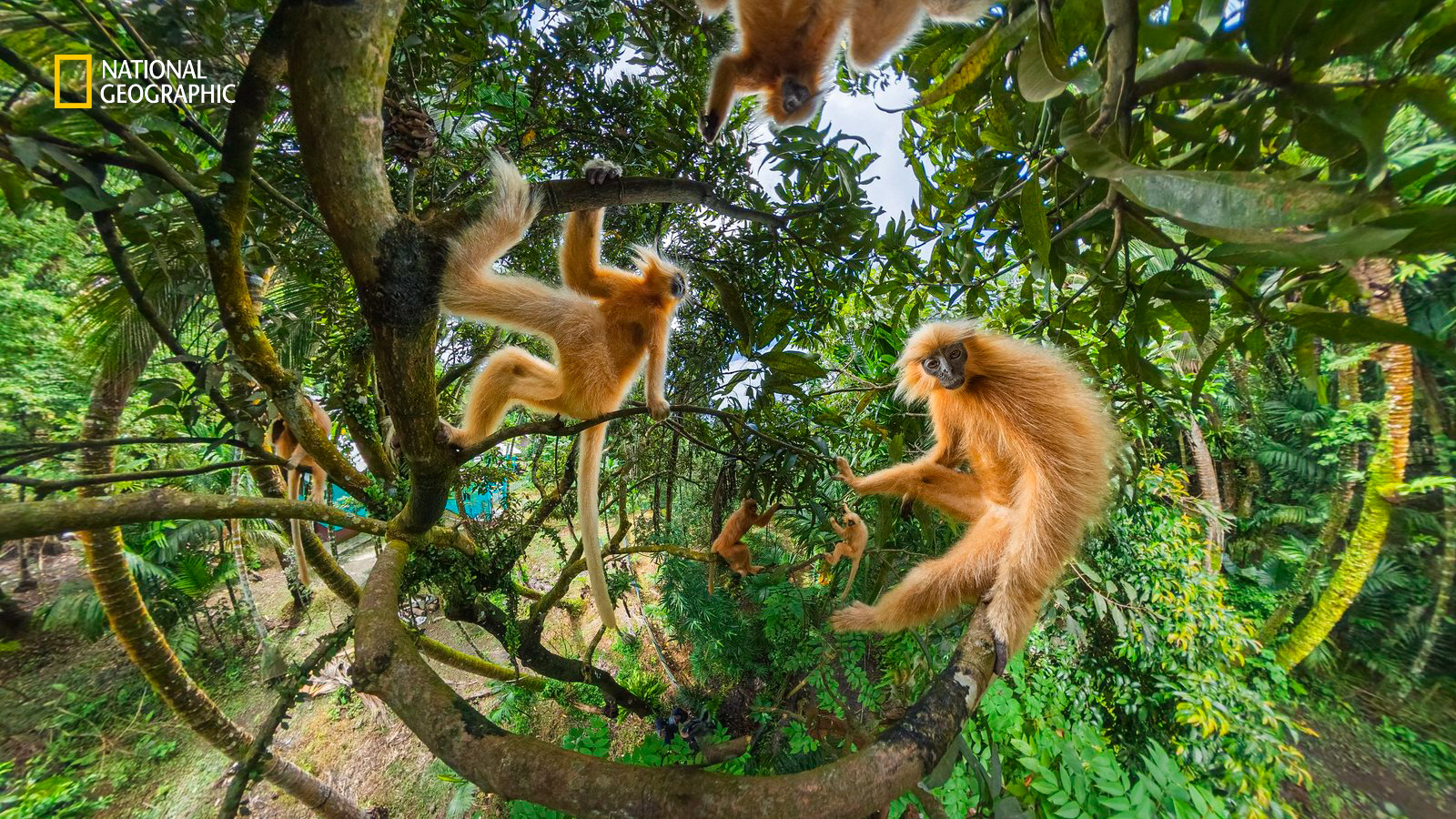
A curious troop of Gee’s golden langurs – named for a naturalist who documented them in the 1950s – peer into a fisheye lens that Prakash Matada affixed to a telescoping pole. The endangered canopy dwellers here have formed a rare bond with humans and proved anything but camera shy, gazing at their own reflections.

A crack of rifle fire marks the finale of a performance of tbourida, a Moroccan equestrian tradition in which a team of riders act out a cavalry charge. Women are gradually gaining a foothold in the centuries-old sport. At the festival pictured here, all-female brigades represented two of the one-hundred-and-forty competing troupes.
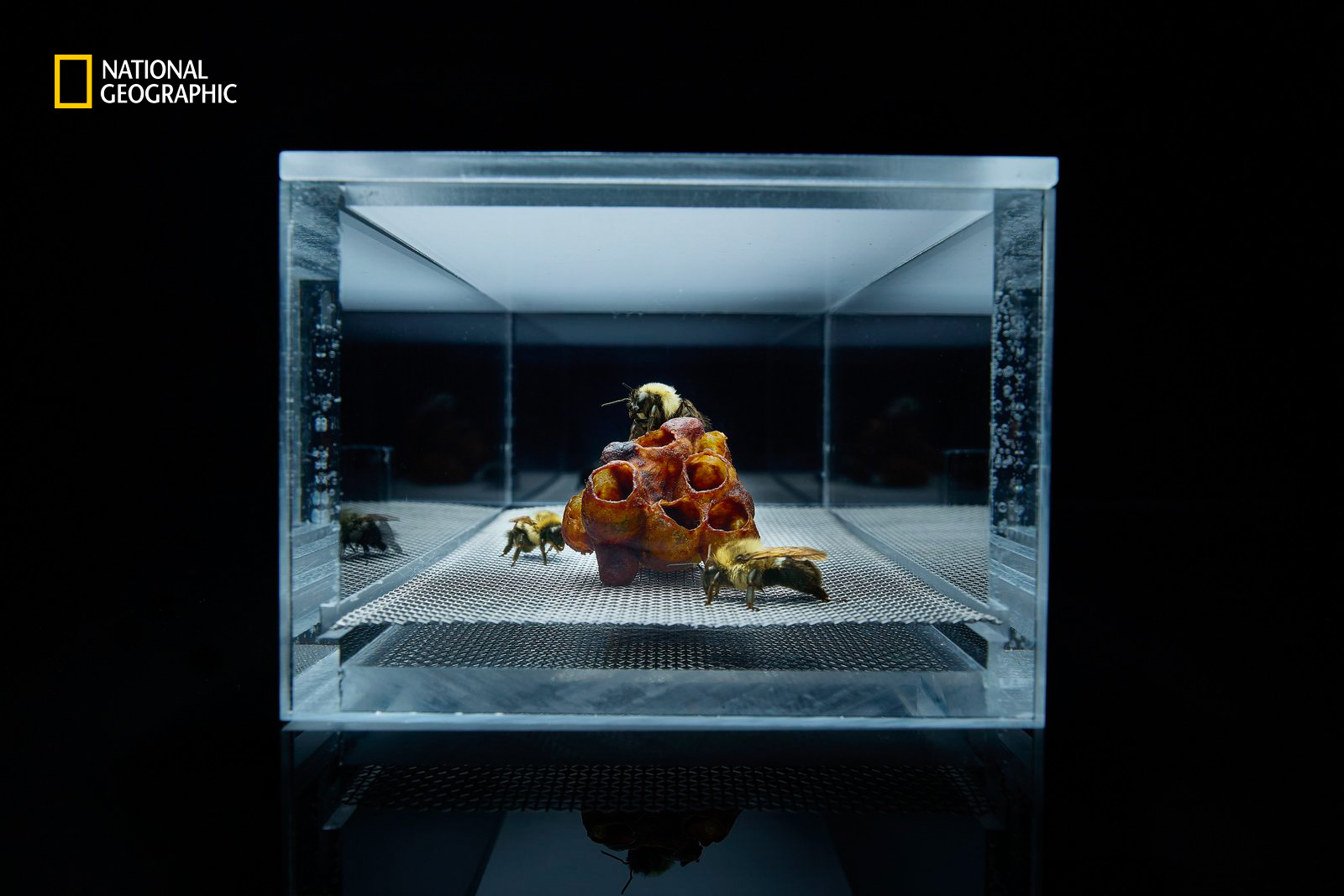
Three common eastern bumblebees crawl around irregular beeswax cells, which colonies build to store honey and raise young. Photographer Anand Varma documented the process alongside National Geographic Explorer Felicity Muth, who designed this acrylic box to study how bumblebee nests take shape.
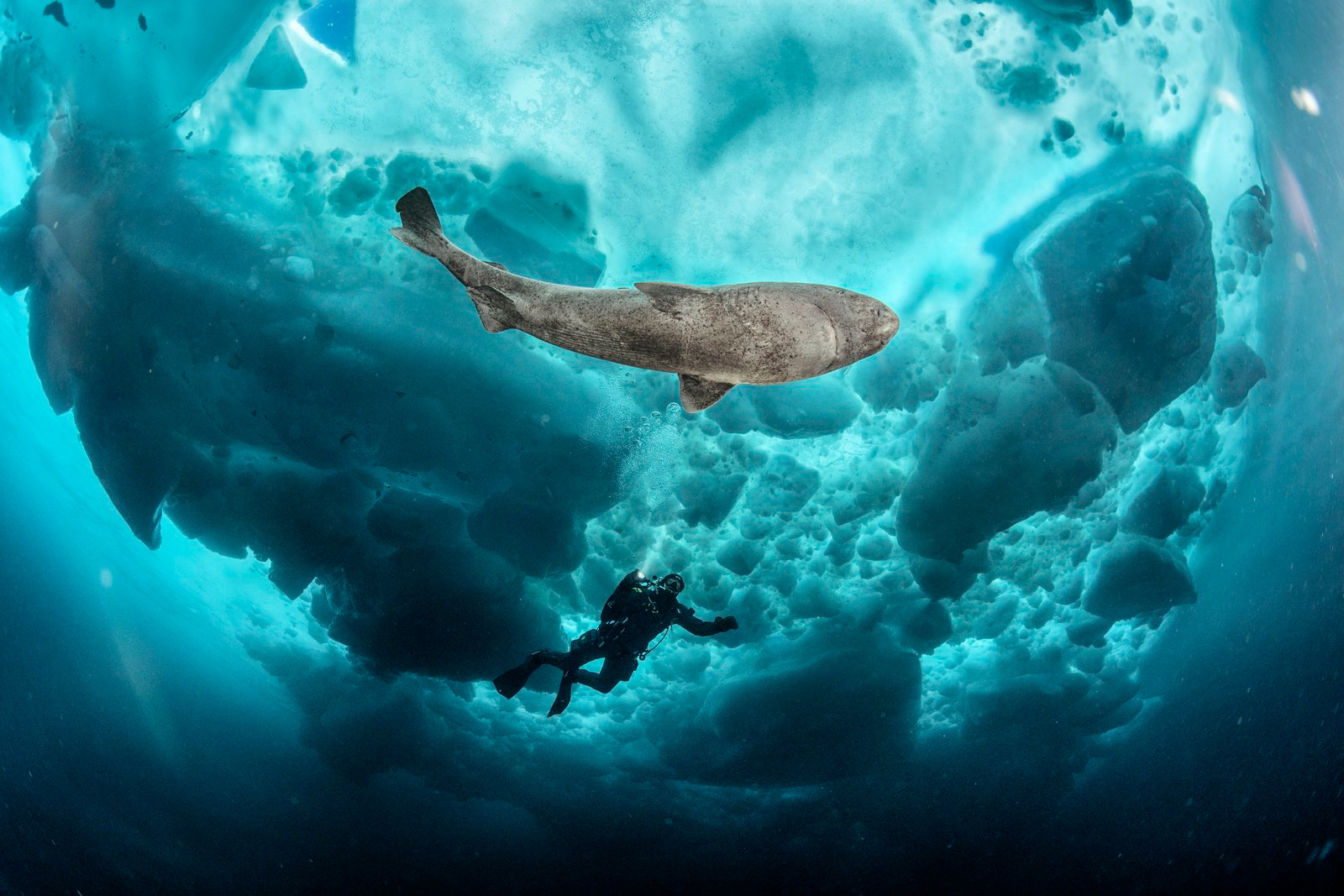
A Greenland shark, the oldest vertebrate on earth, swims underneath the meter-thick sea ice near the village of Kulusuk in East Greenland, as diver Philipp Oppermann watches.
This shark came up from the depths into the shallows at night to follow the scent of a Greenlander’s bait, frozen ringed seal. This photograph was made on March 17 2026, in early spring, when the sea ice remains strong and the visibility of the water is spectacular, over 164 feet / 50 meters.
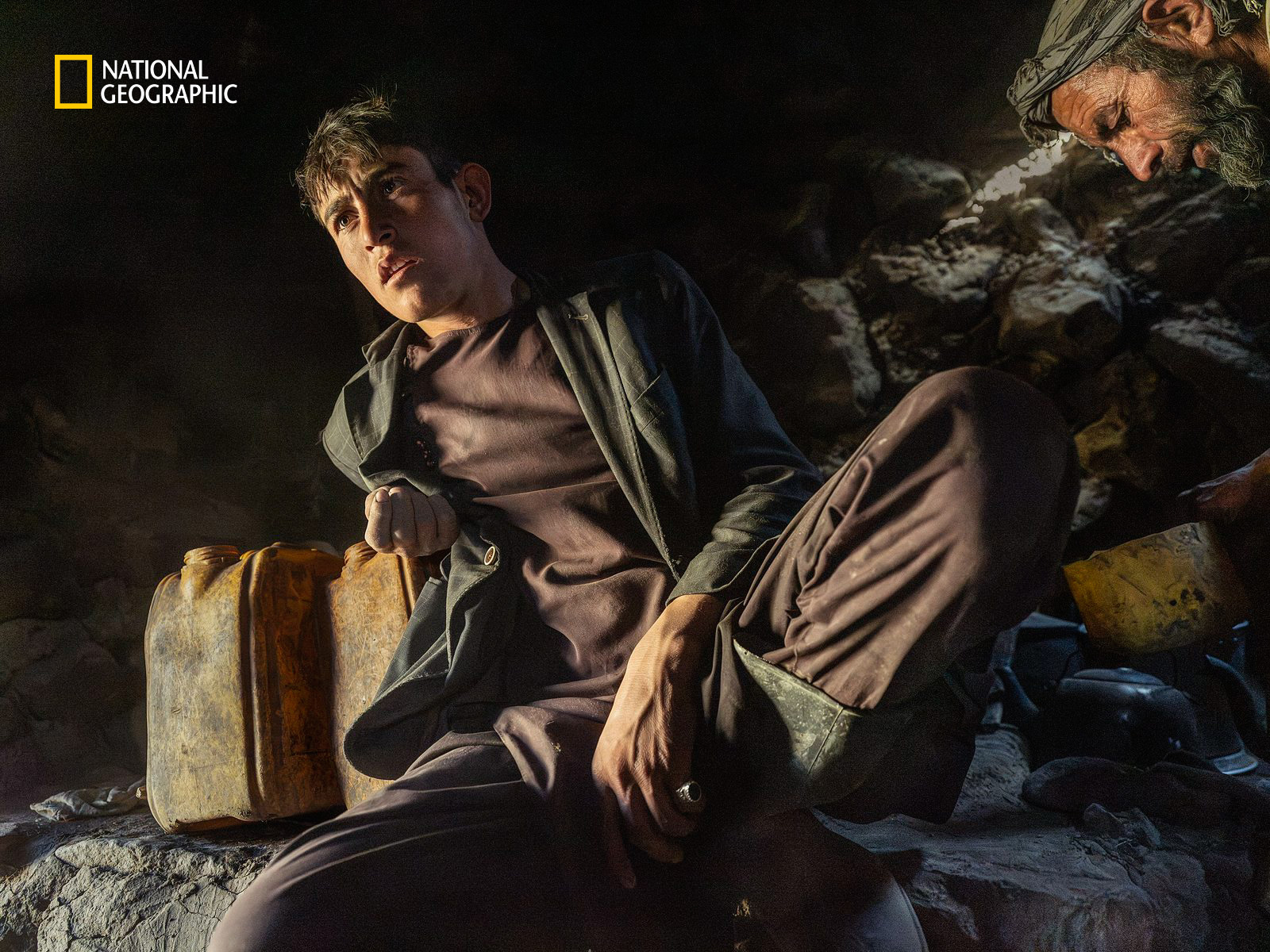
Twenty-six years ago, photographer Matthieu Paley first visited Afghanistan’s Wakhan corridor, a narrow strip of land bordering Pakistan, Tajikistan, and China – and was transfixed. Repeated visits have only deepened his connection to the region and the local Wakhi people. Here, Hazal-u Din reclines by firelight after a long day herding yaks.
Author: Kim Bunermann
Source: DigitalCameraWorld
Reviewed By: Editorial Team
