


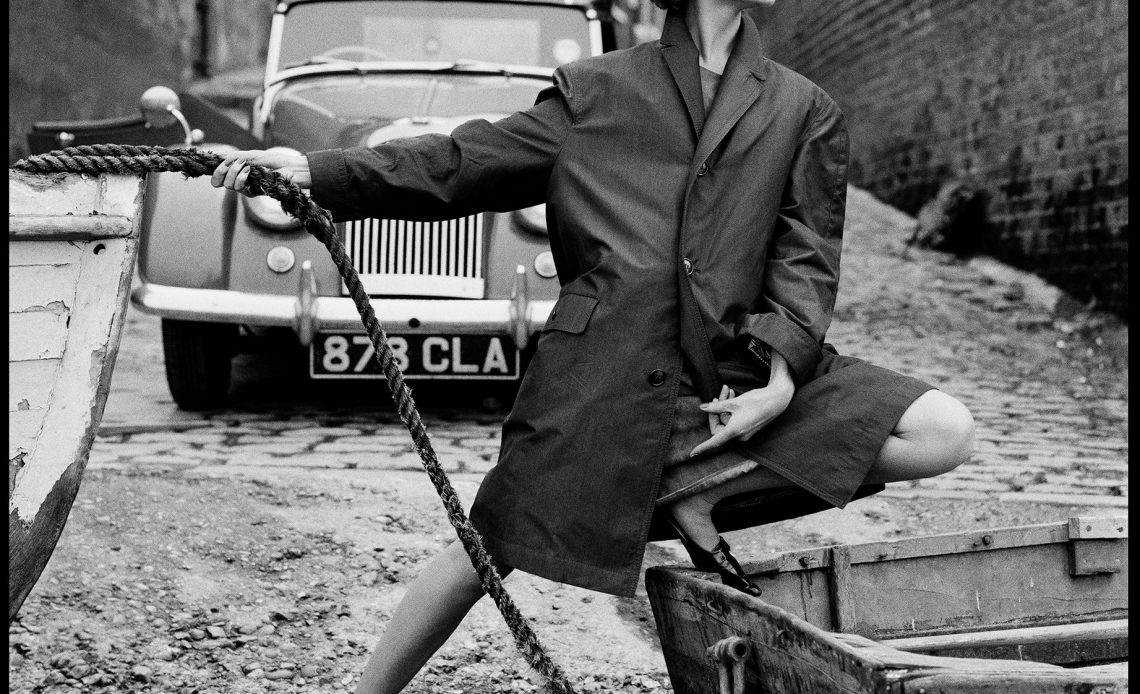
I’ve interviewed veteran photographer David Bailey, currently subject of a new exhibition at London’s Leica Gallery, on several occasions – and once asked him how he’d like to be remembered. I then went further and asked him what he’d like written on his tombstone.
“Is that it?” Bailey snapped back, with a wheezy chuckle. There was a pause. “No, no…” he corrected himself: “He did his best”.
The new exhibition, David Bailey – Time After Time, in some ways does resemble a ‘best of’ – at least, if you consider the 1960s to be Bailey’s most inspired and creative decade.
It’s unquestionably the one that made him and the reason that there’s still interest in and admiration of the images he created – including those with muse, model and lover Jean Shrimpton, who features – 60 years on.
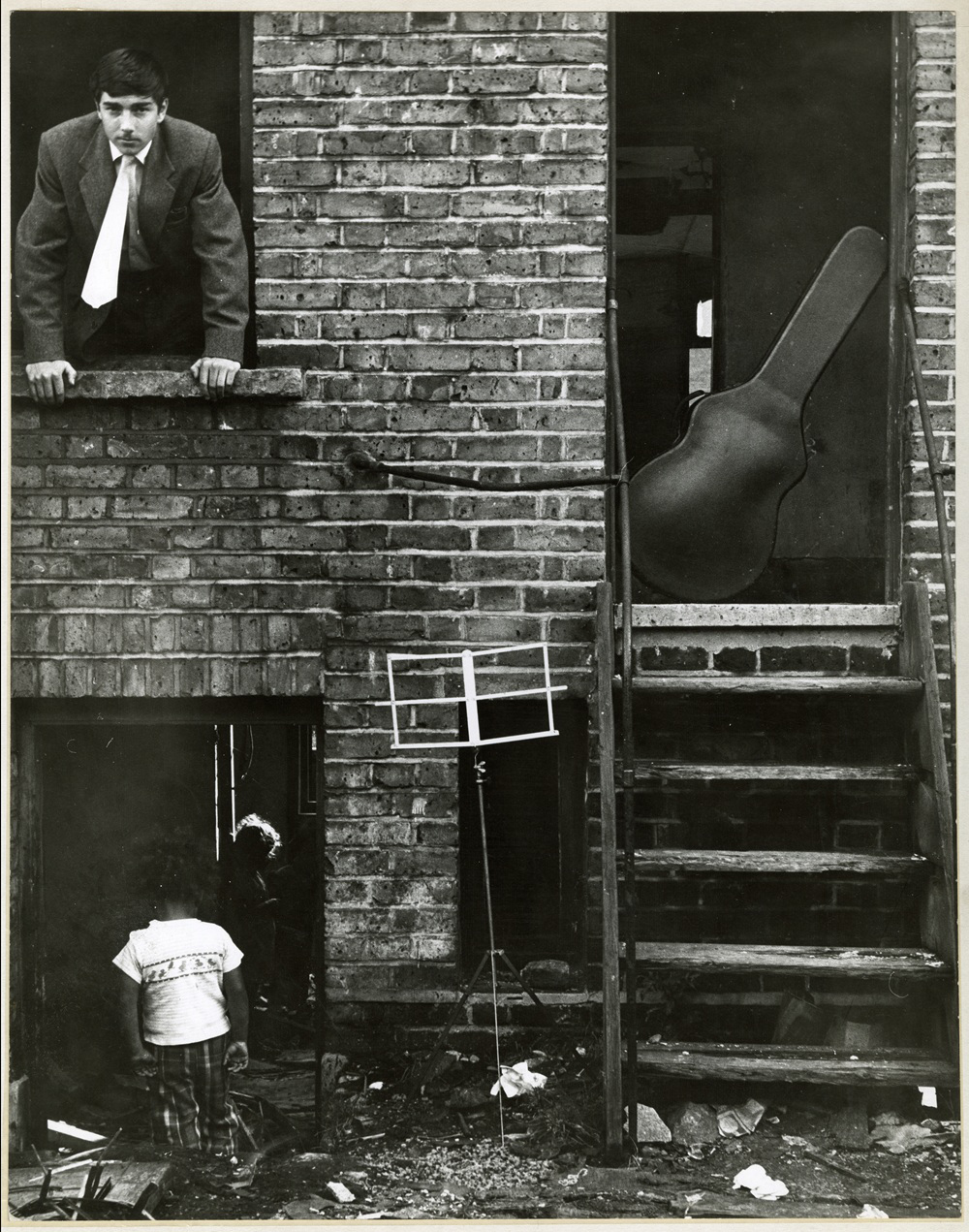
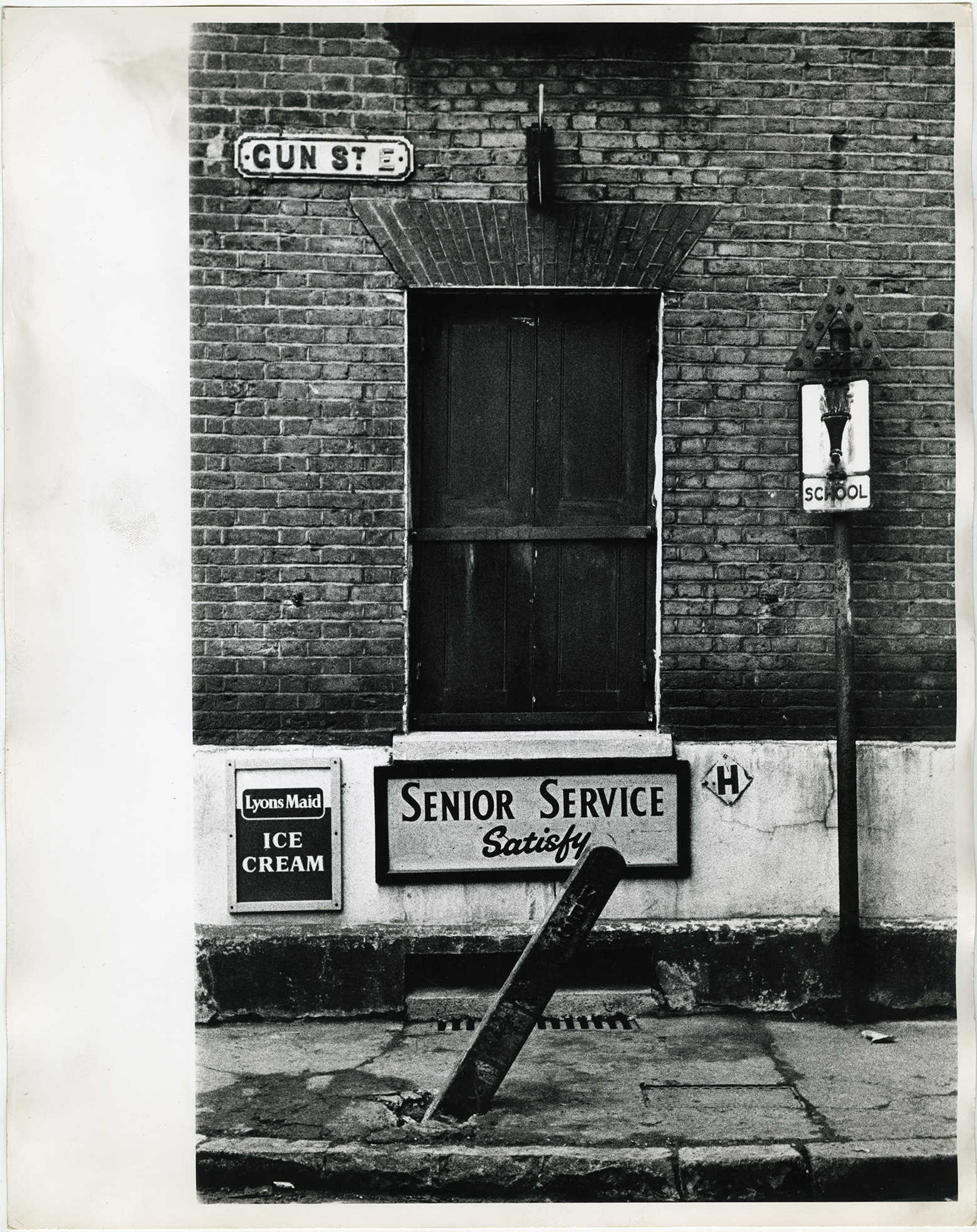
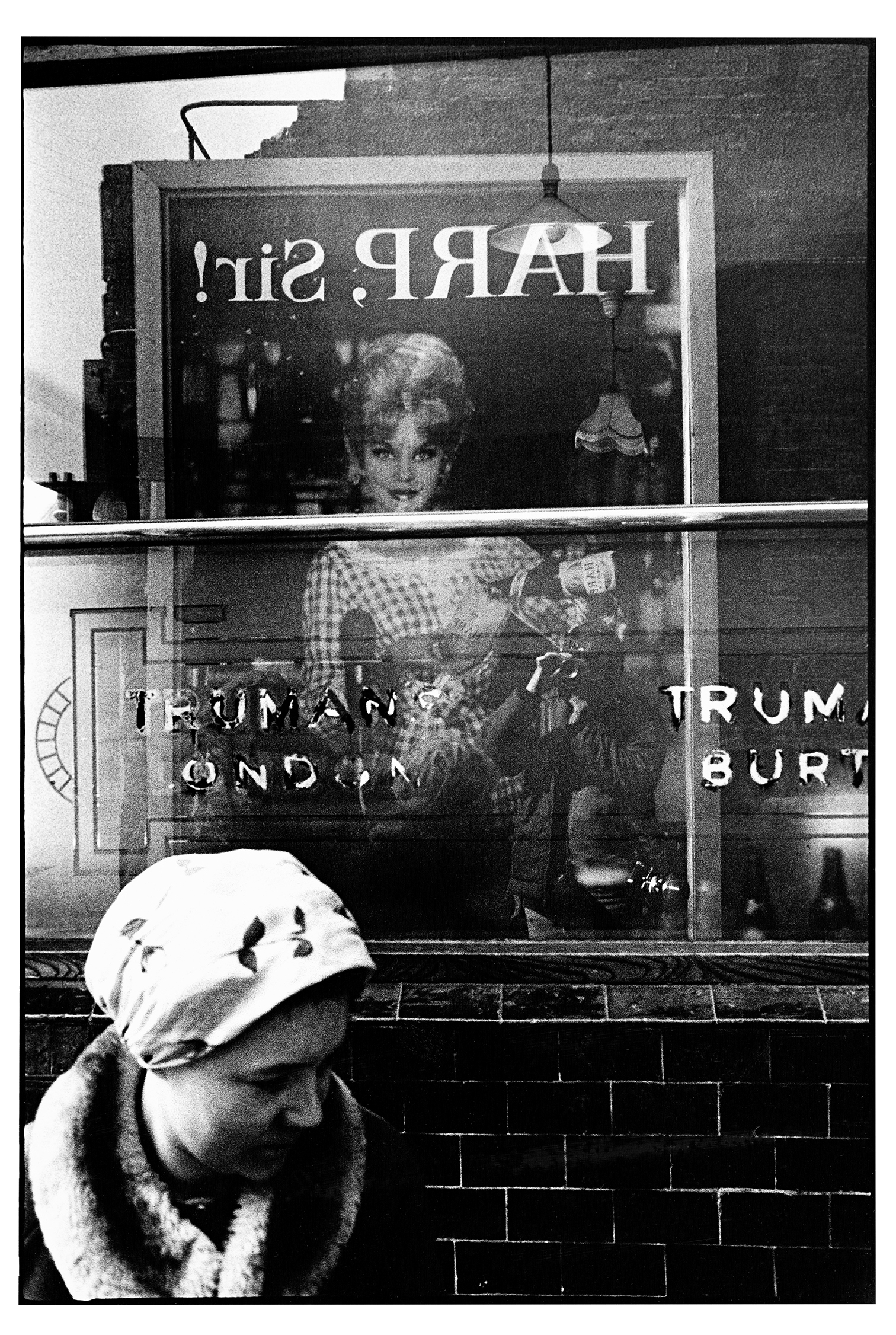
But this time around, it’s not just about his photographed faces; it’s also places. Well represented in the images being showcased by Leica Gallery London is Bailey’s birthplace of London, and his lesser-explored and dissected relationship with the city.
Portrayed in part here is not only the rawness of a London that survived the Blitz and 1950s austerity, but also the emotional rawness of the photographer himself – the city of his birth etched into his DNA.
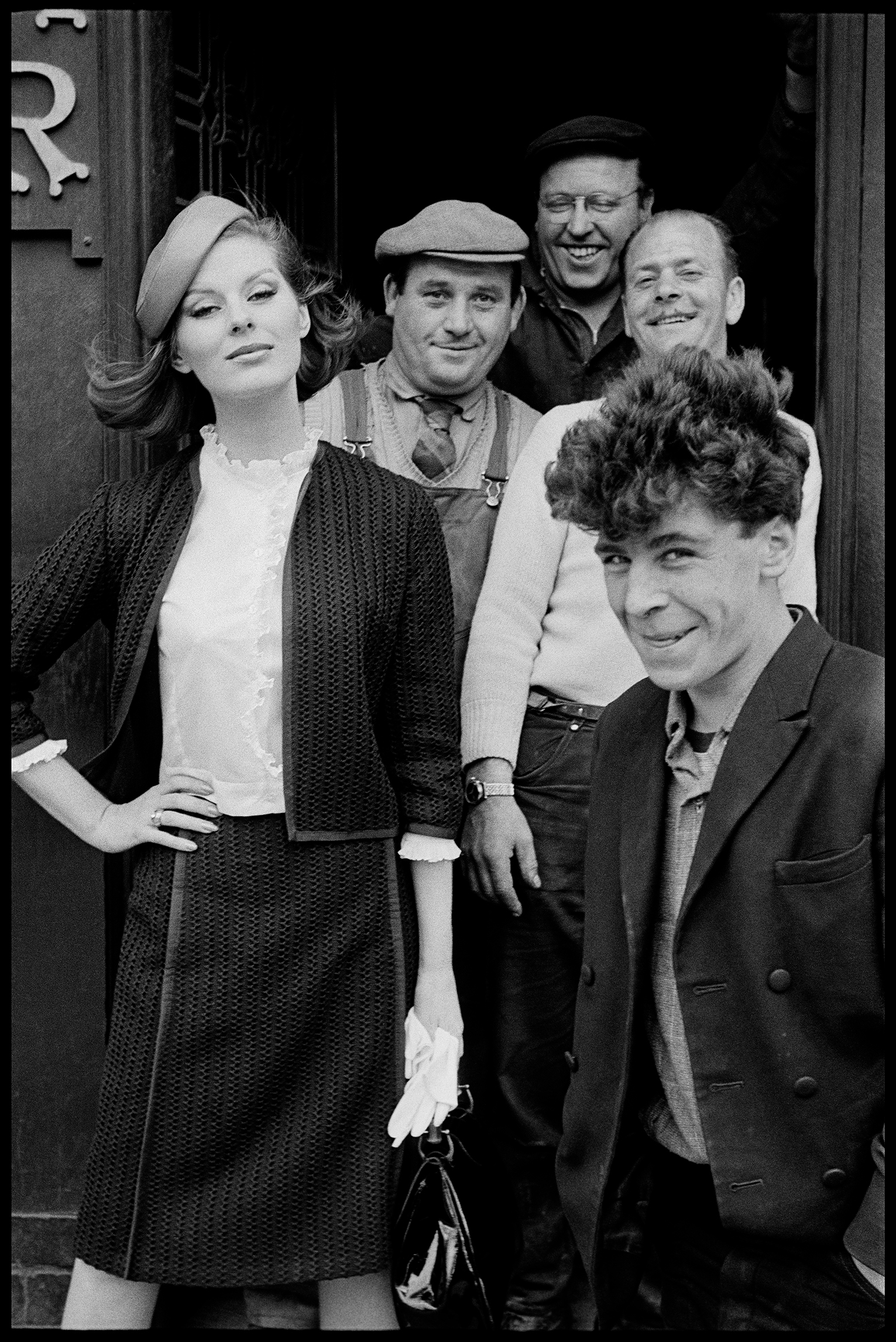
While making his name at Vogue, the fledgling photographer trod the cobbled streets to document what he saw, placing his models and muses against the backdrop of its, at-the-time, faded urban sprawl.
In doing so he moved photography itself on from what most people imagined fashion photography to be: namely, stiffly posed mannequins.
It’s also how Bailey came to photograph an equally youthful Jean Shrimpton on London’s Tower Bridge in 1964, casually styled in the photographer’s own ex-army jacket.
The exhibition details the beginnings of their fruitful creative partnership – which likewise led to Shrimpton becoming one of the most successful and in-demand models of the era.
Despite the city displaying postwar hardship at every turn, Bailey’s photographs turned London into a visual playground from which an era of positivity, playfulness and creative innovation arose. Fashion and portrait photography was arguably never the same again.
Those with deep pockets and a particular interest will be delighted to learn that all prints from the exhibition, both vintage and more recent, are available for sale.
David Bailey – Time After Time runs until January 14th 2027, at Leica Gallery London, 14 Dover Street, W1S 4LW. Opening hours: Monday to Saturday, 10:00 to 18:00.
Author: Kim Bunermann
Source: DigitalCameraWorld
Reviewed By: Editorial Team
