

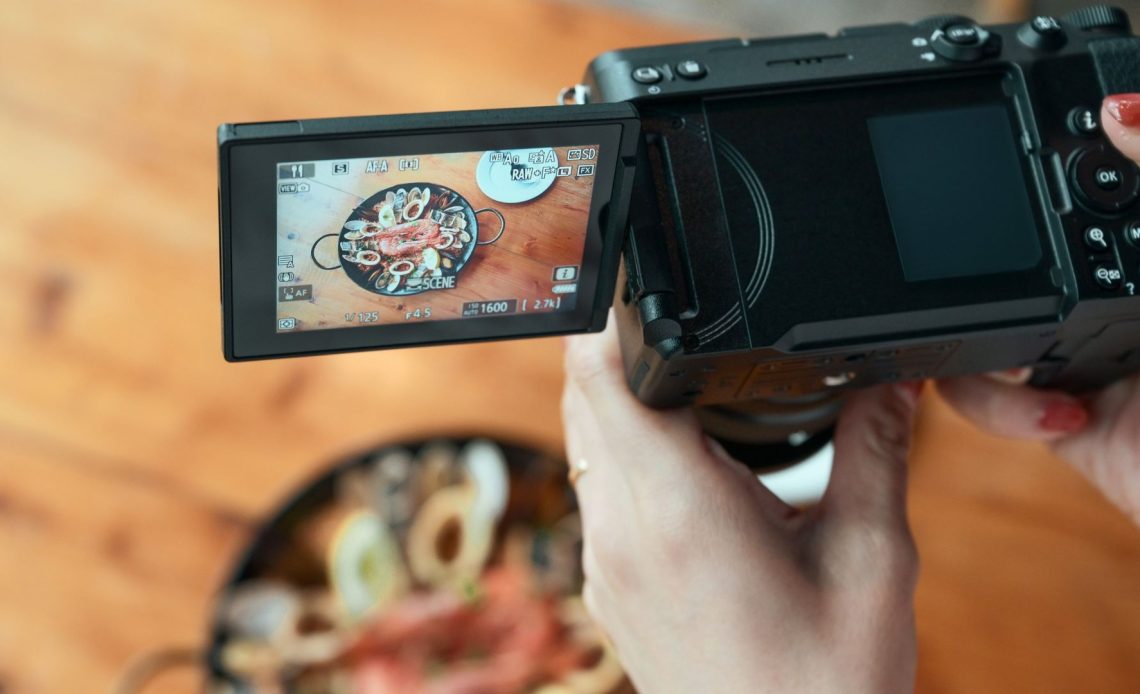
With the launch of the Nikon Z5IIC I thought it was time to address the raging debate as to whether or not you should ever rely on the rear LCD as a serious photographer. In reality, I think the answer is quite simple. Nobody has ever looked at a photograph and gone: “I can see it a mile off; you didn’t look through the viewfinder!”
Viewfinders rule!
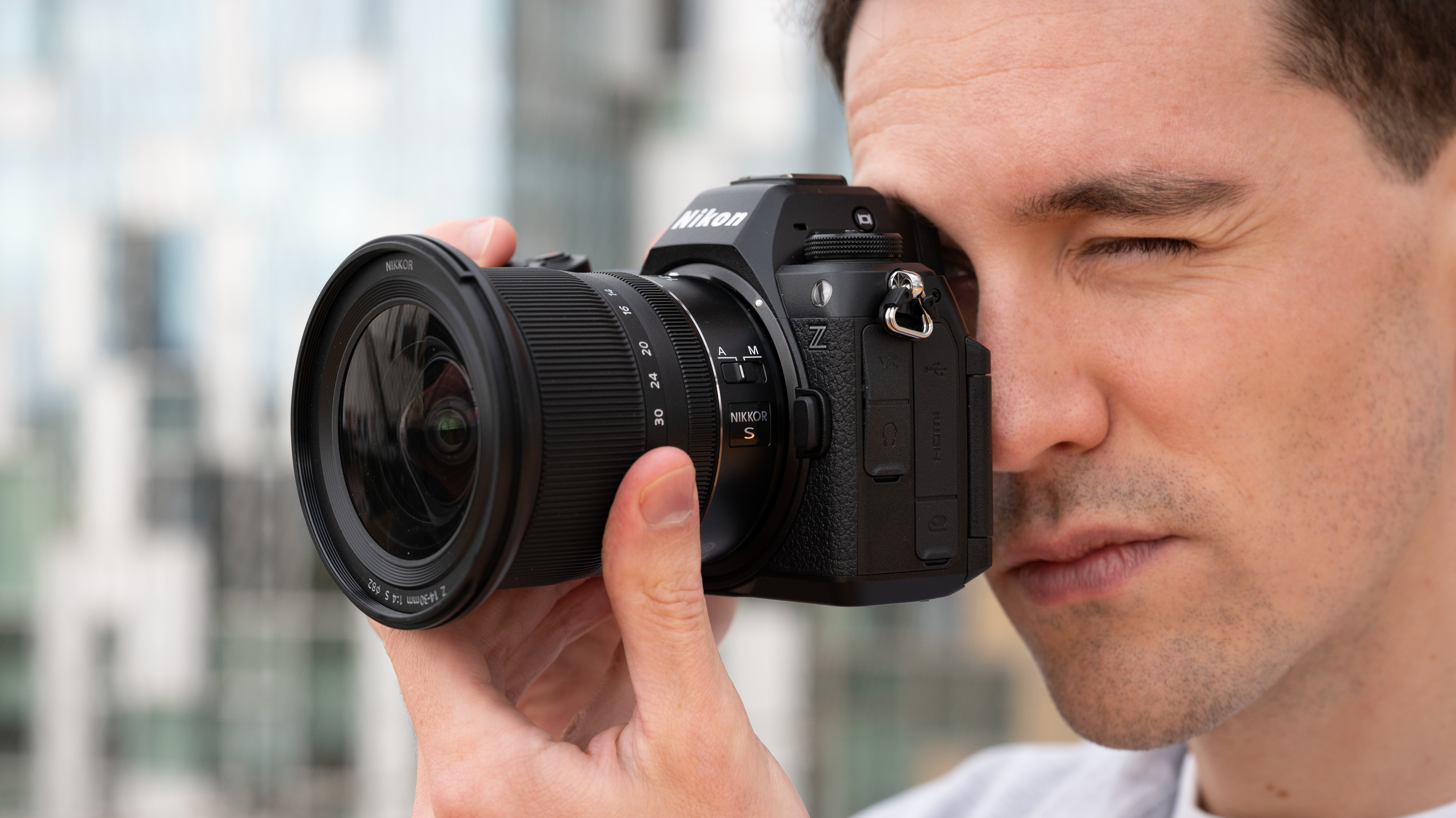
So why do many photographers constantly look down on composing via the rear LCD? Well, the pitfalls do outweigh the advantages. Looking through the viewfinder allows you to stabilize the camera more, helping to reduce camera shake. And unlike the rear LCD, bright conditions won’t impede your view when looking through the viewfinder. And finally, the viewfinder blocks your peripheral vision, allowing you to focus entirely on your composition.
That seals the deal then – no point ever using the rear LCD again. Not so fast. For sports and wildlife, I always look through the viewfinder because the setup is too heavy to hold away from my face. However, I actually prefer composing images using the rear LCD screen – when the conditions are right.
Hidden benefits of the rear LCD
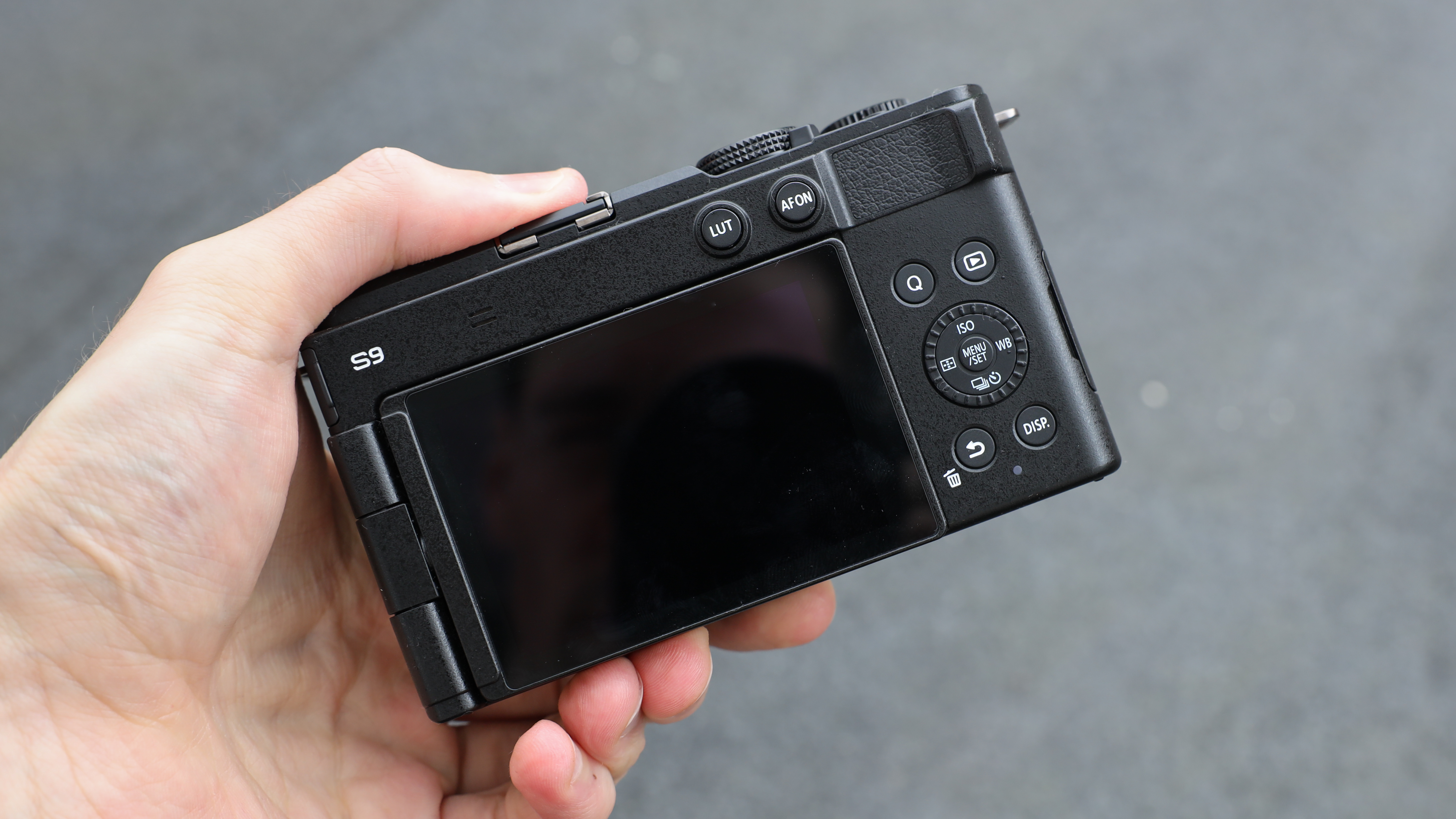
This is entirely personal preference, but I don’t particularly enjoy my eye being so close to an EVF (optical viewfinders for the win), and I also find it hard to take in my entire composition when my eye is so close to the frame. That’s why, should the situation allow for it, I will occasionally pull back from the EVF and look at the rear LCD.
And despite what some photographers will tell you, this is a very common thing to do. Just ask a landscape photographer. When a camera is locked off on a tripod, it’s often much more awkward to refine your composition as you’re hunched over the viewfinder. Looking through the rear LCD in landscape photography is commonplace.
The rear LCD can also benefit portrait photographers. Seasoned models won’t care, but if you’re photographing, say, corporate headshots or family portraits, looking through the viewfinder can sometimes create a little tension. Pulling back to view the rear LCD so they can see a big smile on your face and you can readily look up to encourage them can often settle any nerves.
Only results matter

I’ve spent years educating photographers on how to take photos, and while I’m all too happy to impart my knowledge when it comes to technique, I try to avoid telling photographers exactly how they should operate their camera. Don’t get me wrong, if somebody came to me with a series of blurry images, I might suggest they raise their shutter speed and look through the viewfinder to help minimize camera shake, but if a photographer is comfortable looking through the rear LCD and their images look great, what’s the harm?
I said it at the beginning of this article, and I’ll say it again. Your audience only cares about the end product. You could have captured the photo looking through the rear LCD while holding your camera with one hand and munching on an apple in the other, all while riding a unicycle for all anyone cares. If it’s a good photo, it’s a good photo no matter how you take it.
Author: Mike Harris
Source: DigitalCameraWorld
Reviewed By: Editorial Team