

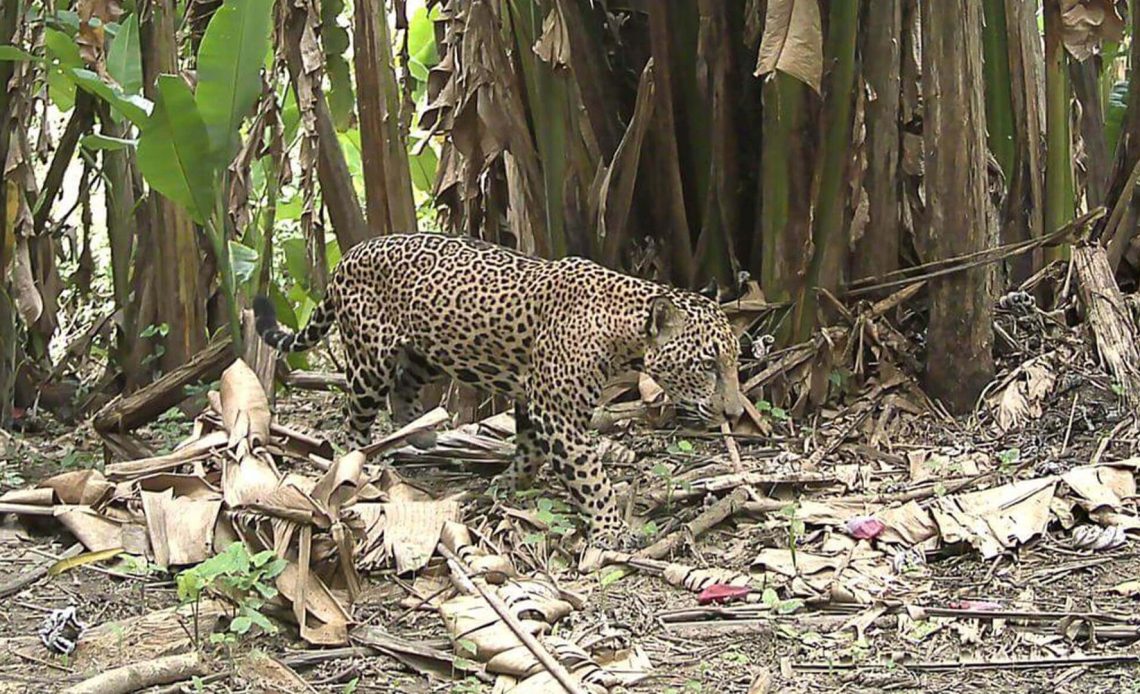
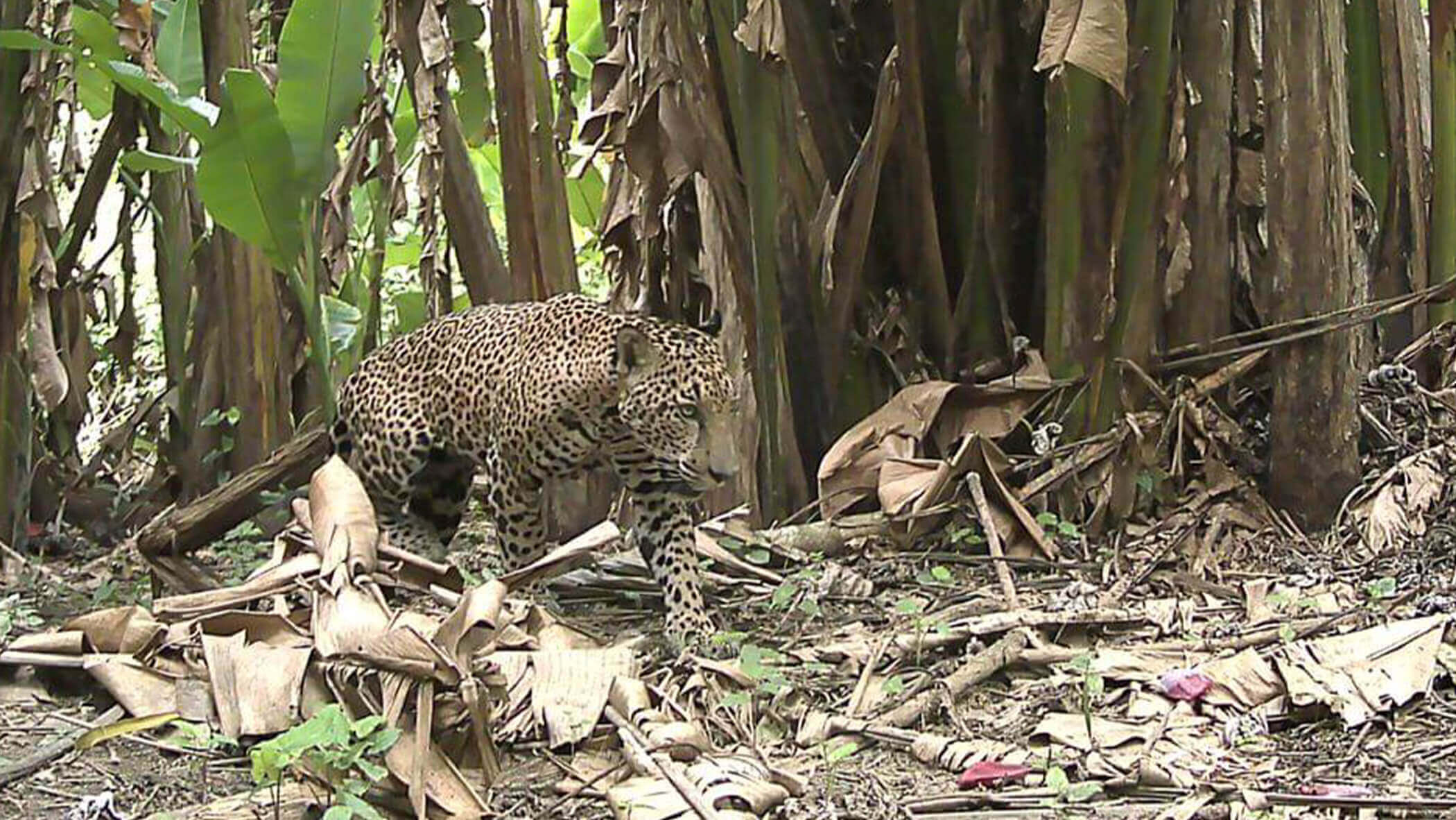
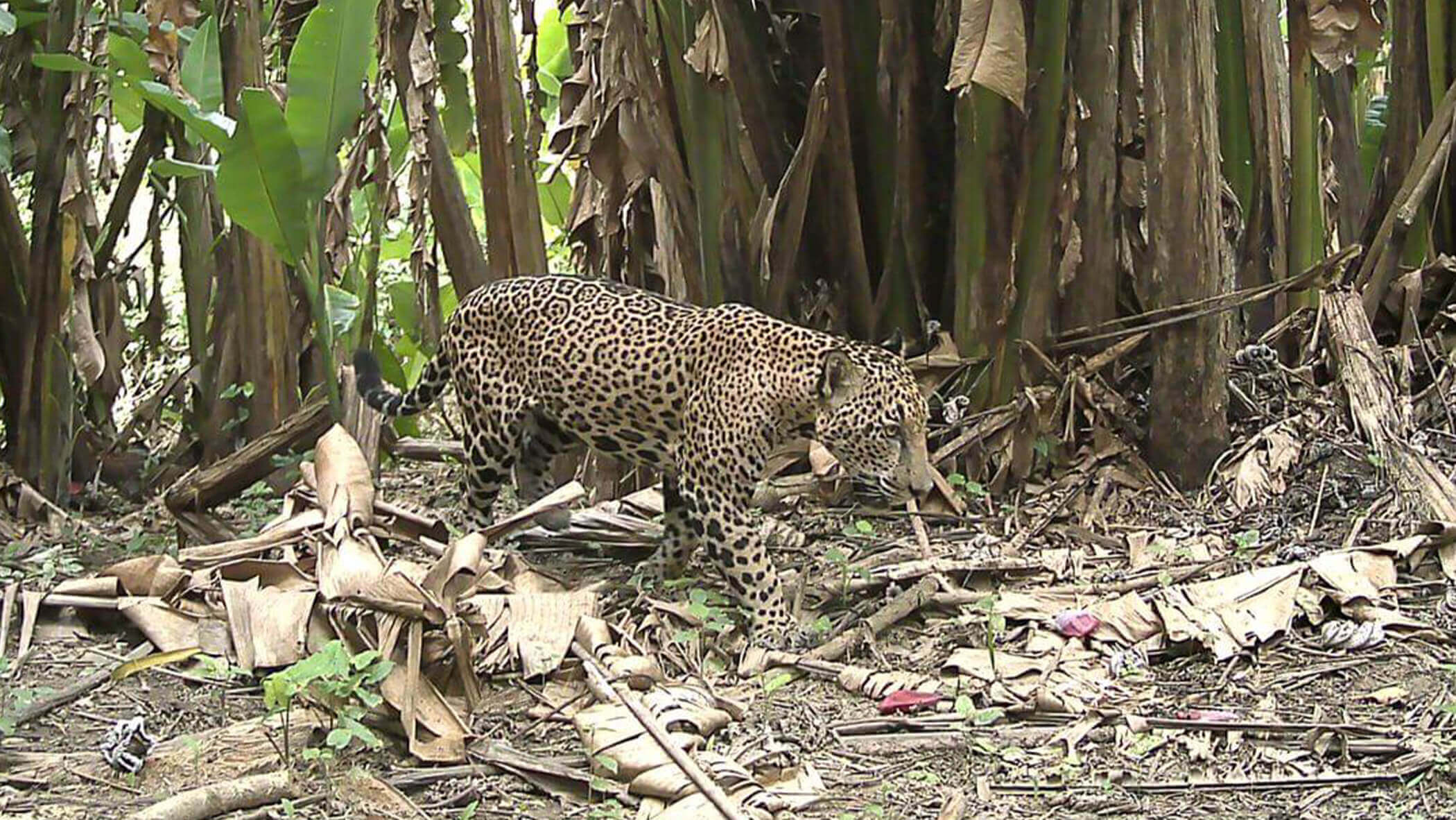
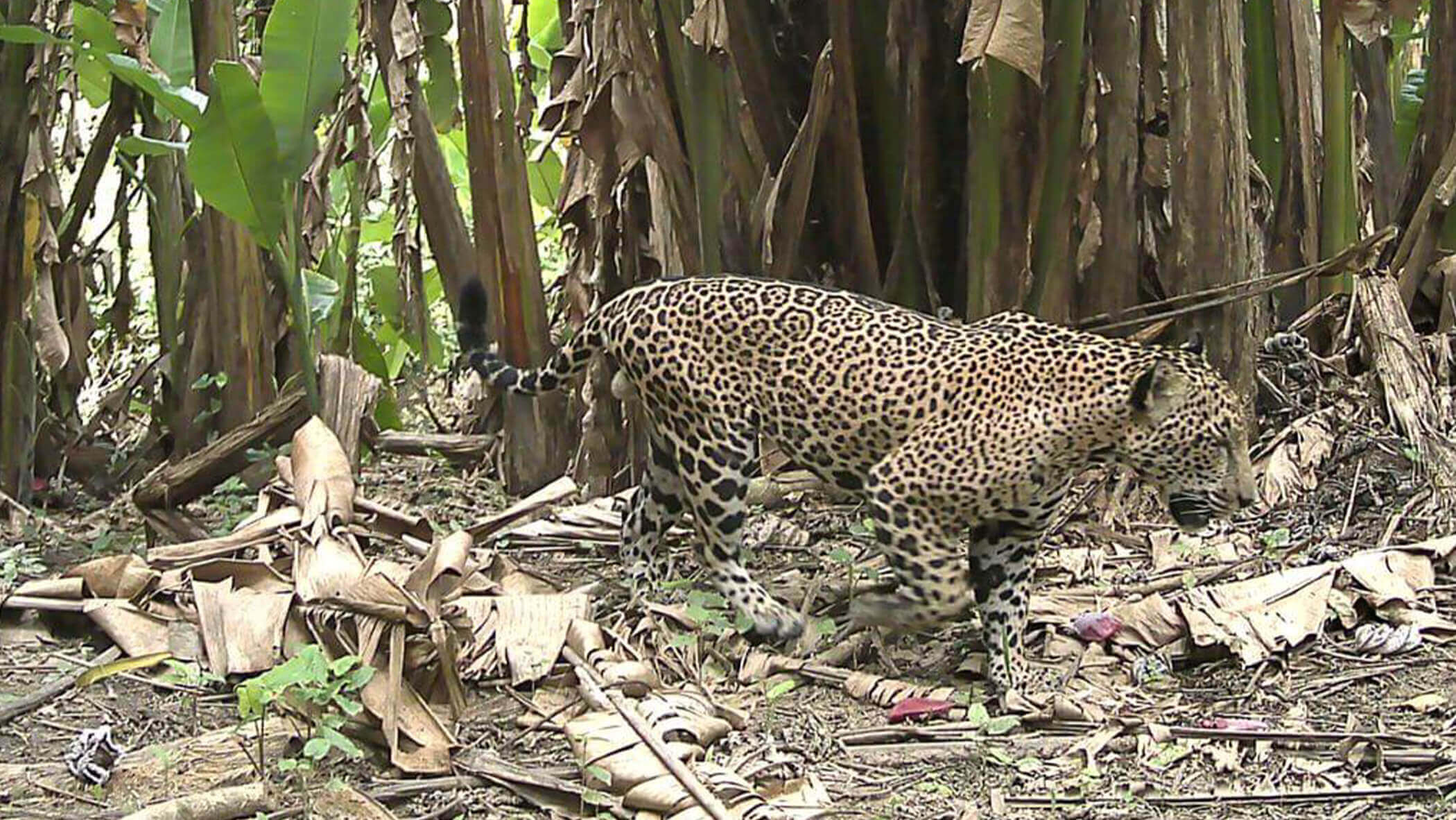
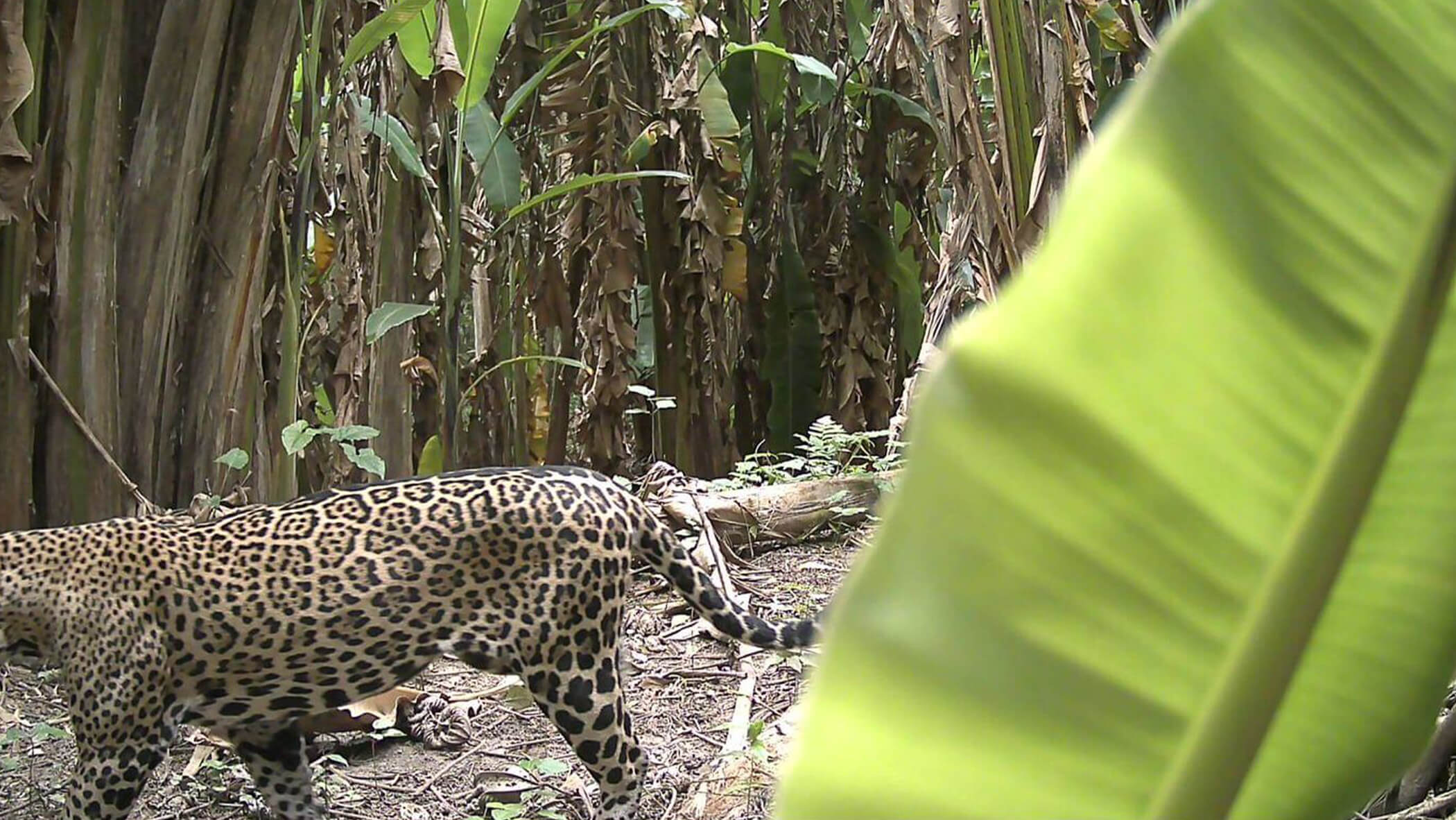
The wild cat conservation group Panthera has spotted a highly elusive jaguar thanks to the use of trail cameras for the second time this year.
The adult male cat was sighted in June in the Bi-National Corridor, a critical jungle passageway along the Guatemala-Honduras border connecting jaguar populations in these countries.
It comes after an earlier sighting of an adult male in February this year and marks the first time in a decade that Panthera has observed the species on both sides of this border region.
“We are definitely very excited,” said Dr. Bárbara Escobar Anleu, Panthera’s Guatemala country coordinator.
“Seeing an animal as majestic as the jaguar using areas that both Panthera and other institutions are working to conserve serves as an excellent motivation and a reminder of why we do this work.”
Image 1 of 4
(Image credit: Panthera)
(Image credit: Panthera)
(Image credit: Panthera)
(Image credit: Panthera)
View Original
View Original
View Original
View Original
Jaguars are the largest cat species in the Western Hemisphere and live in 18 countries across the Americas, with conservationists estimating that there are some 173,000 individuals in the wild.
However, habitat destruction and fragmentation have meant that the species has lost roughly 50% of its historical range, with jaguars classified as Near Threatened on the IUCN Red List of Threatened Species.
According to Dr. Anleu, Panthera began monitoring jaguars in the Bi-National Corridor as a joint effort between its Guatemala and Honduras divisions in 2017.
Since then, the organization has placed “at least 120 camera traps” throughout the corridor, Dr. Anleu said, with a particular focus on detecting female jaguars to gather evidence of whether they are reproducing.
Female jaguars, however, are much more elusive than males. Unlike wide-ranging males that roam massive territories (observed covering up to 40,000 hectares), females practice philopatry, whereby they stay close to their natal territory.
Although both sightings this year were of male jaguars, Dr. Anleu explained how they provide vital evidence that jaguars are still using this passageway.
“The camera-trap images of the jaguars in both Honduras and Guatemala give us hope — showing that jaguars are still present, even in the midst of all the challenges and threats they face,” she said.
Author: Alan Palazon
Source: DigitalCameraWorld
Reviewed By: Editorial Team