

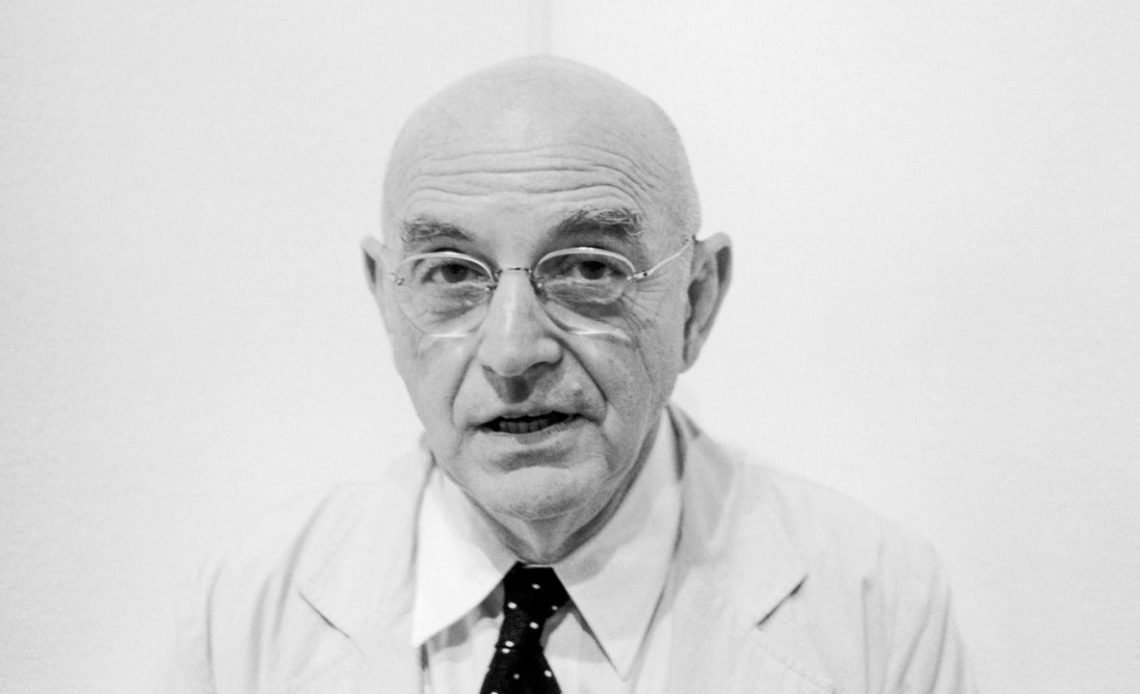
Duane Michals, who died on June 09 in New York aged 94, was the kind of photographer who makes people uneasy. He wrote directly on his prints. He blurred things deliberately. He arranged images like comic strips and called them art.
When the street photographer Garry Winogrand saw Michals’ first sequence show in the 1960s, he reportedly said: “What is this? This isn’t photography.” Michals would have taken that as a compliment.
In an era dominated by Henri Cartier-Bresson’s idea of the “decisive moment” – the belief that a photographer’s job was to catch the world at its most vivid and true – Michals did something wildly different. He staged scenes, faked ghosts, cast his grandmother as an old lady visited by Death and asked his father to play the Grim Reaper.
He wasn’t capturing reality. He was insisting that reality wasn’t the point. “To photograph reality,” he once said, “is to photograph nothing.”
Documentary to drama
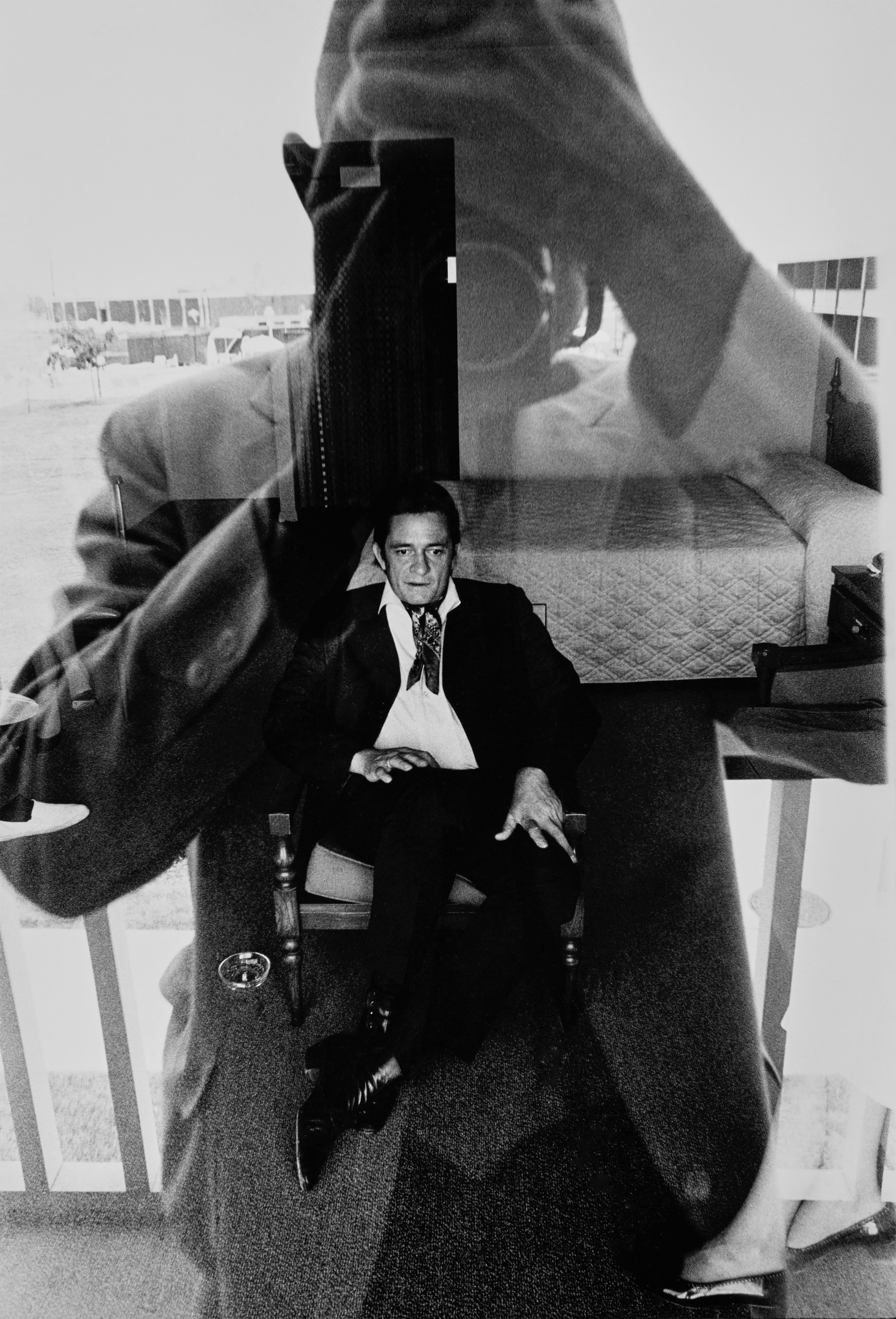
Michals was born in 1932 in McKeesport, Pennsylvania, a working-class steel town near Pittsburgh. He trained as a graphic designer and was working in New York publishing when, in 1958, he borrowed a friend’s camera for a trip to the Soviet Union. He came back with portraits of sailors and circus performers, and a new direction in life.
His early work was straightforward documentary. His series Empty New York (1964-65) showed the city’s streets and subway cars depopulated, in a style influenced by the French photographer Eugène Atget. It was Atget, too, who led him toward the Surrealists, including René Magritte and Giorgio De Chirico.
From there, Michals abandoned documentary work entirely and started building his signature sequences: linked sets of small black-and-white photographs that unfolded like short films.
Typically subjects were mortality, desire, the afterlife and the strangeness of ordinary moments. The spirit leaves the body (1968) used double exposures to show a man’s ghost rising from his body. Chance meeting (1970) broke down a loaded exchange of glances between two strangers in a New York alley.
Grandpa goes to heaven (1989) showed an elderly man ascending through a window with angel’s wings, waving cheerfully to his grandson. Death, in Michals’ hands, was never grim for long.
Not knowing the rules
By the 1970s, Michals had started writing directly on his prints: titles, poems and handwritten notes. Purists were appalled. A teacher told him the word was that his photos were so bad, he needed words to explain them. Michals replied that within five years everyone would be writing on photographs.
His belief was as much practical as artistic. Photographs have real limits: they can’t tell you what was said, what the room smelled like, or what happened next. “When I write,” he said, “it’s to give voice to the silence of the photograph.”
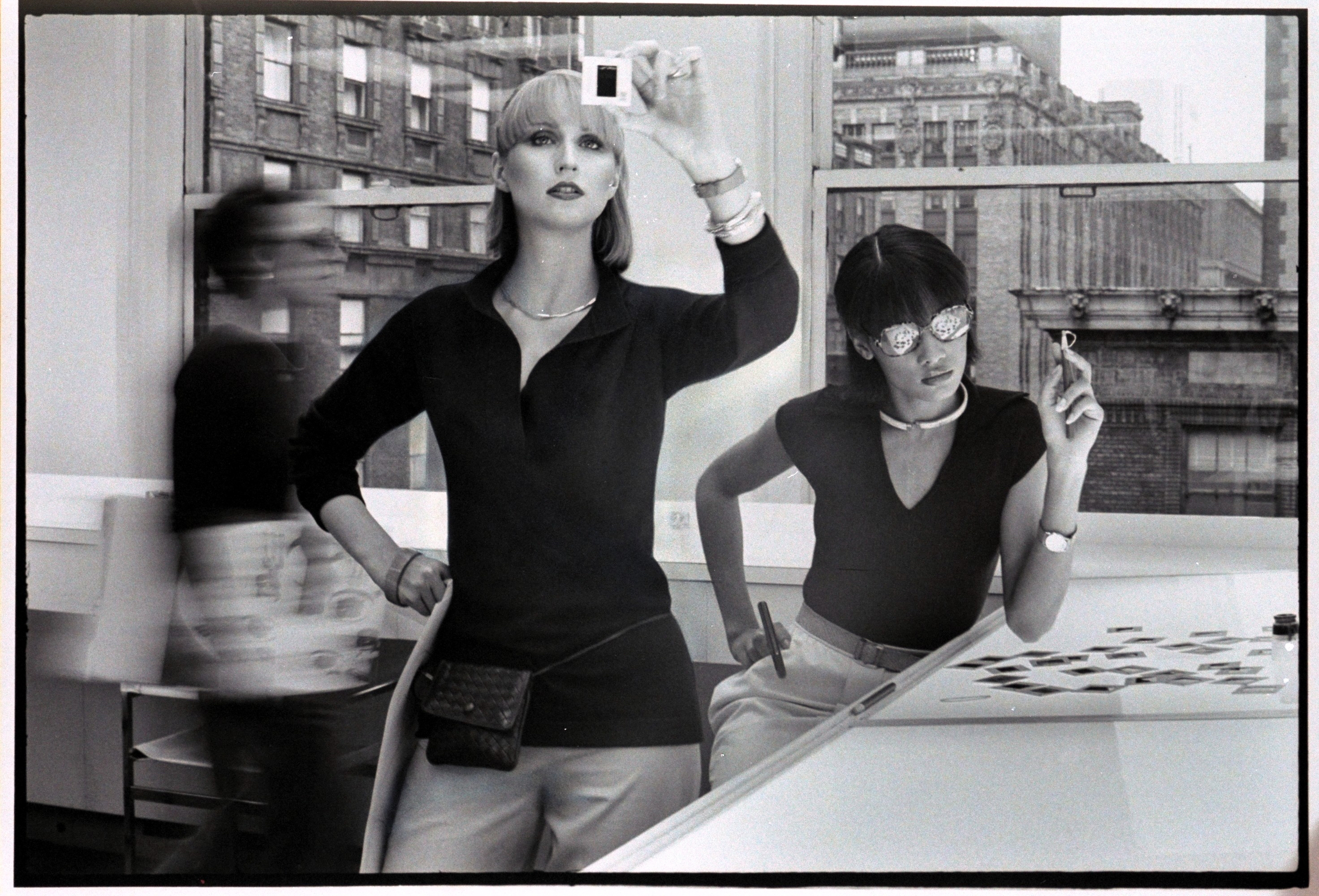
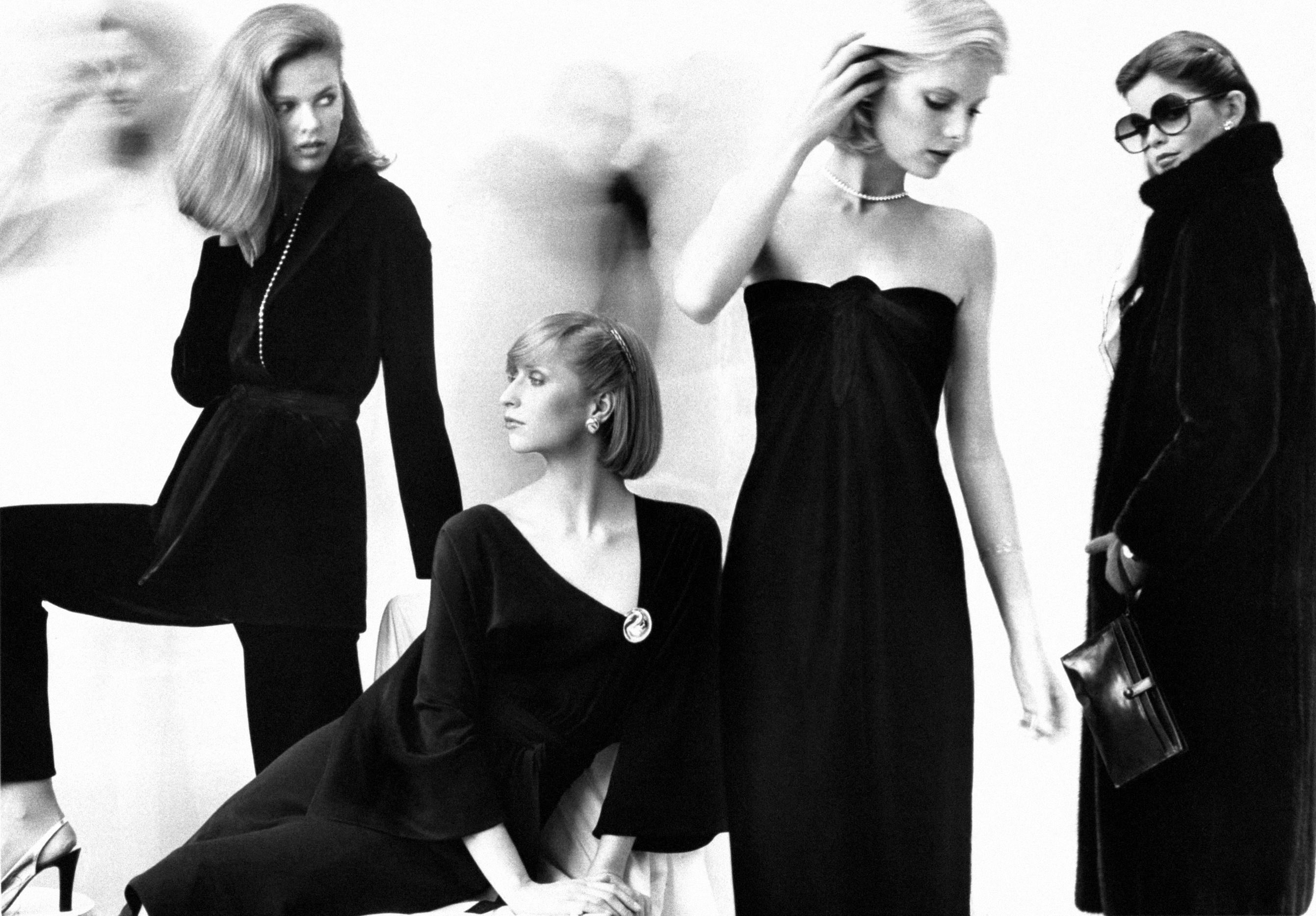
Michals supported himself with commercial portraiture and editorial commissions for decades, shooting celebrities and corporate clients while making his more personal work on the side.
He published more than 40 books, had major retrospectives at the Carnegie Museum of Art and the Morgan Library in New York, and was highly influential, particularly on photographers working with narrative and text. All this, despite having no studio and no formal photography training.
Rather than holding him back, though, he saw the benefits of being, metaphorically speaking, in the dark. “I didn’t know you weren’t supposed to write on a photograph,” he pointed out. “I didn’t have to unlearn the rules.”
Michals lived to 94, a full life. He said he had no regrets and had done everything he’d wanted to do. And given the breadth and originality work he left behind, who could disagree with that?
Author: Tom May
Source: DigitalCameraWorld
Reviewed By: Editorial Team