


A girl in a dark headscarf lifts a red rose to her face and looks straight into the lens. Two jagged tears run from the top of the picture to the bottom, and strips of tape hold the print together.
The photo was taken by Iranian photojournalist and Magnum member, Newsha Tavakolian, in 2001, at an election rally where politicians were promising young people in the country more freedom. In her words, it “turned into a symbol of hope and innocence”.
But she came to hate it. Not because it’s a bad photo, but because of what it represented. “I wanted to kill that image,” she writes.
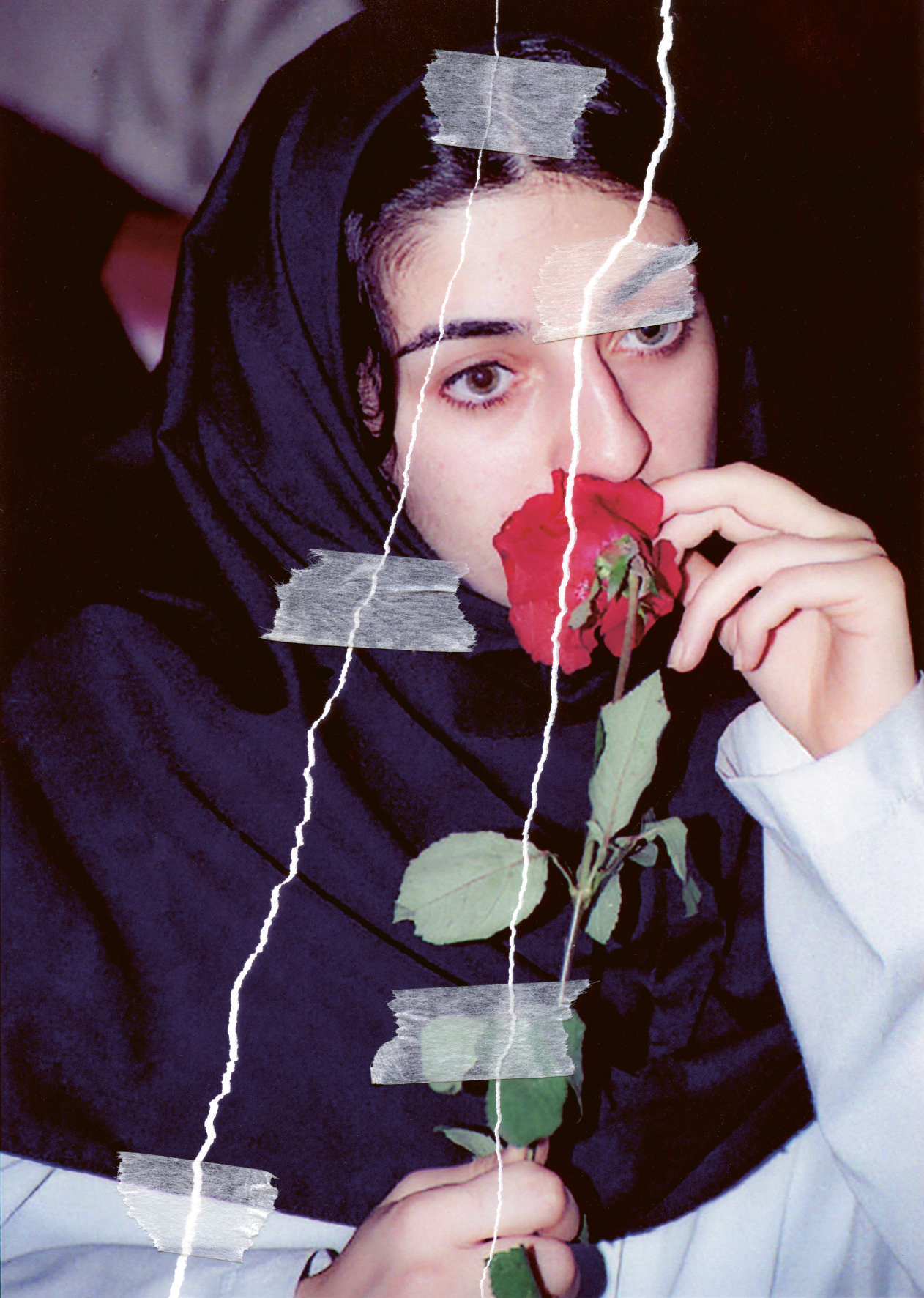
“I wanted to kill it because we had been lied to in such a blatant manner, and I was upset over just how naive my generation had been.” So she printed the negative, tore it apart and locked the pieces in a drawer. She only returned to them after her father’s death, putting the print back together
That damaged print is at the heart of And They Laughed at Me, Tavakolian’s book, which was published by Kehrer Verlag in Europe in March and in the US in October.
It’s an unusual way to look back on a career. Rather than picking her best work, Tavakolian has gone in search of what she calls her “eyesore” photos.
Back to basics
The project began in grief. After the death of her father in 2019, Tavakolian found herself unable to take pictures for almost two years.
“I was angry. I went back to my archive, to my negatives,” she recalls. “Instead of searching for the ‘perfect’ images among my negatives, I looked for my failed work, crooked, out-of-focus snapshots that I had long ago mentally thrown away.”
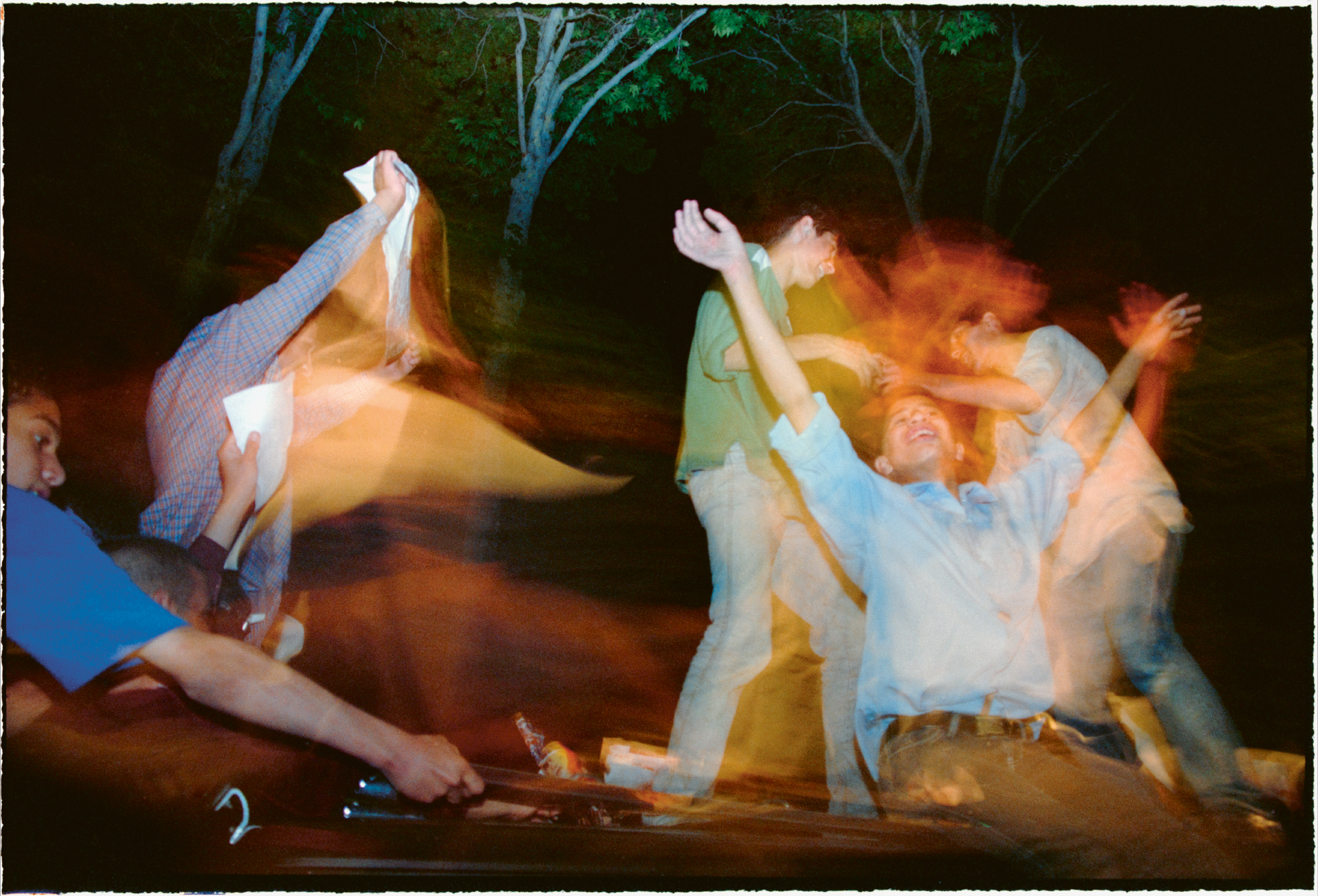
Many of these pictures date from her early years as a photojournalist in Tehran, a career she began at the age of 16.
The first part of the book covers 1995 to 2001 and mixes contact sheets with enlarged frames. It’s not the usual “greatest hits” selection you’d expect from a monograph, and all the more interesting and powerful for it.
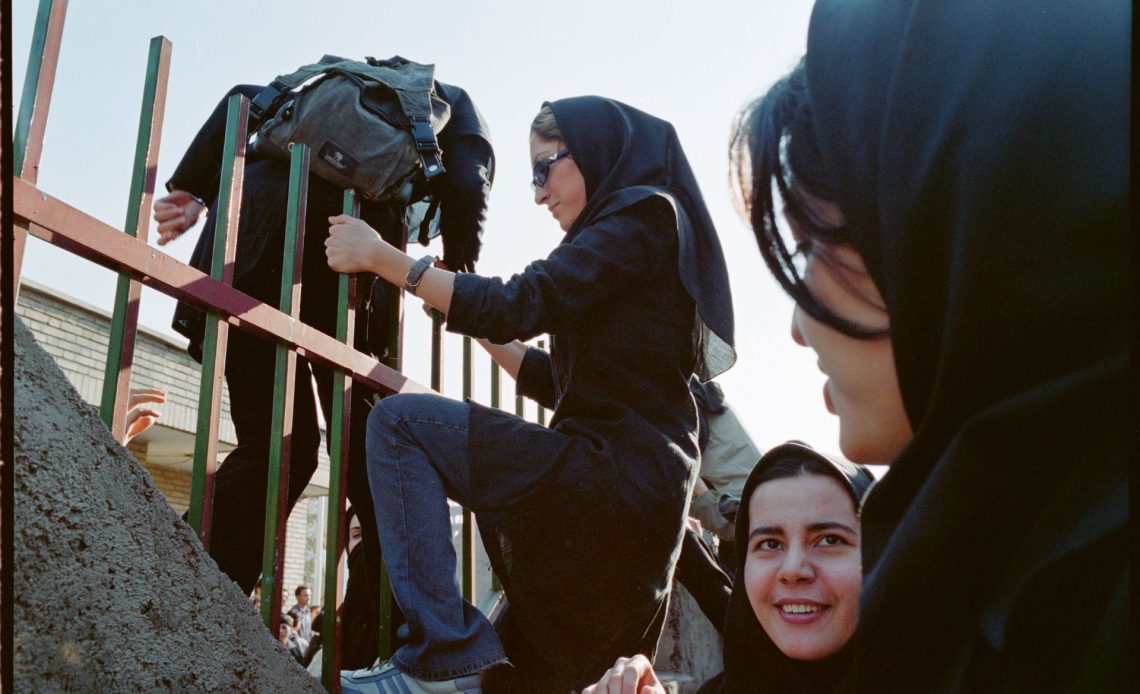
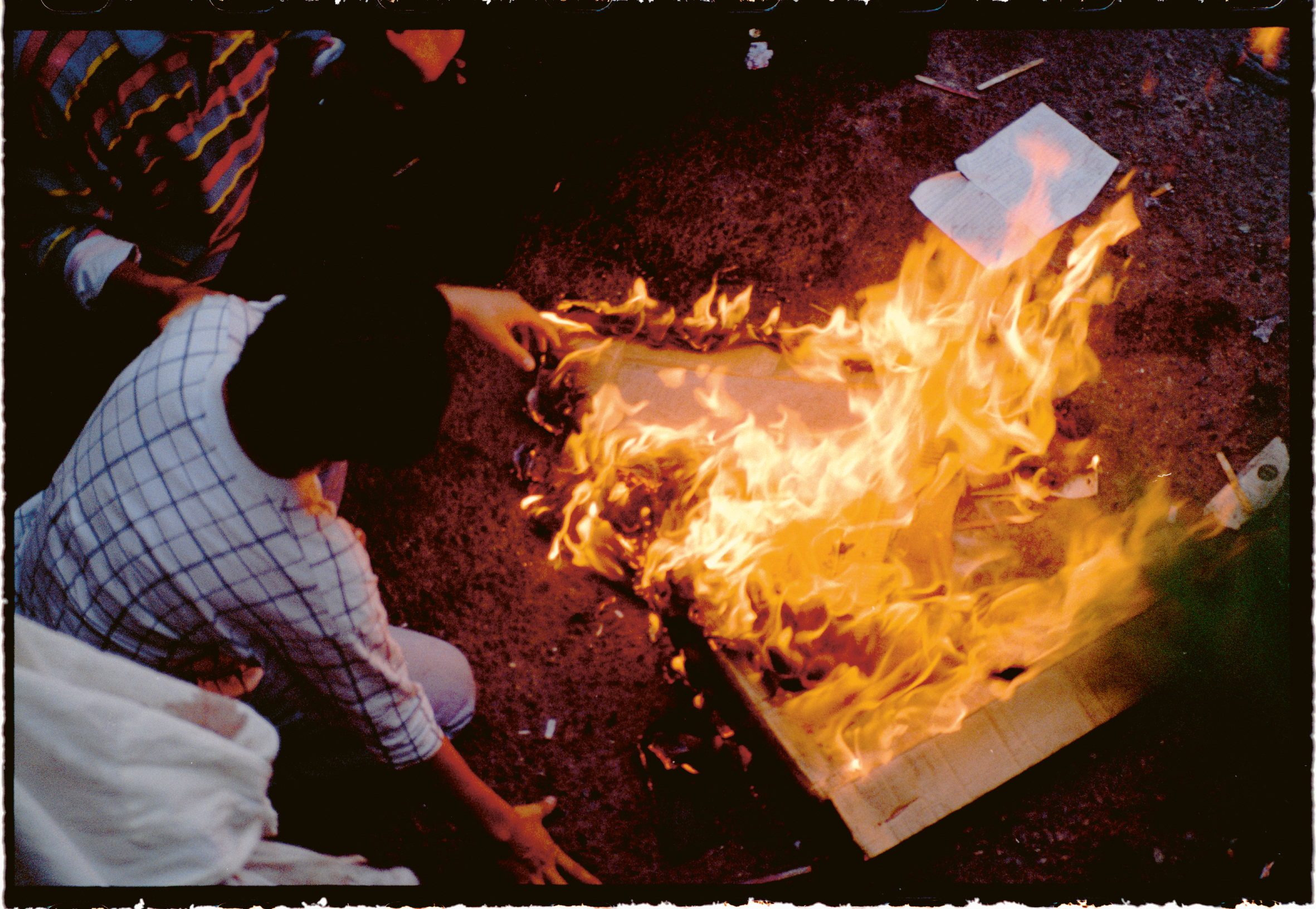
One picture shows women scaling a fence, with the caption: “This is the first time I saw other girls climbing a fence to join a student protest.” In another, protesters burn cardboard and use the smoke to drive away tear gas.
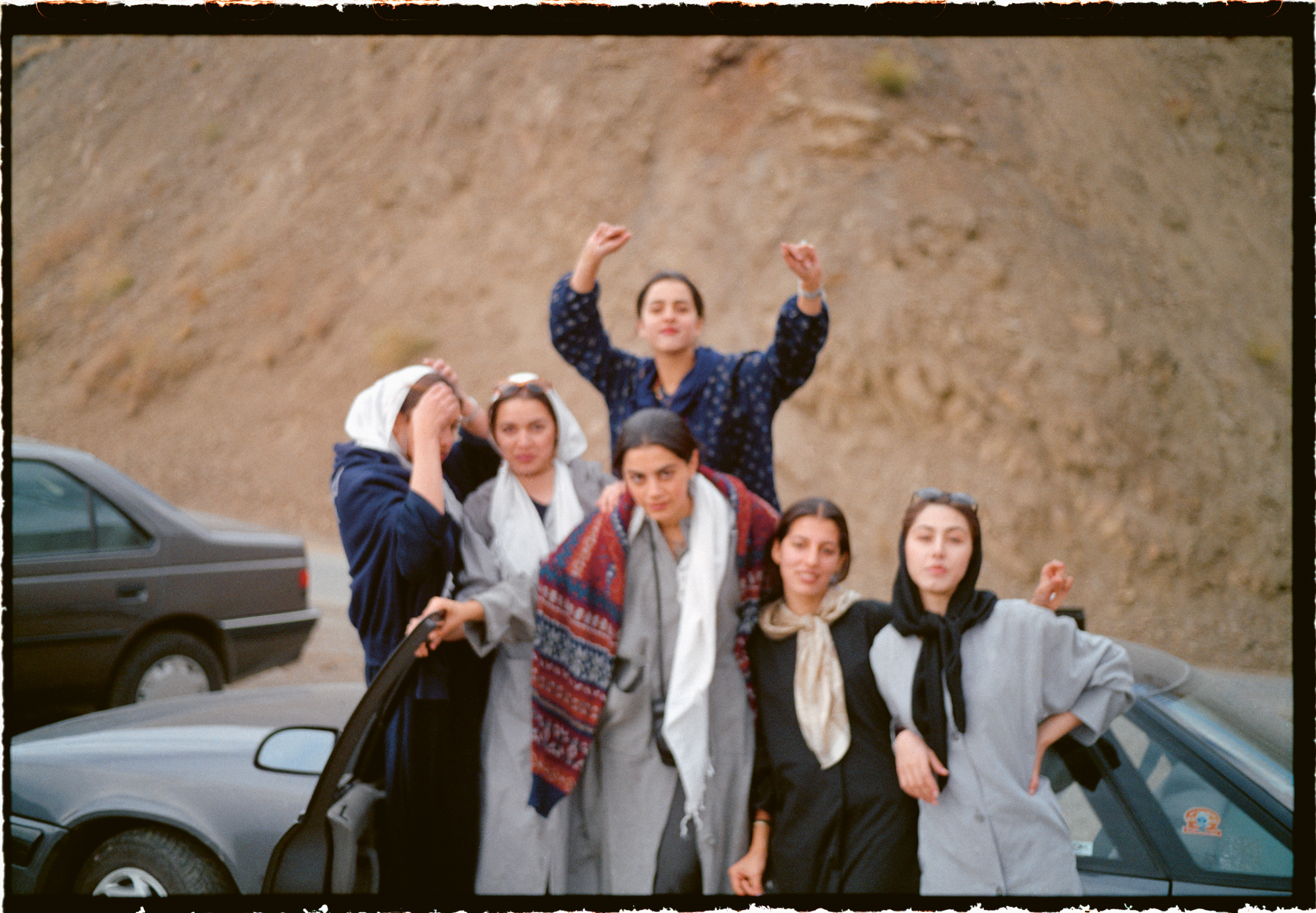
Elsewhere, a soft-focus shot captures Tavakolian’s friends and their parents dancing in the mountains of Tehran, while a picture of the 2000 election campaign is a blur of flash and movement. While these pictures aren’t always technically perfect, that’s not really the point.
“For me, those imperfections became part of the story,” she told Huck magazine in July. “They reflect the fragility of memory and the uncertainty of the times.” Most importantly, the subject matter of these shots carries a sense of possibility: this was a generation that still believed reform might come.
Fighting the dark
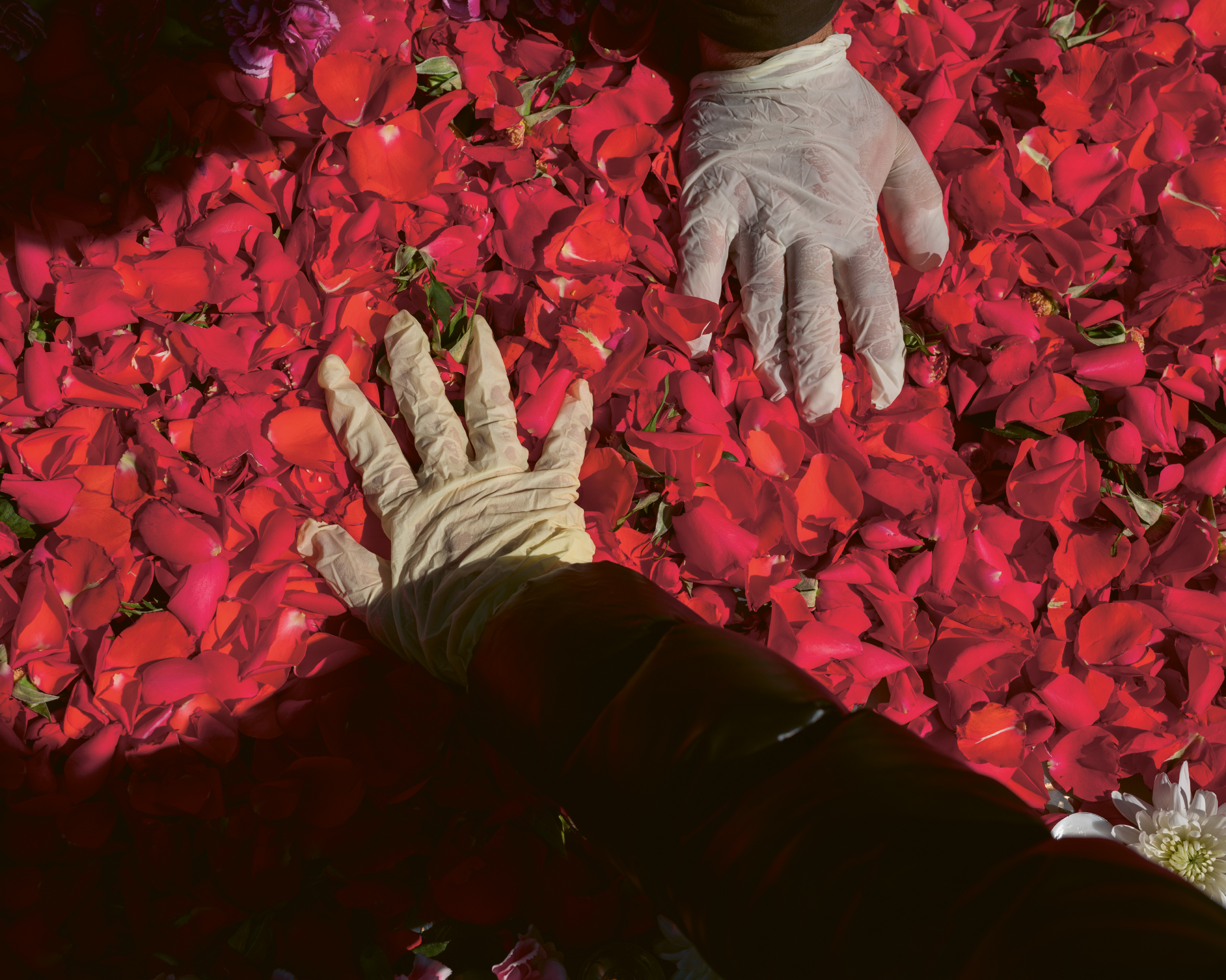
The second part of the book jumps to 2017-2019, and the mood darkens. We get wilted sunflowers bent over against a blue sky, plastic bags snagged among them, and gloved hands resting on a bed of red petals at Behesht Zahra cemetery. In one picture, yellow paint covers almost everything but a single closed eye.
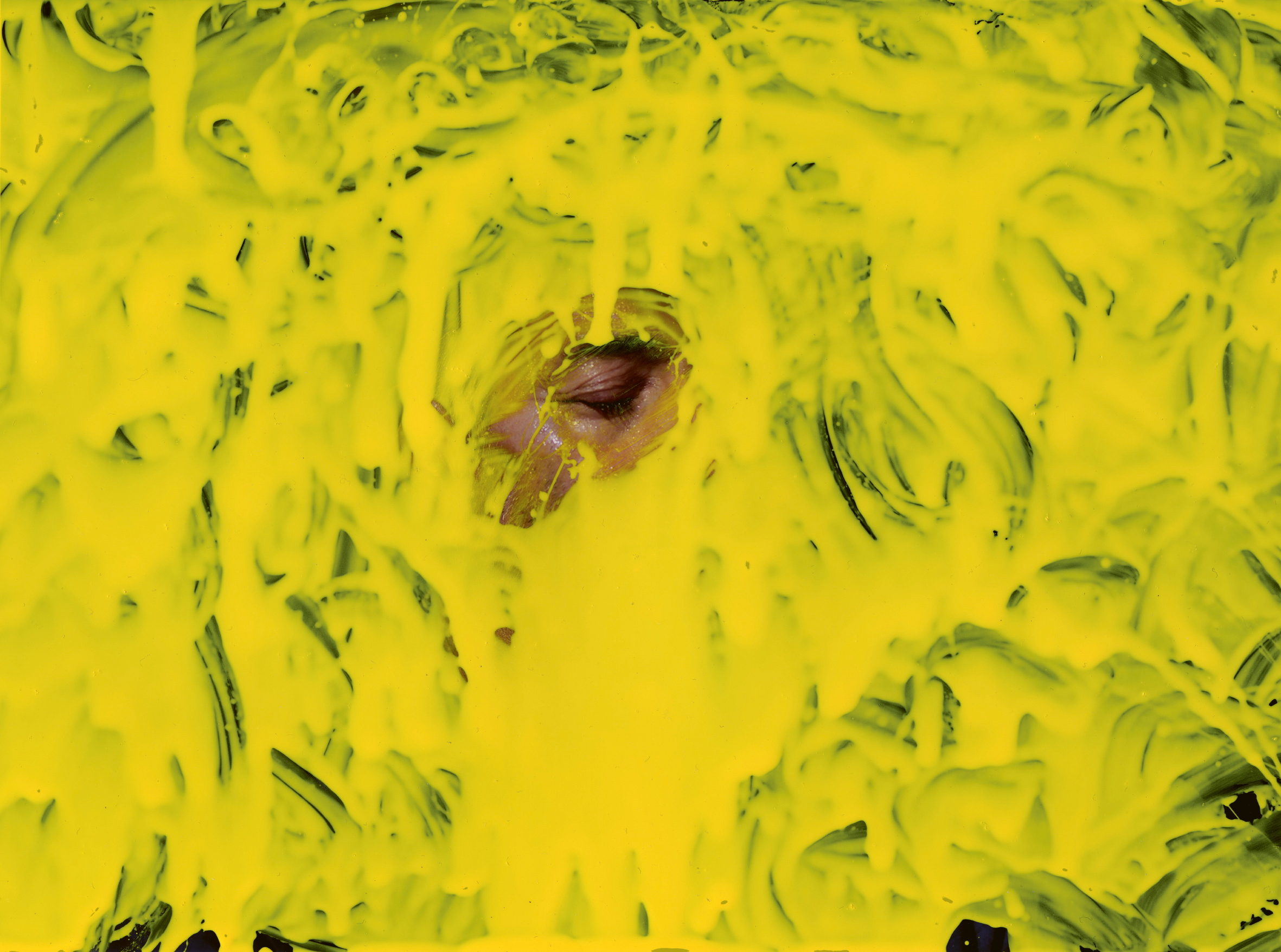
Tavakolian describes the book as starting “from the hope and dreams of youth” before heading toward “the disappointment of reality”. The conclusion? There’s only one real choice in life: “To be drawn to darkness, or to choose to fight the darkness and go towards the light.
“What started like drops hollowing out a stone, went from waves into a tsunami. Like the girl smelling a rose, we want to live.”
And They Laughed at Me is a 240-page hardcover with 144 color illustrations and a dust jacket that doubles as a poster, priced at $58 / £46.
Author: Tom May
Source: DigitalCameraWorld
Reviewed By: Editorial Team
