

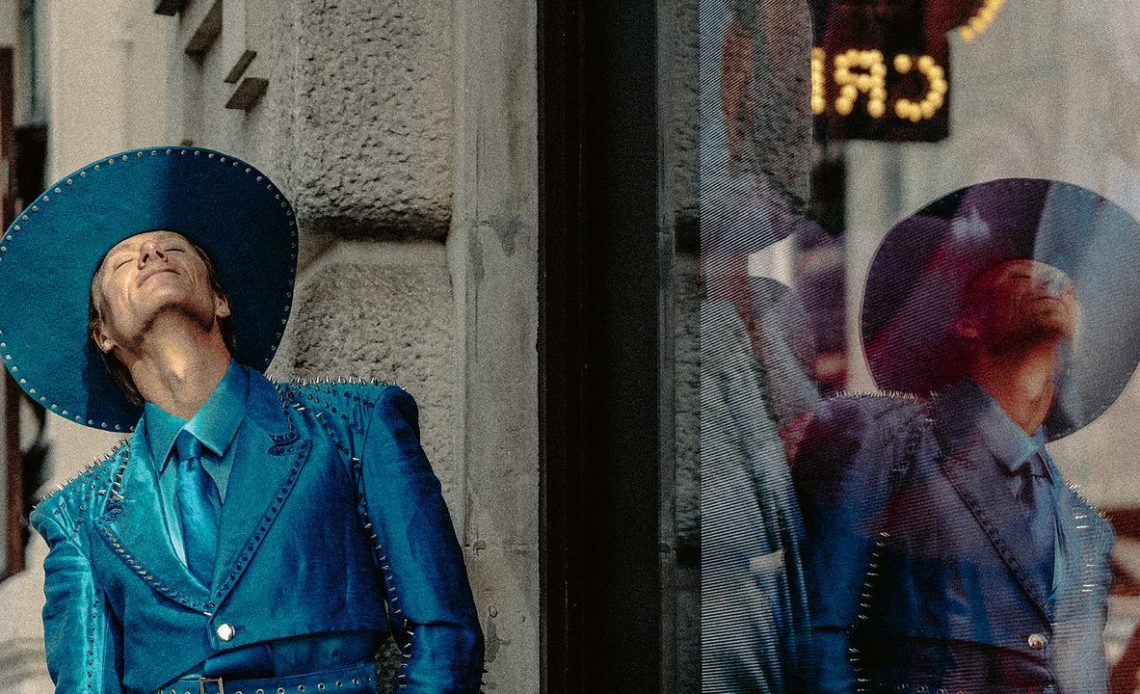
Street photography has never been more popular. With over 134 million #streetphotography posts on Instagram and an explosion of dedicated collectives and online communities, the genre has become the gateway drug of choice for a new generation of photographers.
Yet the wealth of tutorials, gear guides and technique-focused advice available online often misses the point. A lot of street photography content tells you how to shoot. Very little asks you why, or what you’re actually trying to say.
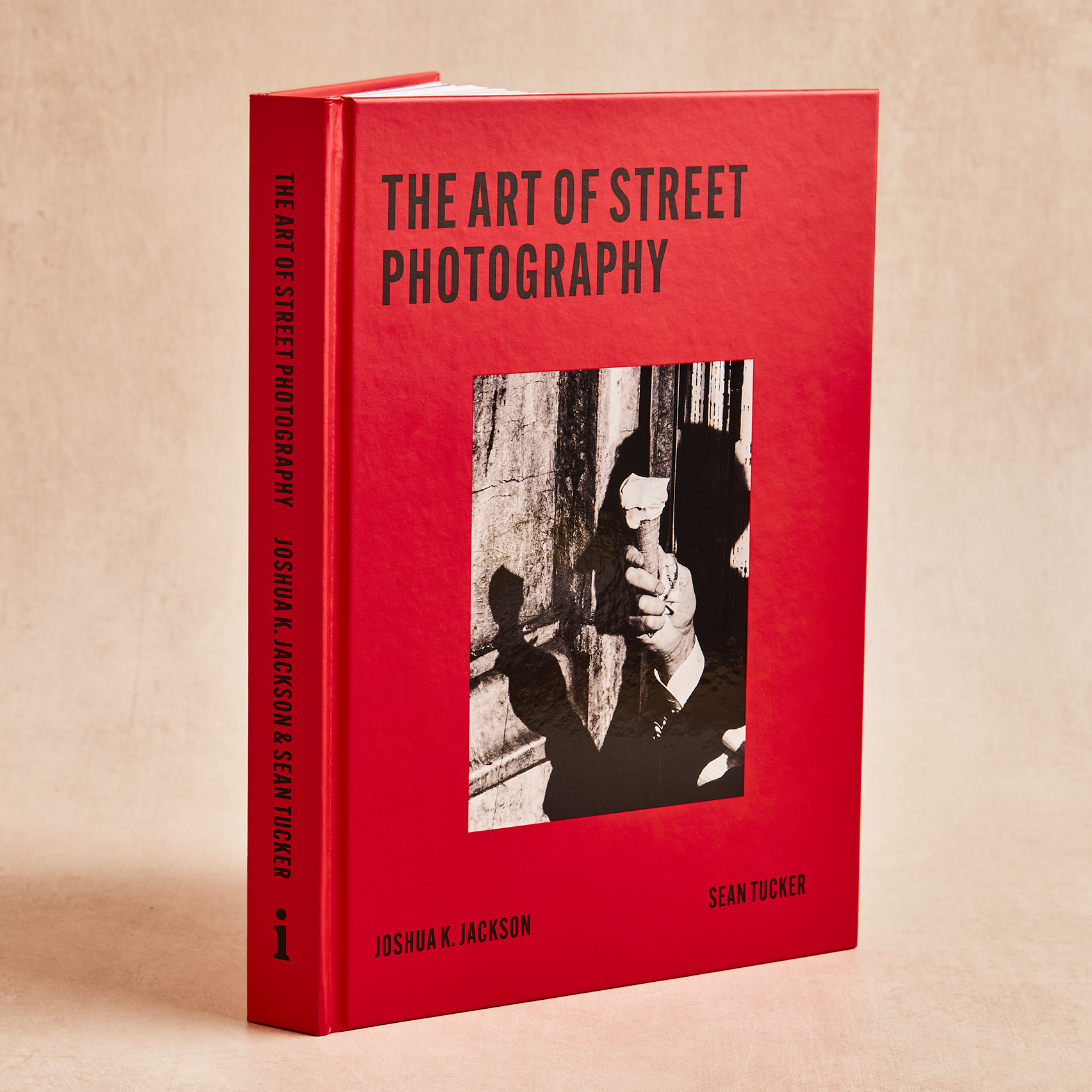
That’s the gap The Art of Street Photography, a new book from London-based photographer Joshua K. Jackson and Yorkshire-based Sean Tucker, sets out to fill. Published by Ilex Press on 11 June, the £30 (approx. $40) hardback brings together striking imagery, practical advice and genuine philosophical depth.
Between them, Jackson and Tucker have built a combined social following of around 600,000, and Tucker has cultivated a substantial YouTube audience through his thoughtful, long-form approach to photography education. And their collaboration makes sense, because both are interested in street photography not as reportage, but as art.
Hunters, fishers and the art of slowing down
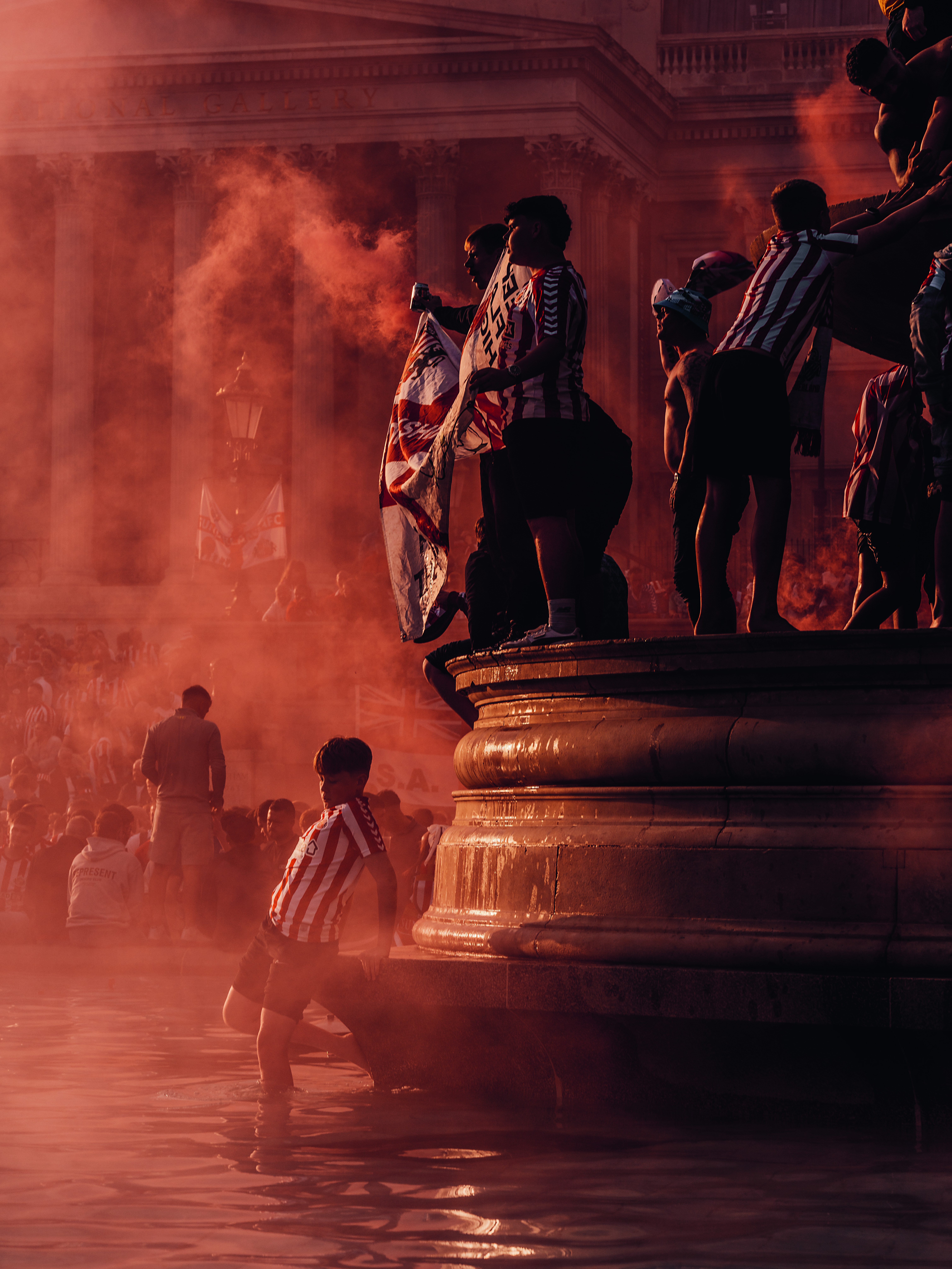
The book’s main argument is a direct challenge to the genre’s documentary DNA. Traditional street photography traces its lineage through Henri Cartier-Bresson’s decisive moment, the journalistic instinct to capture life as it happens.
Jackson and Tucker aren’t dismissing that tradition, but they are broadening it. They want photographers to think of public space as a canvas and the camera as a tool for personal expression. The result, they argue, is work that carries personal meaning rather than simply recording the world.
One of the book’s most practical and memorable ideas is the distinction between “hunters” and “fishers”. Jackson describes himself as a hunter: always moving, staying fluid, reacting to whatever presents itself. Tucker is more of a fisher, finding a promising location, reading the light and the composition, then waiting for the right subject to walk into the frame.
Neither approach is superior; understanding which suits your temperament is part of finding your own visual voice. This isn’t just theory. It’s the kind of insight that changes how you actually spend your time on the street. And it’s the sort of thinking that separates a useful photography book from a genuinely good one.
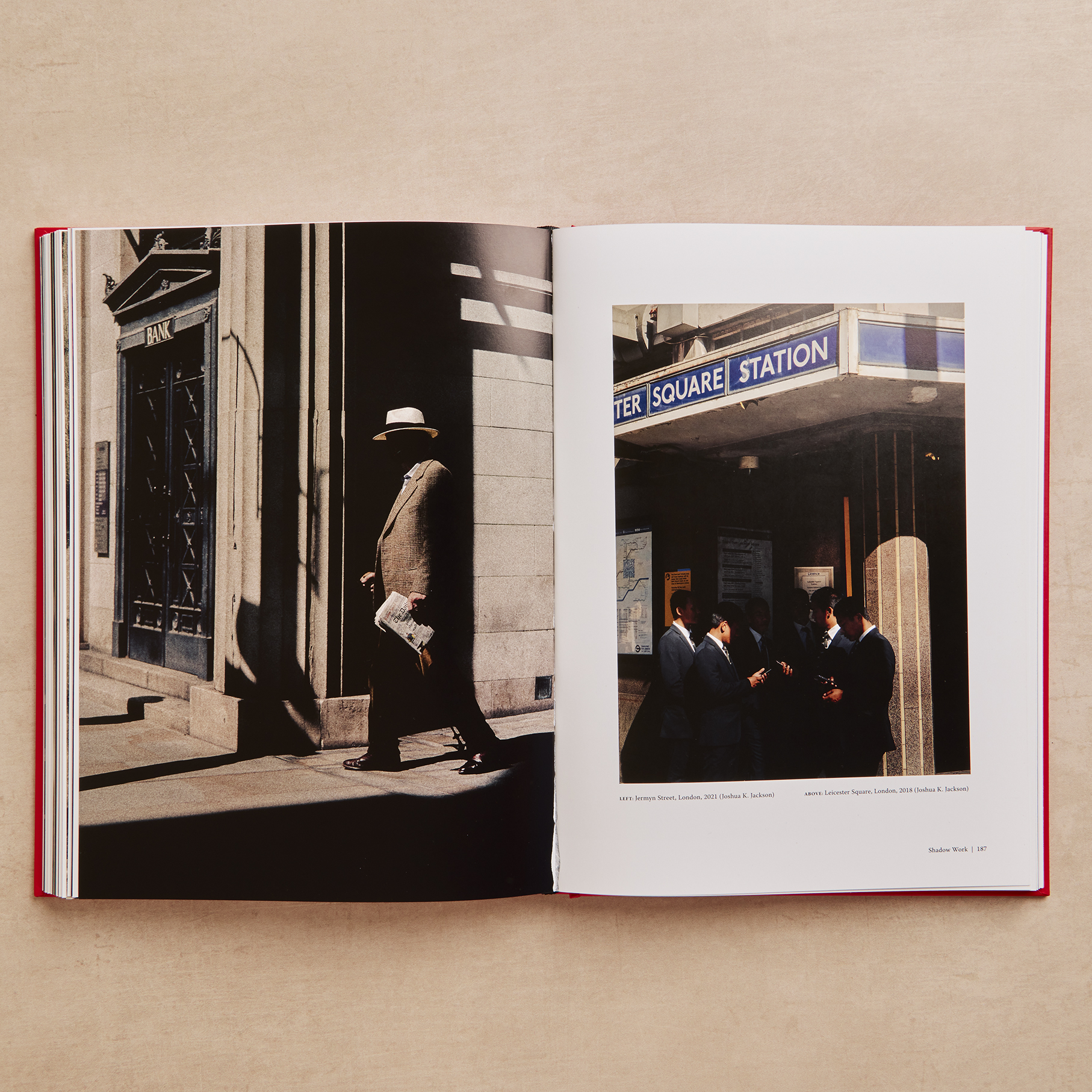
The book is also notable for what it doesn’t dwell on. The book places far more emphasis on seeing and intent than on equipment. Tucker repeatedly stresses intuition and responsiveness over technical obsessiveness. Jackson started doing street photography partly as an antidote to more technical commercial work, and that spirit carries through every chapter.
For photographers who’ve spent years accumulating gear in search of better results, this is a useful corrective. The images in the book, ranging from Jackson’s richly coloured London scenes to Tucker’s high-contrast monochrome studies, are proof that the work comes from the eye, not the sensor.
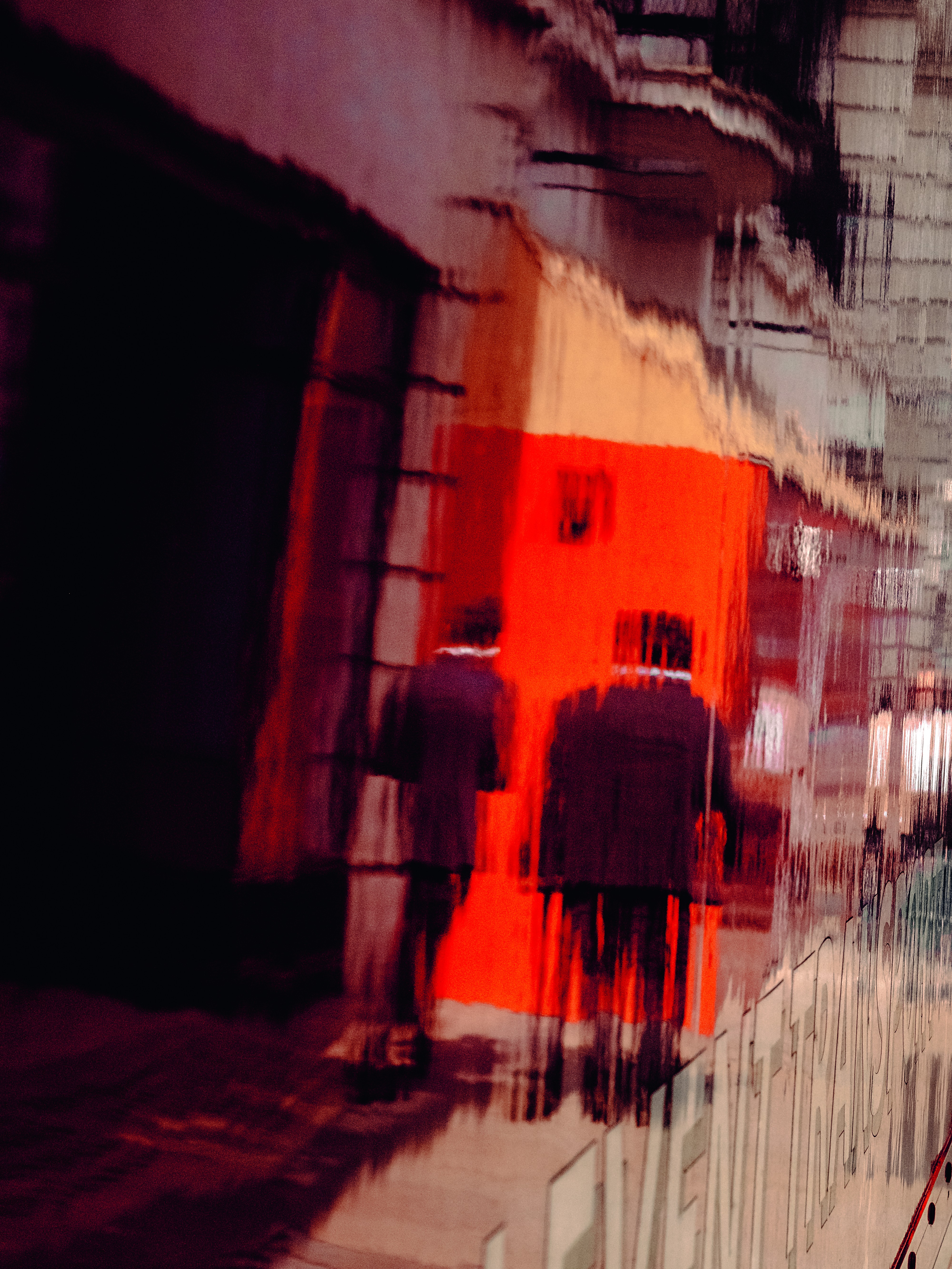
Jackson and Tucker also engage seriously with the ethics of photographing people in public. In an era when anyone is aware their image could go viral, the book addresses questions of consent, intent and respect, not as legal disclaimers but as genuine artistic considerations.
Their own practice, staying unintrusive and avoiding images that might embarrass or exploit their subjects, reflects a mature, considered approach to a question the wider street photography community often sidesteps.
There’s a refreshing directness here, too. The book doesn’t pretend these questions have easy answers. It asks each photographer to find their own ethical lines, and to take that process as seriously as any creative decision.
Author: Tom May
Source: DigitalCameraWorld
Reviewed By: Editorial Team