

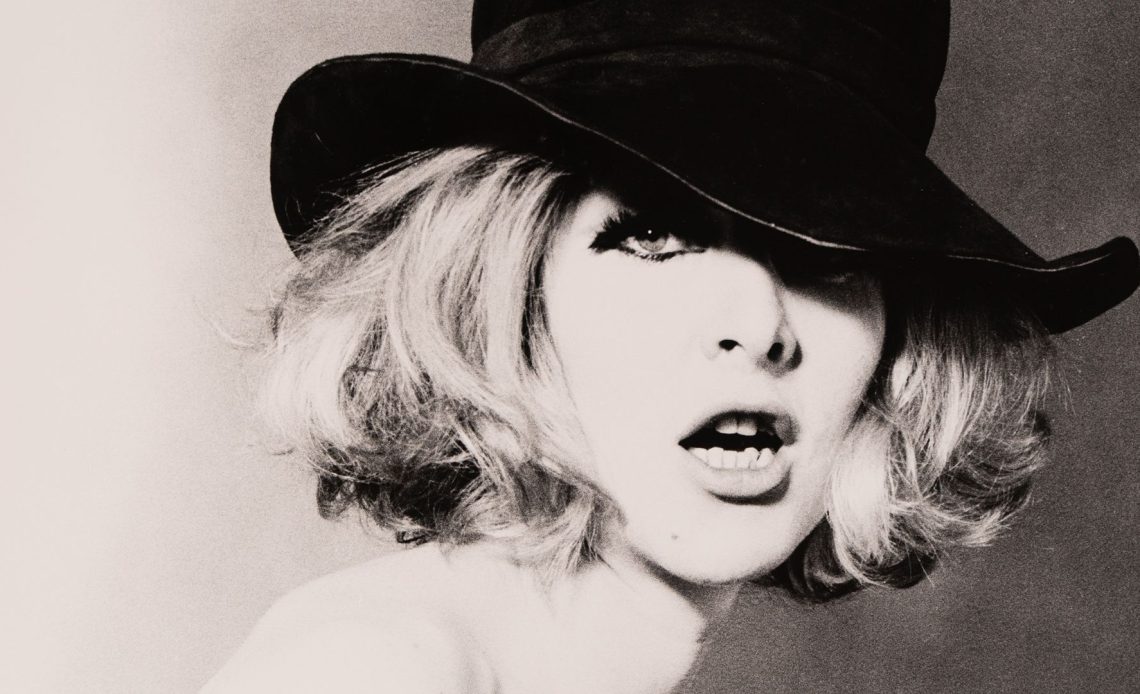
Picture London in the Swinging Sixties and you think of King’s Road boutiques, David Bailey, models in Soho coffee bars. Sam Haskins, whose work is about to go up for auction at Sloane Street Auctions, was one of the photographers whose work helped shape the visual language of the 1960s. So it’s surprising to learn that at the time, he wasn’t anywhere near any of it.
In fact, he crafted Five Girls (1962), Cowboy Kate & Other Stories (1964) and November Girl (1967) – photobooks that shaped how a generation of shooters approached the female form – from a studio in Johannesburg, South Africa.
Think about how challenging that must have been. Living in London or Paris in the early 1960s, a fashion photographer had agencies to call, stylists to hire. None of that existed for Haskins, who was born and raised in South Africa. So he had to improvise.
His models included women who weren’t professional models, helping give the pictures an unusually natural quality. He built fictional London sets from scratch and, for November Girl, even did the make-up himself.
A long and winding road
None of this was conventional, but Haskins had never been conventional. As a teenager he trained with a travelling circus and was offered work as a trapeze catcher. He then studied art at Johannesburg Technical College before adding a part-time photography course.
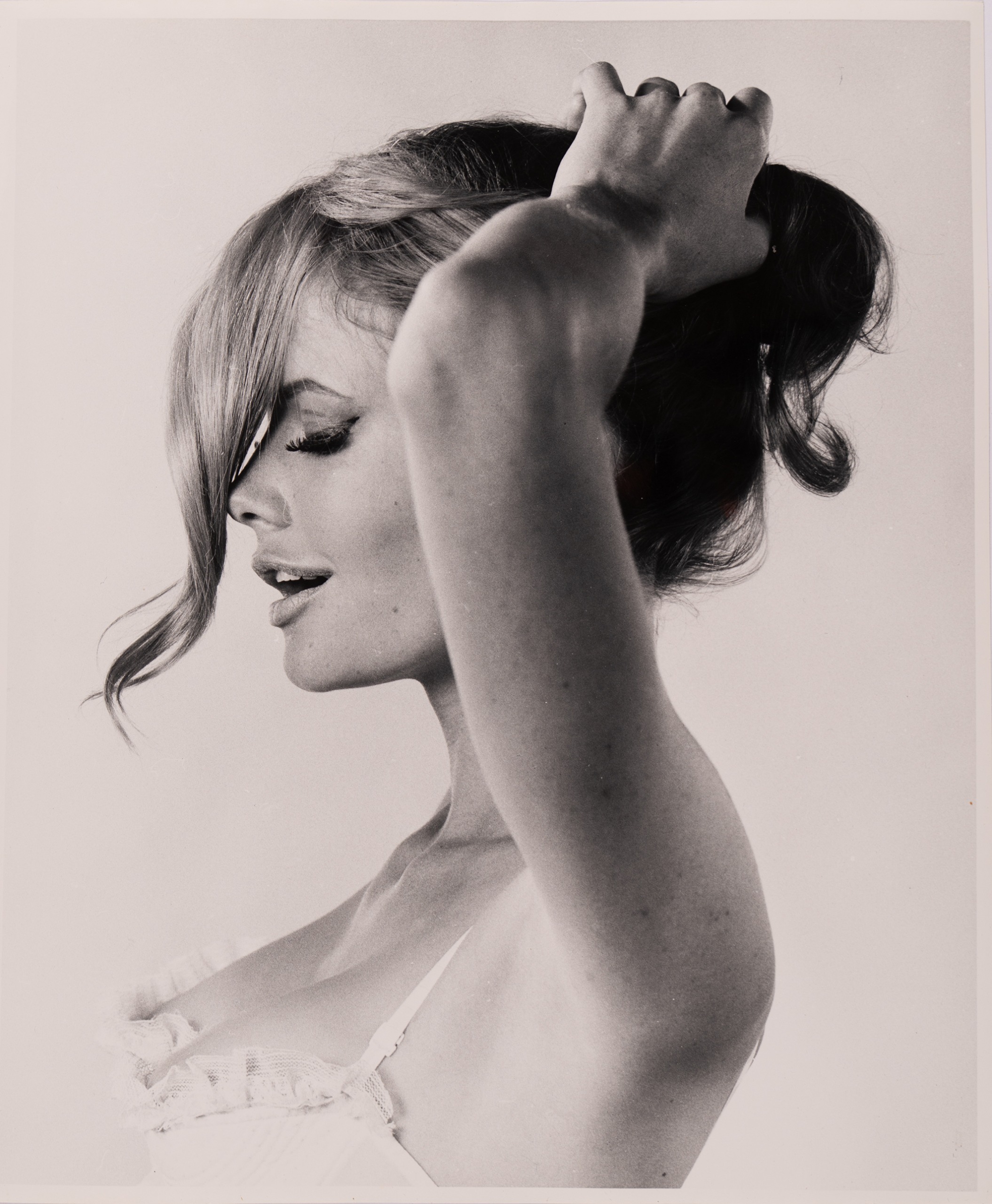
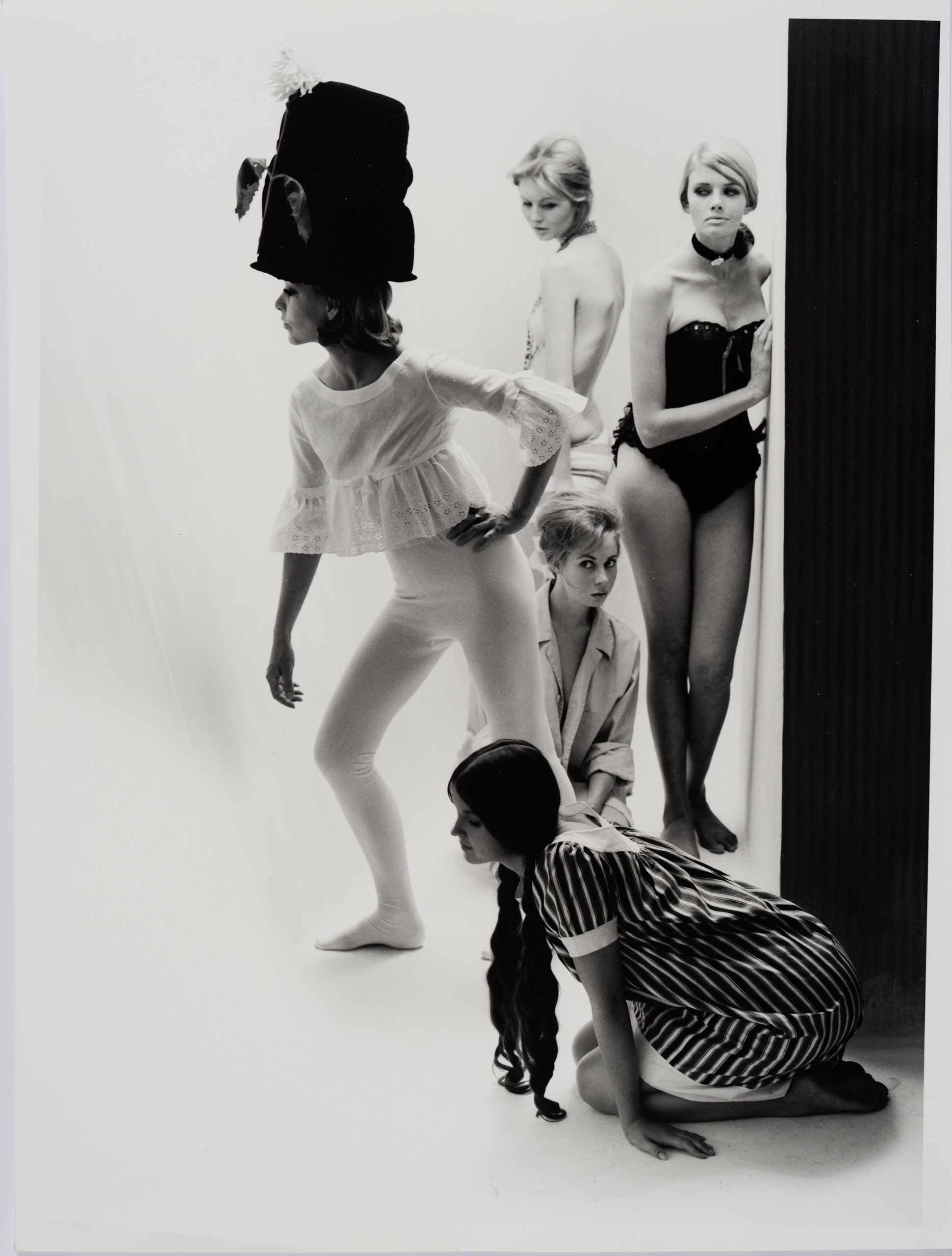
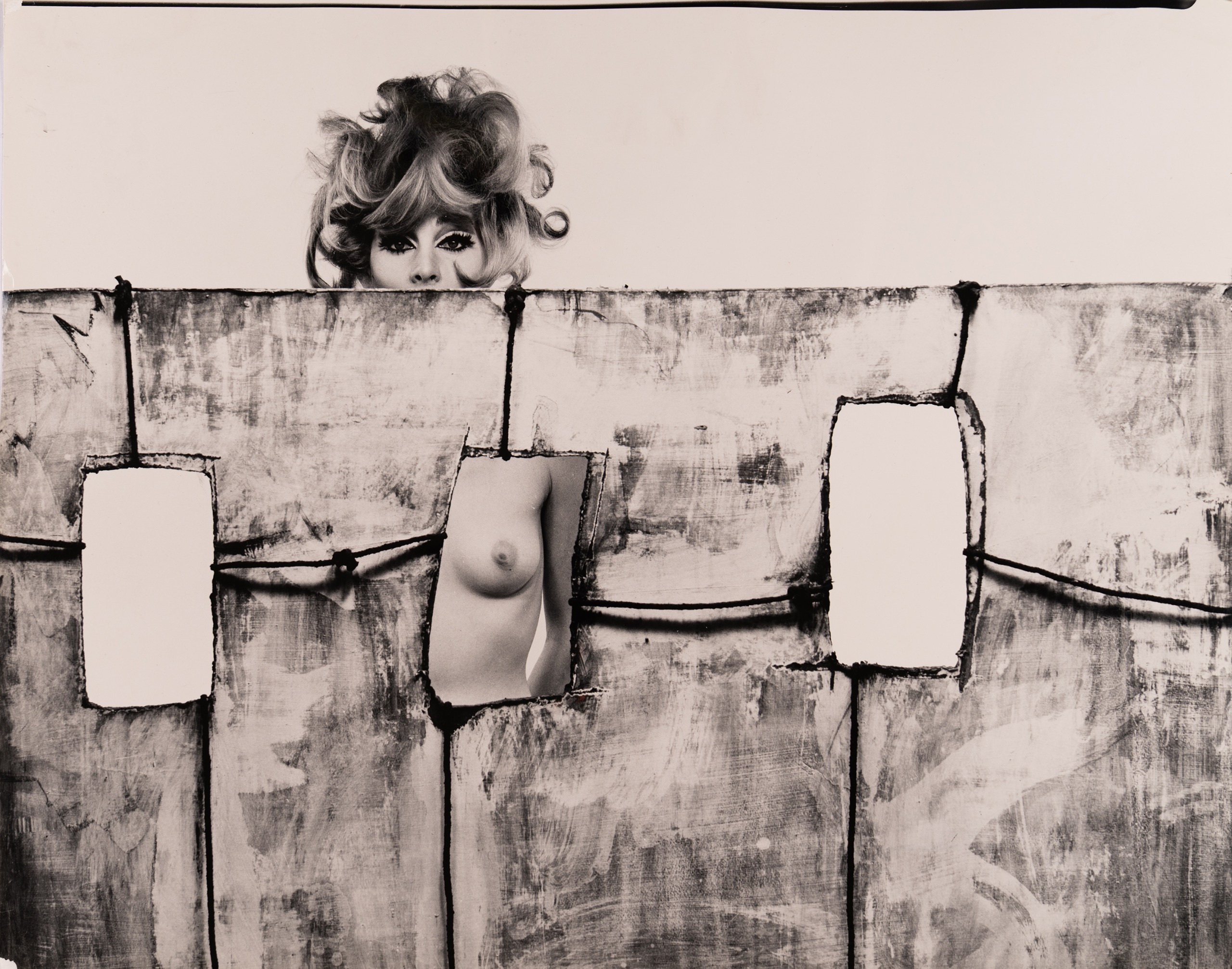
In 1949, he travelled to the UK to study at what’s now the London College of Communication, arriving into a city still enduring rationing. He began his career as an advertising photographer back in Johannesburg in 1953. He ran what was probably the first modern freelance advertising studio in Africa, working across everything from still life to industrial, fashion and aerial.
His first exhibition wasn’t fashion at all. Held in a Johannesburg department store in 1960, it paired studio portraits with photographs of dolls made by a teenager named Elisabeth Langsch, who’d go on to become Switzerland’s leading ceramicist.
That love of the odd, offbeat and obscure followed him throughout his career. Even after a move to London in 1968, after Cowboy Kate had sold almost a million copies, he largely kept the mainstream fashion world at arm’s length, preferring advertising clients and his own personal projects, including a 15-calendar collaboration with camera maker Asahi Pentax.
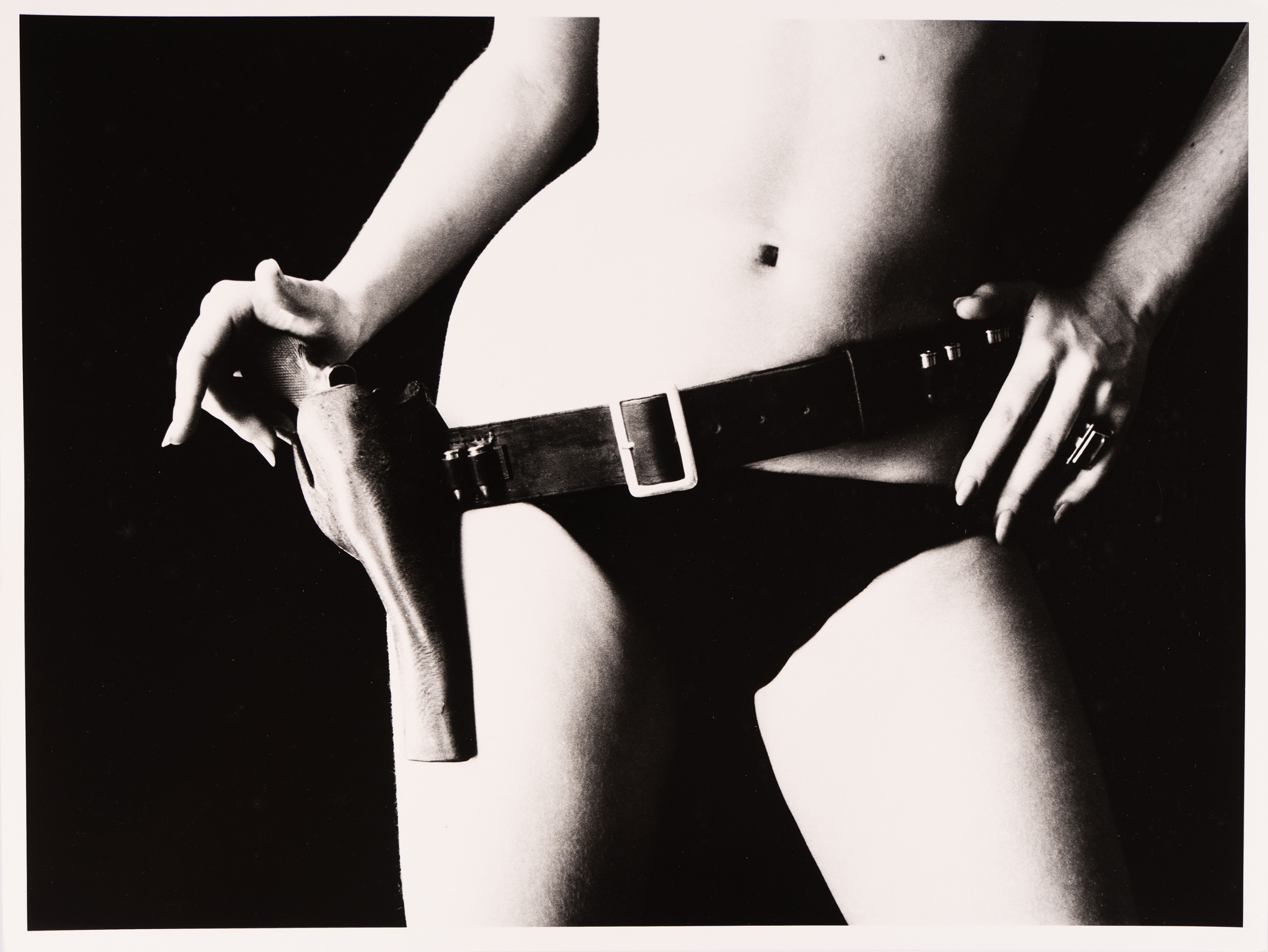
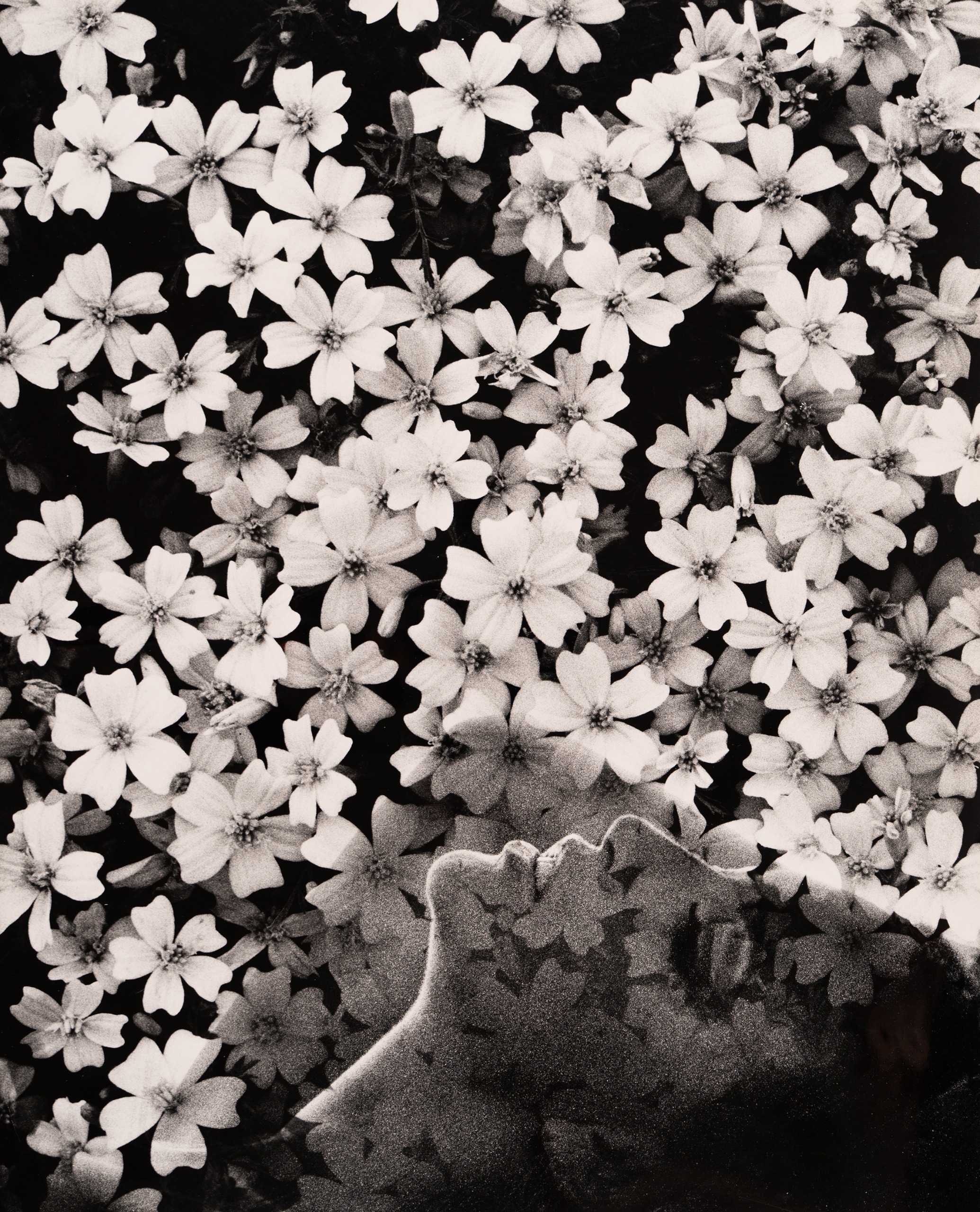
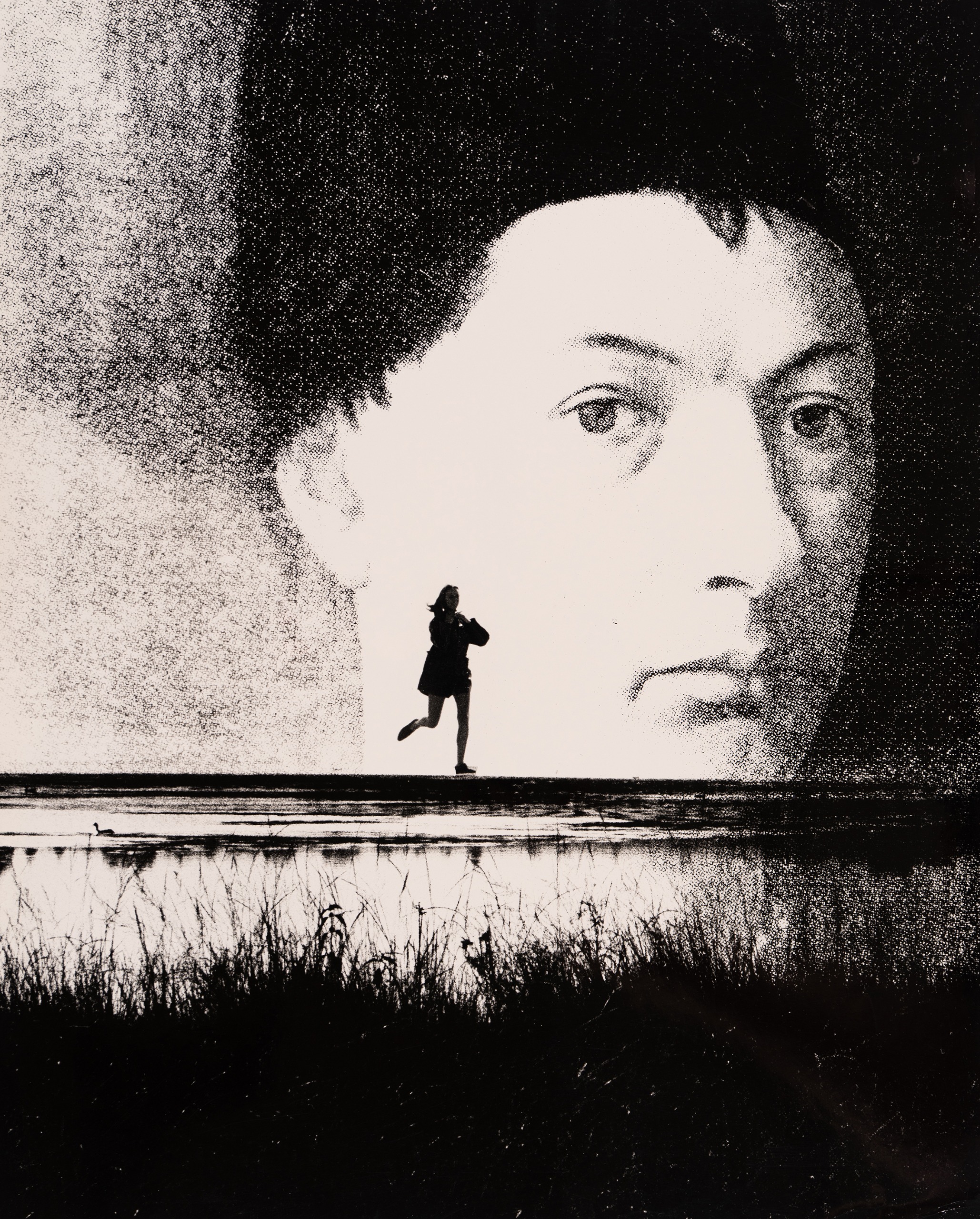
One image from his 1972 book Haskins Posters, a girl’s face superimposed on an apple, was reproduced so widely, he got the nickname “Sam the Apple Man.”
Haskins never properly re-entered mainstream fashion photography until 2002, when he was in his mid-seventies, after a Yves Saint Laurent shoot in Paris led to a fresh run of assignments in London, New York, Paris and Tokyo. He died in 2009, at home in Australia, nine weeks after suffering a stroke on the opening day of what would be his final exhibition. It was a fitting final chapter: still producing and exhibiting new work almost until the end.
Sam Haskins’s personal collection goes to auction at Sloane Street Auctions on 24 September, with live online bidding available via sloanestreetauctions.com.
Author: Tom May
Source: DigitalCameraWorld
Reviewed By: Editorial Team