

When Robert Capa, Henri Cartier-Bresson and others set up a photographic co-operative back in 1947, the legend goes that they named it after the oversized champagne bottles they liked to celebrate with. Nearly 80 years on, Magnum has returned to its roots, in a way.
Some of its photographers, including Mark Power, Emin Özmen, Rafał Milach, Bieke Depoorter and Cristina García Rodero, have been spending the summer in drinking holes across the continent. But they haven’t been slacking; they’ve been on a job for Heineken.
The result is Europe’s Living Rooms, a series that documents pubs, bars and tavernas in 11 European countries: the UK, Portugal, Ireland, Spain, the Netherlands, Greece, Poland, Austria, Italy, Belgium and Czechia (what we used to call the Czech Republic).
And while it’s a commercial campaign – timed to coincide with research into how much tourists spend on beer – the images are nonetheless fascinating to me. Not least because they highlight exactly how differently documentary photographers tackle the same brief.
A range of approaches
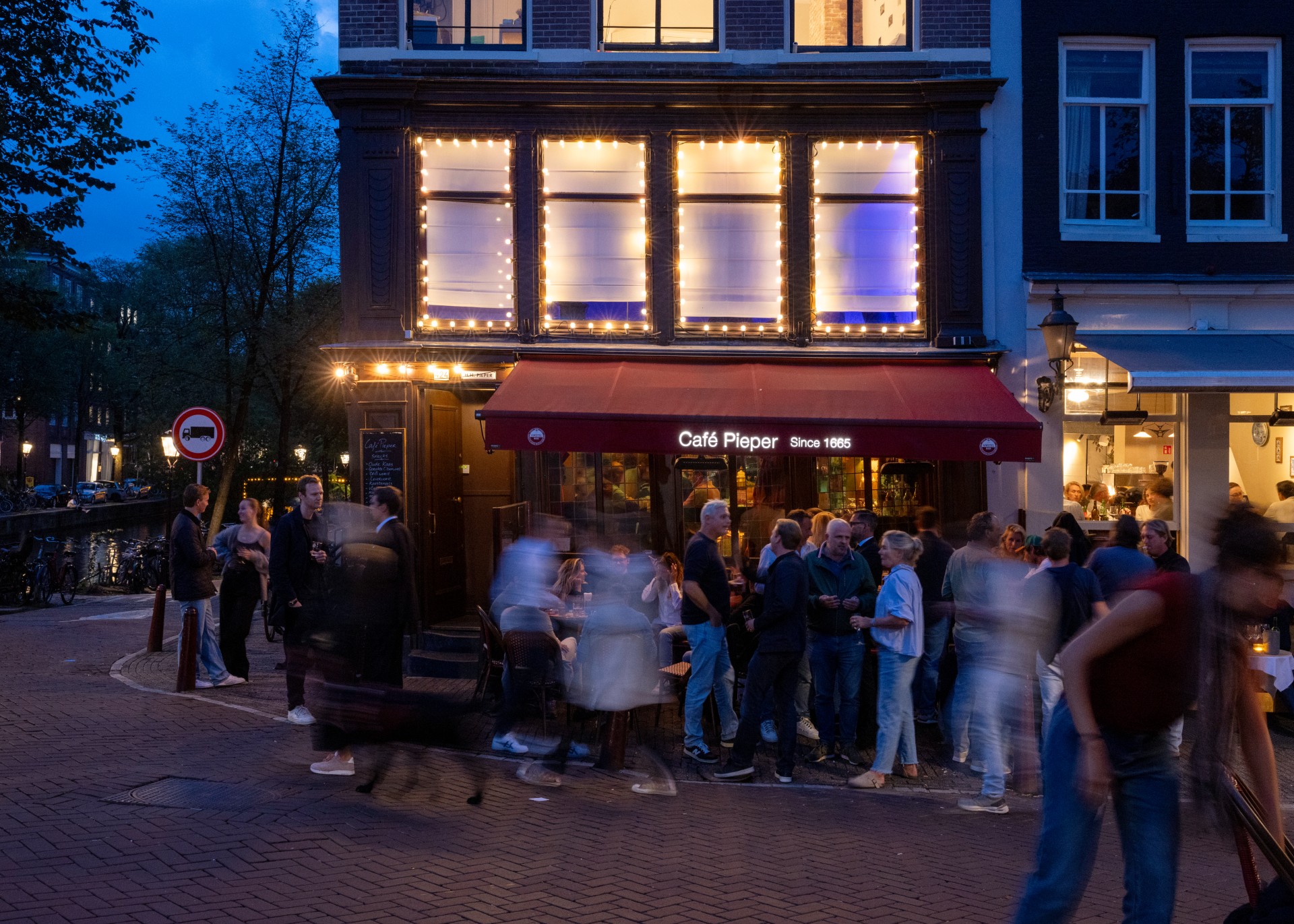
Take Bieke Depoorter’s shot of Café Pieper in Amsterdam, an establishment that’s been running since 1665. Captured at blue hour with a slow shutter speed, the drinkers milling outside dissolve into ghostly blurs while the building, outlined in light bulbs, stays sharp. That’s a clever of way of hinting at the centuries of customers who’ve passed through these doors.
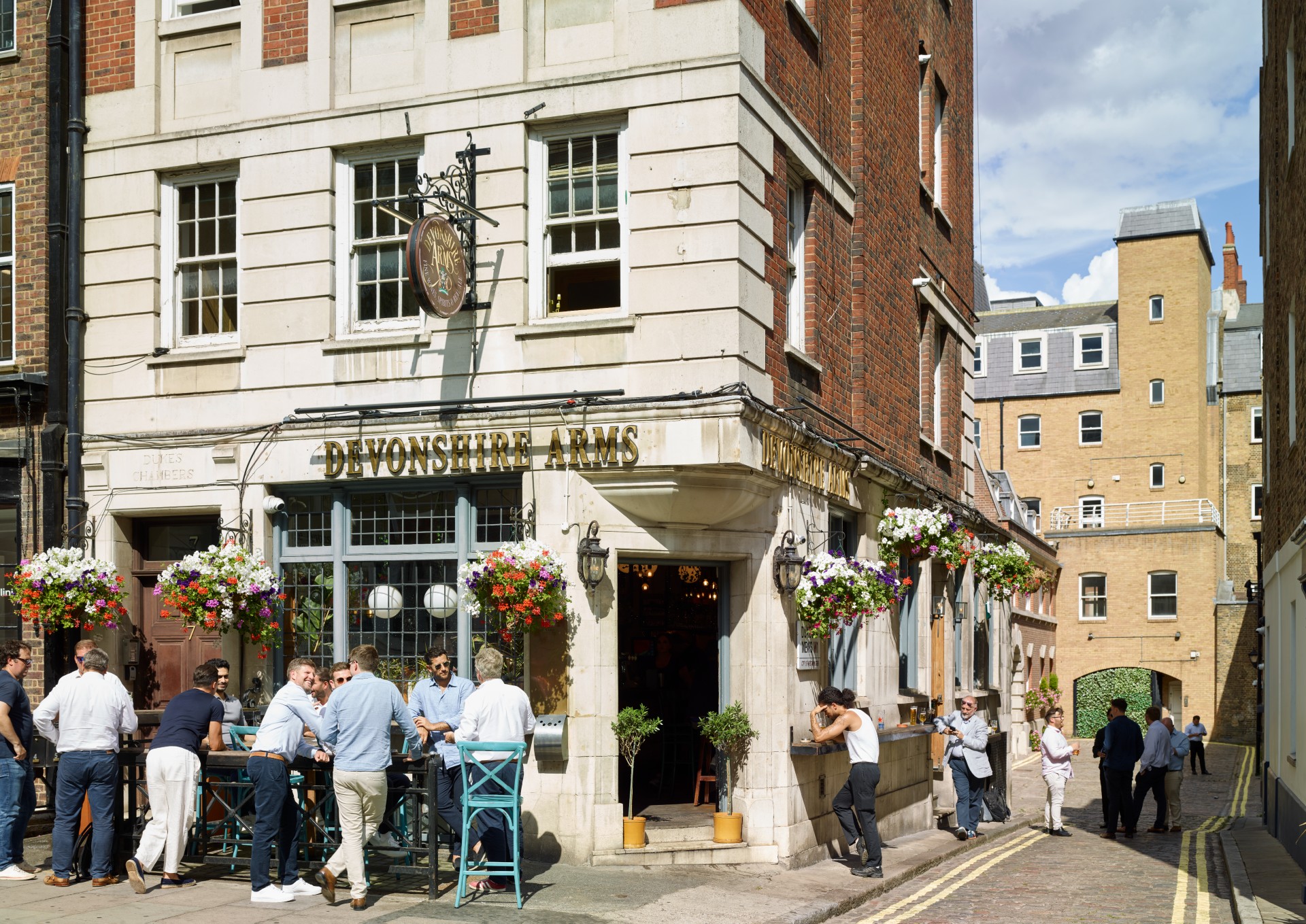
Mark Power, in contrast, gives The Devonshire Arms in London’s Soho a crisp, carefully composed treatment. Office workers cluster around high tables in bright sunshine in their shirt sleeves, and every hanging basket and cobblestone is rendered in sharp detail.
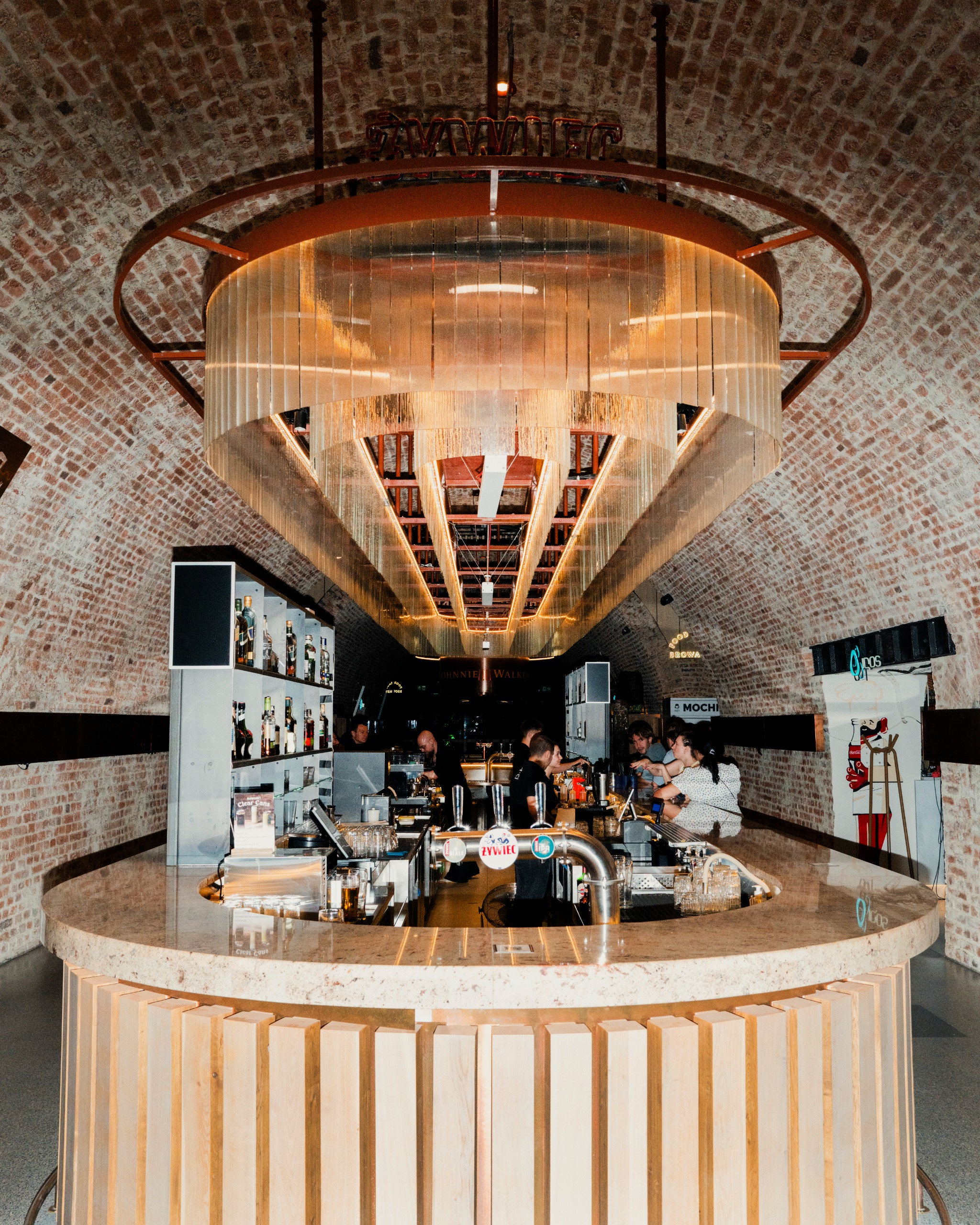
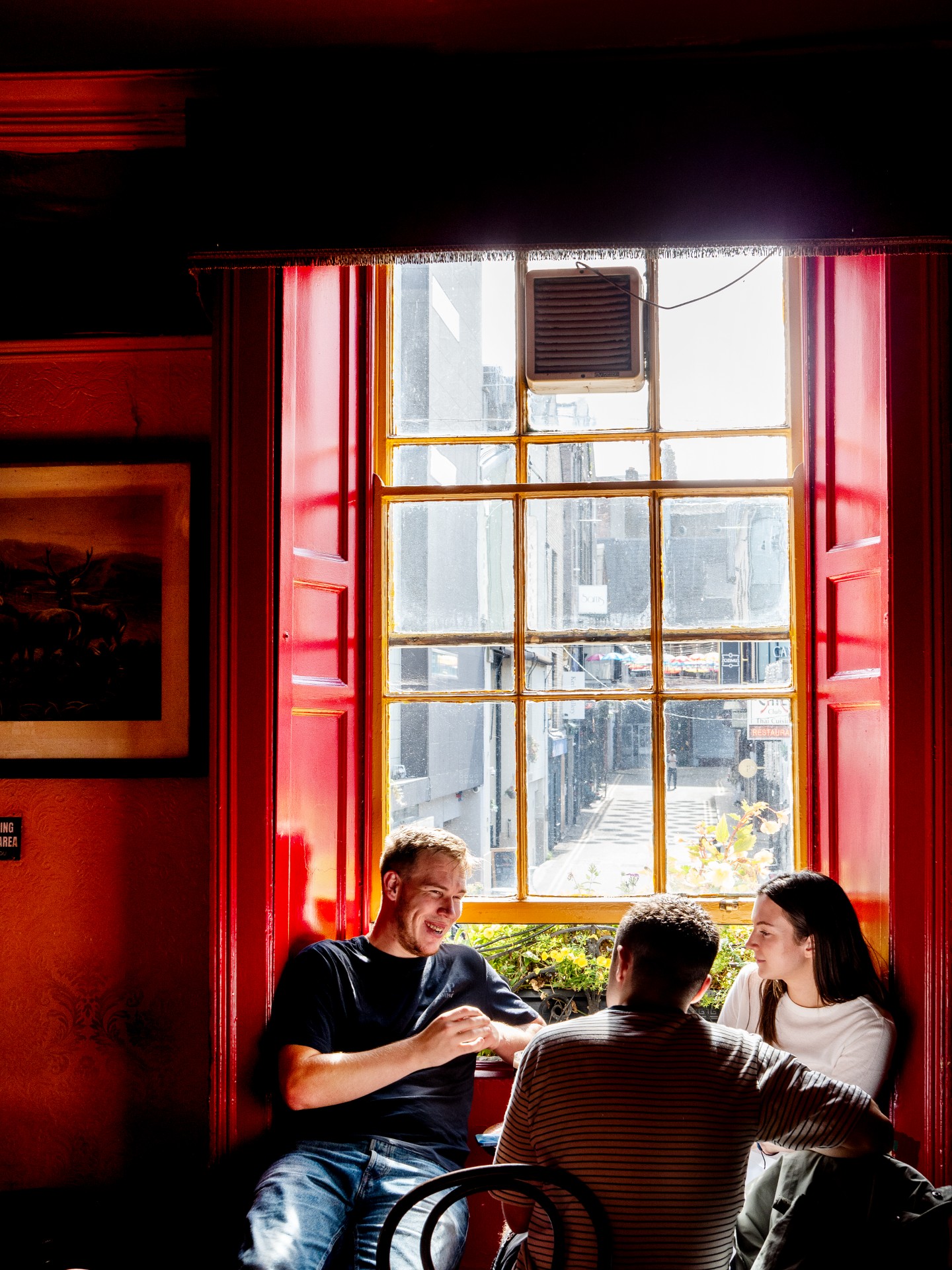
In a vaulted brick bar in Poland, Rafał Milach goes for bold symmetry, focusing on a huge glass chandelier that funnels the eye towards the drinkers at the far end. In Ireland, Enri Canaj finds three friends chatting in front of a sunlit sash window framed by glossy red shutters; a hang-out to die for.
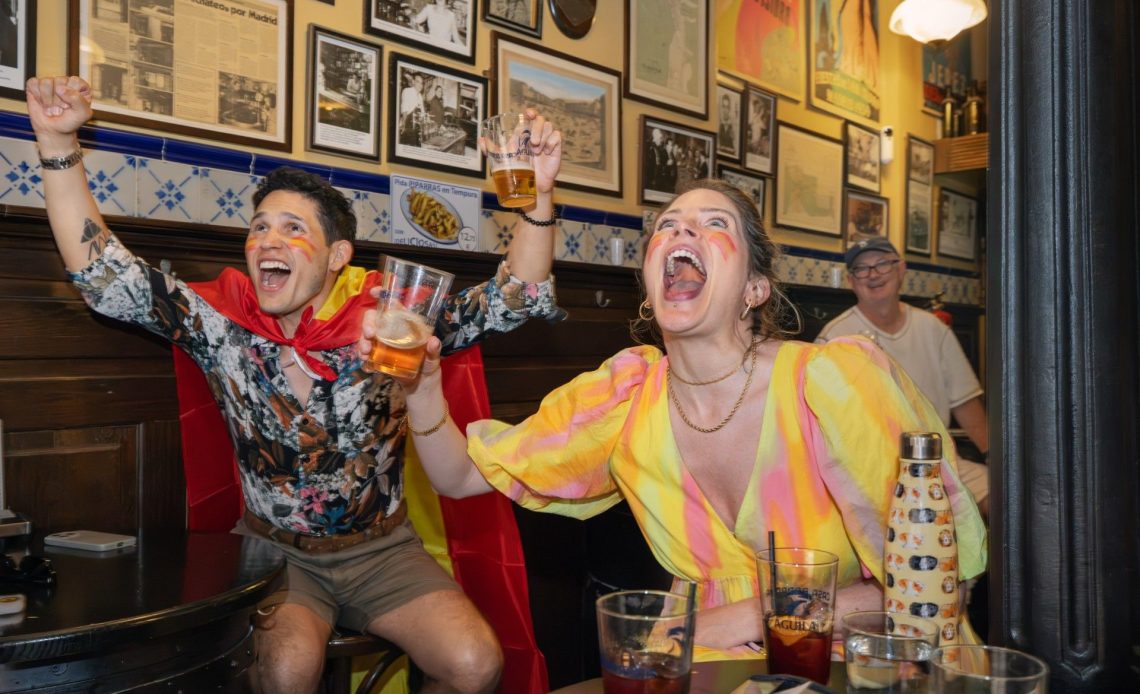
Then there’s Madrid, where fans in face paint and Spanish flag capes are caught mid-roar while watching the World Cup. The picture freezes each open mouth and raised glass, while an older drinker looks on with quiet bemusement.
Why Magnum works
It’s these small moments which explain exactly why the beer brand went to documentary photographers rather than a typical advertising crew.
As Marine Mérindol, chief operating officer of Magnum Photos, puts it: “These are the details that so many miss if they are just passing through.”
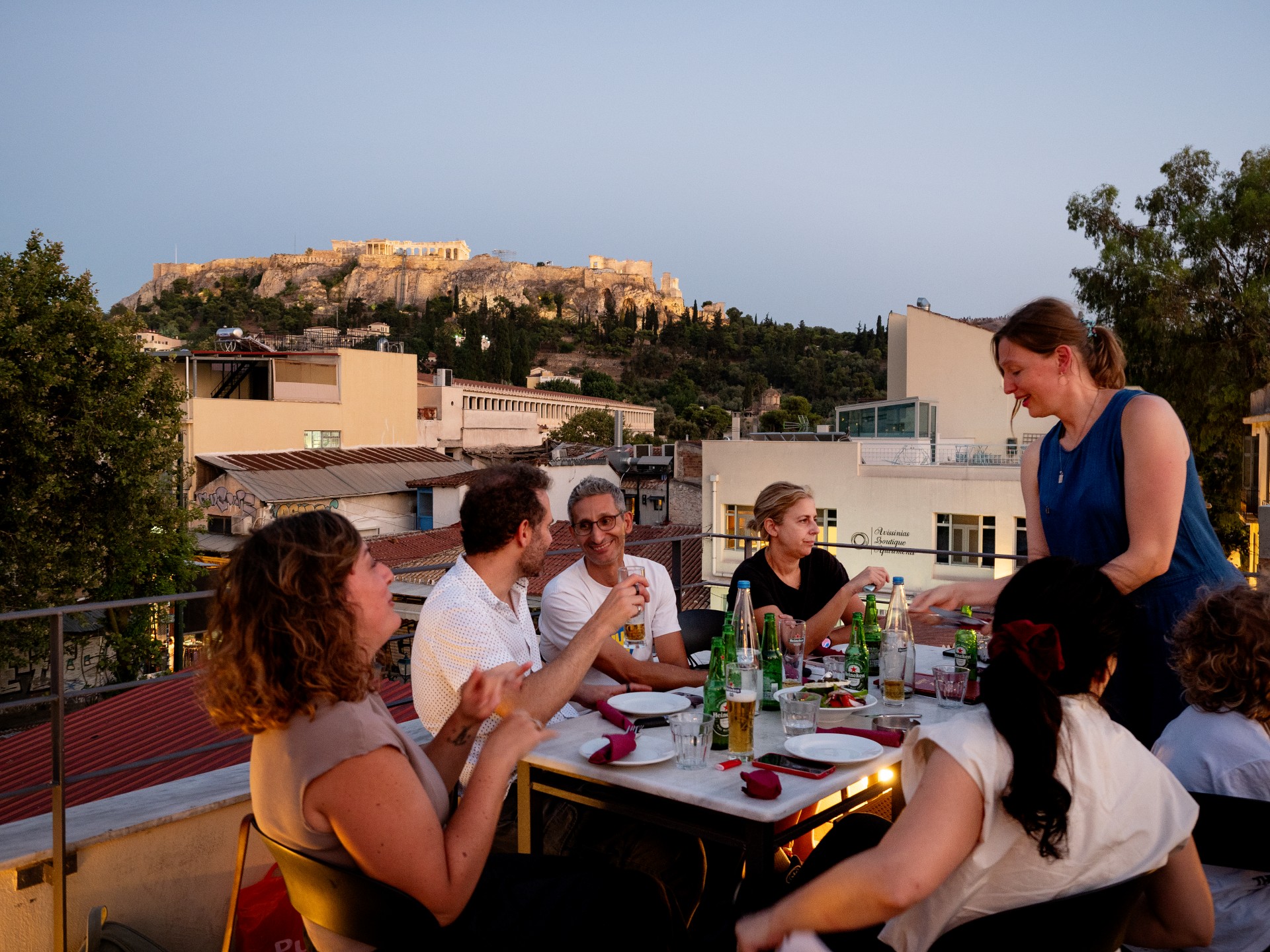
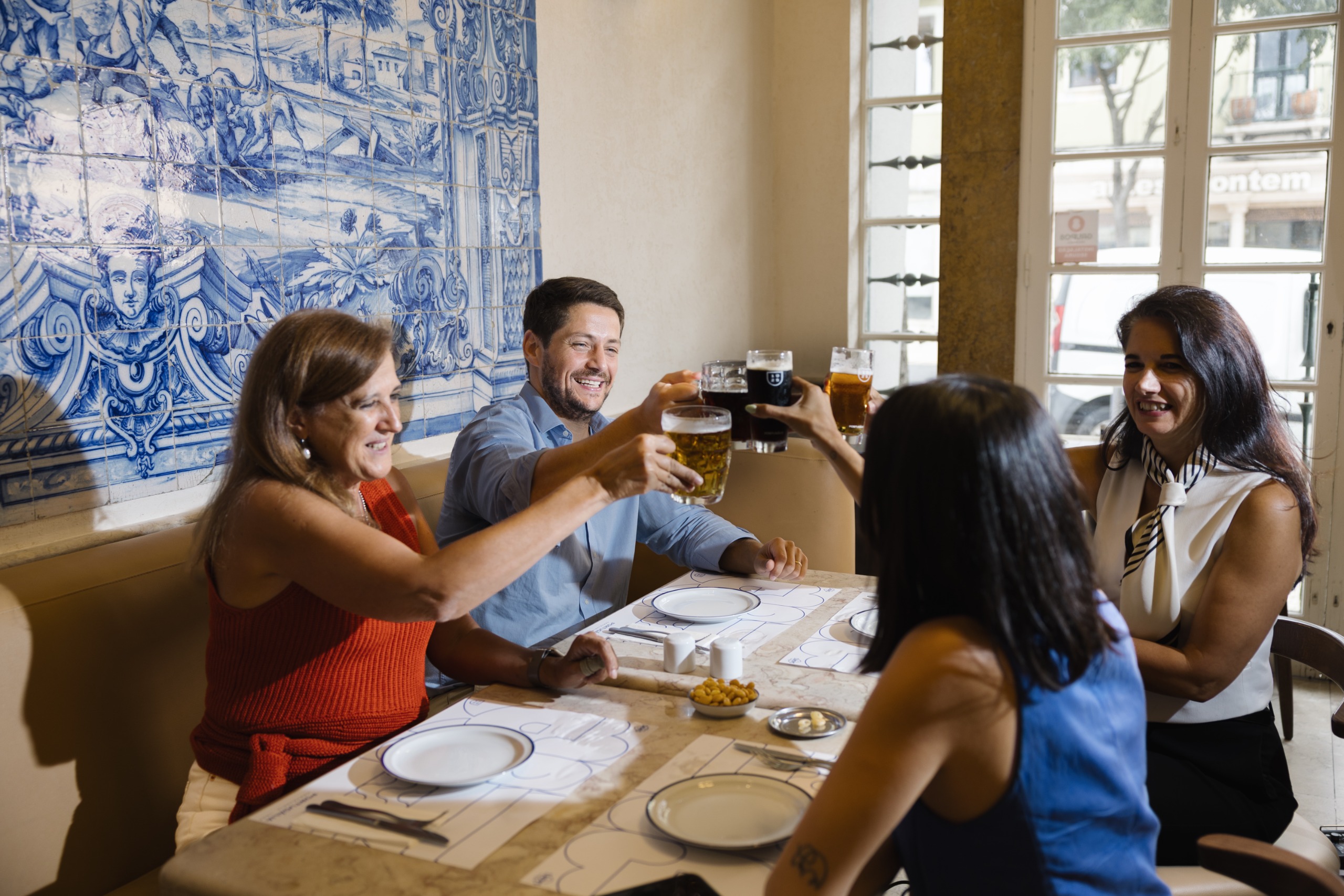
Documentary photography, she adds, “doesn’t just illustrate a place; it witnesses it. These photographs capture something true about how people in Europe live and connect together.”
Whether Cartier-Bresson would have approved of swapping champagne for lager, who knows? But he and his fellow Magnum founders would surely have recognised the instinct to point the camera wherever people gather, raise a glass and forget their troubles for a happy moment.
Author: Tom May
Source: DigitalCameraWorld
Reviewed By: Editorial Team