

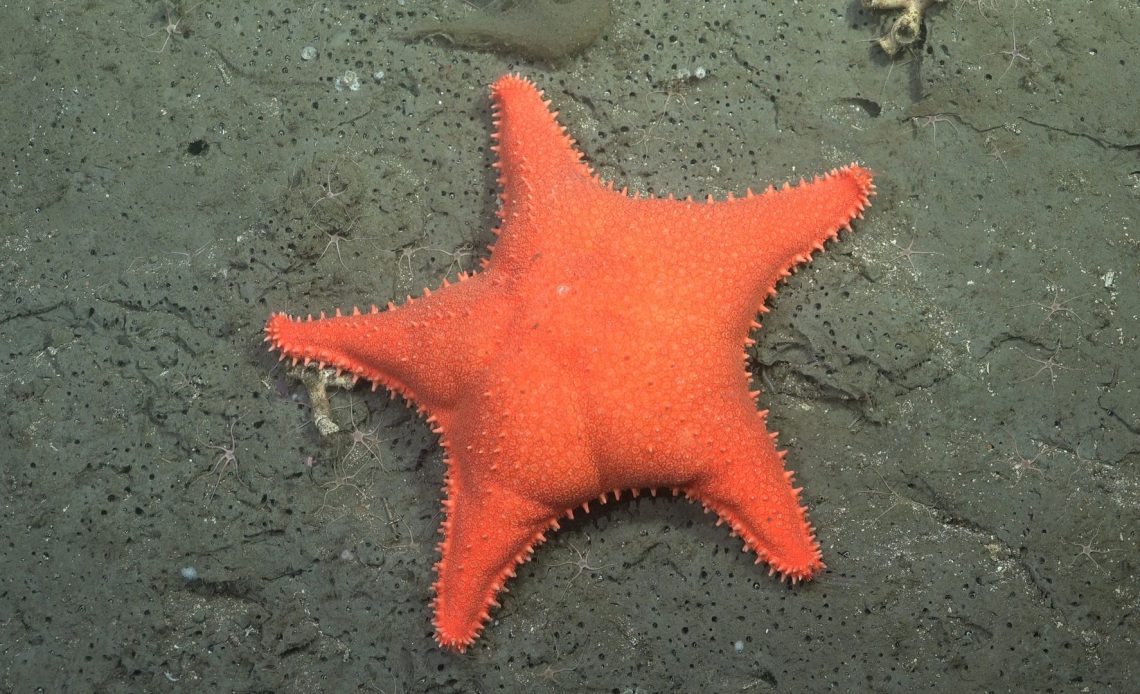
It looks like Patrick Star has a real-life counterpart, as marine scientists have released images of a starfish closely resembling the beloved Bikini Bottom-dwelling character from the children’s cartoon, SpongeBob SquarePants.
According to the researchers – a combined team of marine scientists from various Argentine institutions led by Dr. Daniel Lauretta – the image was also live-streamed at the time of creation, August 2025, to an audience of nearly 4 million viewers, “propelling the starfish to global fame.”
The photo of “Patrick Star,” which, in reality, was a bright orange sea star in the genus Hippasteria, was snapped during a 20-day expedition of the Mar del Plata Submarine Canyon, a chasm in the ocean floor off the coast of Argentina reaching depths exceeding 3,500 meters.
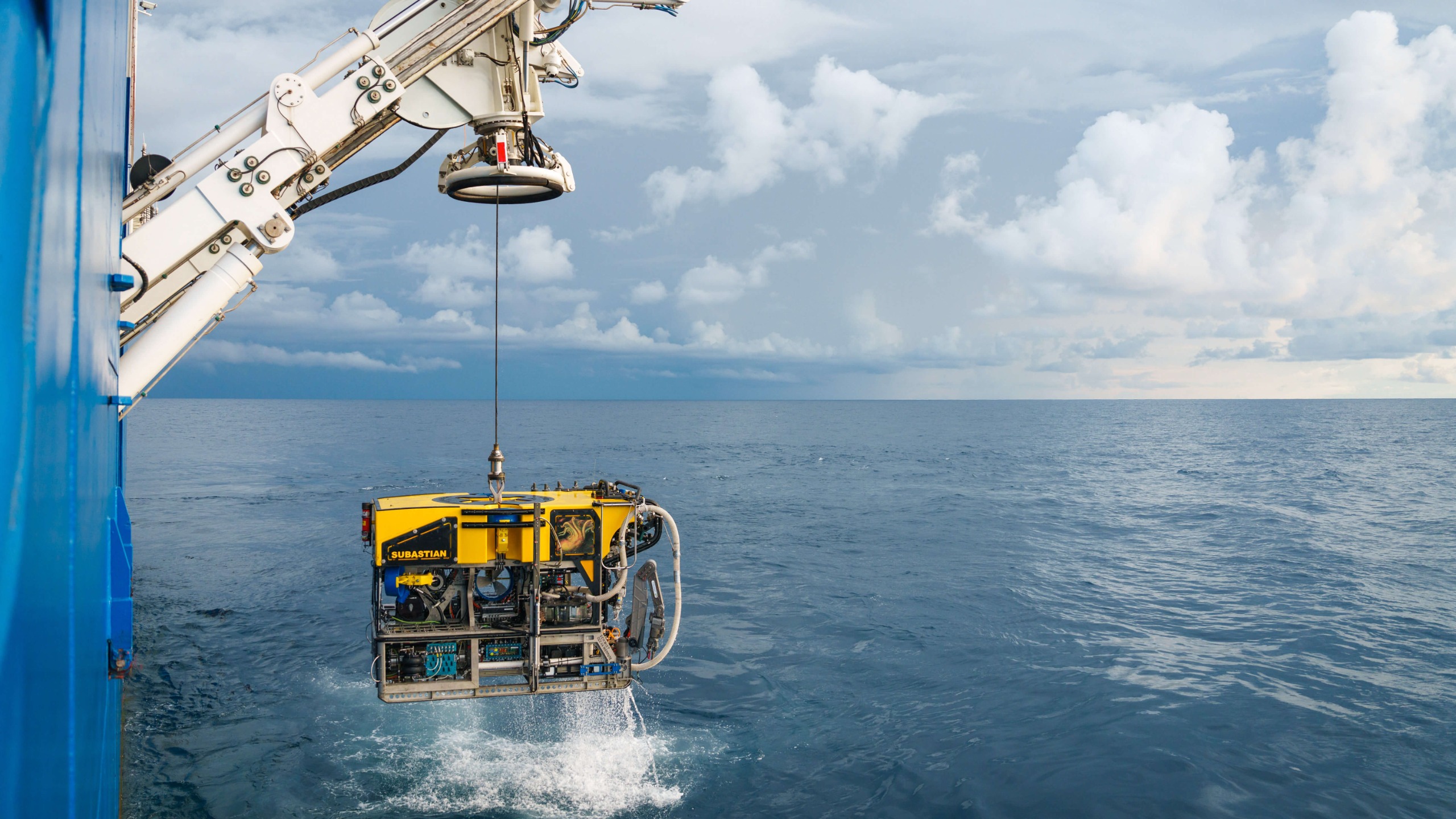
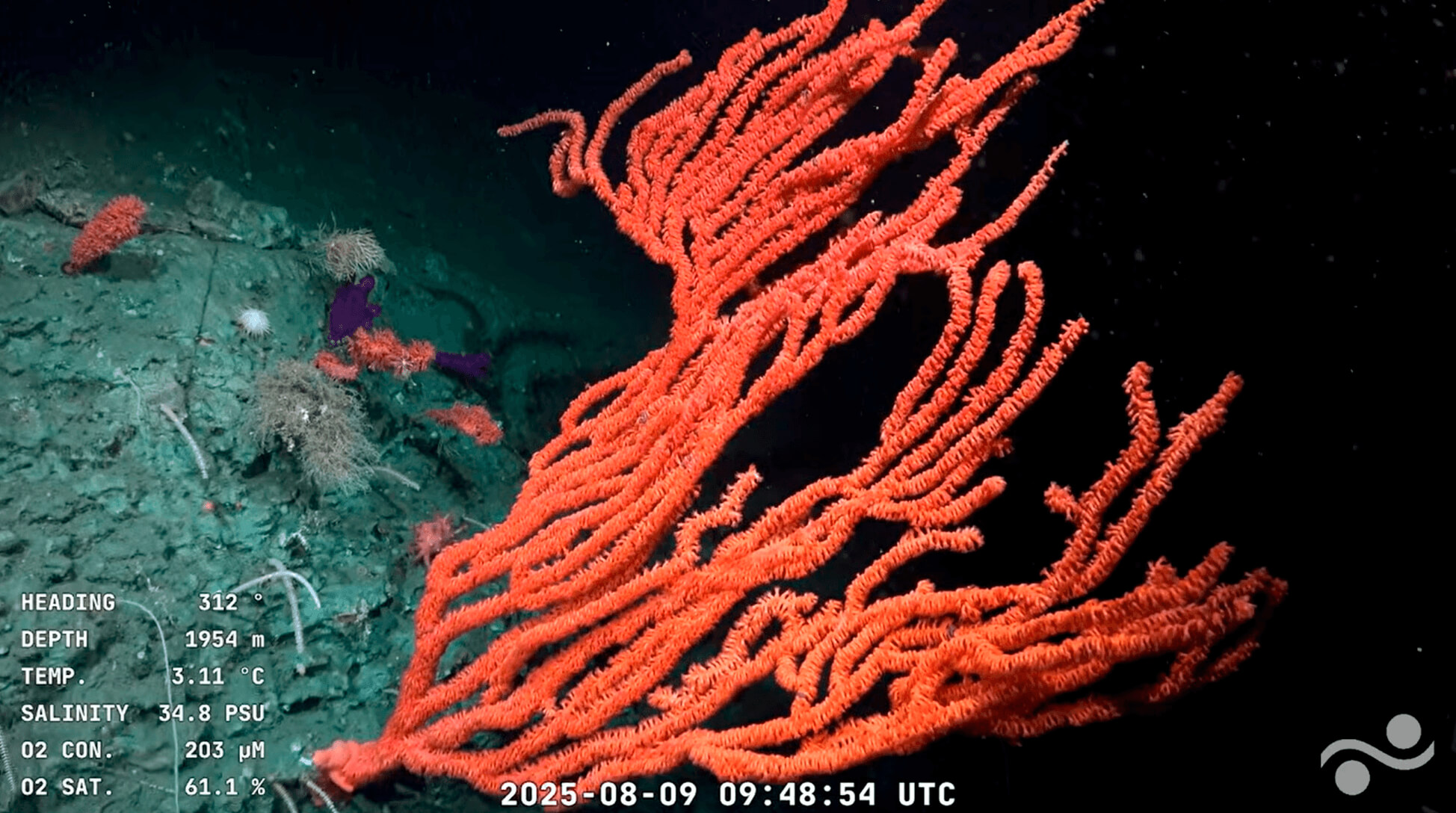
While “Patrick Star” may have become a global sensation, he wasn’t the only superstar sighted. Throughout the expedition, the scientists, working from aboard the research vessel Falkor, used a remotely operated vehicle, named SuBastian, to discover 57 new species previously unkown to science, unlike “Patrick Star”.
Image 1 of 2

(Image credit: Schmidt Ocean Institute)
(Image credit: Schmidt Ocean Institute)
View Original
View Original
These included 20 copepods – tiny crustaceans found in the deep-sea sediments – and 22 echinoderms – the group that includes sea cucumbers and crinoids.
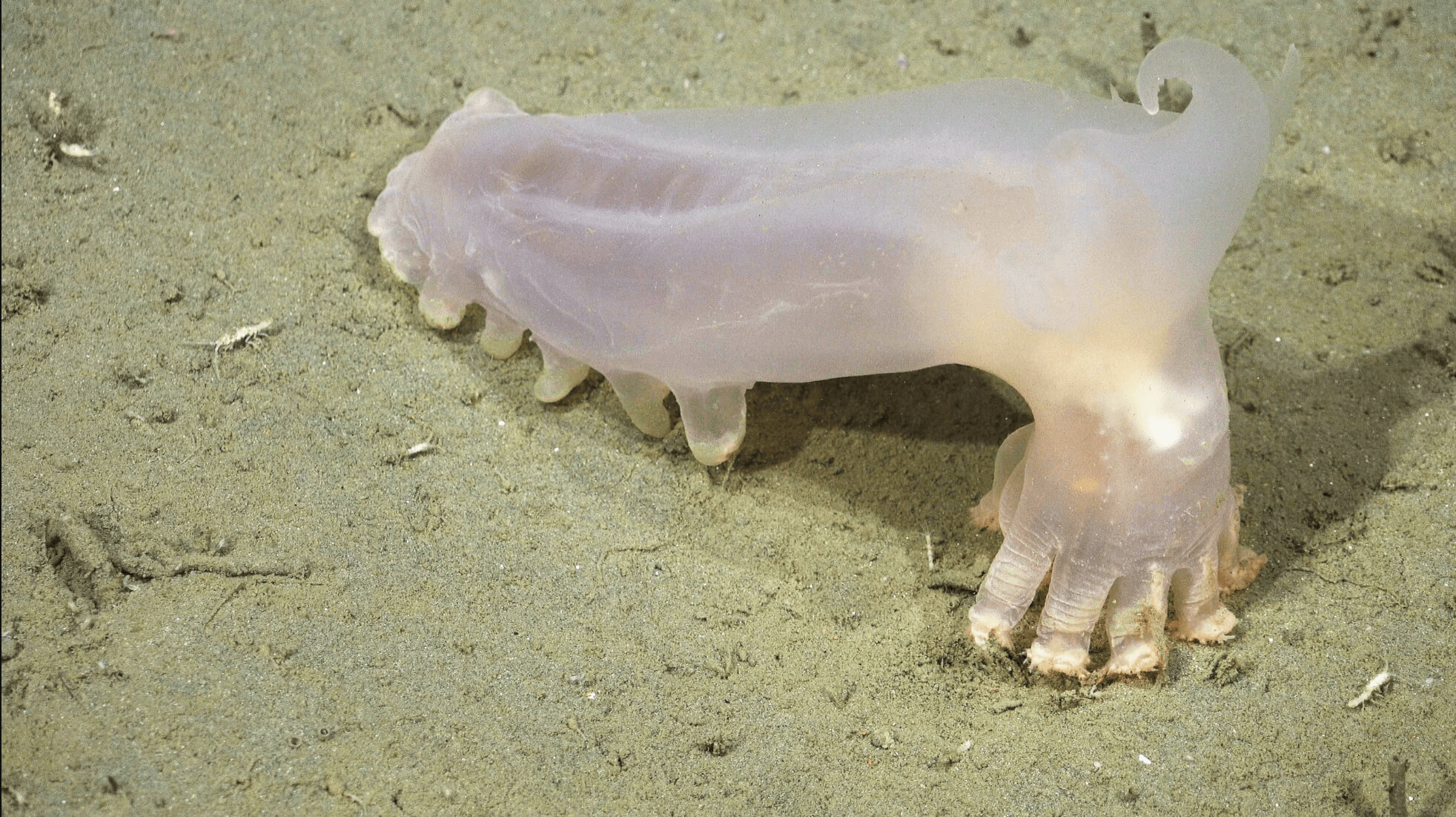
Among the echinoderms was “Loki” (Peniagone sp.), a striking horned sea cucumber photographed and filmed alive at 2,577 meters, which resembled the Norse god thanks to its pair of horned appendages.
The 2025 expedition marked the first in-situ observations of the Mar del Plata Canyon’s deep seafloor, enabling scientists to determine the diversity and distribution of its biological communities.
Image 1 of 2
(Image credit: ROV SuBastian / Schmidt Ocean Institute)
(Image credit: ROV SuBastian / Schmidt Ocean Institute)
View Original
View Original
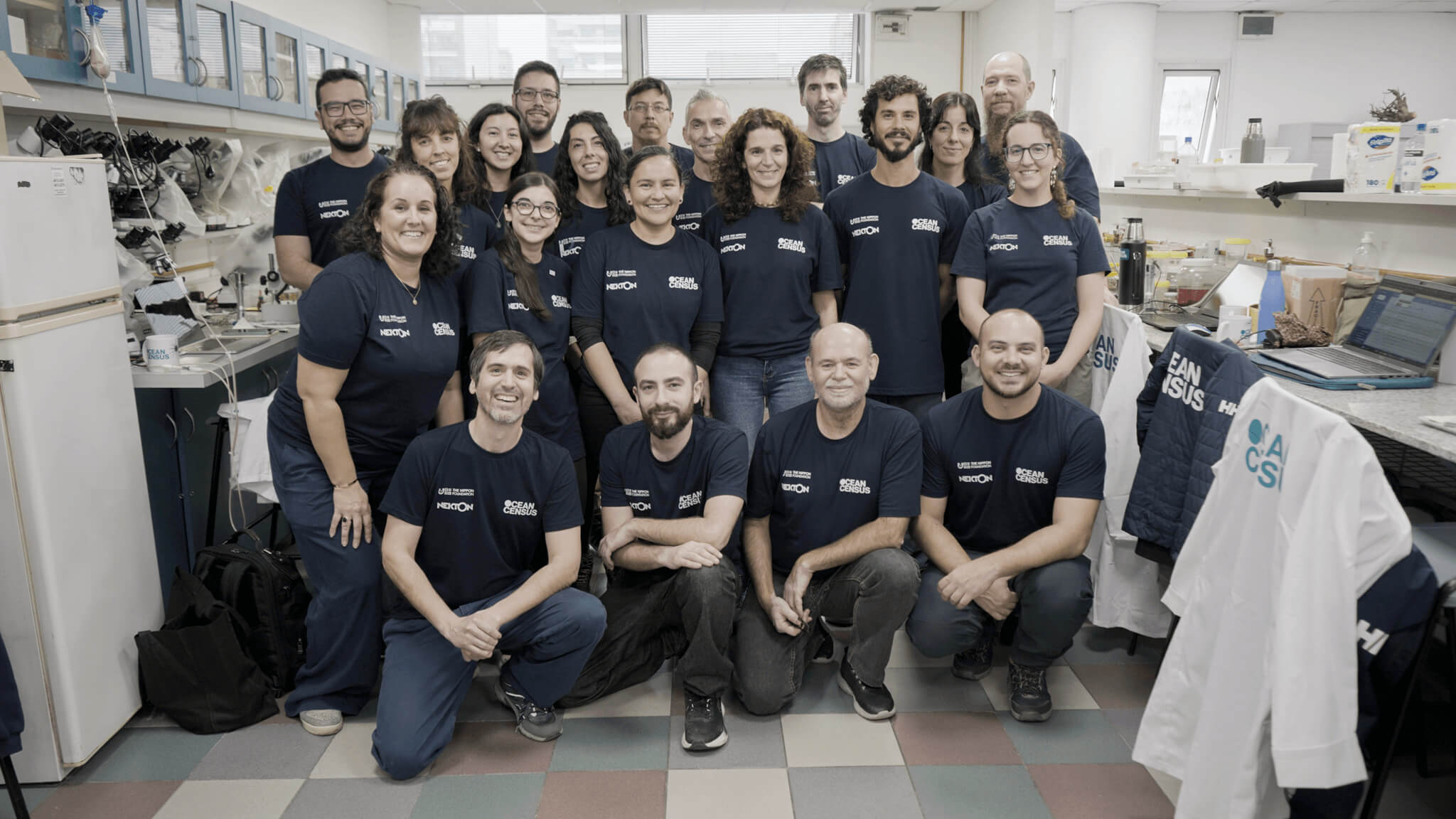
According to the Schmidt Institute, which provided the research vessels, a host of the newly discovered species were further studied using taxonomic analysis during a workshop in Buenos Aires this summer.
The team led by Lauretta is now planning a follow-up expedition to begin in February 2027, this time targeting a different submarine canyon expected to have “high levels of endemism.”
Author: Alan Palazon
Source: DigitalCameraWorld
Reviewed By: Editorial Team