

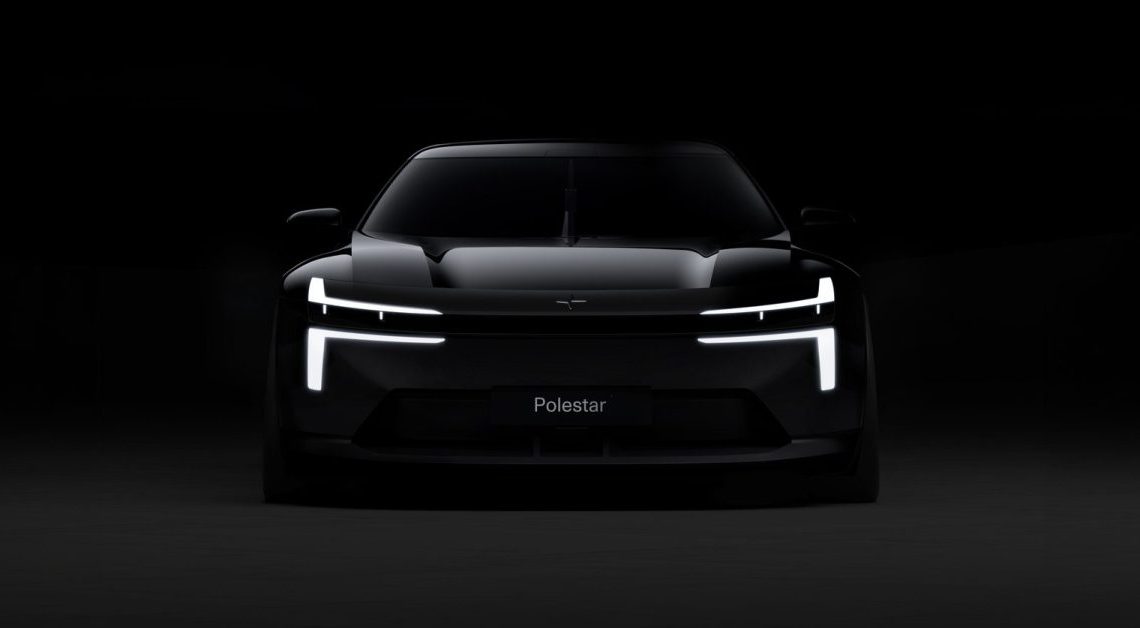
Polestar has confirmed a new concept car, the Formula 2030, and it’s the clearest look yet at where the Swedish EV brand’s design is headed.
The concept previews styling that will show up on the next Polestar 2, due in 2027, and the Polestar 7 compact SUV coming in 2028. It’s also the design centerpiece of a broader strategy the company is pitching to investors around one goal: getting to profit.
A bold evolution, not a redesign
The Formula 2030 is the first full design statement from Philipp Romers, who took over as Polestar’s head of design in 2024 after arriving from Audi and replacing Maximilian Missoni.
Romers isn’t tearing up the playbook. “It was obvious we needed a bold evolution not revolution of what came before,” he said, pointing to the “Dual Blade” headlights that stay front and center on the concept so it “remains recognizably a Polestar.”
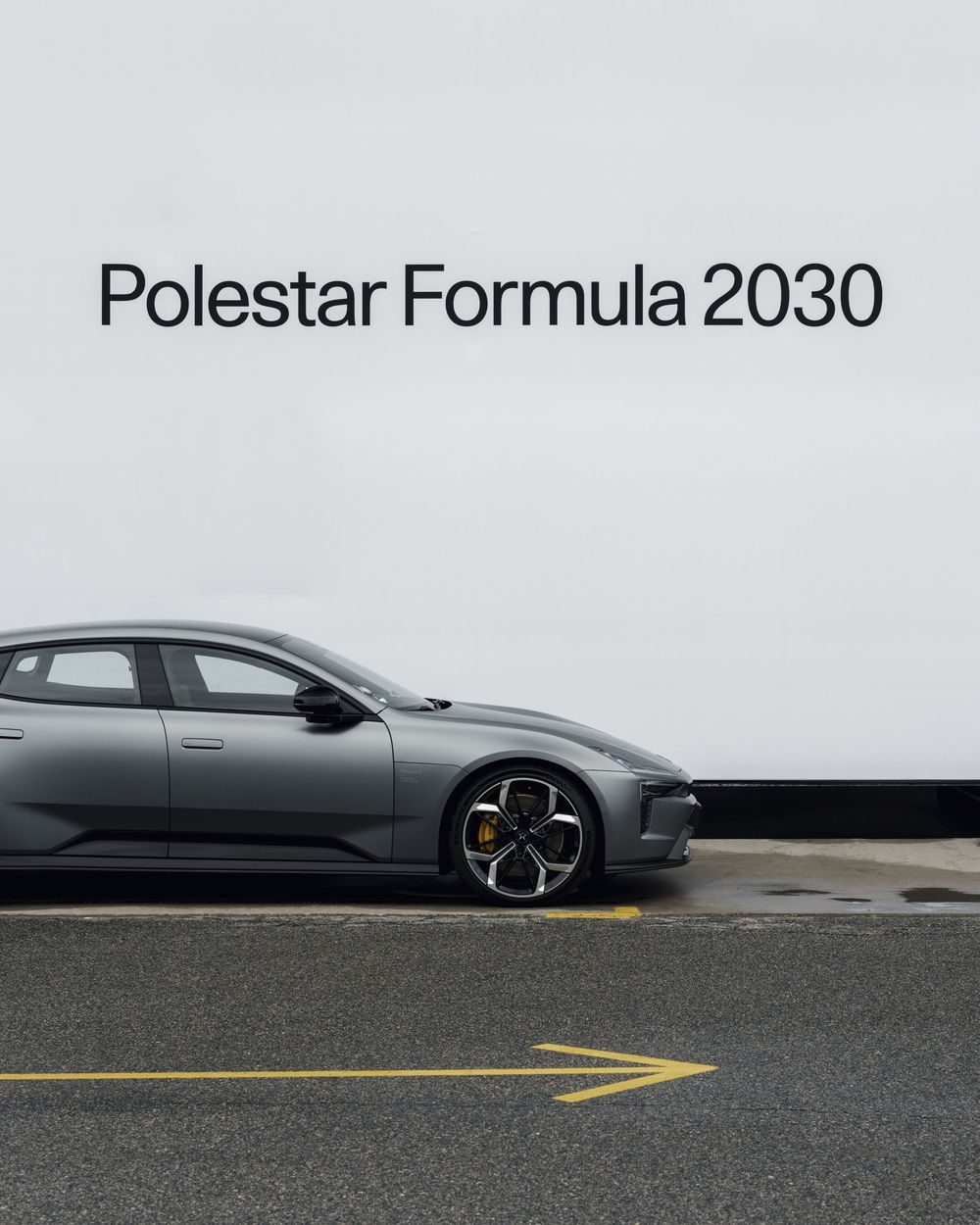
You can see it in the images. The front end keeps the split-blade light signature Polestar has run since the Polestar 2, and the profile is the same low, long-roof fastback shape the brand has leaned on. This is a refinement of a look that’s already on the road, not a reinvention.
That’s a reasonable call. Polestar’s design has always been one of its stronger cards, and the company doesn’t have the money right now to gamble on a radical reset.
Tied to the “Formula 2030” strategy
Polestar didn’t reveal the concept at a motor show. It showed it behind closed doors to investors, retailers, and a group of VIP customers at “The Cube,” its Gothenburg headquarters, as part of a “Formula 2030 strategy event.”
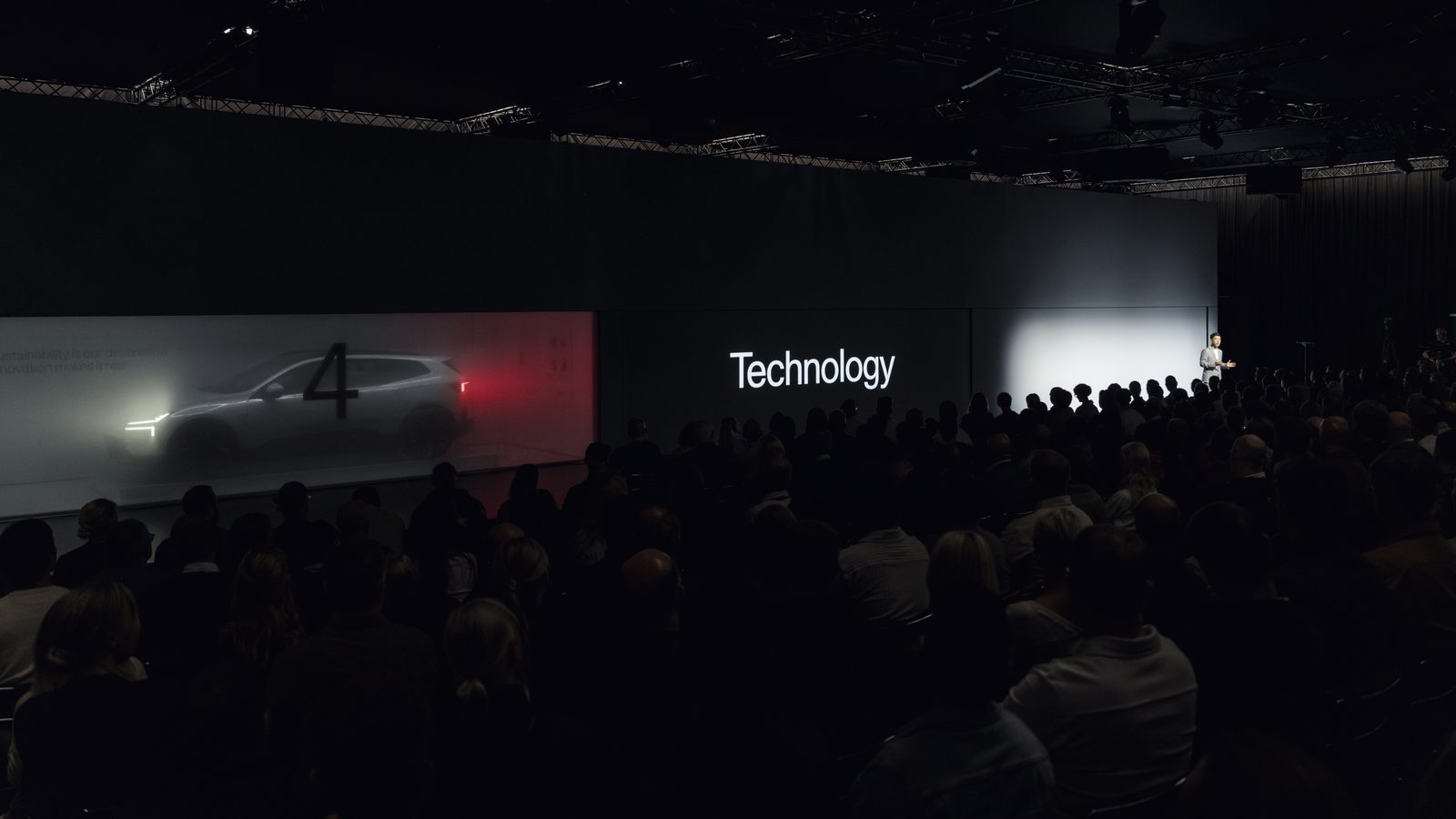
The concept is being sold internally as proof the product pipeline is on track, and it’s landing at a moment when Polestar badly needs that story to hold up. The company says the strategy is meant “to continue business growth and drive to profitability.”
The showcar gets its public debut later this year, riding along with the media launch of the Polestar 4 SUV.
The numbers behind the pitch
Polestar is coming off a record first half on volume and a still-ugly bottom line. It delivered 30,423 vehicles in H1 2026, its best-ever first half, but posted a net loss of $842 million on revenue of $1.36 billion, which was down 4% year over year. Gross margin sat at -8%.
The losses are narrowing, which is the point Polestar wants investors focused on. The H1 net loss shrank 29% from a year earlier, and the company has been cutting the gap for several quarters. But it’s still losing money on every car at the gross level, and it recently trimmed its full-year delivery guidance.
There’s also a hole in the map. Polestar effectively lost the US market after it was barred from selling there under the federal Chinese-connected-vehicle rule, which hits cars with Chinese software and manufacturing ties. That’s a big chunk of premium-EV demand the brand now can’t touch, and it makes Europe the center of the whole plan.
The next Polestar 2 and the Polestar 7 are the two products meant to carry that plan. Polestar has said the 7 will replace the 2 as its entry point and target Europe’s largest EV segment, and it’s part of a wave of four new models the company is pushing out over three years.
Author: Fred Lambert
Source: Electrek
Reviewed By: Editorial Team