
This year’s ZWO Astronomy Photographer of the Year competition saw some truly unique images, perhaps none more so than the winner of the “Our Moon” category.
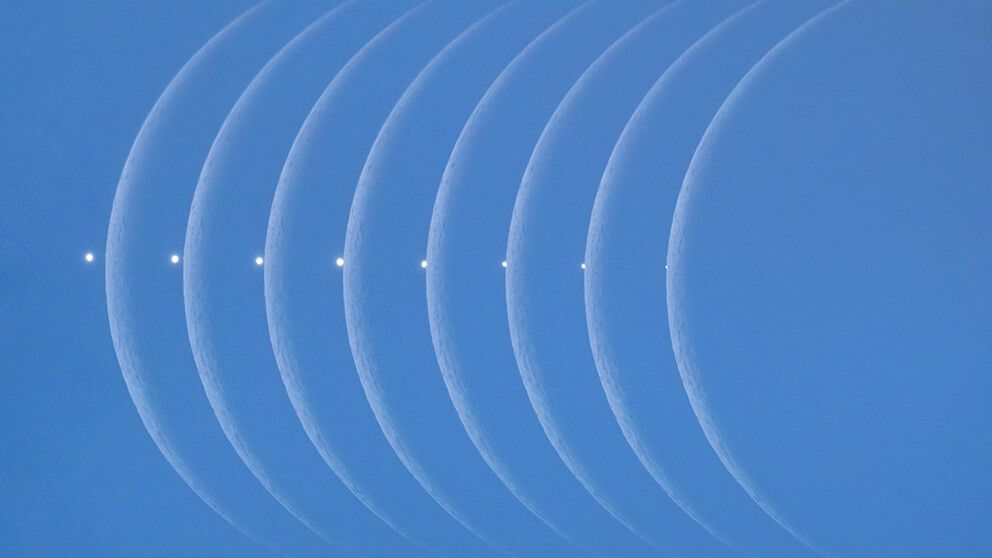
Taken by Czech astrophotographer Petr Horalek, the image depicts a rare lunar occultation of Venus, as the Moon passed in front of the planet for roughly one hour during a September afternoon last year.
“The most beautiful moment was when Venus had just started to disappear behind the crescent,” Horalek told the photography competition organizers. “It looked like a bright pearl on the lunar limb.”
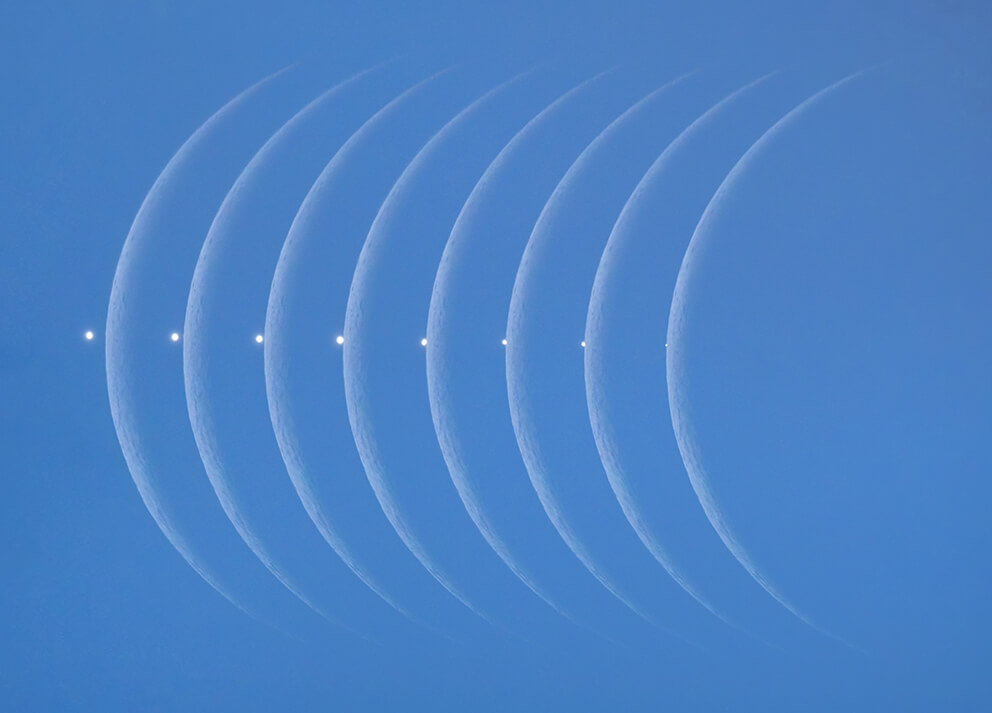
Petr Horalek’s gear and settings
- Sky-Watcher 10″ FlexTube Dobsonian telescope
- Nikon Z6 III
- f/5 / ISO 250 / multiple 1/8,000sec exposures
- Location: Ústupky, Seč, Pardubice Region, Czechia, September 19, 2025
To capture the creative frame, Horalek snapped multiple 1/8000 sec exposures as the bright planet began to move out of sight.
“It was a big challenge to find both objects in the sky and produce good shots of this unusual view,” he explained. “Fortunately, the weather was perfect and I was able to do it.”
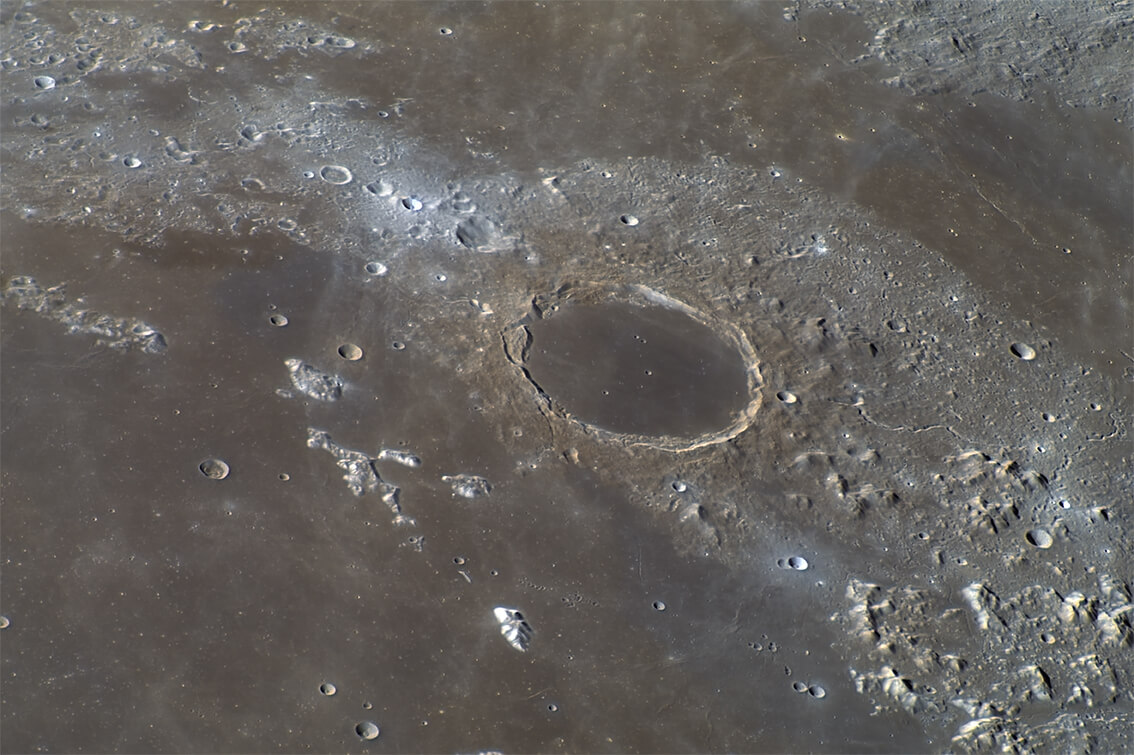
Raul Cantemir’s gear and settings
- Custom DocTelescope 16″ f/4.5 truss Newtonian
- GreatStar ADC
- APM 1.25″ coma-correcting 2.7x Barlow lens
- Sky-Watcher EQ8-R mount
- ZWO ASI178MC camera
- 4,860mm / f/4.5 (without Barlow lens) / f/12.2 (with Barlow lens) / 164-sec exposure
- Location: Darmstadt, Hesse, Germany, August 13, 2025
Two other impressive images were also commended in the “Our Moon” category this year.
Runner-up Raul Cantemir, from Germany, captured an “exceptionally detailed” close-up of the prominent crater Plato, which measures approximately 101 km (63 miles) in diameter.
Cantemir explained that the floor of the crater is covered in solidified basalt, a sign of “ancient volcanic activity”.
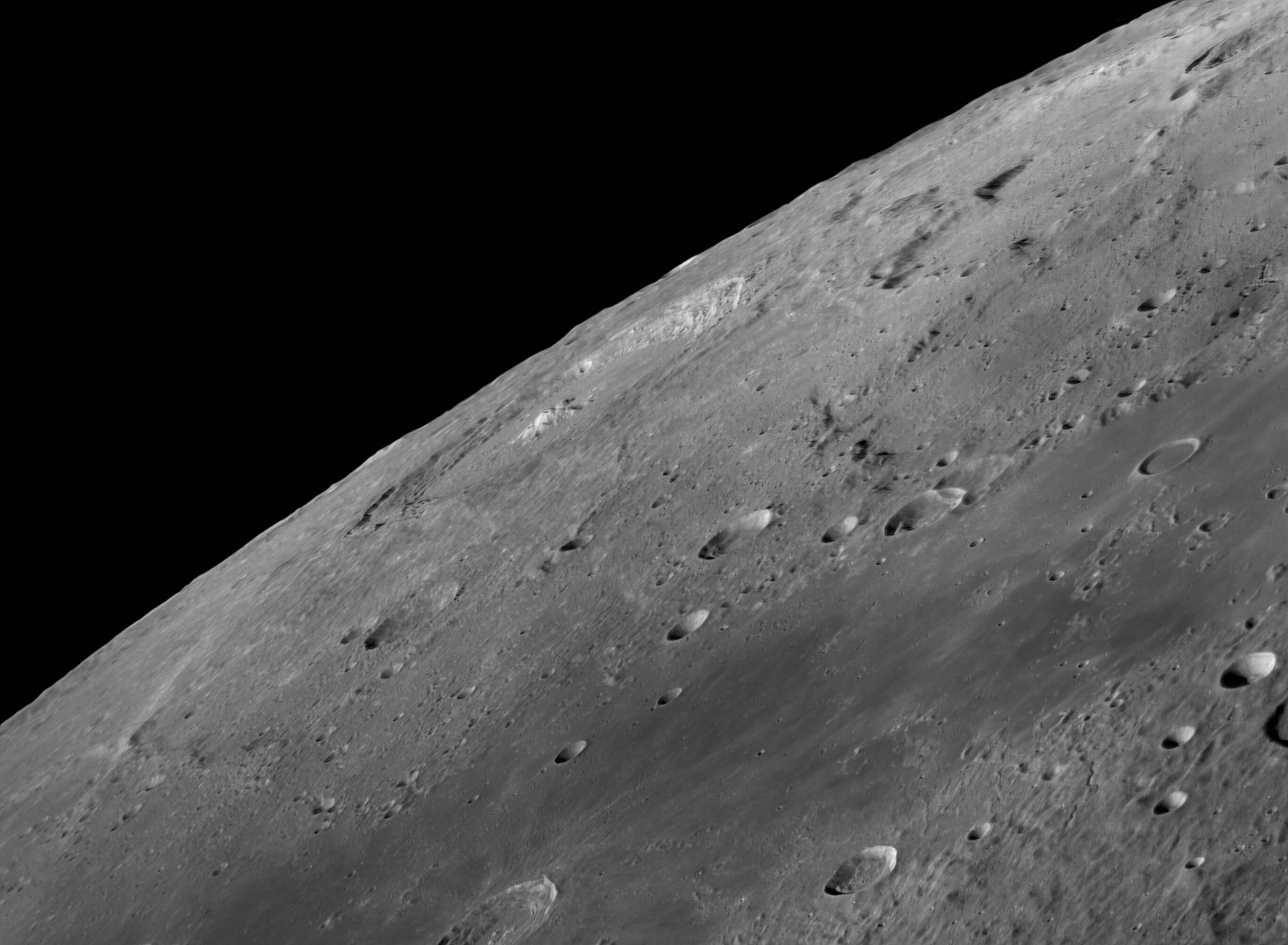
British astrophotographer, Tom Williams, was also highly commended for his frame of Pythagoras Crater, another prominent impact crater located near the northwestern limb of the Moon.
Williams explained that a “favorable lunar phase” meant that the central mountainous rise within the main crater was clearly visible.
The ZWO Astronomy Photographer of the Year is the world’s largest astrophotography competition, hosted by the Royal Observatory Greenwich, London.
This year’s overall winner was Ali Alobaidly (Kuwait) for his depiction of the rarely photographed Shark Nebula, snagging him £10,000 (approximately $13,000 / AU$19,000) along with the competition accolade. Category winners took home £1,500 (approximately $2,000 / AU$2,800).
Author: Alan Palazon
Source: DigitalCameraWorld
Reviewed By: Editorial Team