

If you’ve ever written names on the back of a photograph, then consider yourself a hero. Because future generations will thank you, whether they’re descendants trying to figure out their family lineage or historians analyzing stuff we don’t even know will be important 100 years from now.
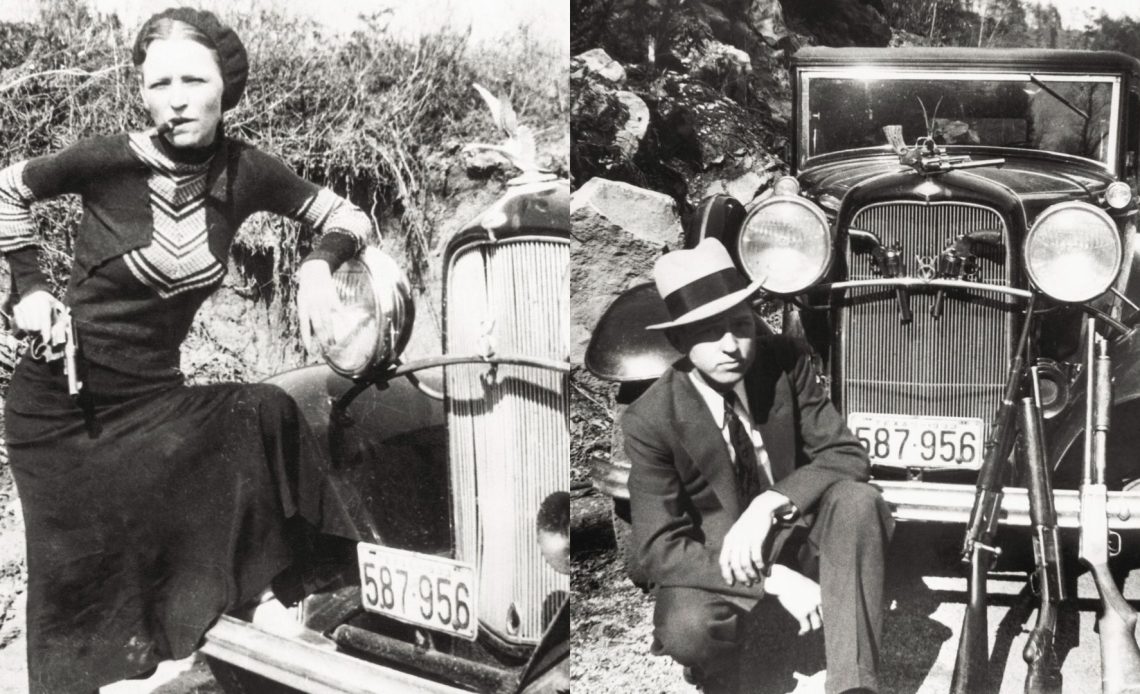
Here’s a great example. Back in the last century, someone handwrote “Clyde Barrow” and “Bonnie Parker” on a snapshot that turned up in a battered old photo album that a Texas man found in a garage. And he’s spent the last 15 years trying to convince everyone that he’s found unseen photos of American history’s most notorious outlaw couple.
Timothy Phelps, from Corpus Christi, unearthed the album while helping a friend clear out his late father’s garage. It stayed closed for a year. When Phelps finally examined it, he found the labelled print – and others that seem to show Bonnie, Clyde and other members of the Barrow Gang, who robbed and killed their way across the southern US during the Great Depression.
Now forensic artist Lois Gibson, who holds a Guinness World Record for the most identifications by a forensic artist, has told TV channel KIII 3 News that there’s “absolutely no doubt” the couple is who Phelps says it is.
Gibson came to this conclusion by overlaying Phelps’ prints on known photos of the pair.
“I put it in different degrees of transparency on top of the known Bonnie Parker photo, and every single feature lines up,” she told the broadcaster. “You can tell it might be a little different in time. There might be different fat content, but the bones beneath the skin all are the same.”
Reason for caution
Others, though, urge caution.
“Camera distance and angle change how a face renders,” notes Alex Cooke from Fstoppers, “which is why the guidelines insist on matching viewpoints” (he’s referring to recommendations from the Facial Identification Scientific Working Group, which the FBI launched in 2009). And he makes a good point.
You don’t need to be an expert to notice how shooting distance changes facial proportions, which is why a phone held at arm’s length gives you a bigger nose than an 85mm lens from across the room. Swap a sharp lens for a simple 1930s box camera and the issue only gets more complicated.
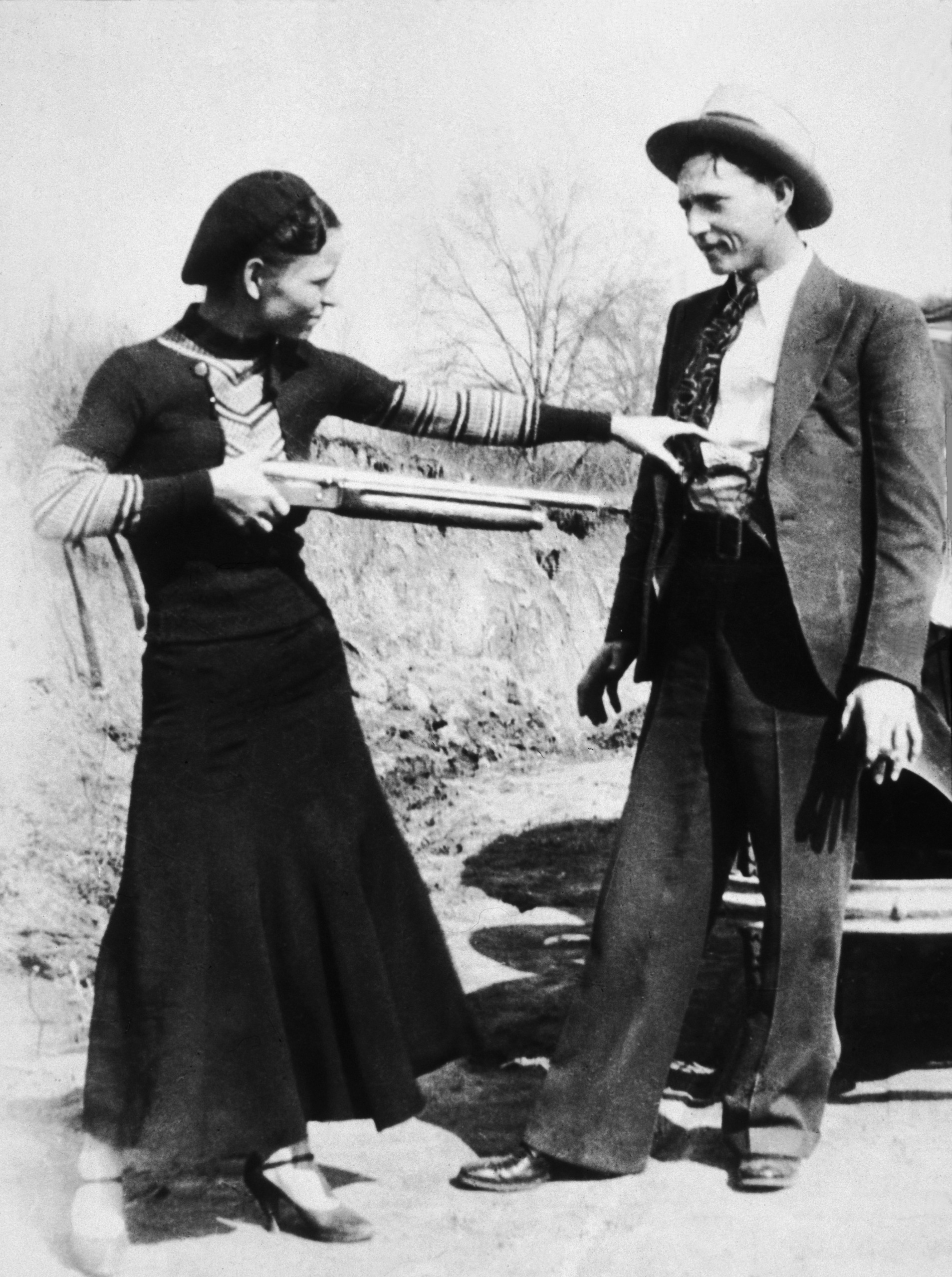
On the other hand, we generally have good reason to think that unseen pictures of Bonnie and Clyde might be still out there, because both were keen amateur photographers. Indeed, the reason their most famous images exist is that, in April 1933, the gang fled a shootout in Joplin, Missouri, and left behind a camera and several rolls of film.
One of the most memorable shots showed Bonnie clutching a revolver with a cigar between her teeth. It was a jokey pose among friends, yet it defined her public image as a cigar-chomping moll for eternity. A cautionary tale, perhaps, for anyone joking about in front of a friend’s lens: you’ll have no control over how future generations may interpret that photo.
The family kept plenty of pictures, too. Last September, an archive of around 600 belonging to Clyde’s sister Nell, some of which featured the couple, sold at auction for $23,750 (approximately £17,900 / AU$34,159).
If Phelps decides to sell his prints, though, there’ll be awkward questions about provenance. He was told that the album might have been found in an abandoned shack somewhere in the California desert, but even that remains unclear. It’s far from the documented chain of ownership that a buyer would hope for.
On the plus side, retired museum administrator Mark Hall-Patton – a familiar face from the reality TV show Pawn Stars – found the album, prints and handwriting consistent with the period.
Whatever ultimately happens, though, the broader lesson is clear. When you caption your prints, add a name, a date and a place. Future historians will thank you from the bottom of their hearts.
Author: Tom May
Source: DigitalCameraWorld
Reviewed By: Editorial Team