

Somewhere in the churn of camera forums and social feeds, there’s an unspoken belief that a landscape photographer’s worth is measured in air miles. New country, new light, new content – the algorithm rewards novelty, and novelty rewards the photographer who’s always somewhere else.
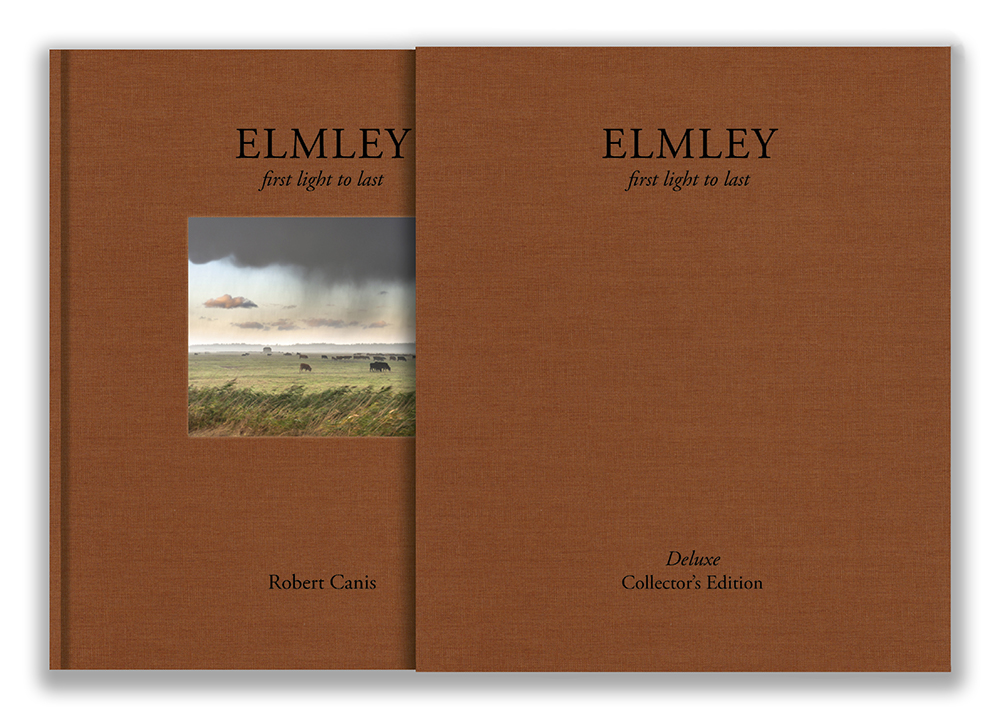
So it’s worth noting that Robert Canis has just published Elmley: First Light to Last, a 208-page coffee-table book built entirely from one nature reserve, 40 miles southeast of London, that he’s been returning to for more than 30 years.
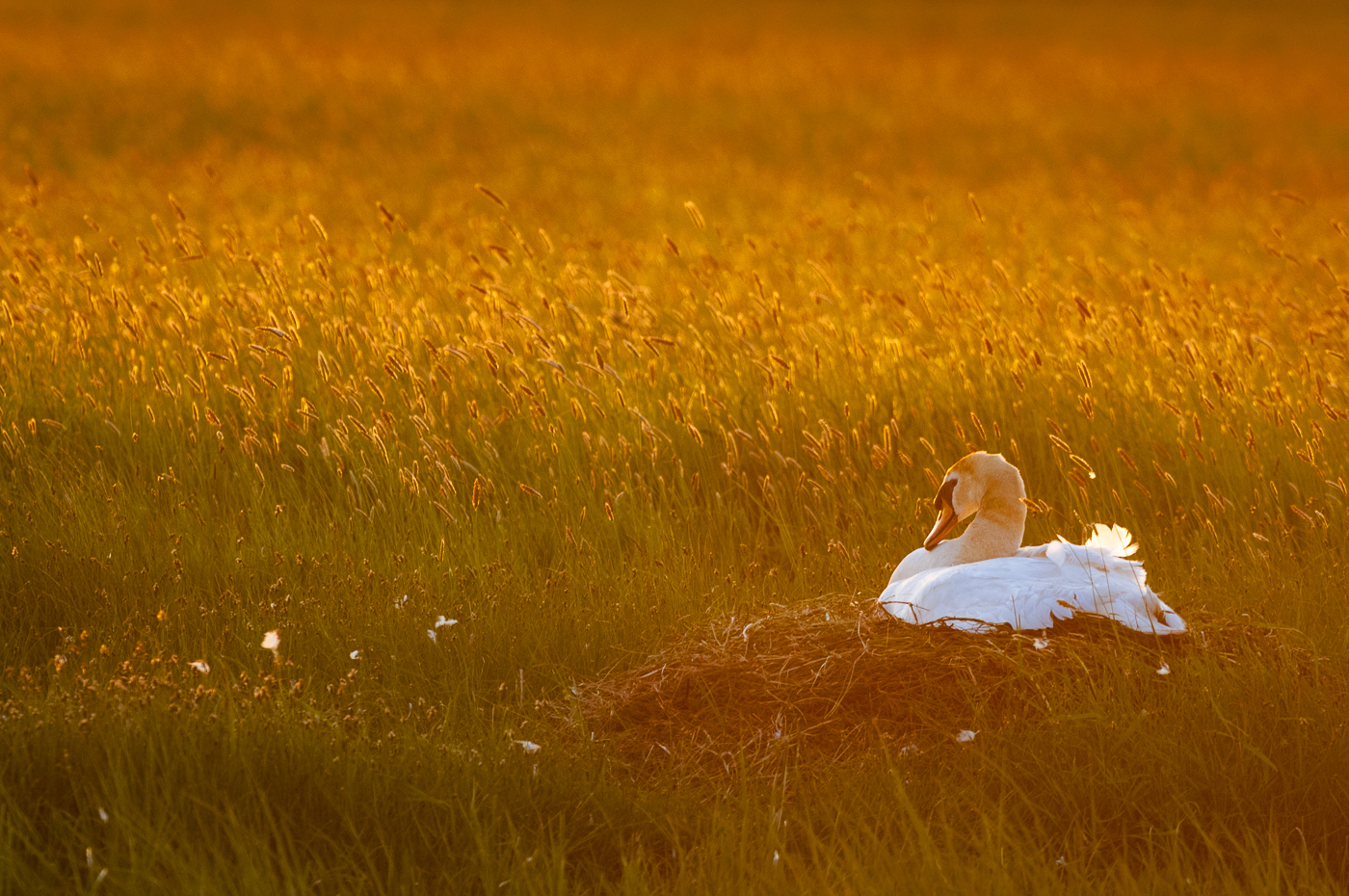
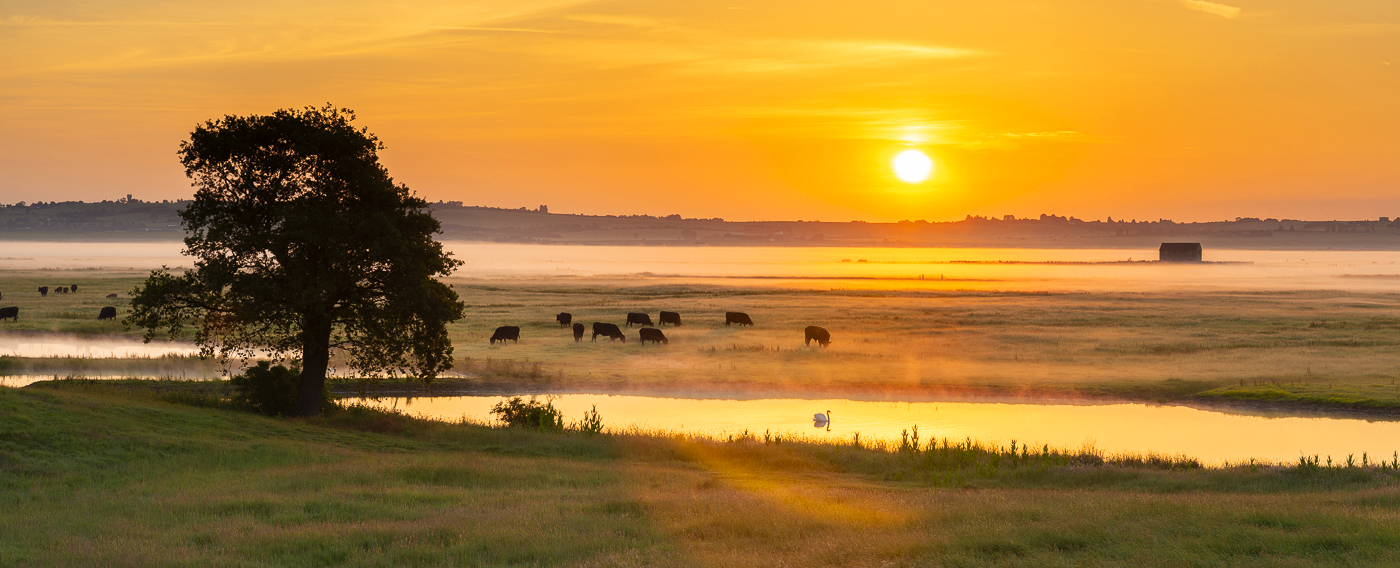
Elmley National Nature Reserve sits on the Isle of Sheppey, Kent; a stretch of grazing marsh, ditches and big skies that isn’t obviously glamorous. There’s no mountain range, no coastline drama, no volcanic backdrop. What there is, according to Canis, is light: shifting, seasonal, endlessly reworked light that he’s chased across the same fields for a generation.
The book distils that obsession into 139 photographs, woven with poetry and his own reflections, tracing a single day’s arc through all four seasons. It comes with a foreword from Stephen Dalton, one of the pioneers of high-speed nature photography, and an afterword from Elmley’s founder, Philip Merricks MBE.
The unglamorous discipline of staying put
For those of us weaned on bucket lists and destination photography, there’s something almost contrary about a book built from one location. Canis didn’t need a new continent to find new pictures; he needed to keep showing up to the same gate, the same fenceline, the same stretch of water, until the marsh gave something up that it hadn’t offered before.
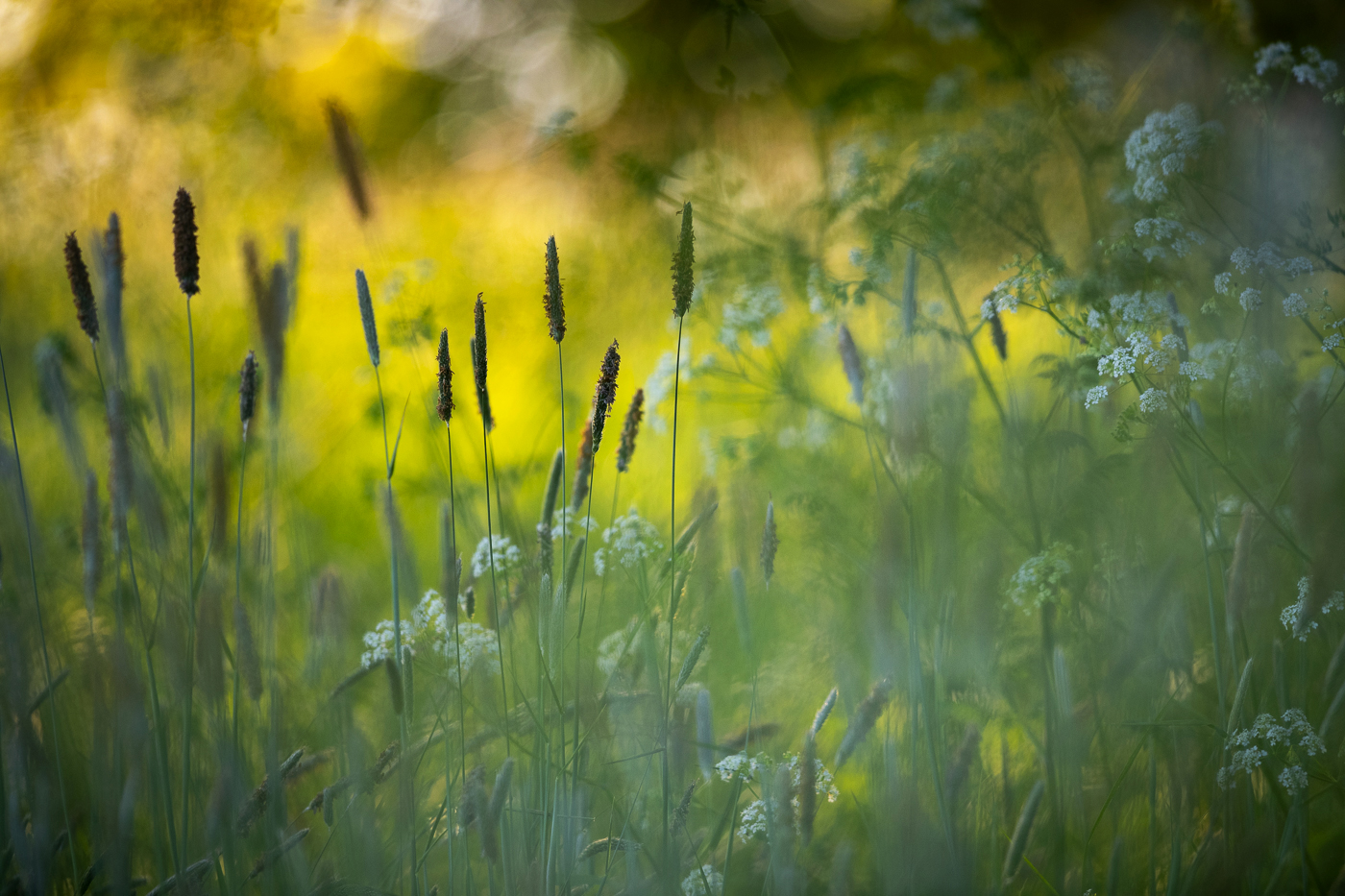
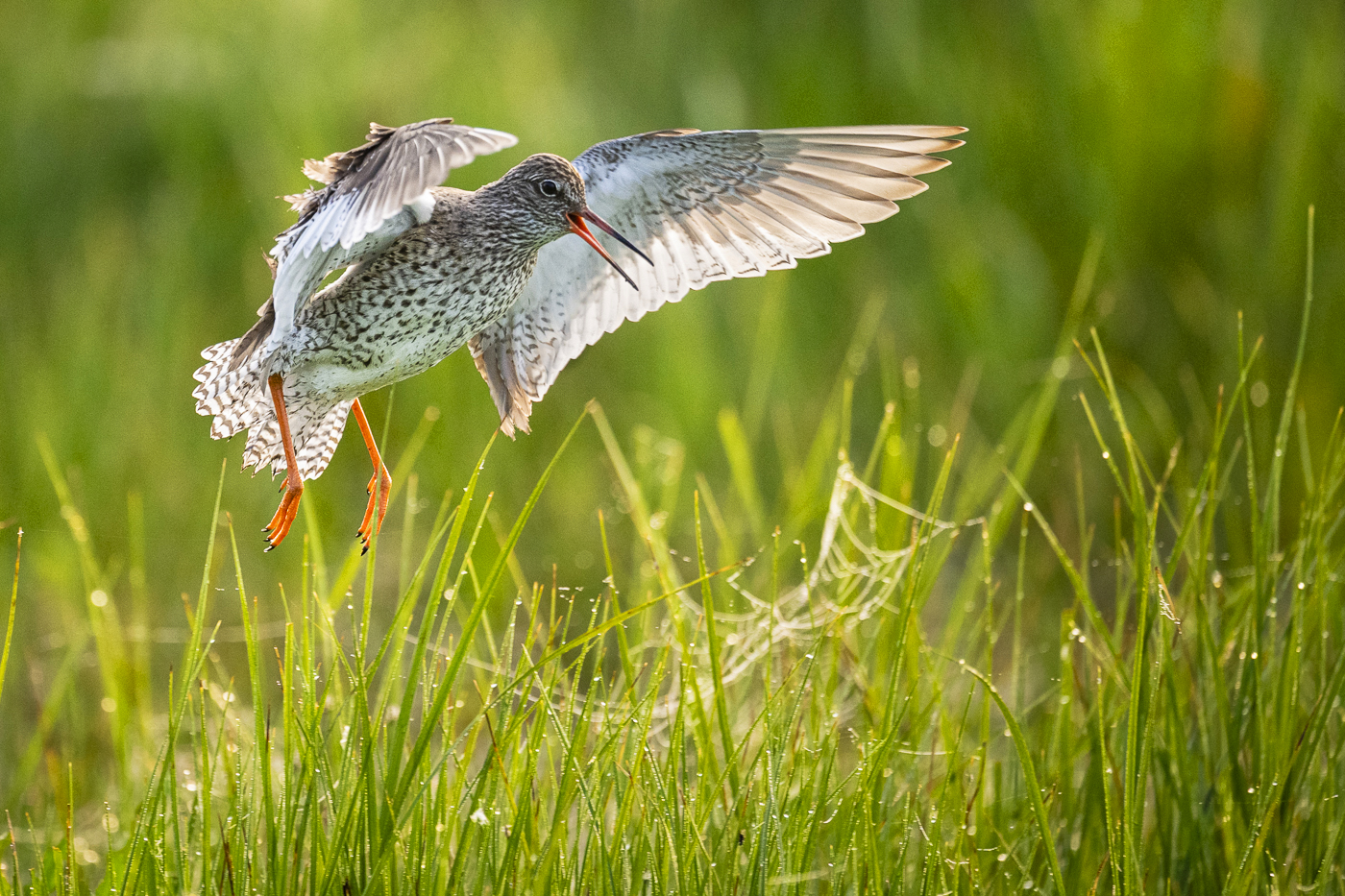
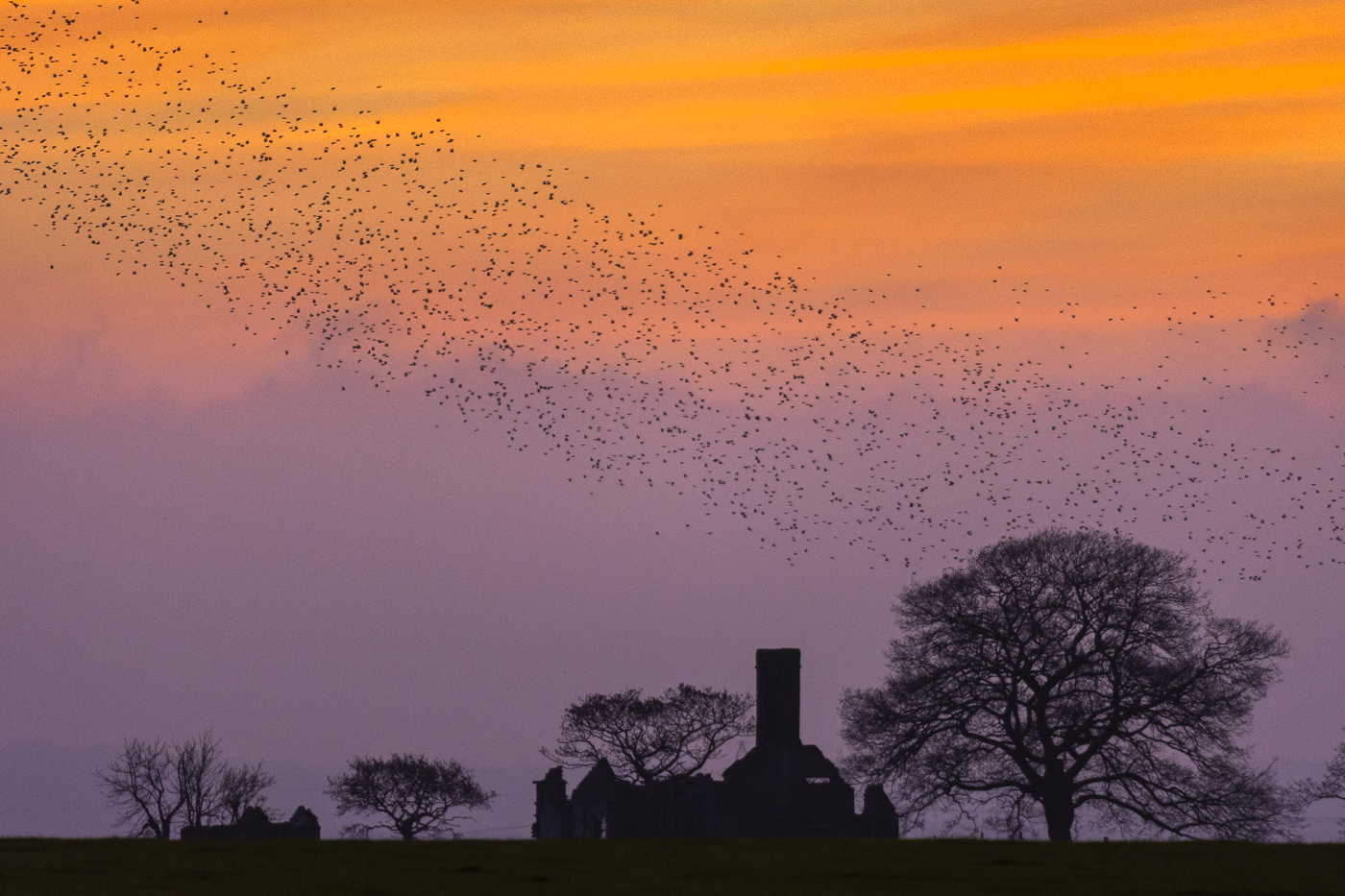
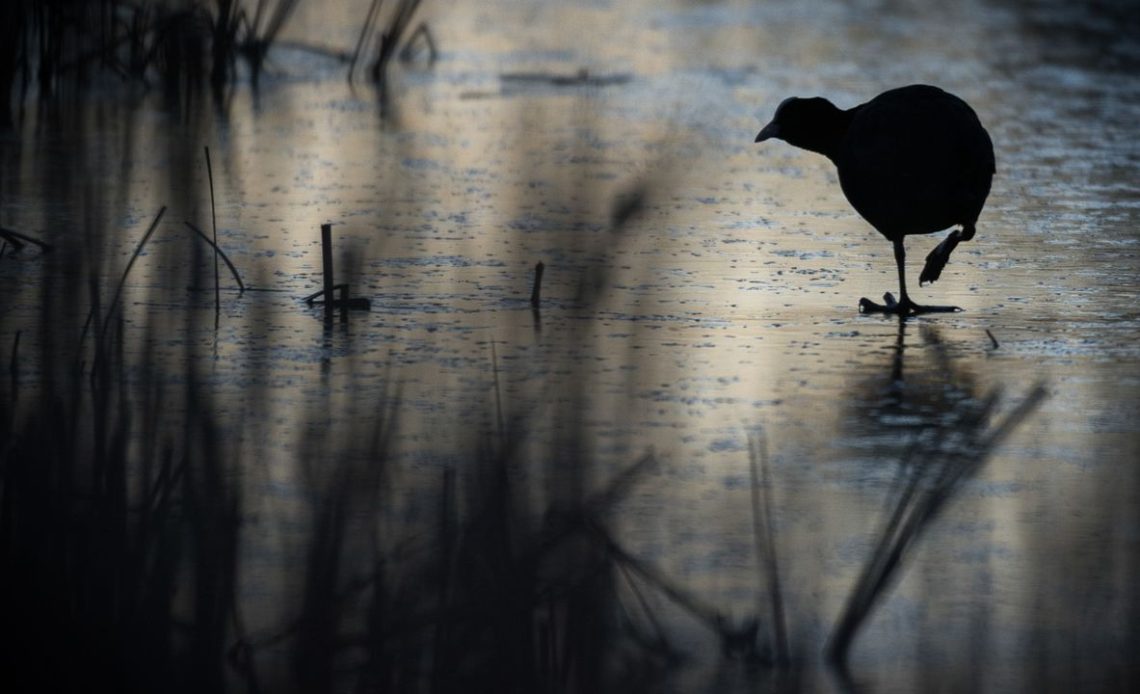
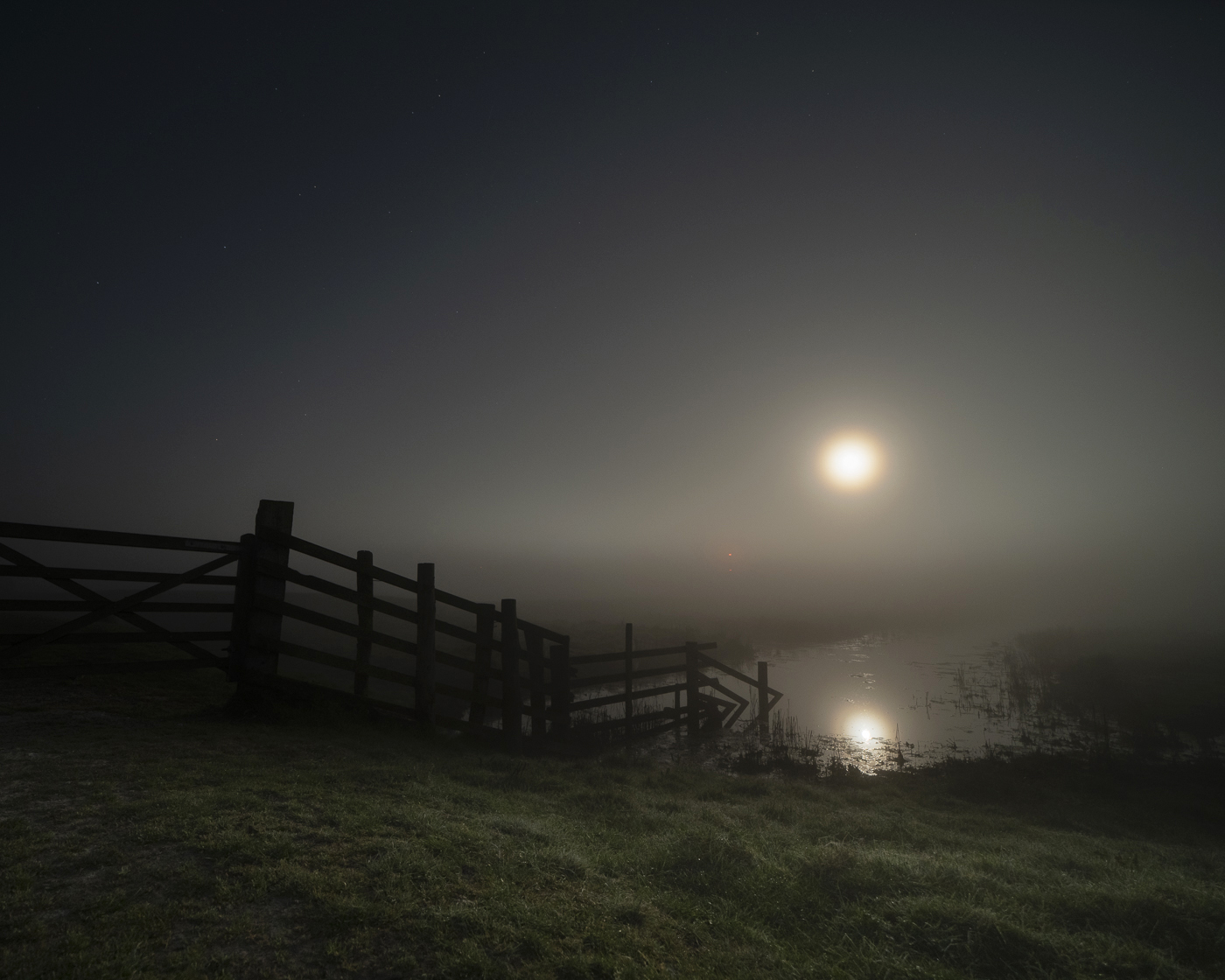
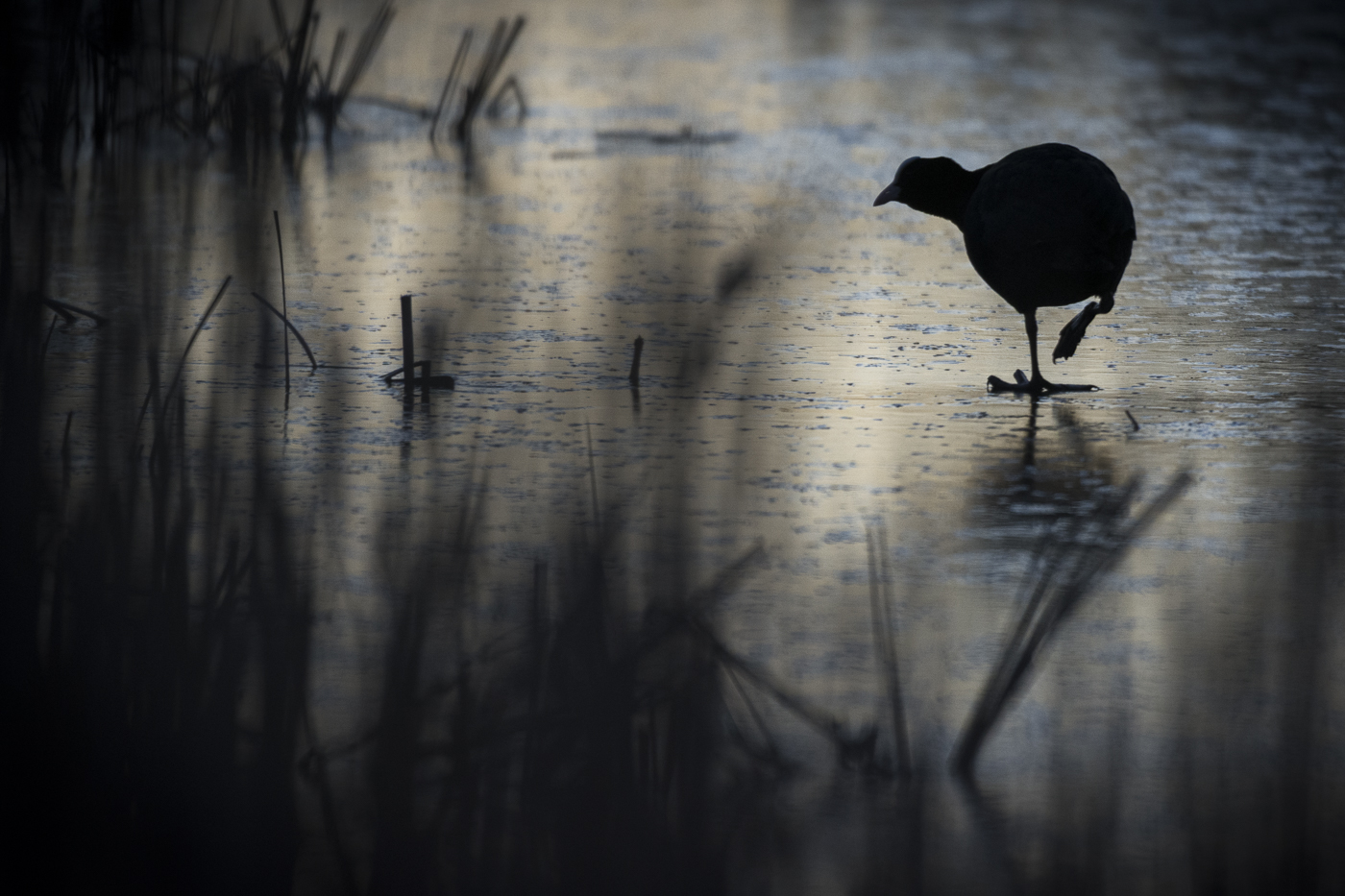
The images here bear that out. Fog rolling off flooded fields at dawn. A moorhen silhouetted on ice. A redshank landing mid-call in dew-soaked grass. None of this happens on a first visit. It happens on the 200th, or possibly the 2000th.
Depth of knowledge of a single place, its tides, its resident birds, its microclimates, produces images that a passing visitor simply can’t get. It’s the difference between photographing a location and understanding one.
The other lesson here is what it takes to actually get a book like this into print in 2026. Canis hasn’t just made pictures; he’s become a publisher, marketer and events organiser in the process, working with editor Keith Wilson and designer Eddie Ephraums on a single, unrepeatable print run produced in Verona, Italy.
There are three editions, from a £60 standard copy to a £225 deluxe version with hand-numbered slipcases and fine art prints, plus a launch at Elmley itself and a talk at the Avenue Theatre in Sittingbourne, Kent. Five per cent of profits go back to the reserve’s conservation work.
It’s a reminder that finishing the photography is often the easy part; turning 30 years of transparencies and files into a finished, funded, distributed object is its own long apprenticeship, one increasingly familiar to independent photographers who no longer wait for a publisher to come knocking.
Pre-orders for Elmley: First Light to Last close at 7pm on Friday 7 August, after which the print run is fixed for good. Whether or not it tempts you, it’s a useful prompt to ask what your own overlooked local patch might yield, if you give it three decades rather just than three weekends.
Author: Tom May
Source: DigitalCameraWorld
Reviewed By: Editorial Team