

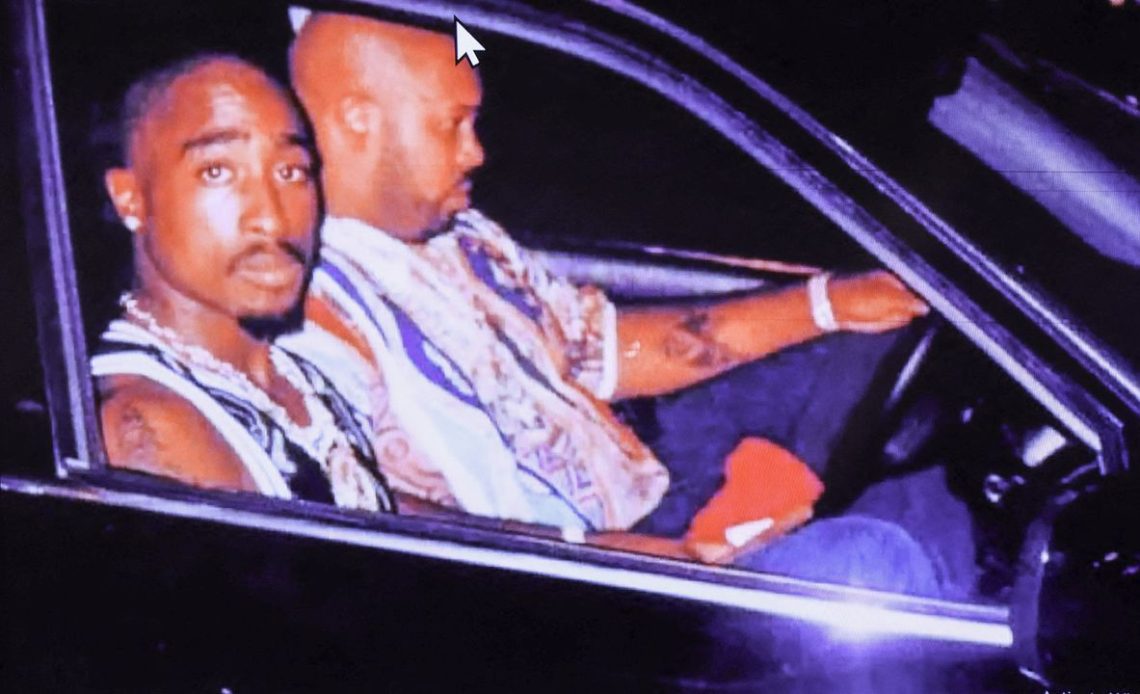
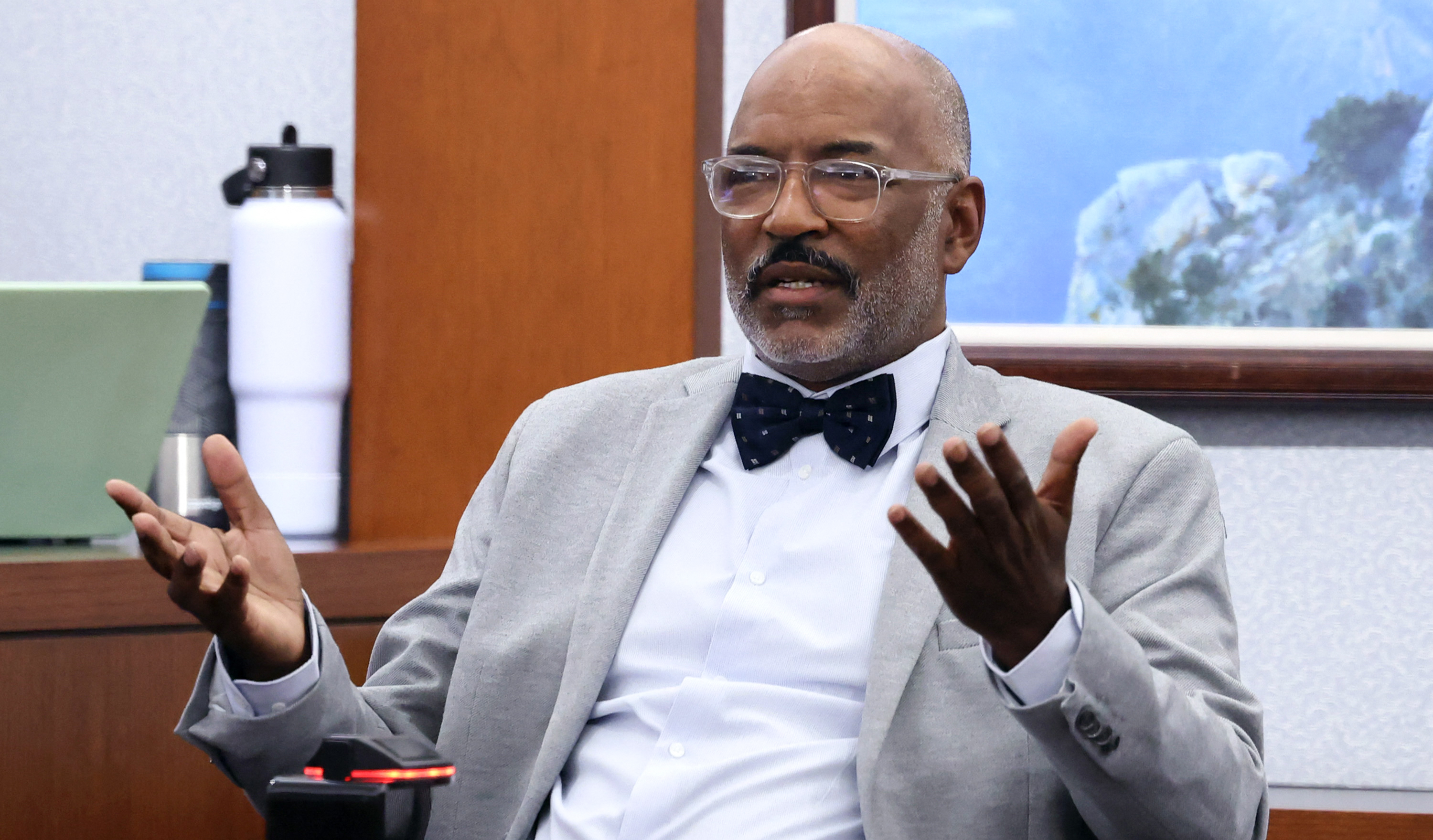
Thirty years ago, Leonard Jefferson took what turned out to be the last known photo of rapper Tupac Shakur. Jefferson is now back in the news, as a witness in the trial of Duane “Keffe D” Davis, who stands accused of Shakur’s murder.
And you don’t necessarily have to be a fan of hip-hop to find the details of his photograph fascinating.
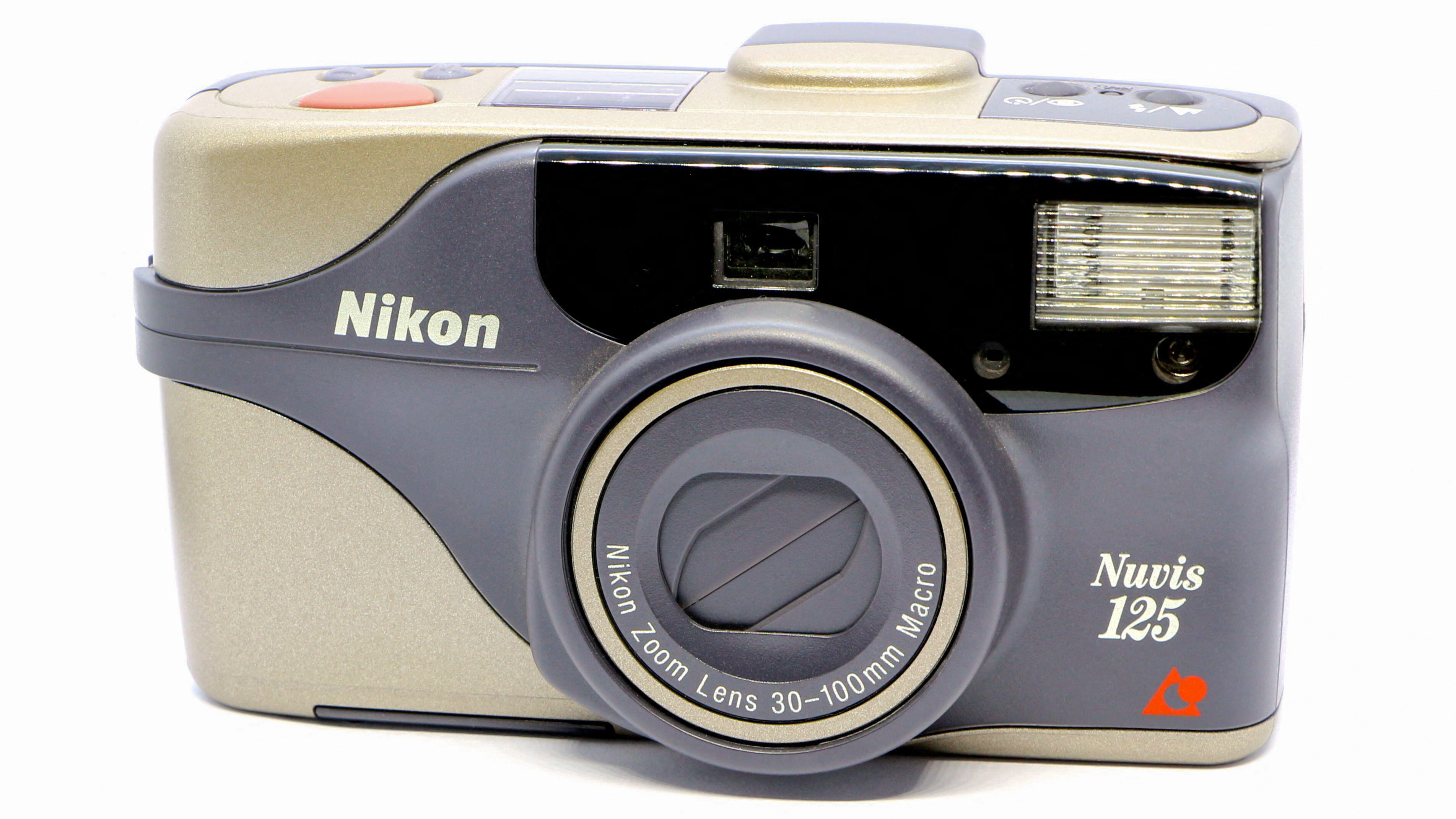
Jefferson, for one, wasn’t a photojournalist working an assignment. He was simply a tourist, stuck in traffic on his way to get a pizza. The camera he had in his car wasn’t anything special, either. It was a point-and-shoot APS film camera, a Nikon Nuvis 125i.
On September 07 1996, Jefferson pulled up at a red light around Flamingo Road and Koval Lane in Las Vegas, and noticed a black BMW beside him with shiny wheels. He recognized Shakur in the passenger seat and Death Row Records co-founder Marion “Suge” Knight driving.
He’d met Shakur earlier in life as a film student at UCLA, and also in his work as a car salesman.
Jefferson called out, they briefly chatted about where they were heading, and he asked if he could grab a picture before the light changed. Shakur agreed. Jefferson turned, took the photo, and the light went green. Moments later, he heard four shots. Shakur died of his injuries six days later.
The gear isn’t the point
There was no method to this picture; no planning, no lighting rig, no careful lens choice. Just a guy with a compact camera who knew someone slightly, and asked permission nicely.
It’s a keen reminder that while professional gear might get you into a room, it’s rarely what makes a picture matter.
Jefferson’s Nuvis was a mid-range consumer camera built for holidays and family gatherings, not photojournalism. And yet it produced an image of Shakur’s final hours that’s spent three decades running the length and breadth of print and online media.
A heady mixture of proximity, recognition and nerve led to a slice of modern history that’s unlikely to be forgotten for generations to come.
These kind of celebrity shots are rarely taken with permission. Indeed, they often stem from some pretty underhanded paparazzi tactics. Not in this case, though.
Jefferson asked. As a result, there’s a relaxed quality to the picture. Shakur is looking straight into the lens, aware that he’s being photographed, entirely comfortable with the situation. It’s bittersweet that his last-known image was not one of fear, anger or sadness, but calm and easy-going.
Jefferson has only taken the camera itself out of storage twice in three decades, and the negatives sit in a vault. A short film about him and the picture is now in development, and is raising money through a GoFundMe page.
It’s all a sharp reminder that the significance of a photograph isn’t always obvious the moment you take it. The camera in Jefferson’s car wasn’t expensive. What he did with it, though, nobody can put a price on.
Author: Tom May
Source: DigitalCameraWorld
Reviewed By: Editorial Team