

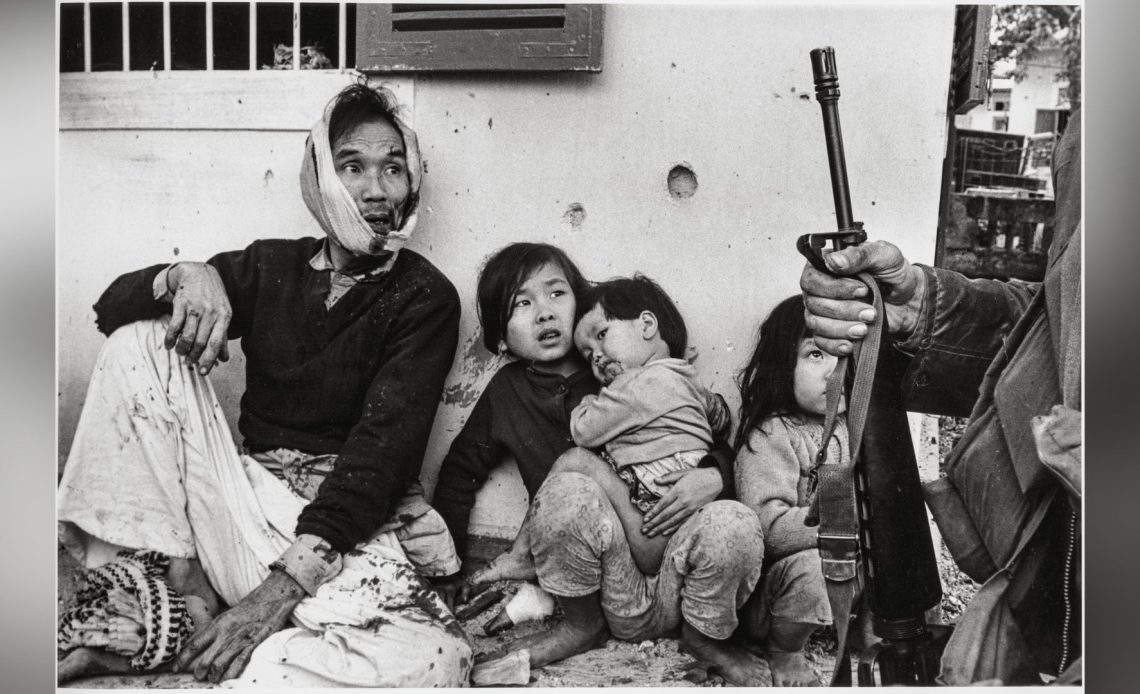
NewsPhotography

“I want my picture to hurt you.” Now 90, renowned Vietnam War photographer Don McCullin shares why he wants to create photos to lose sleep over – and why he hates his most famous photograph

Many photographers aim to create photographs that evoke a smile, but for Don McCullin, the British photojournalist who has spent decades covering war and global conflicts, his goal is a little different: he wants to create photographs that make people lose sleep at night.

McCullin, who has spent more than 50 years photographing wars and global conflicts, will release what he says is his final photo book in October, the same month as his 91st birthday. Ahead of the launch of the book titled Vietnam, McCullin spoke to CBS News for a mini-documentary on his iconic career as a war photographer.

Looking over McCullin’s photographs may make viewers feel uncomfortable, but that’s by design.

“I always print my pictures dark,” he said. “I want my picture to hurt you. I don’t want you having any free rides. I’m there to upset you, and I’m there to make you feel uncomfortable the way I feel when I go to bed at night. Otherwise, there’s no point in me going there in the first place.”

“To this day, I live that battle every night I go upstairs in this house to go to sleep. Every night. It never leaves me,” he said.
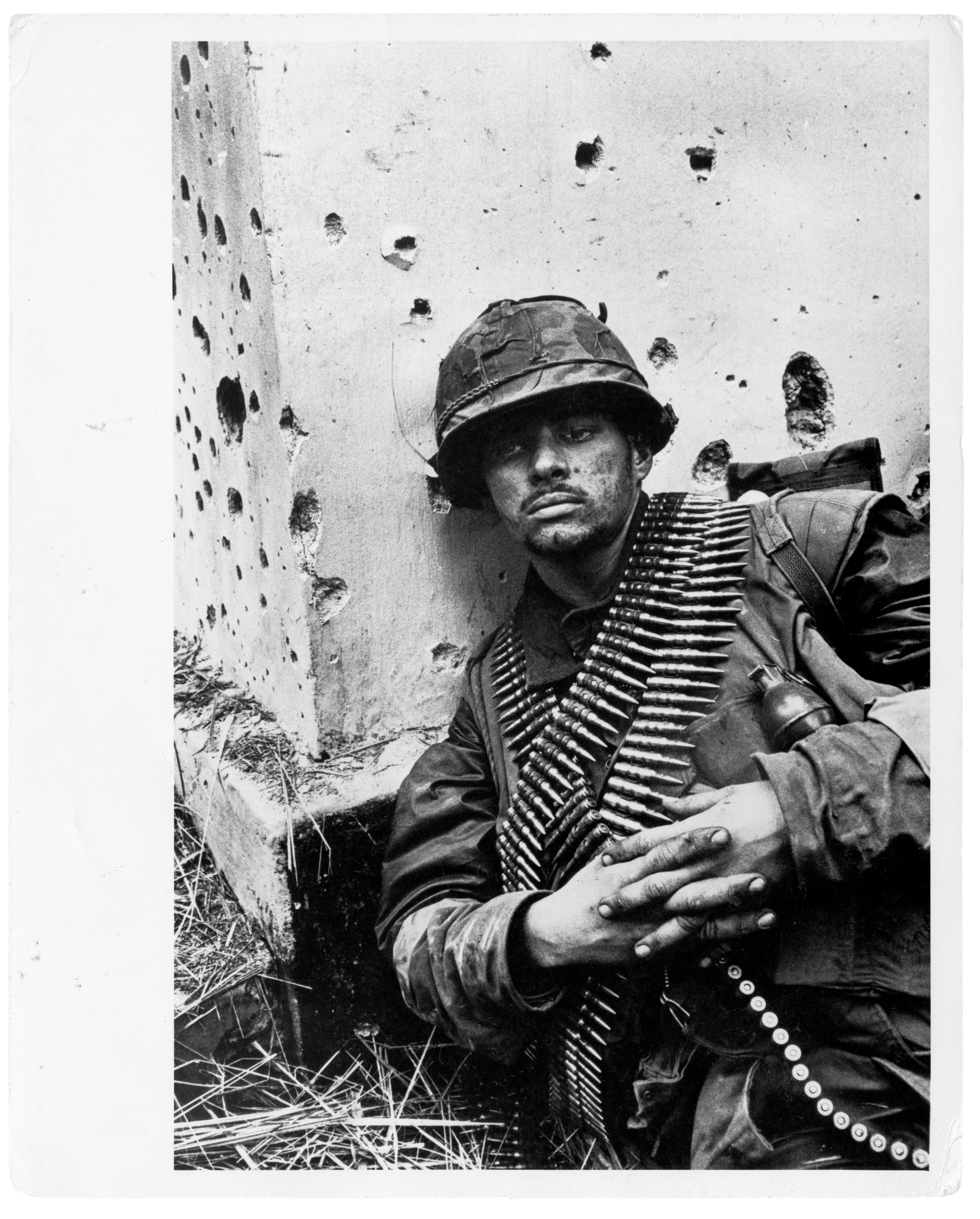
A solider sits dazed against a wall

(Image credit: ©️Don McCullin / Courtesy GOST Books)

McCullin says that he was told by a superior officer that the battle was to be a 24-hour mission. 11 days later, he was still there with the Delta Company US Marine unit that suffered a 40 percent casualty rate in the battle that stretched to 26 days.

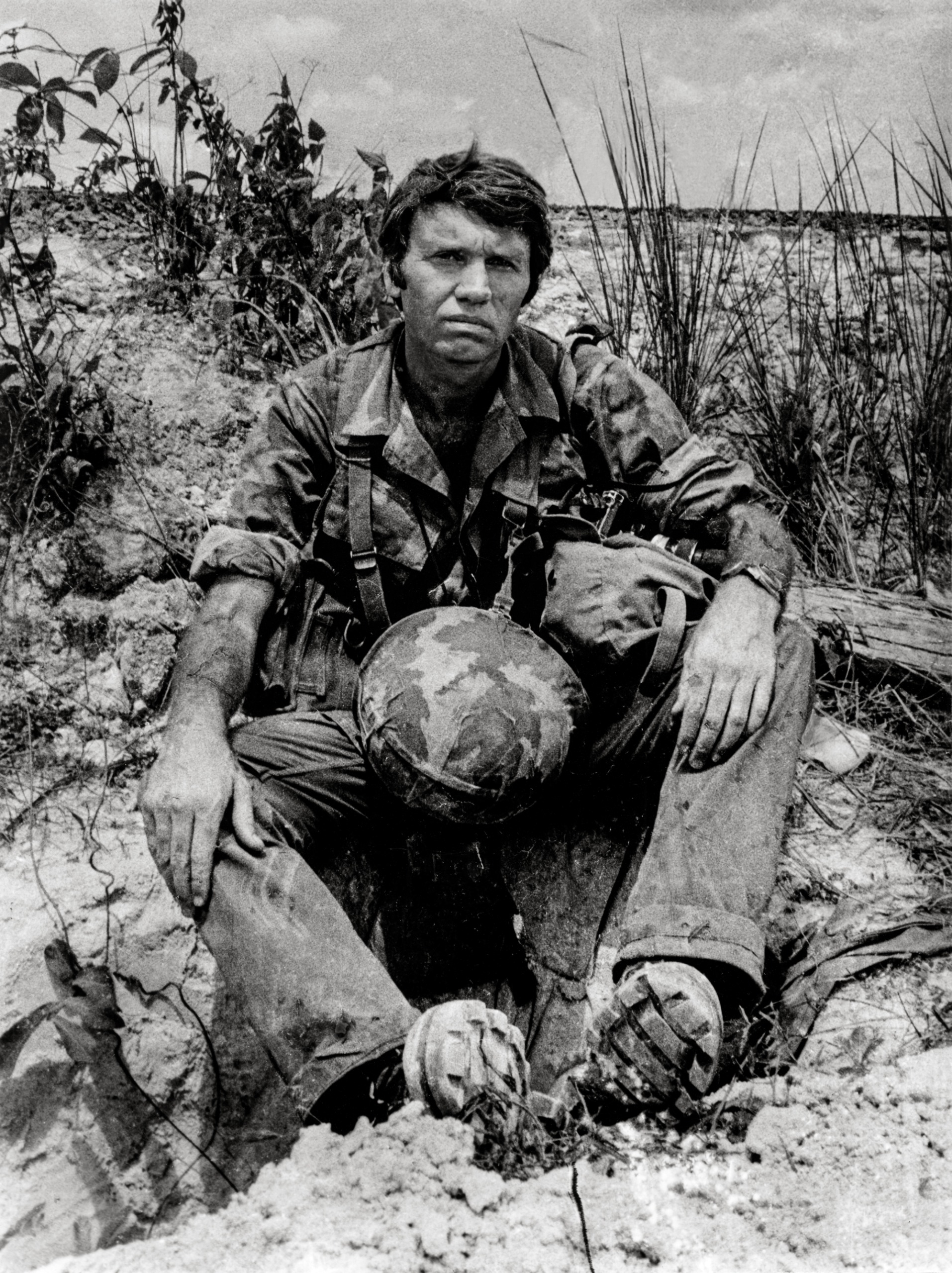
It was amid the Battle of Haế that McCullin took what many consider to be his most iconic photograph: A photo of a shell-shocked soldier, staring vacantly into the distance. The photograph became an iconic representation of the war that sparked formal recognition for Post-Traumatic Stress Disorder.
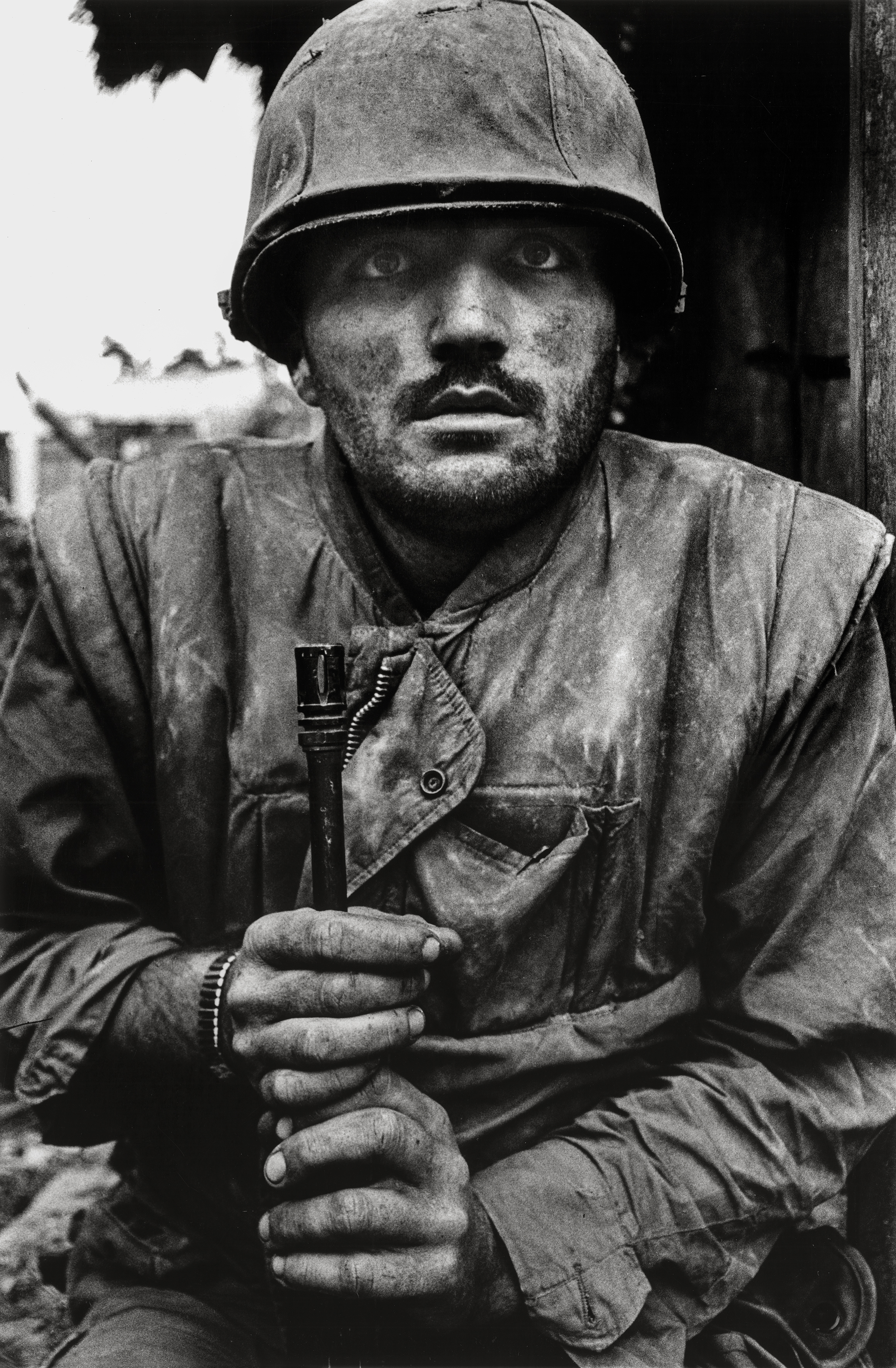
Shell-shocked solider by Don McCullin

Shell-shocked US marine, Vietnam, 1968 (Image credit: ©️Don McCullin / Courtesy GOST Books)

But McCullin says he actually hates that photograph. “Frankly, I hate this picture because people think it’s the only picture that I’ve ever taken,” he said. “It’s just that you have to be careful when you make these pictures. If you turn them into an iconic picture and they are bearable to look at, you haven’t done your job properly because it means that people will accept instead of turning away.”
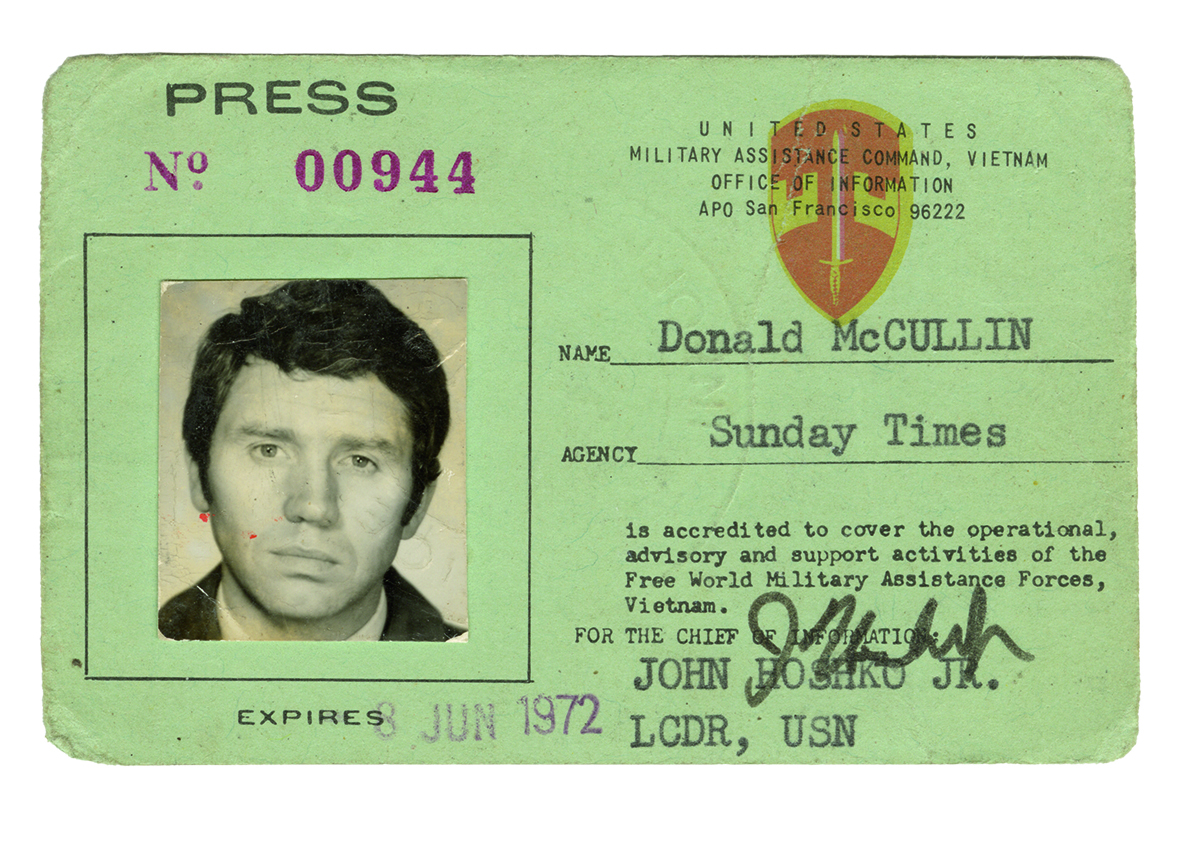
Don McCullin press card

Don McCullin’s press card (Image credit: ©️Don McCullin / Courtesy GOST Books)

McCullin may have spent a career taking photographs designed to make people feel uncomfortable, but he was also known for putting his cameras down when necessary. In the mini-documentary, he recounted photographing a man being held up by two soldiers in Vietnam. But when all three of them fell to the ground, he put the injured Marine on his back and carried him to safety.


Image 1 of 4
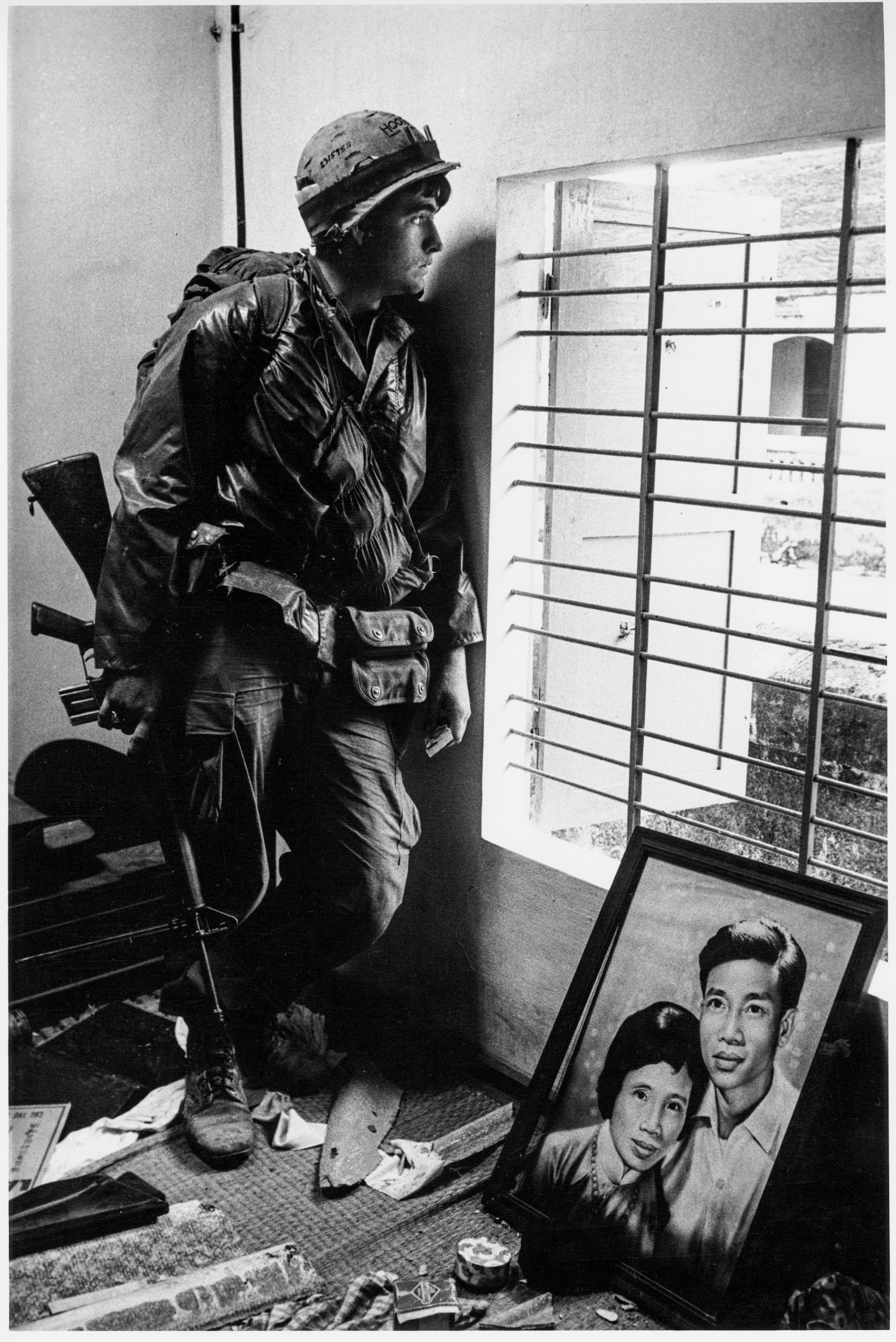
“American soldier in an abandoned home sheltering from sniper fire. Many homes in Hué had been owned by civil servants, professors working at the local university and other intellectuals or political party members. Before the arrival of theAmericans, the North Vietnamese forces captured Hué in January 1968 and carried out summary executions and the mass murder of 2,800–6,000 people”

(Image credit: ©️Don McCullin / Courtesy GOST Books)
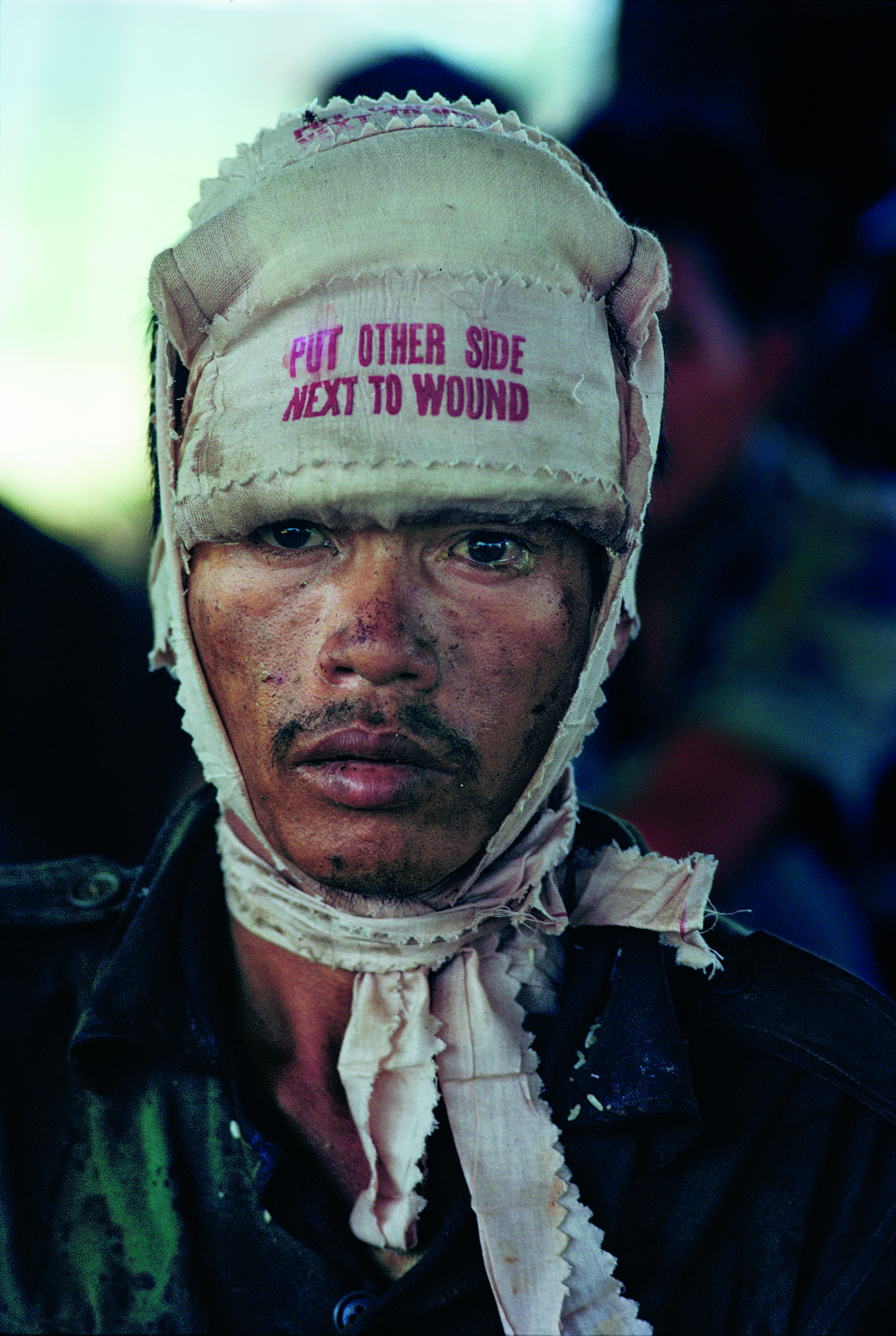
Wounded South Vietnamese soldier on National Highway 1, The Sunday Times cover.

(Image credit: ©️Don McCullin / Courtesy GOST Books)
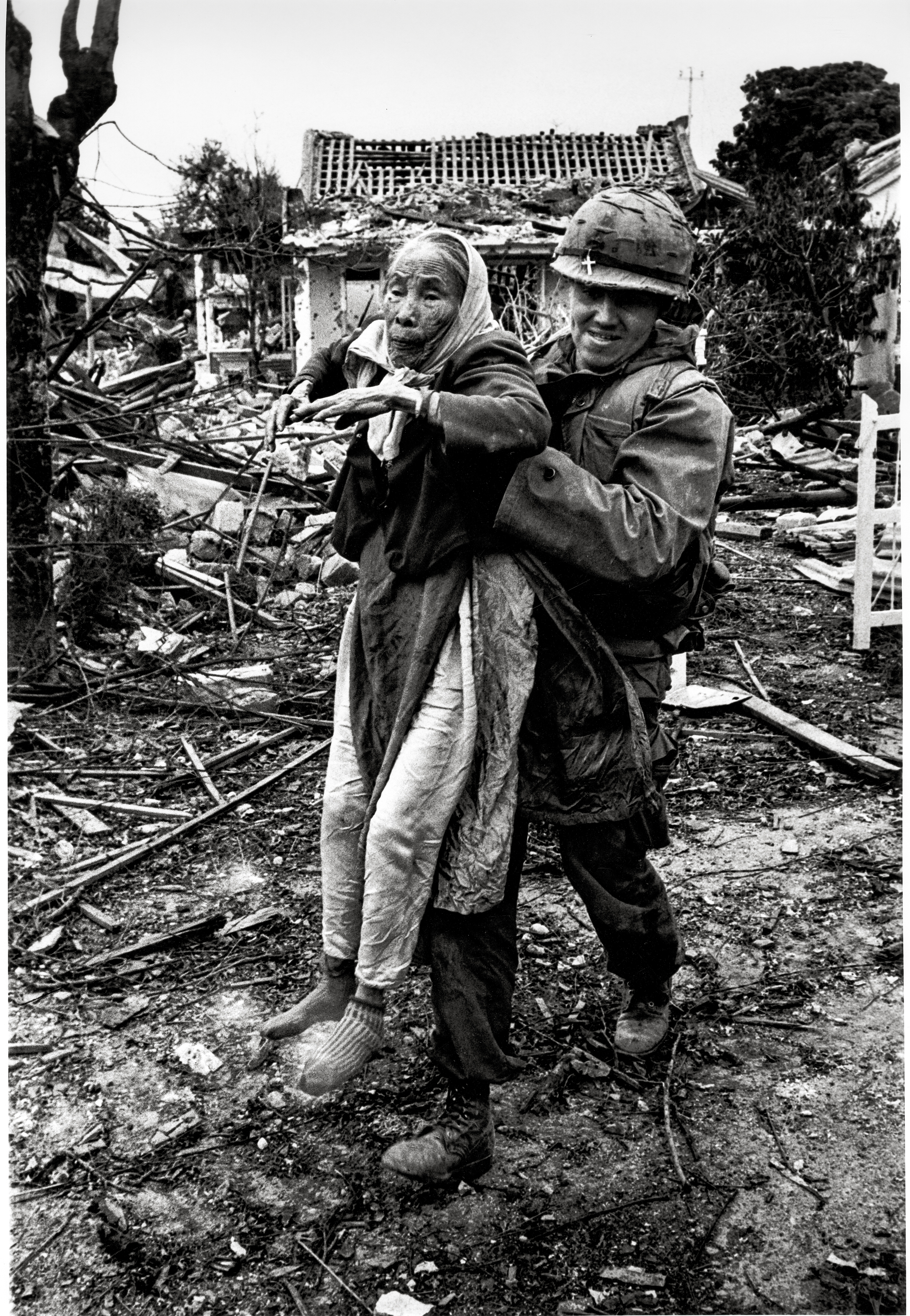
A solider carries a person through rubble, Vietnam

(Image credit: ©️Don McCullin / Courtesy GOST Books)
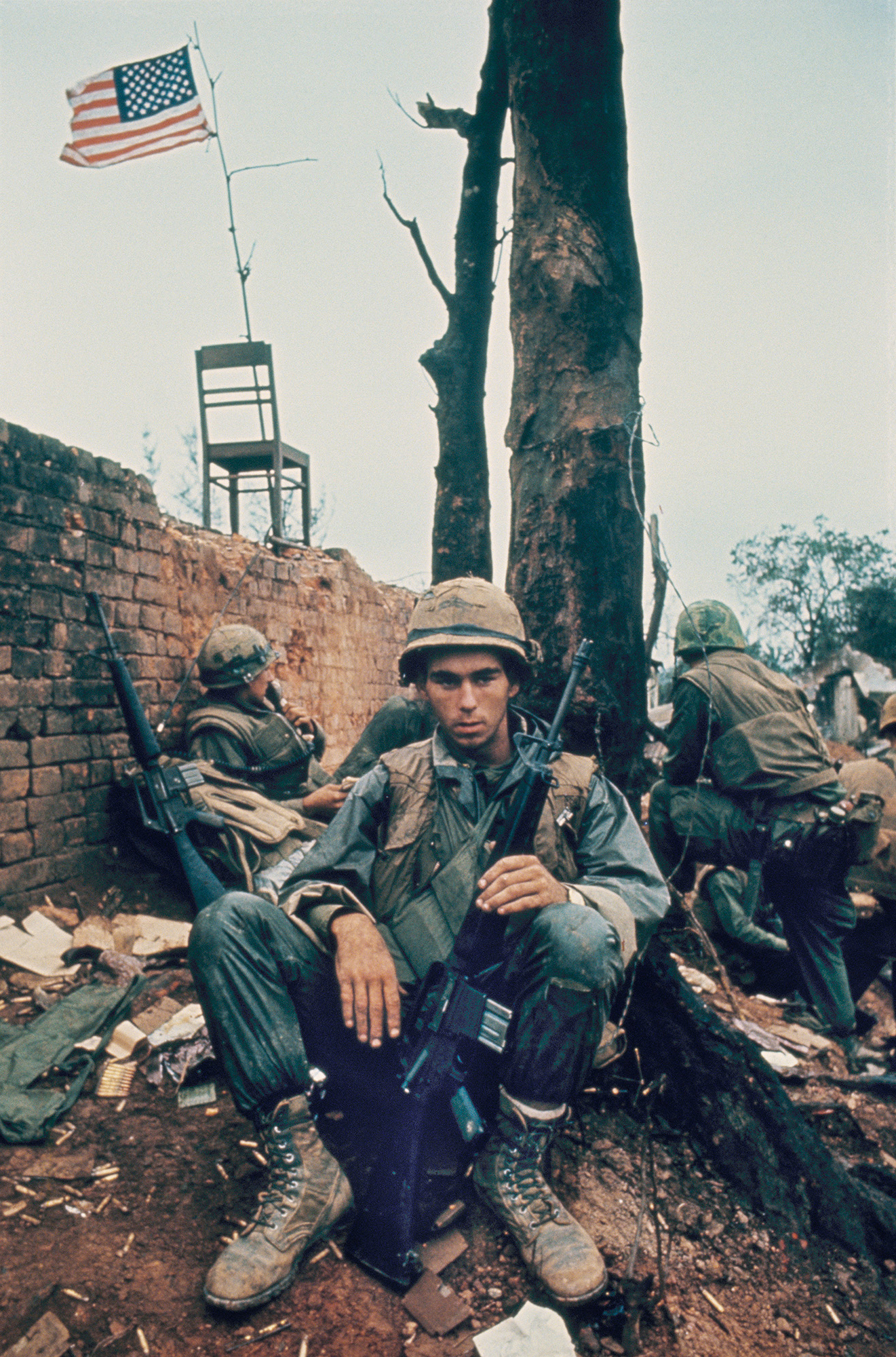
“The image of the soldier was used on the front cover of The Sunday Times. He was killed a few months later inanother battle. The soldier’s brother sent me a letter with $10 in it and asked if I had a picture of his brother, couldI send it to him. I did send the picture along with his $10.When I did leave, I could barely hold a conversation anymore. I lifted off in a helicopter with the courageous French photographer Catherine Leroy.She was talking to me, but I simply couldn’t make out what she was saying. Back at the press centre in Danang,I took all my clothes off for the first time in nearly two weeks and showered. I had been stoic enough in Hué, but atthe camp, I couldn’t think. I couldn’t talk. I felt weak and vulnerable. All thesoldiers I knew from the battle were the same way”
“The image of the soldier was used on the front cover of The Sunday Times. He was killed a few months later in another battle. The soldier’s brother sent me a letter with $10 in it and asked if I had a picture of his brother, could I send it to him. I did send the picture along with his $10. When I did leave, I could barely hold a conversation anymore. I lifted off in a helicopter with the courageous French photographer Catherine Leroy. She was talking to me, but I simply couldn’t make out what she was saying. Back at the press centre in Danang, I took all my clothes off for the first time in nearly two weeks and showered. I had been stoic enough in Hué, but at the camp, I couldn’t think. I couldn’t talk. I felt weak and vulnerable. All the soldiers I knew from the battle were the same way”

(Image credit: ©️Don McCullin / Courtesy GOST Books)

Image 1 of 4

View Original

“American soldier in an abandoned home sheltering from sniper fire. Many homes in Hué had been owned by civil servants, professors working at the local university and other intellectuals or political party members. Before the arrival of theAmericans, the North Vietnamese forces captured Hué in January 1968 and carried out summary executions and the mass murder of 2,800–6,000 people”
Image 2 of 4

View Original

Wounded South Vietnamese soldier on National Highway 1, The Sunday Times cover.
Image 3 of 4

View Original

A solider carries a person through rubble, Vietnam
Image 4 of 4

View Original

“The image of the soldier was used on the front cover of The Sunday Times. He was killed a few months later inanother battle. The soldier’s brother sent me a letter with $10 in it and asked if I had a picture of his brother, couldI send it to him. I did send the picture along with his $10.When I did leave, I could barely hold a conversation anymore. I lifted off in a helicopter with the courageous French photographer Catherine Leroy.She was talking to me, but I simply couldn’t make out what she was saying. Back at the press centre in Danang,I took all my clothes off for the first time in nearly two weeks and showered. I had been stoic enough in Hué, but atthe camp, I couldn’t think. I couldn’t talk. I felt weak and vulnerable. All thesoldiers I knew from the battle were the same way”

McCullin says he has covered nearly every major global conflict during his decades-long career, including being wounded by a mortar in Cambodia – where he continued to take photos from the back of a truck.

“As long as people run armament factories and create weapons of war,” he said, “you’re photographing one war thinking there’s another war waiting in the background, as there is in this world we live in today.”
Portrait of Don McCullin

A portrait of Don McCullin (Image credit: ©️Don McCullin / Courtesy GOST Books)

Don McCullin’s Vietnam will be released in October, retailing for $95 / £80 / CA$148. The hardcover photo book is available to pre-order from Amazon, with signed editions available directly from the publisher, GOST Books.


Author: Hillary K. Grigonis
Source: DigitalCameraWorld
Reviewed By: Editorial Team

Related posts
NewsPhotography

German photographer Wolfgang Zurborn spent lockdown scanning his pictures of crowds, and learned something profound about finding order inside chaos

NewsPhotography

Defying Henry VIII and a royal coup are just some of the Throckmorton stories – now the British aristocratic family is exhibiting photos of its generations

Cleantech & EV'sNews

Lexus' electric 3-row SUV makes its first public appearance

Cleantech & EV'sNews

Geely's AI fast charging 'heals' EV batteries for 20% more cycle life

Leave a Reply

Your email address will not be published. Required fields are marked *