

Ever noticed how the Covids lockdowns – the most profound and historically significant moment most of us will ever live through – are something we just don’t like to talk about?
For some of us, it’s because we don’t want to dwell on the loneliness, boredom, emptiness and depression that period brought us. For others, who had a better time of it, maybe it’s just guilt for enjoying the paid time off, or embarrassment for doing nothing constructive or self-improving with that time.
Every now and again, though, a creative project pops up that reminds us that, just a few years ago, the world turned upside-down, and we were there. And here’s an example that comes at things from a highly original angle.
Crowds, published by Kehrer Verlag, is a new book by German photographer Wolfgang Zurborn, as part of its 2026 list. Across its 272 pages, there are 131 color images of, well, exactly what you expect. And it only exists because, during Covid, those pictures were impossible to take. In Germany, at least, crowds had literally ceased to exist.
Many of us in that time found ourselves trying to substitute what we were missing in artificial ways. I, for one, love travel. So I suddenly found myself bingeing TV travel shows I’d never been interested in before. Zurborn did something a little similar.
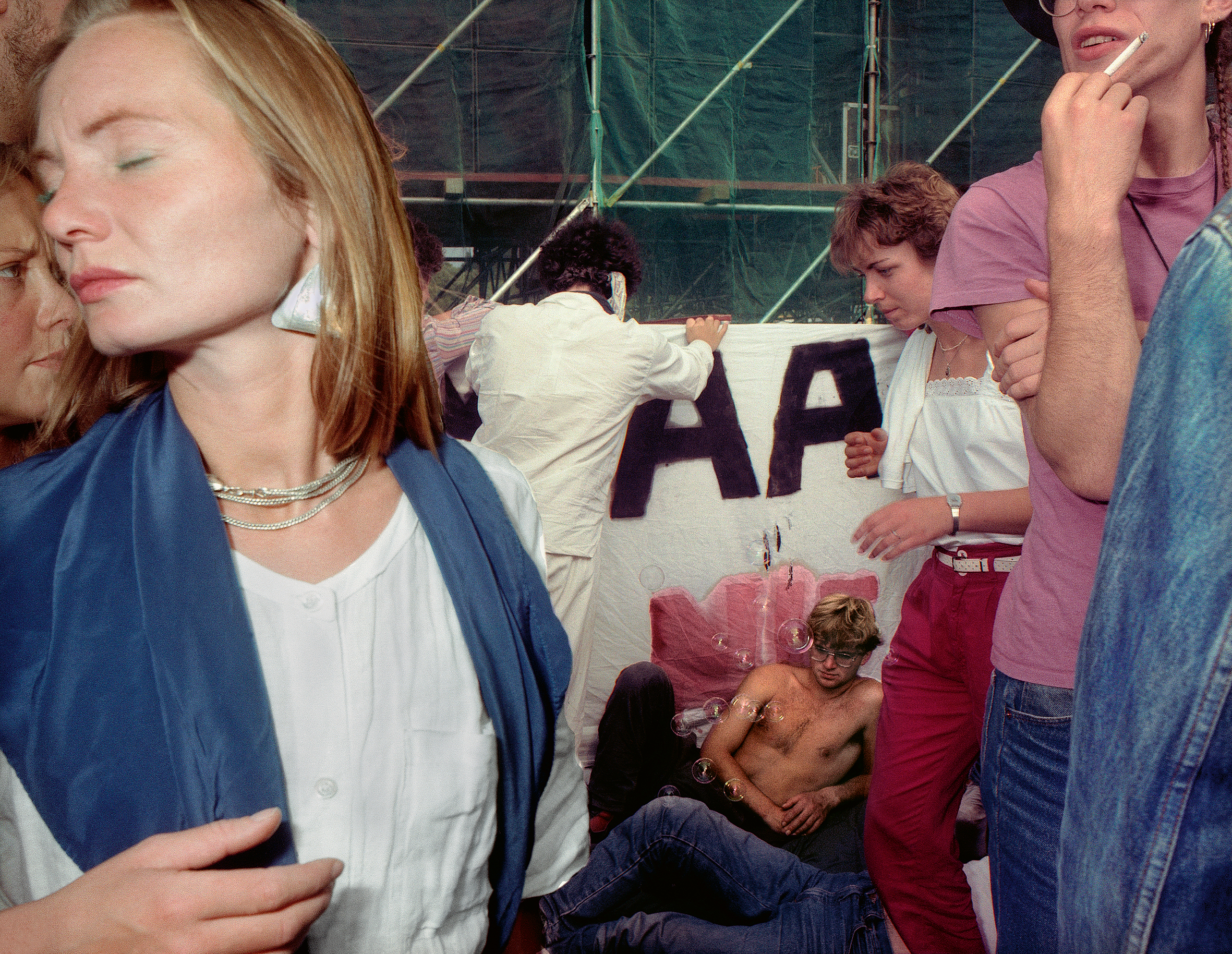
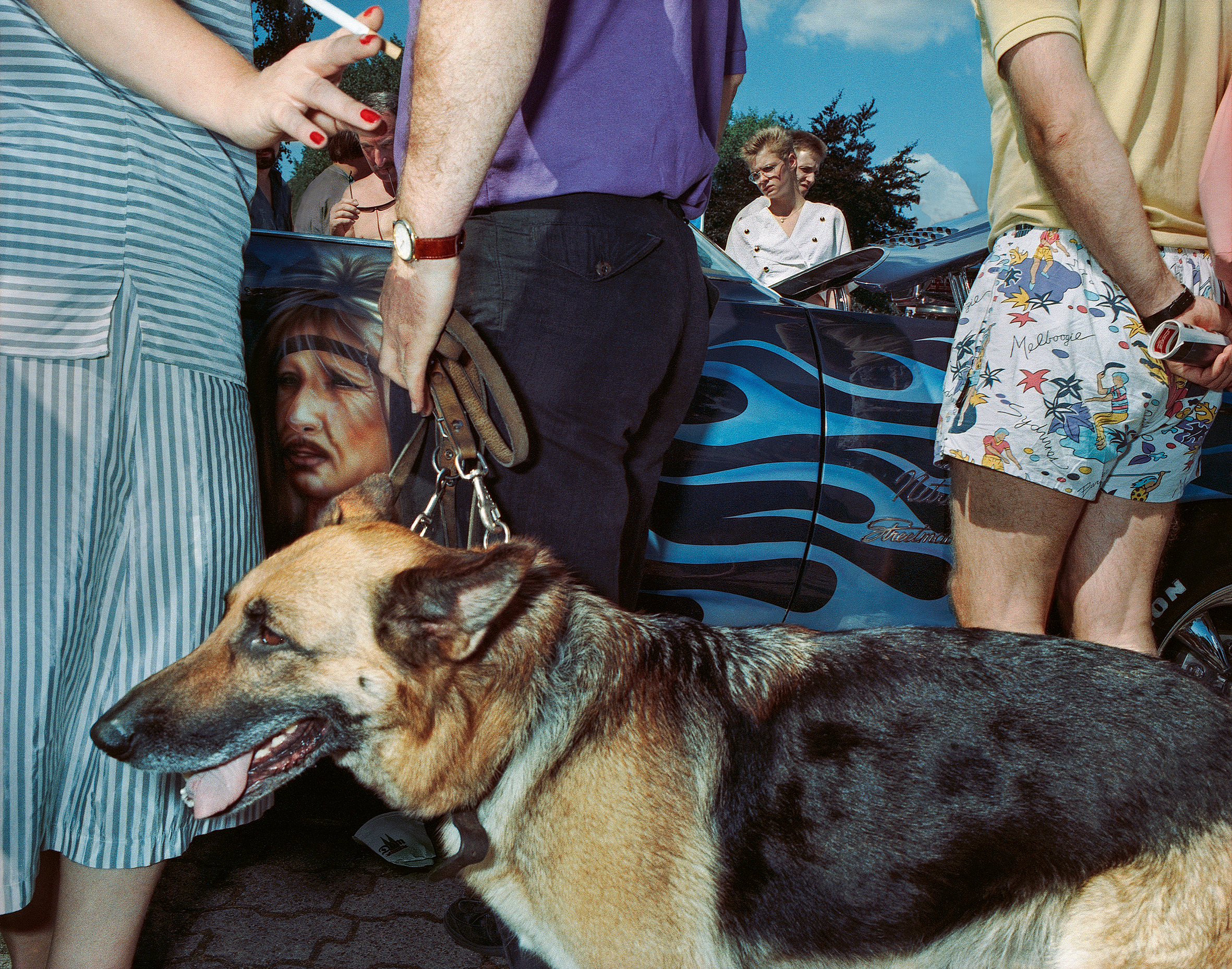
He’d spent the 1980s and 1990s photographing people in public spaces, at festivals, protests, religious processions, fairgrounds and tourist sites across Germany and France. During Covid, he went back into his own archive and started scanning hundreds of colour negatives.
Making connections
What’s fascinating is that, from this new perspective, he found connections between these pictures he hadn’t seen at the time. Recurring choreography. Echoes between a 1986 anti-nuclear protest at Wackersdorf and a 1991 street festival in Cologne. Patterns of desire and fear that only reveal themselves once you’re looking at all the work, all in one go.
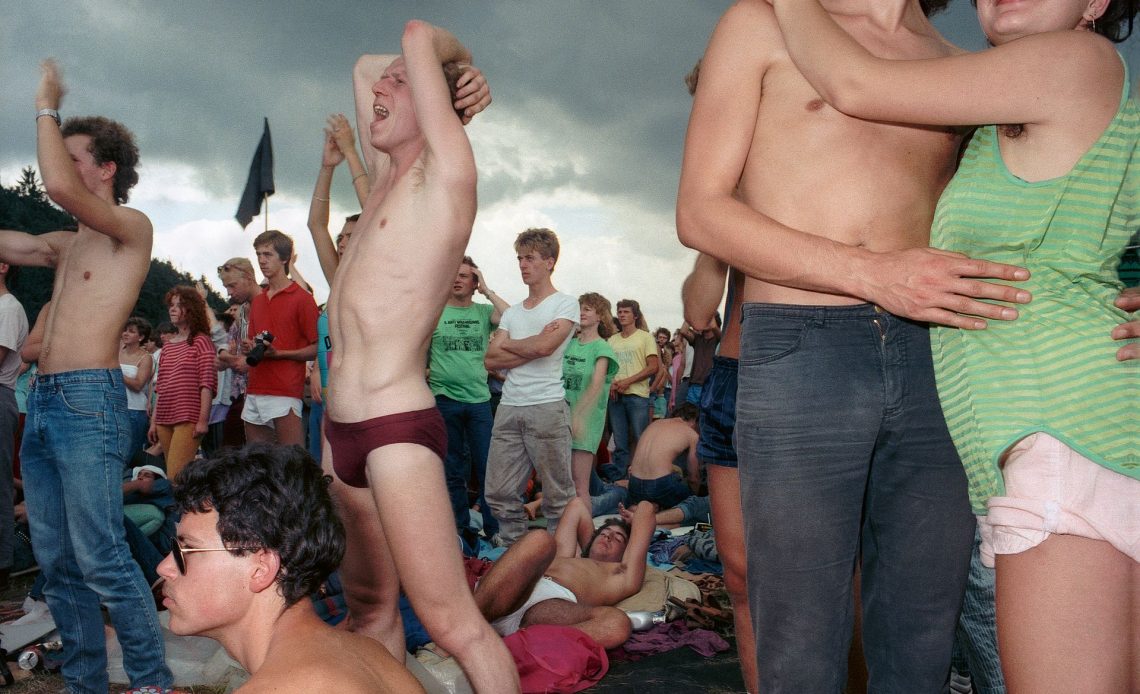
Looking at these pictures sparks unusual feelings in me, too. There’s something a little strange about viewing photo after photo where there is no obvious subject, no clear focal point. Instead, there are bodies, gestures, half-stories, scattered across a frame. All shot in a saturated, 20th century palette that gives a theatrical charge to even the most mundane of scenes.
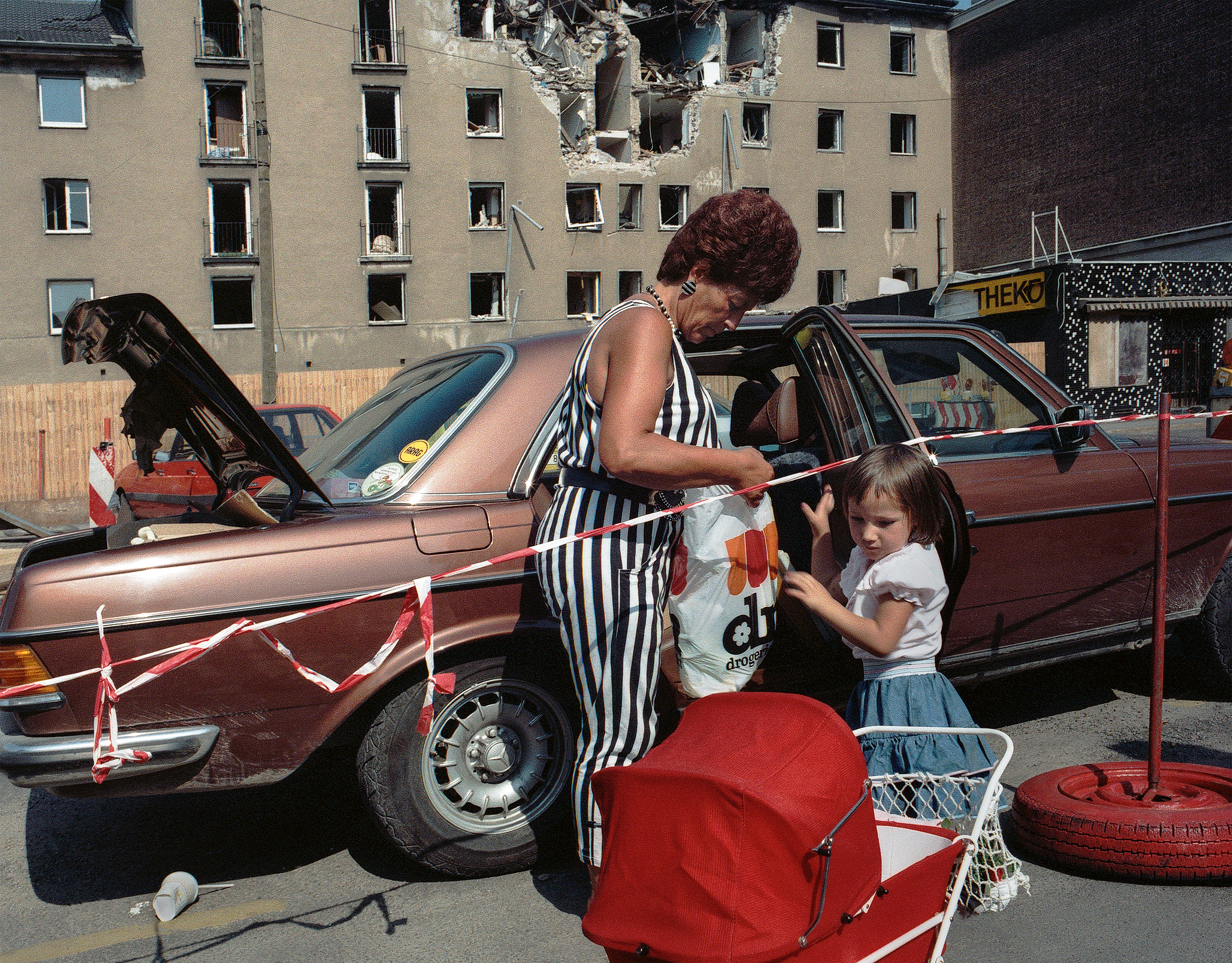
A 1988 shot at the Loreley festival crams brings together a dozen half-dressed festivalgoers, all mid-gesture, none of them quite the obvious subject. A 1989 image from Cologne’s Spiel 55 fair juxtaposes a family with a pram against a bold stripe of architectural color. A woman in a striped jumpsuit unpacks shopping in front of a bomb-damaged Cologne building.
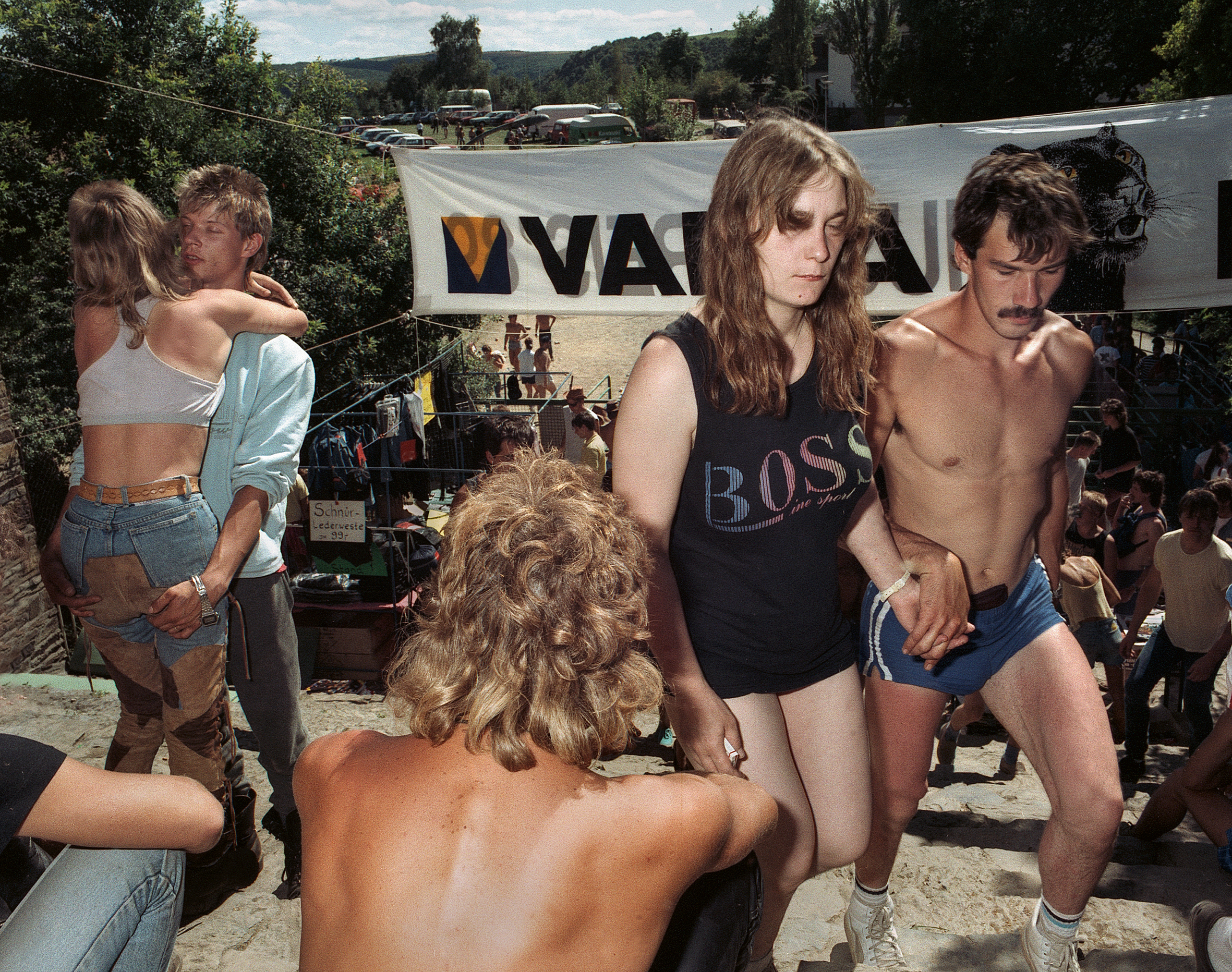
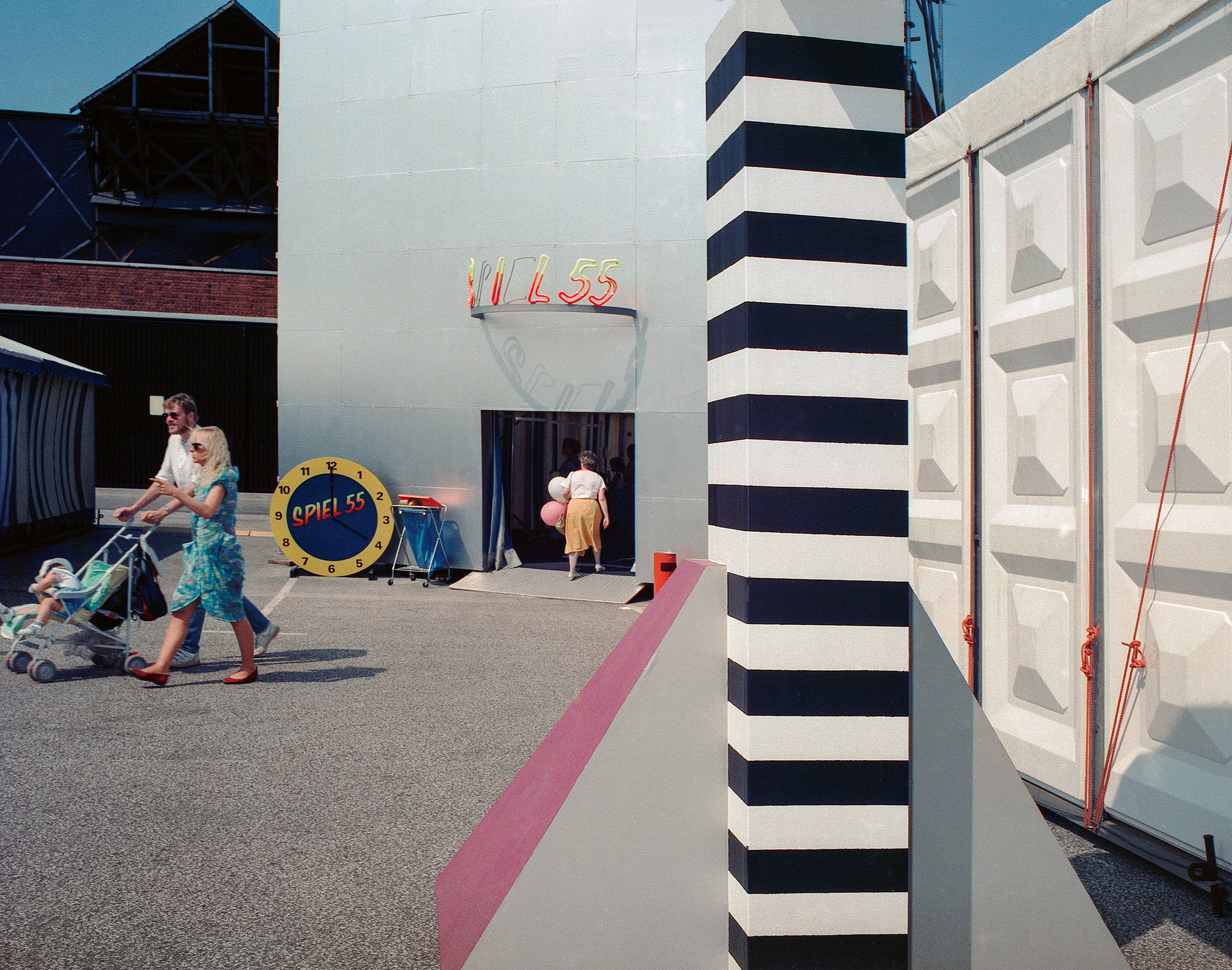
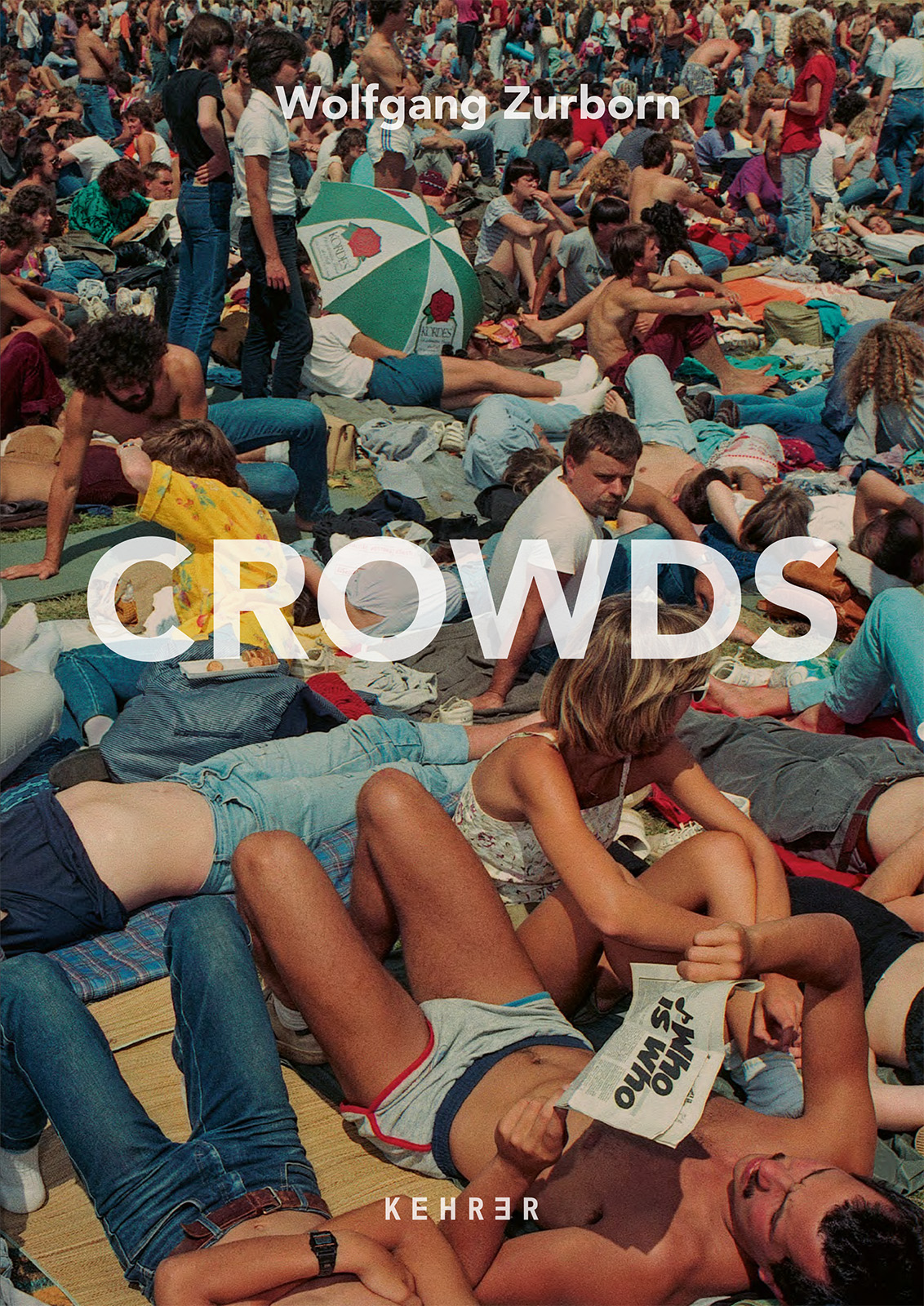
This is not portrait photography with a clearly identified subject. These are scenes with a hundred things all going on, all in tension. Working in the tradition of color street photography, Zurborn embraces the clutter and chaos, rather than trying to impose a hierarchy on it.
For anyone whose own photos are gathering dust, Zurborn’s book is an inspiration. He didn’t wait for the world to open back up to make something new. He found it by looking at material that already existed.
Crowds isn’t specifically about lockdown, but it wouldn’t exist without it. That’s the strange gift some of us got from those empty months. Not a new way of shooting, but a new way of seeing what we’d already shot.
Crowds by Wolfgang Zurborn, with an interview by curator Alasdair Foster, is published by Kehrer Verlag in English and German, priced at $65 / £50.
Author: Tom May
Source: DigitalCameraWorld
Reviewed By: Editorial Team