


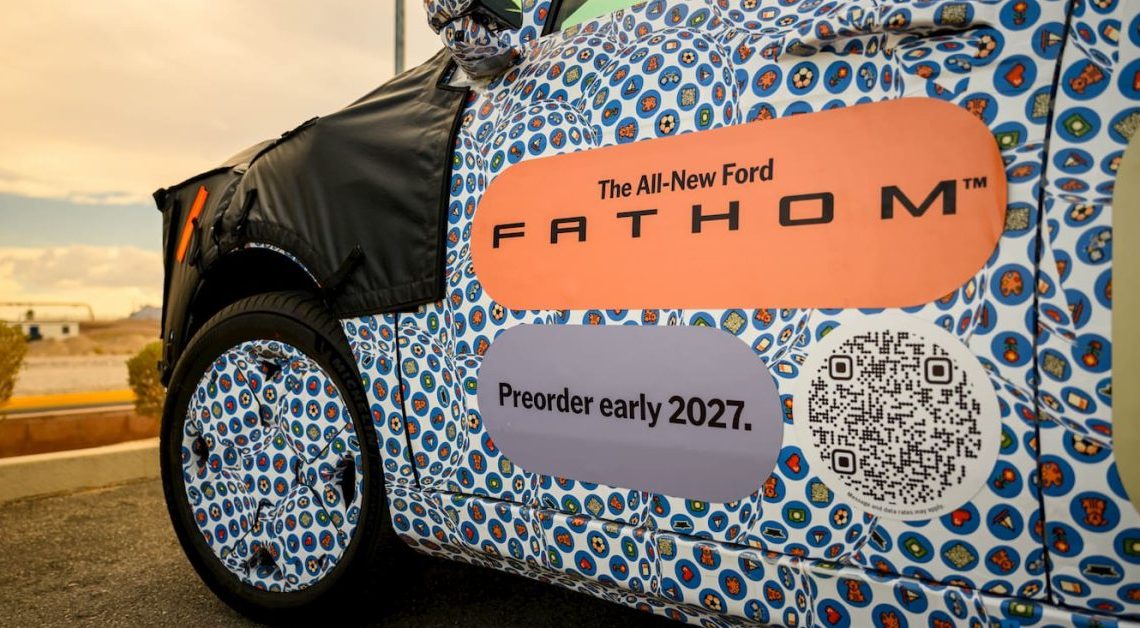
Ford wants to make powering your home with an EV a lot cheaper. Its upcoming sub-$30,000 Fathom electric truck will feature a new bidirectional charging system that ditches the need for an expensive external inverter.
Arriving in 2027, the Fathom will be the first EV from a US automaker priced below $30,000 that can deliver more than 10 kW of AC power to a home without a separate wall-mounted inverter.
And Ford says it’s cutting the cost of the other equipment needed for home backup power, too.
How Ford’s cheaper bidirectional charging works
EV batteries store electricity as direct current (DC), but our homes use alternating current (AC). To send power from an EV battery into a house, traditionally, that meant installing a pricey external inverter.
Ford has come up with a different approach for its new Universal EV Platform, which will underpin the Fathom.
After acquiring startup Auto Motive Power in 2023, Ford redesigned its bidirectional charging system from the ground up. Instead of relying on a separate wall-mounted inverter, it built one directly into the truck’s E-box, one of the vehicle’s five main modules.
Fewer parts mean lower costs, and Ford says the savings will extend to the home charging equipment, too.
Fathom owners will have two ways to use the truck’s battery to power their homes.
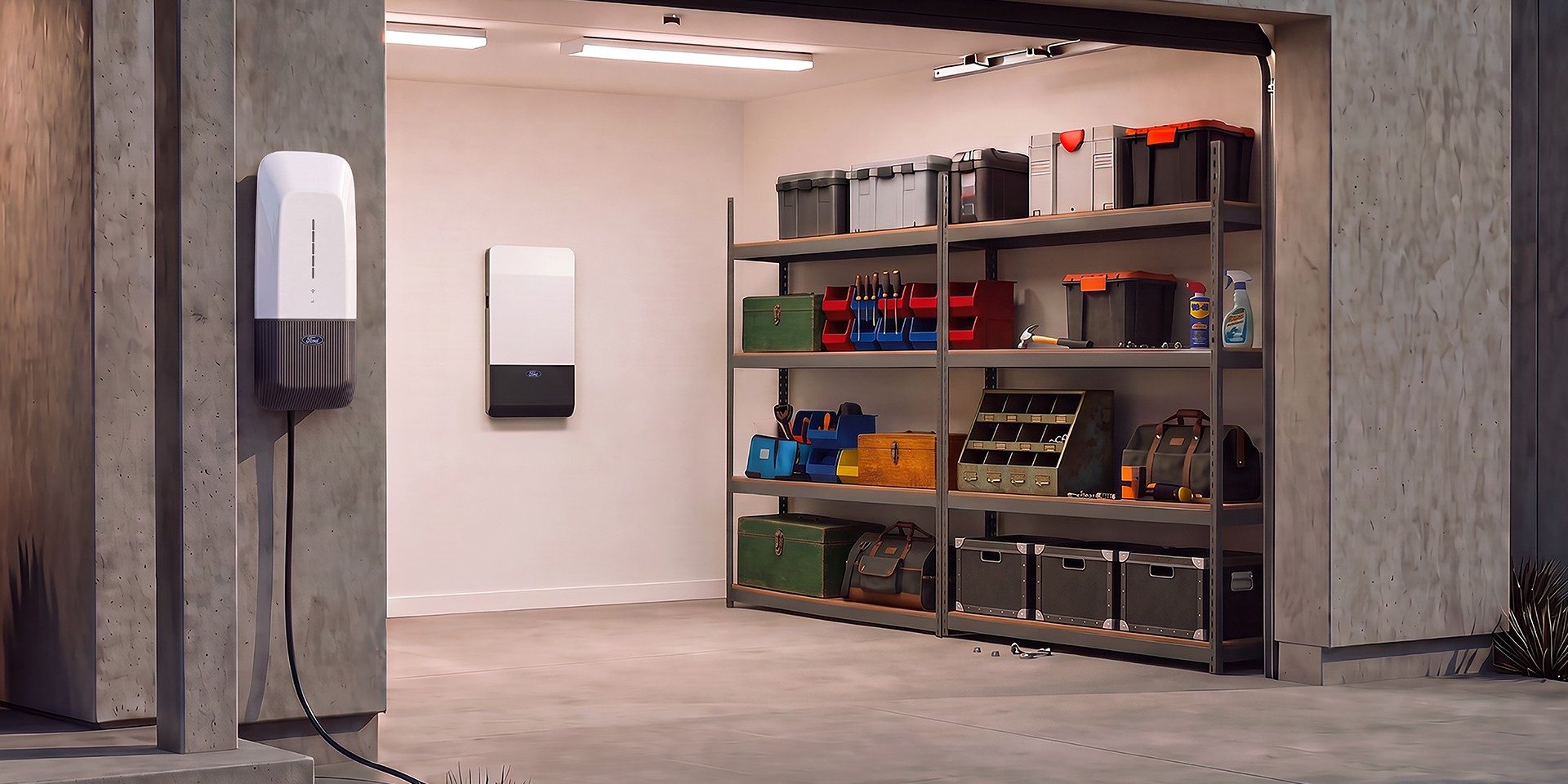
Home Power Management will let owners charge their truck when electricity rates are low, then use that stored power at home when rates are higher. That could mean real savings for households on time-of-use electricity plans. They’ll need Ford’s new Home Power Station, which the company expects to cost about half as much as its first-generation bidirectional charger.
Home Backup Power will let the truck keep the lights on during an outage. For that, owners will need both the Home Power Station and Ford’s Home Backup Panel. Ford says the backup hardware should cost at least 60% less than its first-generation equipment.
Ford hasn’t released prices for either piece of hardware, so we don’t yet know what a complete home installation will cost.
But pairing a sub-$30,000 electric truck with substantially cheaper home power equipment could make bidirectional charging a lot more appealing.
Ford is getting utilities involved early
Making the hardware cheaper is one thing. Making sure utilities can handle thousands of EVs that send electricity back into homes and potentially the grid is another.
Ford formed a working group in July with American Electric Power, BC Hydro, Consumers Energy, Exelon, and Pacific Gas and Electric. They’re working on making it easier for customers to connect bidirectional EVs before the Fathom arrives next year.
For example, someone using their truck solely for home backup power during an outage shouldn’t have to go through the same approval process as someone sending electricity to the grid.
The group is also looking at how to update utility procedures to accommodate newer bidirectional charging standards and make it easier for EV owners to participate in virtual power plants (VPPs). In other words, the batteries in parked EVs could become a useful source of electricity when the grid needs it most.
Ford says the Fathom’s system is designed to meet applicable UL 1741 requirements and IEEE 1547 interconnection standards. It also uses SAE J3068 communications technology, which Ford says helps reduce charger costs.
The idea is to get the technical requirements and utility processes sorted out before affordable bidirectional EVs start arriving in much larger numbers.
Author: Michelle Lewis
Source: Electrek
Reviewed By: Editorial Team
