


If you’ve had any training in a creative discipline, you’ve probably at least heard of the Bauhaus. Despite only being open for a few years (1919-1933), this groundbreaking German art school shaped modernist design and visual thinking and cast a long shadow over 20th-century photography. One of its students was Edith Tudor-Hart, a Jewish Austrian woman who studied there in 1928 and later settled in London, where she became one of Britain’s most compelling documentary photographers. She also became a communist spy. And yet today, most people still haven’t heard of her.
That oversight is finally being corrected. A Woman Named Edith, a new biography by Daria Santini, published by Yale University Press, tells Tudor-Hart’s story in full for the first time. It’s a remarkable one, and for photographers in particular, it raises some uncomfortable questions about whose work gets remembered and why.
Tudor-Hart arrived permanently in Britain in 1933, having married English doctor Alex Tudor-Hart in Vienna and fled with him to escape prosecution for her communist activities and the rising fascism that made her position as a Jewish woman untenable.
Her images appeared in The Listener and other publications, and she was a credible enough figure in British photography to serve on competition juries. She was, by any measure, a serious practitioner.
Political outlook
The Bauhaus gave her something specific: an eye for structure, for the arrangement of figures and light, for images that communicated with directness and force. Her social documentary work sits comfortably alongside that of her contemporaries. In some cases it surpasses them. Yet while figures like Bill Brandt, who also photographed working-class Britain in the 1930s, dominate historical accounts, Tudor-Hart barely gets a mention.
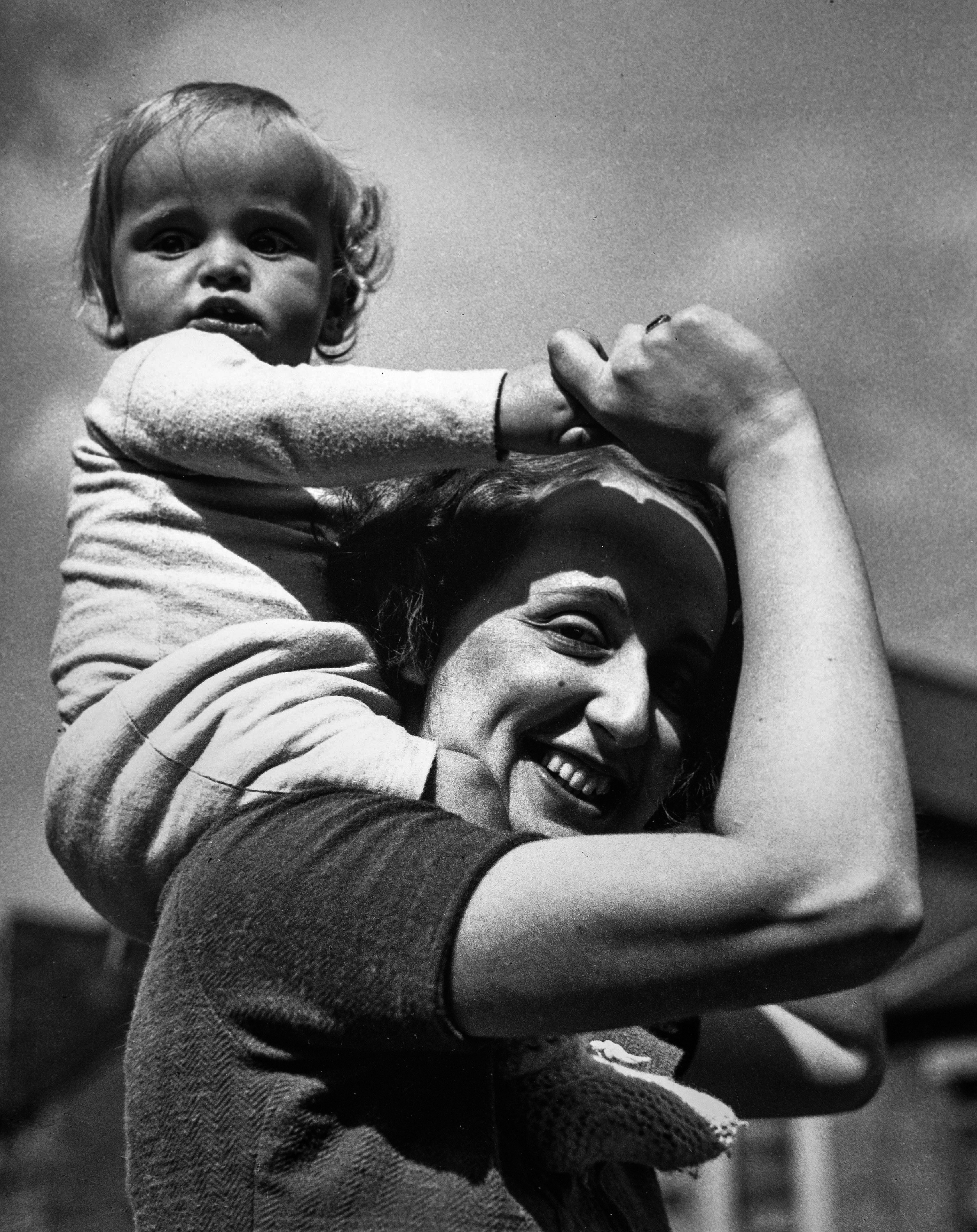
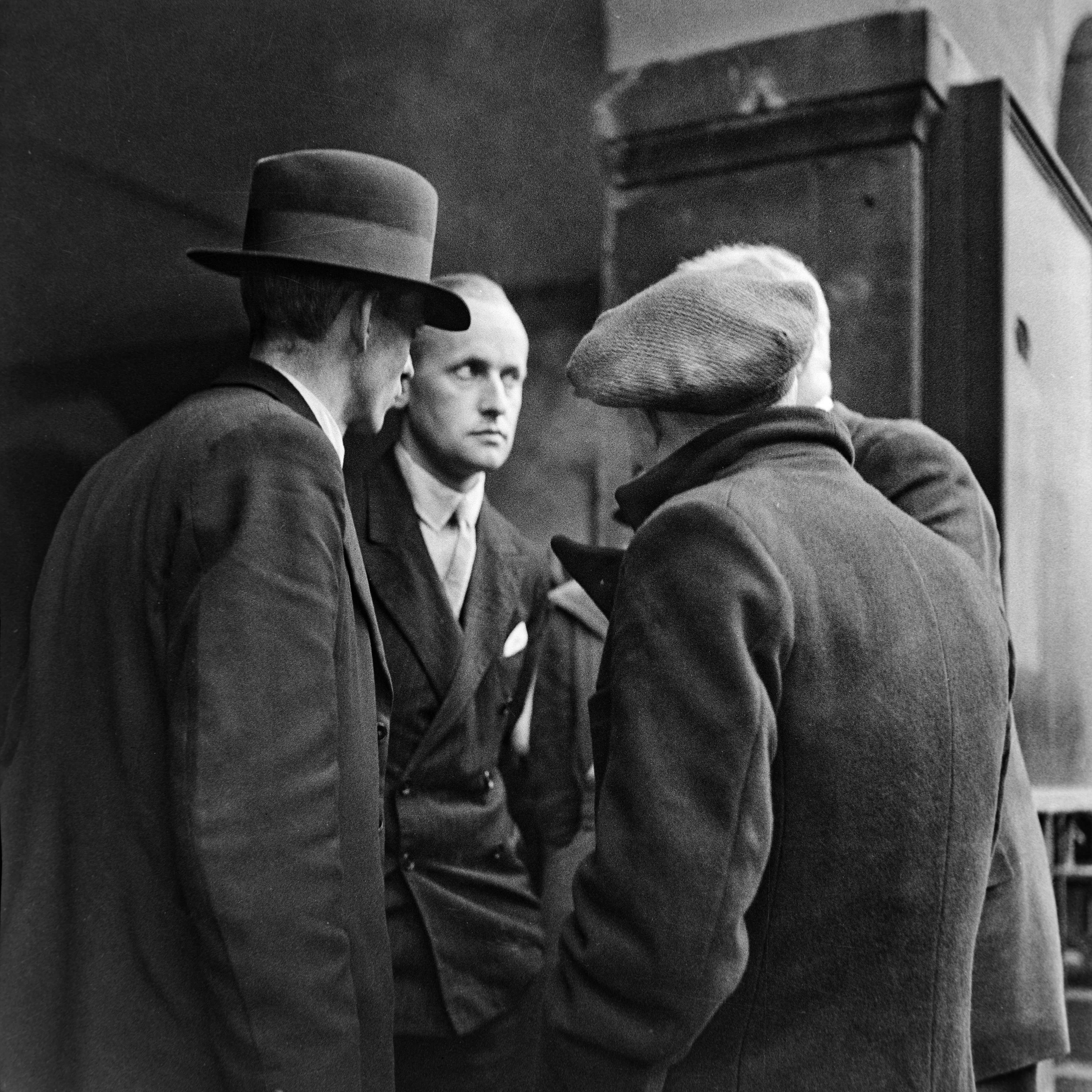

Partly that’s down to circumstance. She was an émigré, a woman, a communist and perpetually short of money – partly because she refused on principle to take payment from her Soviet handlers. She was under MI5 surveillance for most of her adult life. Her marriage broke down, her son Tommy developed serious mental illness and she raised him alone with few resources. After the war she retreated from public life, opened an antique shop in Brighton and died in 1973, largely unknown.
She’s also been largely ignored by photography historians because the spy story swallowed everything else. She was instrumental in recruiting the Cambridge spy ring, introducing the British intelligence agent Kim Philby to his Soviet handler after vetting him. She was linked to the Woolwich Arsenal affair, a Soviet operation to steal weapons blueprints from a London munitions factory, with camera receipts in her name found as evidence. These are irresistible stories, but also have a habit of obscuring the photographer behind the espionage.
The biography she deserved
Author Santini doesn’t let that happen. She makes a strong case for Tudor-Hart’s significance as a photographer, tracing the Bauhaus influence through her British work and placing her within the broader tradition of socially engaged documentary practice. Of course, the spy material is here too, meticulously researched using newly available MI5 files and private photo archives, but thankfully, it doesn’t crowd out the woman who made the pictures.
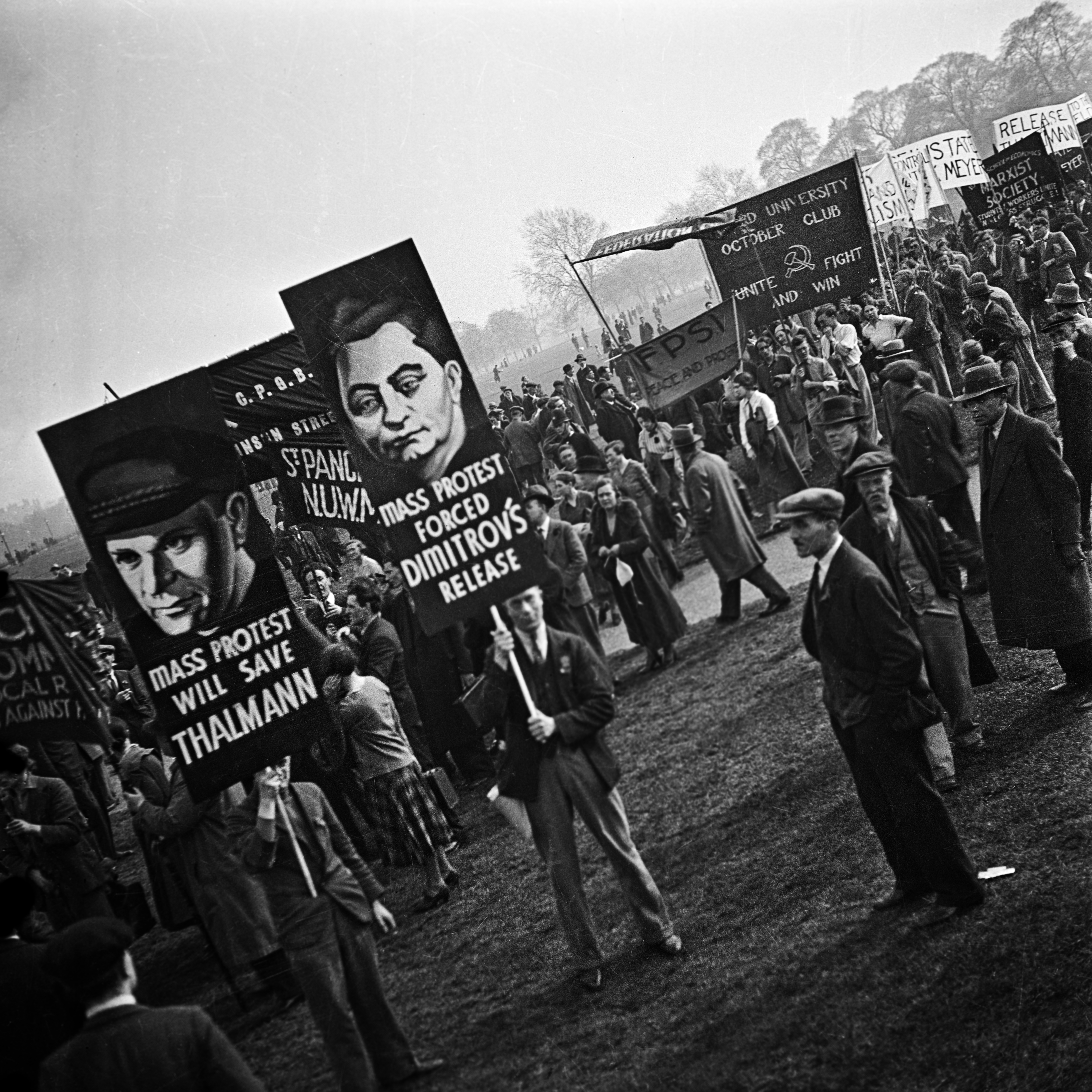
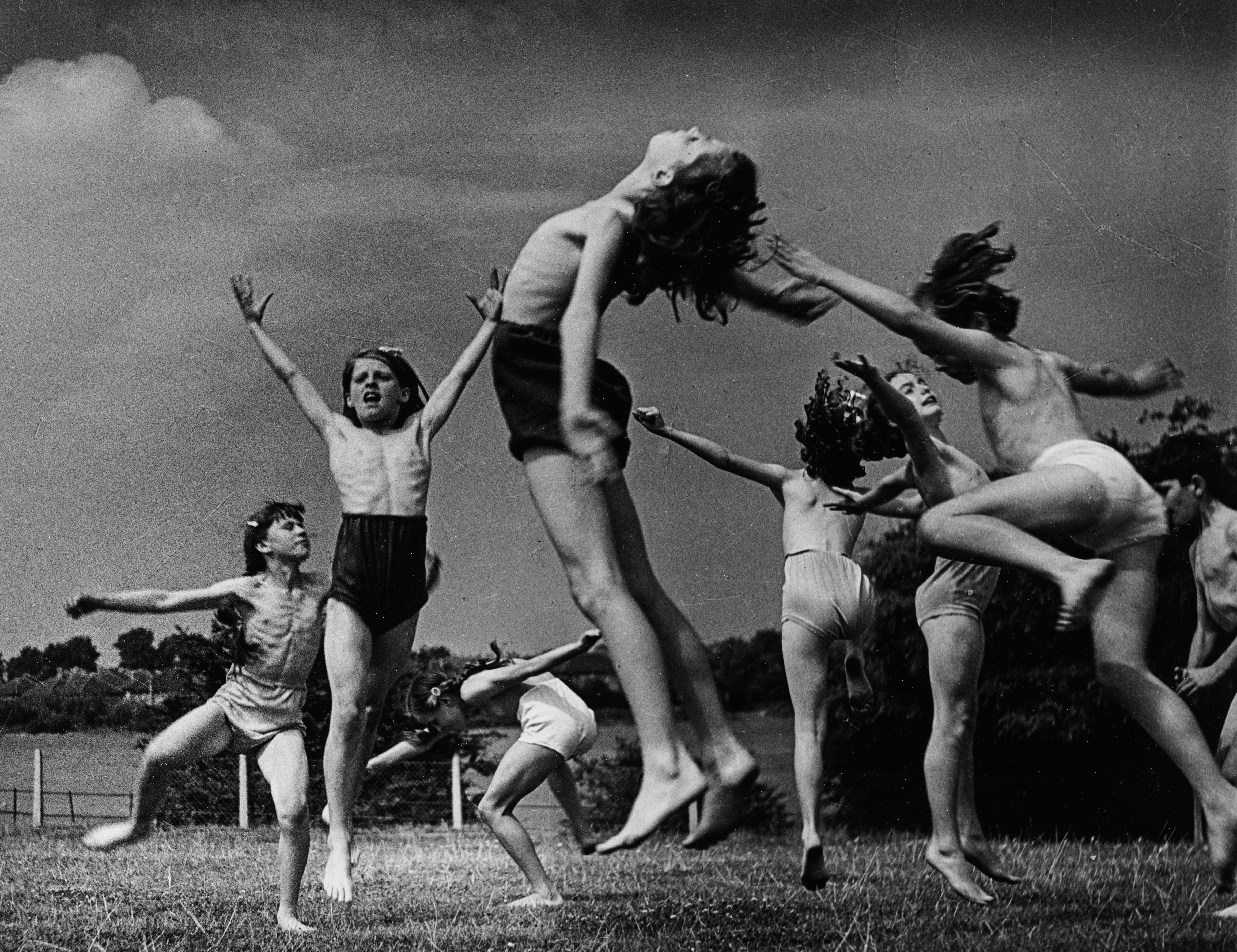
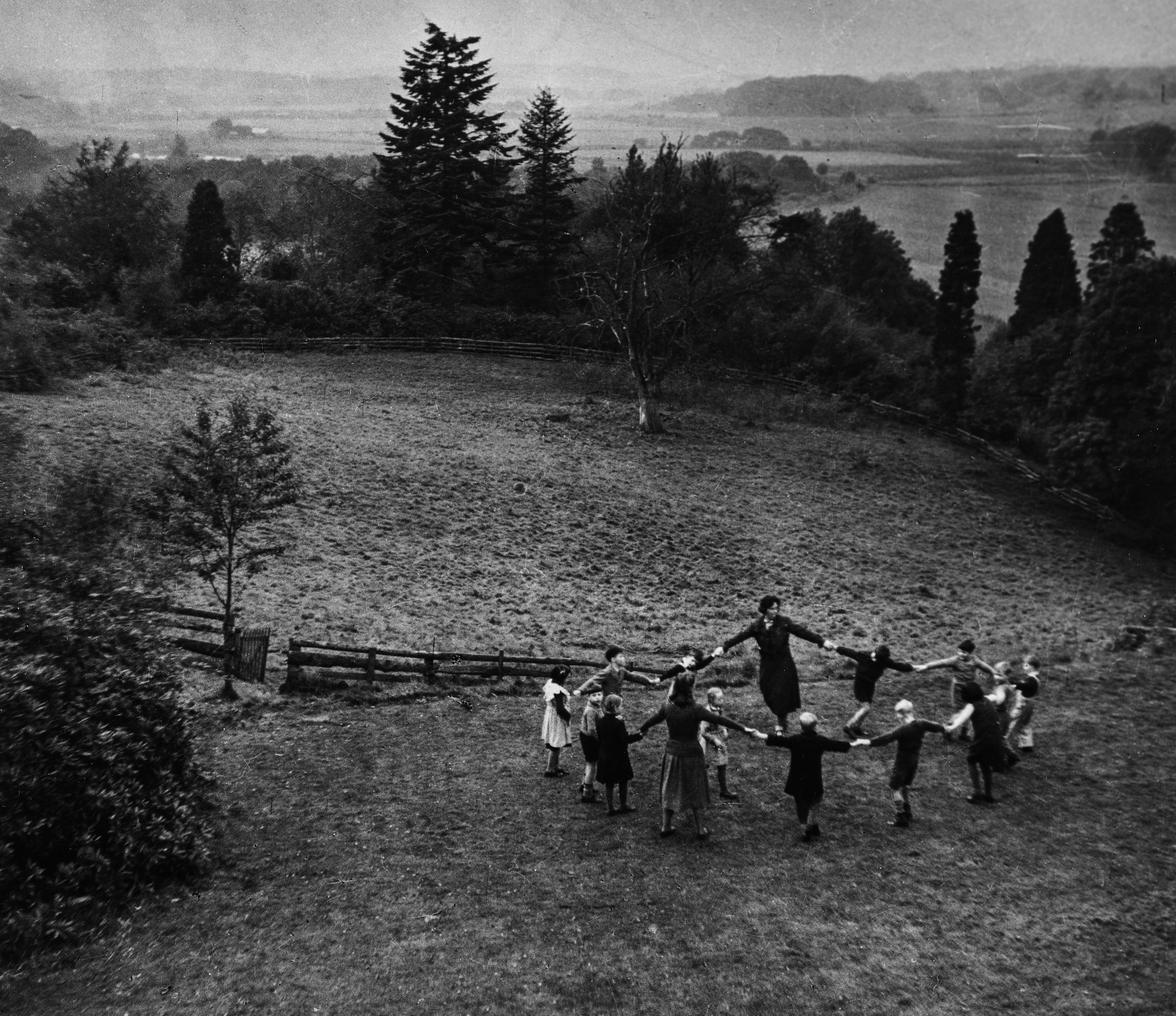
Ultimately, there’s a particular irony in Tudor-Hart’s obscurity. She spent her career arguing, through her images, that working-class lives deserved to be seen, that the camera could make the invisible visible. Then history did to her exactly what she spent a lifetime fighting against: it looked away.
For photographers, this is the story worth paying attention to. Tudor-Hart understood something the best documentary photographers still understand: that the camera is never neutral, that the choice of subject is always political, and that clarity of vision can speak louder than works. The new book is published by Yale University Press at £25.
A Woman Named Edith: Emigre, Photographer and Secret Agent, the Extraordinary Life of Edith Tudor-Hart by Daria Santini is published by Yale University Press, 384pp, £25.
Author: Tom May
Source: DigitalCameraWorld
Reviewed By: Editorial Team