

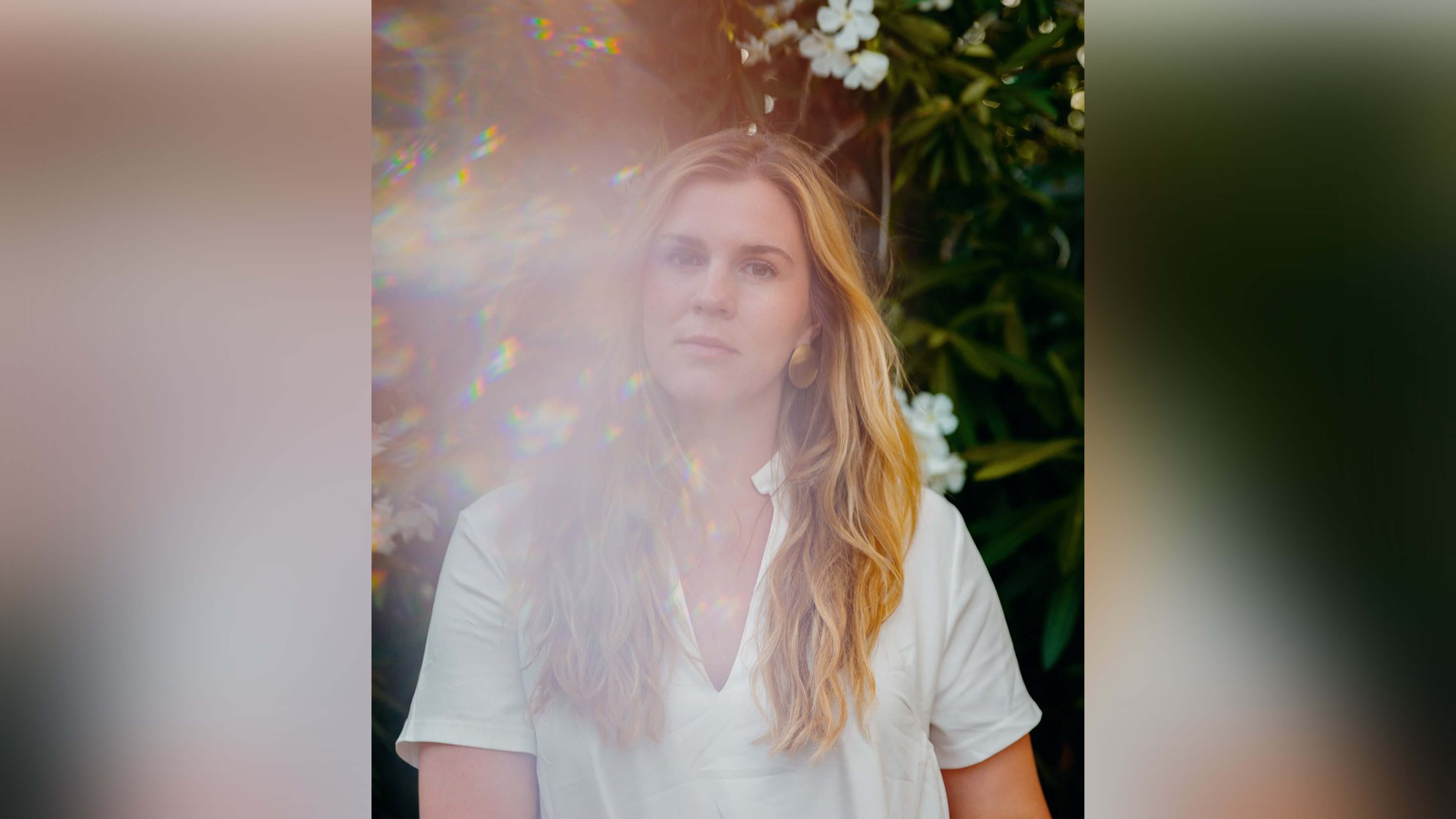
Even as an adult, American Emily Rhyne would barely go past her knees into the ocean without having a “ton of anxiety”. But then, in 2021, something clicked.
During a trip to Egypt, the former New York Times video journalist was inspired by divers at the Red Sea. “I didn’t have a dive certification and it kind of got in my ear then that [it] would be something cool to do, like a cool adventure,” she said.
Finally, in 2025, Emily conquered her fears by gaining a diving certification and she was immediately hooked.
Image 1 of 2
(Image credit: Emily Rhyne)
(Image credit: Emily Rhyne)
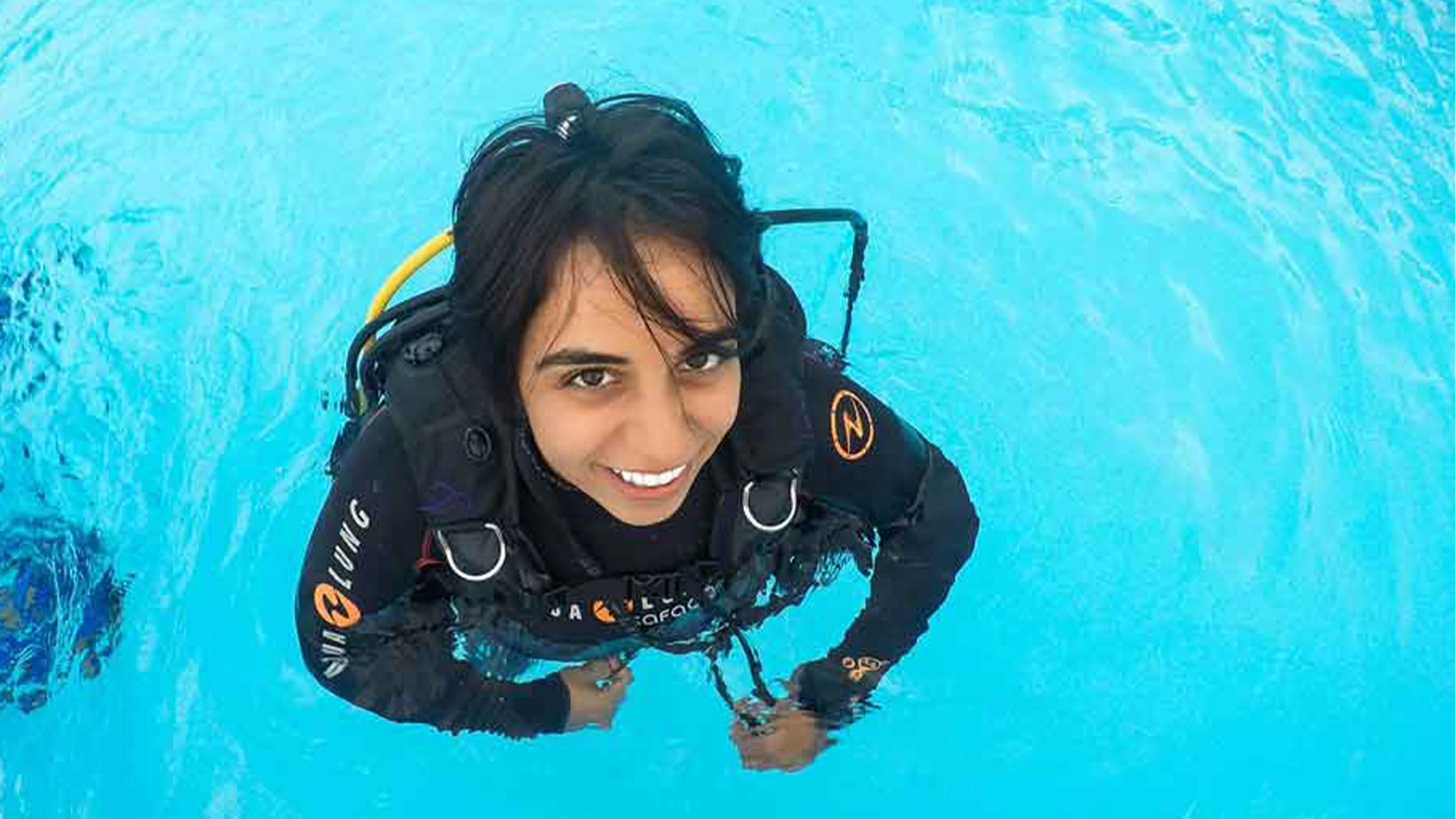
By the time Emily was immersing herself in the world of diving, Canadian Nadia Aly, a Canon Explorer of Light and self-professed “water baby”, had already racked up countless hours with a camera in the ocean.
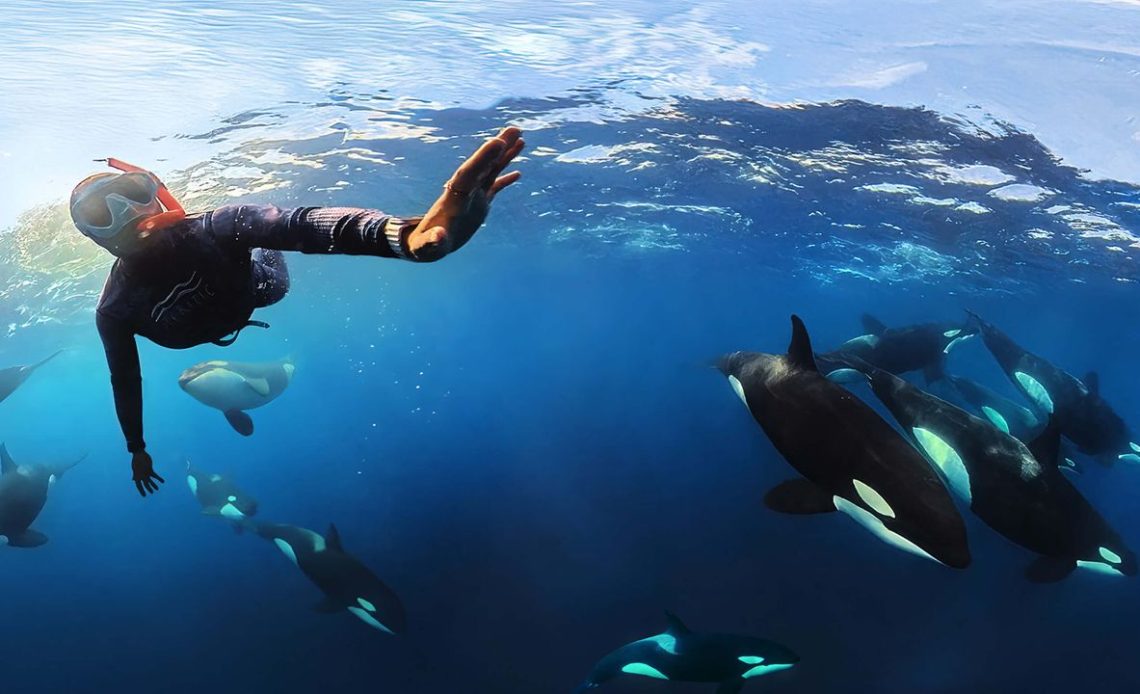
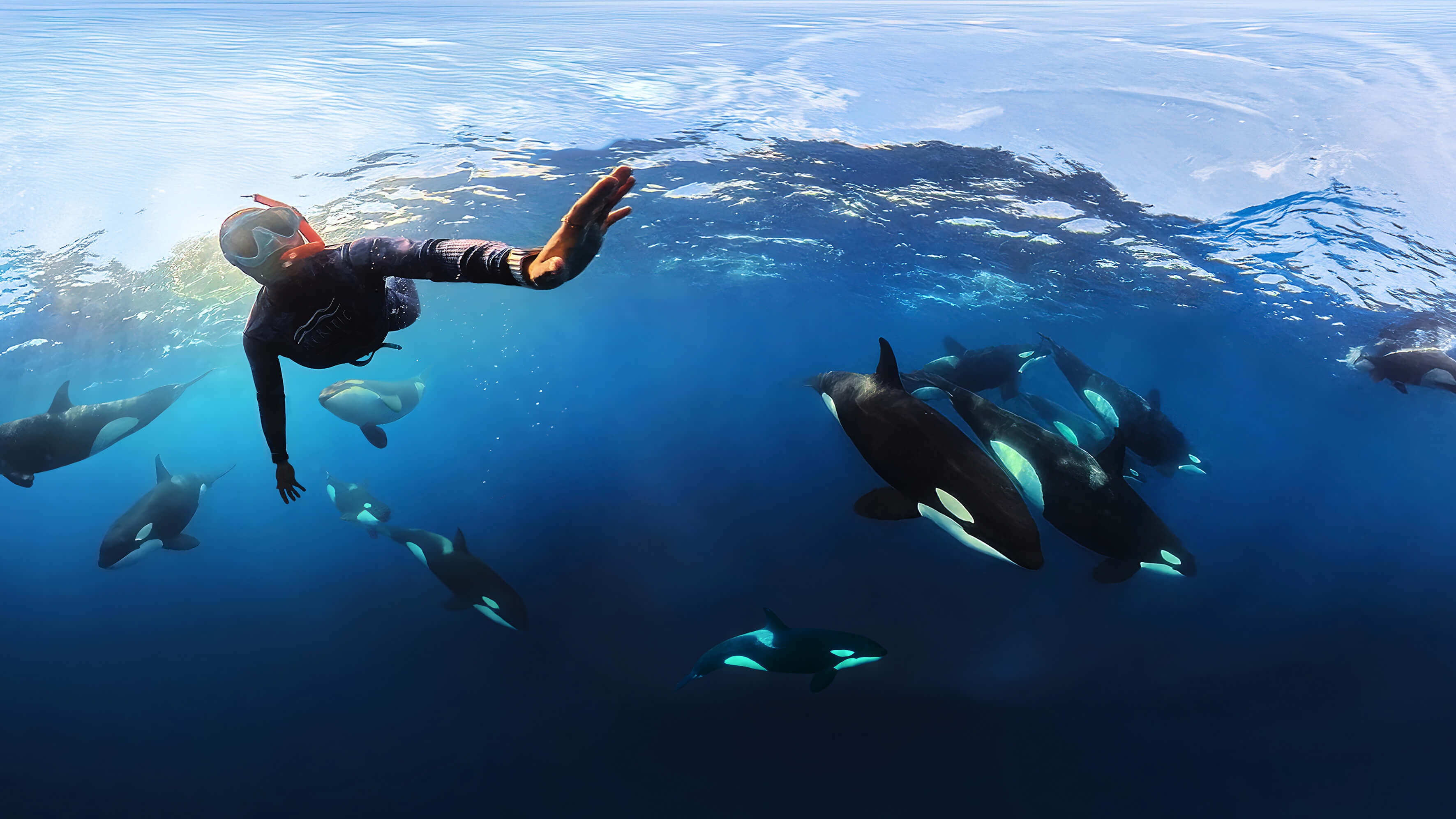
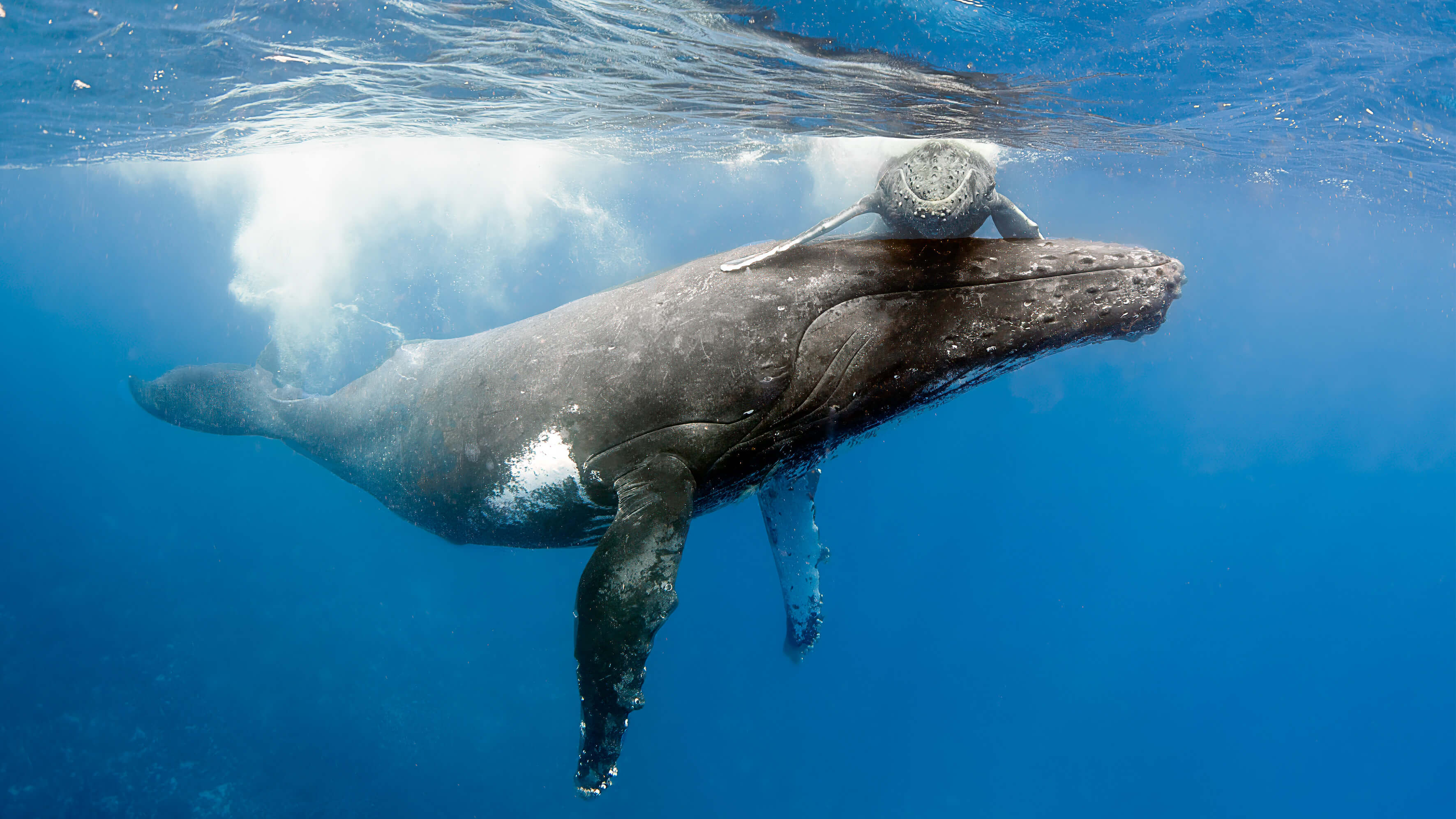
A longtime dive tour operator, she’d spent years capturing footage of some of the biggest ocean dwellers, like sperm whales and orcas.
But what Nadia and Emily will both tell you is that learning to use a camera underwater is just one half of the battle. Scuba diving opens up an alien world full of mesmerizing creatures but, to capture footage of them, you need to be a strong diver first and foremost.
Learn to dive before using a complex camera underwater
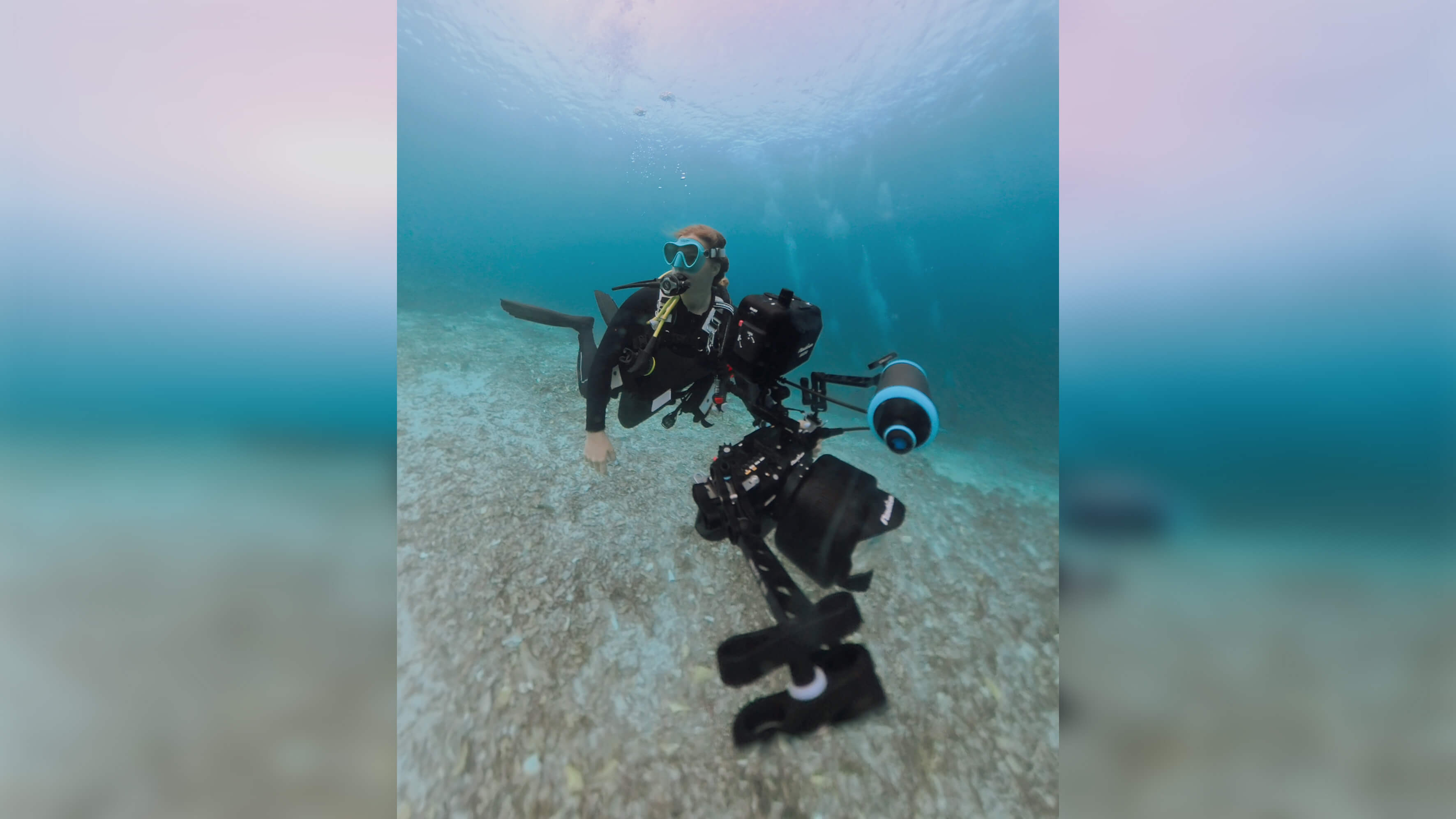
Emily’s diving journey began at Cozumel, a small Caribbean island off the southern coast of Mexico, where she eventually racked up her first 100 dives. Throughout all of these, Emily shot on a trusty GoPro Hero13.
“I can’t imagine doing it another way,” she said. I always say to people […] when you’re 100 feet underwater it’s not the time you want to be messing with your [camera] settings.”
A post shared by Emily Rhyne | UW + Topside Filmmaker (@ekrhyne)
A photo posted by on
ABOVE: One of Emily’s early GoPro videos from Cozumel
While the GoPro wasn’t the filmmaking powerhouse setup she’d been used to while at the NY Times, her focus was on mastering basic dive technique – and the simplicity of the action camera was just the trick when concentrating on buoyancy, safety or rough conditions.
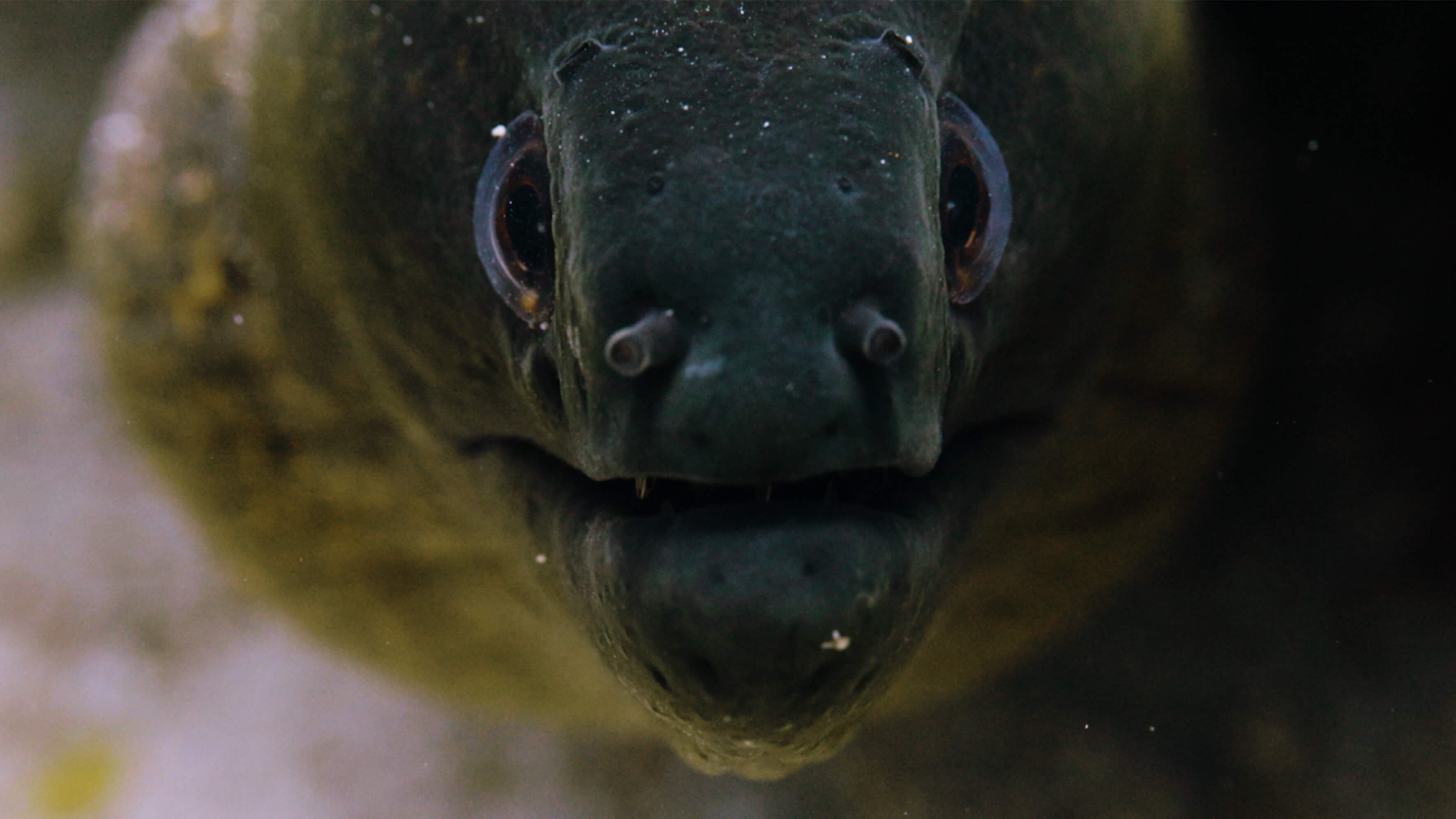
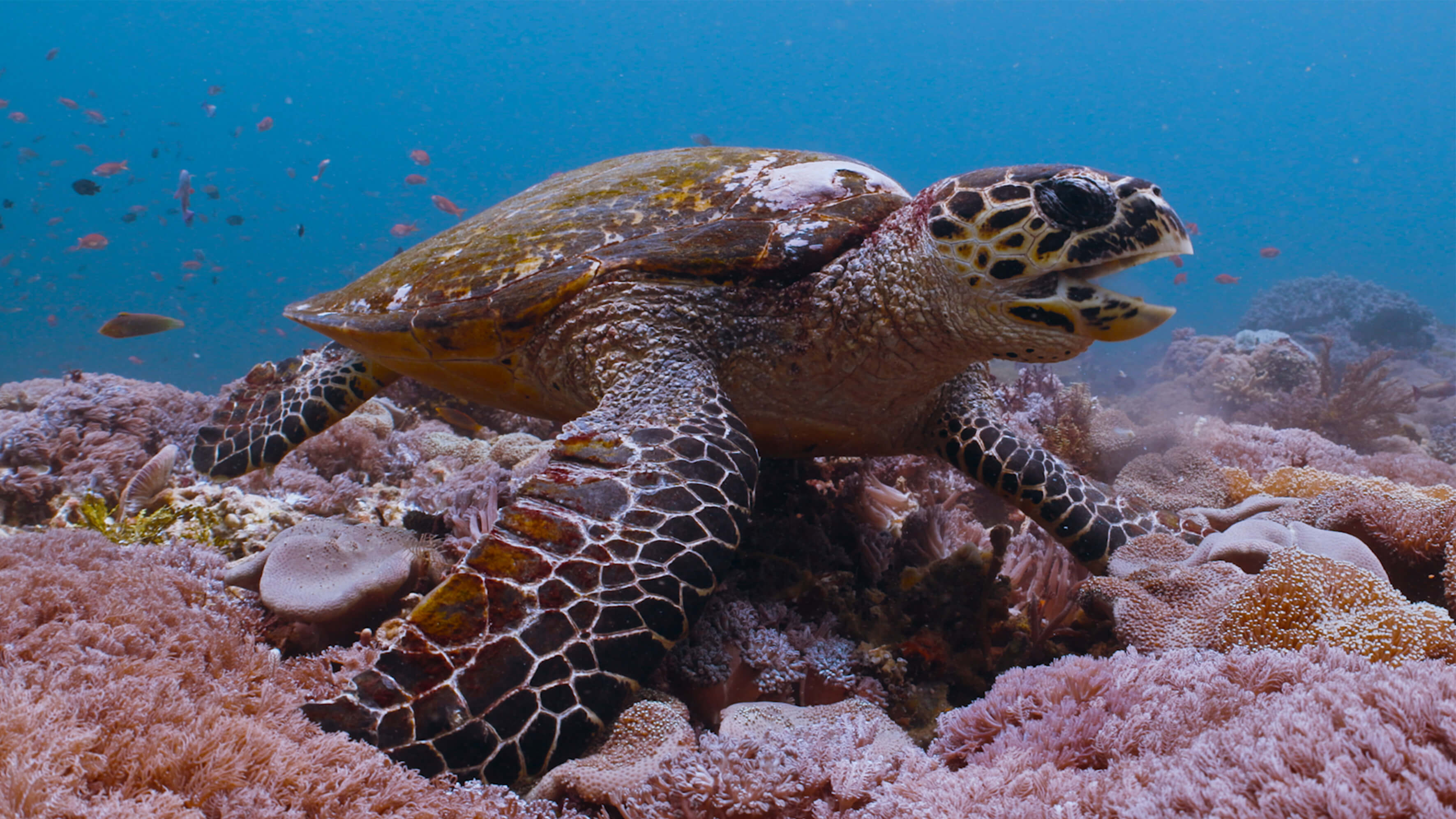
“You want all these things to be second nature. I cannot emphasize enough that I’m still learning like every single dive,” she said. Diving the same reefs day in, day out at Cozumel also meant that Emily began to learn how specific species of marine life behaved.
Image 1 of 3
(Image credit: Emily Rhyne)
(Image credit: Emily Rhyne)
(Image credit: Emily Rhyne)
View Original
View Original
View Original
Learn to read the animal, not chase it
Dive number 70 and Emily came face to face with an eagle ray. The spotted, giant-winged predator was throwing up sand from the ocean floor as it foraged for food, but was comfortable with the videojournalist’s presence.
Emily gradually came closer until she was “right there” next to the ray, managing to record an intimate sequence before another group of divers scared it away.
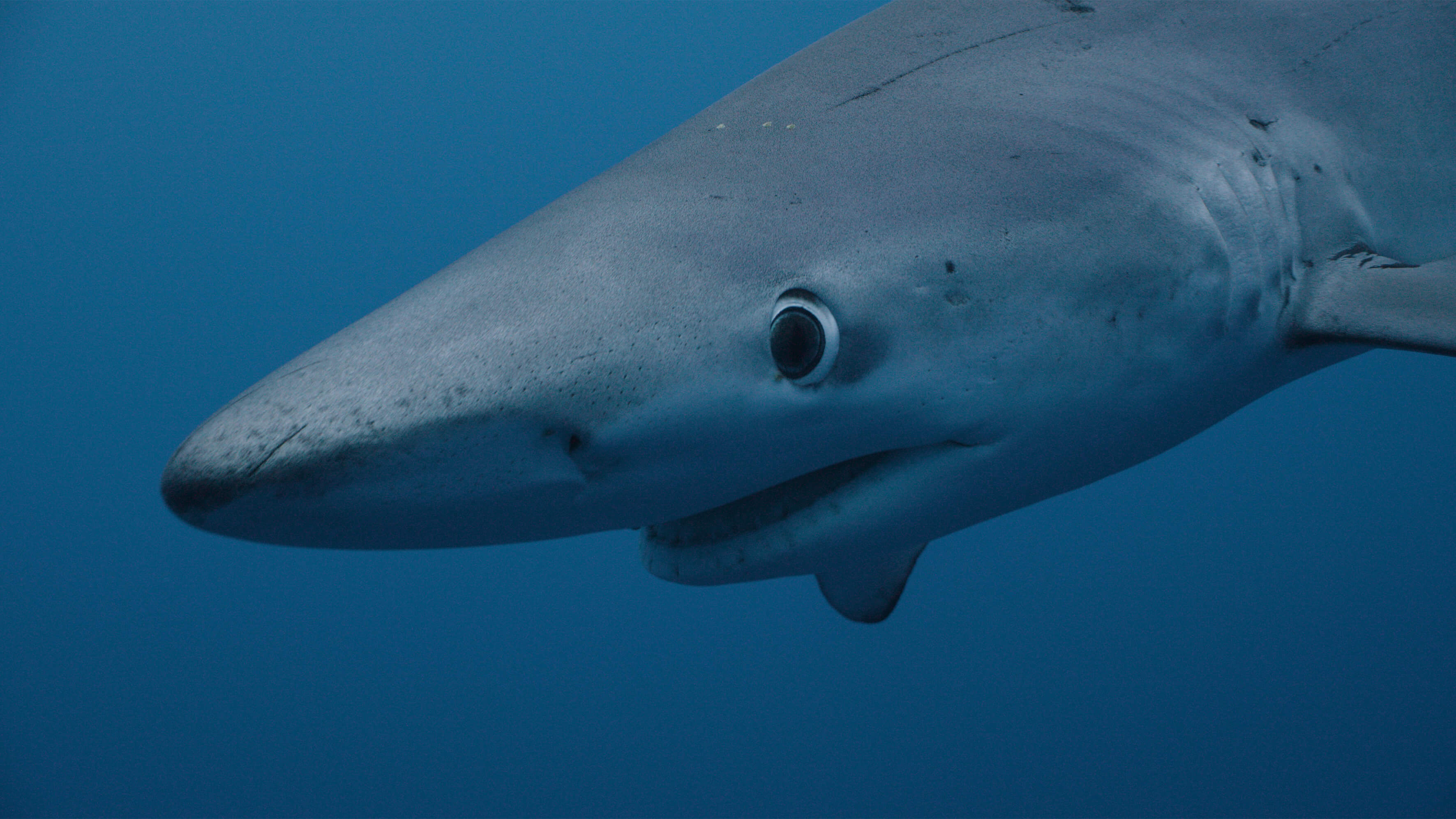
In Nadia’s eyes: “You really have to learn how to read animals and approach them. You have to gain their trust.” According to the experienced underwater filmmaker, getting the “amazing shot” isn’t only a lens decision, it’s a behavior decision.
“You have to get close to this animal in the water that’s swimming, that’s faster than you, that’s larger than you,” she said. “You can’t charge at them”.
Image 1 of 4
(Image credit: Emily Rhyne)
(Image credit: Emily Rhyne)
(Image credit: Emily Rhyne)
(Image credit: Emily Rhyne)
View Original
View Original
View Original
View Original
Knowing the place is just as important
After Cozumel, Emily crossed the world setting up base on Komodo, a paradisiacal Indonesian island and diving hotspot. Here she performed some 200 dives, all at the same resort, resisting the temptation to constantly move between destinations, giving herself “time to sink into a place”.
During her last week on the island, Emily shot her Postcards From Komodo video. The impressive footage was the perfect example of how the best underwater shoots don’t come from ticking off as many dive locations as possible.
Instead, they happened once you have a feel for the textures of a place, like how the morning light hits a dive map, things Emily said “take time to notice”.
A post shared by Emily Rhyne | UW + Topside Filmmaker (@ekrhyne)
A photo posted by on
ABOVE: Watch Postcards From Komodo
Start with a basic, not overwhelming camera
Roughly 100 dives in and Emily went “full throttle”. By this stage the GoPro 13, which had been the perfect starter camera, was beginning to hold her back. So she got her hands on a Canon EOS C50, a Nauticam NA-C50 underwater camera housing and a trio of professional lenses, including the RF 24-50 f/4.5-6.3 IS STM.
Emily now had some serious underwater filmmaking firepower, but the tradeoff was in equipment size and weight – especially when diving in strong currents, which is something she says beginners should avoid.
Unlike Emily, Nadia threw herself in at the deep end. Back in 2010, she came stumbling out of a Monterey, California dive shop with “10 boxes” of equipment in her arms, including a Canon EOS 1-D.
“I look at the guy (store attendant), I’m like, I don’t know how – how is this supposed to like… how does the strobe, how does the camera go in?” she recalled.
However, splashing out on high-end gear right away was a tougher learning curve. And Nadia was about to find out the following week while diving at Bonaire, a small Dutch island off the north coast of Venezuela.
“I went to Bonaire and I started taking photos underwater and every photo was black,” she said. “[But] I kept at it [and] I would say by day four I started getting some good exposures.”
Master your gear before the big encounter
Nadia turned her initial Bonaire failures into her biggest lesson. Over each of the next five years, she spent roughly three-hundred days diving while mastering techniques like strobe positioning, understanding her camera settings and choosing the right lens.
“For every trip I went on, I always asked questions, always learned from other people,” she said.
Through trial and error, Nadia now knows that her Canon EF 8-15mm f/4L Fisheye USM is ideal for extremely close whale encounters, while wider or zoom options, such as her RF 24-50mm f/4.5-6.3 IS STM, come in handy when photographing sperm whales and orcas farther away.
In 2017, after years of mastering dive technique and her equipment, the big moment came.
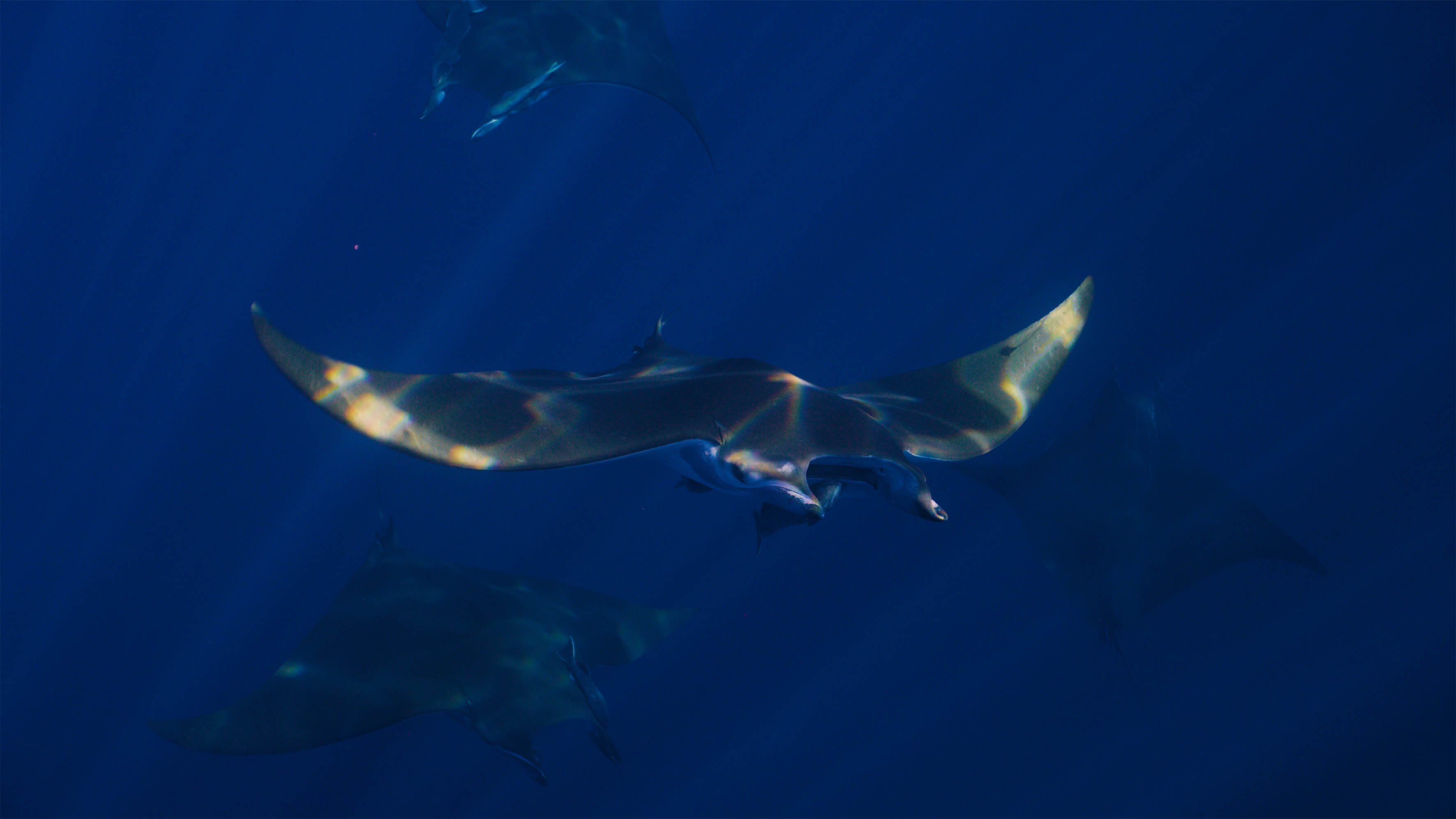
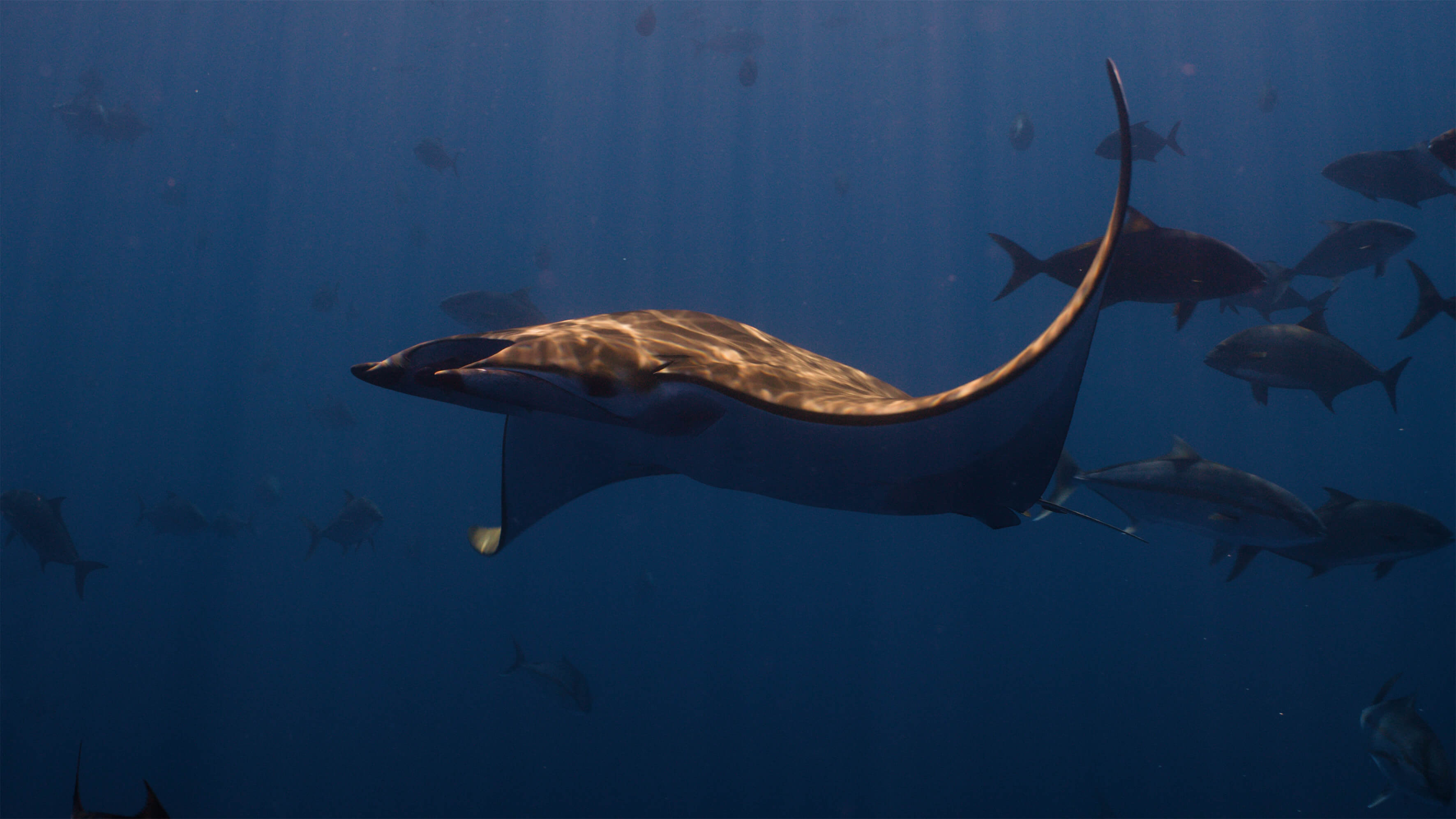
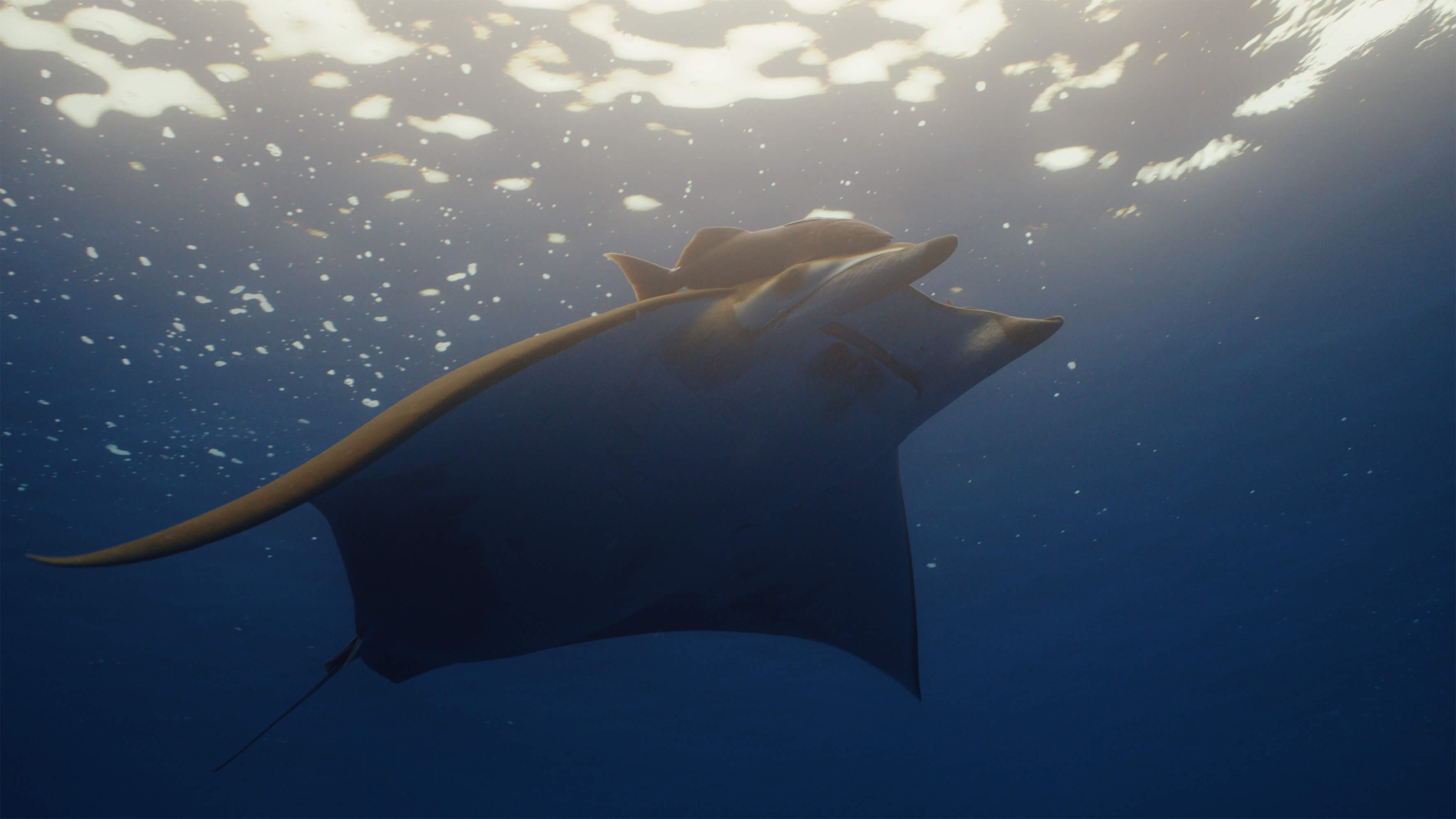
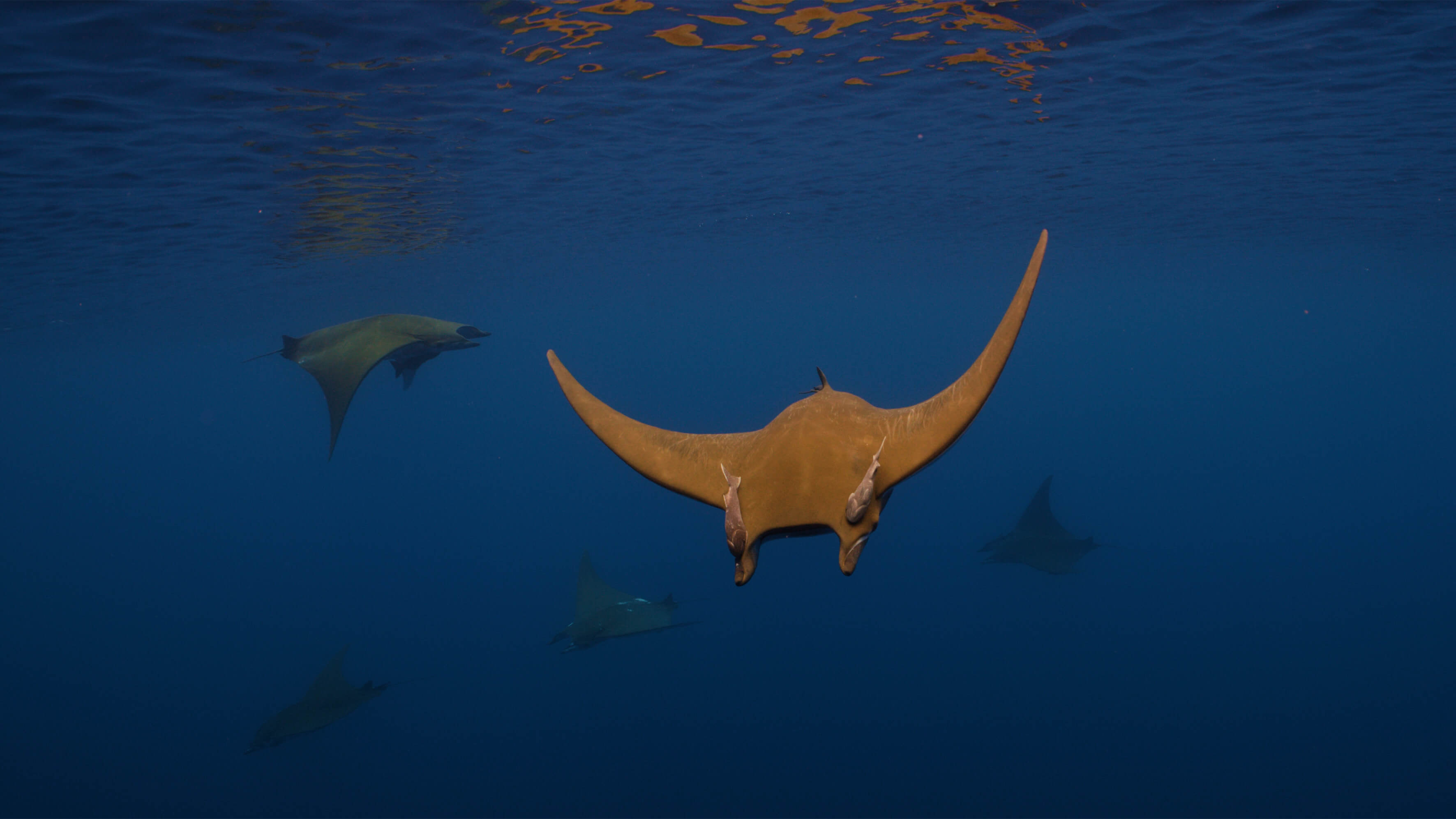
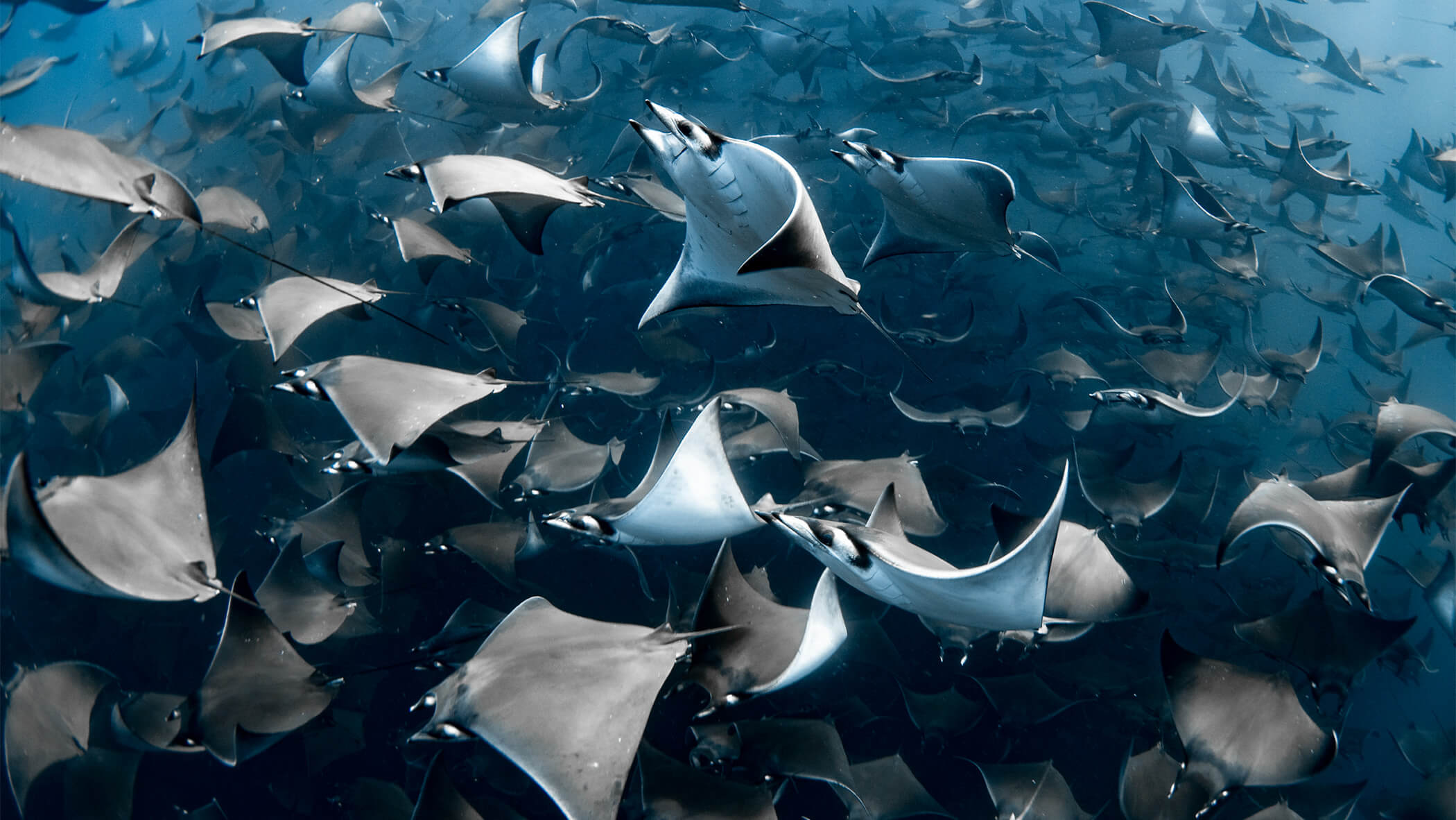
While scouting for dive locations in La Ventana, off the northwest coast of Mexico, Nadia came across a feeding frenzy of mobula rays. “There were 20,000 plus of these mobula rays, I’m not joking. It’s not an exaggeration,” she said.
She snapped a still of the swirling “vortex” of rays, which, three years later, went on to win the prestigious Ocean Photographer of the Year 2020.
Be prepared for everything to go wrong
According to Nadia, at some point, things will go awry with your gear. “As an underwater photographer, the biggest thing for preparation is redundancy,” she said. “You have to have double of almost everything.”
The dive tour leader always works with duplicate lenses, dome ports, batteries, O-rings and even a second setup. She either dives with her Canon EOS R5 Mark II or R6 Mark III, leaving one rig aboard just in case – like when her underwater housing flooded in La Ventana.
Image 1 of 2
(Image credit: Nadia Aly)
(Image credit: Nadia Aly)
View Original
View Original
“You hold your camera upside-down so the water fills the dome port and you abort your dive and you go to the surface,” explained Nadia. “You hope that you didn’t ruin your setup because that’s an expensive leak.”
“Everything that you can think of that could go wrong, you need to just be ready for.”
The best camera is the one you don’t have to think about
While Emily and Nadia might have taken different paths to becoming underwater filmmakers, for both of these oceanic creators, this is a craft of two disciplines.
You need enough camera skill that the equipment doesn’t distract you from what’s happening in front of the lens. And at the same time, you need the ability to navigate the underwater world while using a camera almost instinctively.
Author: Alan Palazon
Source: DigitalCameraWorld
Reviewed By: Editorial Team