

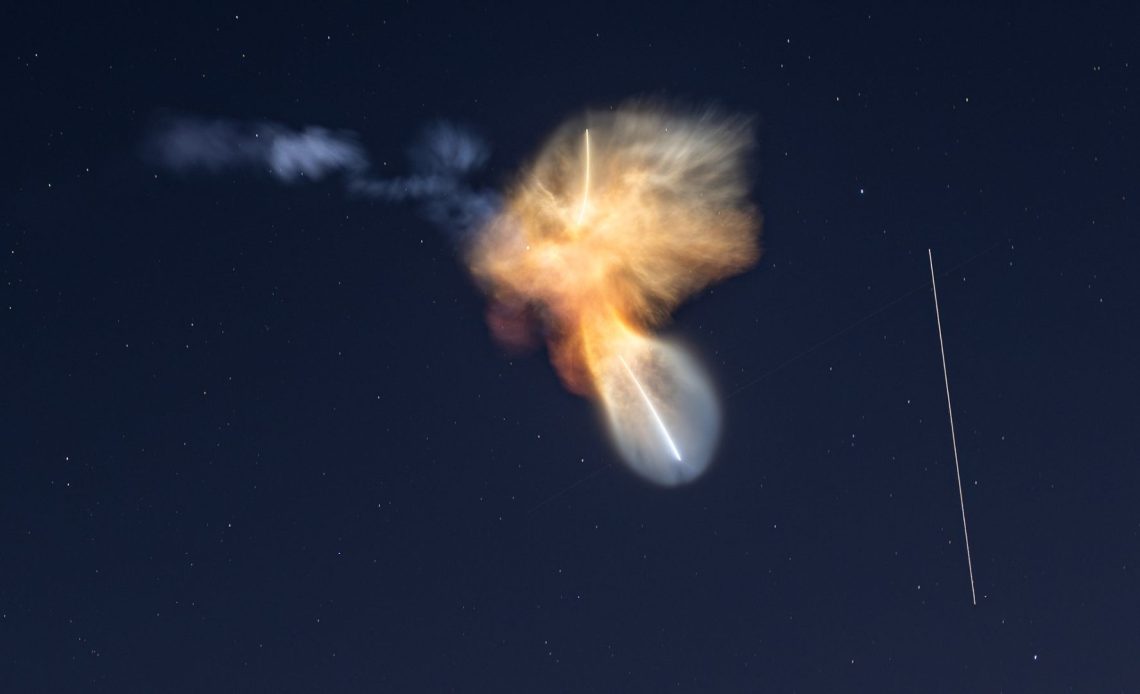
A series of videos is quickly picking up viral fame on social media after an October 13 SpaceX launch left an unusual “space jellyfish” behind in the sky. Now, NASA is explaining the science behind the viral artwork in the sky that delighted skywatchers even hundreds of miles from the launch site.
The SpaceX CRS-35 cargo mission launched in the early hours of October 13 from Cape Canaveral Space Force Station in Florida, carrying the spaceship Dragon and supplies and equipment on a resupply mission for NASA.
But while space launches often create epic photos and videos, that October 13 launch created what NASA is calling a “Space Jellyfish,” a brightly colored shape that expanded from the rocket’s launch path and hung suspended in the sky for several minutes.
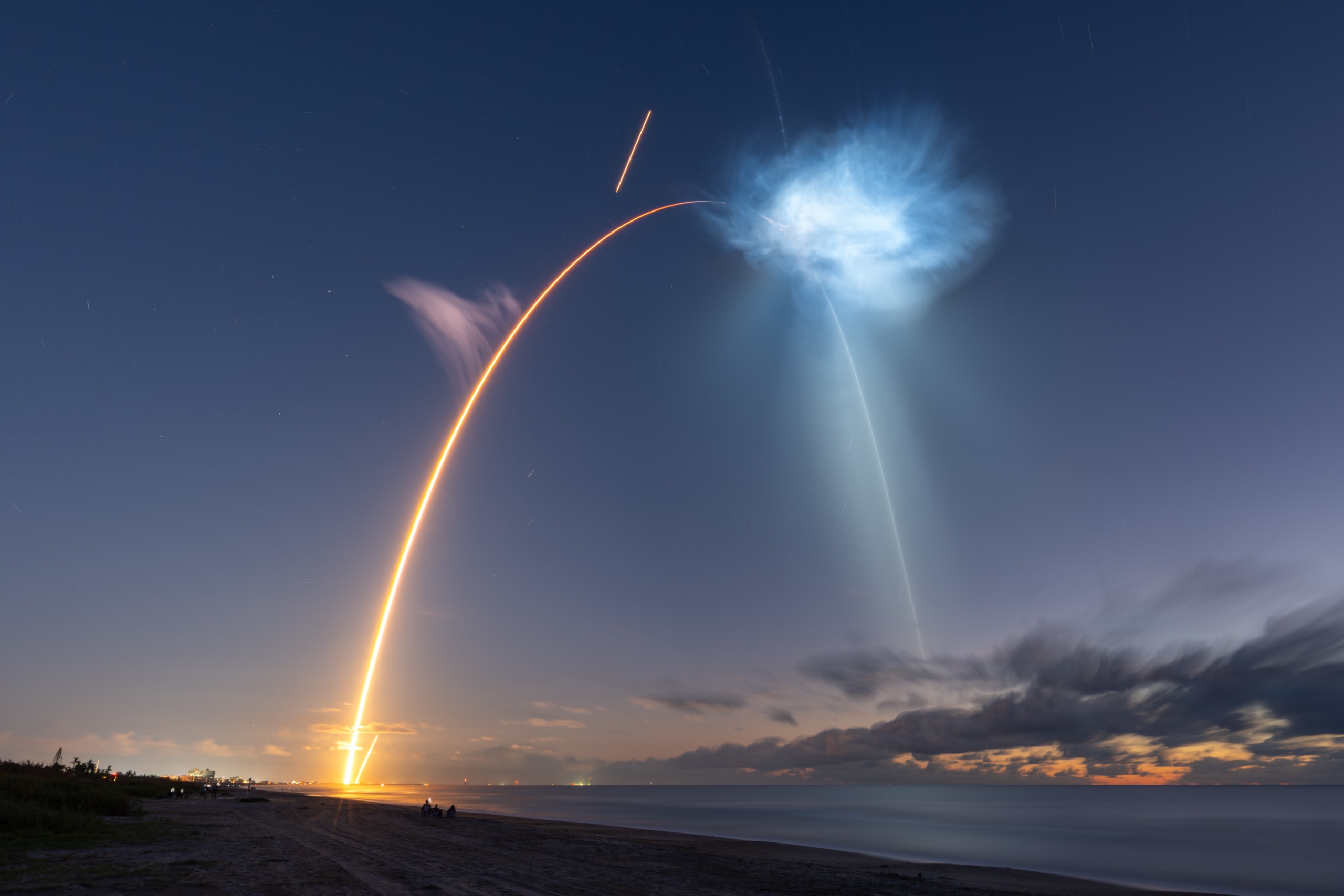
The sight was visible as far away as Washington DC – which is around 800 miles from the launch site – and videos from multiple sources of the strange shape in the sky quickly started going viral.
NASA has now shared its own photographs of the space jellyfish, taken by NASA photographer John Kraus, along with an explanation of the magic (AKA the science) behind the sight.
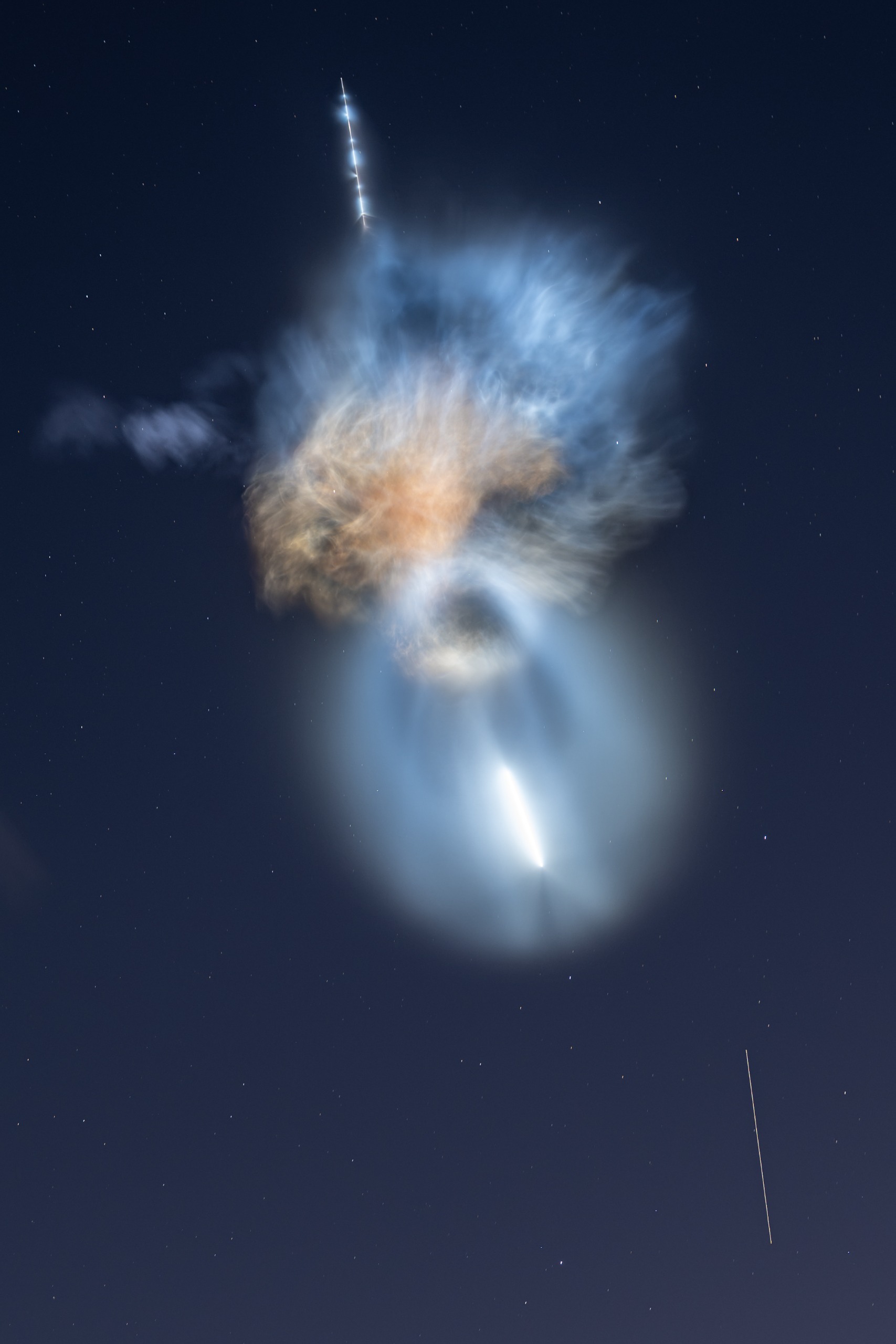
The rocket launched just before sunrise at 6:33 AM ET. Sunlight reaches the Earth’s upper atmosphere first, so while the ground was still in darkness, the upper atmosphere was getting the day’s first rays of sunlight. That early sunlight backlit the rocket’s exhaust plumes, making them far more visible in the night sky than during a daylight launch.
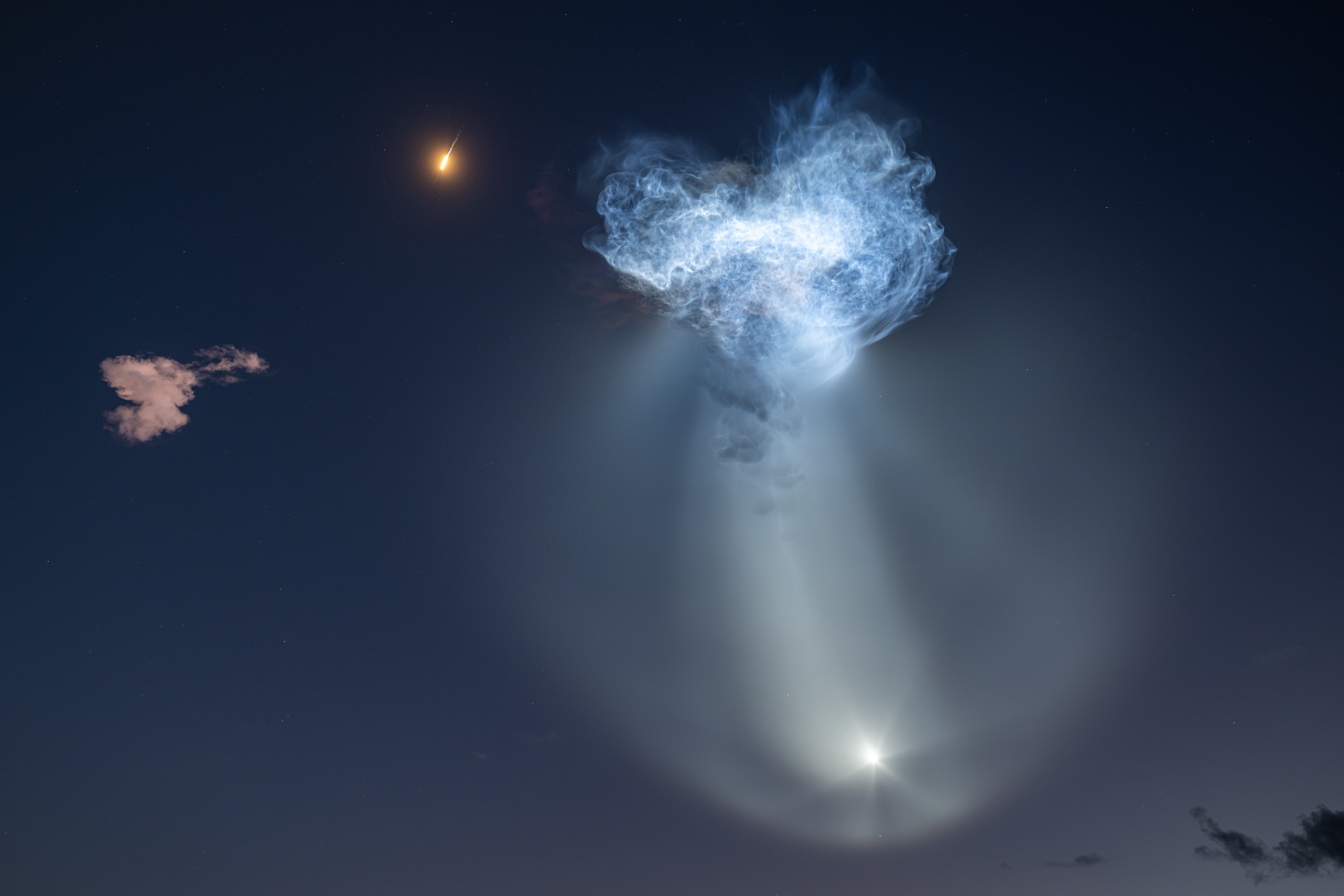
Essentially, early morning sunlight is making the often difficult-to-see exhaust plumes stand out like fireworks in the night sky. NASA says this phenomenon can also happen when a rocket launches near sunset.
A post shared by Samil Cabrera (@astronycc)
Using light to make something hard to see suddenly highly visible is actually a tactic used in photography. Placing a light behind rain makes it pop in the photos. Using a fog machine near a window creates a visible beam of light. That’s the same thing that happened with the rocket launch – the “space jellyfish” just on a much larger scale.
Author: Hillary K. Grigonis
Source: DigitalCameraWorld
Reviewed By: Editorial Team