

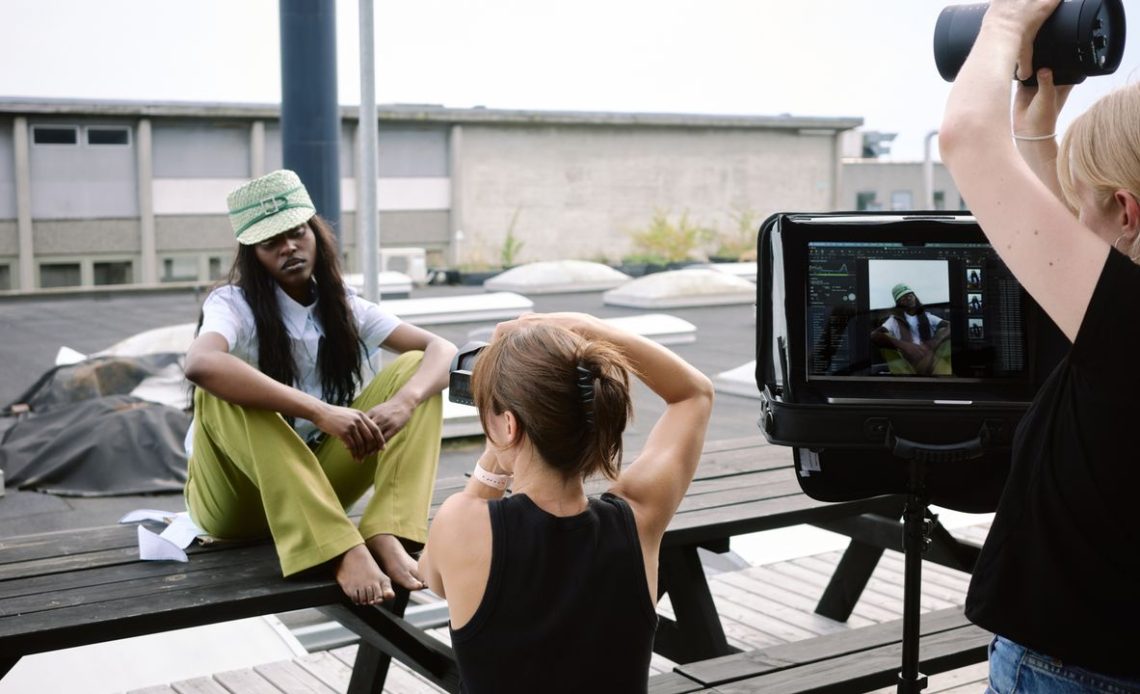
Artificial intelligence is changing photography at a remarkable pace. From editing assistance to image enhancement, AI-powered tools are becoming part of everyday workflows – but they are also raising important questions about creativity, ownership and the future role of photographers.
For Capture One CEO Rafael Orta, the answer is not about rejecting new technology. Instead, it is about ensuring that technology remains connected to photography itself.
“We think of ourselves as a photography company and we think of ourselves as part of the photography industry specifically,” Orta says. “We’re a photography company. We’re at the service of photographers. We’re at the service of the craft.”
A photography company in the AI era
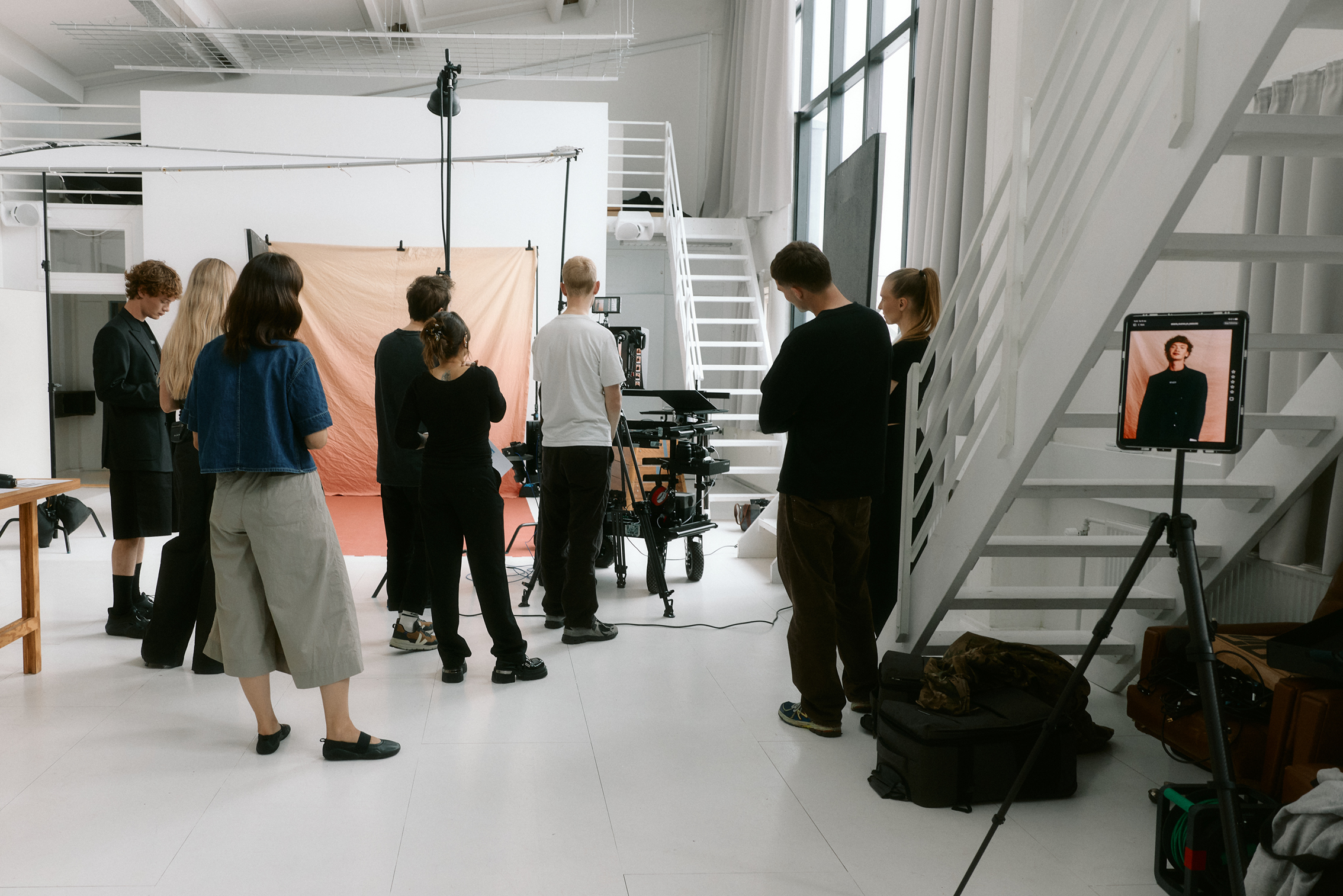
Capture One has been developing editing software for more than 30 years, originally helping professional photographers transition from film-based workflows into digital photography.
As AI has become increasingly important in imaging technology, Orta says the company’s identity has remained consistent.
“We never had a crisis of identity,” he explains. “We never had any disposition to reinvent ourselves as an AI company.”
Instead, Capture One sees AI as another technology that can support photographers – provided it is developed with the industry’s needs in mind.
“What that has allowed us to do is to look at AI as a technology that has some utility for the photography workflows,” says Orta.
The key question, he explains, is not simply what AI can achieve, but how it can be integrated responsibly.
“Looking at it from the perspective of what are the things that we have to protect as we think about these technologies as it relates to the industry.”
Putting photographers’ rights first
One of the biggest concerns surrounding AI in creative industries is how images are sourced and used.
For Orta, this is an issue that feels particularly important because photography is deeply embedded within Capture One itself. Many members of the team are photographers, meaning questions around image ownership and attribution are not abstract discussions.
“We have a very significant population of photographers. They’re part of the team,” he says.
“We’re very particular about credits and usage.”
That principle applies even internally, where images used for presentations and marketing must include correct attribution and usage information.
“If I put up a photo in a presentation and I haven’t credited the photographer, someone in the team is going to call me out,” Orta says.
This same approach influences how Capture One develops its AI-powered features.
“When we build our software and AI models, we’re completely conscious of what we can use to train them and whether we have the rights to use that material.”
Building tools around photographers
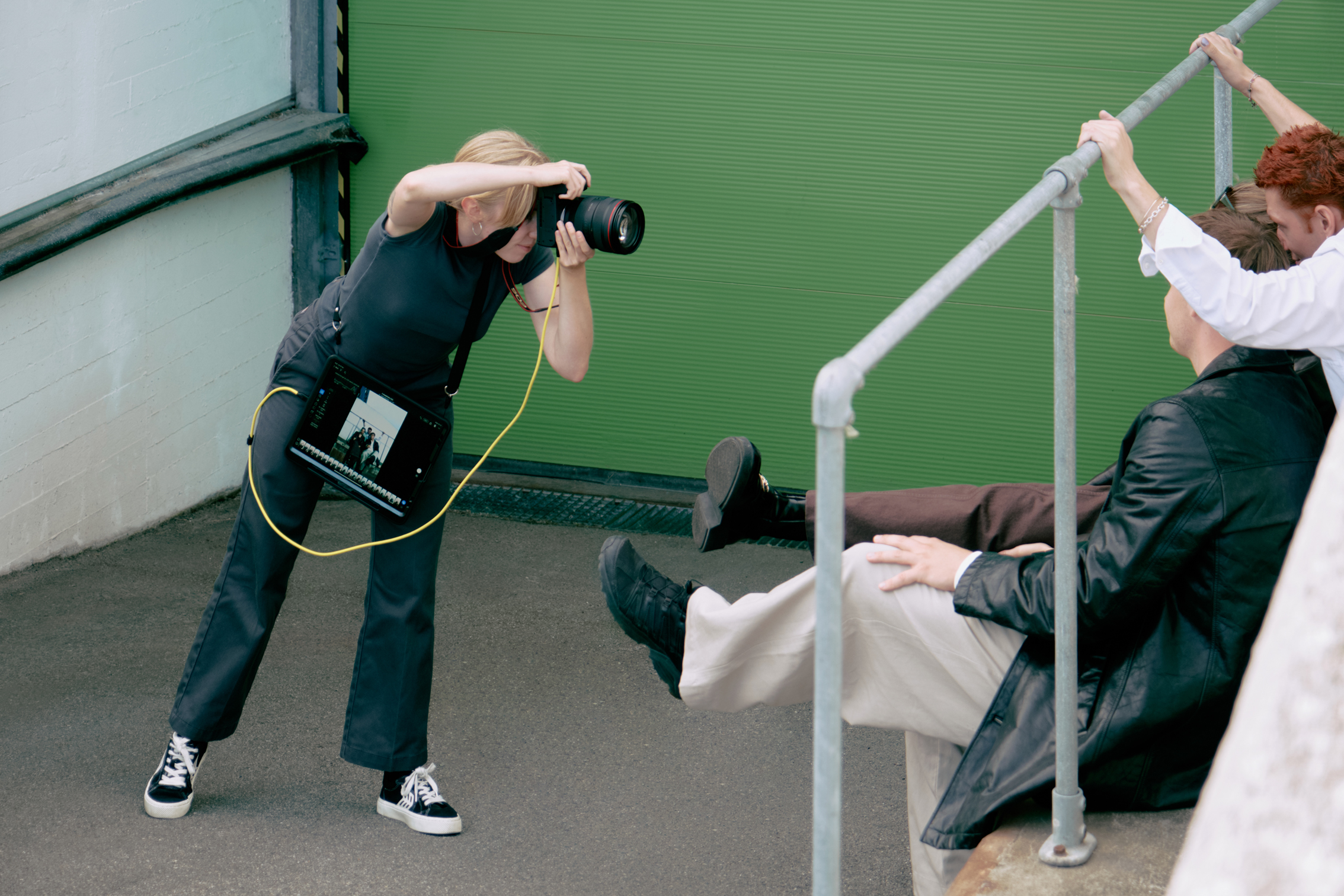
Capture One has introduced AI-assisted features, including tools for face retouching, denoising and image enhancement, but Orta says the company has deliberately avoided making AI the centerpiece of the user experience.
“You may notice that we no longer label our tools AI,” he explains.
“They just have a label for Retouch Faces, for example, Enhance Denoise. All of these tools have really, really powerful technology underneath them.”
Rather than promoting the technology itself, Capture One wants photographers to focus on the creative task they are trying to accomplish. For Orta, AI should feel like another tool in the workflow, not the headline feature.
“We define ourselves as a photography company,” he says. “Within the greater ecosystem of the industry, our contribution is that we build software – but we do it in the interest of the industry and photographers.”
As AI continues to evolve, Capture One’s philosophy remains the same: use new technology where it genuinely benefits photographers, while ensuring the craft – not the algorithm – remains at the centre of the creative process.
Explore Capture One’s current plans and pricing, including a one-time purchase.
Author: Kim Bunermann
Source: DigitalCameraWorld
Reviewed By: Editorial Team