

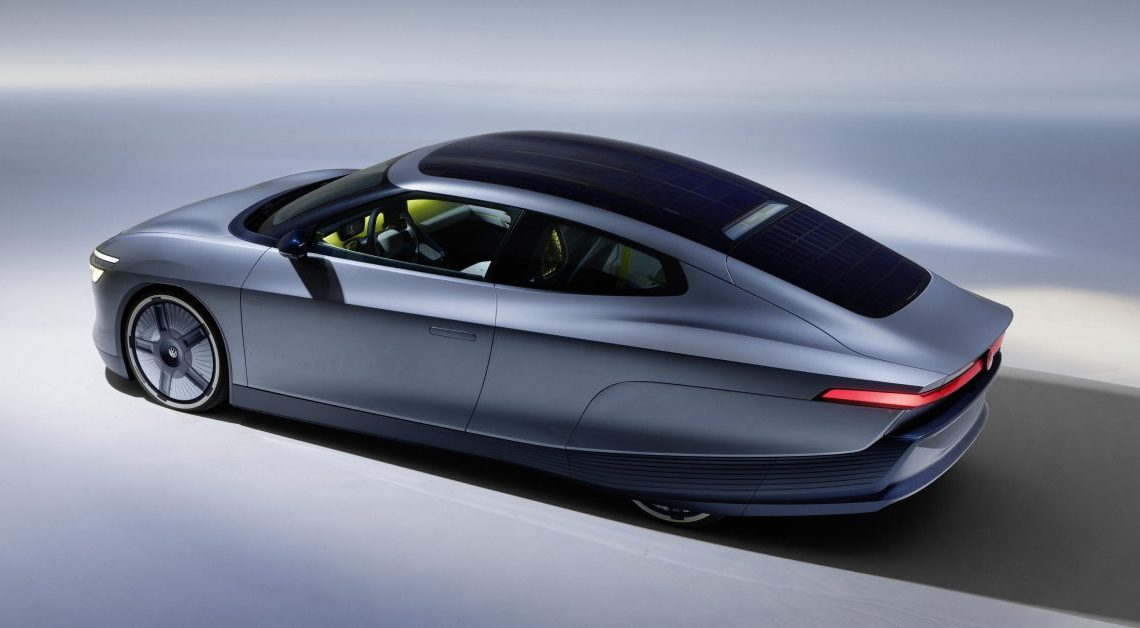
Volkswagen just unveiled the Mission Efficiency, a concept it’s calling the world’s most efficient near-production electric car — and to me, it’s the return of the XL1, one of my all-time favorite cars, finally done as a proper EV.
The most efficient near-production EV in the world
VW built the Mission Efficiency on the same MEB+ platform and the same affordable parts as its new ID. Polo, then obsessed over every watt to see how far efficiency alone could stretch a modest battery.
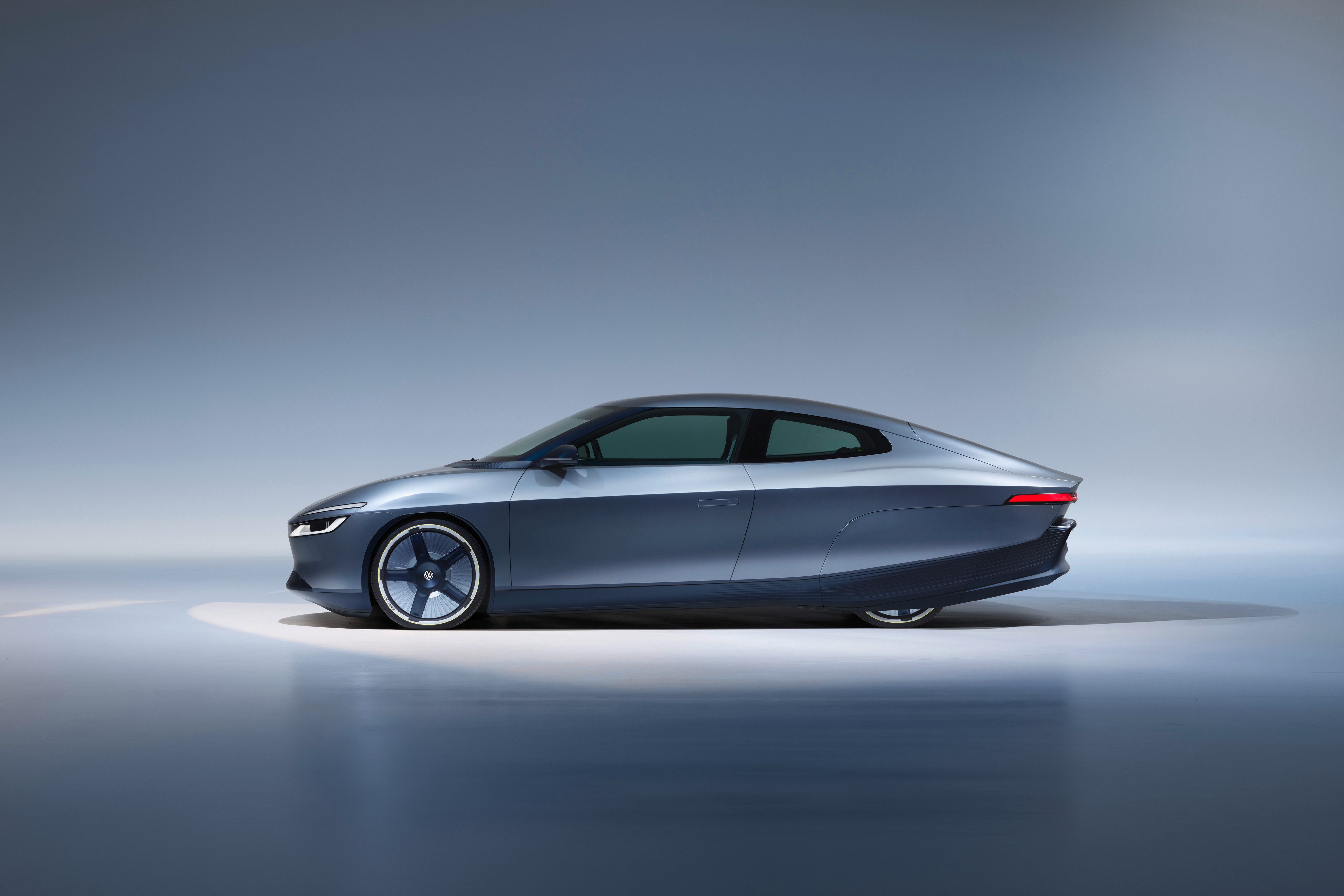
The headline numbers are wild. It has a drag coefficient of just 0.158 — a world record for a road-approved car — and to prove the point, VW drove it 1,278 km (794 miles) from Wolfsburg to Vienna on a single charge, arriving with 164 km still in the tank.
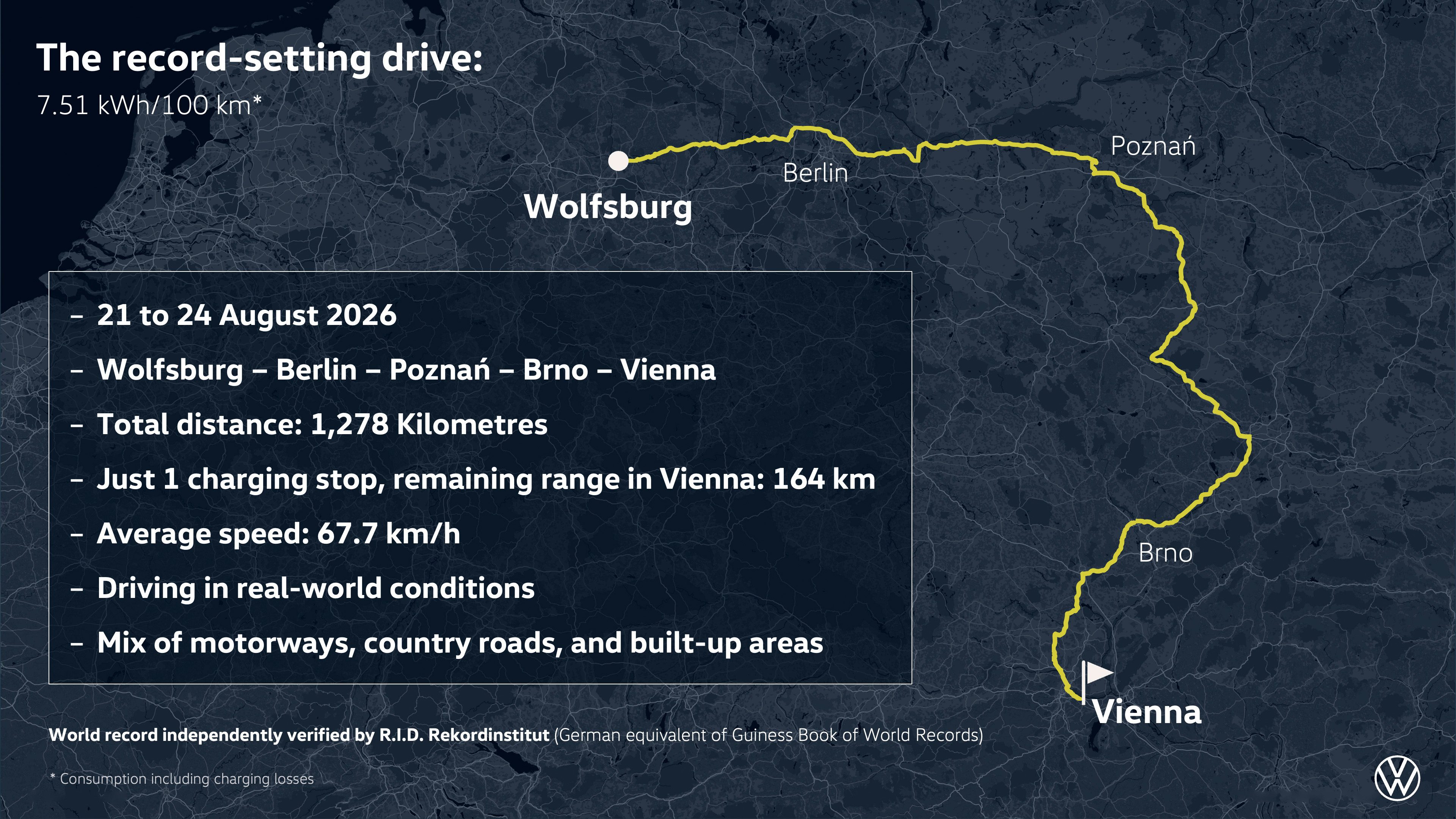
Officially verified by Record Institute Germany (RID), it set three world records in the “near-production, everyday four-seater EV” category:
- Aerodynamics: 0.158 Cd
- Ideal consumption: 6.48 kWh/100 km
- Real-world efficiency: 6.89 kWh/100 km (excluding charging losses)
To put that 6.89 kWh/100 km in North American terms, that’s roughly 110 Wh per mile, or about 9 miles per kWh — the kind of number most efficient EVs only dream about, and equivalent to over 300 MPGe. It managed that on a 54.9 kWh (net) battery and a single 99 kW (135 hp) front motor, which tells you just how much of the range comes from the shape of the thing rather than brute-force capacity.
How VW got there
The teardrop body rides on clad rear wheels and a fully enclosed underbody, with active cooling flaps, frameless windows, and flush door handles. VW says that above 80 km/h, the Mission Efficiency uses more than 30% less energy than a standard ID. Polo, and that at 140 km/h it draws about the same power the regular Polo needs at 100 km/h.
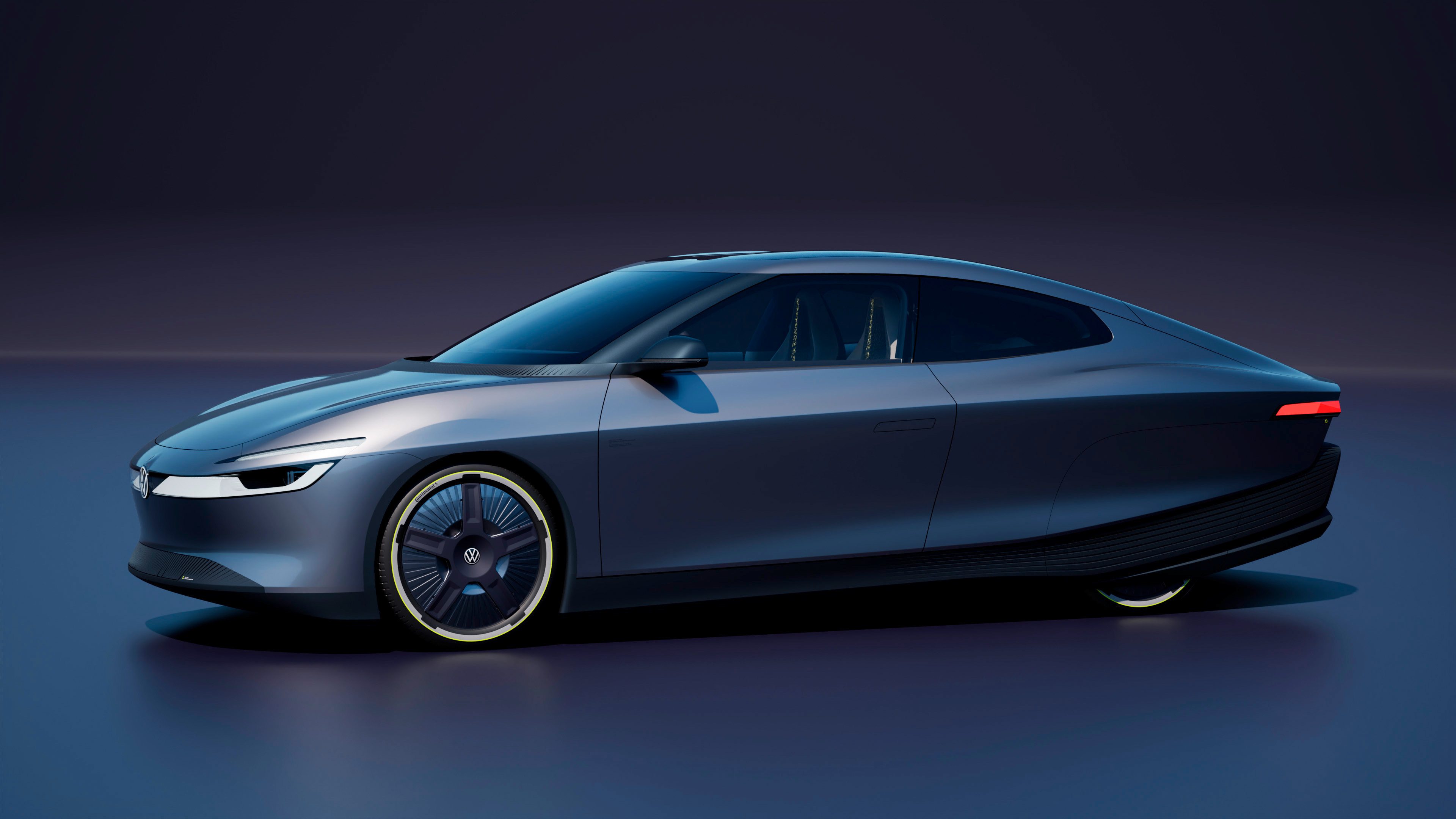
The details go deep. There are patented rim deflectors to kill turbulence inside the wheels, flow-optimized hubcaps, and a Continental concept tire with a rolling resistance of just 4.9 kg/tonne — around 25% below the threshold for the EU’s best “A” efficiency label. VW also fitted an electromechanical rear brake that ditches the hydraulic lines and fluid entirely, cutting friction losses and weight.
Then there’s a 370 W solar system built into the glass roof and boot lid, which VW says can add up to 30 km of range per day depending on conditions. Inside, they stripped weight wherever they could — lightweight panels, a “bring your own device” approach that replaces the infotainment screen with your phone, and a portable Bluetooth speaker instead of a fixed audio system.
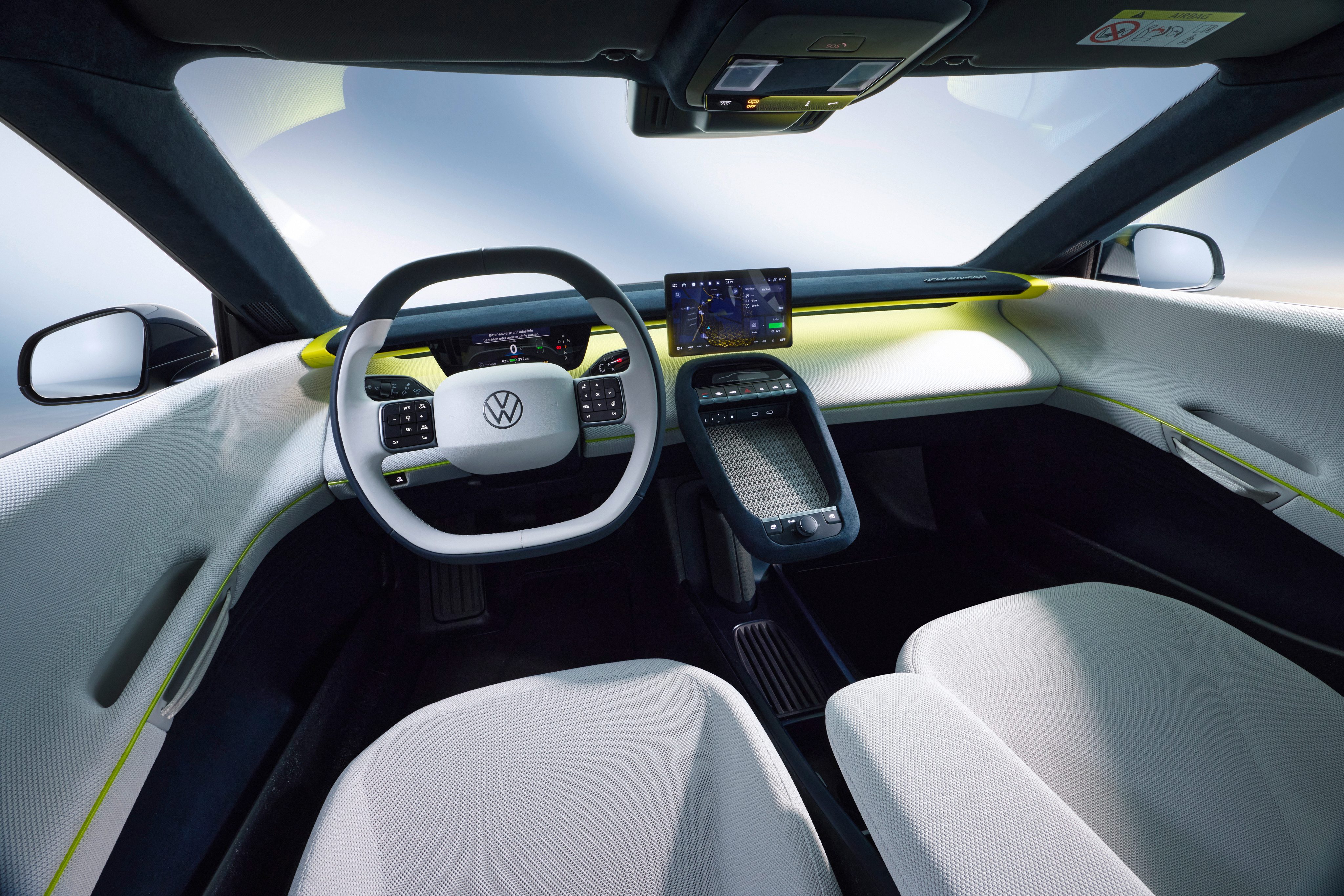
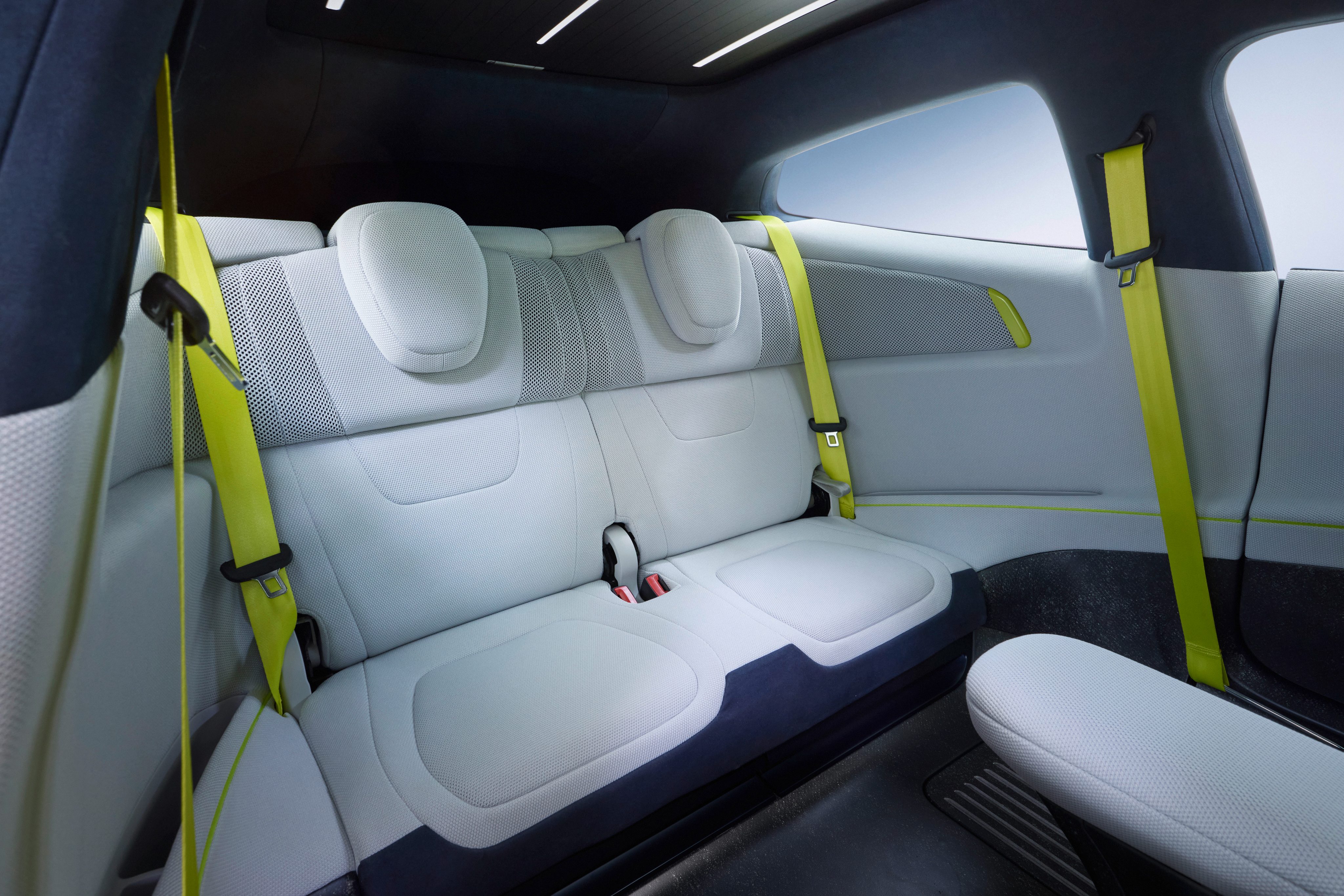
Despite all that, it’s not a stripped-out science experiment. It’s a 2+2 with 481 liters of cargo space, built from ID. Polo components mated to a self-supporting aluminum structure with carbon-fiber and aramid reinforcement.
The XL1 connection VW is happy to make
If this all sounds familiar, it should — and Volkswagen knows it. The company itself points back to the XL1, its 2013 teardrop that became the most efficient production car in the world in its day.
I loved that car. The XL1 sipped 0.9 L/100 km (about 313 mpg imperial) from a tiny two-cylinder diesel plug-in hybrid, weighed just 795 kg, and had a 0.189 Cd that felt impossible at the time. But VW only ever built 250 of them, priced them at around €111,000 ($146,000), and treated the whole thing as a rolling engineering showcase rather than a real product. It was a two-seat carbon-fiber curiosity.
The Mission Efficiency is the idea I always wanted the XL1 to become: the same fanatical devotion to aerodynamics and efficiency, but built on cheap, high-volume EV parts instead of exotic diesel-hybrid hardware — and now it beats the XL1’s aero record outright, 0.158 vs. 0.189.
Not for sale — for now
The catch is the same one that stung with the XL1: this is a concept, “not for sale.” VW is framing it as a demonstration of what its production EV tech can do, not a car you’ll be able to order.
“Mission Efficiency is the ideal way to demonstrate what distinguishes Volkswagen in the electric age: technology for the masses – not just for the few,” said VW brand CEO Thomas Schäfer. Design boss Andreas Mindt added that its front end “slots into our new family of electric vehicles, which also includes the ID. Polo and ID. Cross.”
Author: Fred Lambert
Source: Electrek
Reviewed By: Editorial Team