

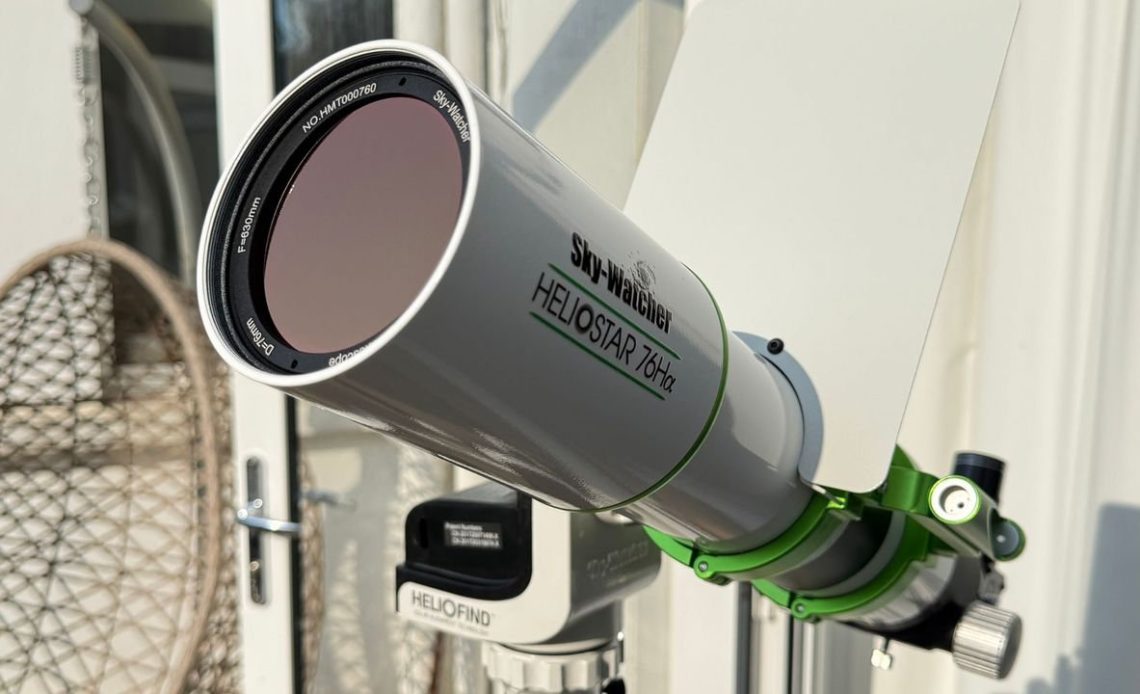
With a total solar eclipse on Aug. 12, an annular solar eclipse on Feb 6, 2027 and another total solar eclipse on Aug. 2, 2027, solar telescopes are about to be in hot demand. After all, why peer at the eclipsed sun when you can see it in close-up? However, the Sky-Watcher Heliostar 76mm offers something a little different to a telescope wearing a solar filter — and it’s just as good when there’s no eclipse at all. Built around a standard, small-aperture refracting telescope, it has an H-alpha etalon (an ultra-narrowband filter used to observe the sun) and a diagonal blocking filter, which together let you safely see features in the sun’s chromosphere, a layer of its atmosphere above the surface (photosphere) and below its corona (outer atmosphere). It’s a layer that’s invisible in standard white light, but it glows in the very specific 656.28 nm wavelength of light, called hydrogen alpha (about 92% of all the atoms in the sun are hydrogen).
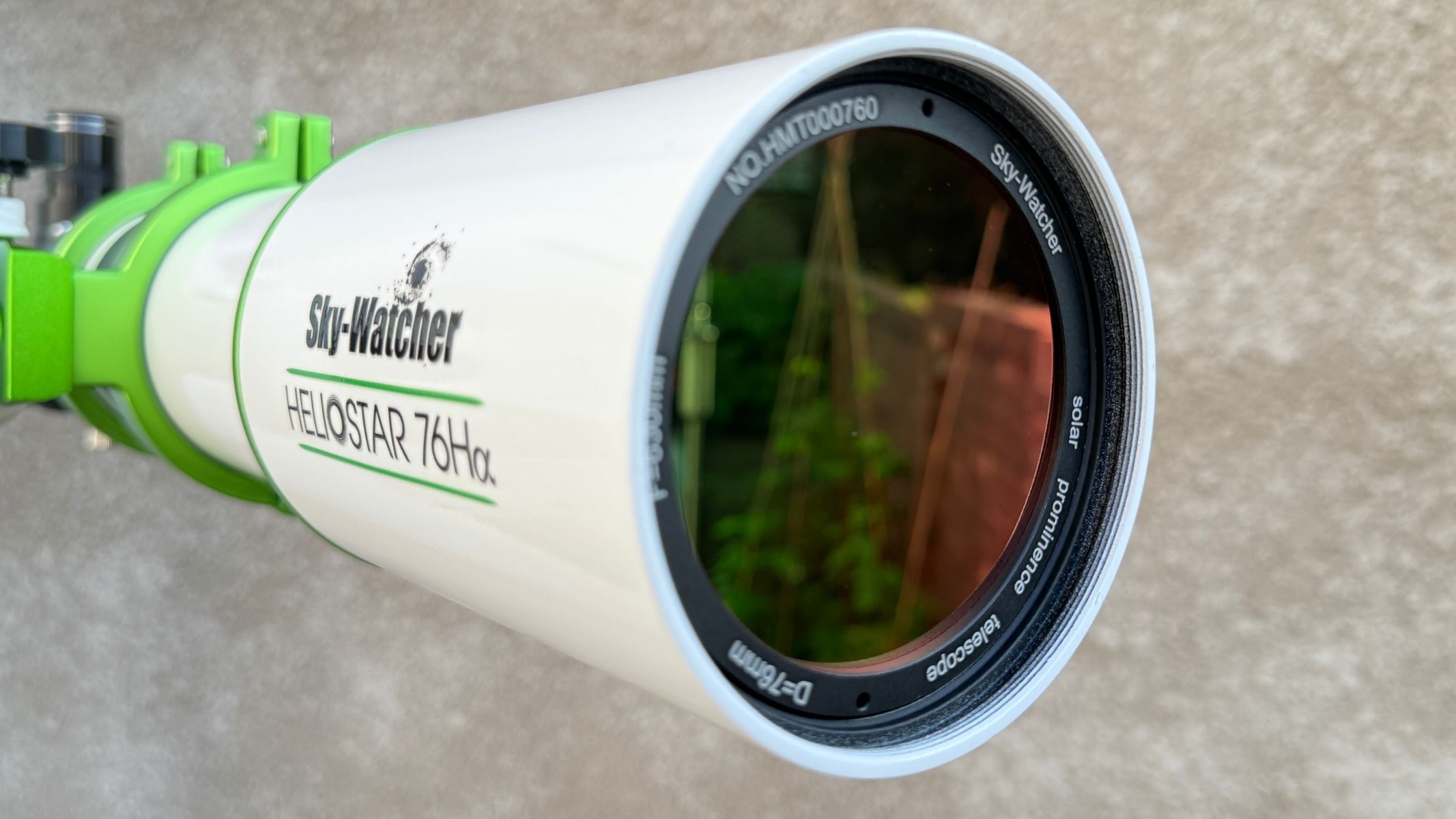
Costing around US$3,395/UK£2,399, the Sky-Watcher Heliostar 76mm isn’t specifically an eclipse telescope, being unable to show you anything of the precious but short totality phase, when the corona comes into view. Although it’s a great way to get a unique look at the partial phases of a solar eclipse, it’s actually best seen as a solar telescope fit for studying our star at any time. It can show incredible features such as prominences (which look red to the naked eye during totality), filaments, bright plage regions and even solar flares (if you’re lucky with timing!), but can be used at any time of the day.
Read: The best solar telescopes for an HD view of the solar surface
Sky-Watcher Heliostar 76mm H-alpha solar telescope: Design
- Purpose-built H-alpha solar refractor
- Relatively portable 76mm tube
- Safety-critical blocking-filter diagonal
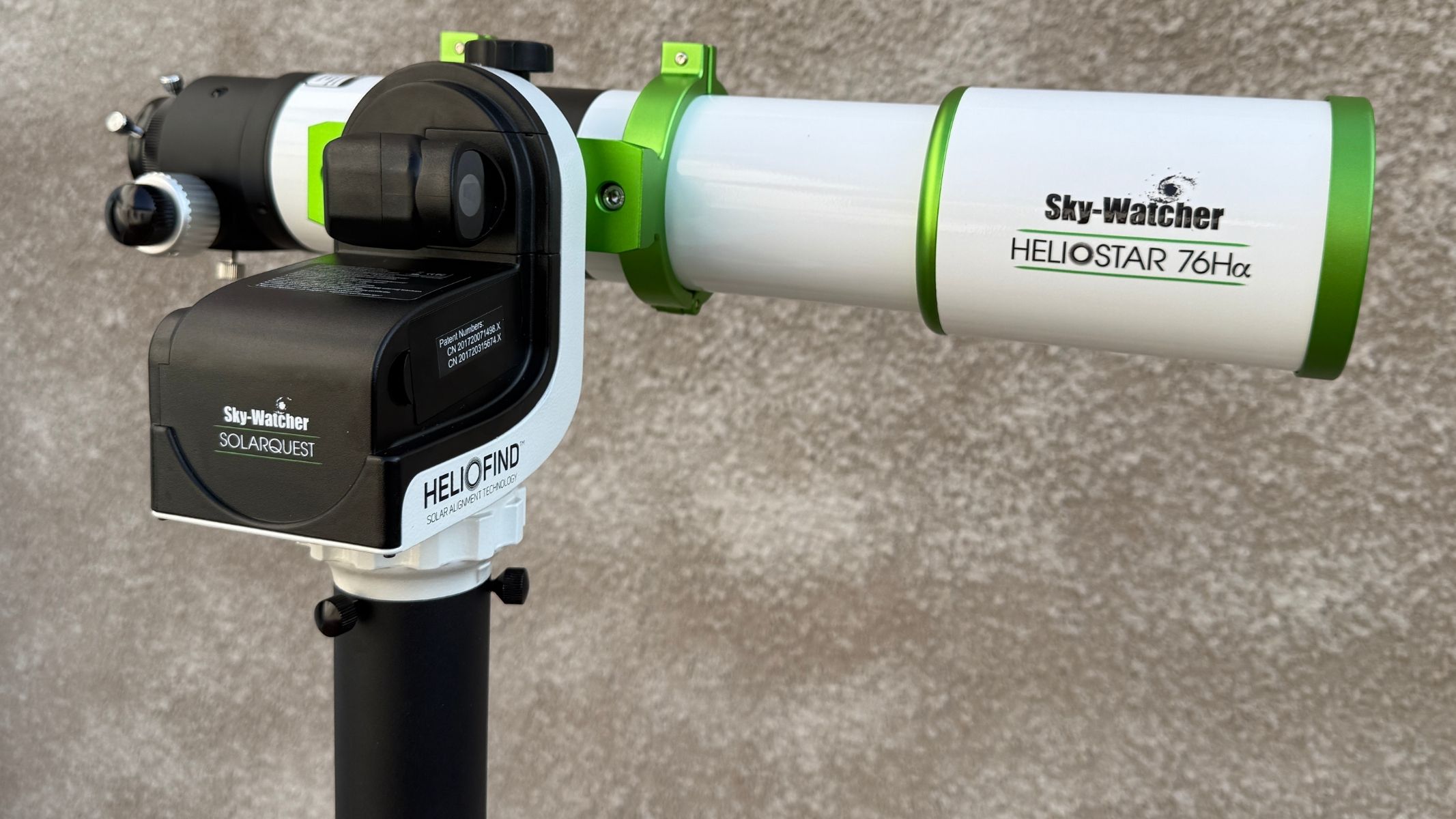
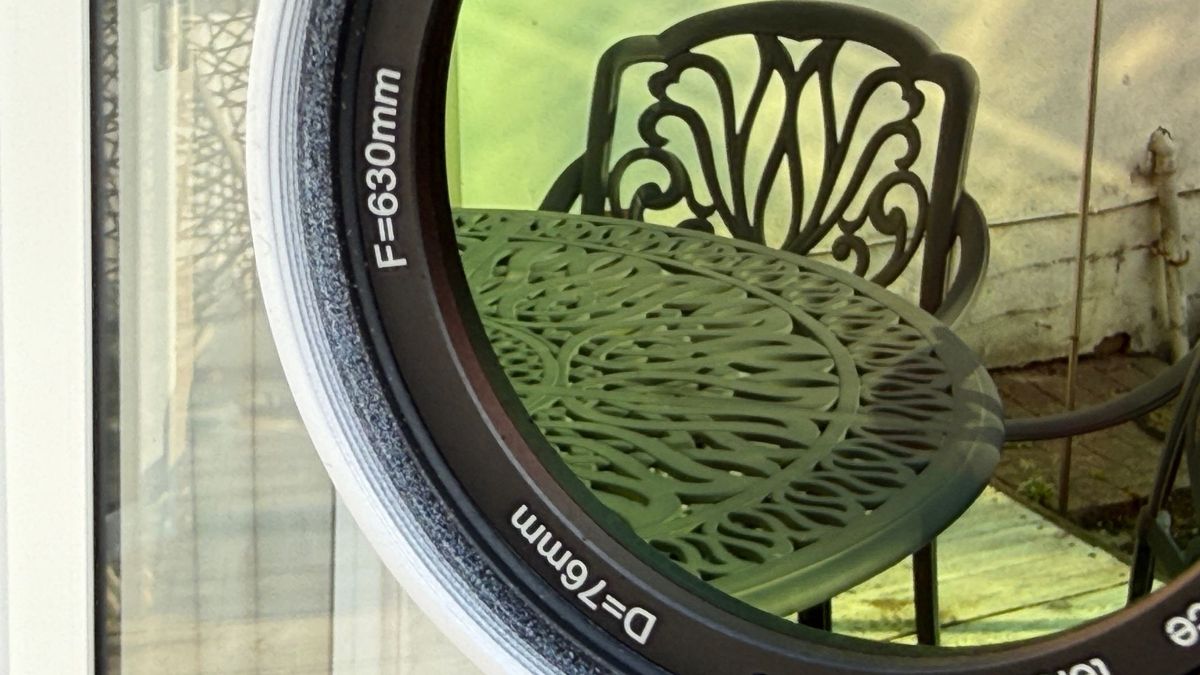
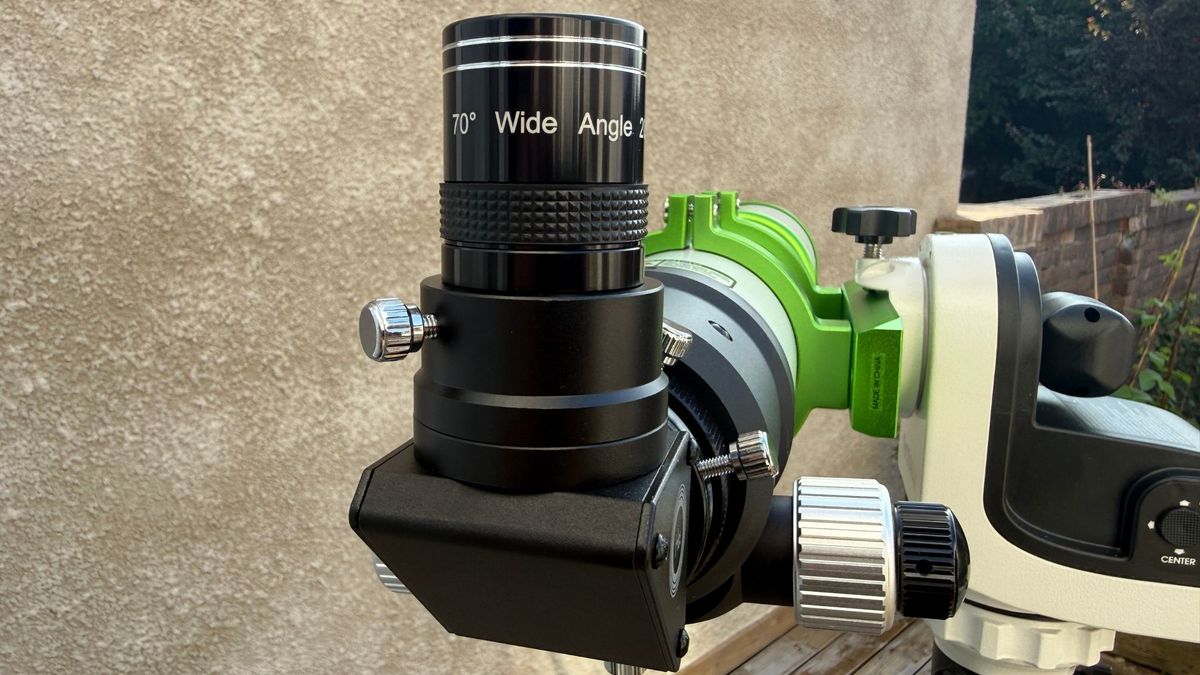
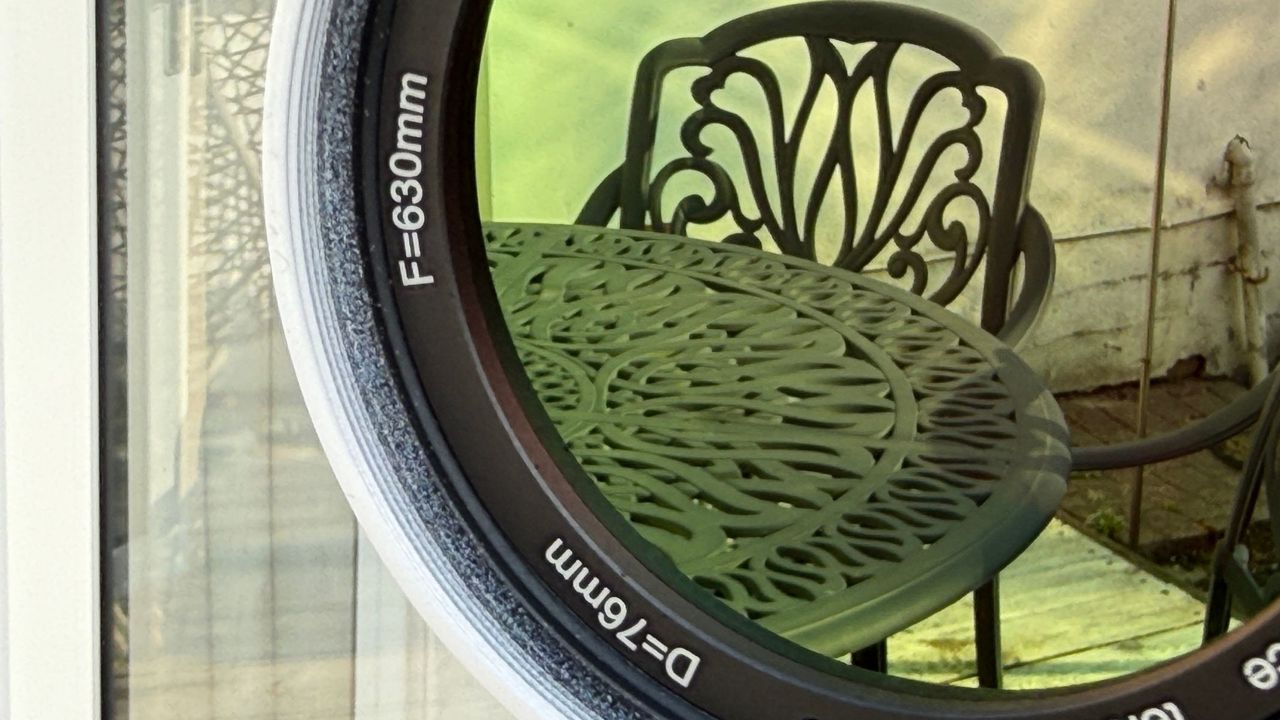
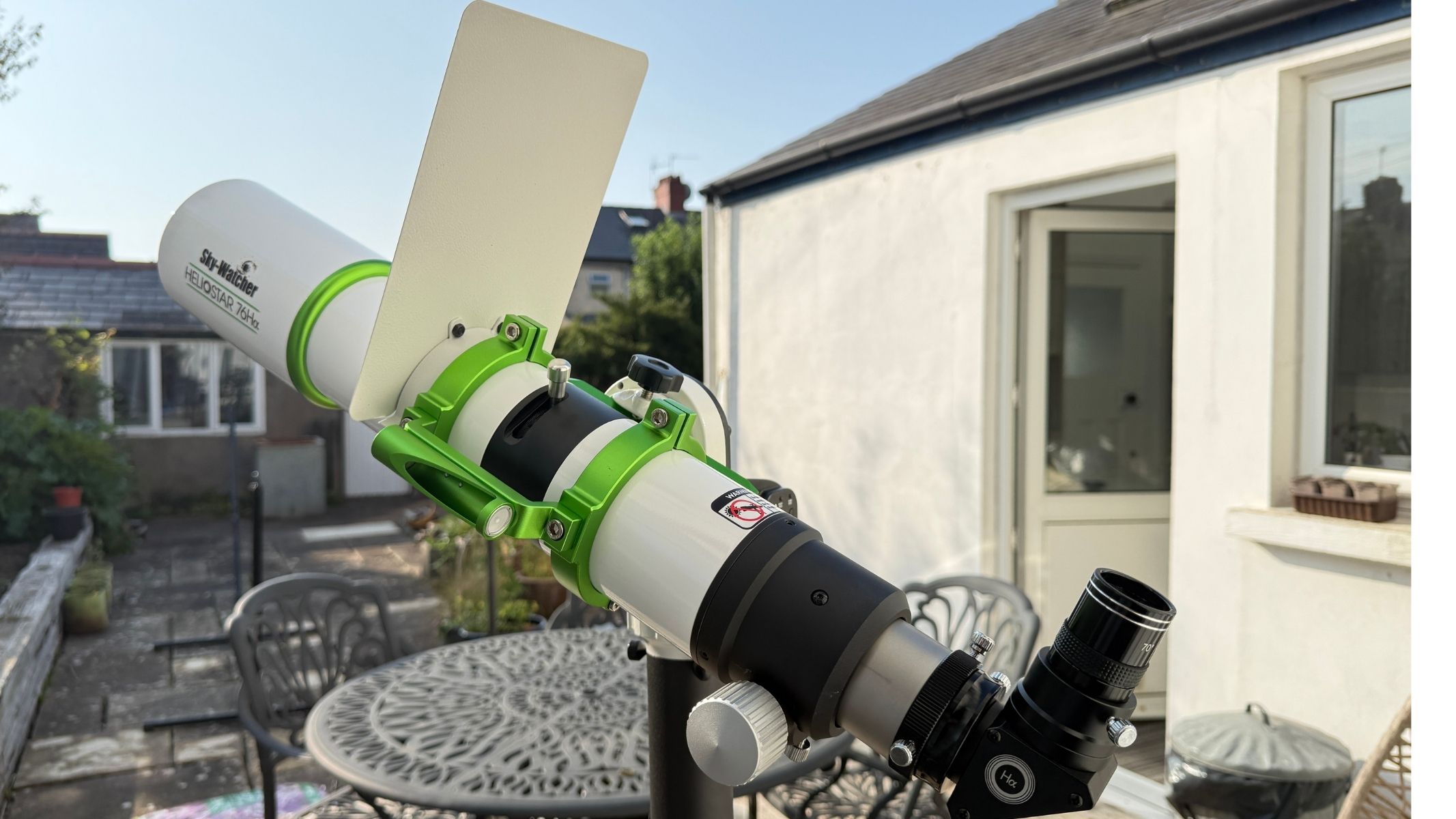
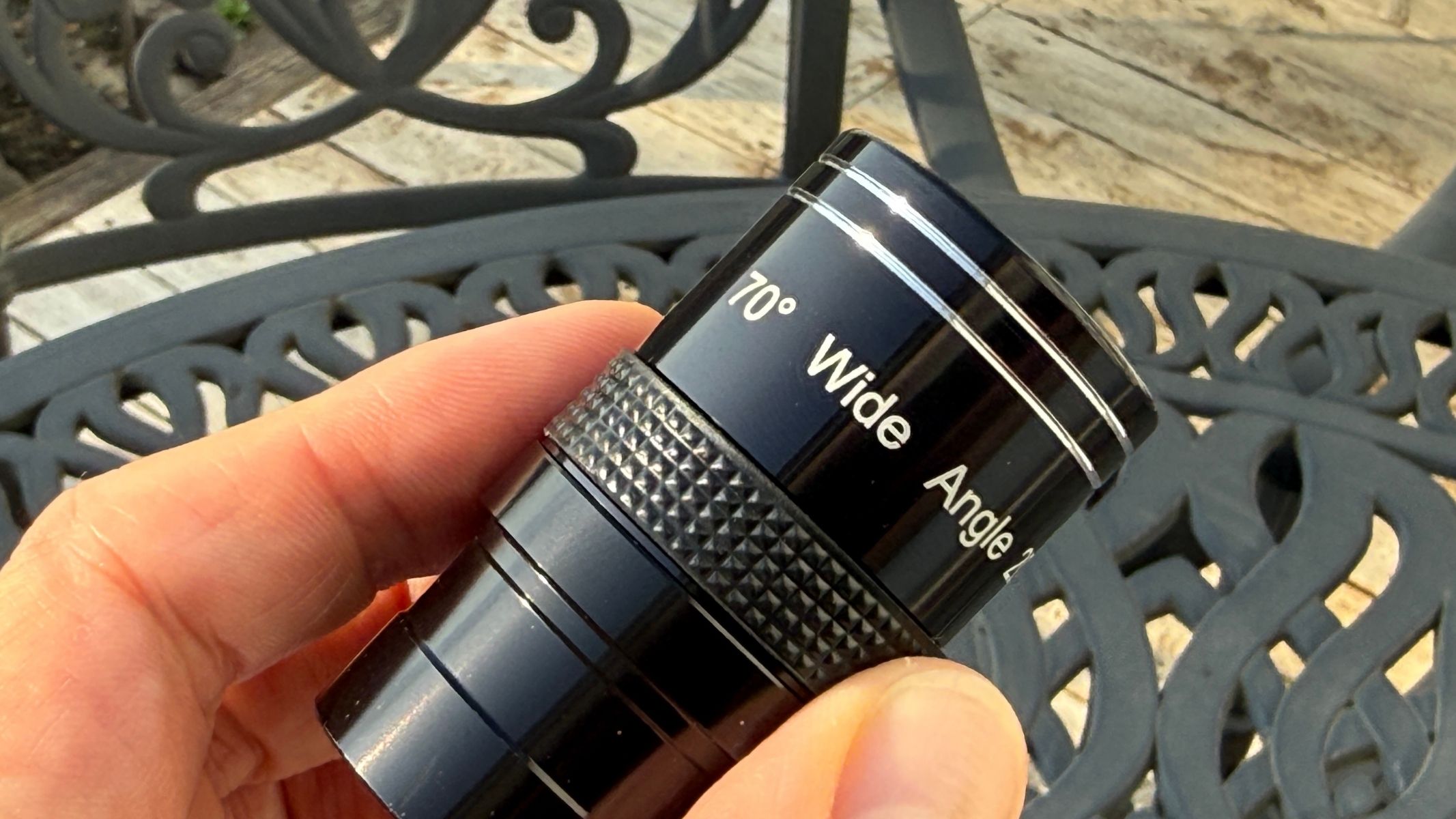
At first glance, the appeal of the Sky-Watcher Heliostar 76mm is obvious. A 76mm aperture is large enough to offer meaningful solar detail, but the 8.4 lbs/3.8kg tube remains easy to mount. The 630mm focal length gives a useful image size, while the included finder, eyepiece, diagonal, sunshade and case make it feel like an all-in-one solar observing package, albeit an expensive one.
Image 1 of 2
(Image credit: Jamier Carter)
(Image credit: Jamier Carter)
View Original
View Original
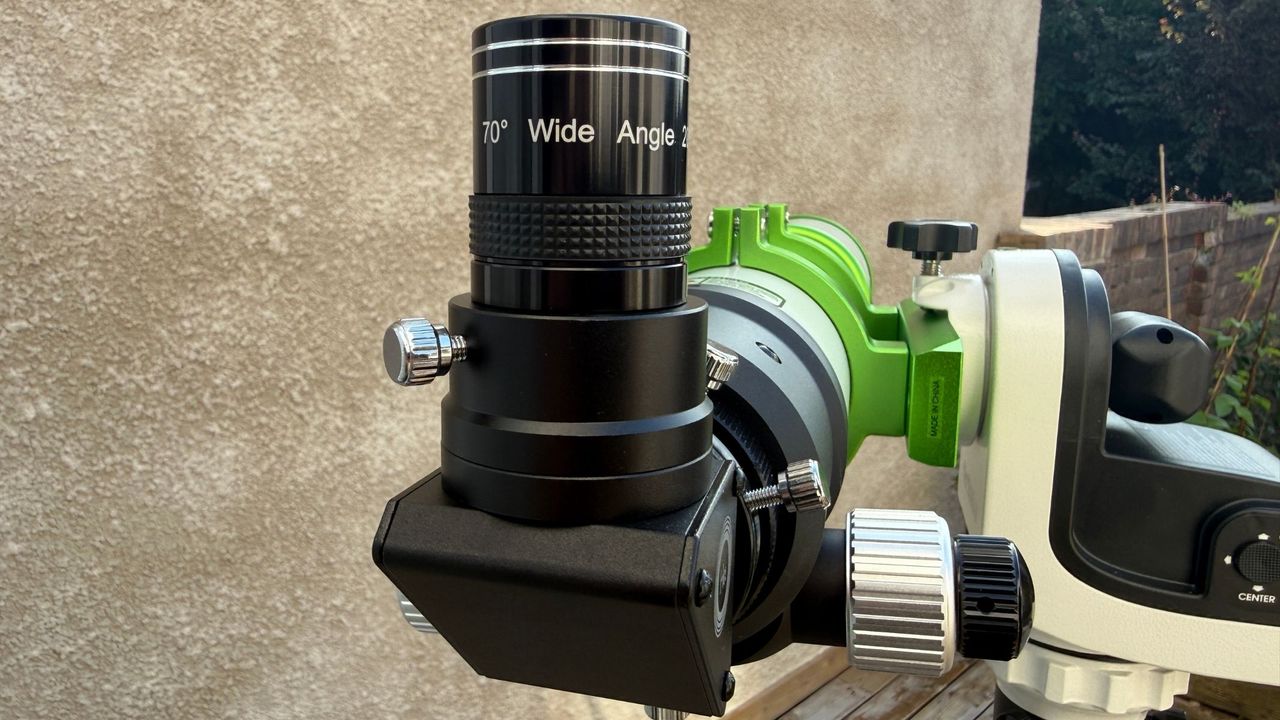
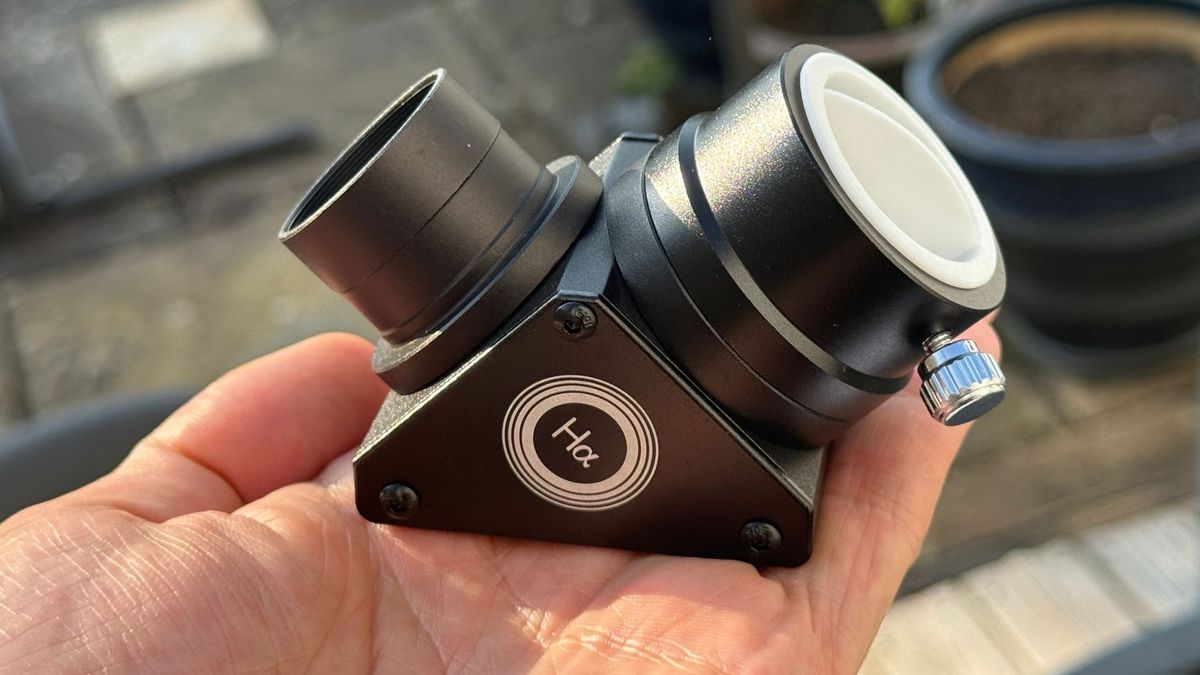
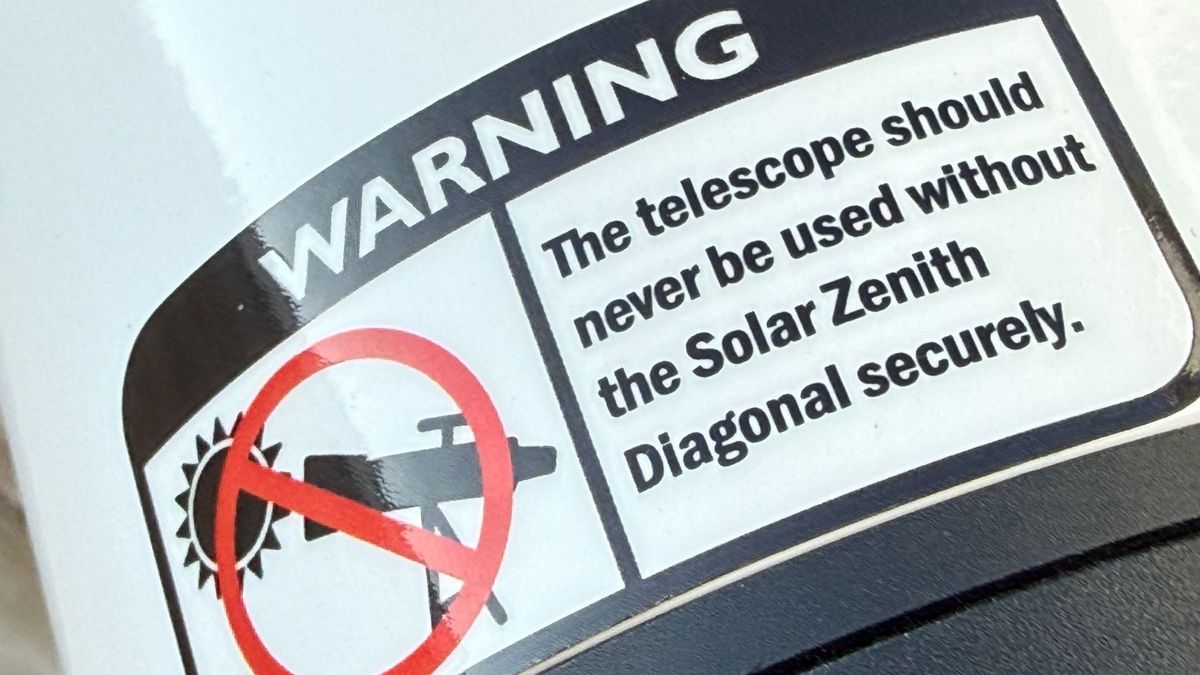
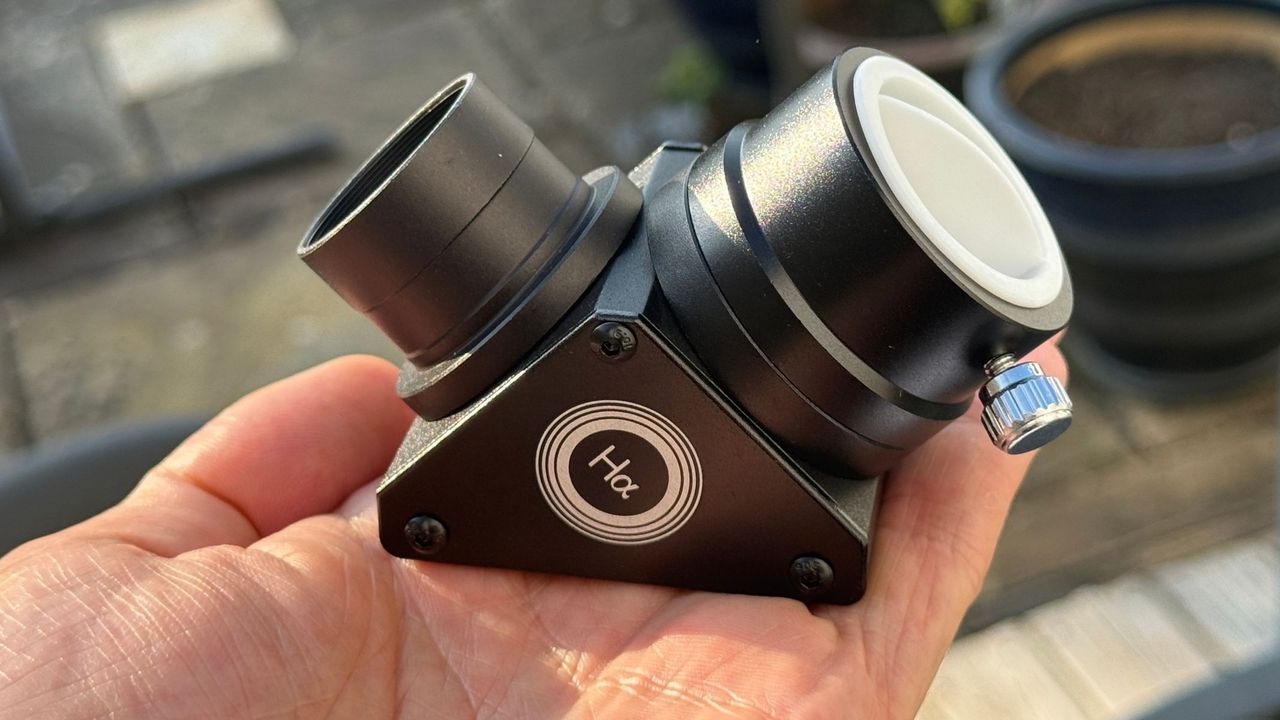
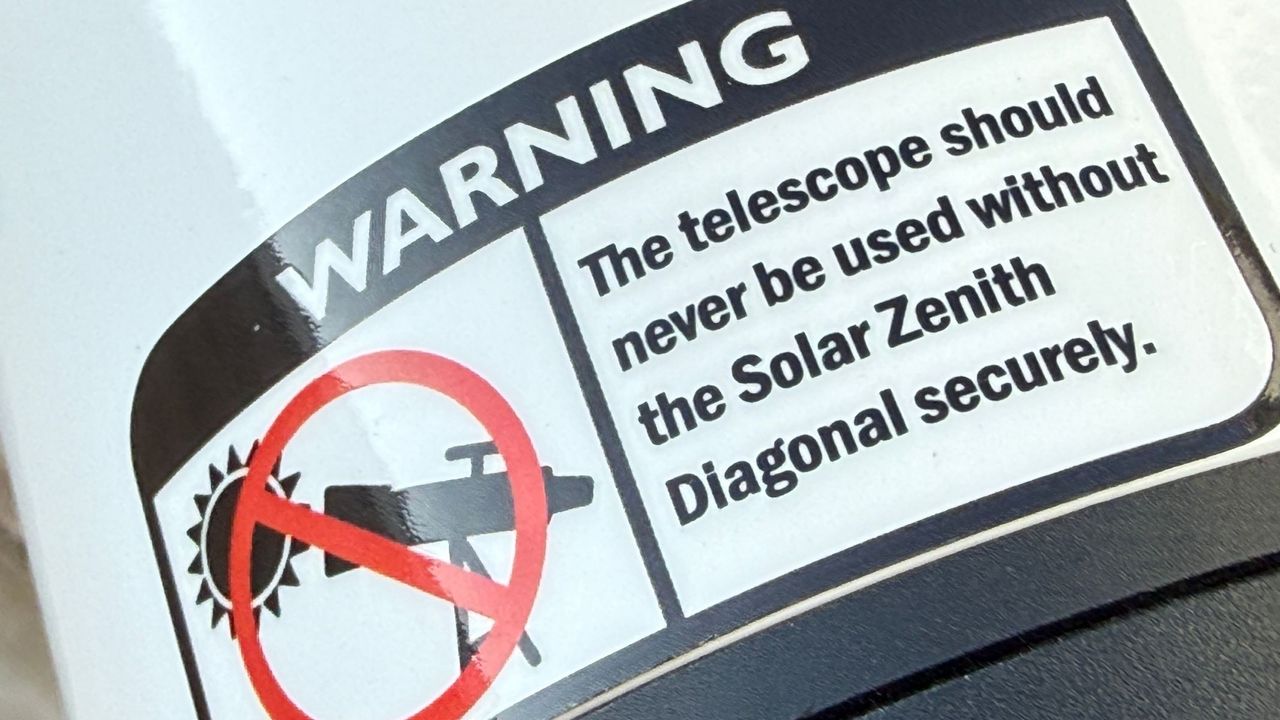
It comes with all the scaffolding firmly attached, from carry handle and tube rings to a V-style dovetail, which is simple to attach to a mount. It also comes with a diagonal containing the 11.5mm blocking filter, which looks like an add-on, but is a critical part of the safe optical system that must be in place when using the Sky-Watcher Heliostar 76mm.
Image 1 of 2
(Image credit: Jamier Carter)
(Image credit: Jamier Carter)
View Original
View Original
Is it portable? Kind of. It’s hardly a grab-and-go gadget, but it’s light enough to take in and out of a backyard and, if you’ve a mind to, on trips once in its protective case.
Build quality is mostly excellent, which also applies to most of its accessories. Notably, its dual-speed Crayford focuser on the scope is firm and precise, with a fine-tuner to easily get a sharp image. We also liked the rugged design of the solar finder, which makes it easy to use and dependable. Lastly, it comes with a small, sturdy sunshade that attaches to the tube and keeps the observer in the shade while observing.
Sky-Watcher Heliostar 76mm H-alpha solar telescope: Performance
- Bright images of the surface, filaments and prominences
- Uneven contrast across the sun’s disk
- Trifid Tuner helps bring out solar features
Remember that time you first saw Saturn and its rings in a telescope? Prepare for something similar when you first look through the Sky-Watcher Heliostar 76mm at what’s happening on the surface of our star. What you’ll see is an orangey disk that, once brought into focus, is scarred by bubbles and grain on its surface, plus giant dark tears called filaments, with plenty of contrast bringing the entire scene to life. Around the edge, we spotted some prominences. It truly is a superb view — we couldn’t take our eyes off it.
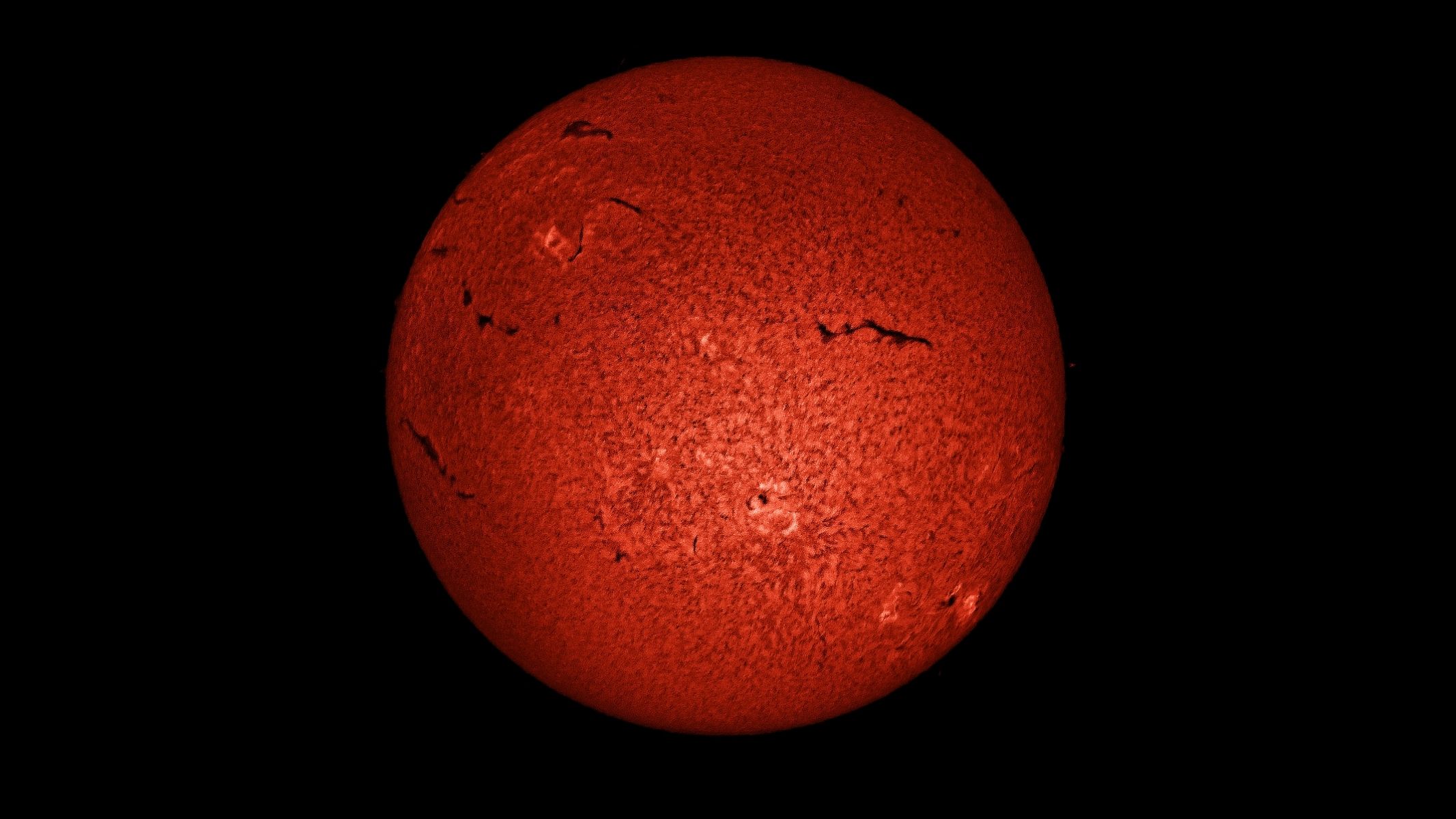
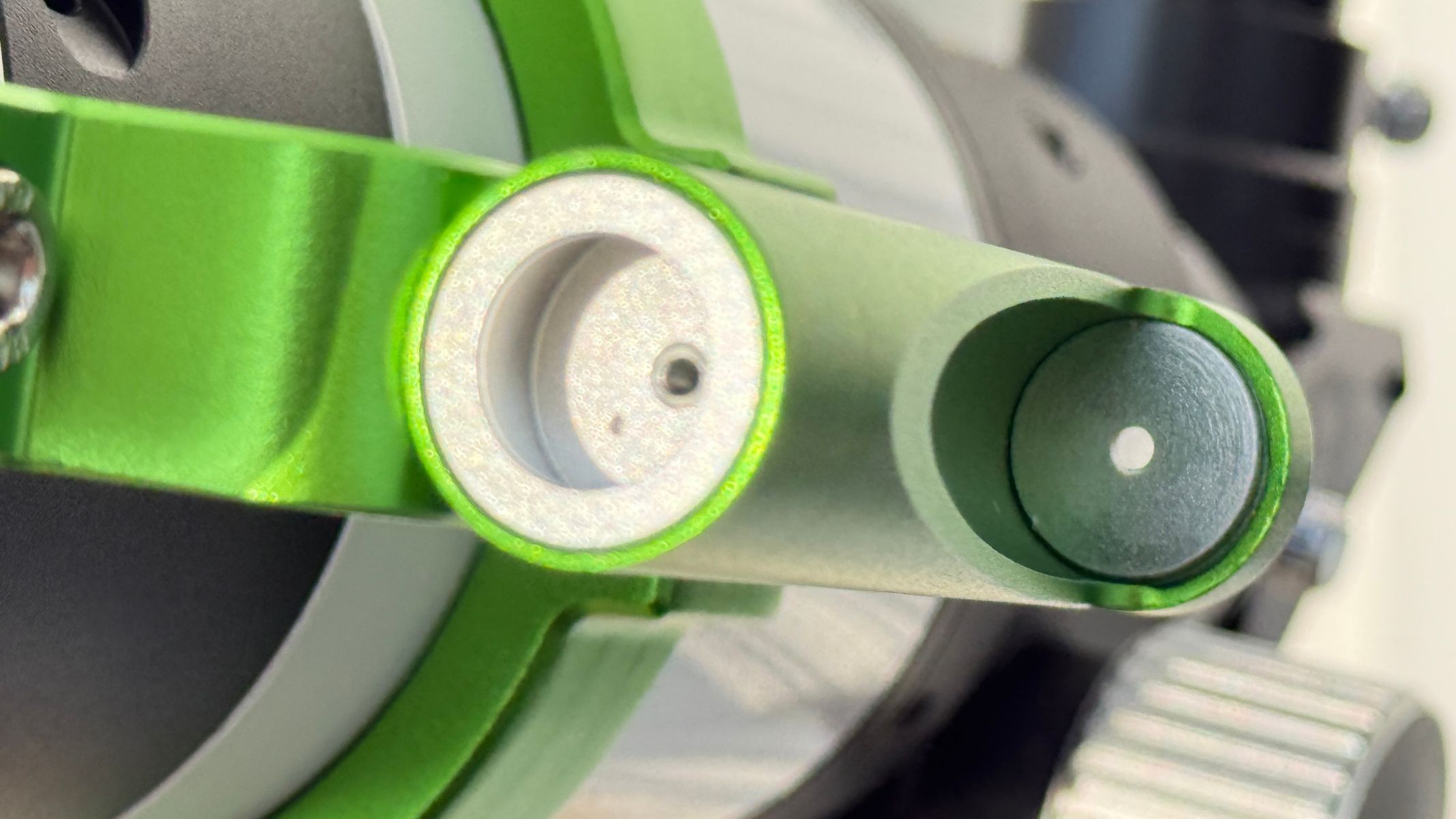
The only issue we had with the Sky-Watcher Heliostar 76mm, from a visual observing point of view, was the uniformity of the image. Although it’s perfect in some areas, it’s less so in others, with some patches too bright and others lacking contrast. Luckily, there’s a mechanical lever on the optical tube known as a Trifid Tuner, which applies micro-pressure to the etalon, slightly changing the contrast levels.
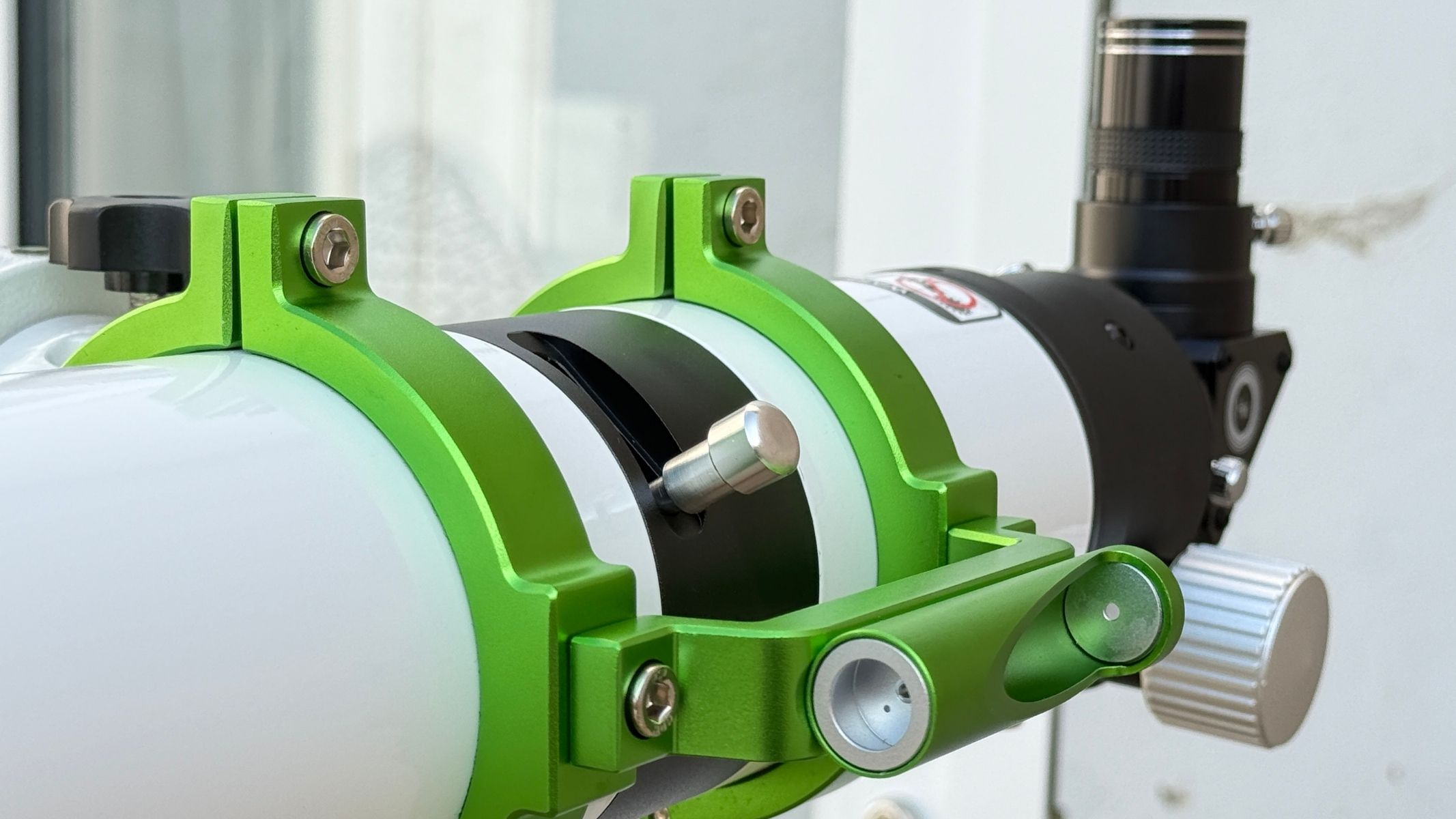
The Trifid tuner allows you to alter exactly what you see of the solar disk and the prominences, though it never completely solves that uniformity issue. We found that the best way was to nudge the tuner slightly, wait for the scope to settle, and take another look through the eyepiece. That way, you can look for granulation, dark filaments and bright prominences, all of which demand different levels of contrast.
Sky-Watcher Heliostar 76mm H-alpha solar telescope: Functionality
- Quick setup and easy alignment
- Great for visual observing
- Imaging requires time and patience
The Heliostar 76mm is fairly straightforward by H-alpha standards, with the Trifid tuner a simple way to tune it to observe different solar features. The 20mm eyepiece in the box worked well, as did the dual-speed focuser. In fact, the only thing getting in the way of setting up the Sky-Watcher Heliostar 76mm in mere minutes is the recommendation that a solar telescope should be left outside in the shade for at least 30 minutes before use, so its etalon can reach thermal equilibrium (otherwise you can expect uneven contrast and even distortion).
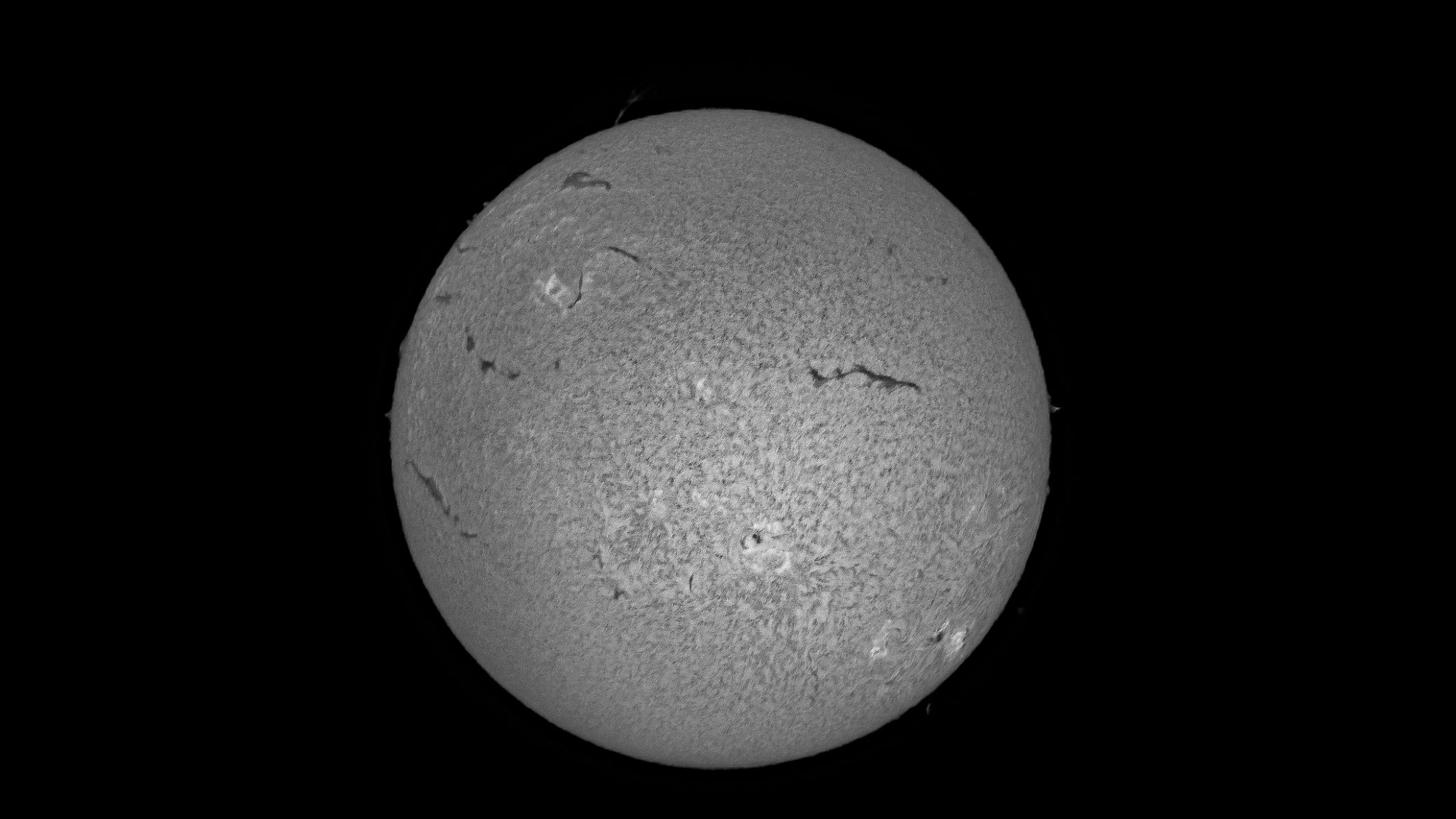
The Sky-Watcher Heliostar 76mm is designed primarily for optical solar astronomy, but it’s also good for anyone taking their first steps into solar imaging. This is a highly specialized niche of astrophotography, and not one to be taken lightly; expect to spend many hours learning to use myriad software packages (none of which are supplied or even suggested by the manufacturer) and post-processing images. We gave solar photography a try with a ZWO ASI174MM monochrome planetary camera, which we used to capture videos of the sun with FireCapture software. The task then is to extract, stack and process frames.
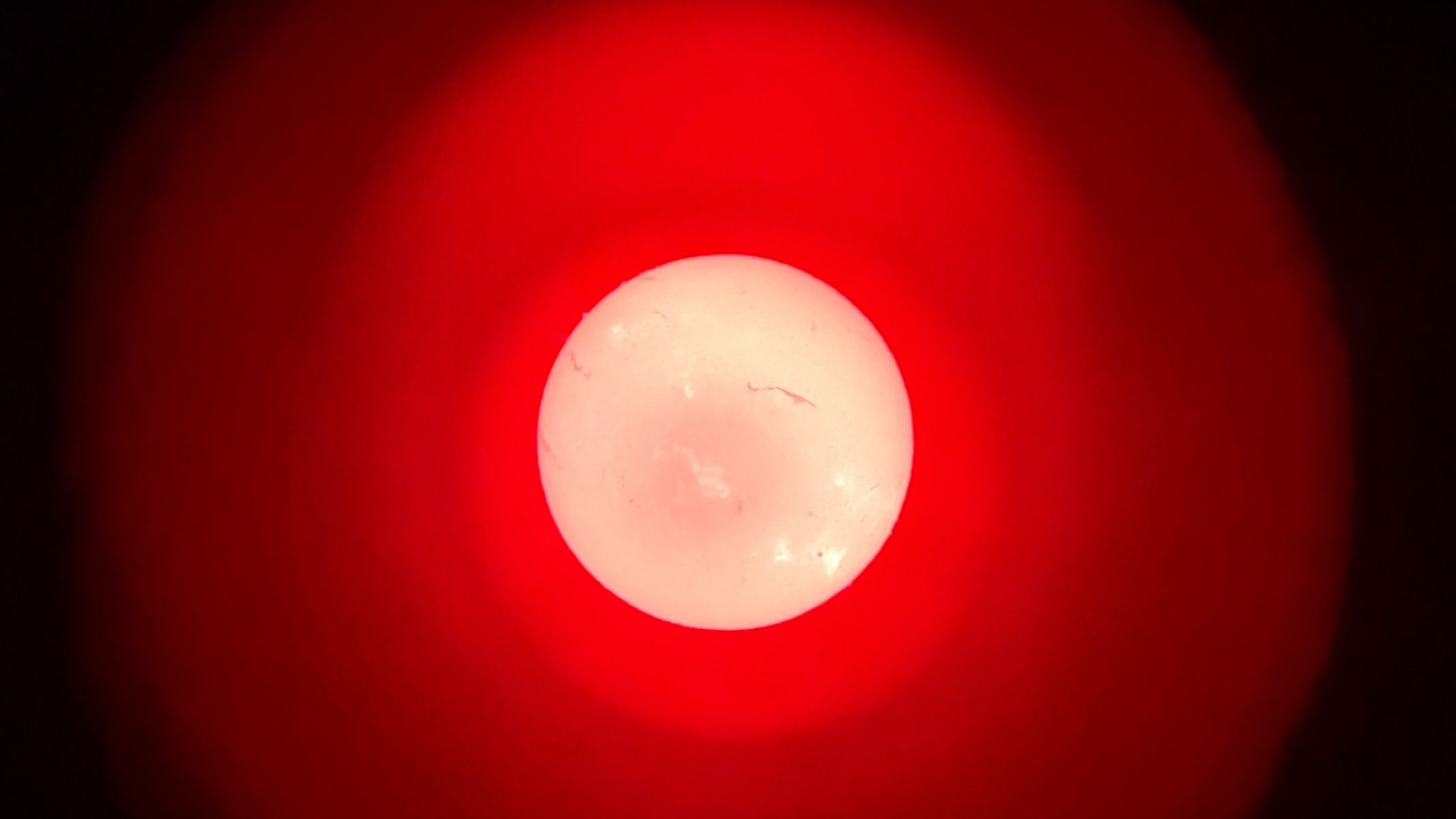
If none of those desk-based tasks appeal — and to many visual astronomers, they won’t — Sky-Watcher does include a smartphone adapter. We tried it out and although it was easy to use and worked well, it obtained only very basic images of the sun.
How we tested the Sky-Watcher Heliostar 76mm H-alpha solar telescope
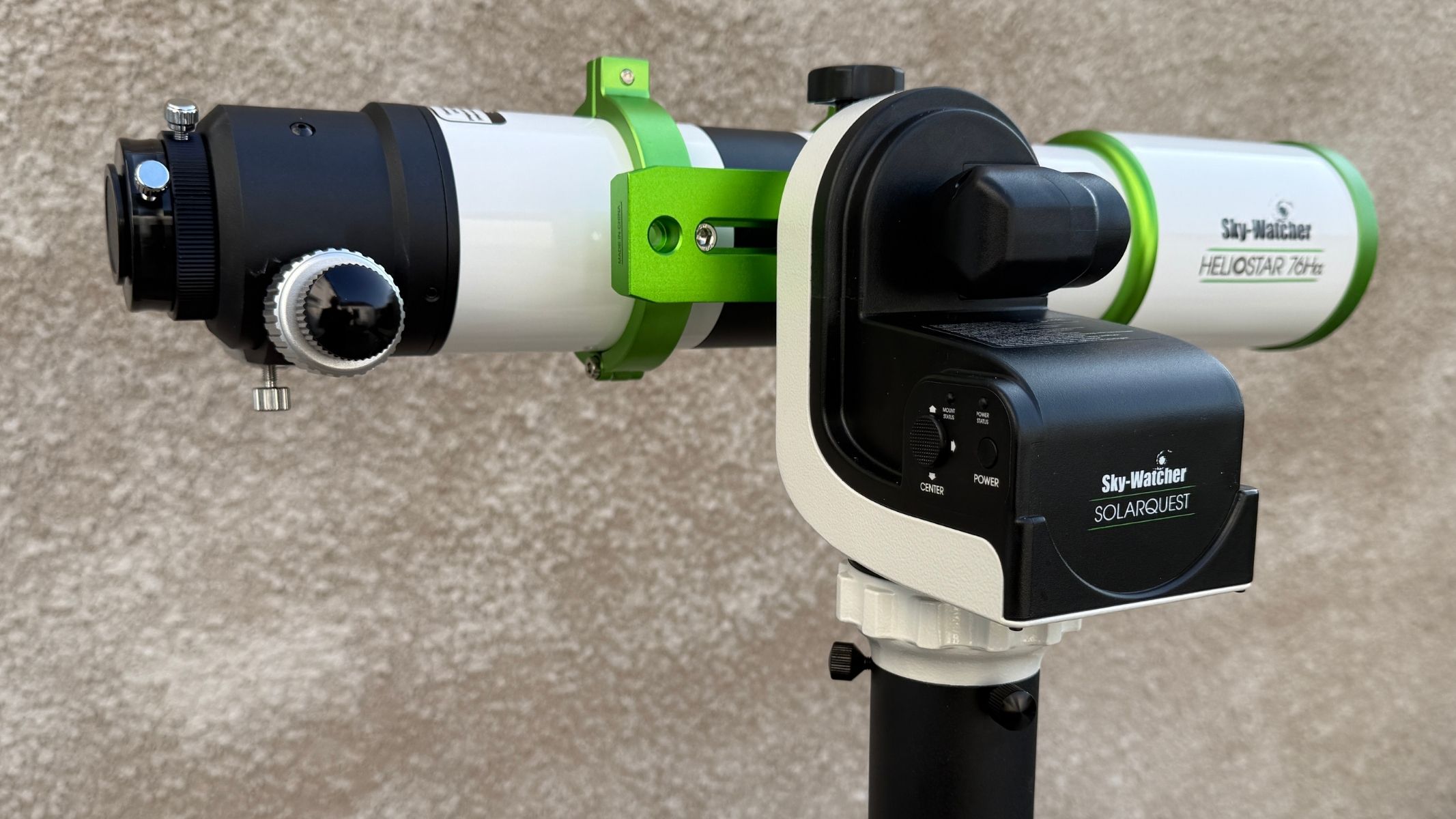
We tried the Sky-Watcher Heliostar 76mm for about two weeks from a suburban backyard, always with a SkyWatcher SolarQuest mount head (which is sometimes bundled with the telescope). We largely used it to visually observe prominences, filaments, sunspots and texture on the sun in H-Alpha using the provided 20mm eyepiece, always leaving the scope outside for a while to acclimatize before use. We also experimented with taking full-disc solar images using a ZWO ASI174MM planetary camera.
Should I buy the Sky-Watcher Heliostar 76mm H-alpha solar telescope?
Buy the Sky-Watcher Heliostar 76mm if you want a dedicated H-alpha solar telescope that prioritizes visual observing, portability and ease of use. It’s perfect for anyone who wants to see prominences and filaments in far more detail than white-light solar viewing can provide. The only real issue is a slight lack of uniformity in contrast in its field of view, which necessitates tweaking its Trifid Tuner as you observe different features — something that potentially creates issues if you’re planning to image the solar disk using a planetary camera.
If the Sky-Watcher Heliostar 76mm H-alpha solar telescope isn’t for you
If your priority is simple, inexpensive solar observing, a certified front-mounted white-light solar filter on a suitable telescope is a cheaper route, but it will primarily show sunspots rather than the more dramatic H-alpha prominences and filaments. Similar H-alpha telescopes typically considered as rivals to the Sky-Watcher Heliostar 76mm include the Coronado PST and the much more expensive Lunt LS80MT B1200.
Author: Jamie Carter
Source: Space.com
Reviewed By: Editorial Team