

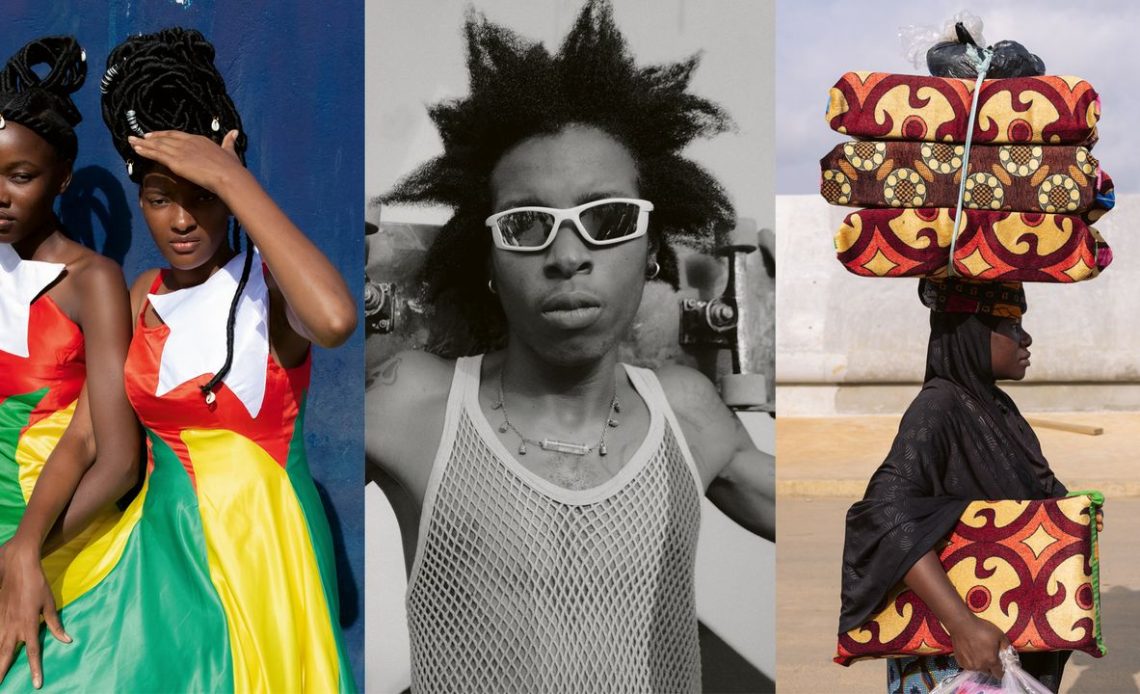
No one’s ever written a rulebook for street photography, but sometimes it feels like it exists anyway. Candid and spontaneous, not staged. No light but natural light. No crew, just one lone lens.
So it’s quite a surprise when Street Photography Africa, a new publication from curators Nadine Barth and Azu Nwagbogu, published by Thames & Hudson, feels like it doesn’t so much break those rules as entirely ignore them.
It only takes a quick flick through the book, which is released on 15 October, and you’ll see precisely what I mean.
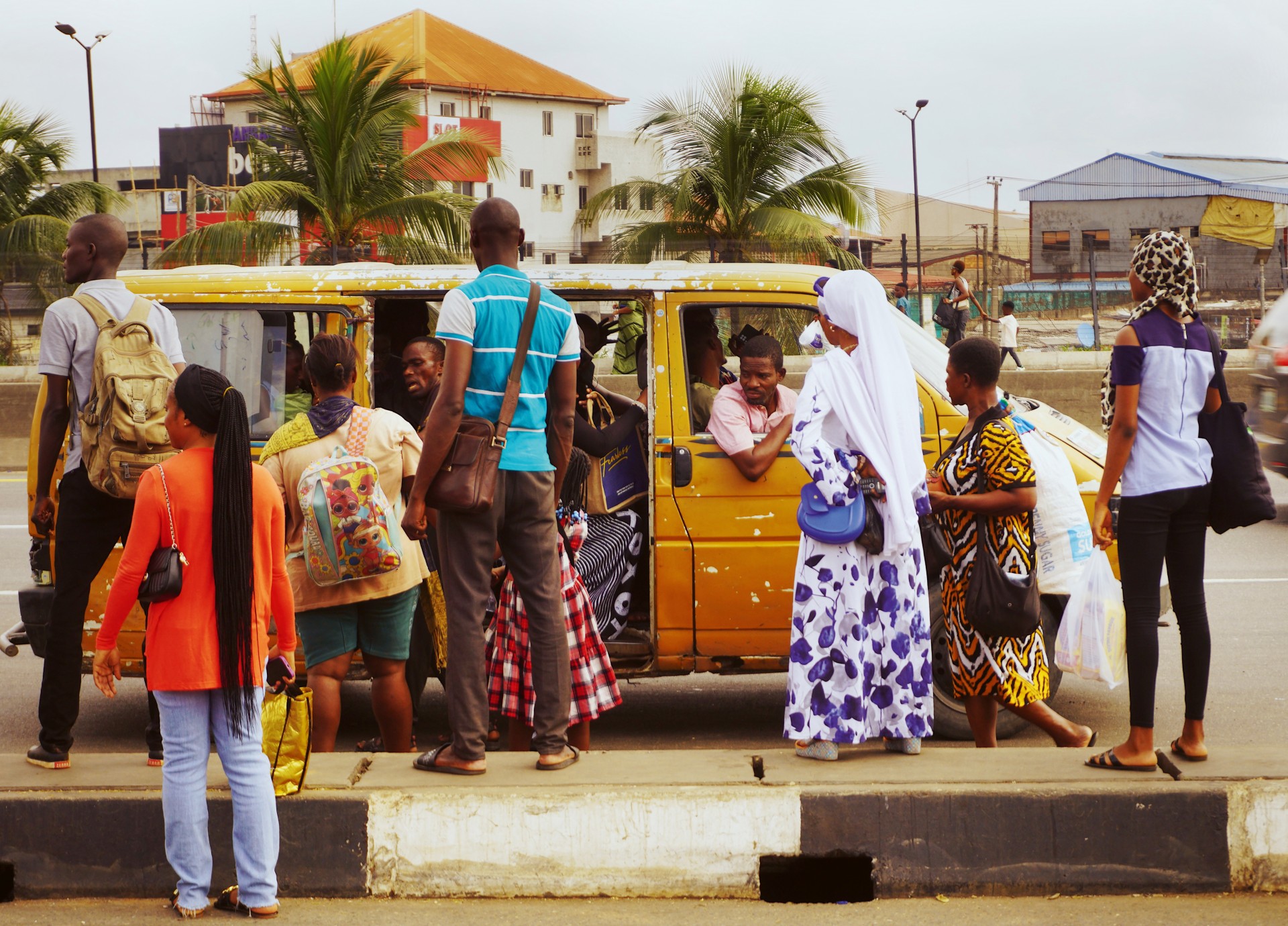
On one page there’s a queue for a bus in Lagos, shot flat and documentary, everyone facing away from the camera. But then few pages on, there’s a bride in full lace and tulle striding through a market; everything styled and lit like a fashion plate. Both are called “street photography”.
To me, that makes this book doubly interesting. It’s not just a strong representation of images from a continent that’s been chronically under-represented to date. It’s also a challenge to the idea that there should be strict boundaries between reportage and fashion. Here, they live side-by-side, and the effect isn’t jarring; in fact, it feels liberating.
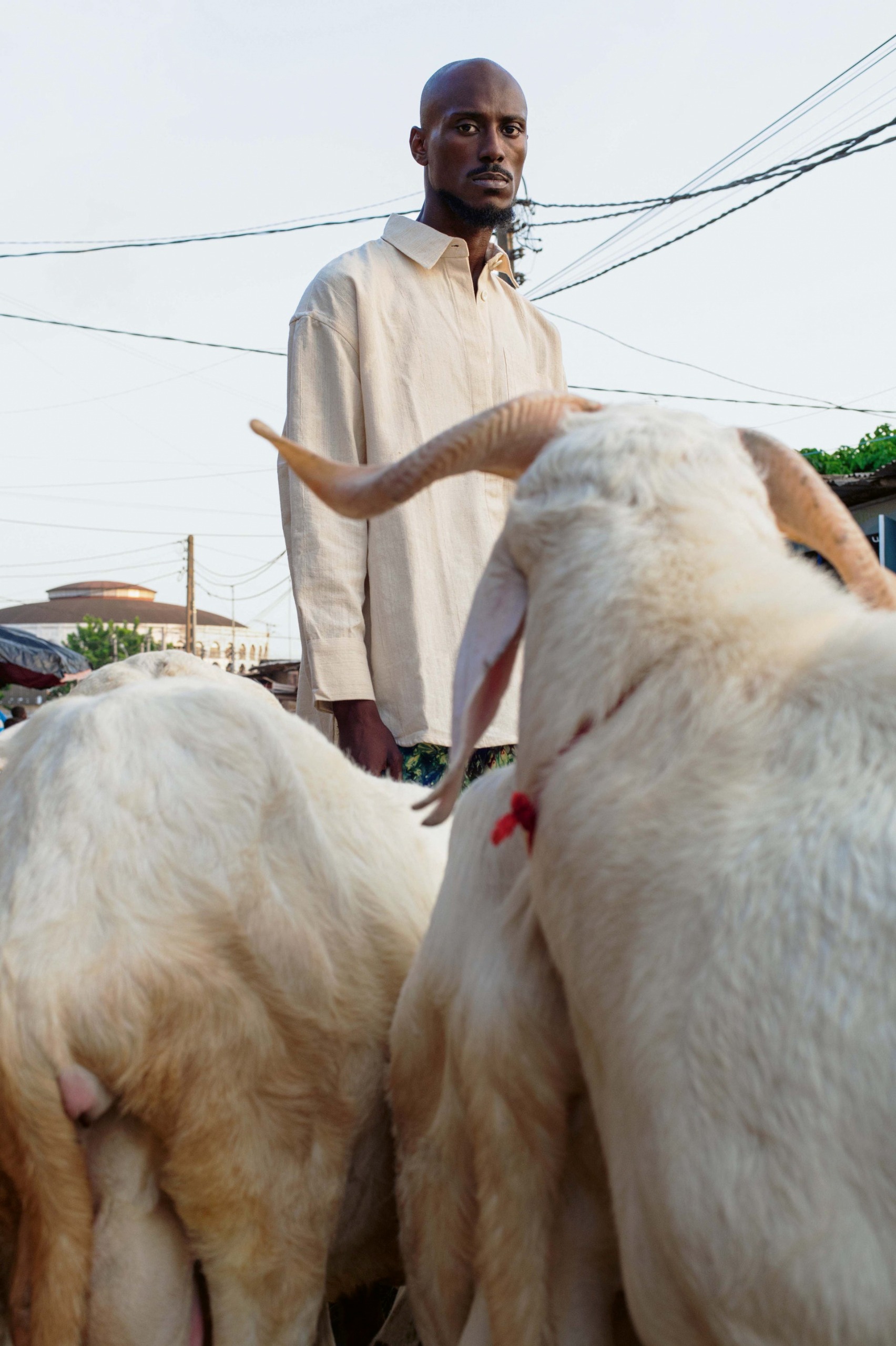
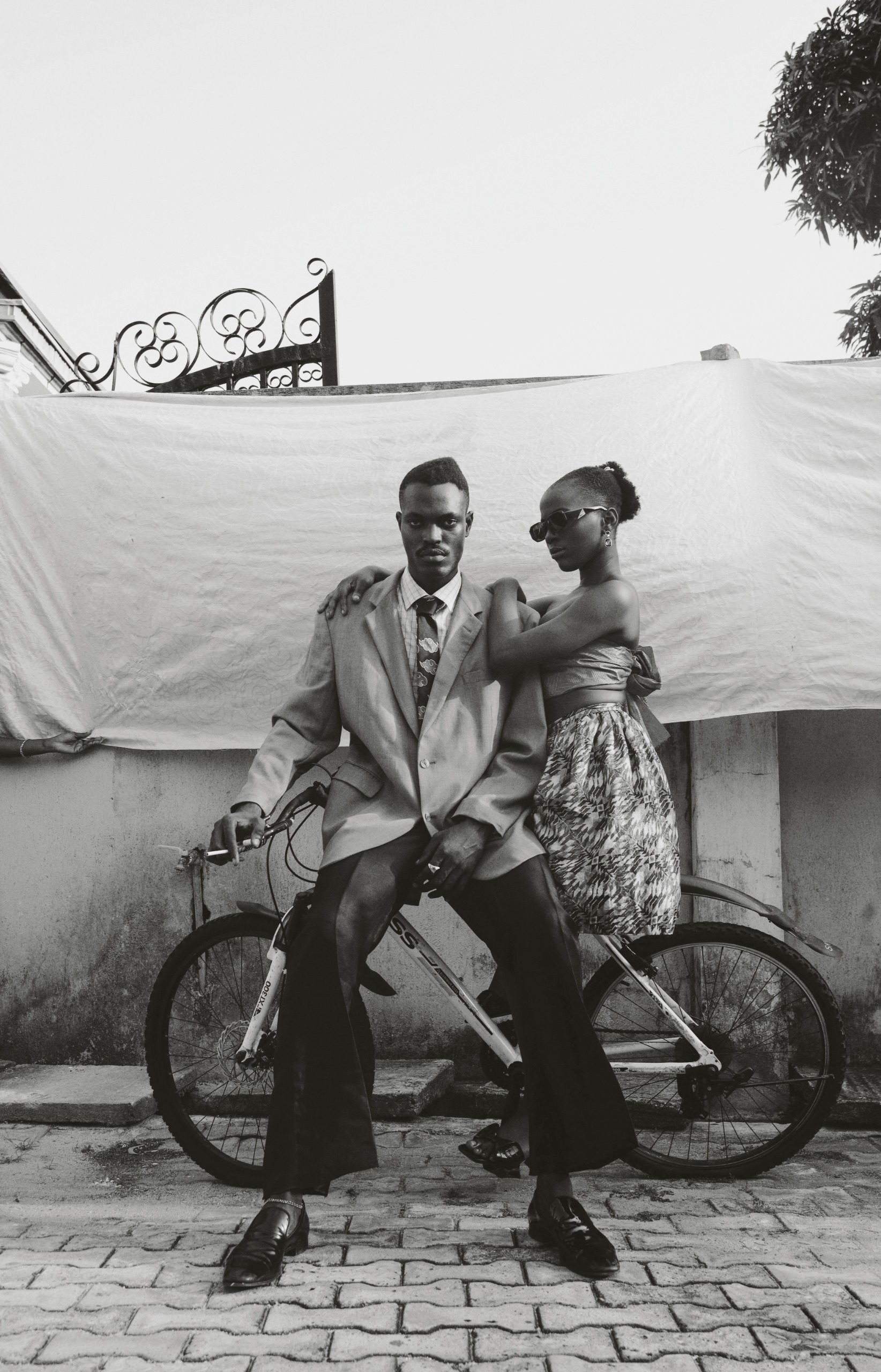
This cross-genre nature of the book stems naturally from the multidisciplinary practitioners it features.
Artist and filmmaker Salaheddine El Bouaaichi photographers young people on the street and designs record covers for the rap scene. Delali Ayivi is commissioned for Vogue and Dazed. Siaka Soppo Traoré stages breakdance crews inside working markets.
Nowhere is it clearly stated which pieces in the book are documentary work and fashion work. Each are taken with the same eye, through the same lens, on the same sidewalk, in the same afternoon light.
A goat market becomes a runway. A stack of used jeans becomes a backdrop. The street doesn’t care what you call the picture; it simply supplies the texture.
For anyone trained on the Cartier-Bresson school of street photography, that might seem unthinkable. Again, while there’s never been a strict rulebook for these things, the idea of setting up a shot will feel to many like cheating.
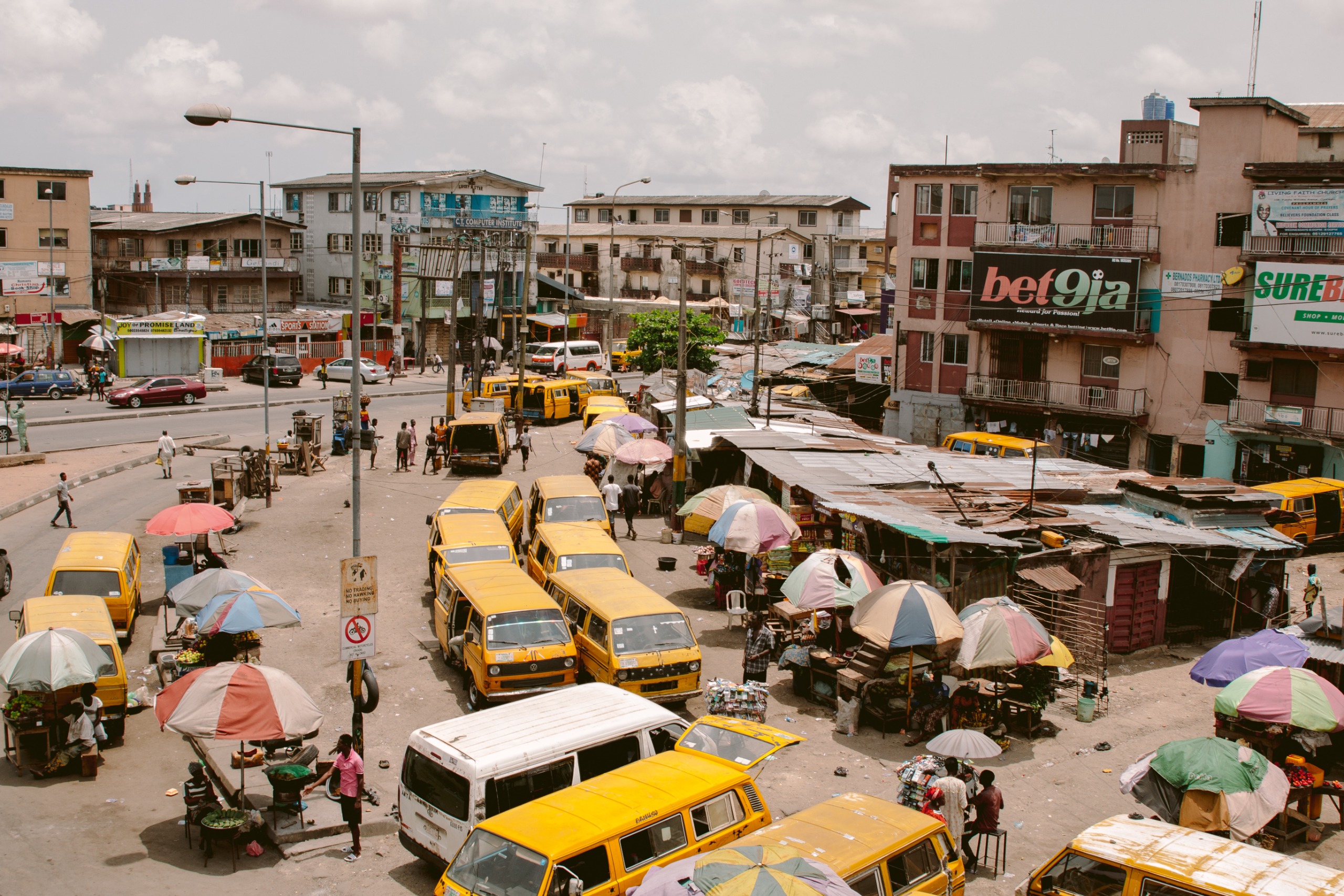
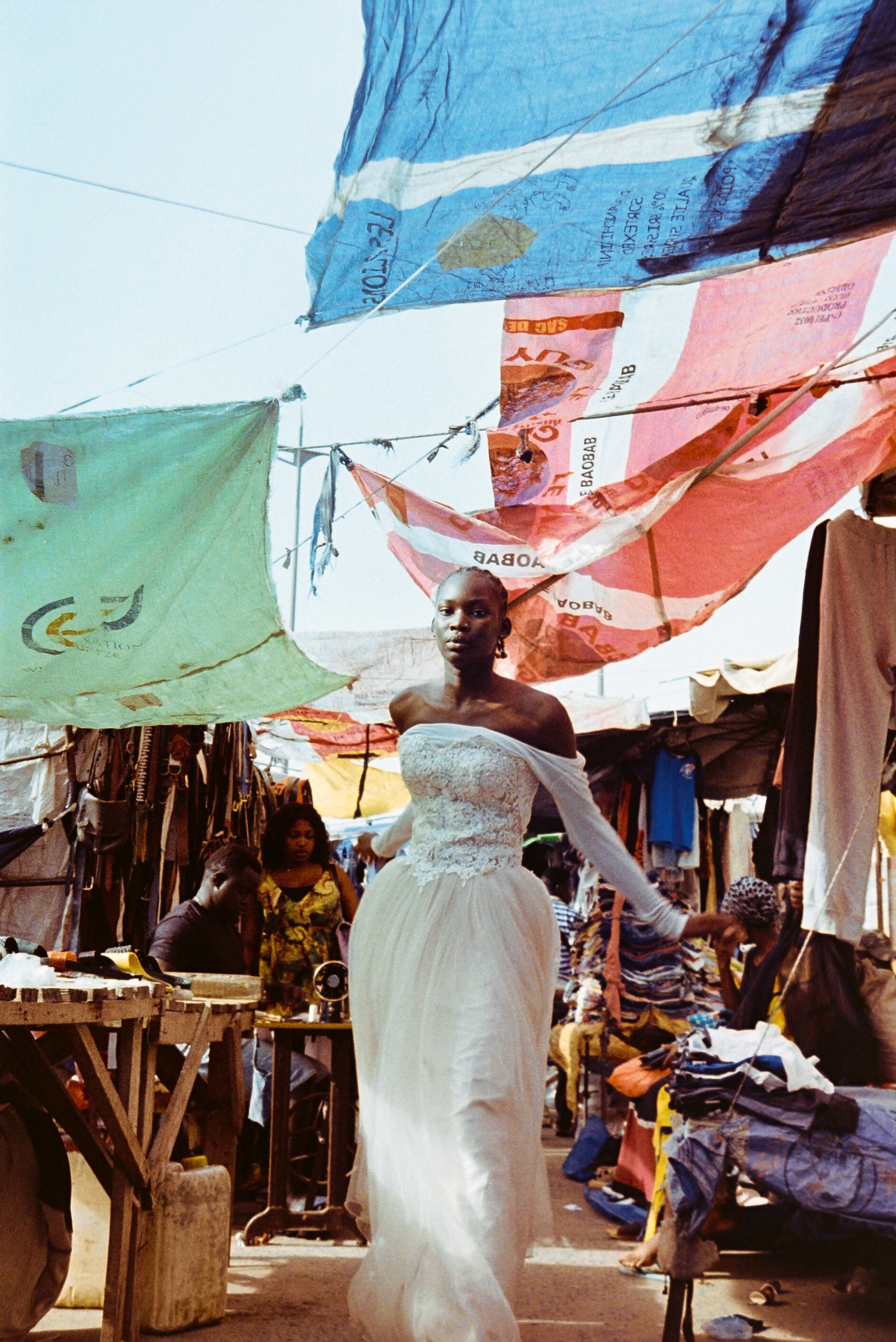
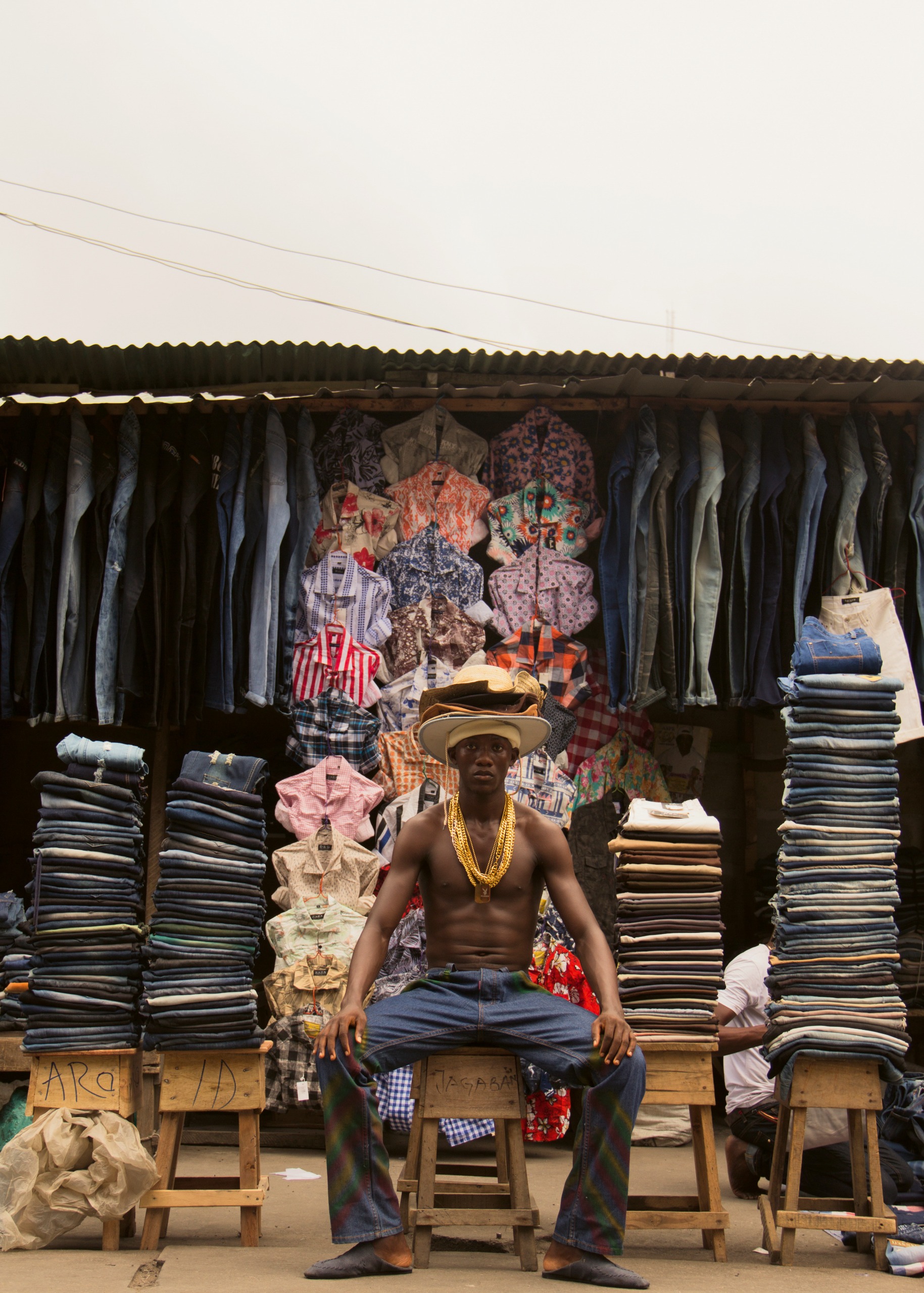
What this book shows, though, is that a posed portrait shot on a real street, among real market stalls and real passers-by, can carry just as much documentary weight as a candid one. The setup is obvious, but so is the spontaneity of the background; the two work to energise each other, rather than cancel each other out.
Some of the strongest images are the ones that make you stop and guess. Editorial or documentary? Commission or chance? For anyone still drawing a hard line between the two in their own work, Street Photography Africa will make you wonder: should you?
• Street Photography Africa by Nadine Barth & Azu Nwagbogu is published by Thames & Hudson from October 15, priced £45 / $60.
Author: Tom May
Source: DigitalCameraWorld
Reviewed By: Editorial Team