

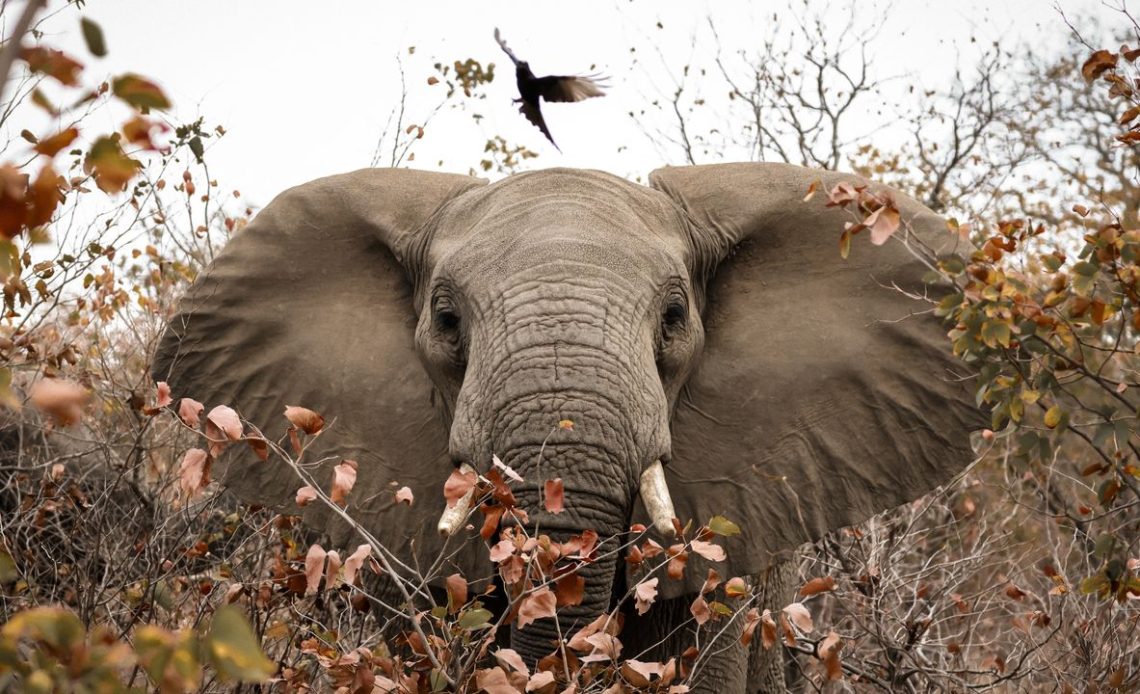
Although many wildlife photographers work close to home and focus on local species, few can deny the appeal of capturing faraway locations and more exotic creatures. One challenge that nature photographers face is the cost of making trips away, and they often offset this by running workshops abroad or taking paid assignments.
Passionate wildlife photographer Esteban Frey has taken a different route. For the last six years, he’s worked as an airline cabin crew member – and while traveling the world, he’s captured some of his best work on his days off.
Taking photos of elusive animals required time, patience and the passion to succeed alongside plenty of competition. Esteban grew up surrounded by family who were equally as excited about the outdoors, and he combined his appreciation for nature and love of photography, learning everything he could online to improve his technical skills.
After more than 11 years of wildlife photography, Esteban is nearly ready to turn his passion into a profession. I found out what drives him, why Canon is the only brand he’ll use and why he’s optimistic about the conservation of the natural world.
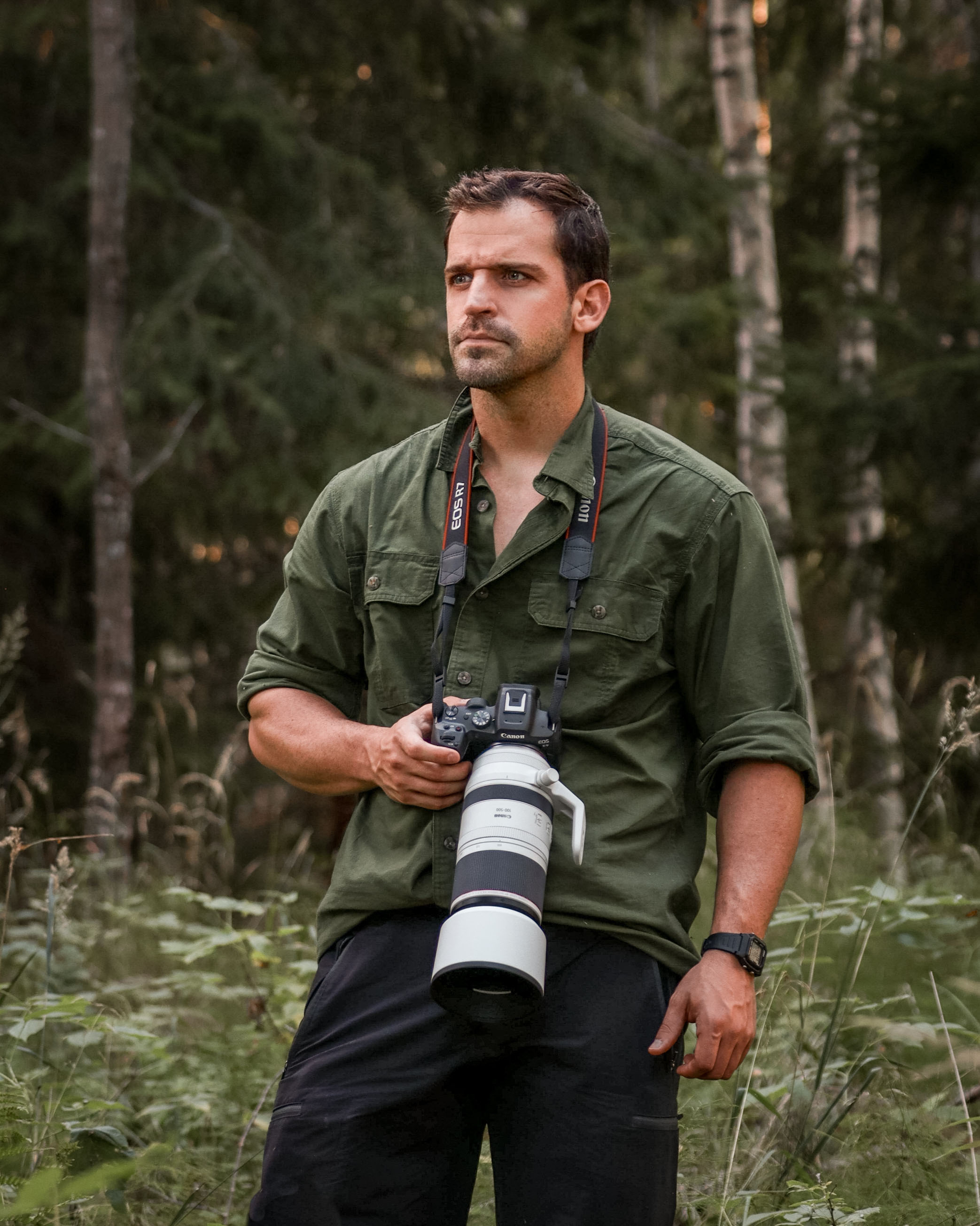
Esteban was born and raised in Caracas, Venezuela. He has been a wildlife photographer for more than 11 years and has visited more than 50 countries over the last 20 years. Working as a cabin crew member for Finnair and Vueling has helped him to explore different parts of the world for wildlife photography.
Known for taking intimate animal portraits, Esteban regularly shares his images on Instagram, and these are accompanied by interesting facts about the subject in the hope of educating and inspiring viewers. His images have been featured by the likes of BBC Earth, Canon and the Nature Conservancy.
How did you start (and grow) your career as a wildlife photographer?
As I noticed improvements in my skills, I started to investigate which camera would have the most features that would suit my needs according to my budget.
In 2014, I got a Canon EOS 7D Mark II. In 2018, I stepped into the mirrorless world with a Canon EOS M50. And in 2022, I acquired my current gear, a Canon EOS R7, which I have been thoroughly enjoying. The passion for photography is something I see lasting my lifetime.
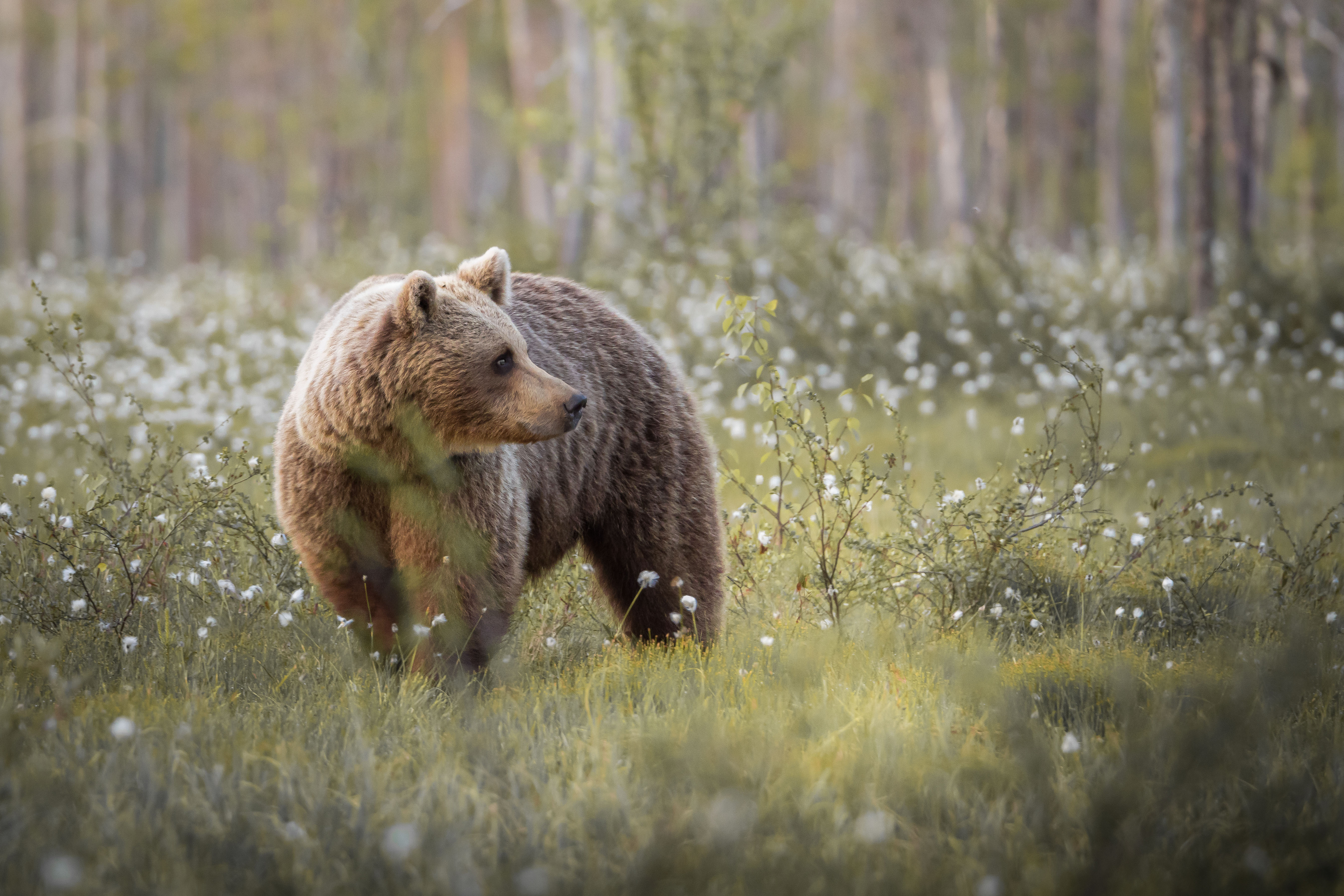
How did you learn the skills and craft?
Facebook groups have also proved to be a valuable source of information, offering forums with diverse topics and active discussions addressing technical questions people have.
What are your favourite camera settings?
For a scenario like this, I’ve configured C1 with a rapid shutter speed of 1/2000 sec, auto ISO and f/7.1, using subject detection for animals and continuous autofocus. This enables me to swiftly adapt the mode, increasing my chances of capturing the perfect shot.
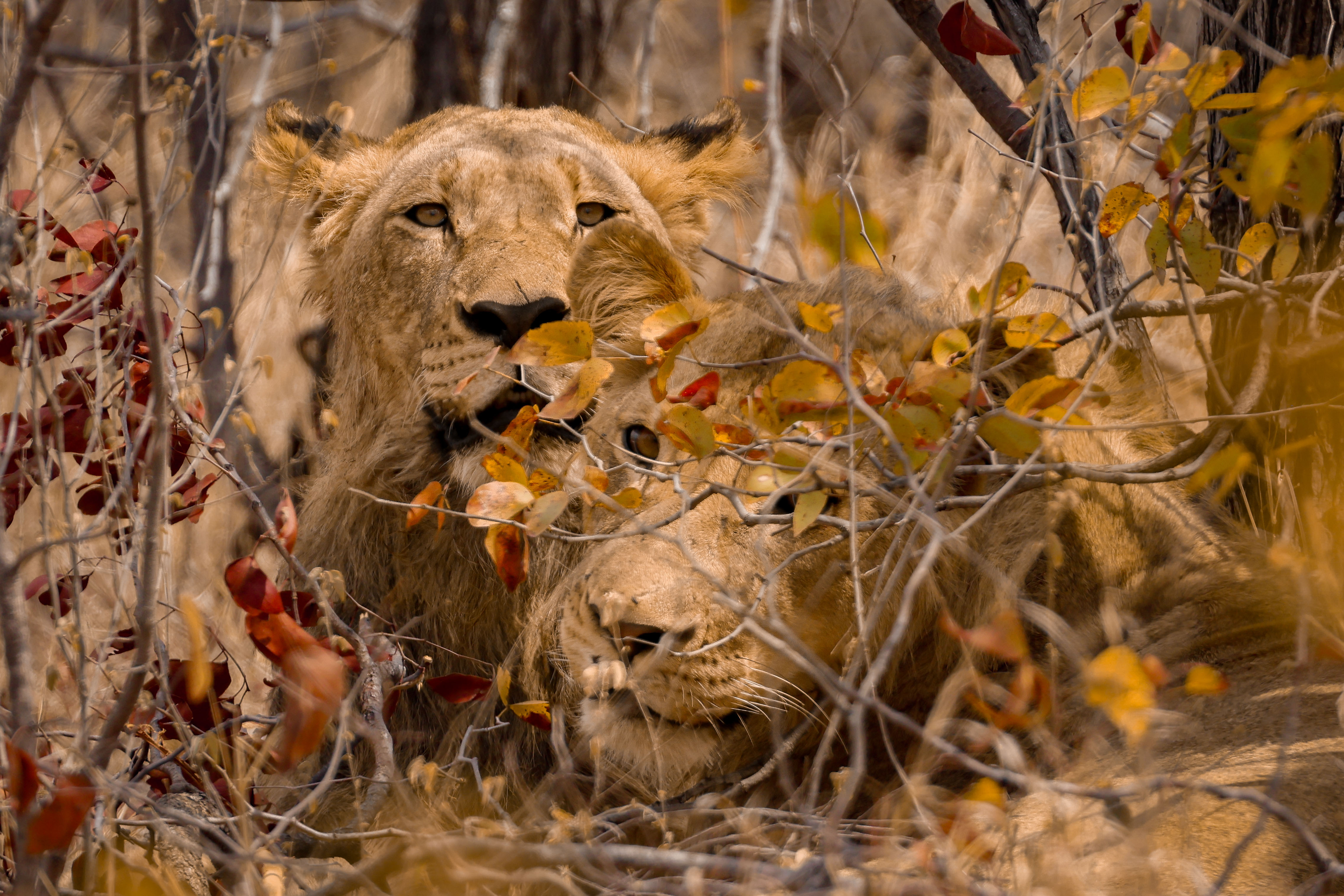
What’s been your most memorable wildlife sighting?
The majestic bull, an adult alpha male, emerged from the bush and posed in front of my car, almost welcoming me to its domain. This unforgettable moment gave me chills, and as I pulled out my camera, I captured my first portrait of an elephant.
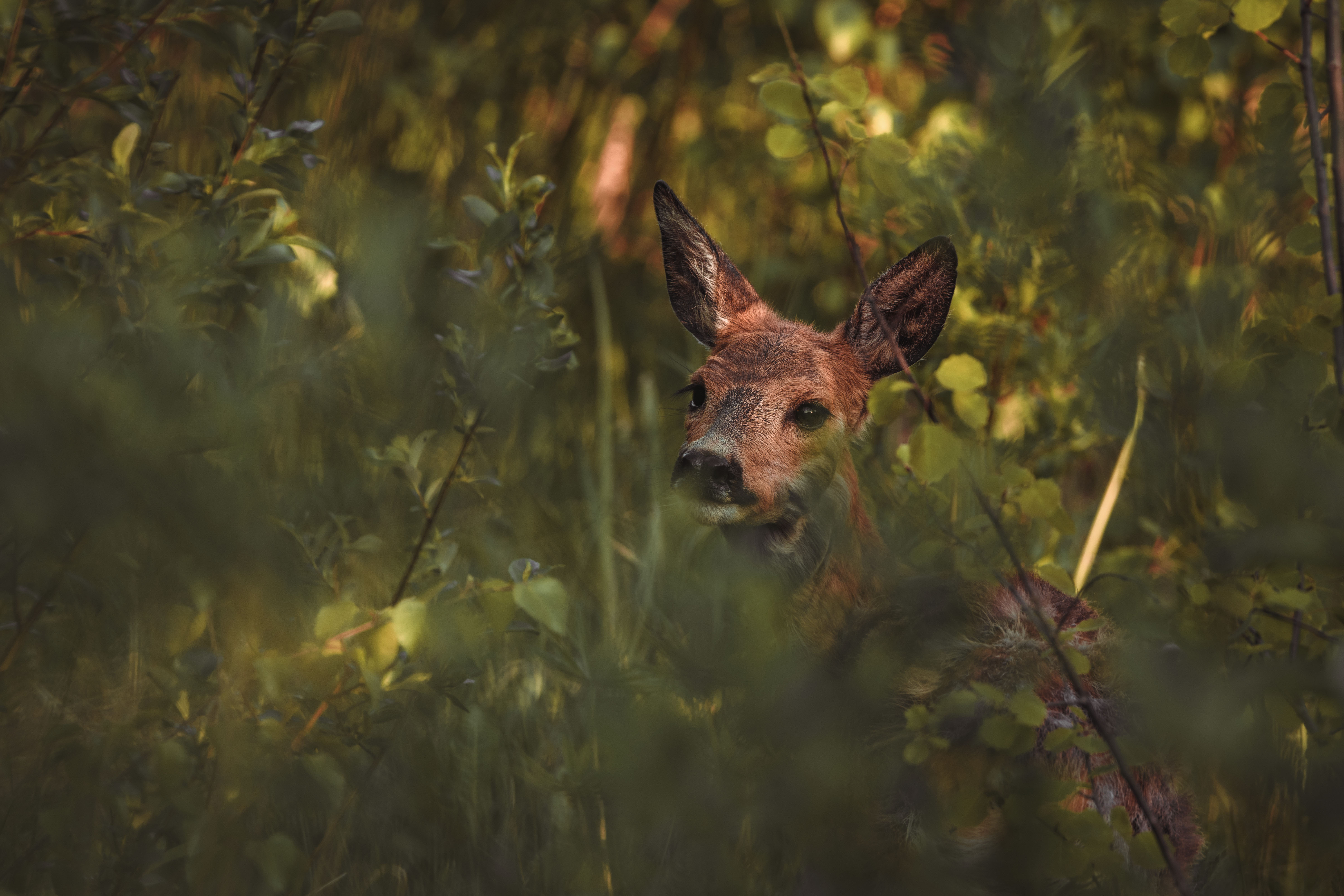
Have you always used Canon gear?
At the moment I have a Canon EOS R7 paired with an RF 100-500mm f/4.5-7.1 L IS USM lens and an RF 24-70mm f/2.8L IS USM lens. This zoom lens combination has a versatile range, and both consistently deliver outstanding performance and image quality.
What are the most inspiring and most difficult parts of being a nature photographer?
The outcome of nature photography isn’t always guaranteed, and there are instances when I might not capture the shot I imagined or even see the animal I’d hoped to. However, I believe the true magic of wildlife photography lies in the substantial effort, preparation and patience.
When you finally capture that dream photo after all the perseverance, it makes the entire experience worthwhile.
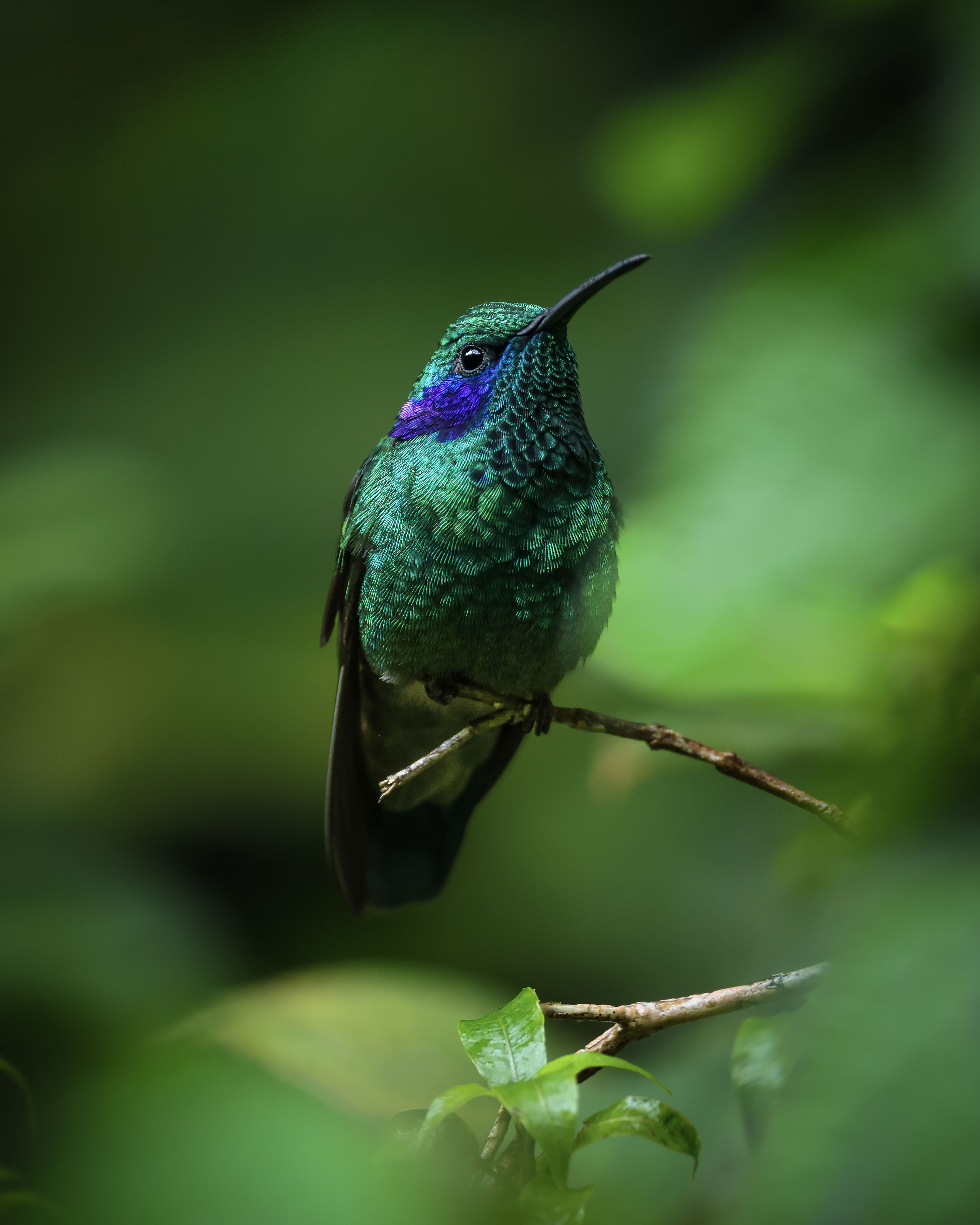
Are you optimistic about the future of wildlife conservation and nature?
This quote inspires me and reinforces the belief that with determination, we can work together to ensure a sustainable future for our planet. We all play a role on Earth, and every action we take brings along consequences, so we have to think about our daily decisions to try to change for a more sustainable life.
Author: Lauren Scott
Source: DigitalCameraWorld
Reviewed By: Editorial Team