

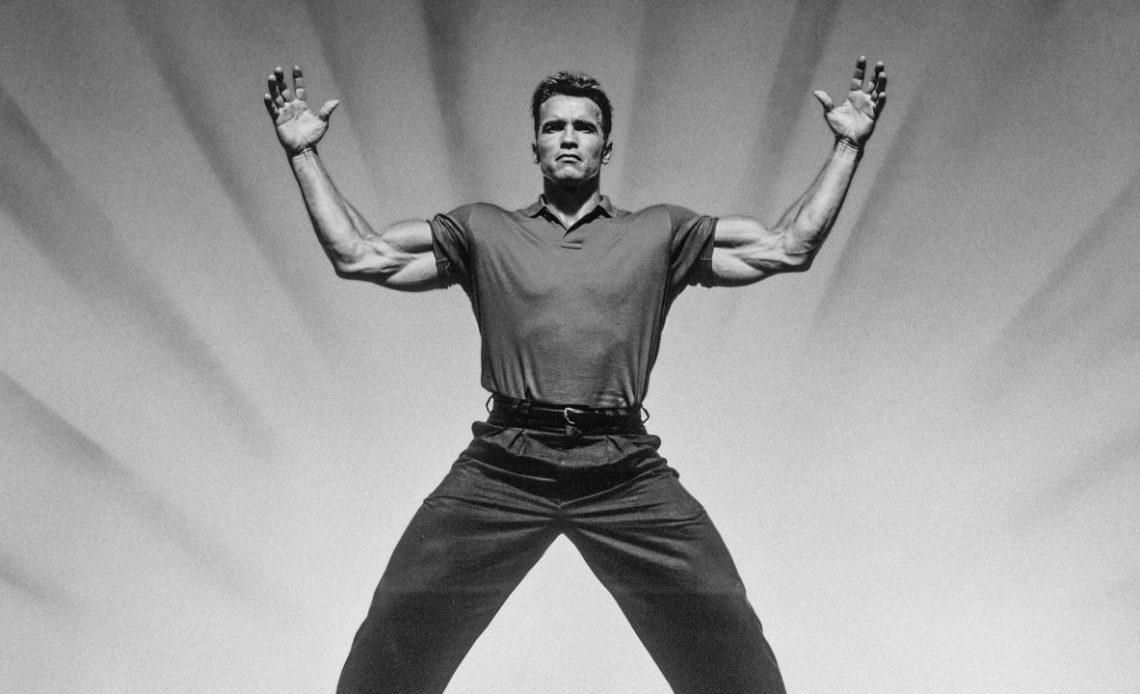
There’s a quote in the new TASCHEN monograph Arnold that every portrait photographer needs to read. Reflecting on the experience of being shot for film campaigns and magazine features, Schwarzenegger says: “They always shoot up, so the camera is right there in front of you, making you taller, more impressive, and the results are always terrific. You might go in your trailer, look in the mirror, and say, ‘I look like shit,’ but it doesn’t matter. The way they shoot, you will always look like a stud.”
It’s a line delivered with his characteristic chutzpah, but it also contains a genuine insight: camera angle is everything, and the right photographer with the right perspective can make any subject look extraordinary.
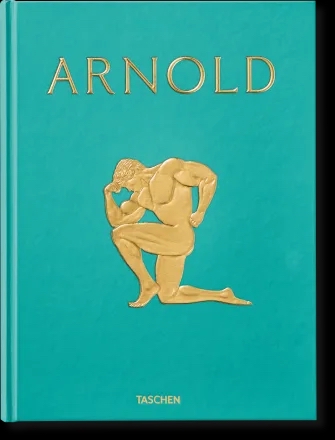
That insight runs through this remarkable book, which lands on July 14 and is edited by Dian Hanson for TASCHEN’s XL format. At 528 pages and $150/ £125, it’s a serious investment, but what you’re getting is one of the most comprehensively photographed lives in modern history.
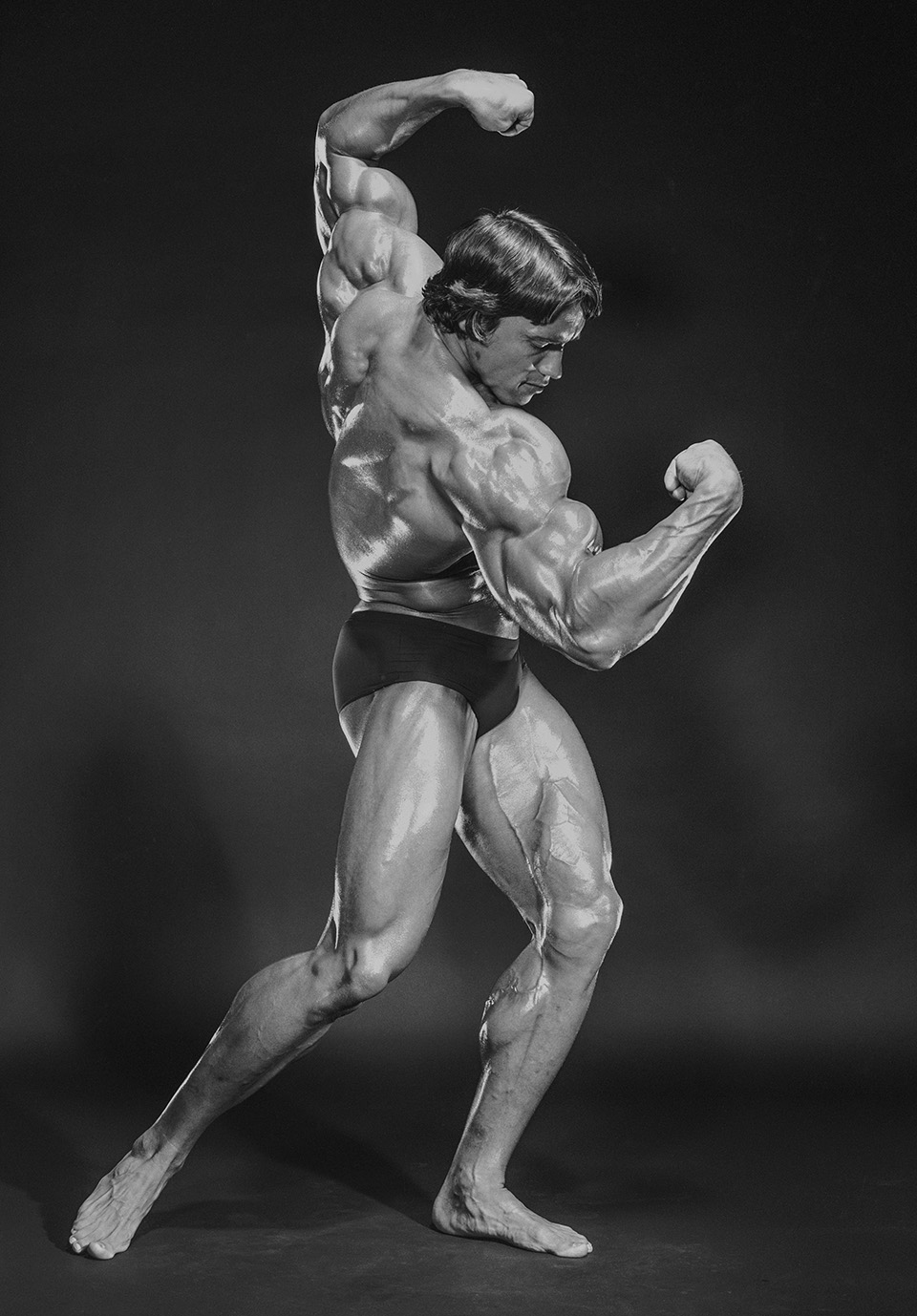
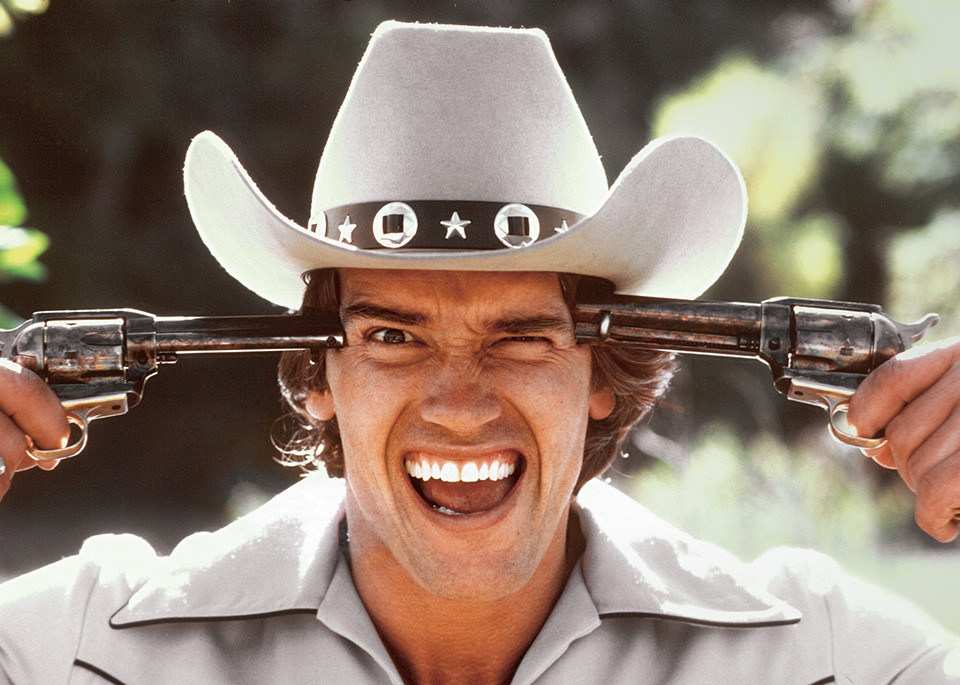
Schwarzenegger didn’t just happen to be photographed well; he understood, instinctively and early, that the relationship between subject and photographer was a collaborative one, and he brought the same competitive intensity to a studio session that he brought to the stage at Mr. Olympia.
The book traces his story from an impoverished childhood in Thal, Austria, through his rise as a young bodybuilder, his conquest of Hollywood and, eventually, the California governor’s office. Along the way, an extraordinary cast of photographers found in him a subject who was, quite simply, unlike anyone else they’d worked with: a body that defied credibility, a face that was simultaneously strange and magnetic, and a personality that filled a room.
The results, gathered here across seven decades, amount to one of the great photographic records of any single human being.
The Pumping Iron effect
The turning point, photographically, came with the 1977 documentary Pumping Iron, which introduced Schwarzenegger to an audience far beyond the bodybuilding world and, crucially, to a new generation of photographers and artists who found in him something they hadn’t anticipated.
As he recalls in the book: “Pumping Iron brought the photographers and painters: Elliott Erwitt, Robert Mapplethorpe, Francesco Scavullo, Jamie Wyeth, Andy Warhol, Leroy Neiman; one after the other they photographed and painted me.”
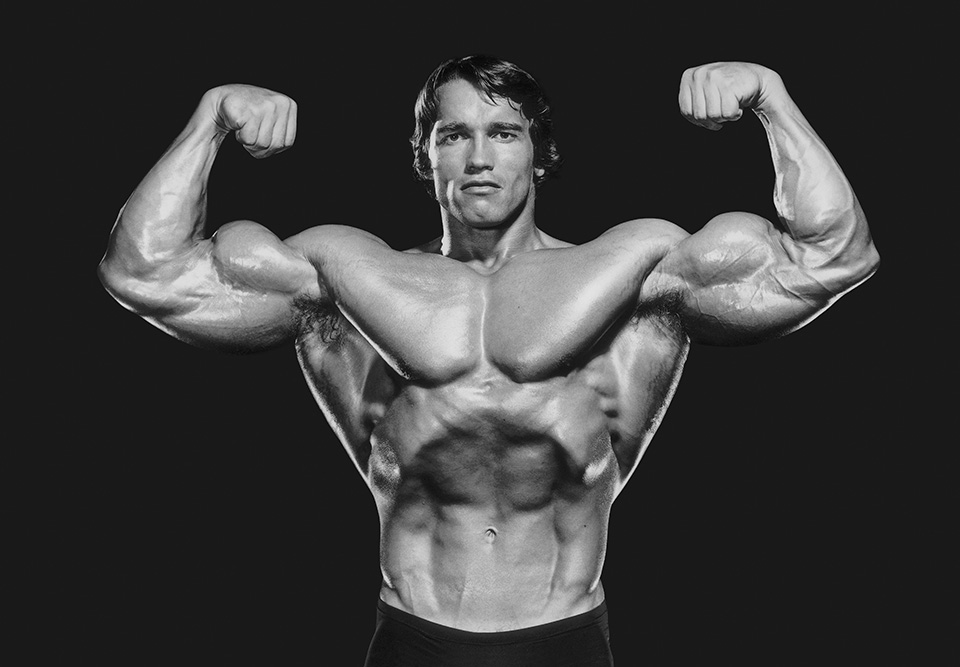
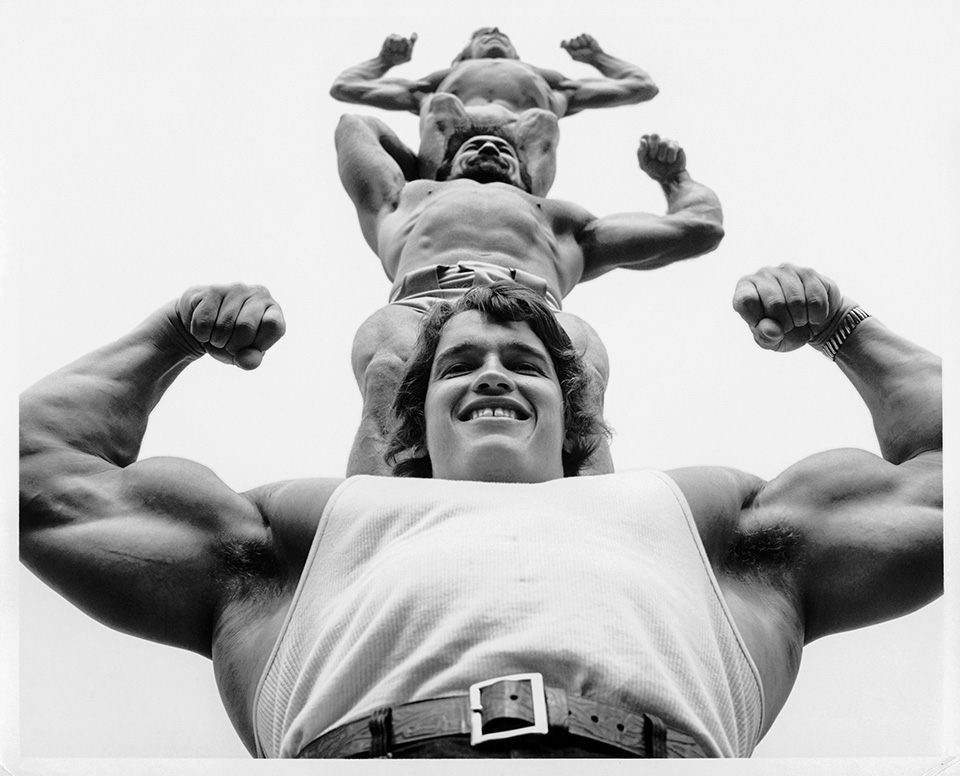
That’s a roll call worth thinking about. Erwitt, one of the great humanist documentary photographers; Mapplethorpe, whose formal rigor and interest in the male body made him a natural fit; Scavullo, the defining portrait photographer of celebrity in that era; Warhol, who understood better than anyone how to transform a person into an icon. Each brought their own language to the same subject, and the contrast between their approaches, all visible in this collection, is itself a masterclass in how differently the same body can be read by different eyes and lenses.
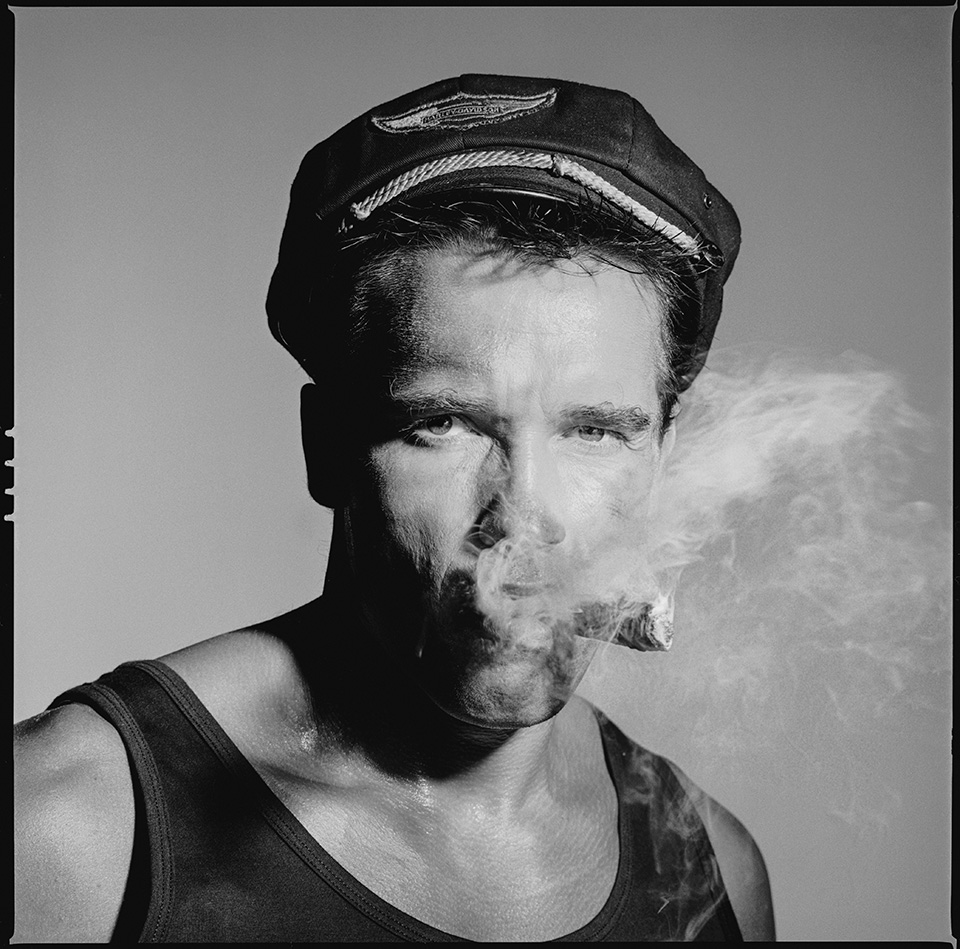
It was also where a long professional relationship began with Annie Leibovitz. “At the time, we thought she was super cool and kind of a hippie photographer that was game for anything,” Schwarzenegger recalls. She would, of course, go on to become the definitive chronicler of US celebrity, and her sessions with Arnold across the decades form some of the book’s most compelling material.
A subject who understood the craft
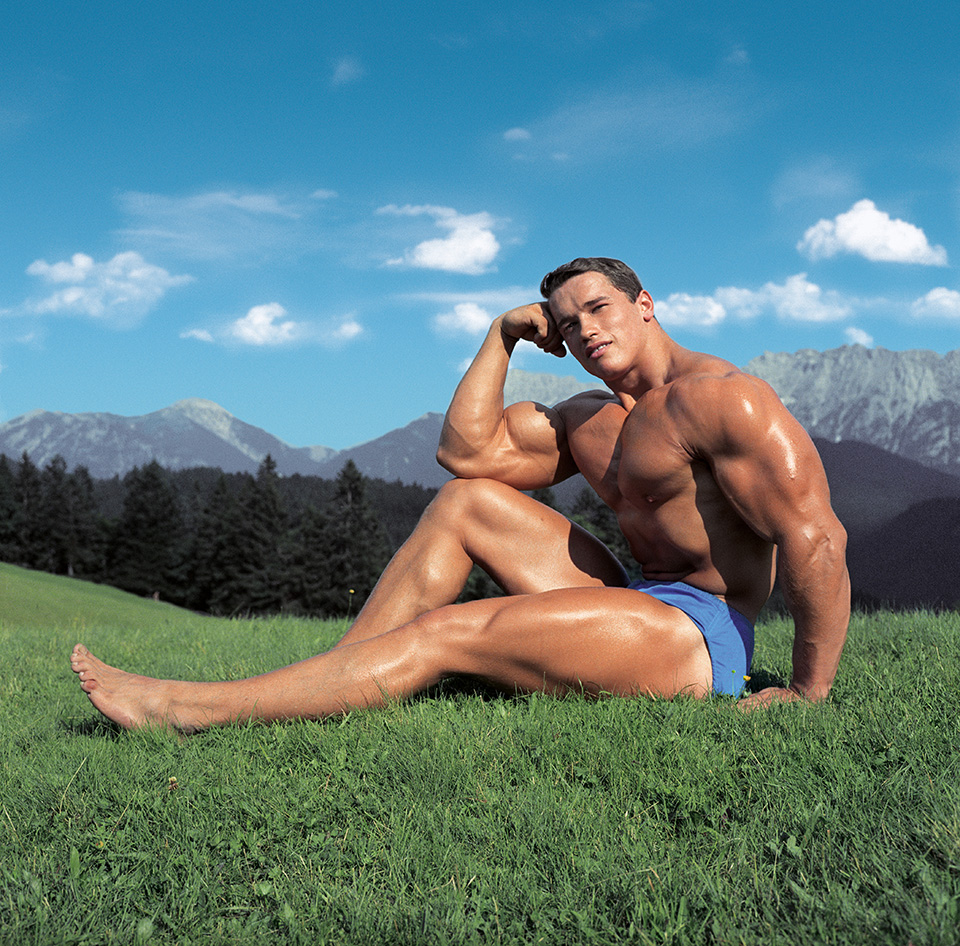
What separates the photography in Arnold from a standard celeb retrospective is the sense that the subject was never passive. Look at the early images shot on Austrian hillsides: a young man in blue trunks against a sky of improbable blue, relaxed in his body in a way that reads as complete self-knowledge. These weren’t candids; they were collaborations, and they show a subject who understood intuitively how to give a photographer what they needed.
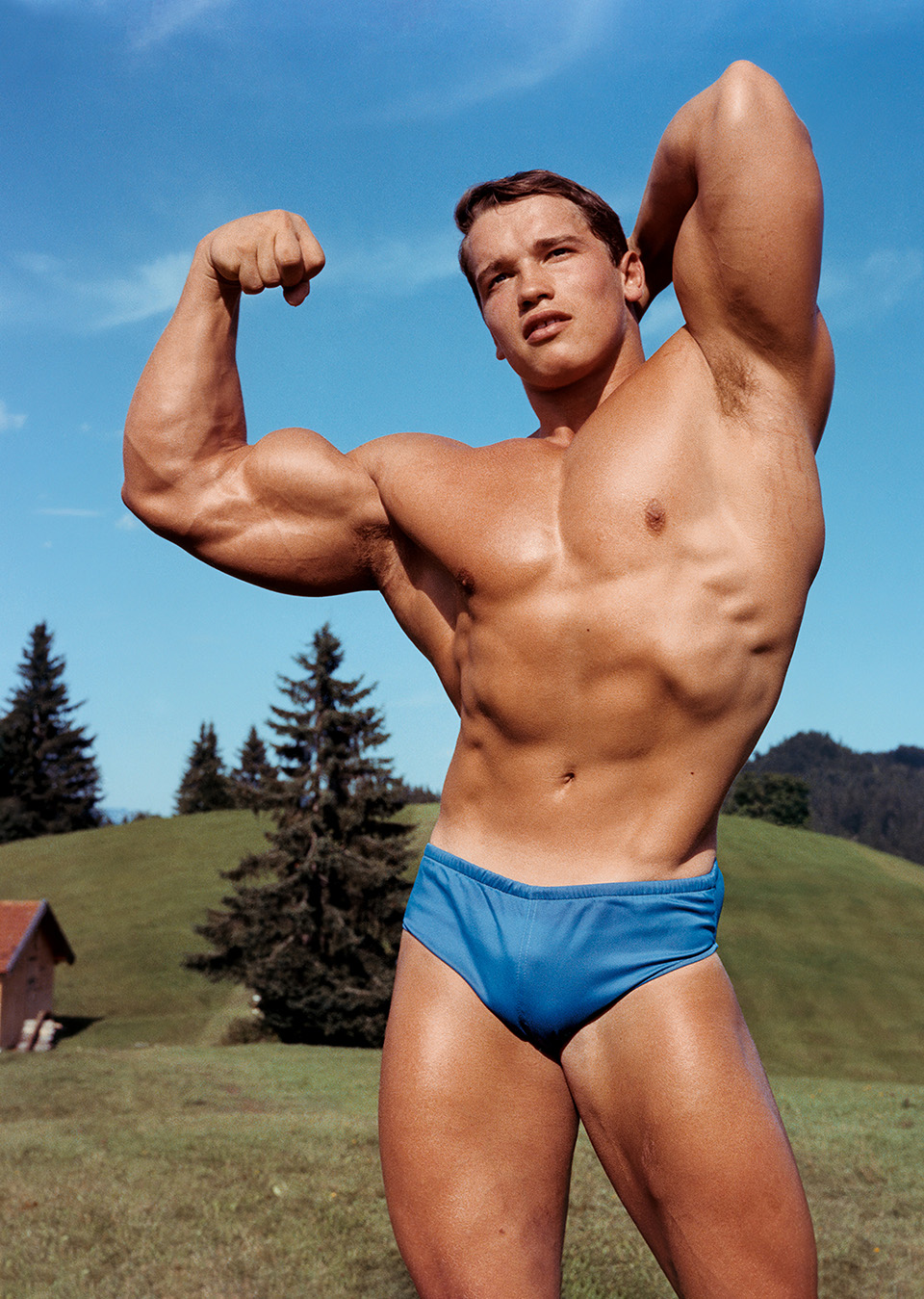
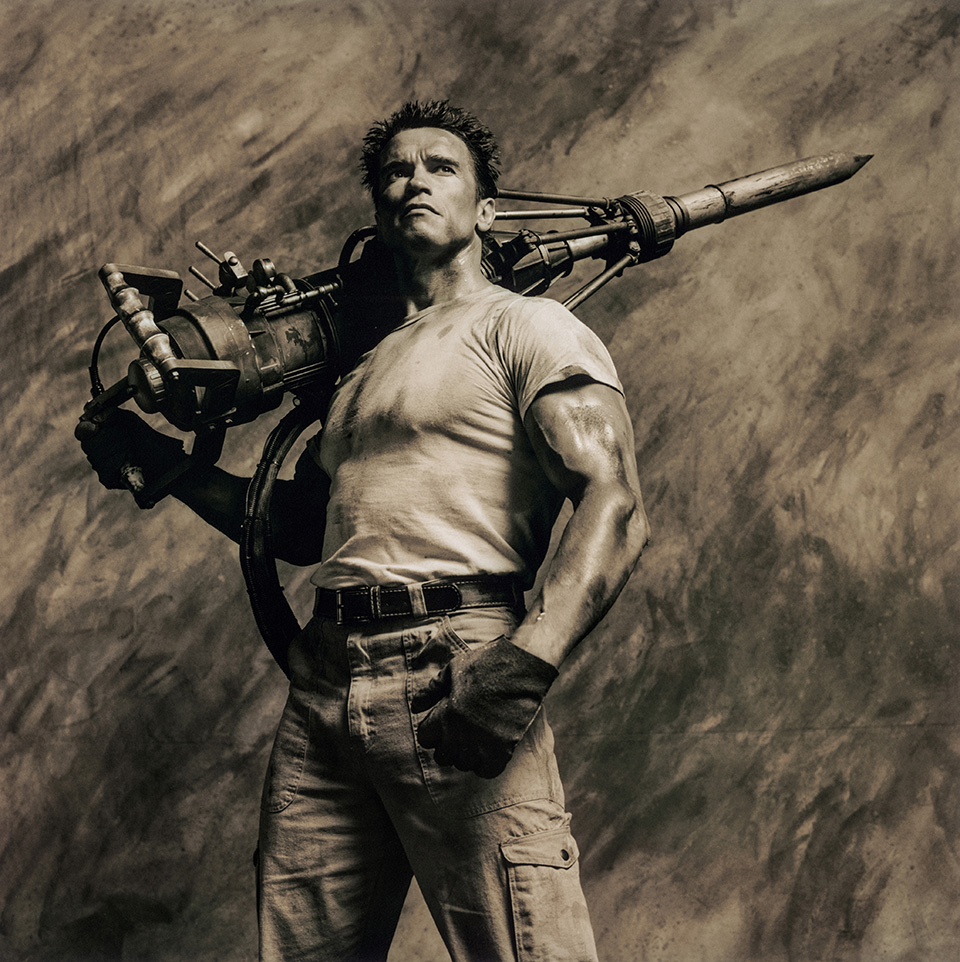
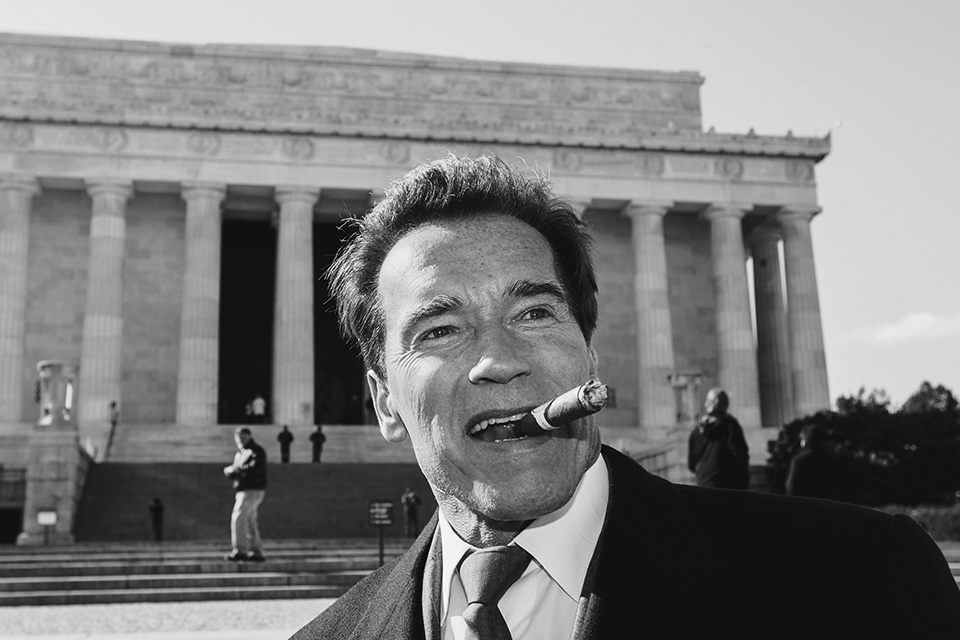
The later studio work, particularly Herb Ritts’s stark black-and-white portraits and the monumental Sante D’Orazio images, demonstrates what happens when an exceptional photographer meets a subject with no inhibitions and no bad angles to avoid. The low-angle shot Schwarzenegger describes isn’t just a trick of perspective; it’s a recognition that the camera can reveal what the eye misses, that the right position transforms.
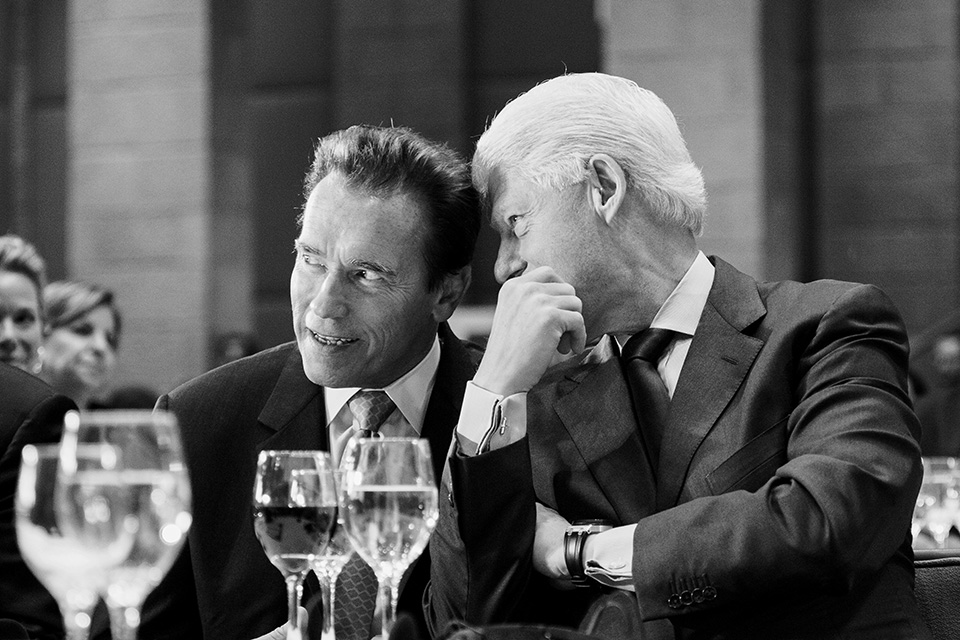
For photographers, this is ultimately what makes Arnold worth the investment. It’s not a celebrity biography with pictures, but a genuine record of photographic collaboration across half a century. The range of approaches, from intimate personal snapshots to monumental studio productions, from grainy documentary to the precise glamour of a Mapplethorpe formal study, covers almost every mode of portrait photography.
The subject changes across those decades, and so does the photography around him. Together they tell a story about how a face and a body can be read differently in each era, by each new pair of eyes behind a lens.
Arnold XL by Dian Hanson is published by TASCHEN on July 14, priced at $150 / £125.
Author: Tom May
Source: DigitalCameraWorld
Reviewed By: Editorial Team