


The Close-Up Photographer of the Year (CUPOTY) – the world’s largest competition dedicated to close-up, macro and micro photography – has published its 2026 shortlist, showcasing 59 pictures across all 11 categories.
“Close-up photography has a wonderful way of revealing details and perspectives that often go unnoticed,” says competition co-founder Tracy Calder. “This year’s shortlist is a fabulous showcase of imagination, technical expertise and natural curiosity.”
The CUPOTY 08 shortlist was selected from 15,388 submissions and is packed with extraordinary images. We’ve selected five to give you insights into the stories behind the stills and gear, but that’s just a taste of what’s on offer. Visit the competition’s website to explore the full collection.
Highlights: CUPOTY 8 Shortlist
Animals
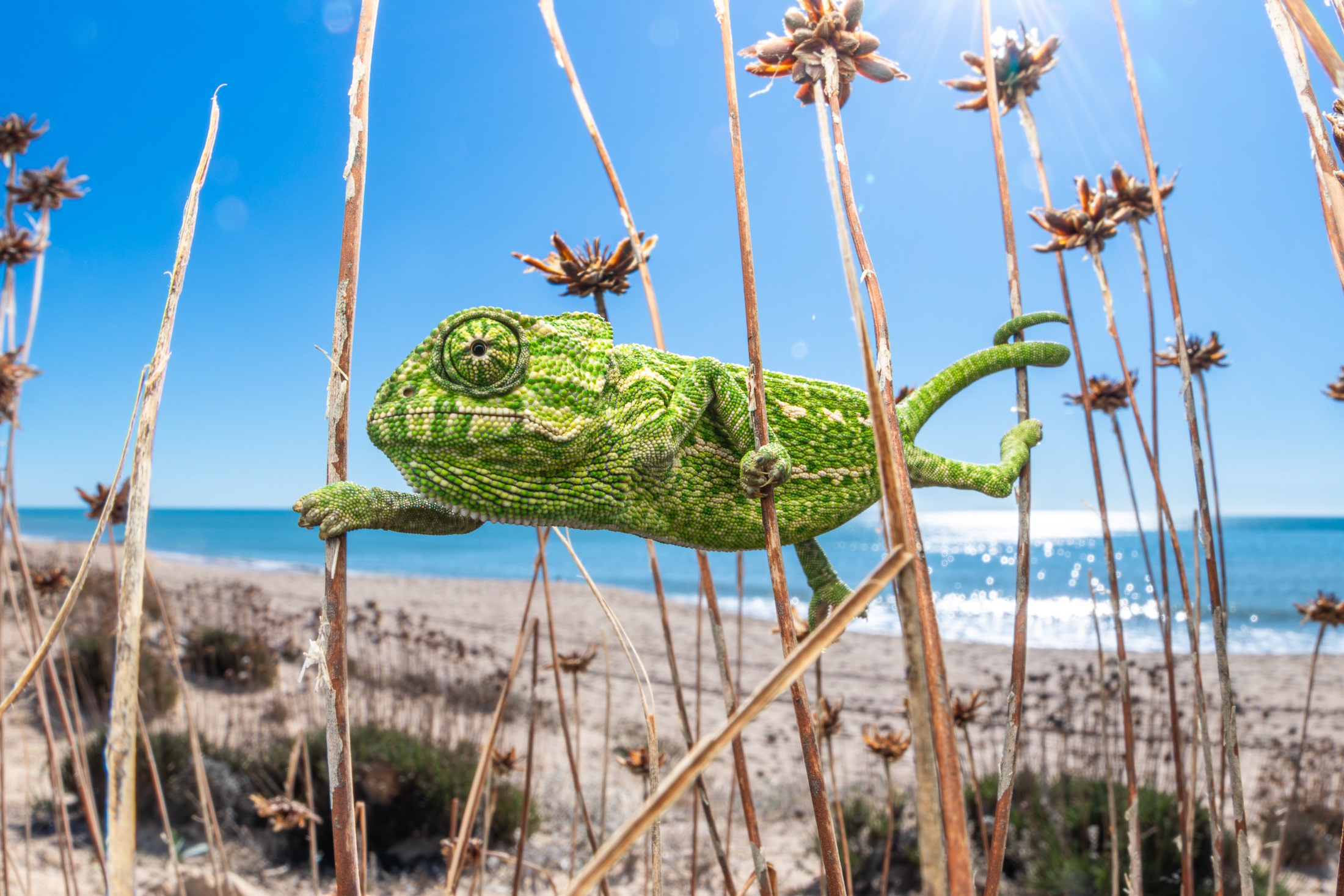
Joao Pontes captured the image with the Canon EOS R7 and EF 8-15mm f/4L Fisheye USM lens at 15mm and 1/125sec, f/20, and ISO 100.
Insects
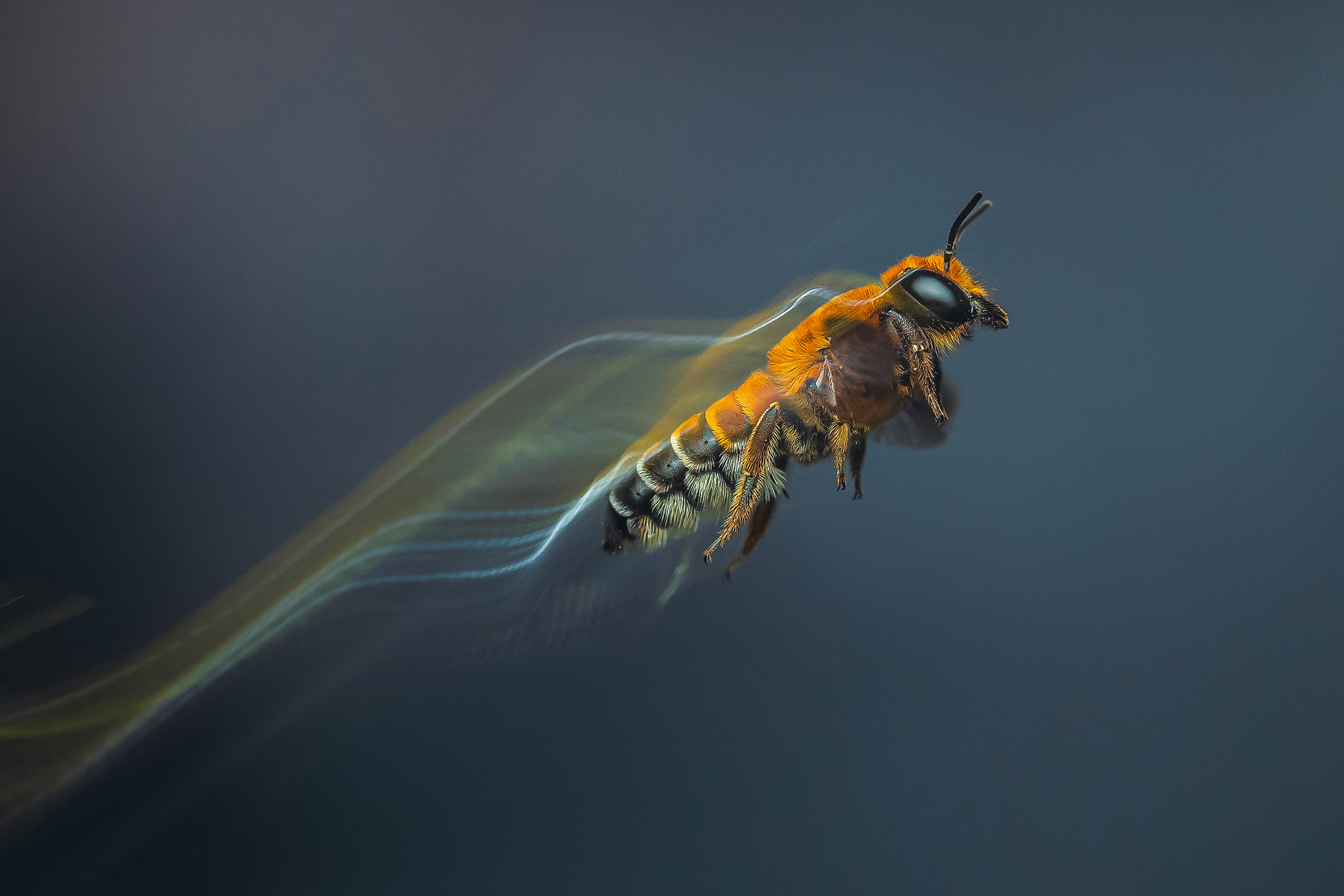
Bidyut Kalita explains, “While observing insect activity in an area of Goalpara, Assam, India, I encountered a striking scene – a jewel-toned Solitary Wasp (likely a Spider Wasp) subduing a spider.
“The precision of the attack was remarkable. Instead of killing the spider, the wasp delivered a sting that paralysed it. I watched as the wasp carefully handled its prey, preparing to transport it to its nest.
“The immobilised spider would serve as a living food source for the wasp’s offspring. An egg would be laid on it, and the emerging larva would feed gradually, ensuring the prey remained fresh for as long as possible. This image reflects nature’s raw yet balanced design, where survival is both precise and uncompromising.”
Fungi
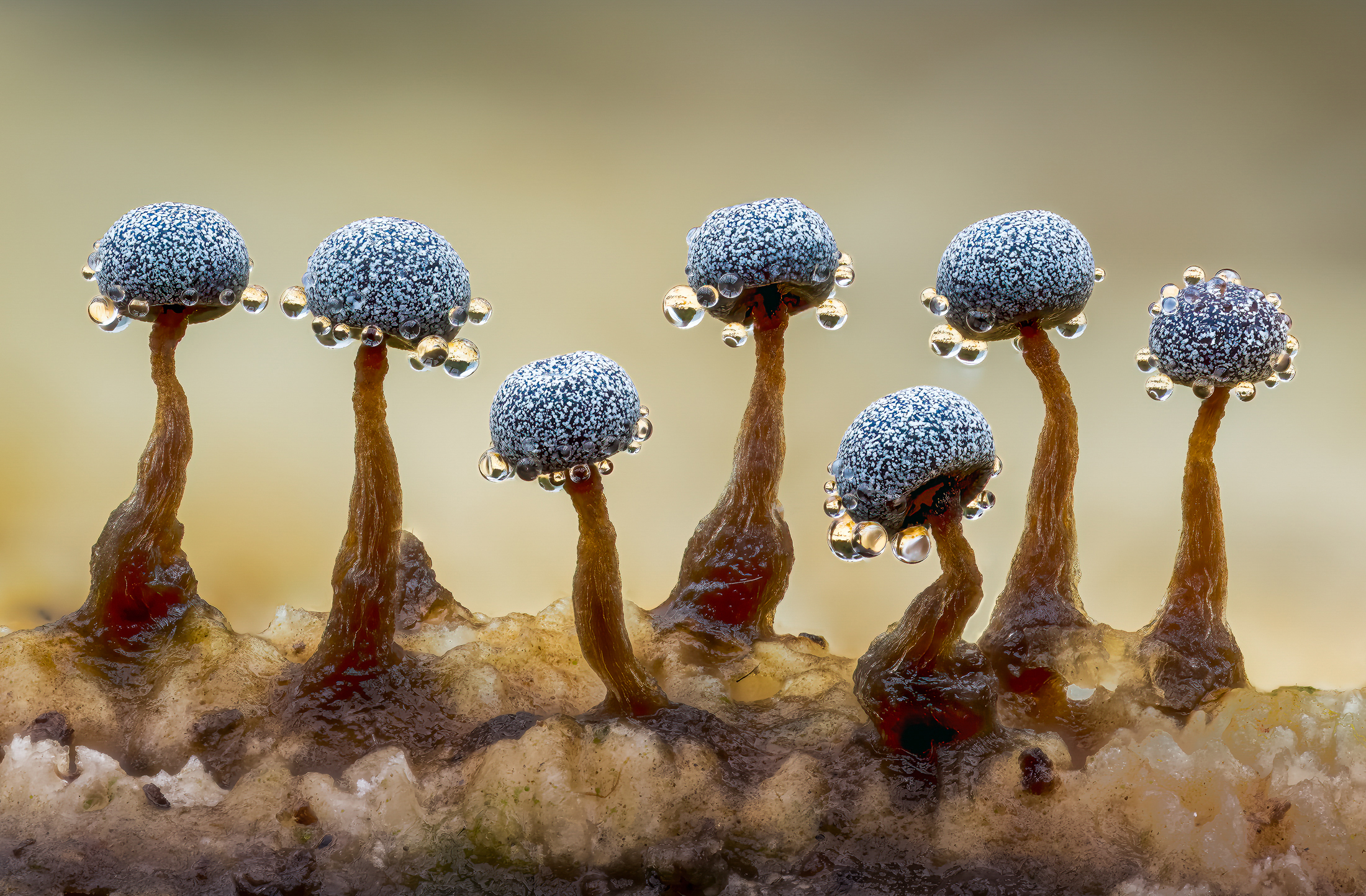
David Myles worked with the OM System OM-1 Mark II and OM. Zuiko 90mm f/3.5 Macro lens, combined with the M.Zuiko Digital 1.4x teleconverter MC-14, captured the subject at 126mm and 1/13sec, f/9, ISO 200.
Intimate Landscape

Lukas Furlan says, “I was already fascinated by this scene, but rotating the image later revealed an entirely different world, almost like looking through a portal. It’s a reminder of the magic of experimentation and unexpected discoveries in photography.”
Animals
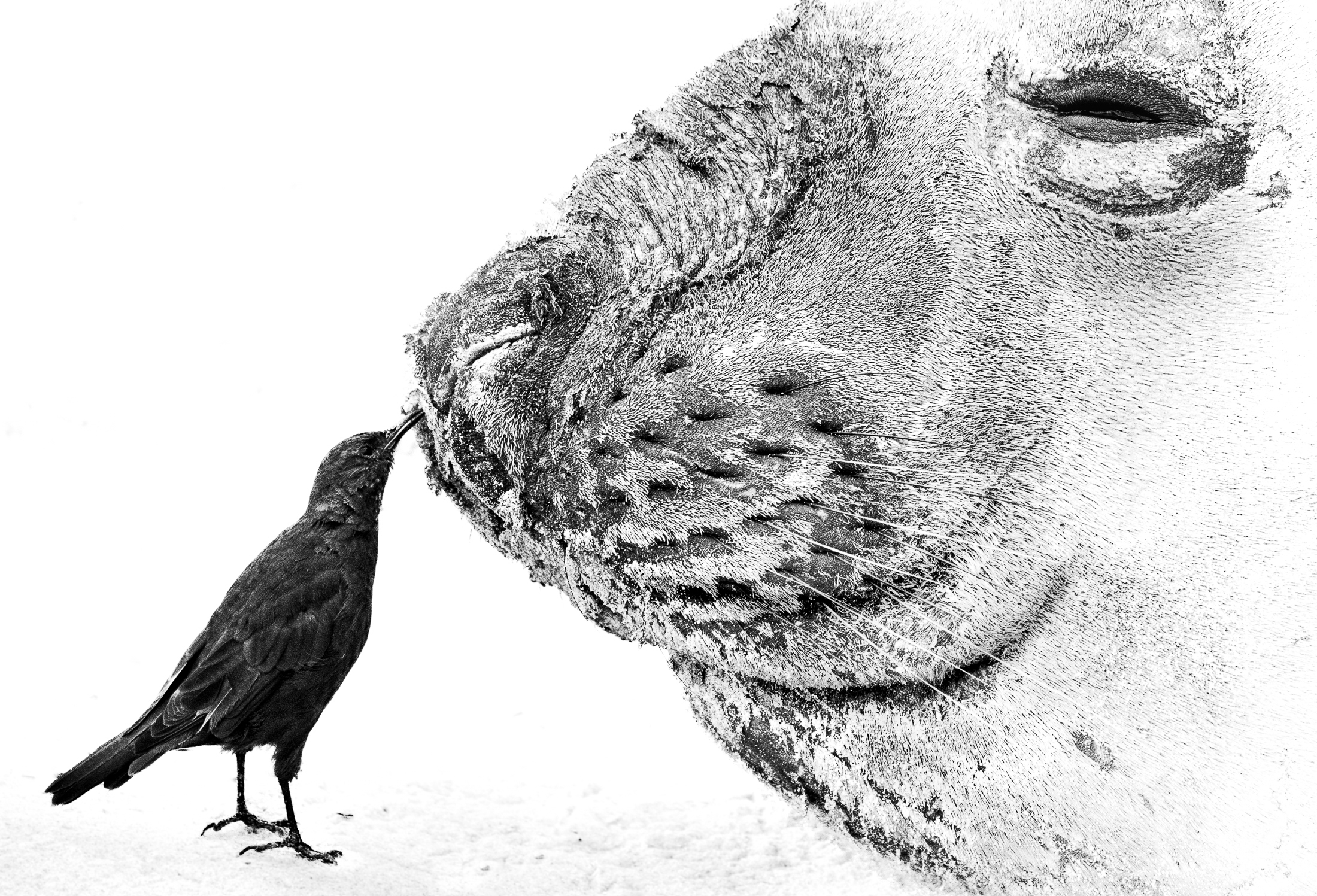
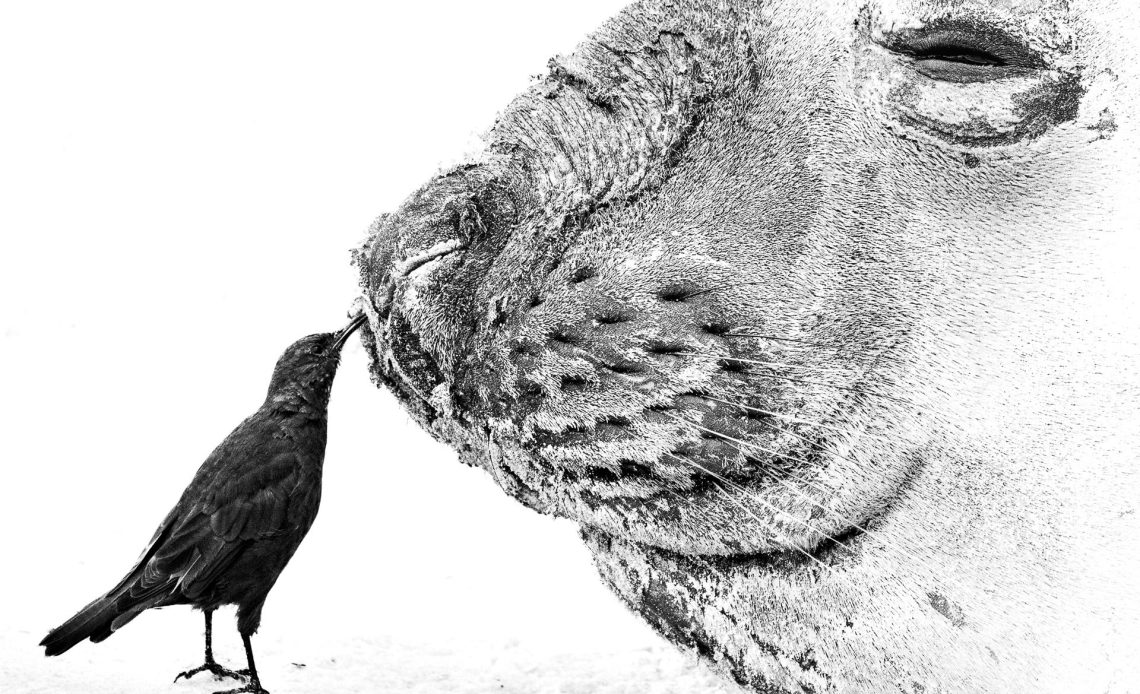
Steffen Foerster explains, “A blackish cinclodes or tussock-bird (Cinclodes antarcticus) picks at the nose of a resting southern elephant seal (Mirounga leonina) on Sea Lion Island, in the Falkland Islands.
“These birds are sensitive to ground predation by introduced cats and rats, so they generally only occur on islands where these predators have been eliminated.
“Their normal diet consists of invertebrates, but they are also known to feed on blood, nasal mucus and damaged tissue of elephant seals. The seals do what they can (which is not much) to discourage the birds from feeding on their wounds.”
Author: Kim Bunermann
Source: DigitalCameraWorld
Reviewed By: Editorial Team
