


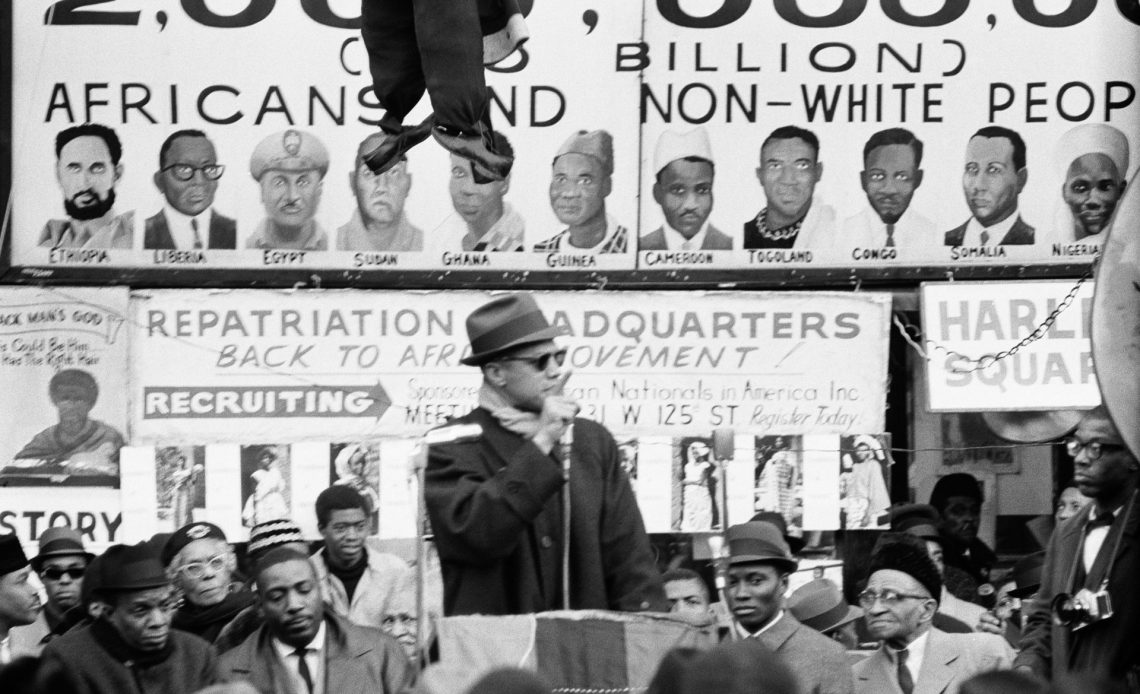
Gordon Parks is one of the towering figures of 20th century American photography. Born in Kansas in 1912, he bought his first camera secondhand for $12.50, taught himself to use it, and worked his way from Farm Security Administration trainee to Life magazine’s first black staff photographer, a post he held for more than two decades.
Known for capturing poverty, segregation and the civil rights movement alongside fashion and portraiture, he described his camera as a weapon against racism and injustice.
Now a major exhibition of his work is opening in New York. But this is by no means a conventional retrospective.
Instead of curators or critics providing the context for Parks’ work, the gallery has gone back to the people who stood in front of his lens and asked them what they remember.
Why it makes sense
That’s an unusual way to build a photography show, but it makes sense in the case of Parks. His pictures have been reproduced, studied and analysed so much, there’s a danger the people begin to feel like symbols rather than individuals in their own right. Marking the 20th anniversary of the Gordon Parks Foundation, Gordon Parks: Voices in the Mirror, aims to reset that balance.
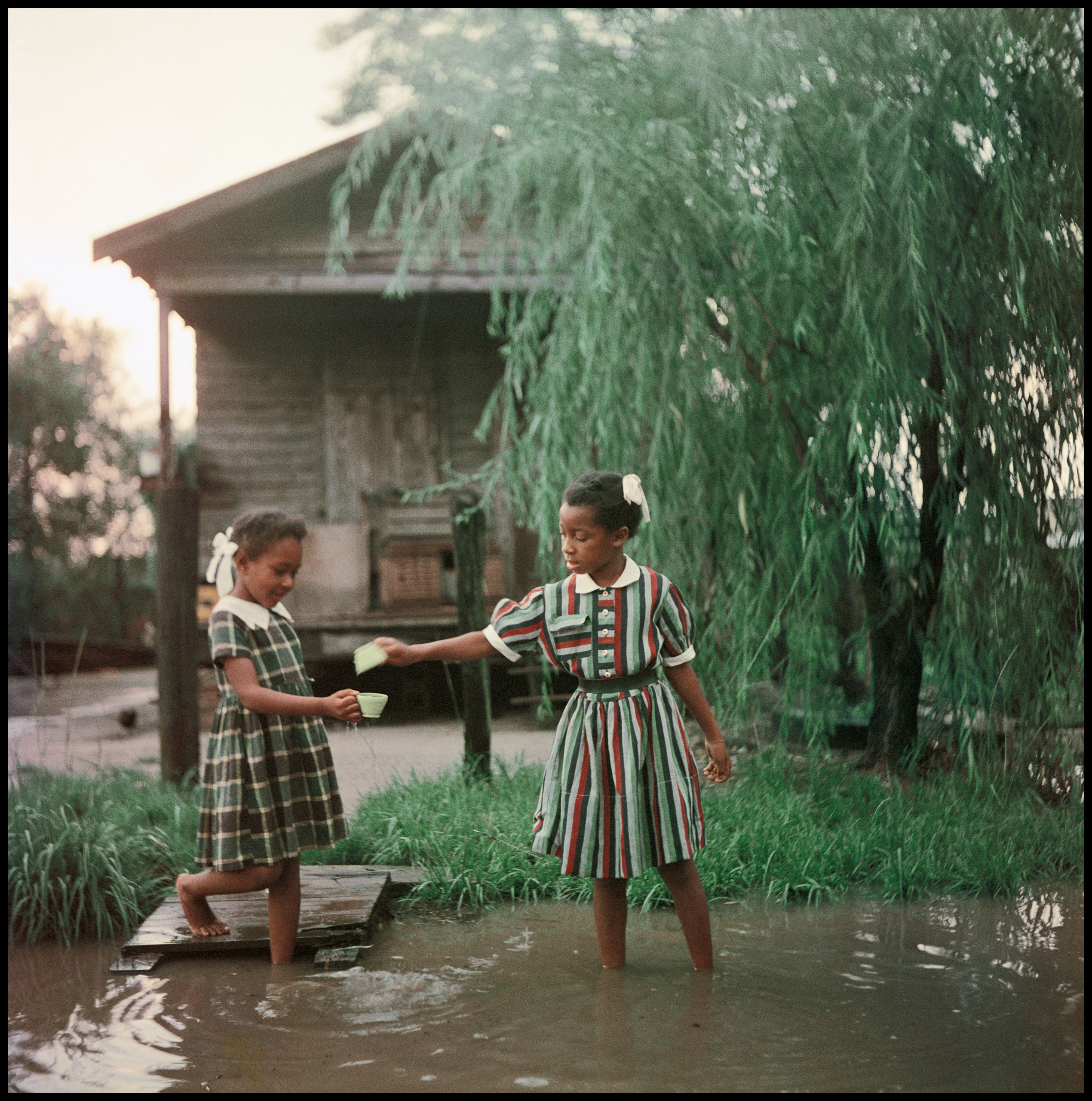
Take At Segregated Drinking Fountain, Mobile, Alabama, shot in 1956 for a Life essay on daily life under the Jim Crow laws. One of his subjects, Cora Taylor, recalls not knowing who to trust that day and warning her mother about the photograph in case anything went wrong.
The 1947 Doll Test series featured Dr Kenneth and Mamie Clark’s psychological experiments about the effect of segregation on black children. Their daughter, Kate Clark Harris, remembers Parks’s gift for reaching past the surface of a scene. Another highlight is Eldridge Cleaver and His Wife, Kathleen, Algiers, Algeria? Taken in 1970 while Eldridge, a Black Panther leader, was in exile, it’s accompanied here by words from Kathleen Cleaver on how photography can isolate what matters from a place.
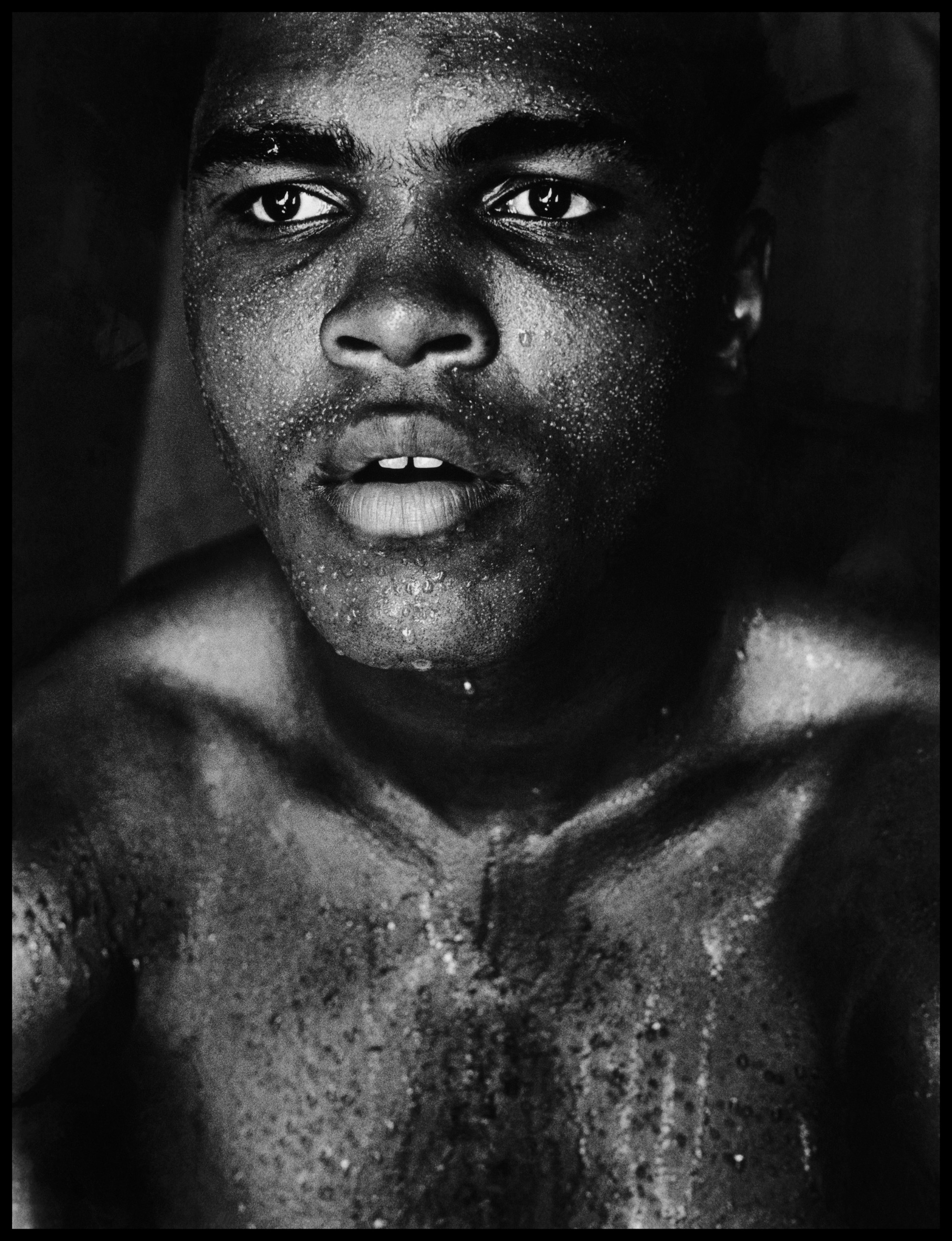
Others contributing reflections include Lonnie Ali, widow of the iconic boxer Muhammad Ali, and Qubilah Shabazz, daughter of the civil rights leader Malcolm X. They’re joined by Anderson Cooper and Isabella Rossellini whose mothers – the artist and writer Gloria Vanderbilt and the film star Ingrid Bergman respectively – were both photographed by Parks.
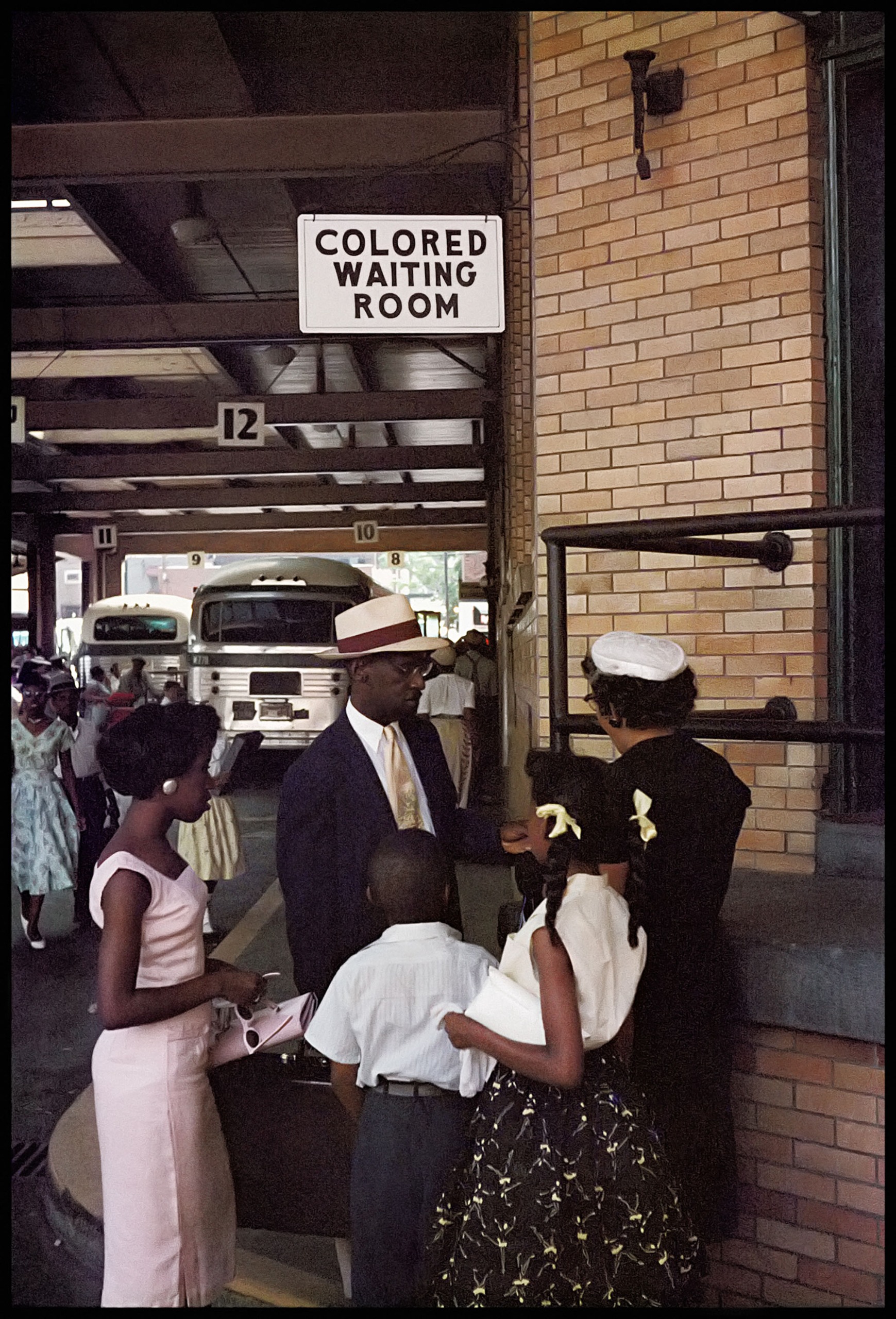
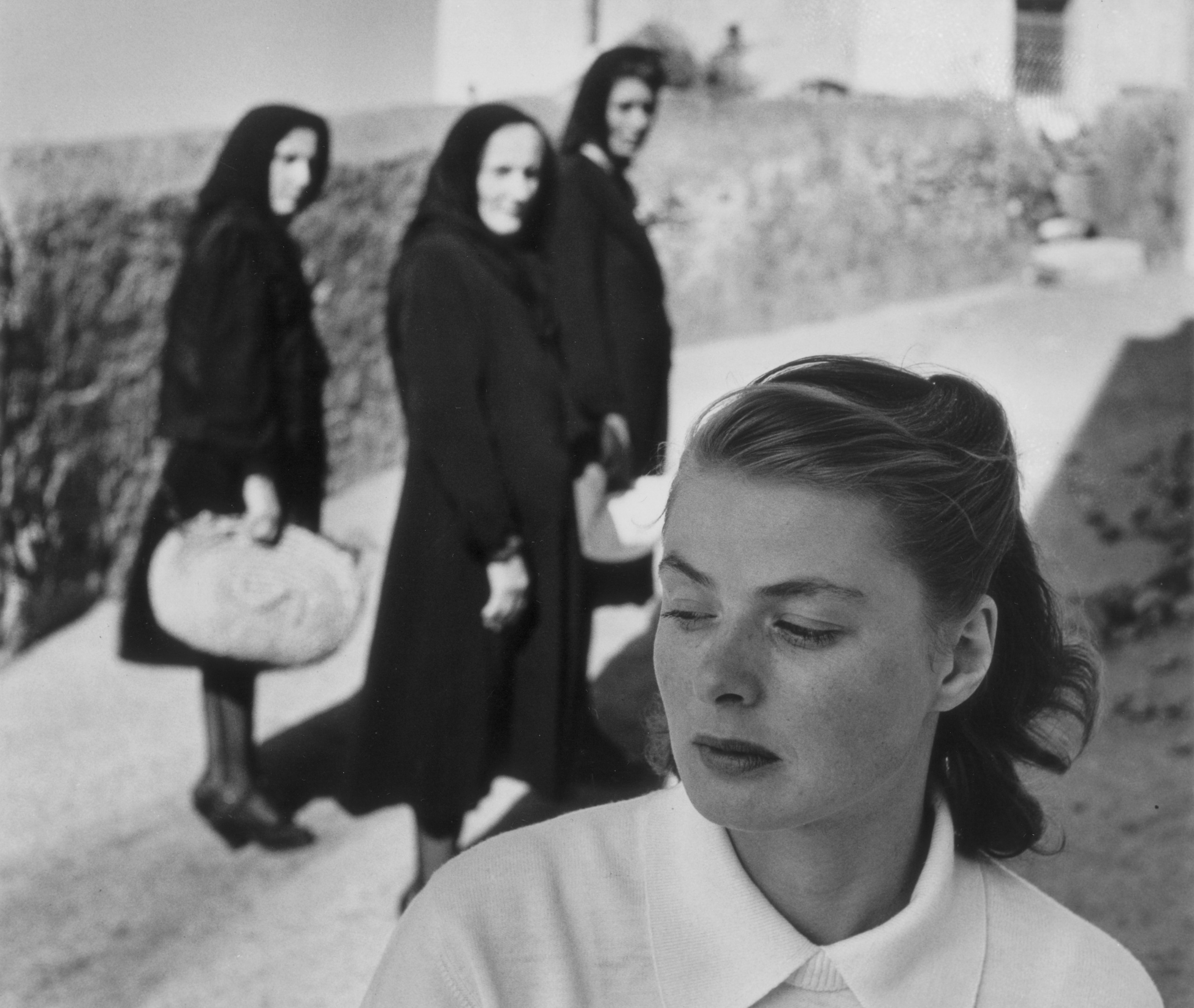
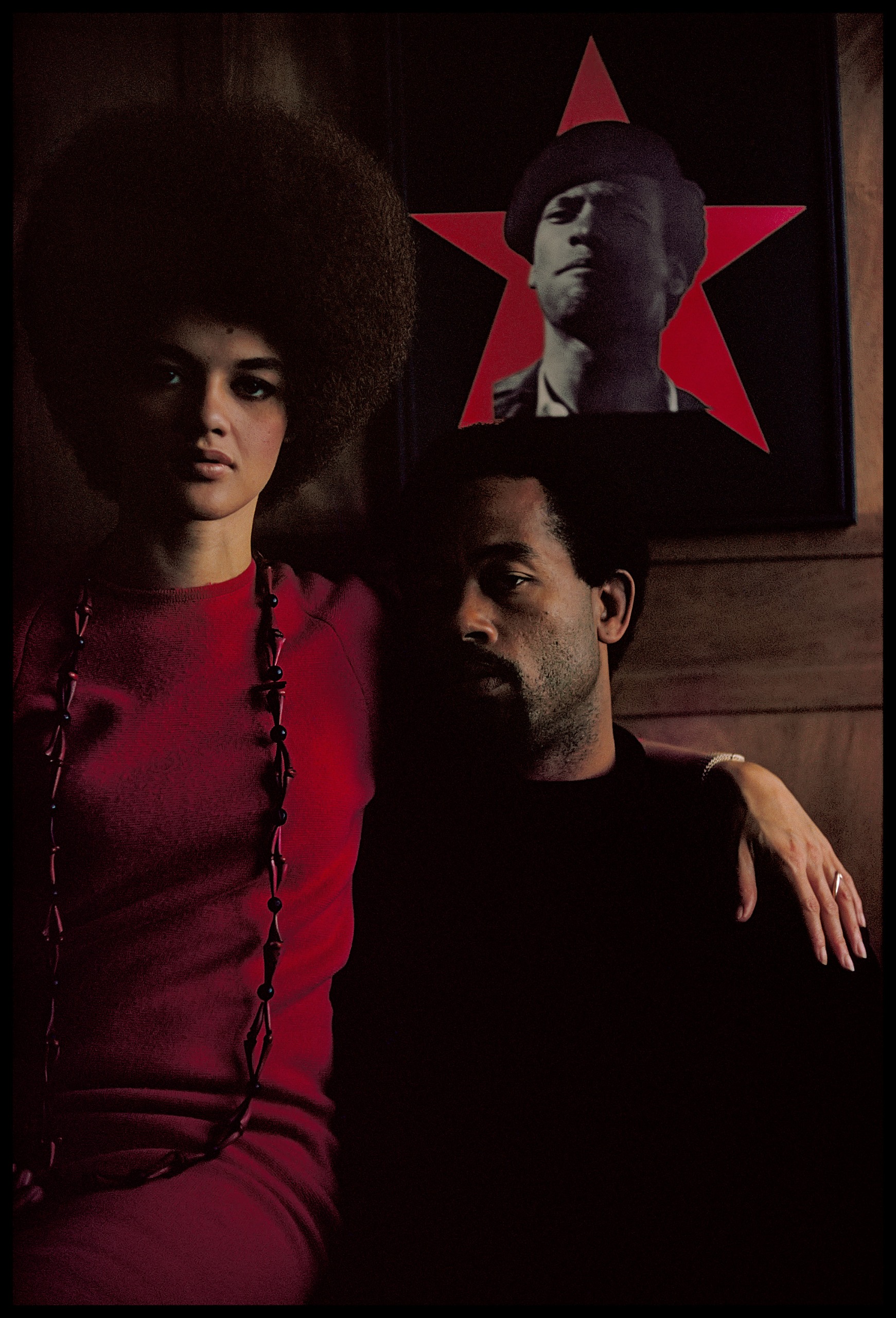
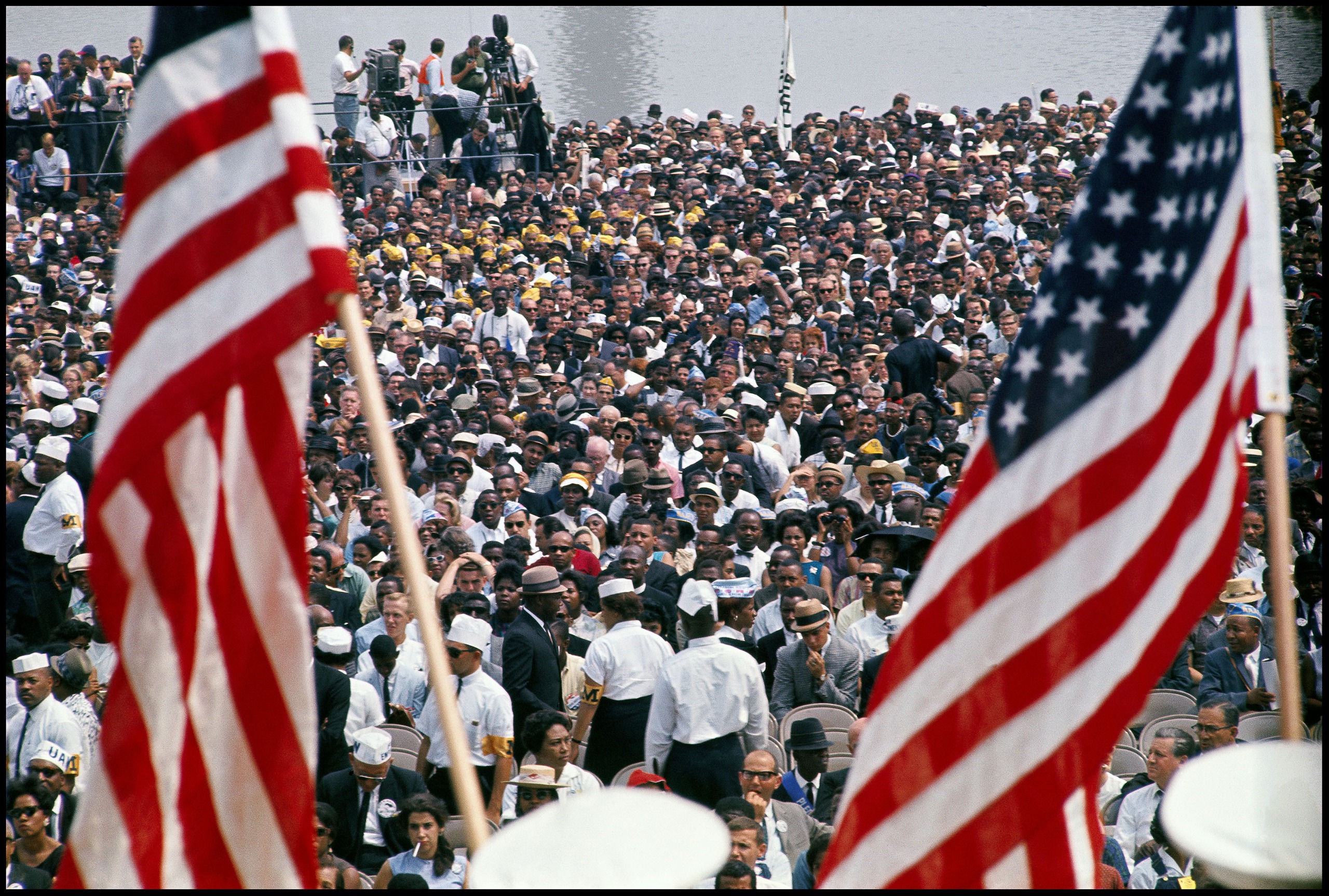
And that’s not all. The show also draws in people who worked alongside Parks or have studied his legacy closely: filmmaker Ava DuVernay, Equal Justice Initiative founder Bryan Stevenson, author Alice Walker and her daughter Rebecca Walker, curator Thelma Golden, photography historian Deborah Willis, artist Hank Willis Thomas and Ambassador Andrew Young, who was present at the 1963 March on Washington that Parks photographed.
Parks, says DuVernay, didn’t bring elegance to black life; he captured the elegance that was already there. And surely that’s as good a tribute as any photographer could ever hope to receive.
Gordon Parks: Voices in the Mirror runs at Jack Shainman Gallery, 46 Lafayette Street, New York, until 6 November.
Author: Tom May
Source: DigitalCameraWorld
Reviewed By: Editorial Team
