

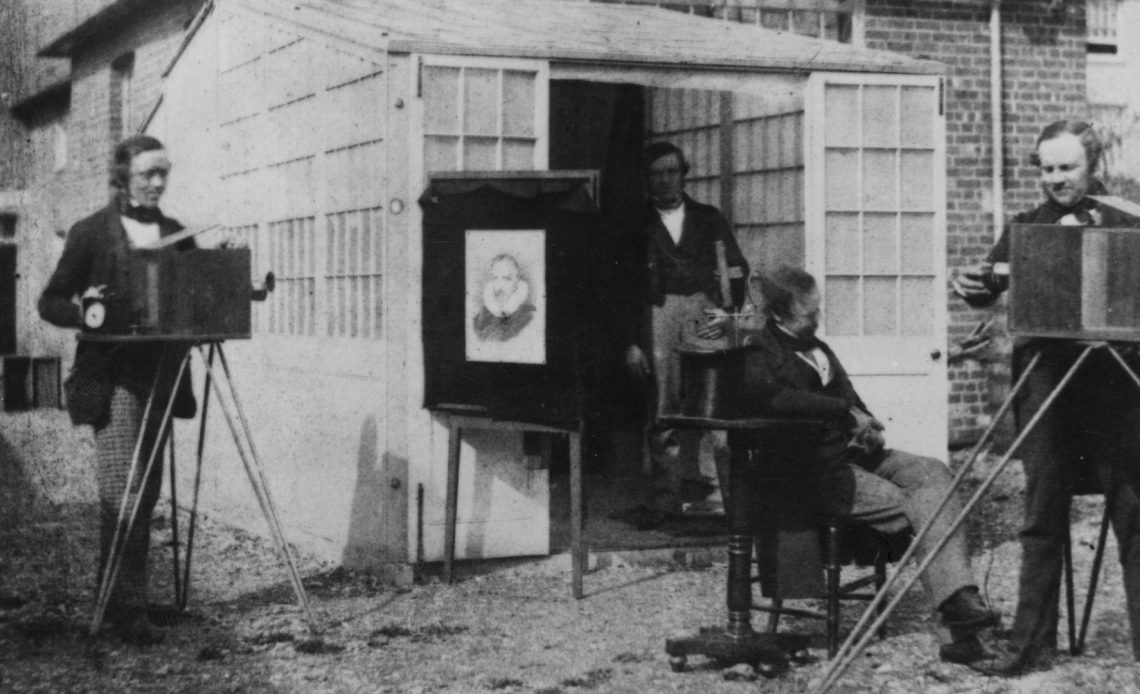
Modern cameras may take photographs in times measured in fractions of a second, but early photographs once took anywhere from 15 minutes to several hours to take a single photograph. Then, in 1840, an English chemist and pioneering photographer made a discovery that shortened the time required to take a photograph to a minute or less.
William Henry Fox Talbot was one of photography’s early pioneers – some suggest that, had he shared his work just a few weeks earlier, he could have been known as the founder of photography. Talbot’s early work in the mid-1830s created photogenic drawings on light-sensitive paper that used a salt and silver nitrate solution.
Talbot presented his idea of “photogenic drawing” to the Royal Society just three weeks after Louis Daguerre first displayed the first daguerreotypes in 1839. But at the time, Talbot’s paper-based process fell short of the sharp details from Daguerre’s silver plates.
But where Daguerre returned to his work as a painter after the introduction of the daguerreotype, Talbot continued to refine his paper-based process. Less than two years later, Talbot patented a process that would drastically change how a photograph was taken.
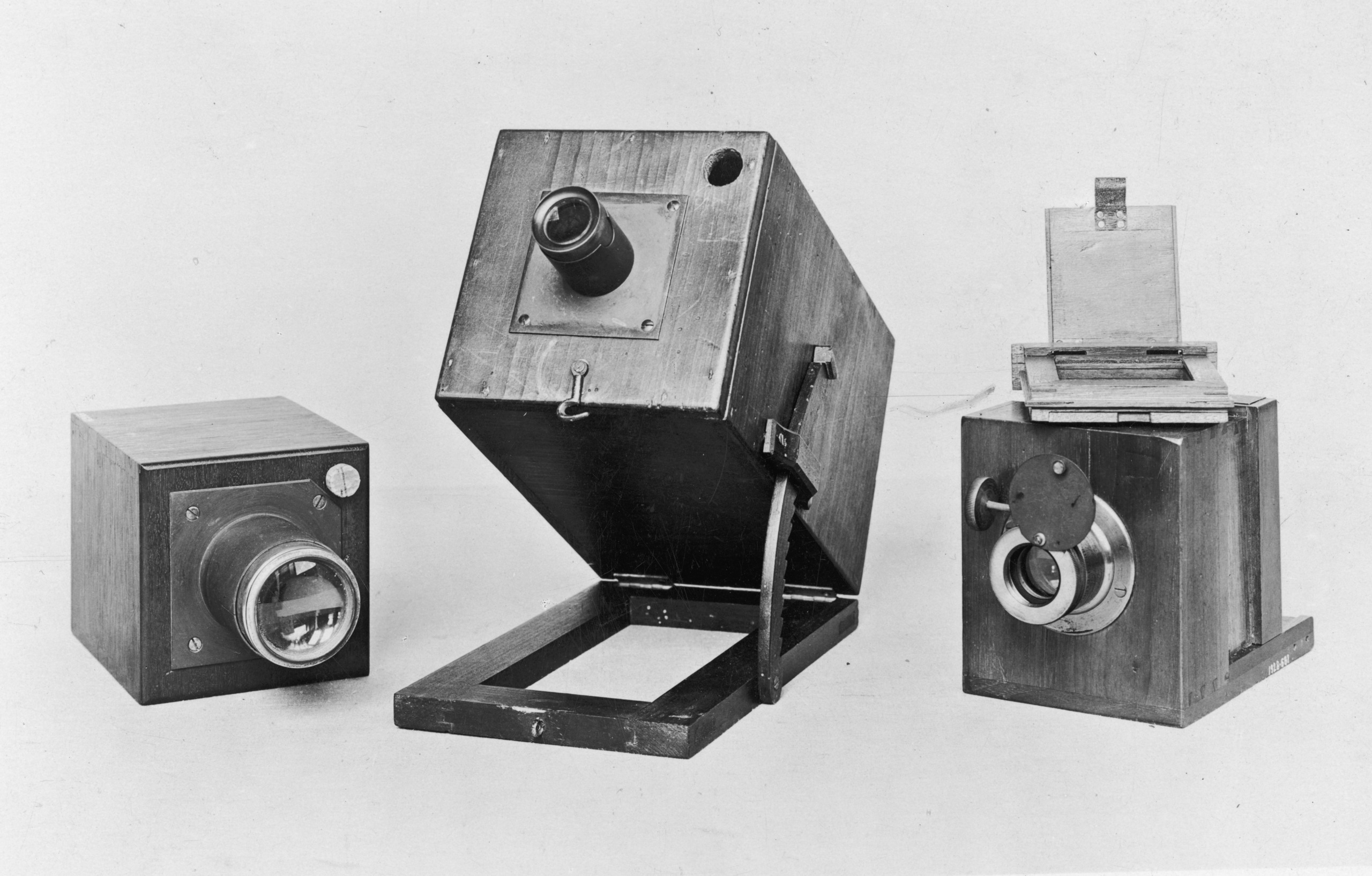
The earliest photographs from Nicéphore Niépce’s heliography took several hours – and some may have even taken days. The daguerreotype sped up that process considerably, but still required exposing the silver plate for three to fifteen minutes.
Sometime between September 21 and 23, 1840, Talbot realized that while exposing the light-sensitive paper for just a few seconds did not leave any visible changes, putting the image into a gallic acid solution allowed the image to appear on the paper. Some records suggest that Talbot discovered that an invisible photograph still existed on the paper by accident.
Mixing Talbot’s earlier work to create images on light-sensitive paper with the additional step of rinsing those images in a developing solution drastically reduced a photograph’s exposure time from minutes to seconds. He initially called this part of the process using an “exciting liquid.” While modern photography no longer uses gallic acid, analog film development still uses a developer.
Talbot’s earliest images, however, faded quickly. Talbot’s friend Sir John Herschel later proposed a hyposulfite solution to stop the paper from continuing to be sensitive to light, introducing the idea of a fixer into the film developing process.
Talbot called his paper-based photographic process the calotype and patented the process in February 1841.
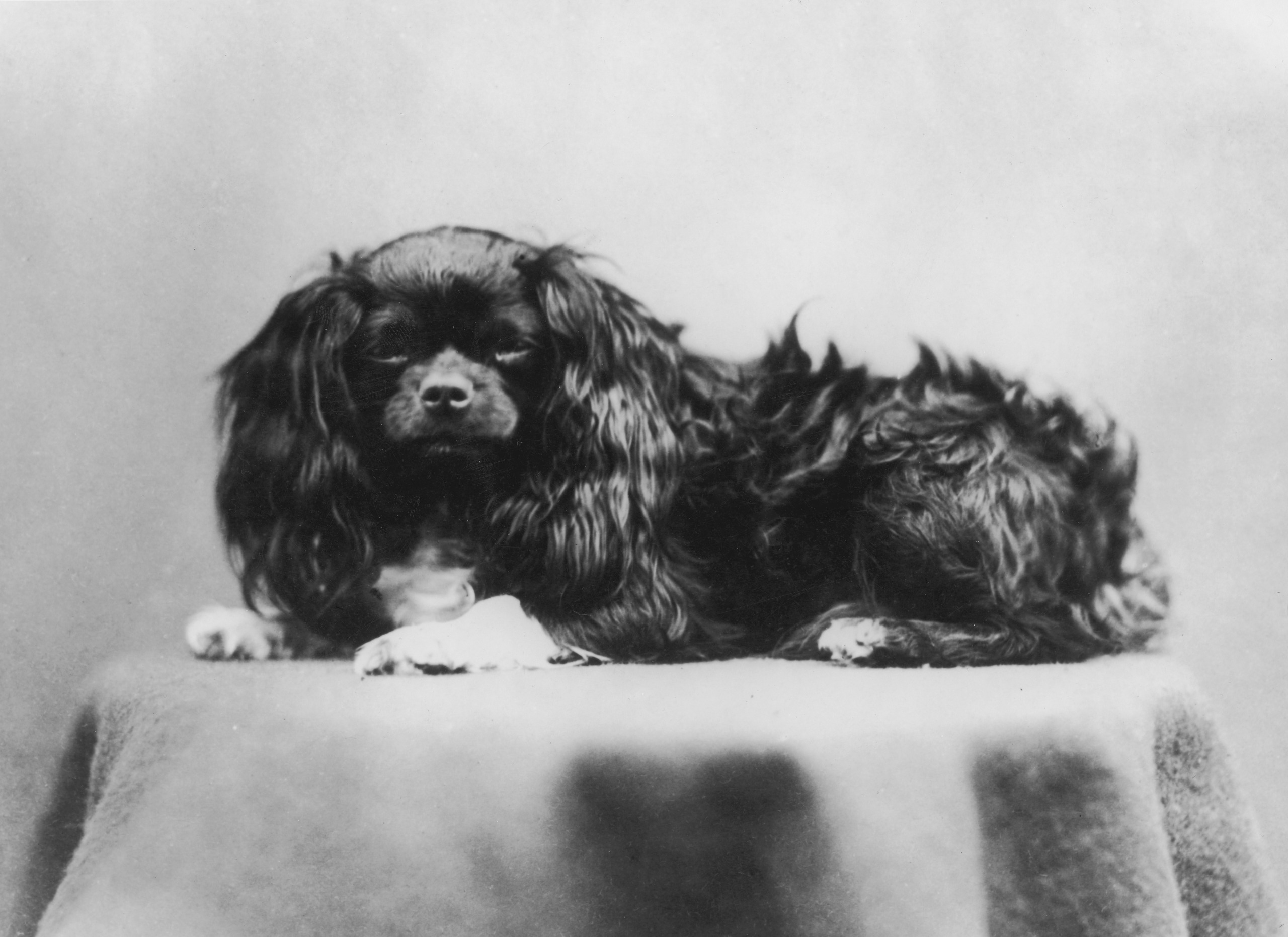
Talbot’s work didn’t just shorten the exposure time for early photographs, however. Daguerreotype photographs could not be duplicated, but calotypes created a negative image that could be duplicated by placing the negative over another light-sensitive paper.
The calotype introduced three concepts that became a longstanding part of film photography even as it evolved through different forms: developing, fixing, and then printing or reproducing from those negatives.
Despite the problems that the calotype solved, the daguerreotype remained more popular for its sharper, detailed portraits. The calotype was also patented and required licensing fees, whereas the daguerreotype did not require those fees.
While the daguerreotype may have been the more popular form of early photography, the calotype’s use of developing a negative, fixing the image, and creating prints remained a key part of analog photography even as the calotype was replaced by the albumen silver print in the 1850s.
Author: Hillary K. Grigonis
Source: DigitalCameraWorld
Reviewed By: Editorial Team