

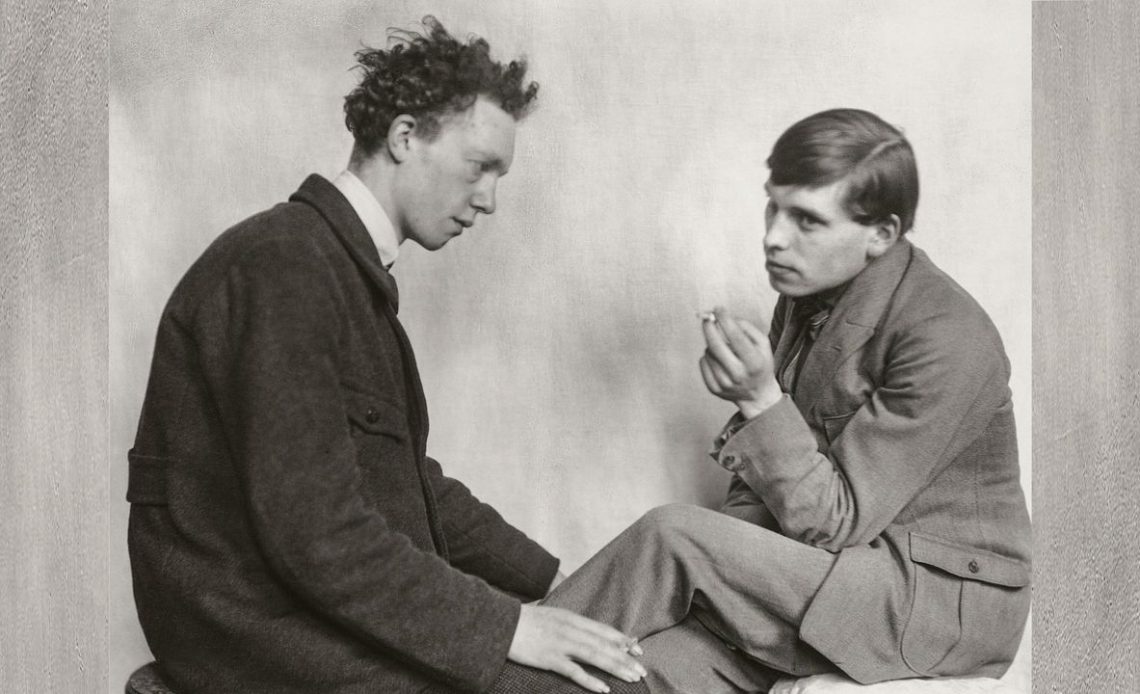
If you shoot portraits for a living, August Sander is a name you should know. His decades-long People of the 20th Century, for one, is a landmark in the discipline’s history.
An attempt to catalogue a cross-section of society by trade and social type, it set the template that Diane Arbus, Bernd and Hilla Becher, and ultimately portraiture in general would build from.
If, for instance, you’ve ever shot a series of subjects against the same plain background, in the same pose, to emphasise the differences between them, you’re standing on Sander’s shoulders.
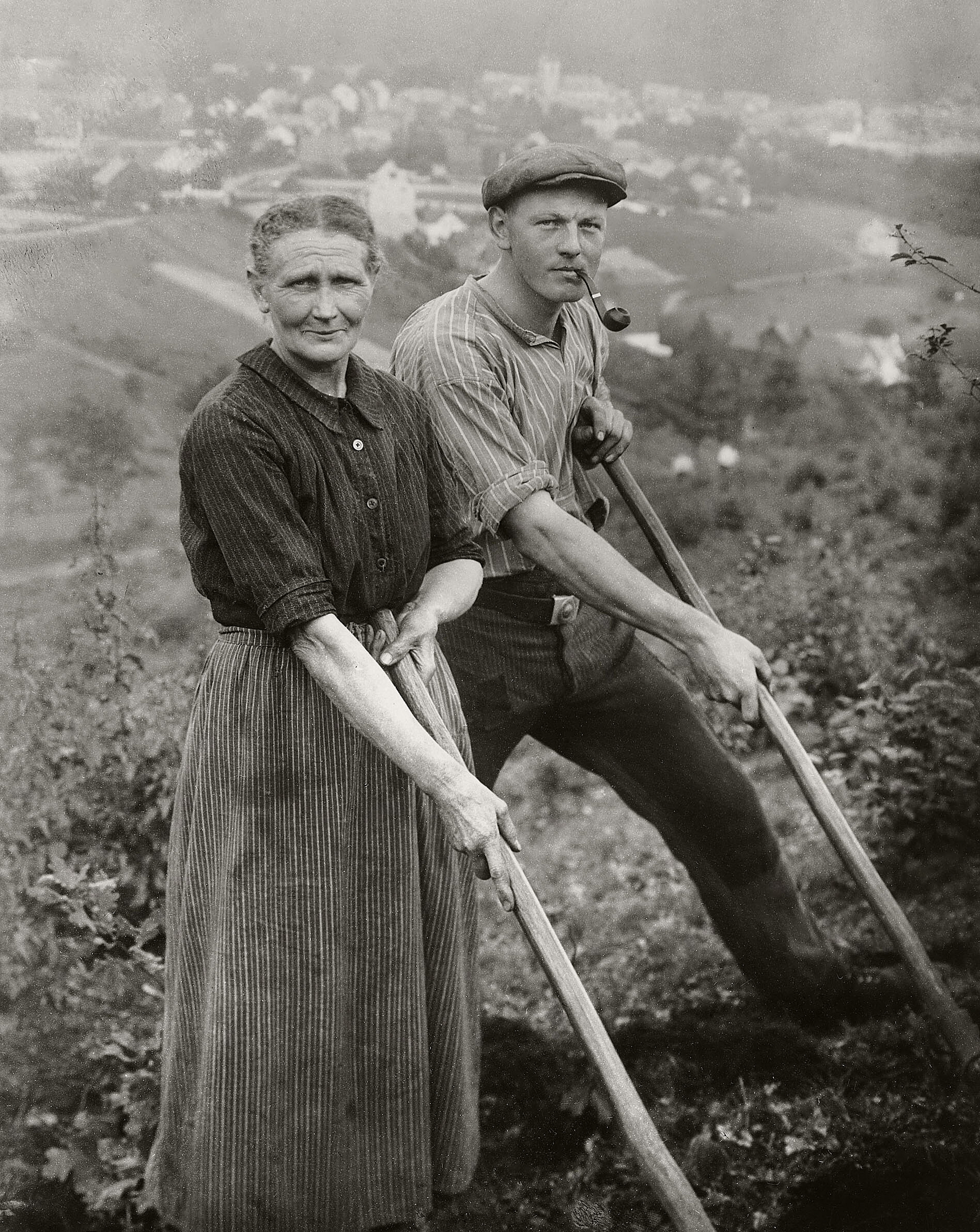
Precisely because he is so legendary as a portraitist, though, the breadth of his work as a whole is often overlooked. And so seeing images like those on this page – a hard working, weathered farming couple, an outlandish artistic trio, a hand gripping a walking stick – is a breath of fresh air.
They form part of a new exhibition marking the 150th anniversary of his birth. August Sander: On His 150th Birthday draws mainly on the foundation’s own holdings, which have housed the world’s biggest Sander archive since 1992.
![August Sander: The Dadaist Raoul Hausmann [with Hedwig Mankiewitz and Vera Broïdo], 1929](https://cdn.mos.cms.futurecdn.net/urPqcyMB22DtxdfxAj3bKg.jpg)
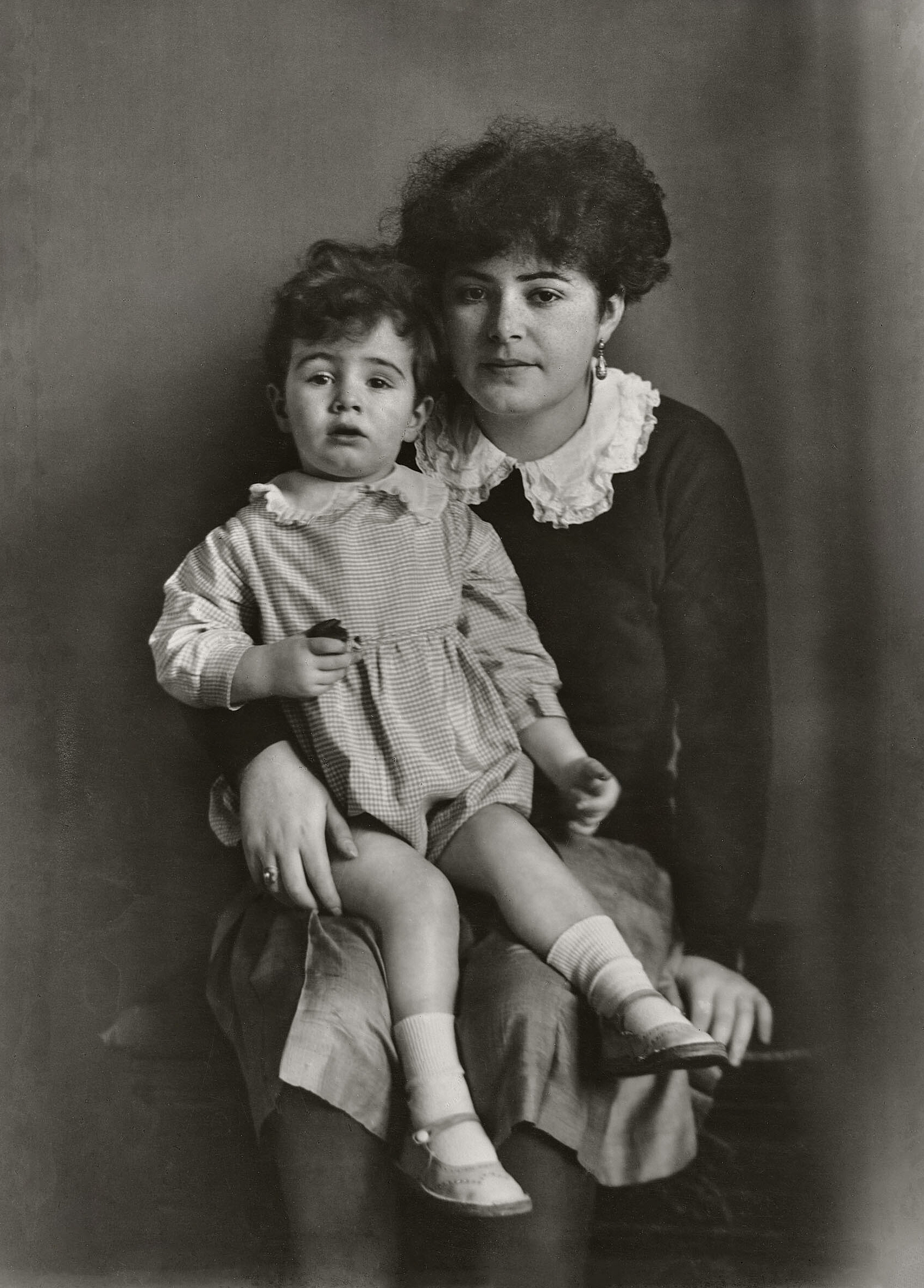
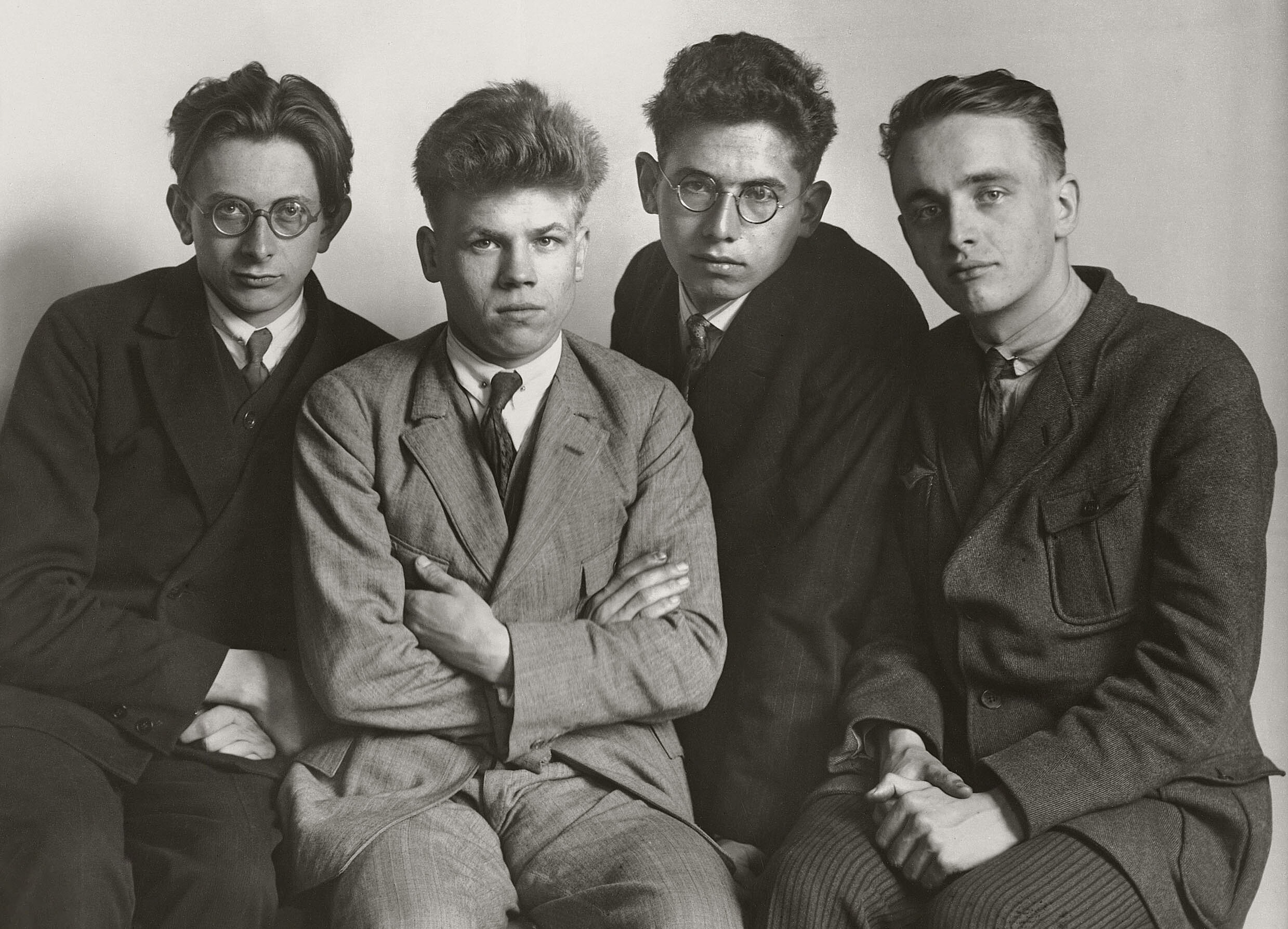
Alongside his famous portraits, visitors also get to experience early images from his Linz period and commissioned photographs from the Westerwald region that few people have ever seen.
It is, in short, a chance to see just how many different registers Sander could work in. Formal document, social observation, personal affection; all united by an eye for structure that made even a farming couple leaning on hoes look epic.
Substance over style
What quick becomes clear is that Sander’s genius was never really about a fixed style, so much as a fixed method applied to constantly shifting subjects.
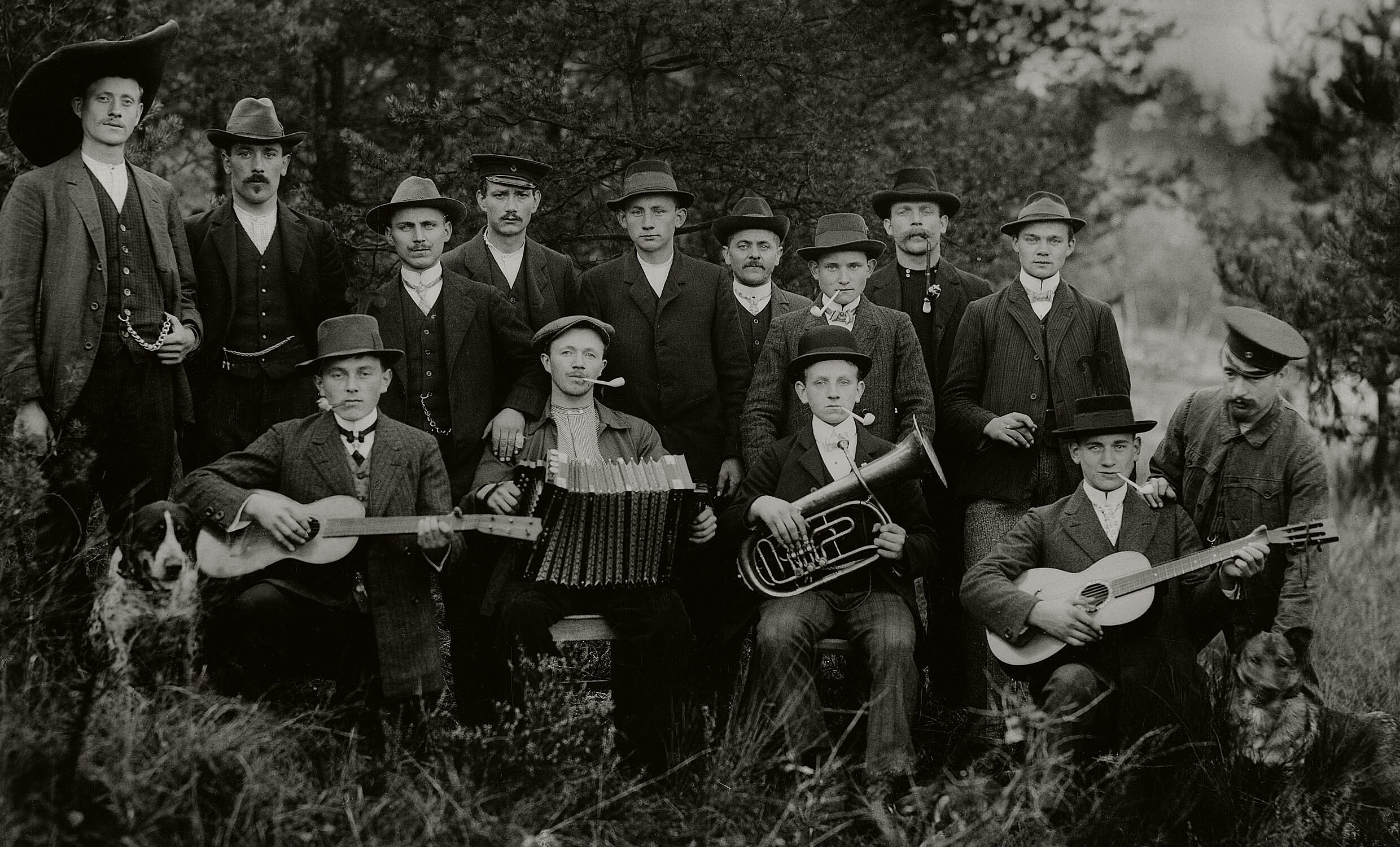
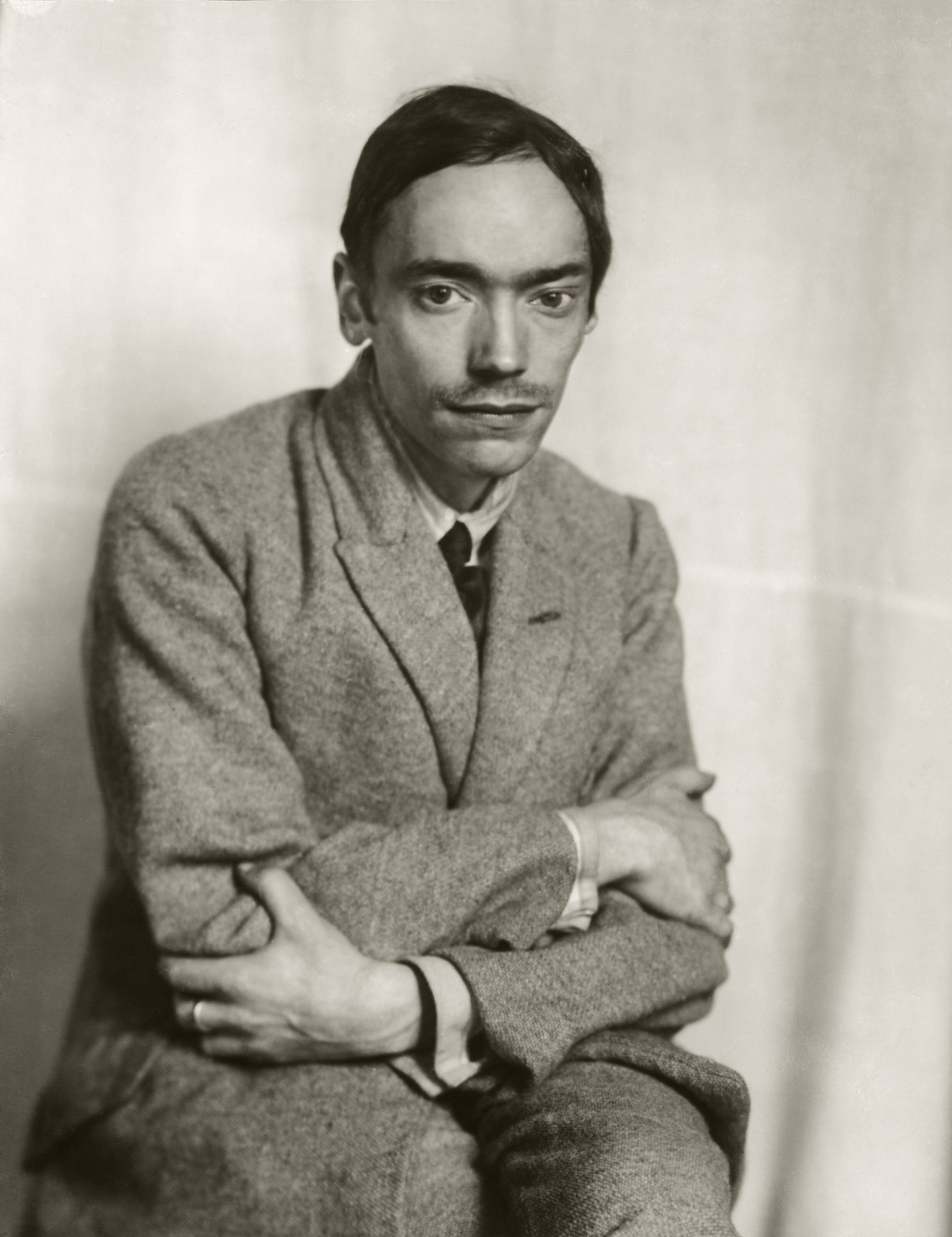
A group of musicians, gathered together with their instruments and dogs, has none of the stiffness you’d expect from studio work of the period; a mother and child portrait evokes real tenderness within the formal pose. Elsewhere, artists pose in an almost confrontational manner that could pass for a still from a much later decade.
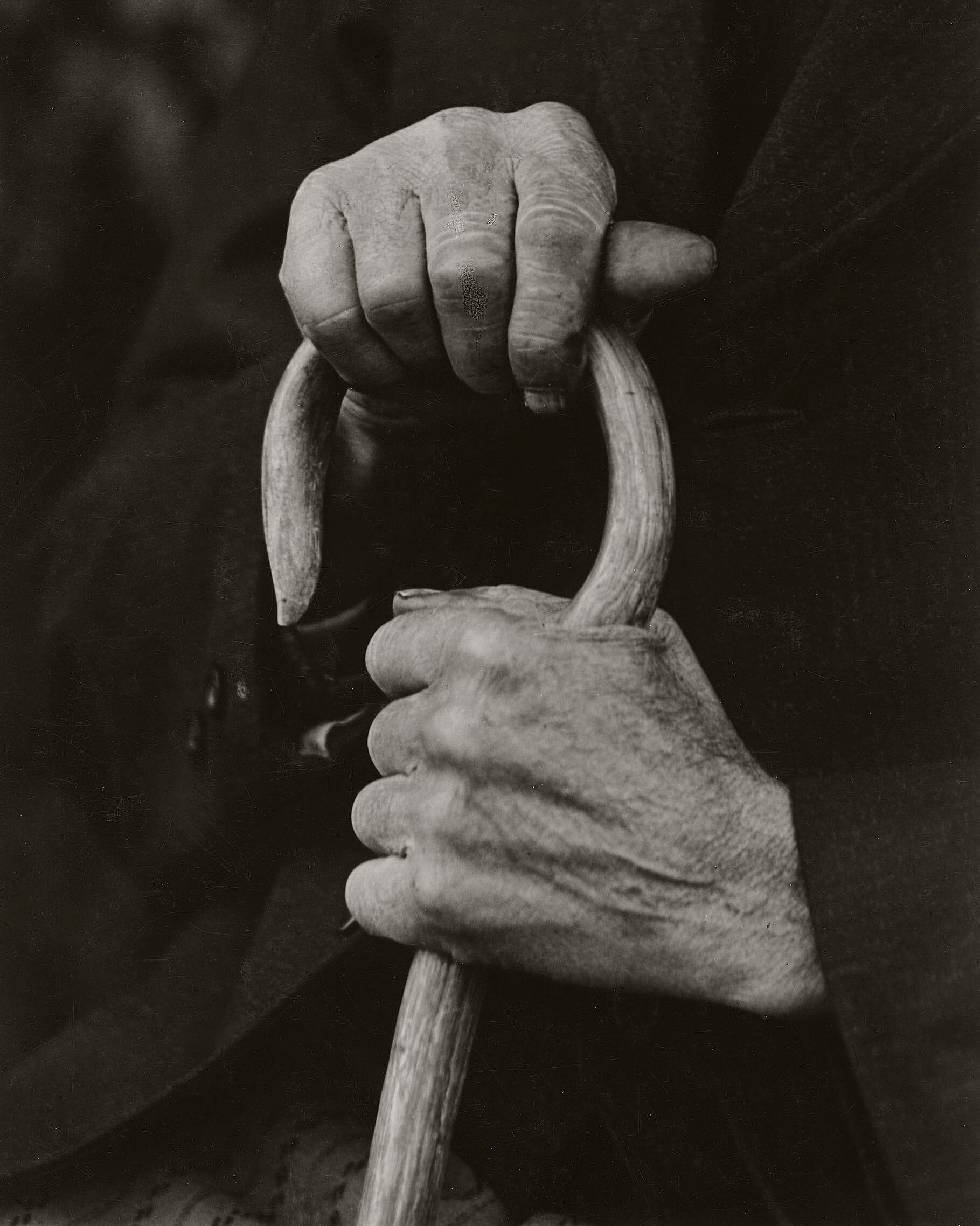
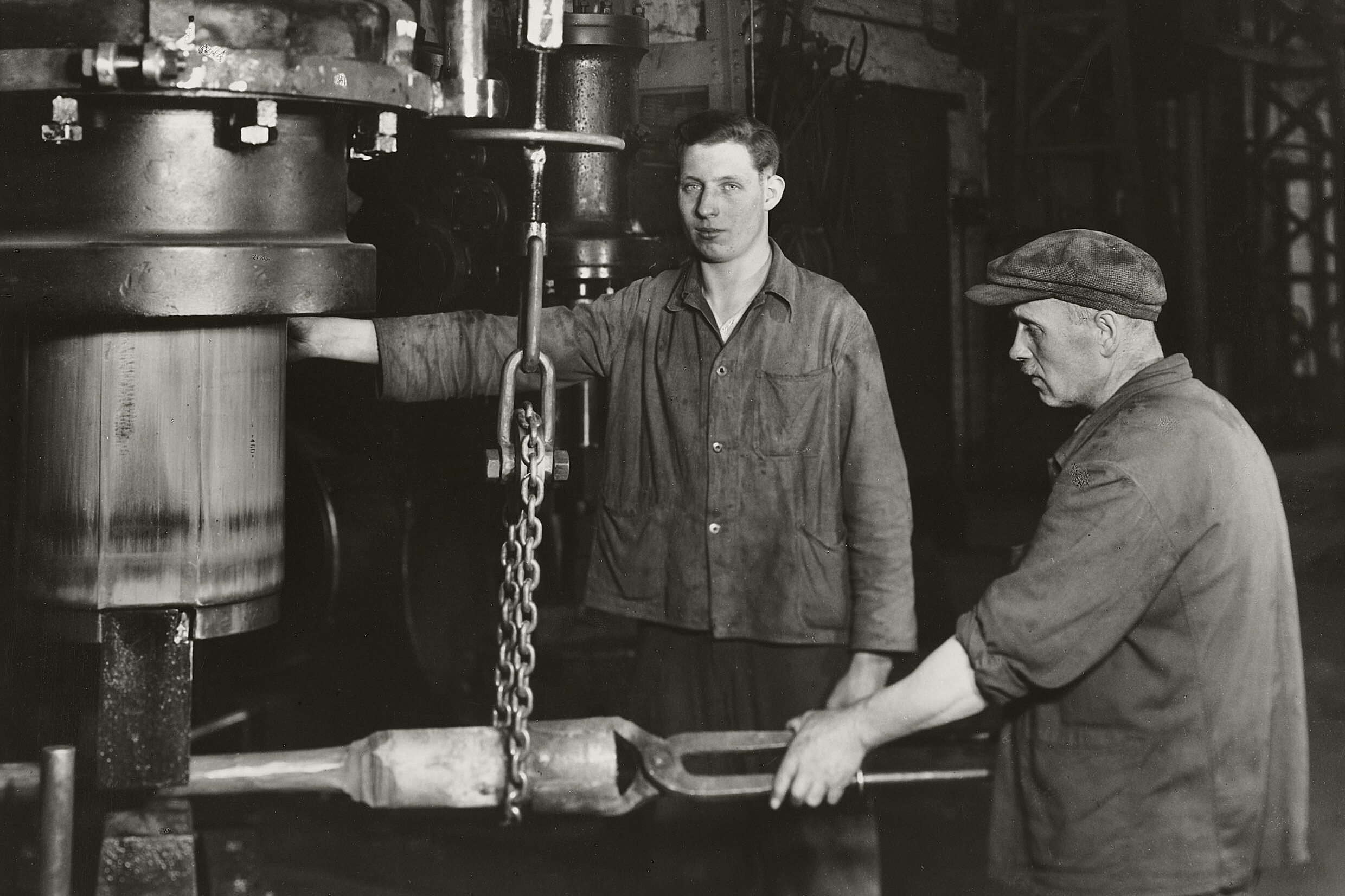
Sander wasn’t just cataloguing “German types” but also paying close attention to everyone in front of him. This extended to small details, as seen in two of the featured series, Studien, der Mensch (Studies, the Human Being) and Mensch und Maschine (Man and Machine), where the hand recurs as a central motif.
Cologne, where Sander lived and worked for more than 30 years, gets attention too: a newly exhibited group of images, made between 1930 and 1942/43, documents his own family home and studio. A companion publication from Schirmer/Mosel pairs this body of work with six radio talks Sander wrote and delivered for West German Radio in 1931; all six play in the exhibition space.
The show also touches on Sander’s single trip abroad, several weeks in Sardinia in 1927 with the writer Ludwig Mathar, while a monitor presentation pairs his Rhine and Siebengebirge landscapes with recent images by photographer Gerhard Fleischer, who’s spent years since 2014 tracking down Sander’s work.
August Sander: On His 150th Birthday runs at Die Photographische Sammlung/Stiftung Kultur der Sparkasse KölnBonn, Cologne, until 24 January. Admission is €7.50 (concessions €4.50), with free entry on the first Thursday of every month.
Author: Tom May
Source: DigitalCameraWorld
Reviewed By: Editorial Team