

Every keen photographer eventually collects something, whether it’s cameras, prints, or just a hard drive full of “keepers” nobody else will ever see.
Judy Glickman Lauder collected the real thing: around 100 photographs by around 50 of the medium’s biggest names. And it’s now heading out on a four-venue US tour as Presence: The Photography Collection of Judy Glickman Lauder.
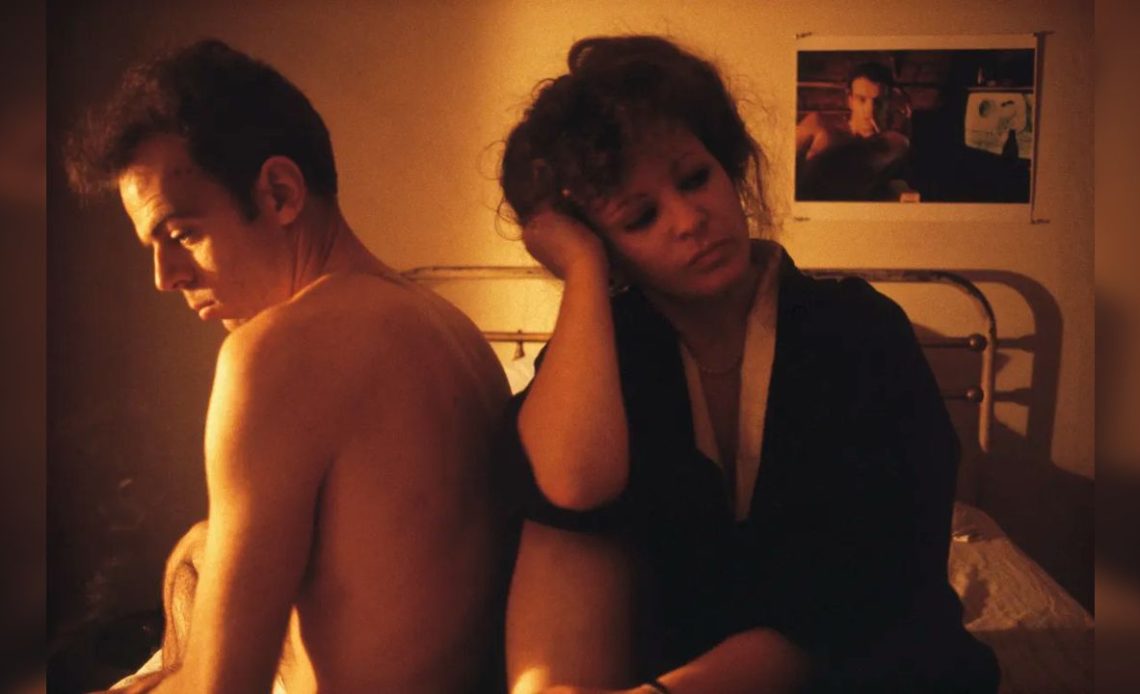
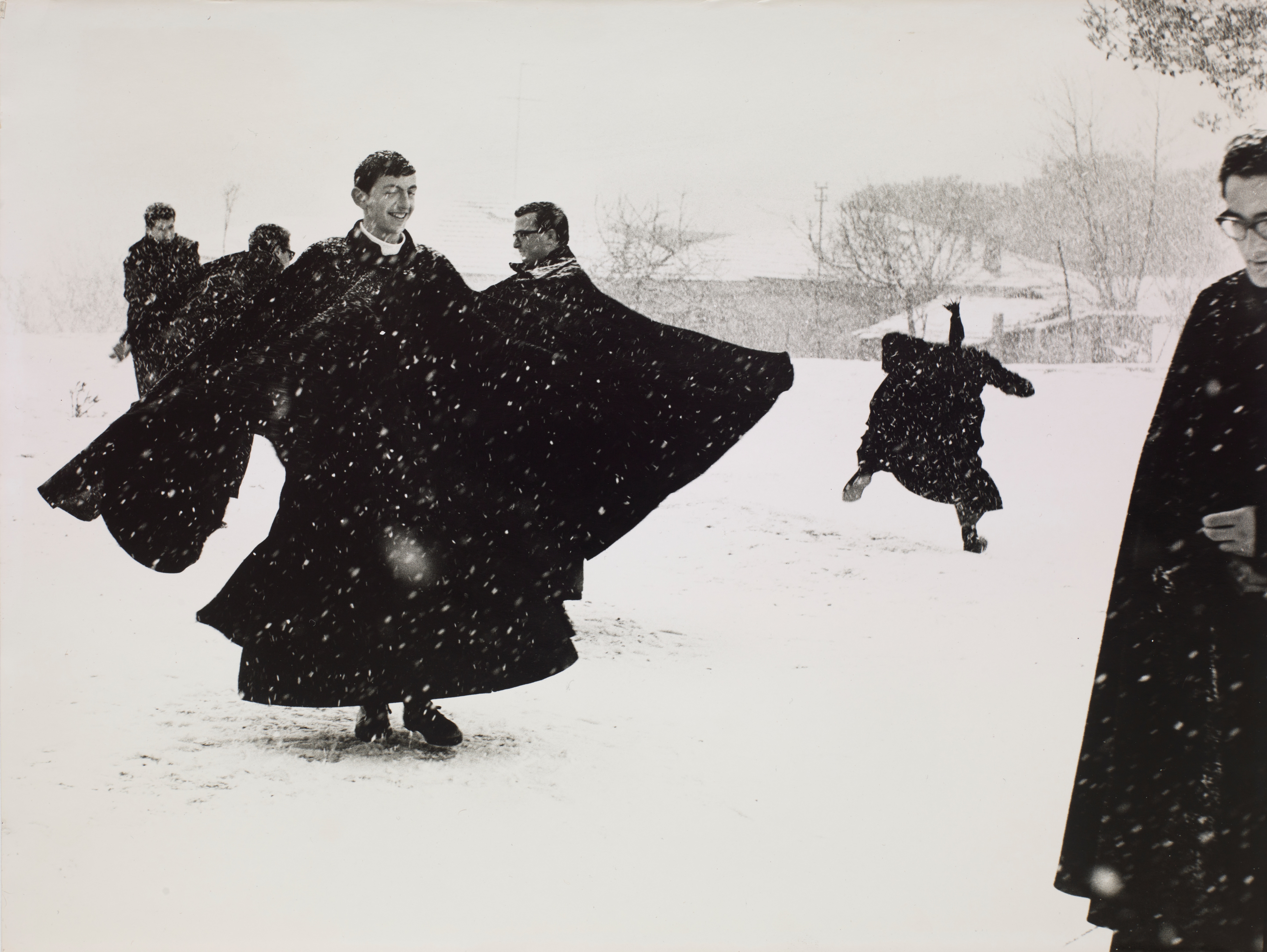
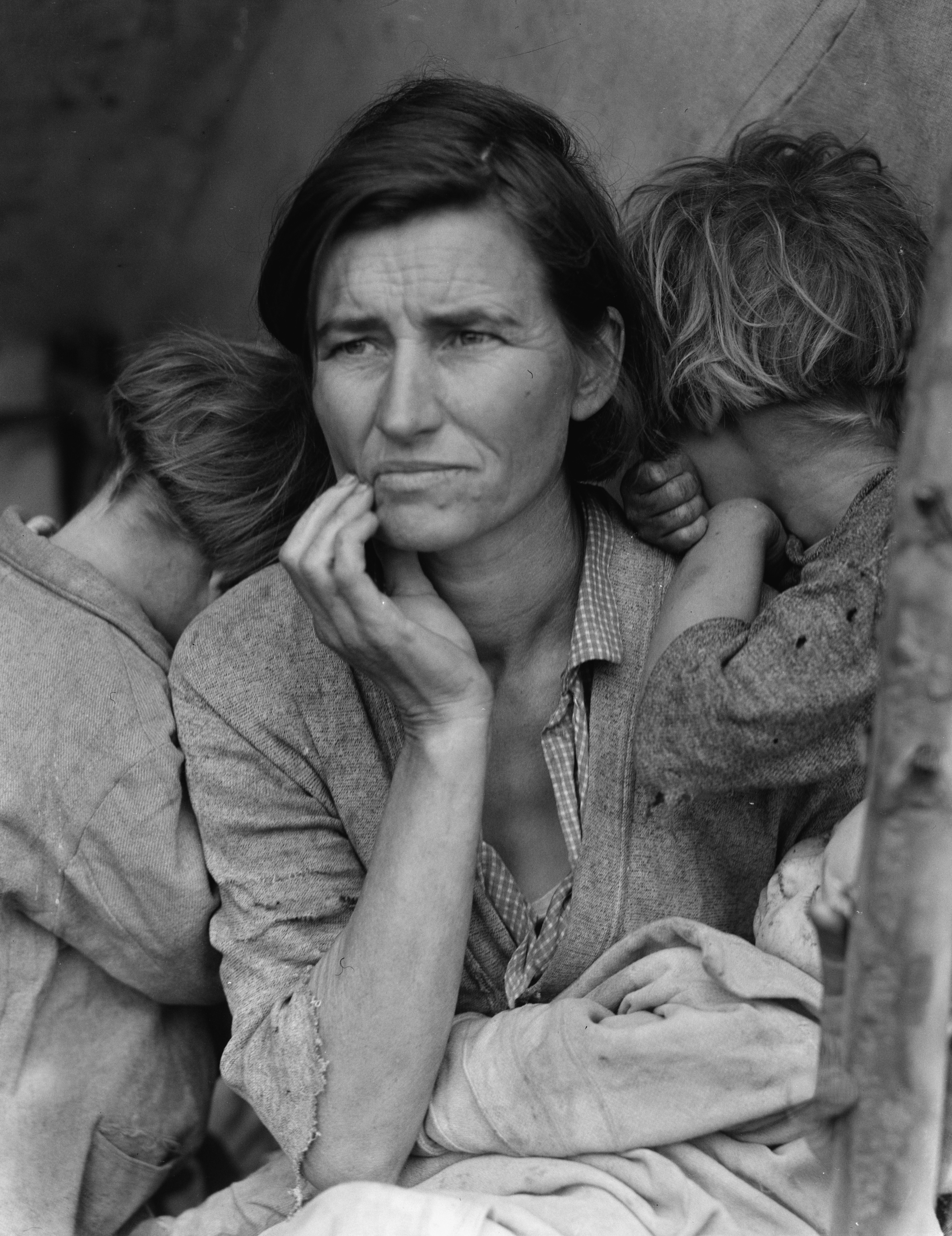
What grabs my attention isn’t just the roll call, though it’s a serious one (Dorothea Lange’s Migrant Mother, Gordon Parks’ American Gothic, Nan Goldin’s Self-Portrait in Kimono with Brian, Diane Arbus, Richard Avedon, Imogen Cunningham…). It’s that the collection was assembled by someone whose own relationship with the camera began on the other side of the lens.
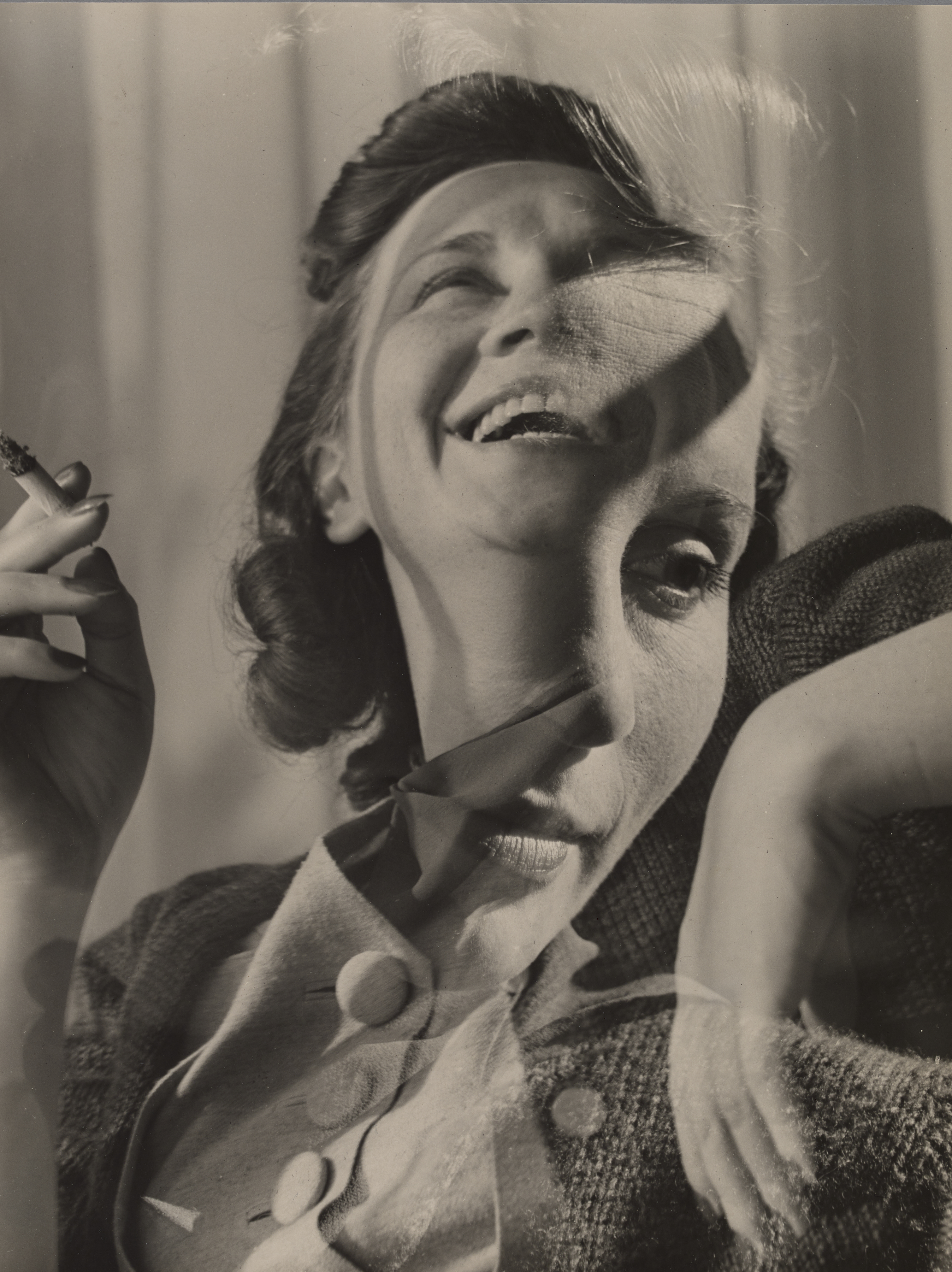
Her father was Irving Bennett Ellis (1902-1977): an early California pictorialist photographer, a Fellow of the Royal Photographic Society of Great Britain, and the recipient of many photographic awards.
He photographed his daughter from infancy into adulthood, and the project eventually fed into Kodak’s iconic “Turn Around” TV commercial in the 1960s. That made her a familiar face to millions, before she’d ever composed a frame of her own.
Only in the 1970s did she buy her first professional camera and start pointing it the other way. She eventually built a body of work which today sits in the Met, the Getty and the Whitney, exploring topics like the Holocaust and civil rights.
As a result of this myriad of experience, her own photography collection has an unusually personal editing eye behind it. This isn’t an acquisitions committee assembling a survey. It’s a working photographer choosing pictures that made her feel something.
A masterclass in curation
For anyone building their own portfolio or trying to sequence a personal project, the way Presence is put together is worth studying.
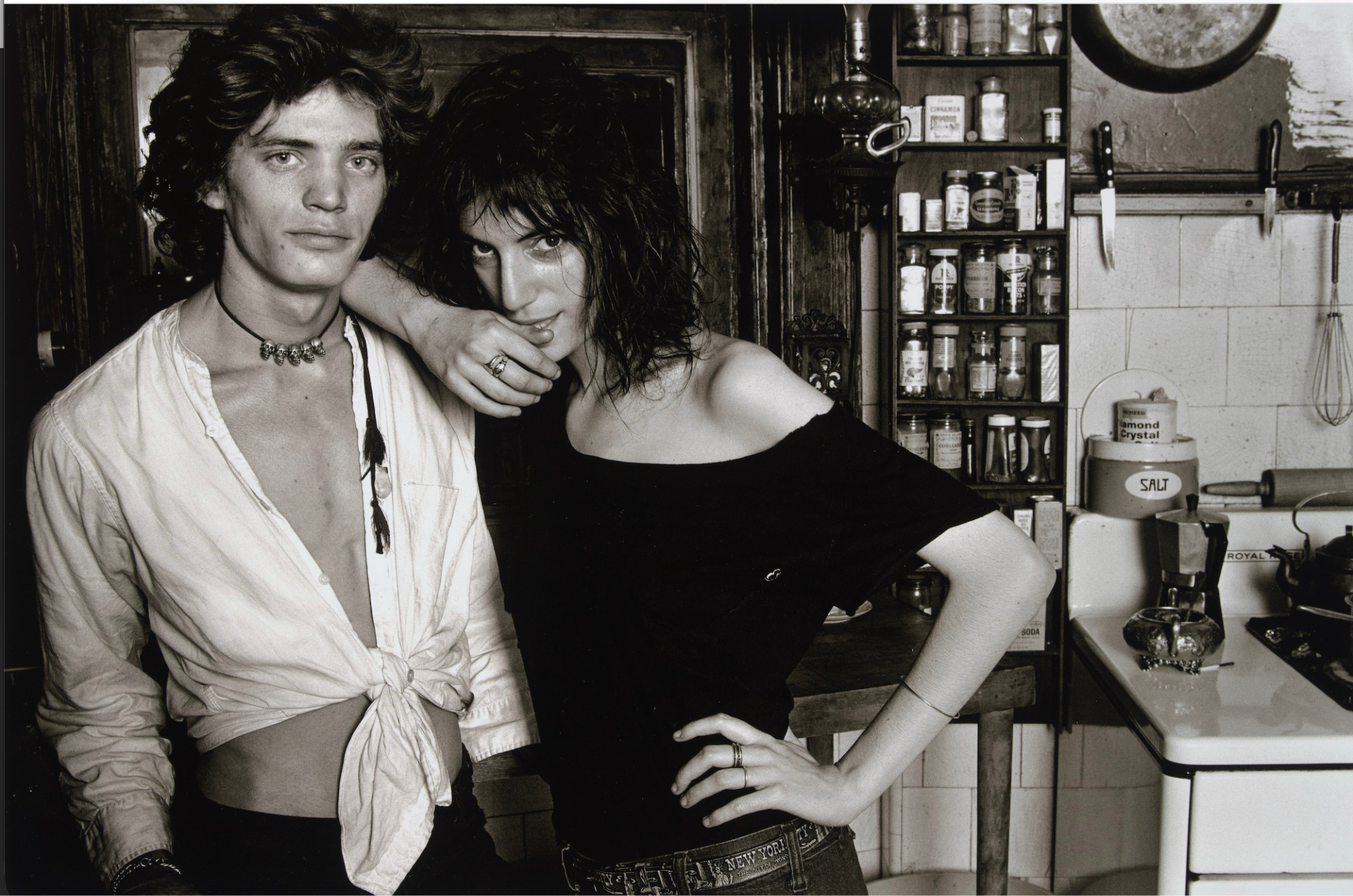
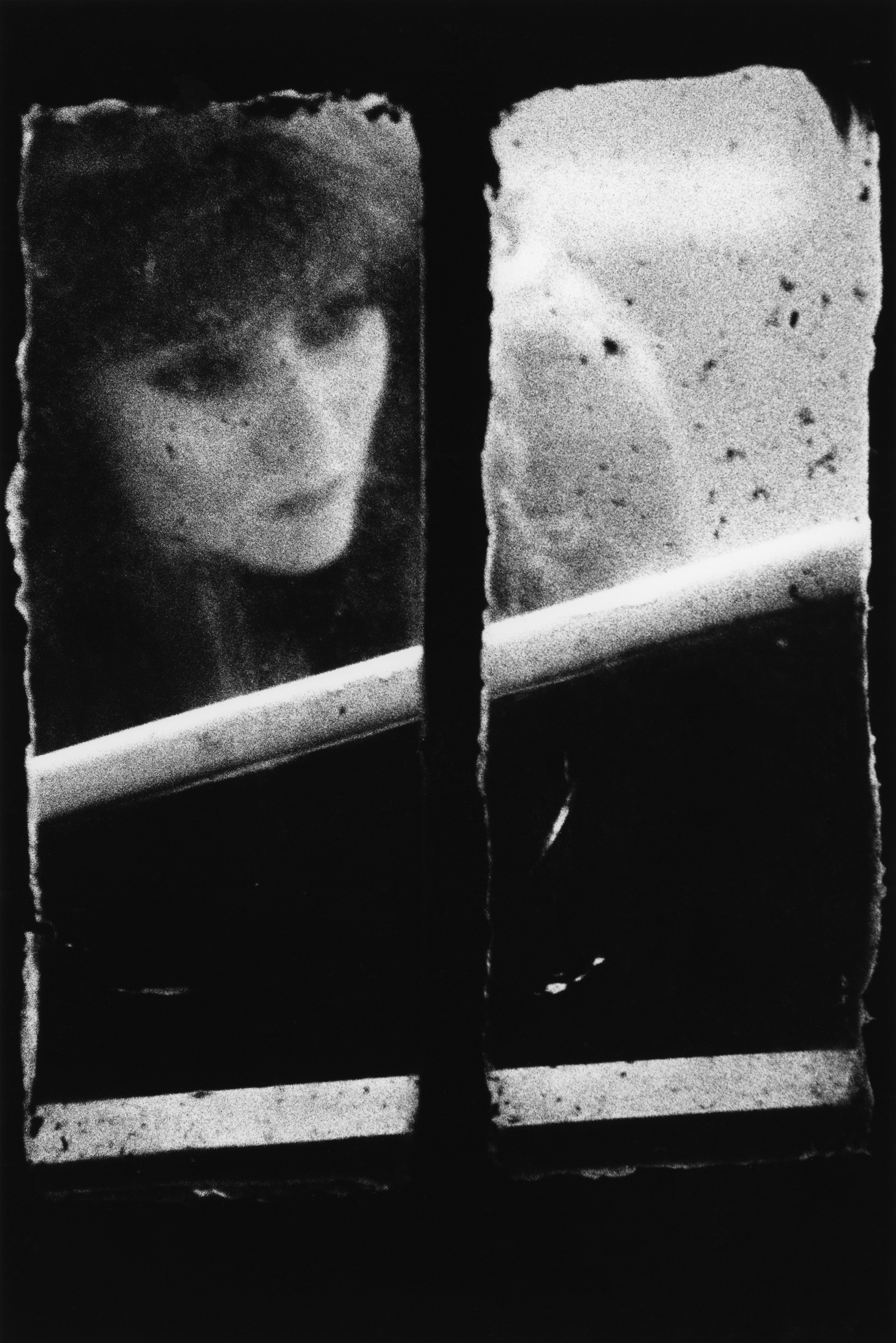
Crucially, the curators haven’t arranged the roughly 100 prints in date order, walking visitors through photographic history decade by decade. Instead, they’ve grouped them into eight themed sections, based on the idea of “presence”: the theorist Roland Barthes’ notion that a photo is proof that a moment, a person or place existed.
That means a Lange sits near a Goldin, and an Arbus near a Parks, because of what the images share emotionally. It’s a good approach to borrow when you’re editing your own contact sheets: ask what a picture does to the person looking at it, not just when or where you took it.
This particular mix is also a reminder of how wide “documentary” photography actually stretches. James Karales’ sweeping Selma to Montgomery March and Steve Schapiro’s close-in portrait of Martin Luther King sit alongside Merry Alpern’s grainy, voyeuristic Dirty Window Series and Jerry Uelsmann’s darkroom surrealism in Small Woods Where I Met Myself.
Eslewhere, Todd Webb’s eight-print panorama of a single block of Sixth Avenue in 1948 shows what patient, methodical street photography looks like when it’s given room to breathe across multiple frames, rather than compressed into one decisive moment.
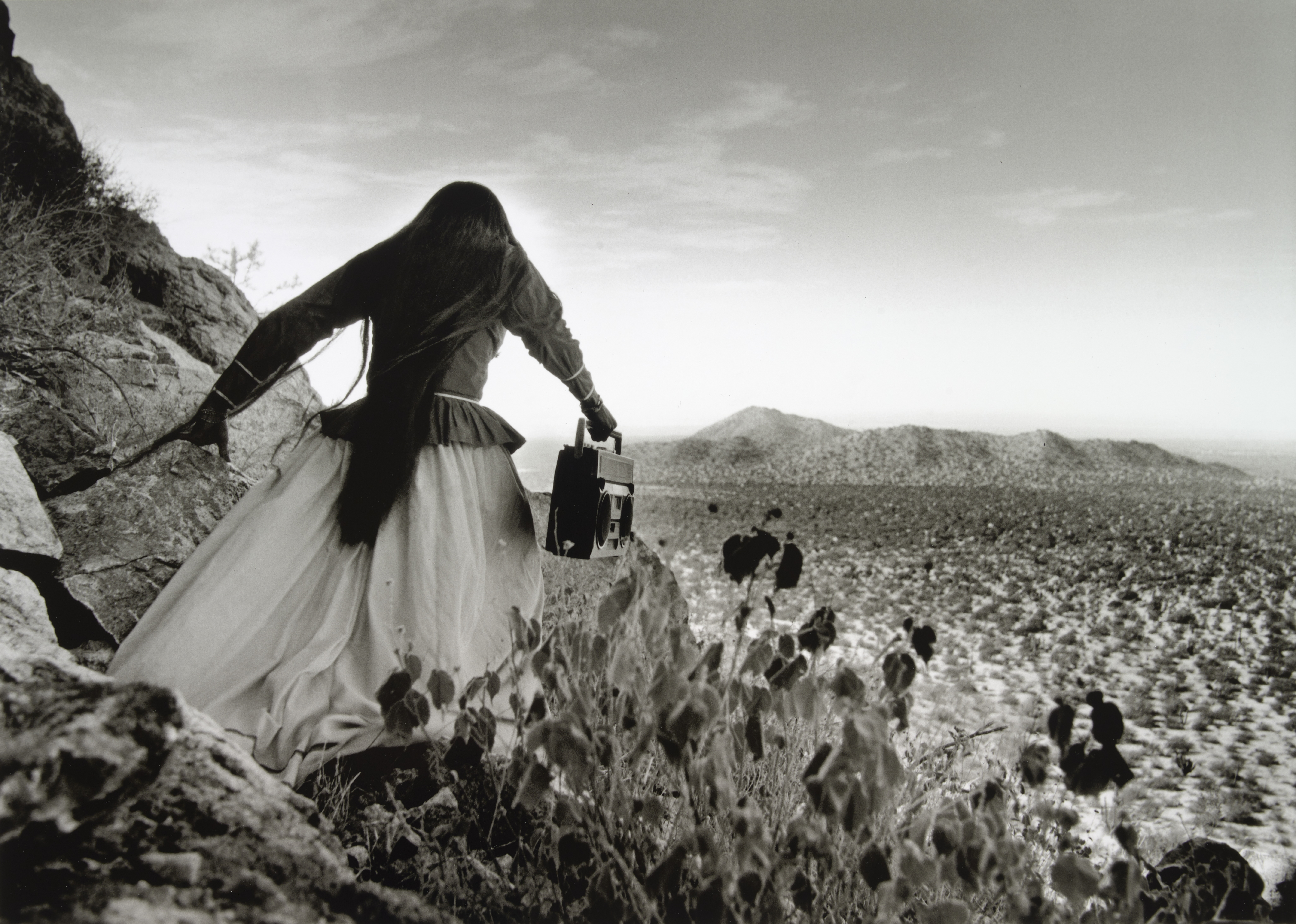
Glickman Lauder built this collection over decades – buying work she responded to rather than chasing a checklist of famous names – and the show is stronger for the gaps and idiosyncrasies that approach leaves behind.
To my mind, this is a useful lesson for anyone assembling a portfolio purely to look impressive. Namely, that pictures with presence tend to come from conviction, rather than completism.
Presence: The Photography Collection of Judy Glickman Lauder runs at the Southampton Arts Center, New York, from July 25 to September 27, 2026, before touring to Sarasota Art Museum, the Gibbes Museum of Art in Charleston and the Lowe Art Museum in Miami through February 2028.
Author: Tom May
Source: DigitalCameraWorld
Reviewed By: Editorial Team