

There’s a particular kind of exhibition that makes you want to put your camera down for a minute and think about what you’re actually trying to do with it. Playing the Piano Upstairs, which has just opened at the Print Sales Gallery, inside The Photographers’ Gallery in London, is one of those shows.
On the surface, it’s about a photographer’s relationship with her sister, built and rebuilt in the years after their mother died. But for anyone who spends their weekends fussing over exposure and grain, what’s most interesting is what Ichida did after she put her camera away.
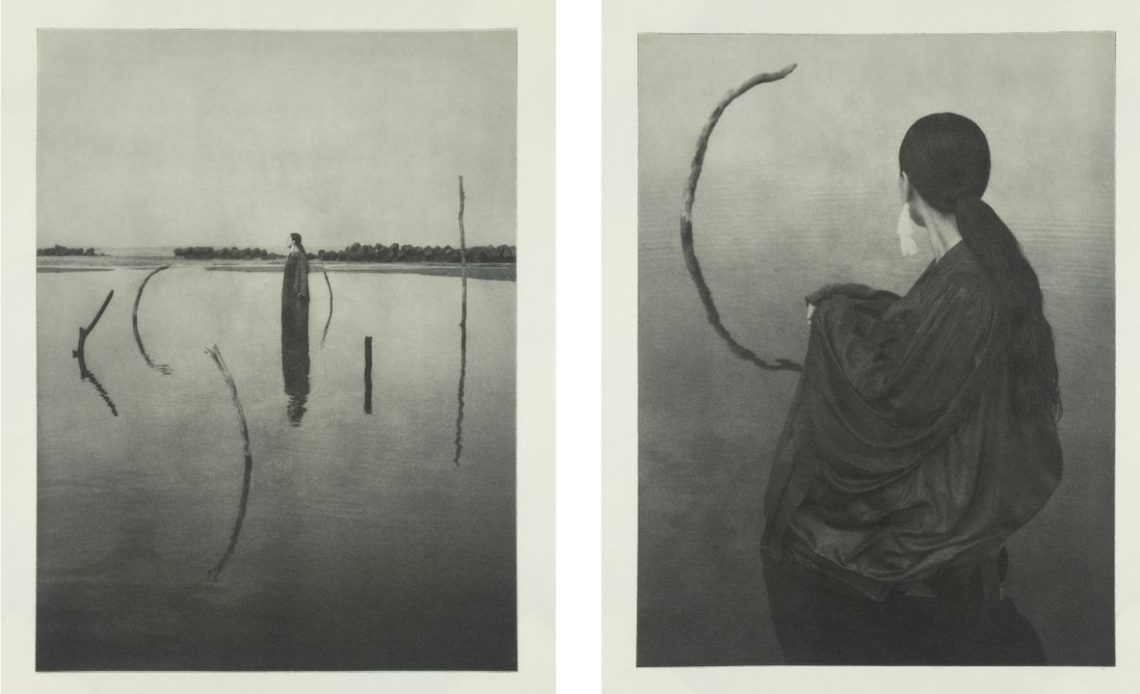
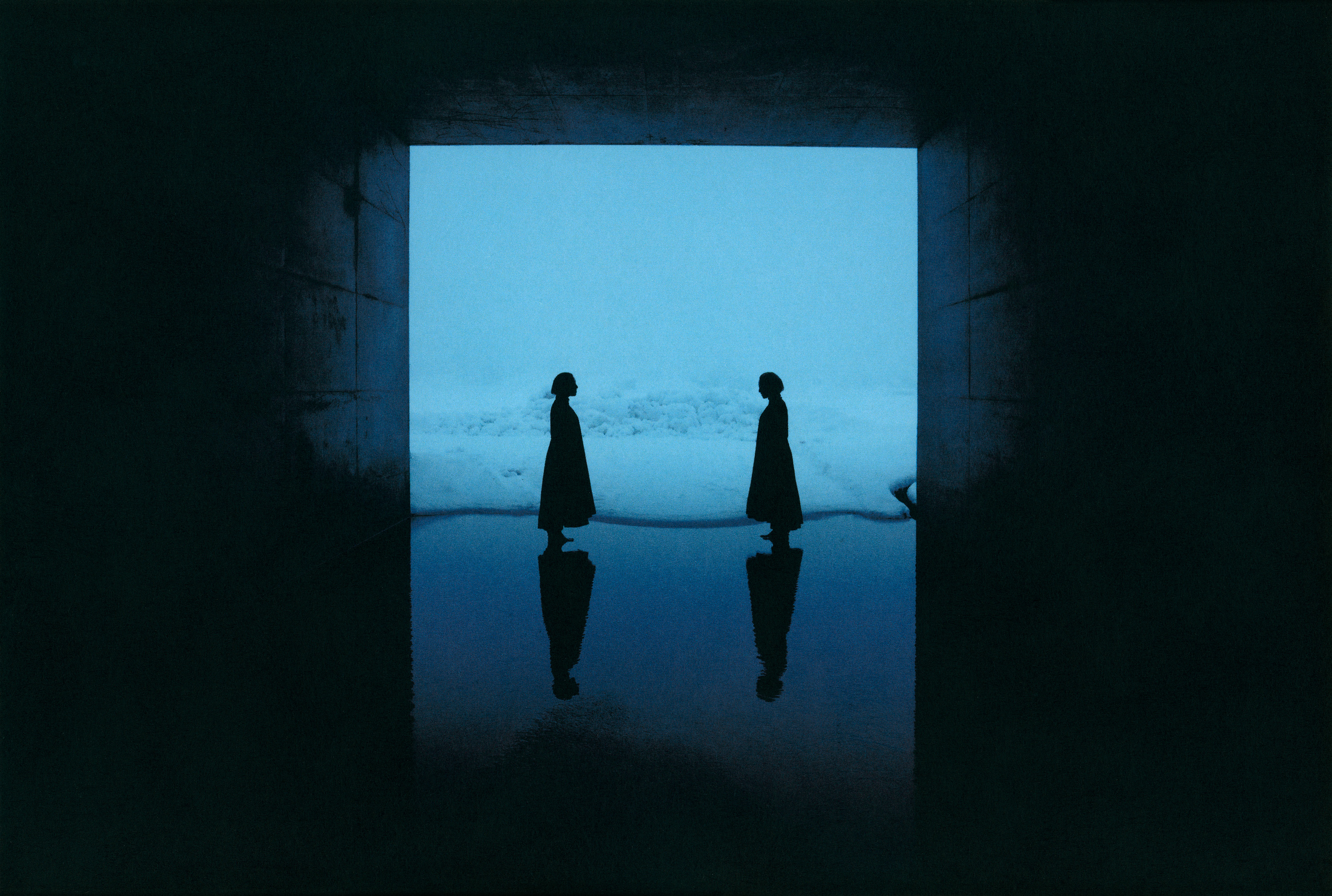
Ichida, who was born in Niigata, Japan in 1985 and is now based in the UK, spent this series photographing her sister against the snow-heavy landscapes of their hometown; often alongside sticks, reeds, antlers and other found forms that seem to echo the human body back at itself. The images are quiet almost to the point of vanishing, with silhouettes and reflections doing lots of emotional work.
What really grabbed my interest, though, is how these pictures were made. Ichida has hand-printed every image using photopolymer photogravure onto Japanese washi paper, layering in archival pigments as she goes. This is a slow, physically demanding process that has more in common with etching than with anything most working photographers would commit to today.
The case for slow photography
Photogravure has been around since the 1870s, and it fell out of everyday use precisely because it’s so awkward. A photosensitive gelatin plate has to be exposed, etched and inked by hand, and every print carries the tiny variations that come with that. For most of the 20th century, that made it a niche practice for printmakers rather than photographers.
I find it fascinating that Ichida has resurrected this antiquated technique in the 2020s. She’s working in this arduous way at a moment when the profession is facing the consequences of instant smartphone photography and the ability of AI to make an instant photorealistic image, with no lens even being involved.
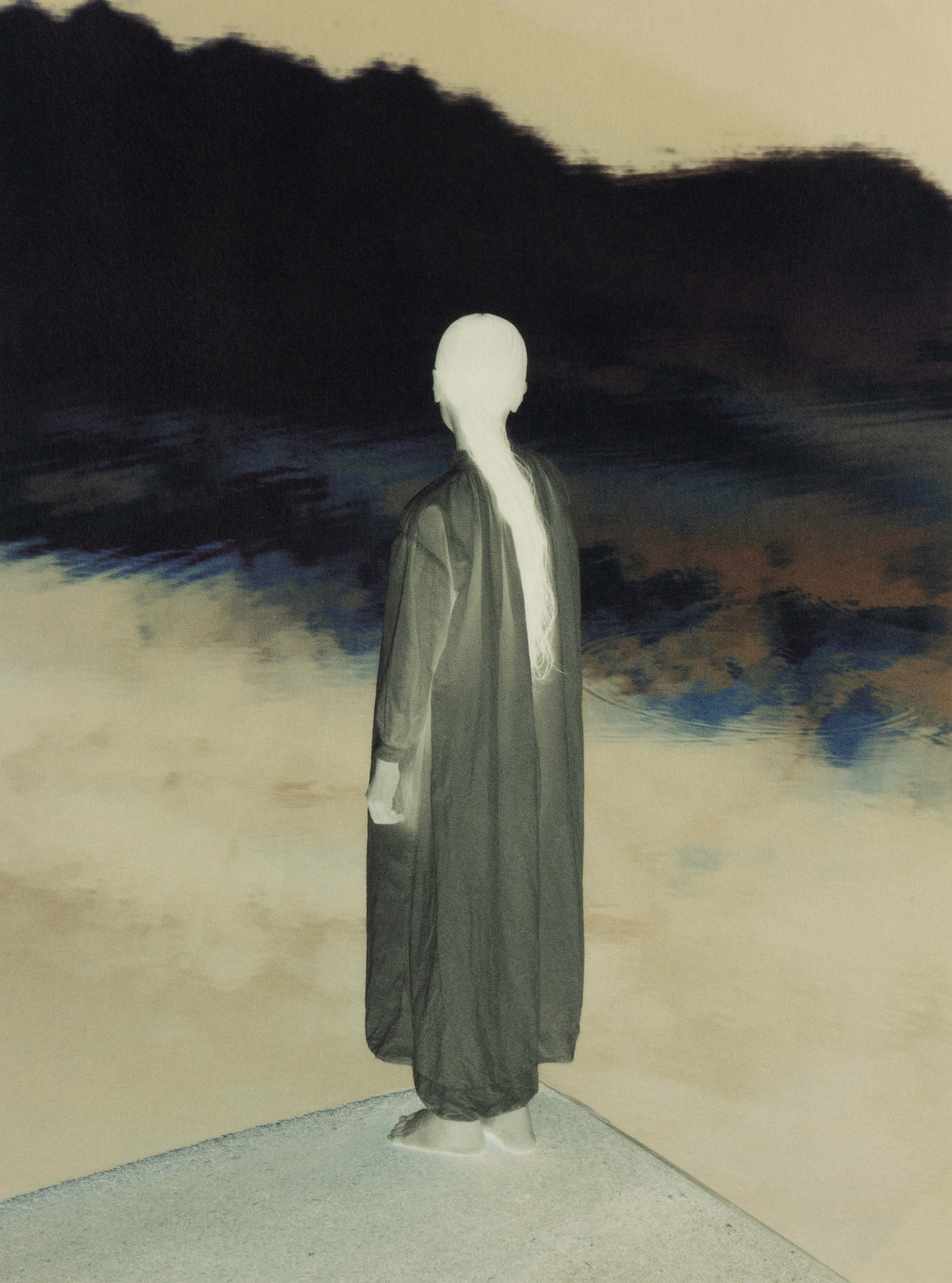
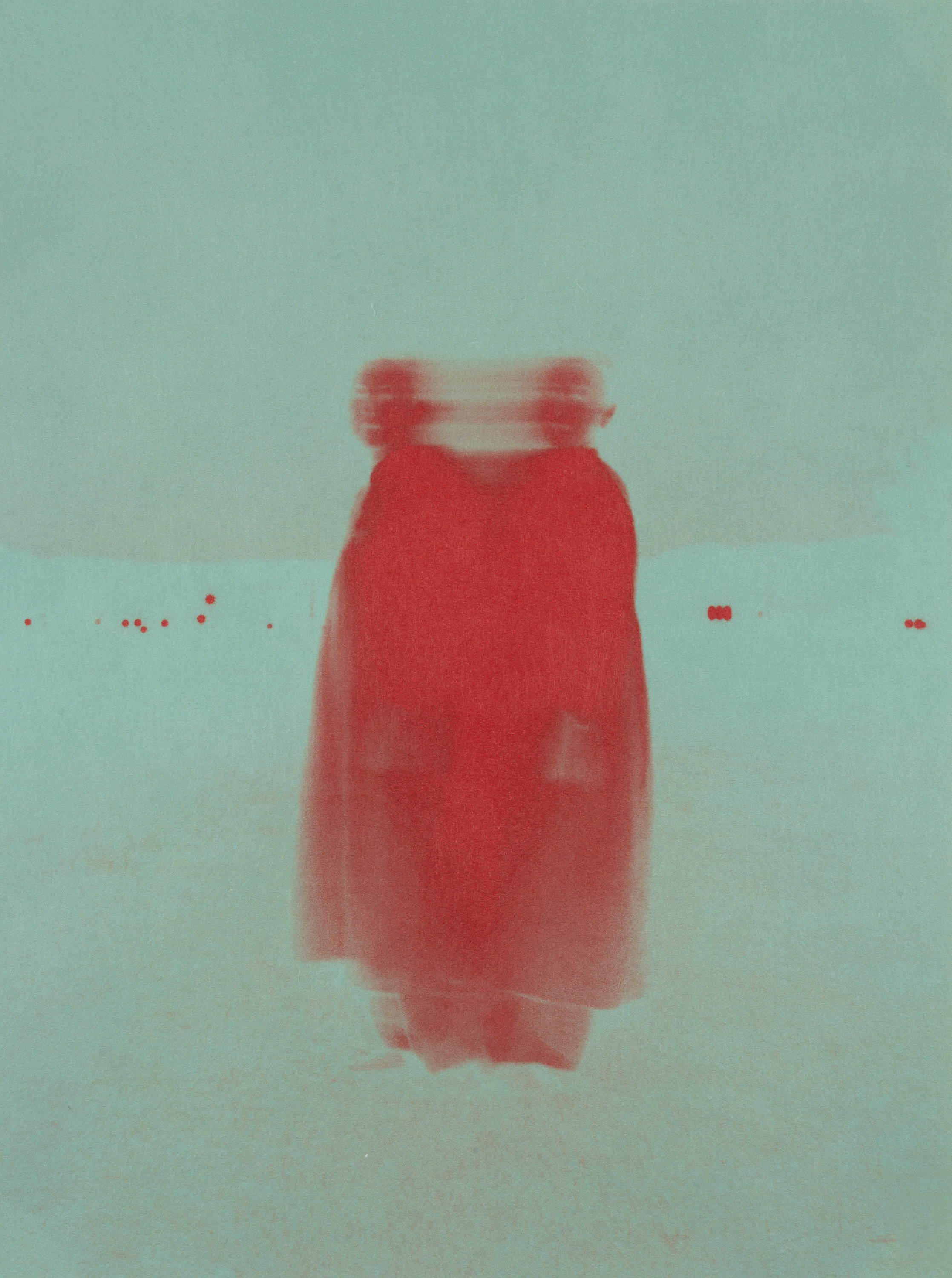
To be clear, Ichida isn’t discussing any of that; the press release makes clear that this series is about grief and sisterhood, not technology. But at the same time, there’s something quite profound about a photographer choosing, in 2026, to route her most personal work through a 19th-century printmaking process.
Ichida has said her snowscapes function as “visual metaphors for memory itself; mutable, obscured, yet softly glowing just below the surface”. And I don’t think it’s stretching things to say that description applies just as well to the photogravure process as it does to the pictures themselves.
Memory doesn’t render at full resolution. Neither does a hand-inked plate.
What photographers can learn
Ichida’s compositions lean hard on negative space, on letting a figure occupy a small fraction of a vast, pale frame, and on using reflections in still water to double a subject without ever showing their face. None of that, importantly, requires specialist kit. Instead it requires patience, a willingness to wait for flat, windless conditions, and the confidence to leave most of the frame empty.
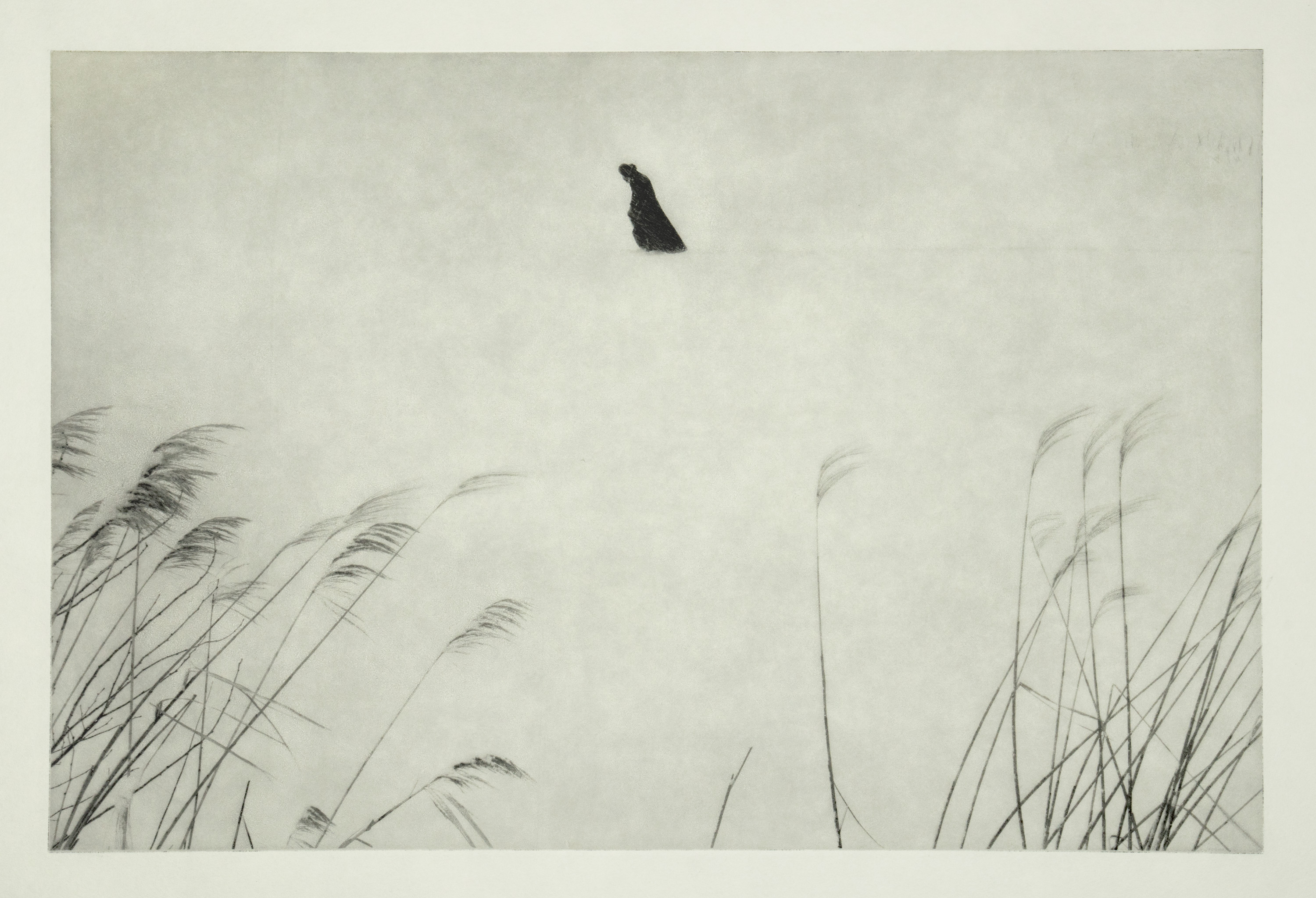
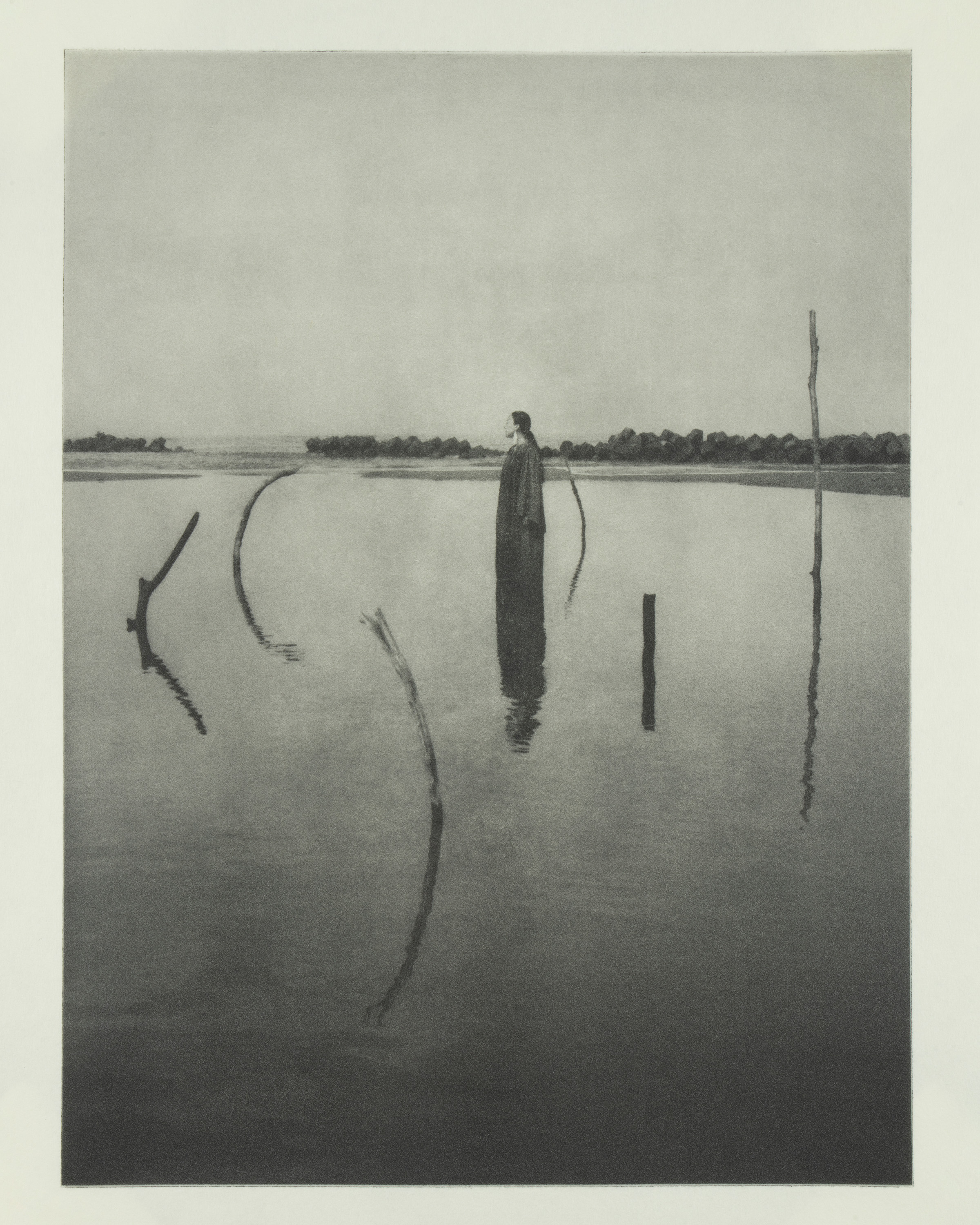
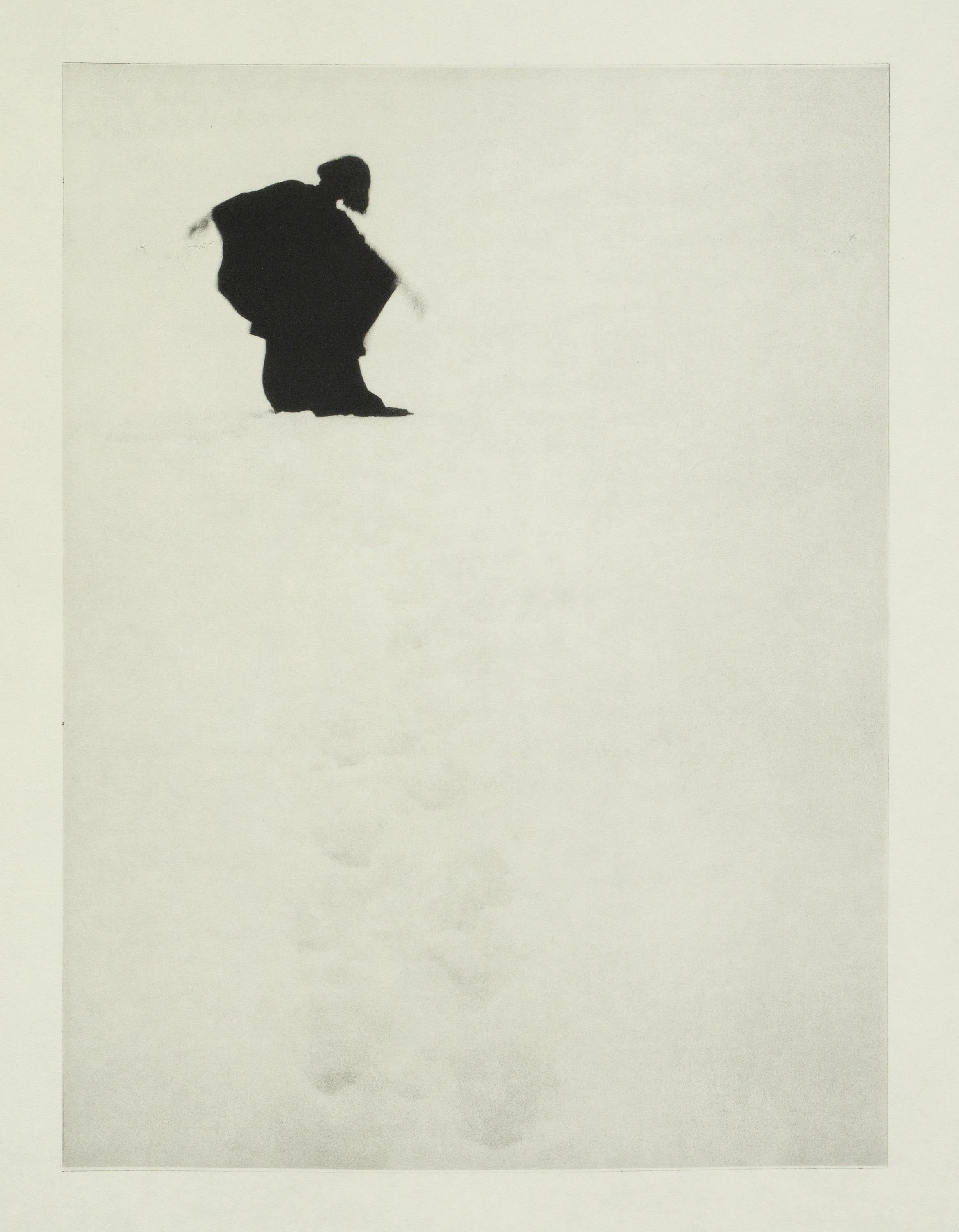
There’s a deeper lesson here, I think, about process. Ichida’s choice of technique isn’t incidental decoration around the pictures – it’s doing as much narrative work as the compositions themselves. That’s worth thinking about in a world where photographers are often chasing the fastest possible workflow; from card to cloud to client. While that’s often commercial reality, it’s sometimes worth asking the question: would a slower method be feasible, and might that end up pleasing the client or customer more?
Playing the Piano Upstairs runs until September 13 at The Photographers’ Gallery, 16-18 Ramillies Street, London W1F 7LW.
Prices for prints start at £675 plus VAT, with profits going towards the gallery’s public programme, and buyers can pay in instalments through the Own Art scheme. The show runs alongside Japanese Women Photographers: From 1950s to Now, also on at The Photographers’ Gallery until September 27. Entry is free.
Author: Tom May
Source: DigitalCameraWorld
Reviewed By: Editorial Team