

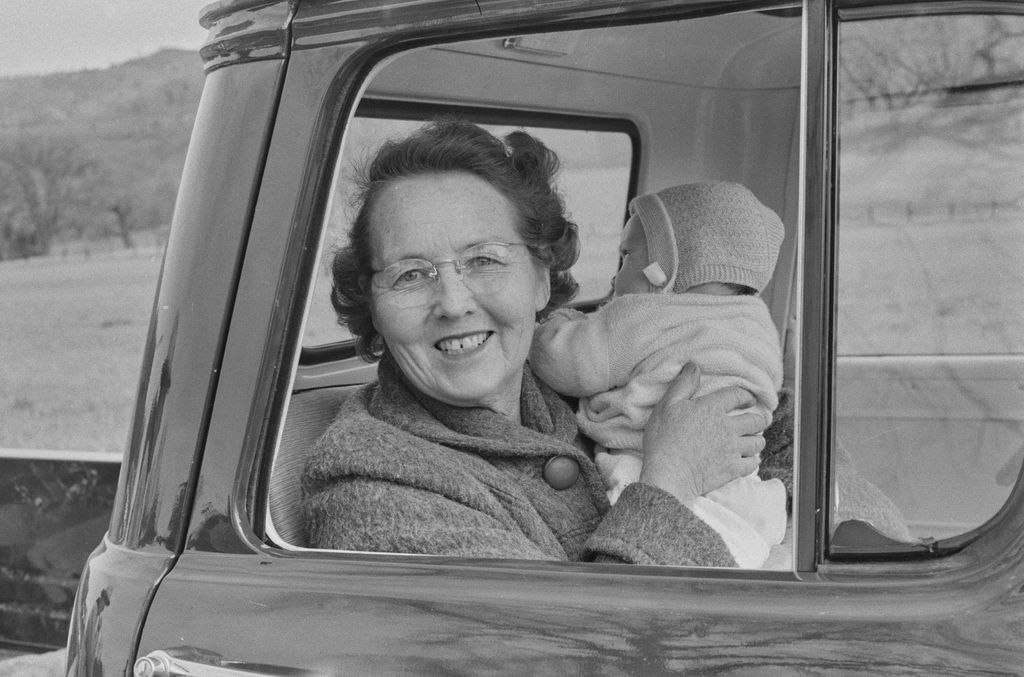
There’s a particular satisfaction in seeing a photographer’s contact sheets, the frames they hesitated over, the shots they almost used, the alternatives that never made the cut. Most of us, sadly, will never get that access. For the complete archive of one of Dorothea Lange’s most ambitious projects, though, that access has just become free to anyone with an internet connection.
UC Santa Cruz Library has digitised and published 3,200 photographs taken by Lange and Pirkle Jones for their project Death of a Valley, a documentary record of the final year of Monticello, a small agricultural community in California’s Berryessa Valley.
By 1957, Monticello was gone, its buildings demolished and its land submerged beneath Lake Berryessa, created by damming Putah Creek to supply water to California’s booming postwar population. Lange and Jones spent 12 months, starting in February 1956, documenting the town and its people before the water rose.
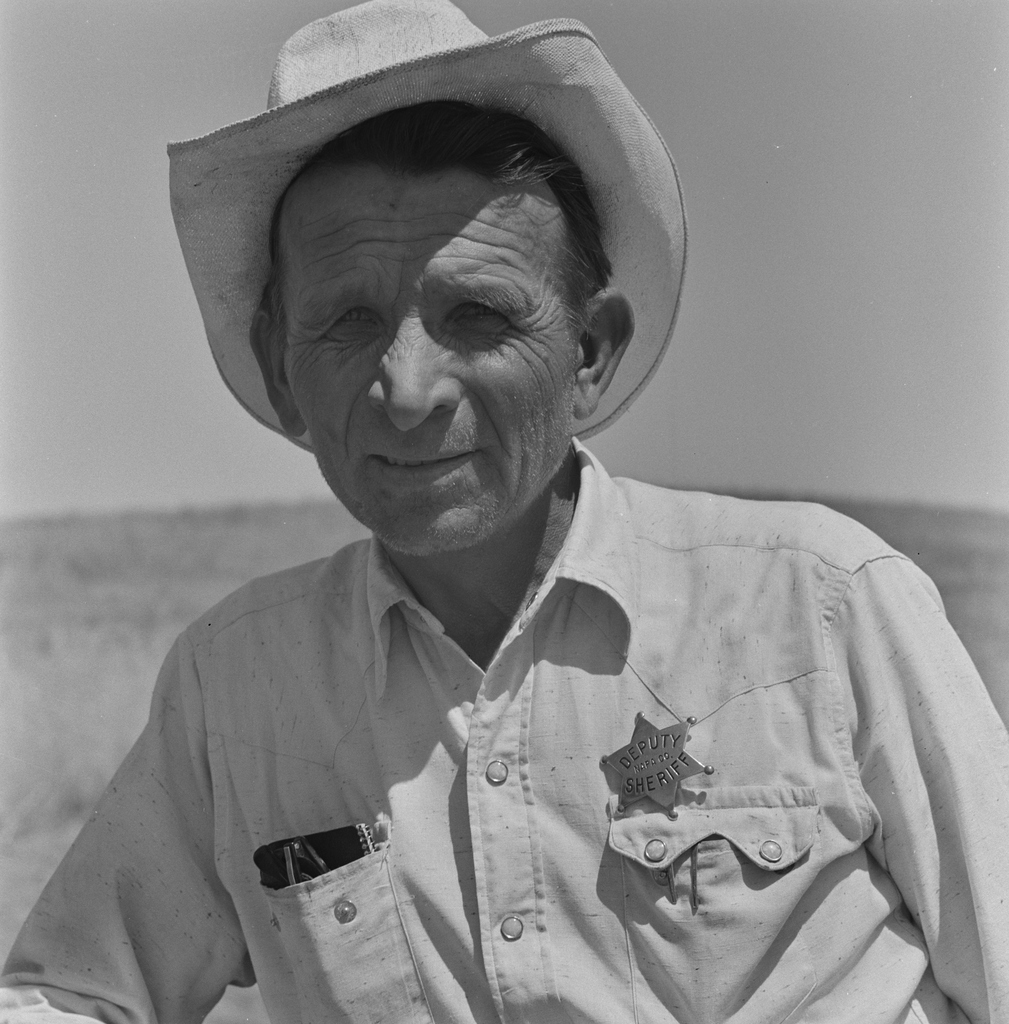
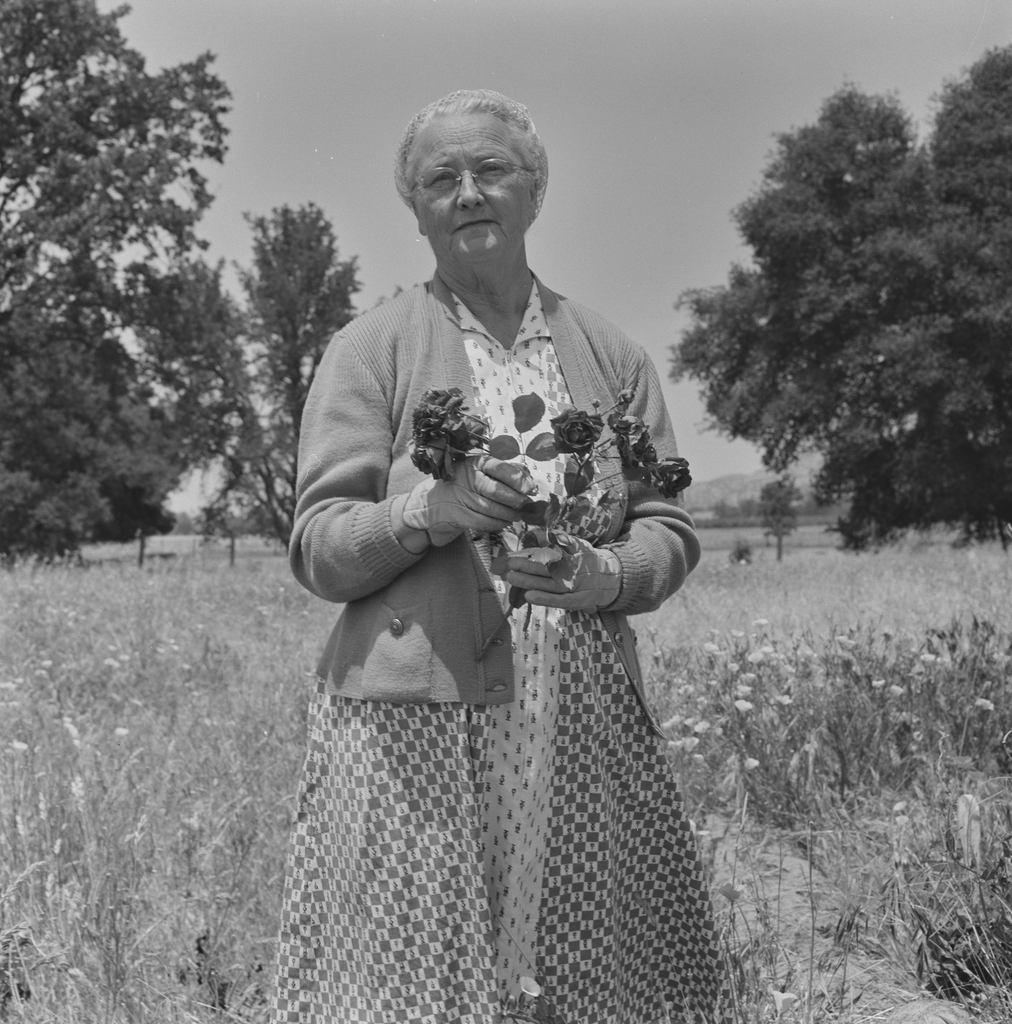
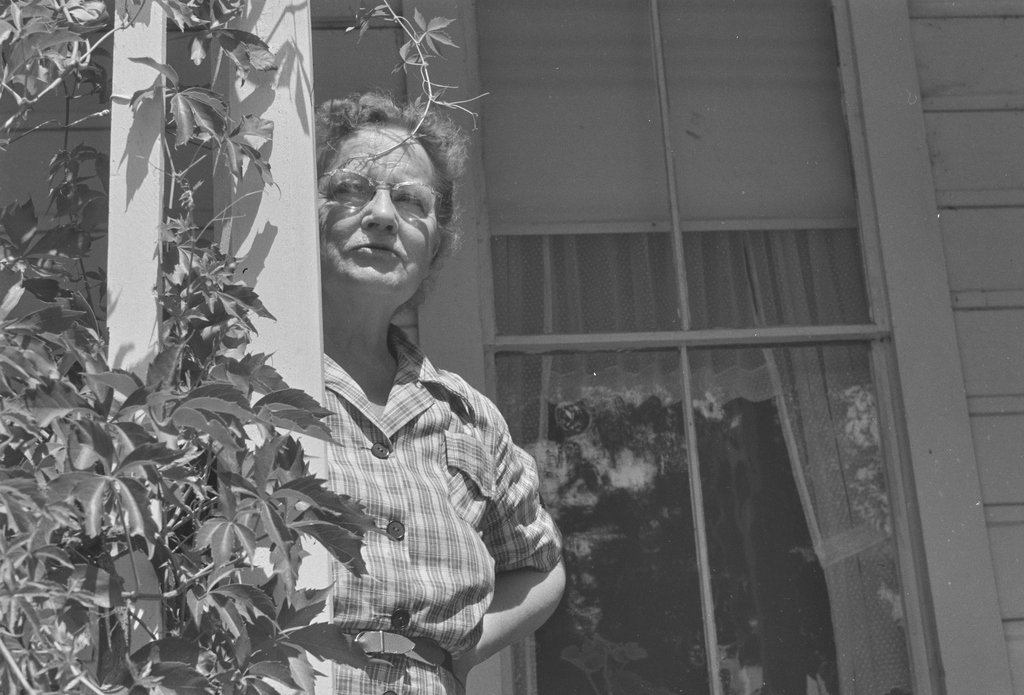
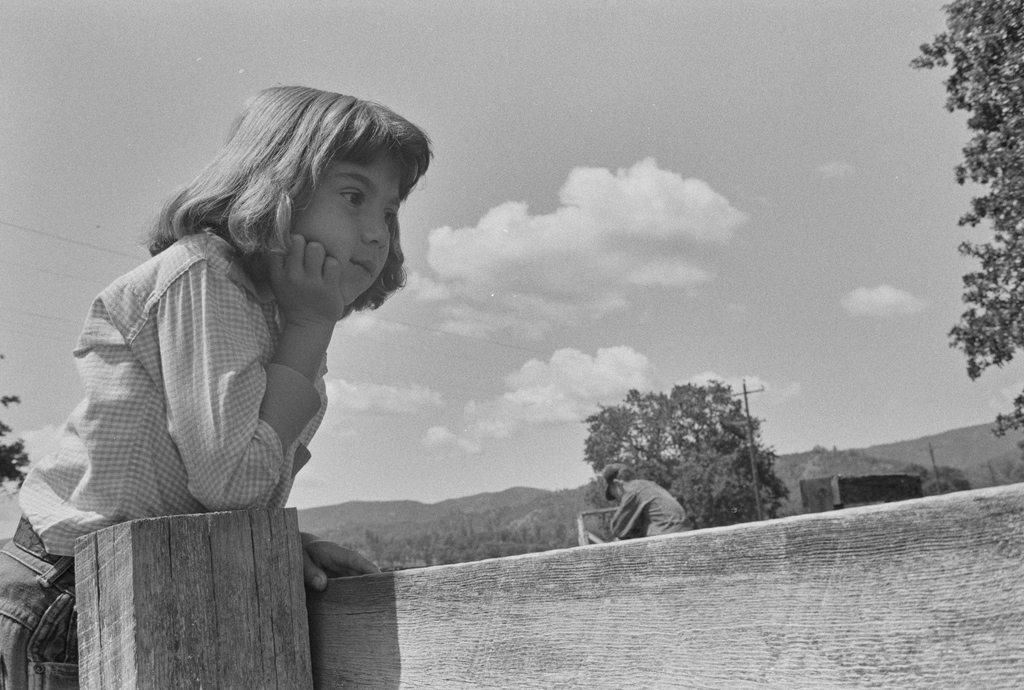
The resulting work is extraordinary: intimate portraits, wide landscapes, working ranchers, blossoming orchards, and the slow, methodical destruction of everything that had been built there. The closing images show bulldozers, burning buildings and finally the dam itself.
The project was commissioned by Life magazine, then at the height of its power with an estimated weekly readership of over 20 million. Yet Life ultimately rejected it. According to one of Lange’s collaborators, editors felt there had been “too many articles on water” after covering floods and droughts.
That editorial decision, made in the spring of 1957, buried the project for nearly seven decades. Lange and Jones eventually published 30 selected images in the journal Aperture in 1960 and exhibited them in San Francisco and Chicago, but the full archive sat largely unseen. Until now.
Archive as a teaching tool
What makes this 2026 release remarkable for photographers isn’t just the images themselves, it’s the volume and variety of them. The published version of Death of a Valley contains 30 carefully chosen photographs. The archive contains more than 3,200. That ratio – roughly 100 frames for every one that made the final cut – is a rare window into how a photographer of Lange’s calibre worked and made decisions.
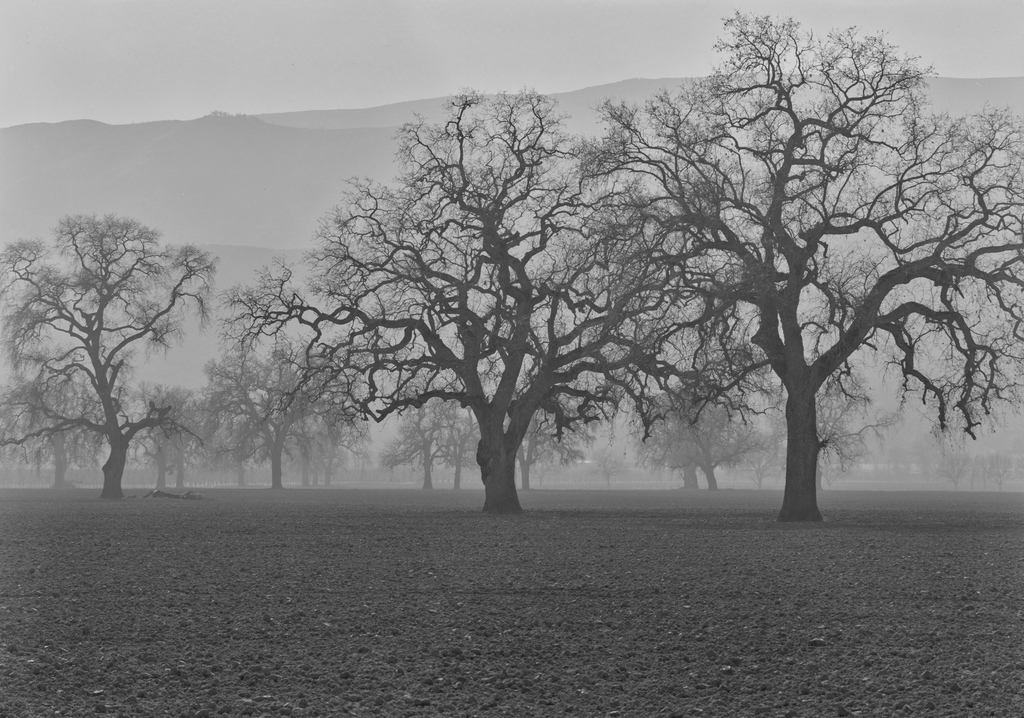
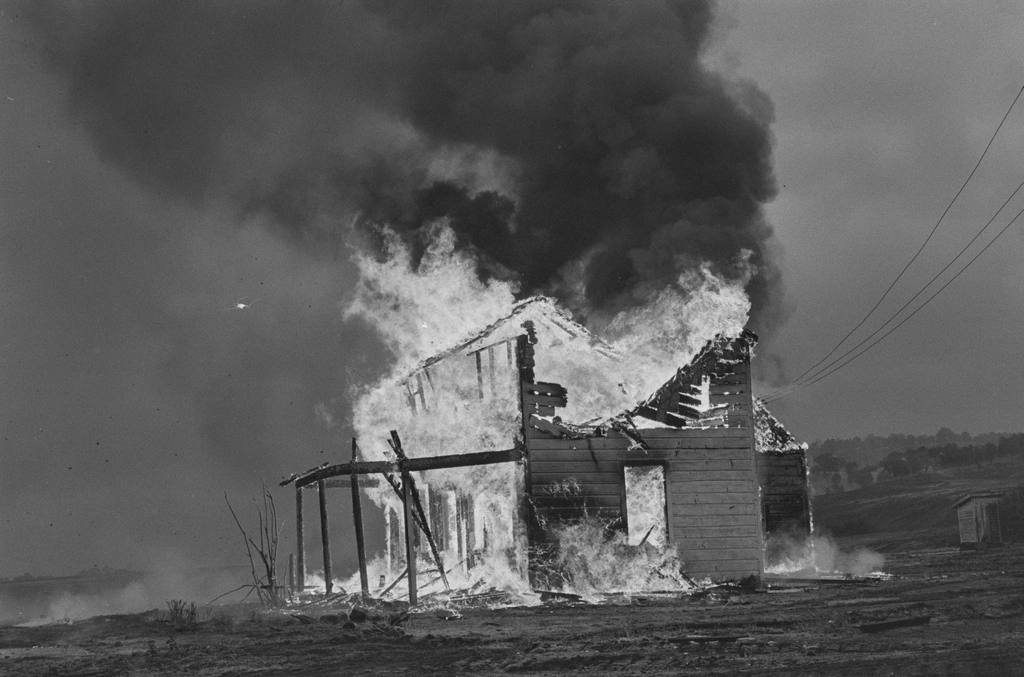
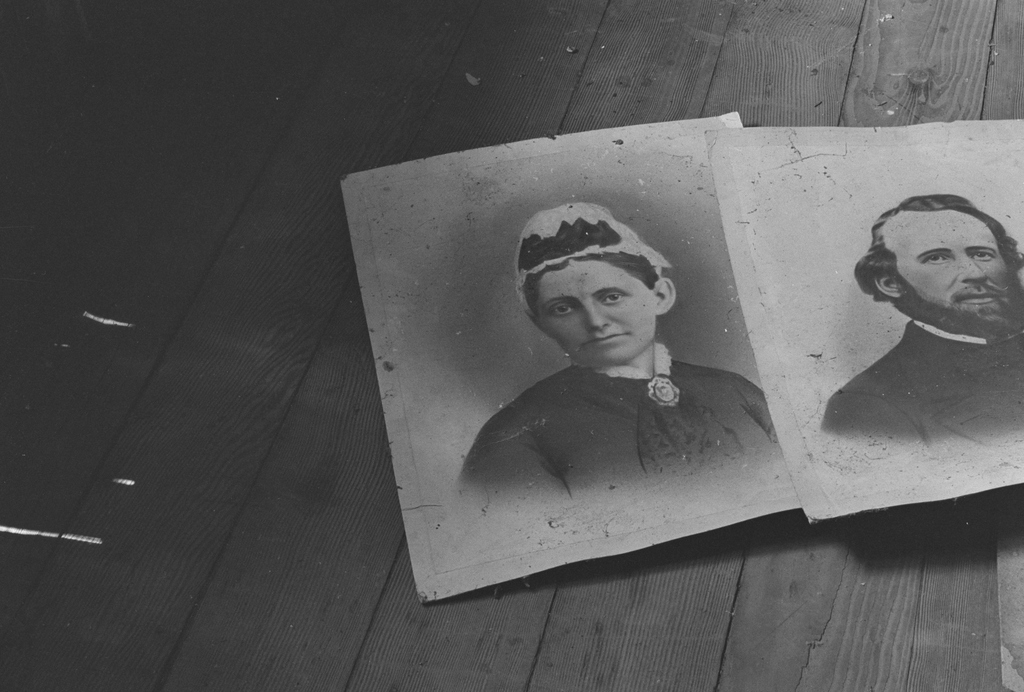
Teresa Mora, head of special collections at UC Santa Cruz, puts it well: seeing what was printed alongside what wasn’t published gives “extraordinary insight into the mind of the artist”. If you’ve ever wondered how Lange approached the difference between a good image and the right image, this archive is as close to a masterclass as you’re likely to find. Several sequences contain five or six frames that are almost identical, differing only in framing, expression or light. Working out why one was chosen and the others weren’t is a real eye-opener.
The story behind the story
The detail that makes this collection particularly poignant is Lange’s personal connection to it. She learned about the dam project through her husband, economist Paul Taylor, and through family members who worked on the dam’s construction. She’d spent decades photographing the effects of displacement on ordinary people, from the Dust Bowl to wartime Japanese American internment. The flooding of Monticello struck at the same themes: progress extracted at human cost, communities erased by decisions made elsewhere.
The telegram Life sent to Lange in April 1957 suggests the magazine was genuinely close to publishing. Patty Barkin at Life wrote asking for the “most dramatic photographs showing rising water” and requesting updated images even if “cows and boats appear in the landscape”.
Then, heavy rains hit Texas. They caused $30 million in damage, but they also ended a crippling drought, and Life framed them accordingly: a four-page spread called it a “joyous miracle,” quoting the state’s agricultural commissioner to say the farming industry had been saved. There was, apparently, no longer an appetite for a story about water as a community’s ruination.
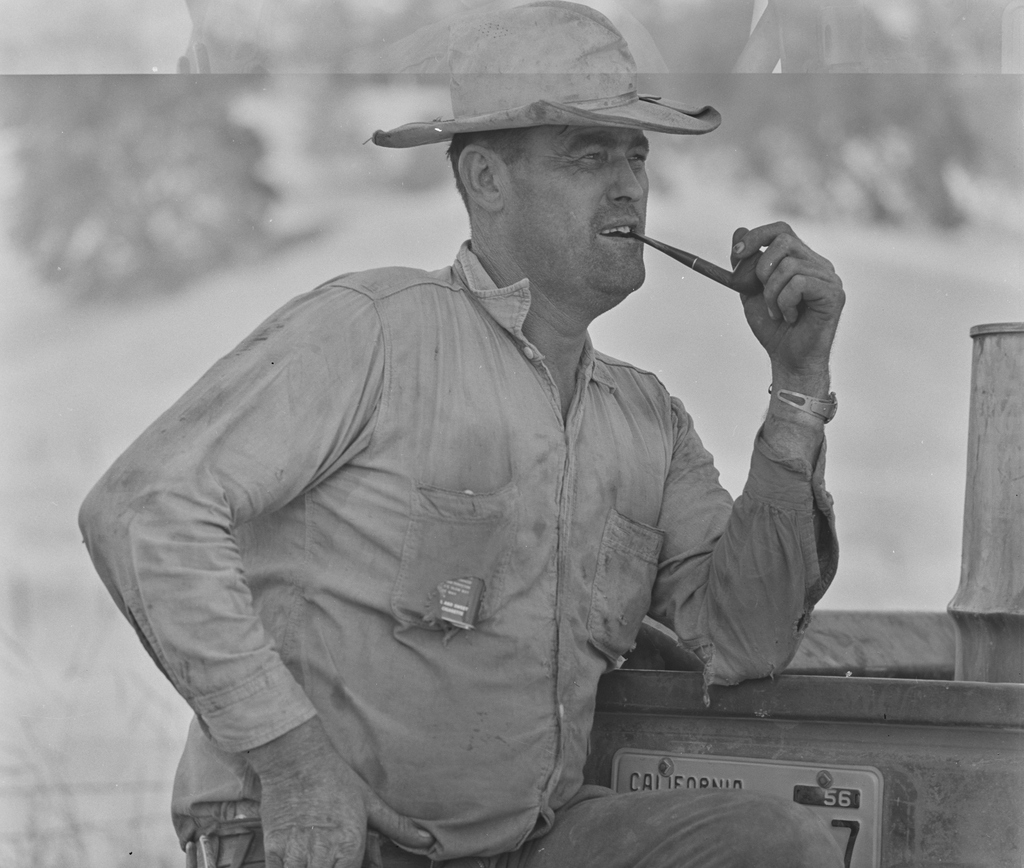
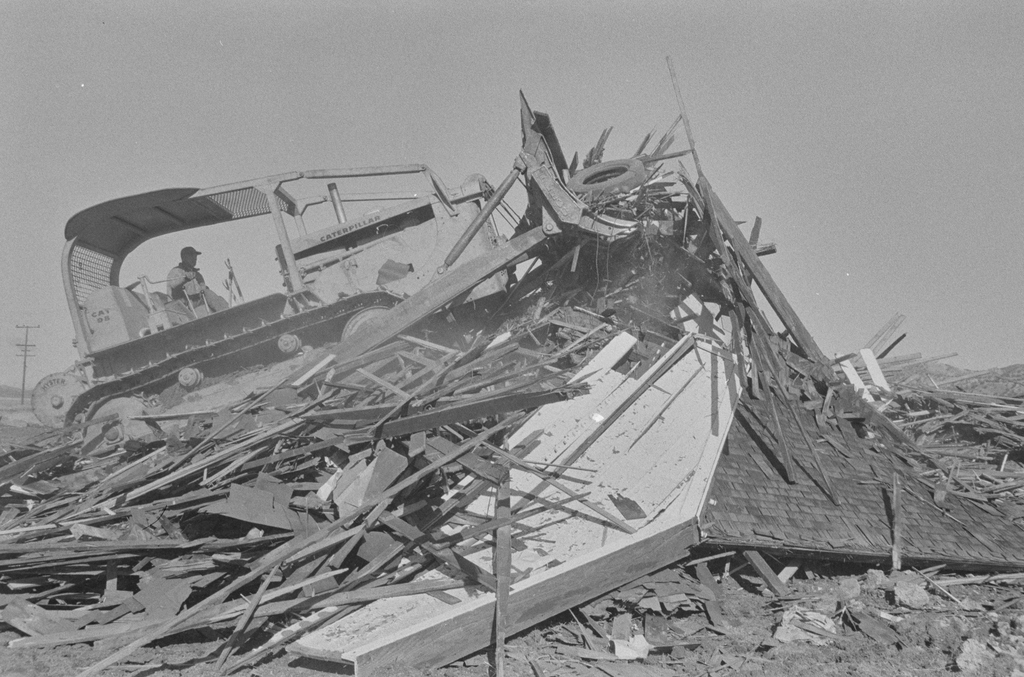
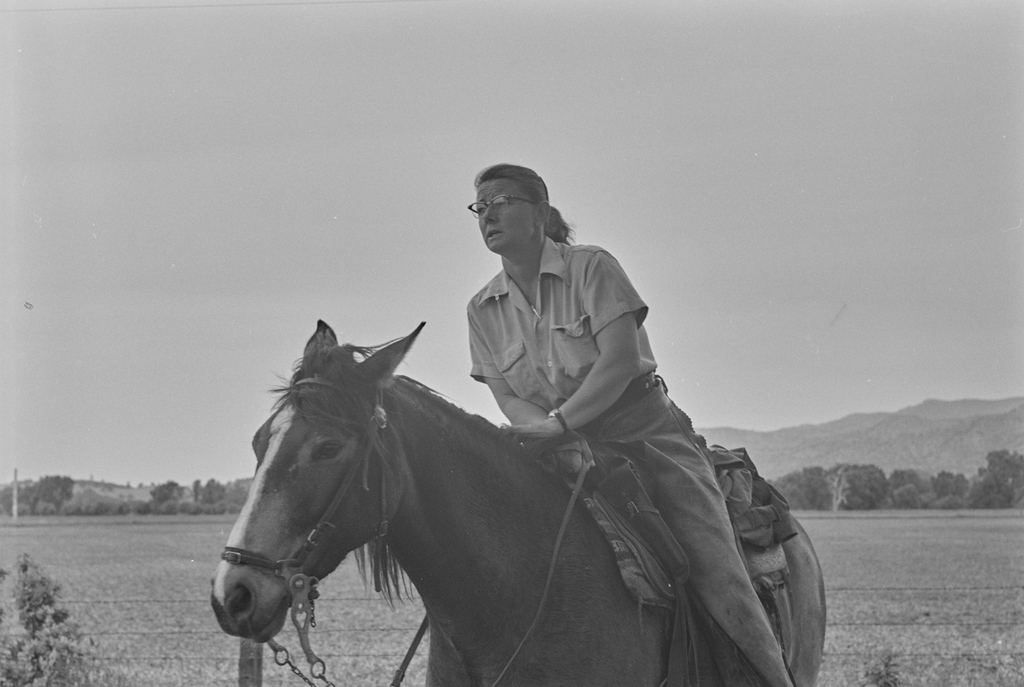
The Death of a Valley images are part of the Pirkle Jones and Ruth Marion Baruch Collection, donated to UC Santa Cruz in 2016. They’re now freely available at the library’s digital collections portal. You can browse and download the full archive here.
The physical archive, including Lange and Jones’s notes, correspondence and project plans, is also available to researchers at UC Santa Cruz, though it hasn’t been digitised. The project documents reveal the working titles the photographers considered: The Last Days of a California Valley, The Doomed Valley, Farewell to a Valley. To my mind, the one they settled on, Death of a Valley, was the right call.
Life’s loss is yours to explore, at zero cost, 70 years later.
Author: Tom May
Source: DigitalCameraWorld
Reviewed By: Editorial Team