


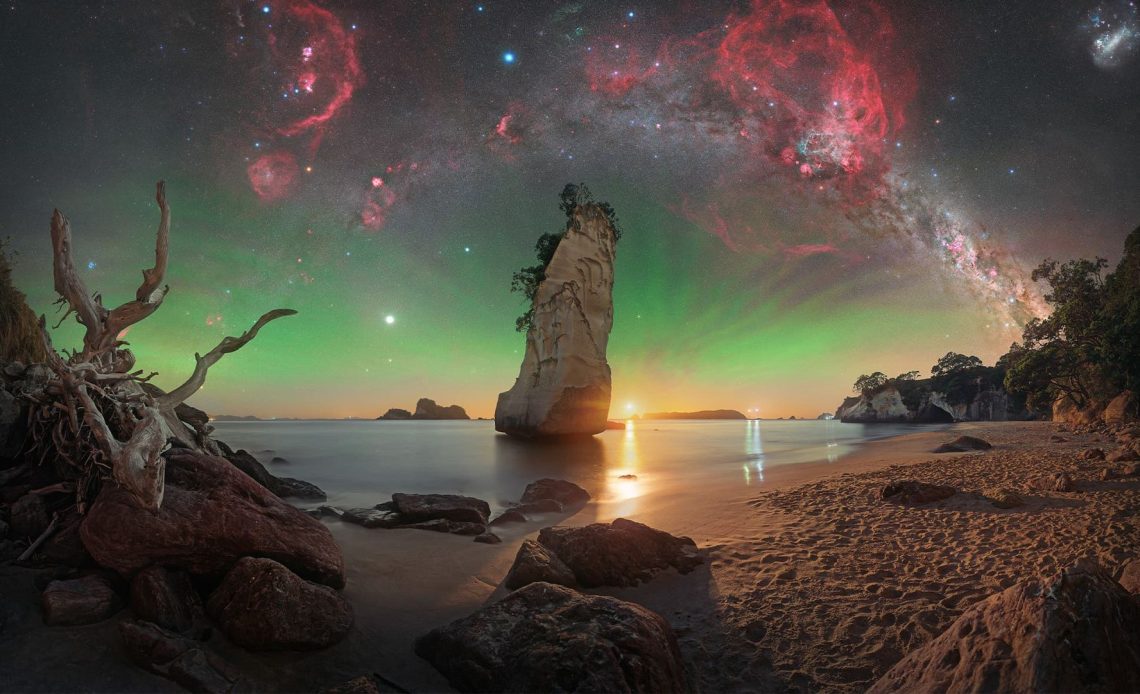
Arriving at Mautohe Cathedral Cove, on New Zealand’s North Island, at sunrise, astrophotographer Evan McKay was “stunned by the beauty of the light.” Noticing the composition with Te Hoho Rock as the centerpiece, framed by the natural curvature of the beach, he planned his return for a night shoot, as explained on his website.
“I knew the Moon would be rising early in the night, leaving no time to photograph the scene under true starlight. Still, I hoped the landscape might look just as magical as it had at sunrise,” said McKay.
But nature had other ideas, with unanticipated solar activity producing beyond-magical conditions. “The Milky Way and the rising Moon were the elements I’d planned for, but the beautiful, radiant green airglow was an unexpected paid actor in the scene,” the photographer said.
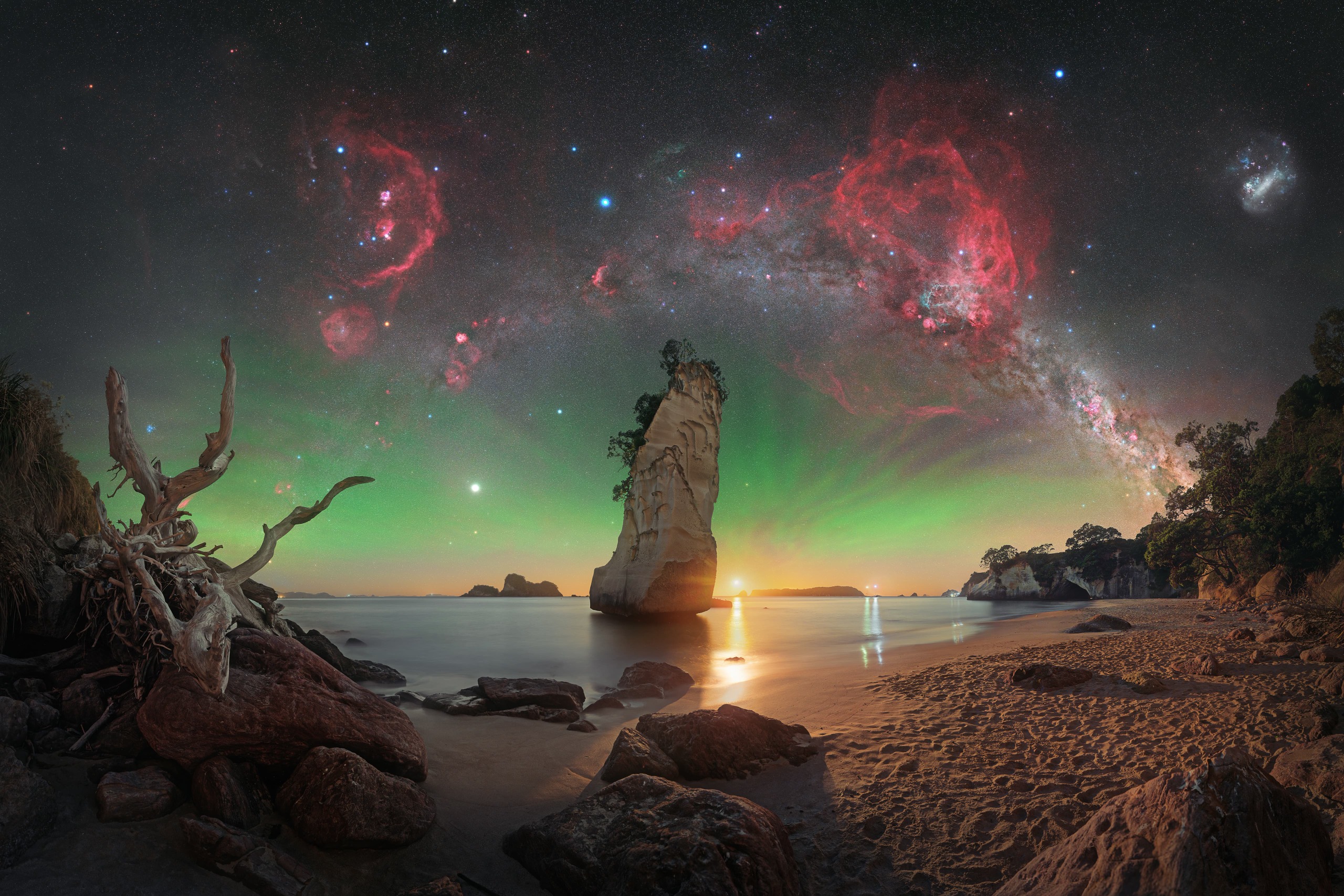
Evan McKay’s gear and settings
- Multilayer, 24-panel mosaic
- Exposure: Full-color sky: f/2, ISO 1600, 15 sec. Duoband: f/2, ISO 1600, 120 sec
- Equipment: Nikon Z6a, Sigma 40mm, Optolong L-Para filter
- Location: Cathedral Cove, New Zealand
The photographer explained that the vibrant airglow seemed to channel toward the rising Moon, “tying the whole scene together.” And the judges at this year’s Astrophotography Prize (AstroPrize) agreed, naming McKay the AstroPrize Photographer of the Year 2026.
The judges praised McKay’s image for its “exceptional detail and depth,” along with its strong sense of atmosphere and place, with McKay taking home 3,000(approximately£2,200/AU4,200) in winnings.
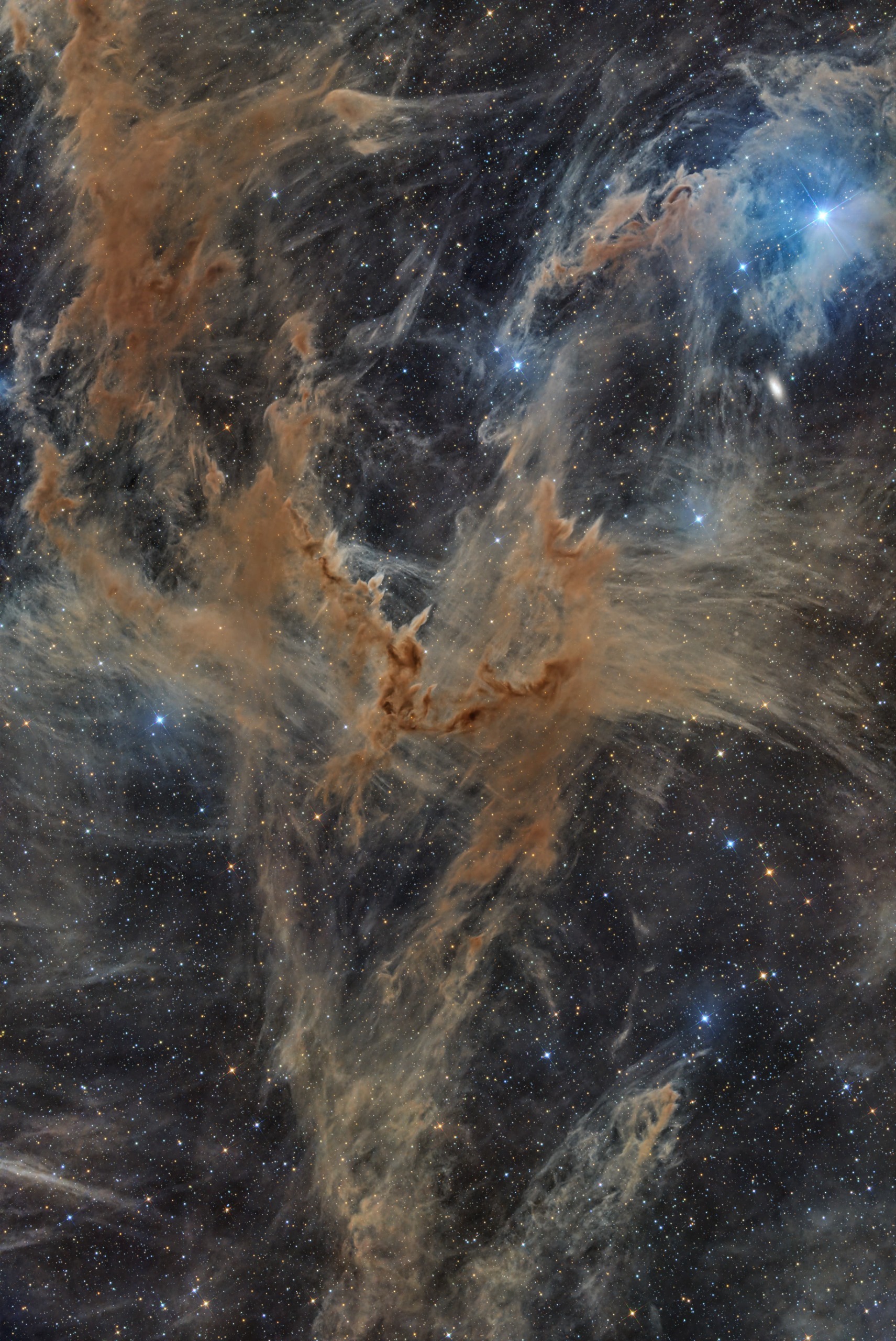
While McKay took the overall contest prize as well as the “Astro Landscape” category, winners were announced across three more categories. Polish photographer Marzena Rogozińska won the “Deep Space” category for her shot of intricate streams of interstellar dust within the Chameleon Dark Clouds of the constellation Chamaeleon.
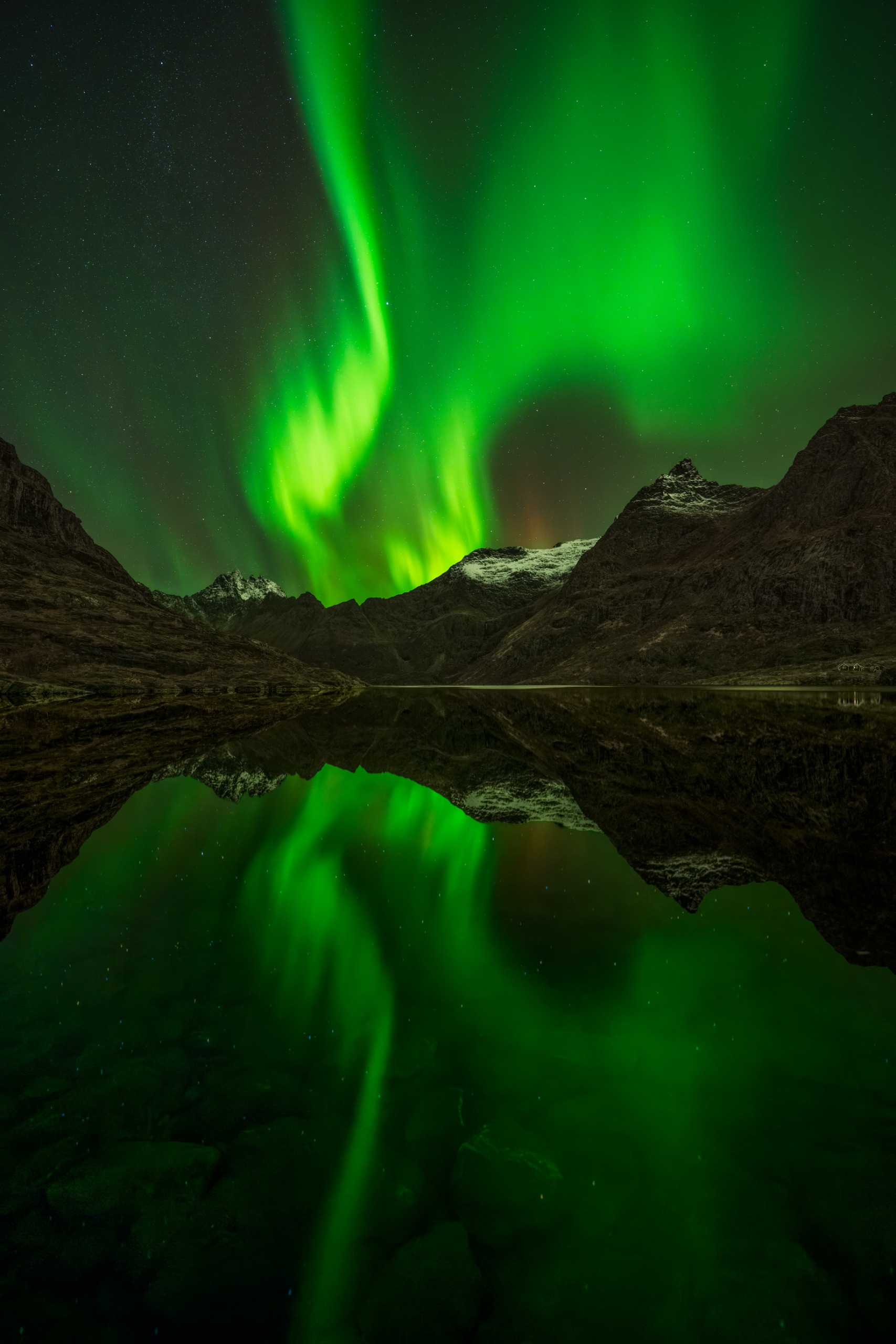
Meanwhile, Jason Perry (US) placed first in the “Aurora” category with his frame of the Aurora Borealis dancing above the mountains of Å in Norway’s Lofoten Islands.
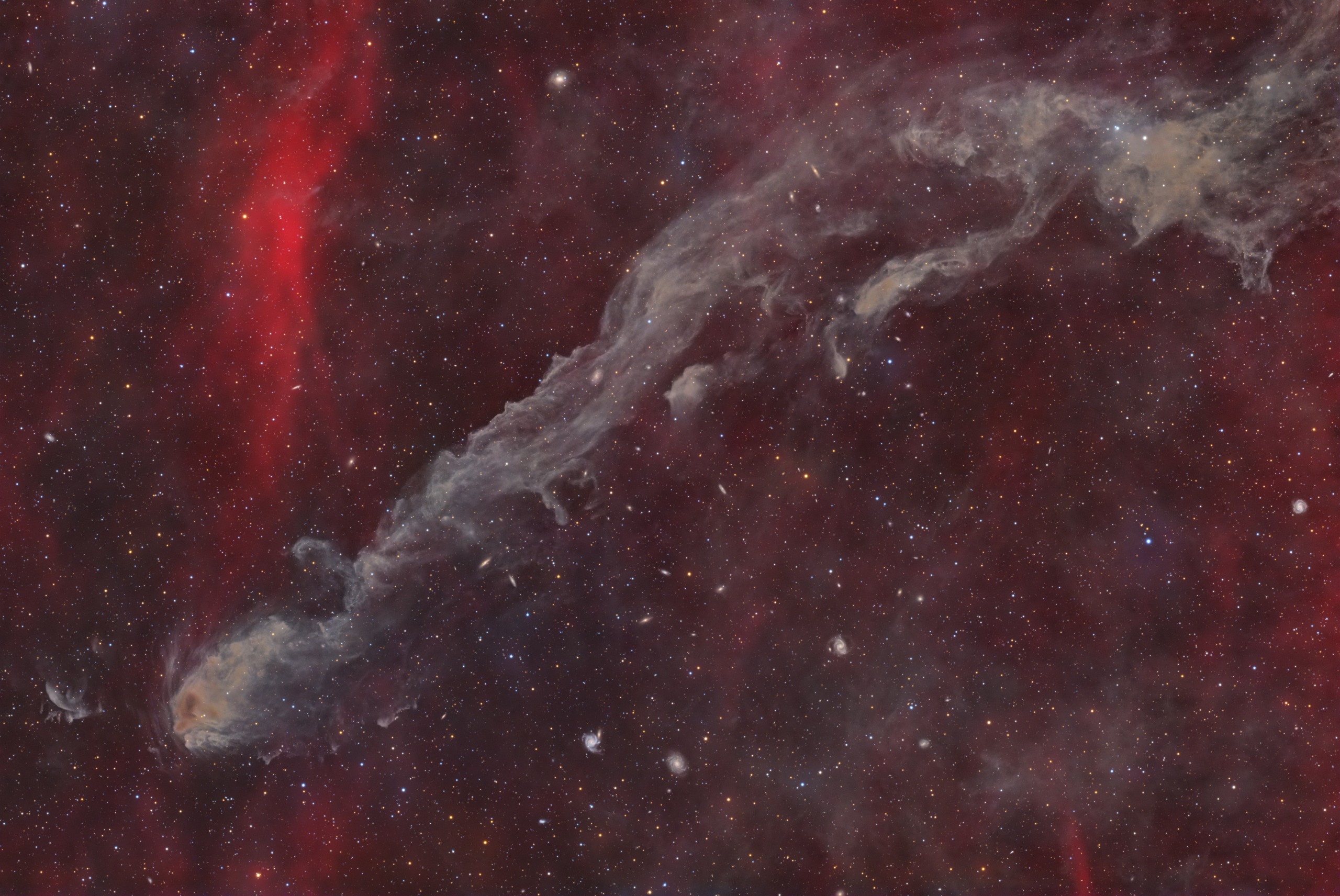
Last but certainly not least, Chinese astrophotographer Alpha Zang was named the winner of the “Remote Imaging” category for his scene of Galileo’s Finger (LBN 420), a finger-shaped cloud of cosmic dust located in the constellation Lacerta (the Lizard), at the edge of the Milky Way Galaxy.
Author: Alan Palazon
Source: DigitalCameraWorld
Reviewed By: Editorial Team
