

I go to lots of photography festivals, and I like it best when they have a theme. Not just because it makes them easier to write about, but because more broadly, I think it helps the public enjoy the event.
There’s nothing worse than wandering around gallery after gallery, staring at photograph after photograph, not really knowing how you’re supposed to feel about them, or what you’re meant to be learning.
Yes of course, art is the eye of the beholder. But there’s a happy medium between being told what to think, and having no idea what to think.
A theme, to my mind, provides a framework to give your thoughts some direction, without being too prescriptive about where they should end up. So I was intrigued to hear that the third edition of Bristol Photo Festival, the international biennial in south-west England, has the theme of “Time Machine”.
What the theme means
The idea, in the words of the press release, is to explore time “not as a linear progression but as something layered, cyclical and continually unfolding.” The artists, it says, will “consider how histories persist within the present, how personal and collective memories shape contemporary experience, and how culture can help imagining alternative futures.”

That idea plays out across a range of exhibitions at the festival, whose second edition drew more than 115,000 visitors.
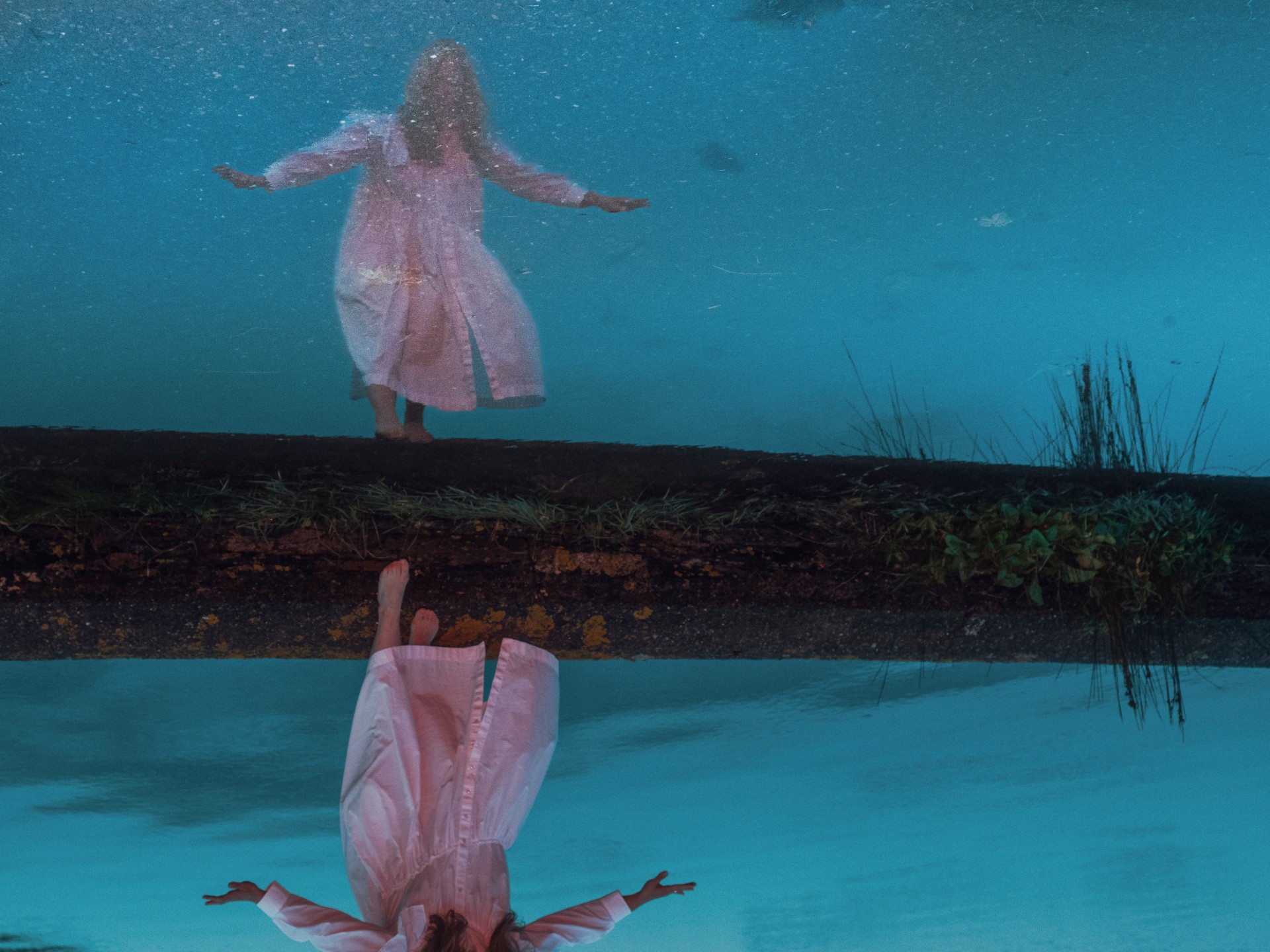
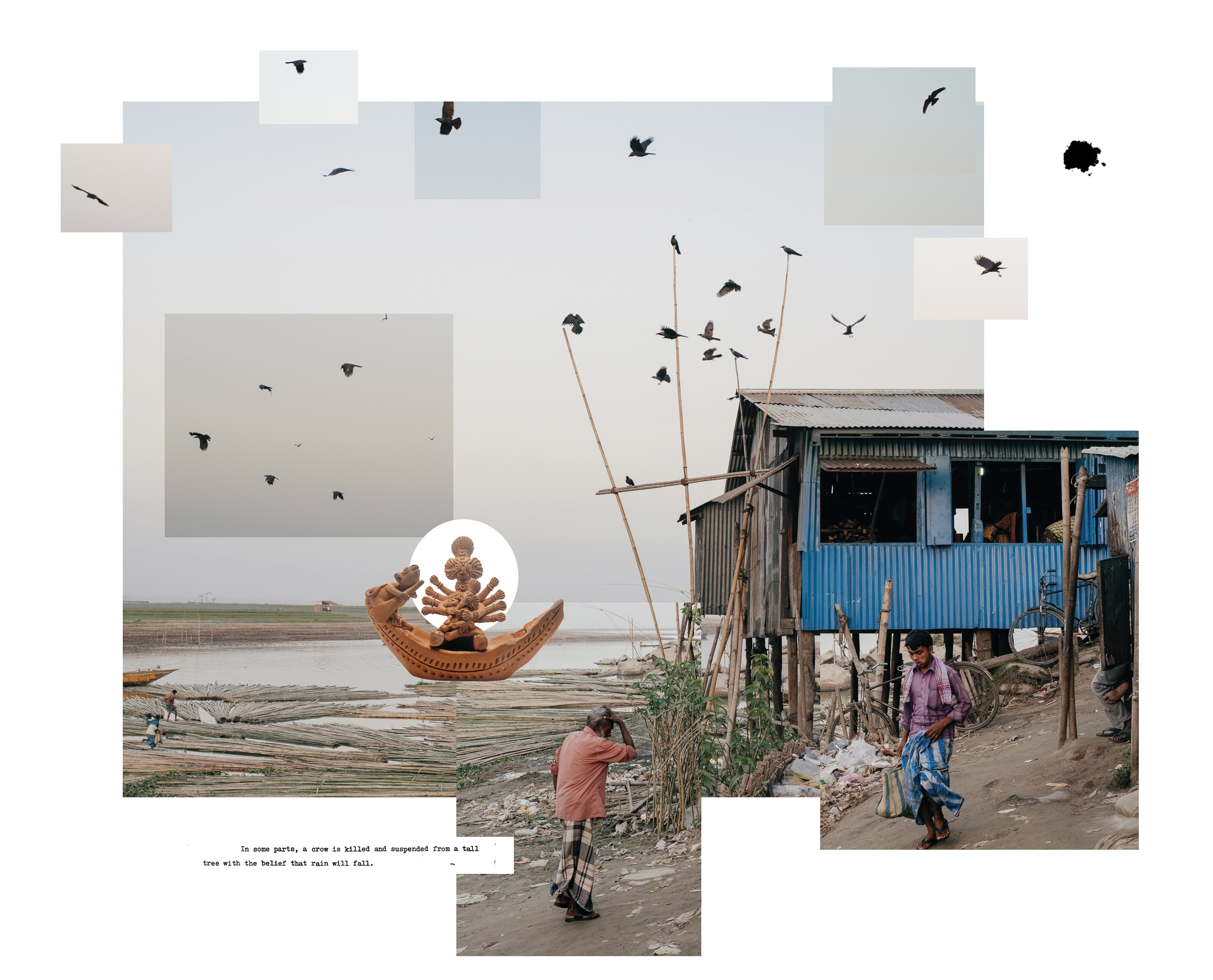
British visual artist Joy Gregory explores migration, memory and identity, while Akshay Mahajan, a photographer and curator based out of Goa, India., investigates folk culture, borders and material history through new commissions responding to the British Empire and Commonwealth Collection.
South African photographer George Hallett’s photographs of writers and musicians in exile, curated by Christine Eyene, sit alongside Photo Kegham, which resurrects the archive of the first commercial photo studio in Gaza, founded by Kegham Deghalian Sr in 1944 and newly curated by his grandson, Kegham Deghalian Jr.
The programme also includes Canadian photographer, writer and collector Michel Campeau’s study of the vanishing analogue darkroom, and Dark Tales, a group show curated by Isaac Blease examining the links between Gothic sensibility and British documentary photography.
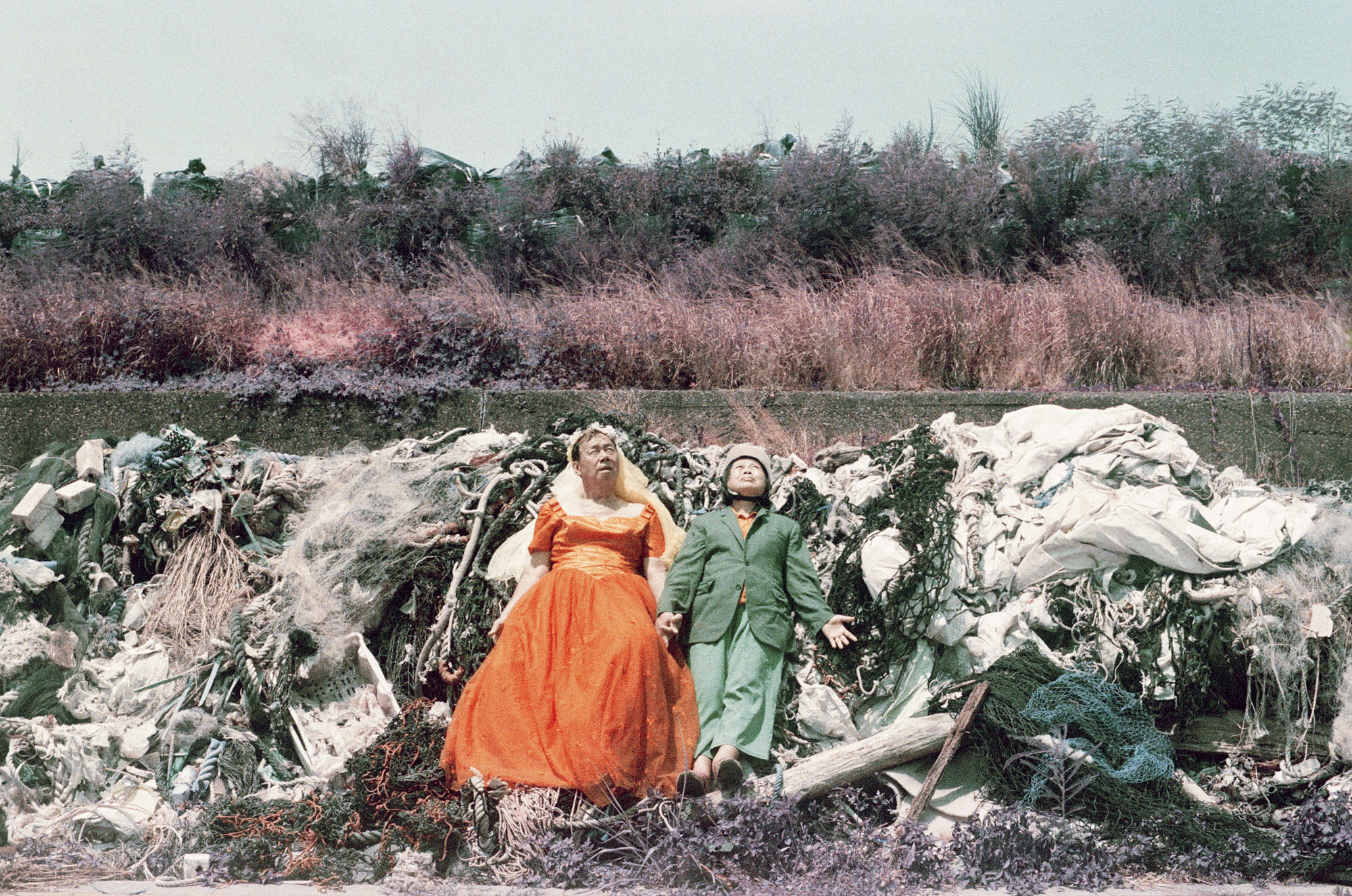
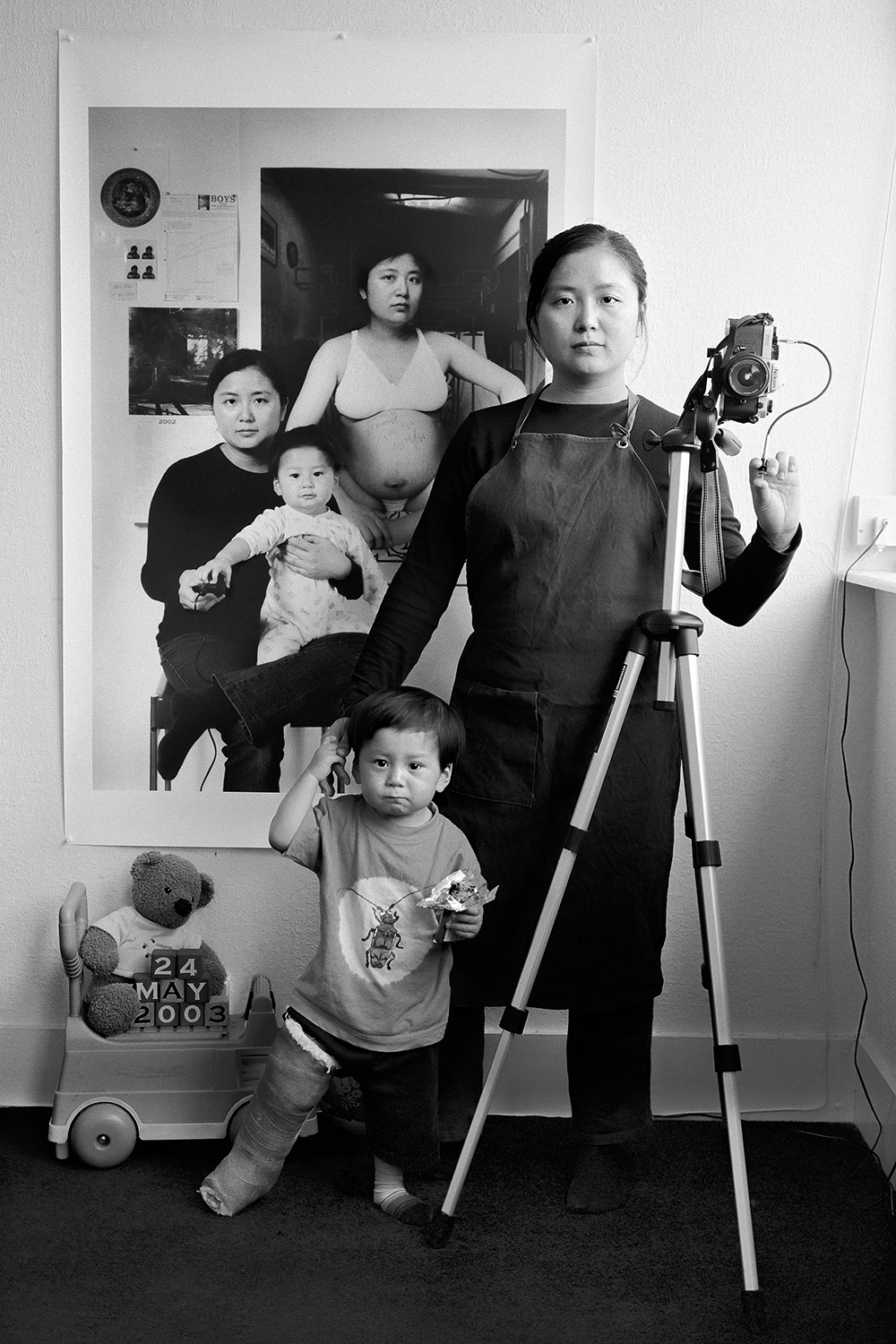
Heat gathers 18 projects from Magnum Foundation’s 2023 to 2025 Photography Expanded Fellowship, each of which addresses the climate crisis in a different way. Meanwhile Family Times, by Taiwanese artist Annie Wang and Liu Hsing Yu, reworks the family album as a form.
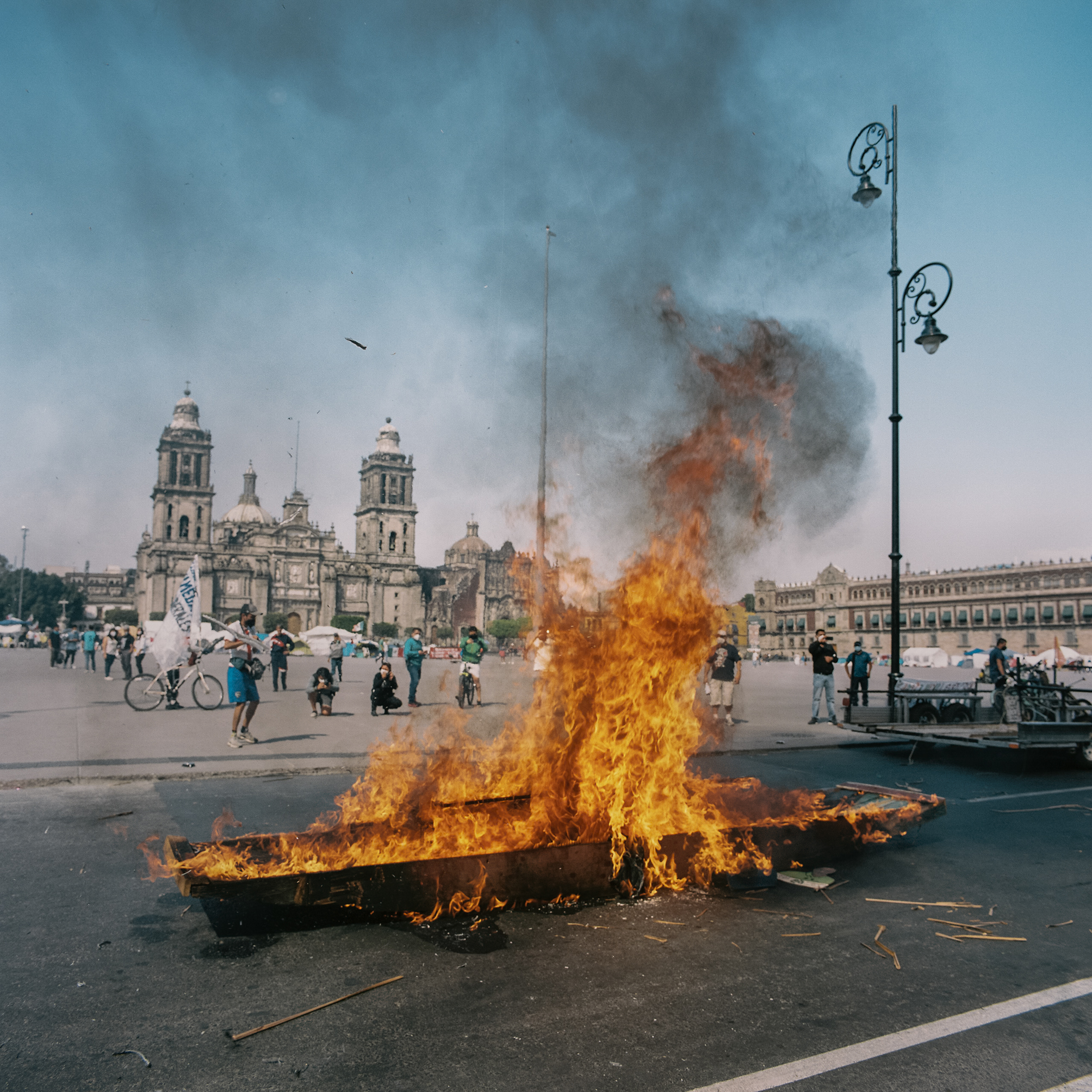
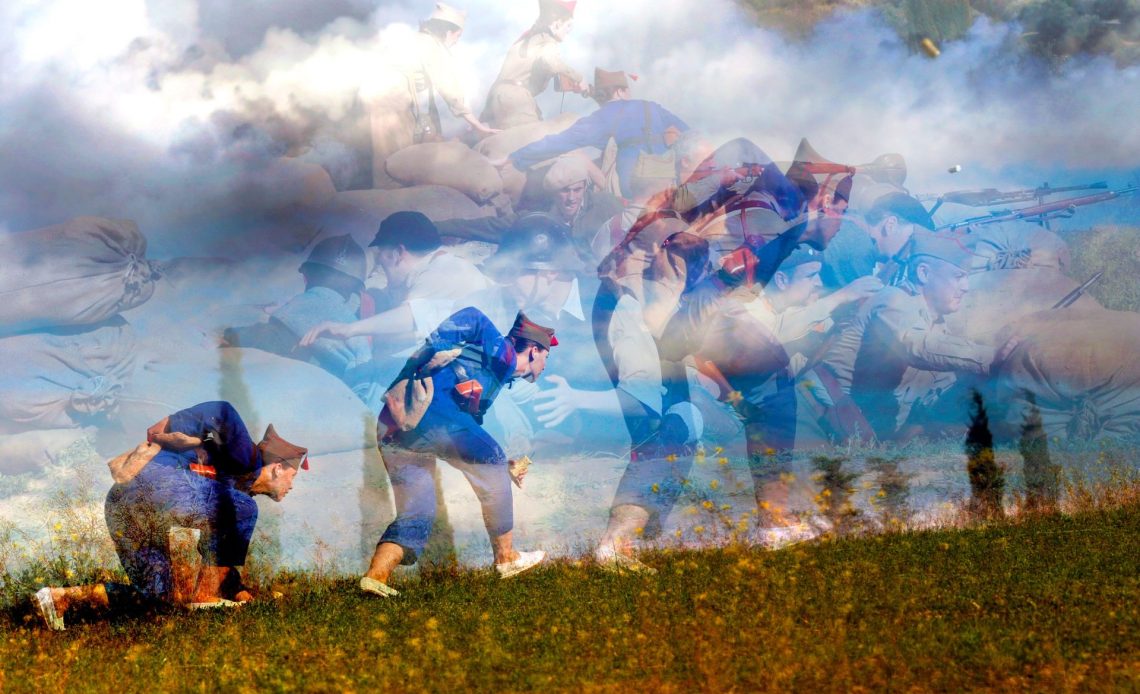
No Pasarán marks the 90th anniversary of the start of the Spanish Civil War through contemporary work by Spanish photographers Anna Jornet and Julián Barón, alongside a newly commissioned piece by Barcelona-based curator and writer Natasha Christia on the International Brigades.
The late Martin Parr, whose Foundation is one of the festival’s main partners, gets a dedicated show too: Common Sense, one of his most ambitious and widely discussed bodies of work. And in partnership with the Institut français du Royaume-Uni [the French Institute of the United Kingdom], the festival presents One of Many: An Alternative History of Photography, which sets out to complicate the standard version of photographic history with overlooked narratives and alternative lineages.
Traces of time
As festival director Alejandro Acín puts it: “Time Machine brings together artists and curators whose work reminds us that the present is never singular. Every photograph carries traces of multiple temporalities – memories that continue to shape us, histories that refuse to disappear and futures that remain open to possibility.”
The opening week runs from October 14 to 18, with exhibitions staying open across the city until November 15 and some presentations continuing beyond that at the festival’s main partner venues. All shows are free to visit, with donations welcome.
Author: Tom May
Source: DigitalCameraWorld
Reviewed By: Editorial Team