

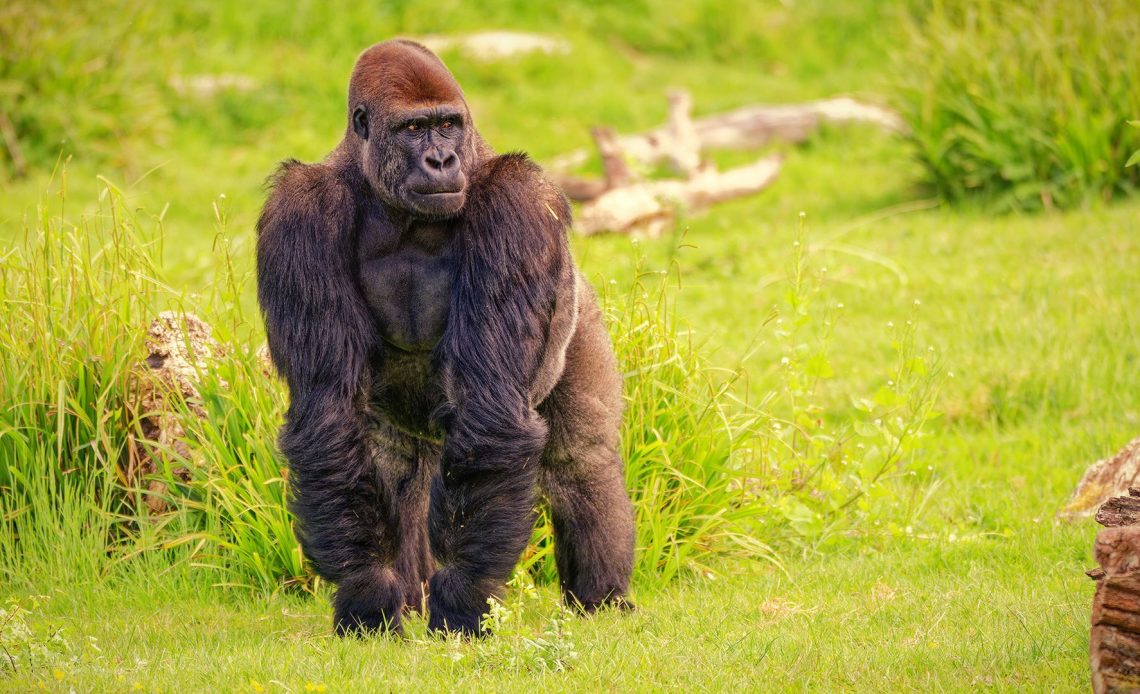
Shooting animals from a platform rocking about on water offers interesting challenges compared to doing from the security of dry land. No matter whether you’re sailing down the Amazon river, braving a midge-infest Scottish loch or traversing the lake at Longleat Safari Park (like I was).
The first consideration is safety, for both your body parts and your camera equipment. Always make sure that you’re securely braced when shooting because a sudden boat movement can cause havoc if the flooring is wet. Falling in when there are hippos about is not a good idea as these amiable-looking creatures are, in fact, aggressively territorial and will happily tear you limb from limb. And then eat the bits. Seals are the next menace because there’s little difference to them between a juicy fish and a fleshy hand holding a camera over the side.
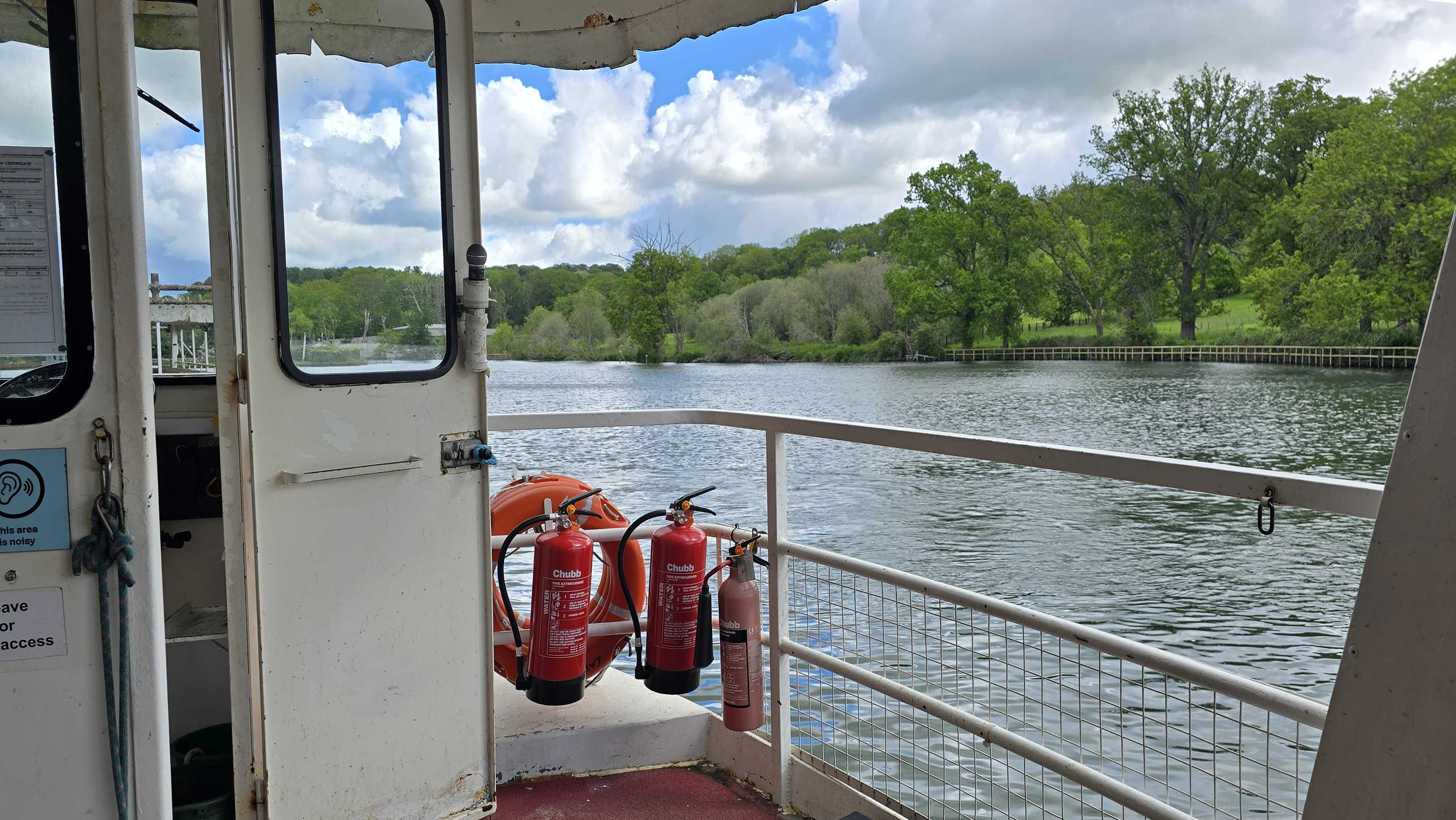
Obviously you need to have the camera secured, so consider having a strap from it attached to you, in case you lose your actual grip on the camera. If you drop it over the side, no-one is going in to get it back for you. Assuming you and the camera are all secure, let’s take a look at the practicalities of shooting from a rocking platform.
How to capture the action
01 Which mode to use
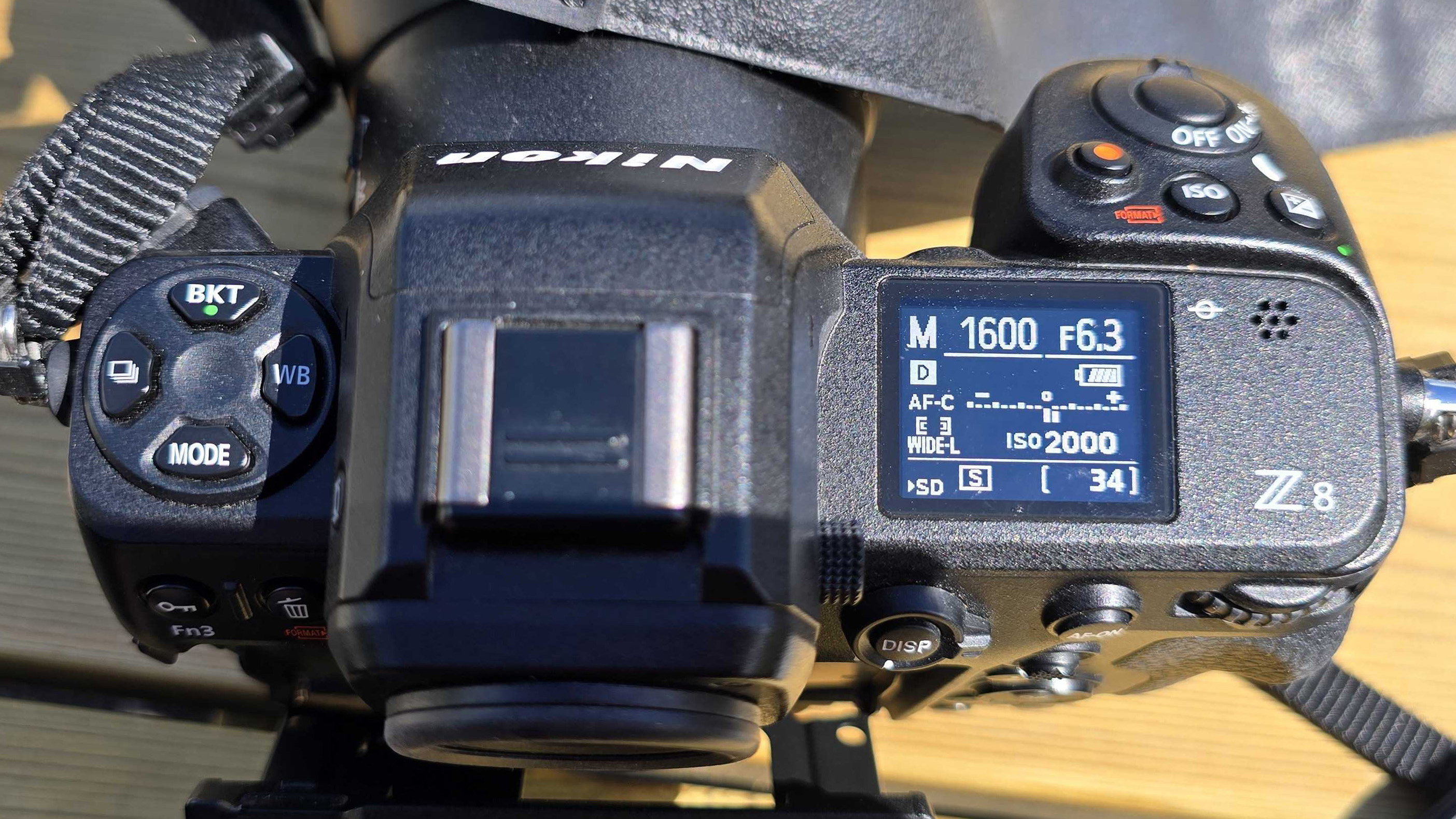
For the first couple of trips around the lake I used the Mode dial (your camera may have a P/A/S/M or a P/Tv/Av/M dial) to set the camera to Aperture Priority and the ISO to 1000. I was aiming for a shutter speed of 1/1,000 sec but the light was changeable and increasingly murky, so I switched to Manual mode.
02 Let’s go Auto
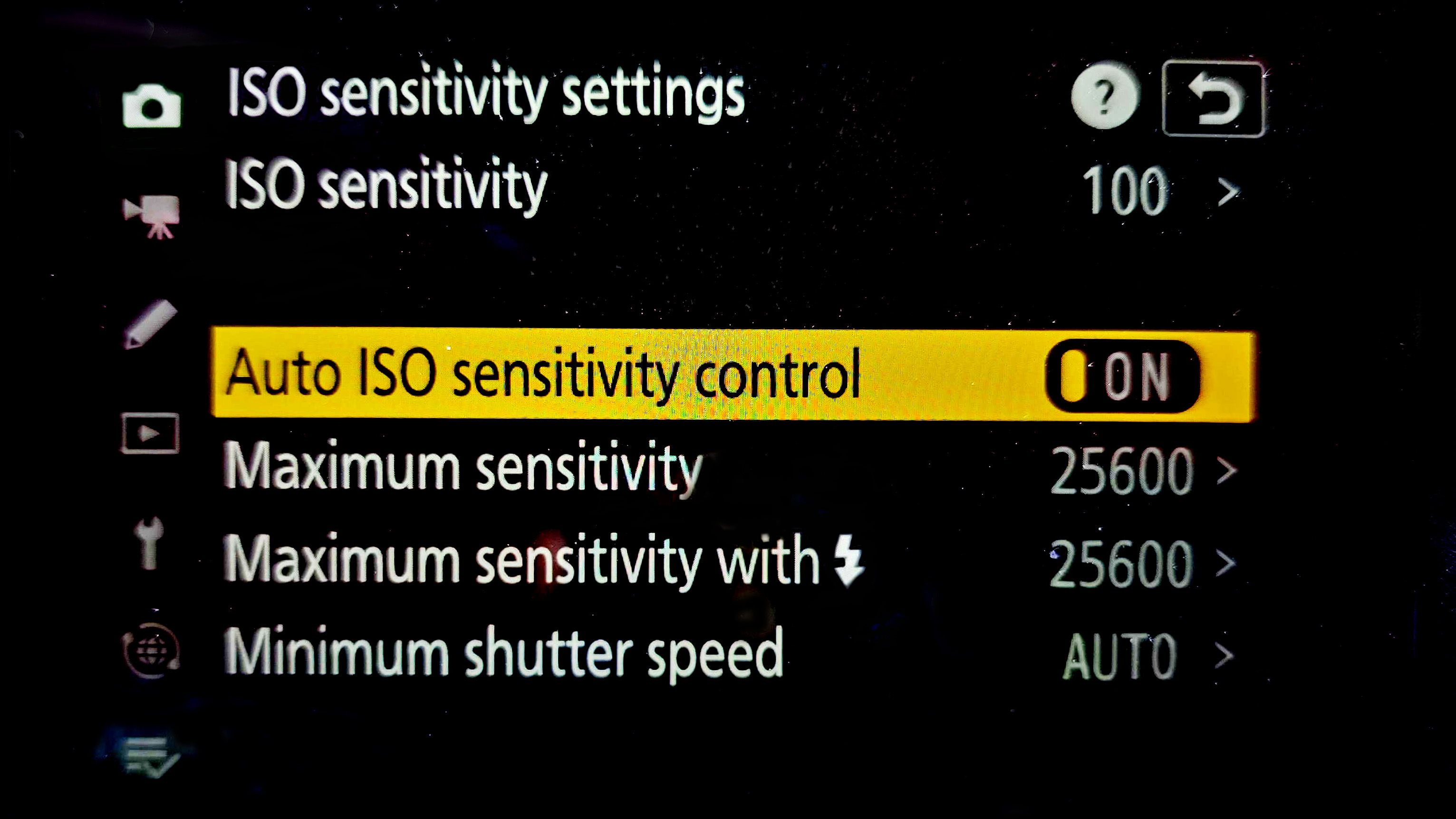
Having had difficulty capturing the fast moving seals I decided on f/6.3 and 1/1,600 sec as the manual settings, along with Auto ISO. It’s a trade between noise and getting the speed and aperture that you want. A wider aperture on a faster lens would let in more light but an f/6.3 aperture meant that focussing on a gorilla’s face resulted in all the animal being in focus.
03 Autofocus area and subject
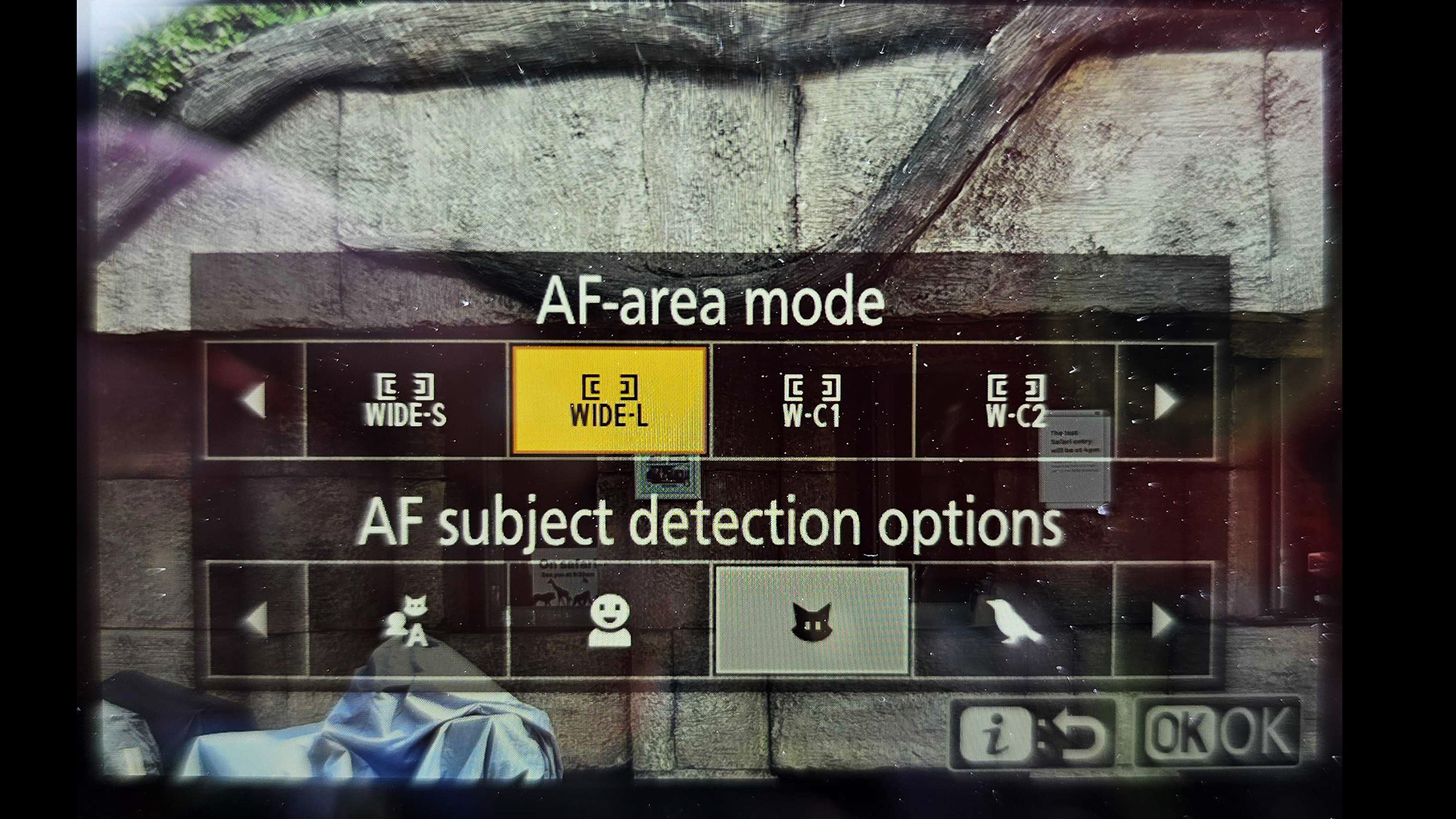
This was set up with a wide area box for the focus detection and animals as the subject detection. Focussing on the gorillas, hippos and monkeys wasn’t a problem, because they weren’t moving around very quickly so even with the rocking boat, locking onto them was easy. However, again, with the seals it was much harder as they moved so fast, but this combination worked the best.
04 Continuous shooting
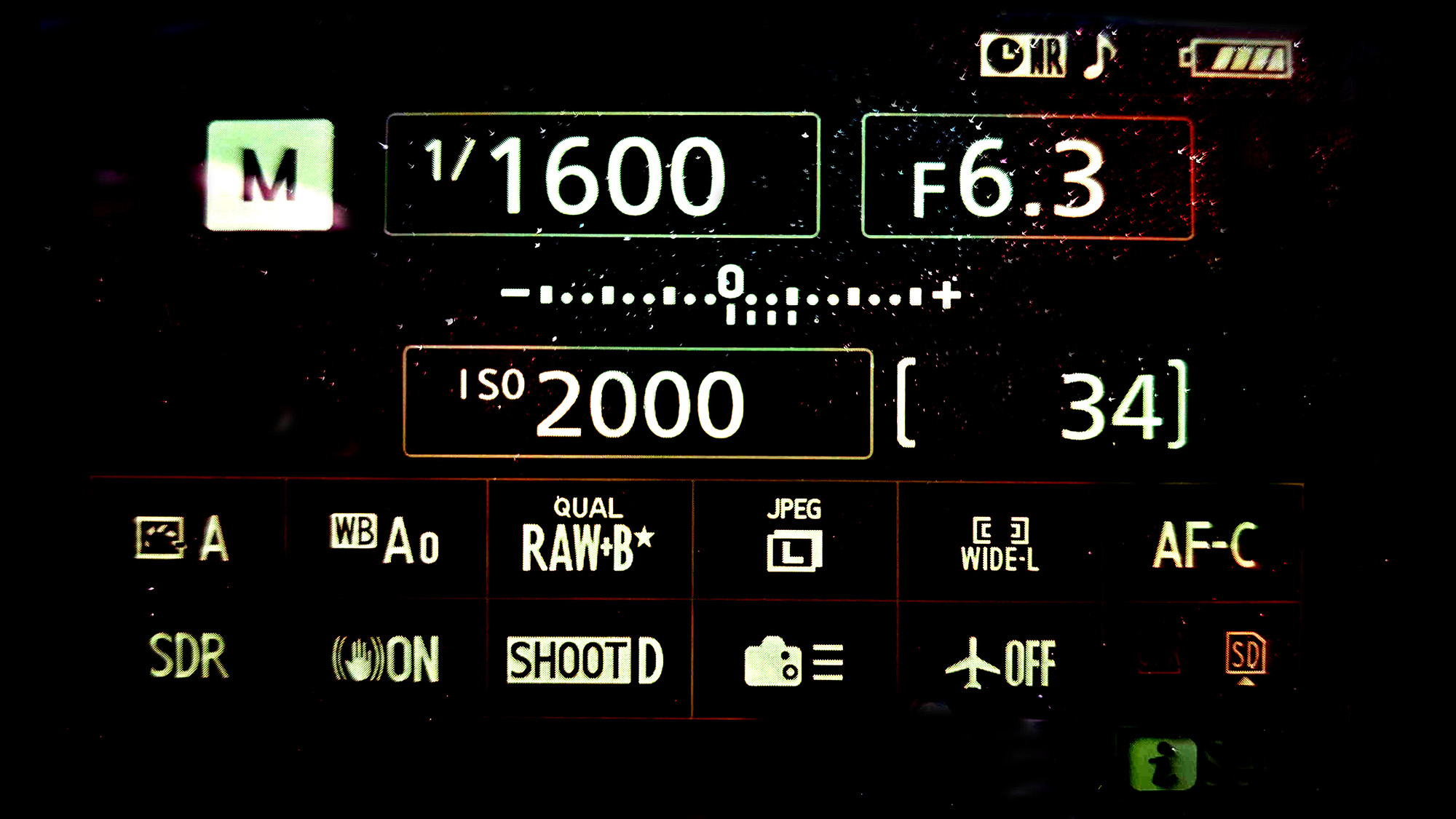
The focussing was set to continuous, which was essential for the seals. Having Auto ISO and fixed settings here was also the best option because with reflective water and patchy sunshine by this point, the metering was changing with every shot. It was also better to have a slightly wider view than a tight crop, in order to get the seals in the shot and not be half out the frame.
What else did I shoot?
Image 1 of 5
(Image credit: Future)
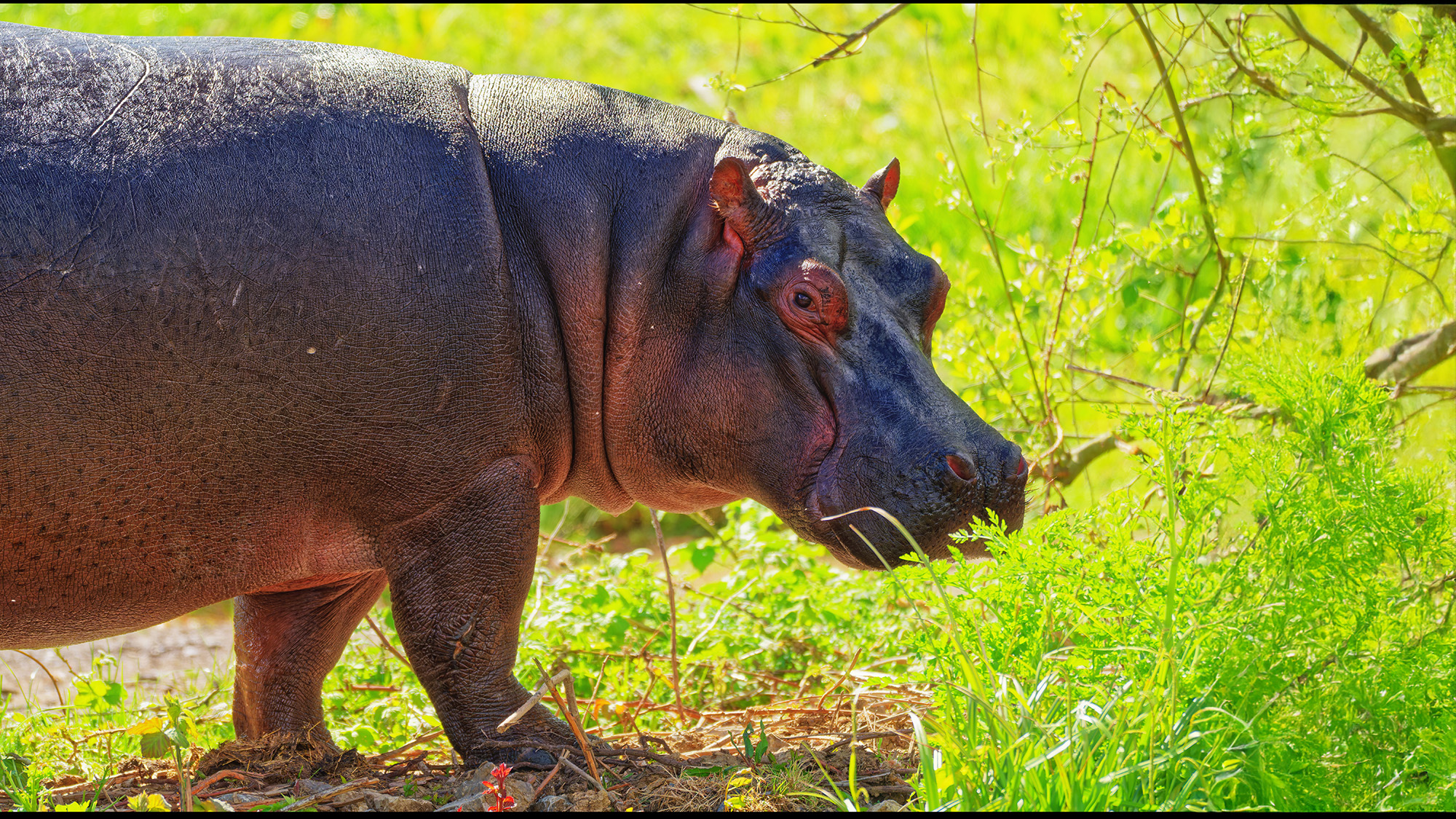
Hungry hippo
Catching the giant hippo out of the water makes for a much easier shot because although they can run at up to 30km/h for short bursts, for the most part they just amble about. Focussing is therefore not a problem and you can decide on how much of the frame to fill.
(Image credit: Future)
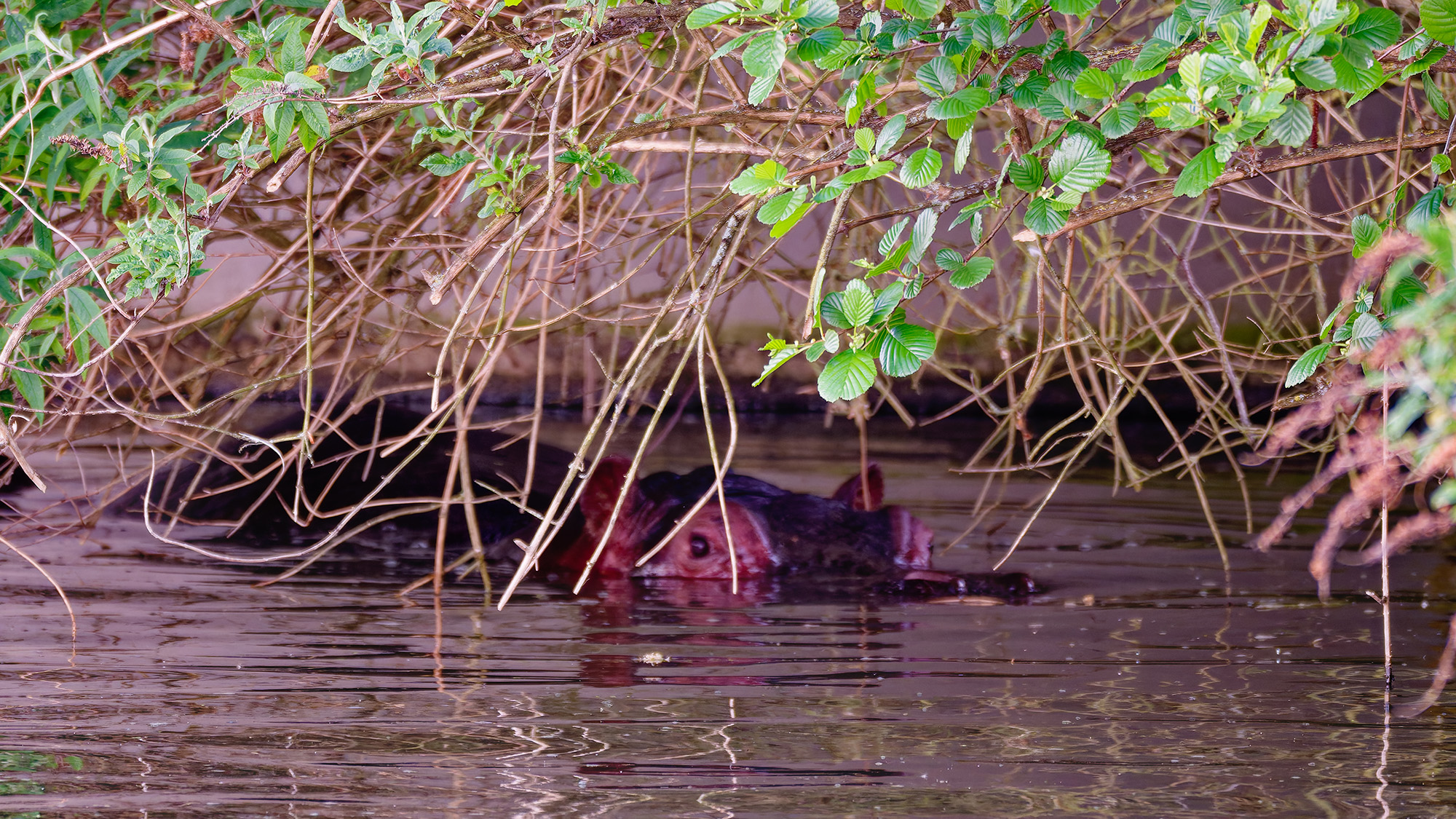
Hippo hiding
Initially the hippos were hard to locate, hiding in the undergrowth, making focussing from a moving boat very difficult.
(Image credit: Future)
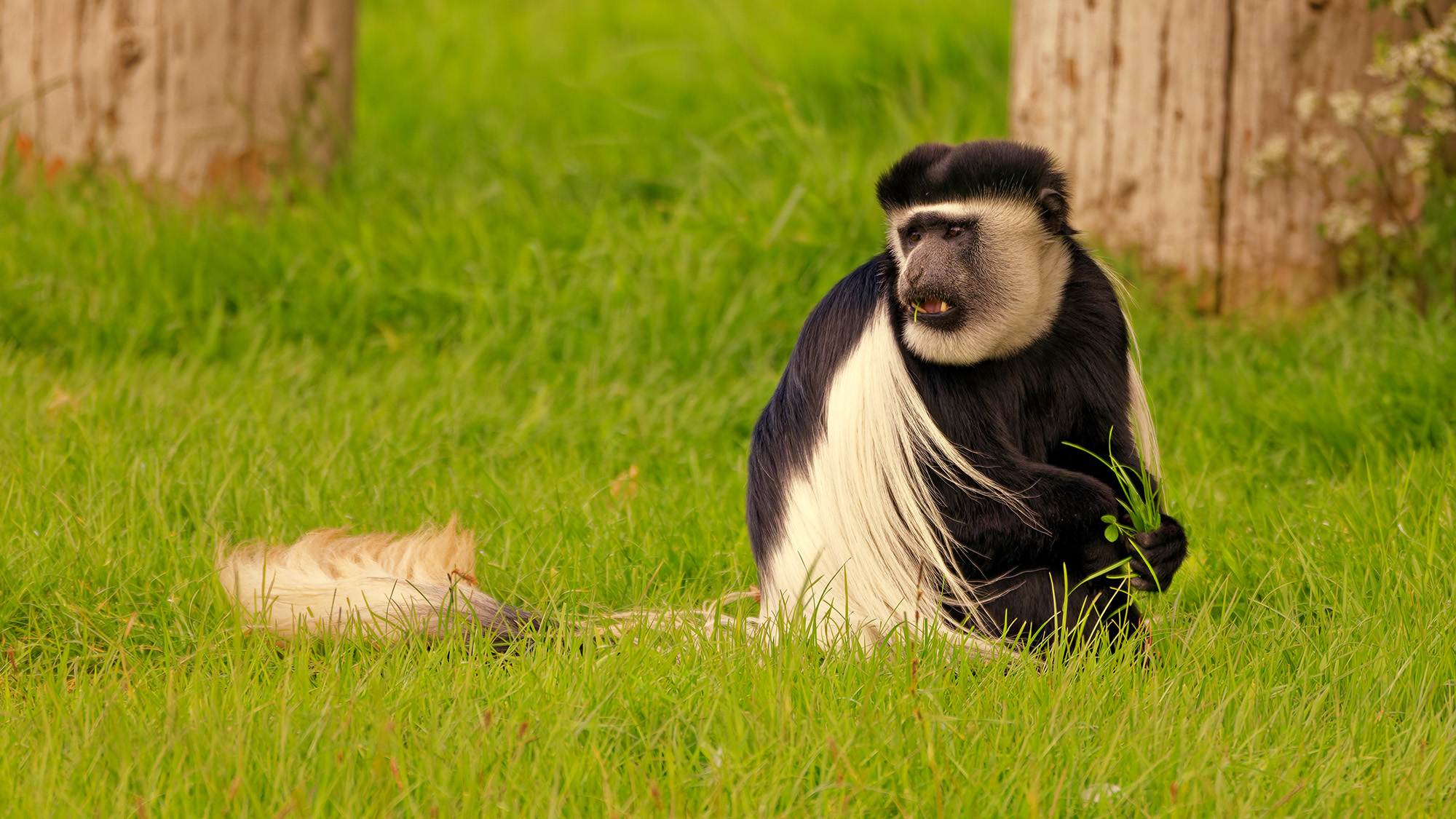
Monkey business
This monkey was very small and a fair distance away on an island – even with 600mm it required cropping.
(Image credit: Future)
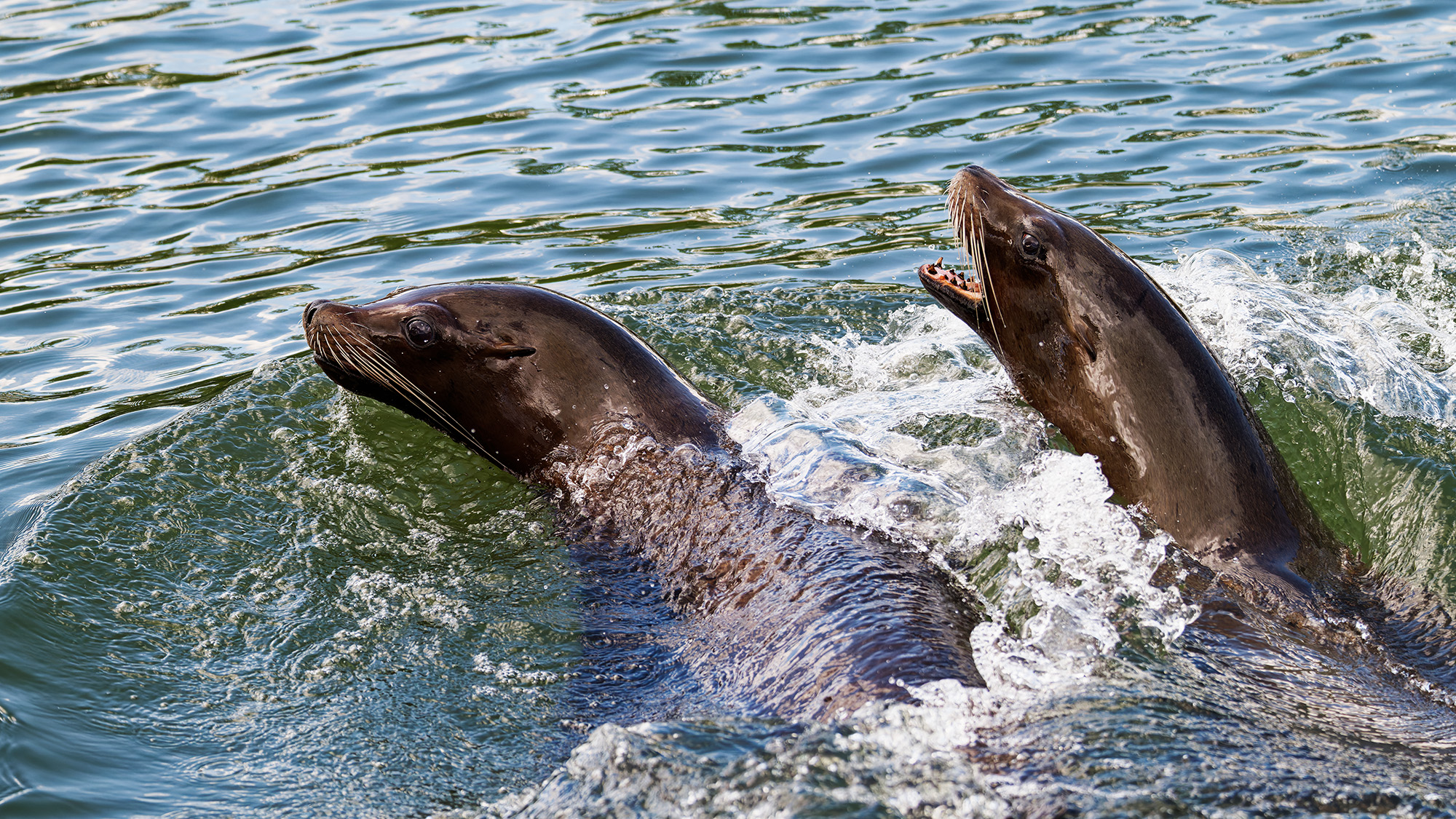
Splashing seals
Catching the seals when they are splashing about requires a fast shutter speed, continuous focussing and generous framing to get them into the shot. It takes some practice to follow where they are going but it makes for much more dynamic and action-filled shots.
(Image credit: Future)
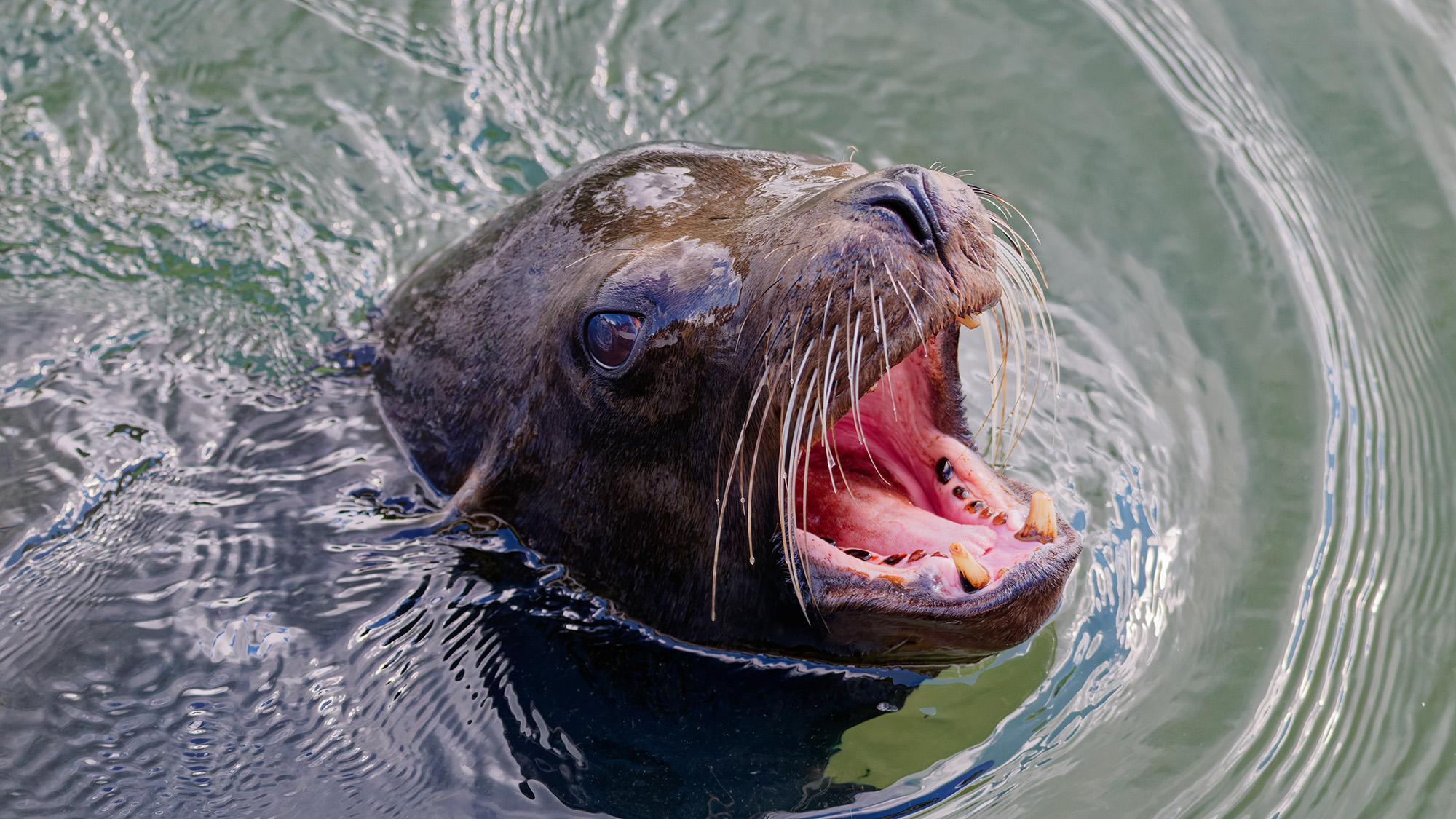
Get up close
Here we have a seal bellowing for food which only required a 180mm focal length because it was quite close. It also made focussing and framing much easier because it was racing around at high speed. The eye detection from animal tracking picked this up perfectly.
View Original
View Original
View Original
View Original
View Original
How long a lens do you need?
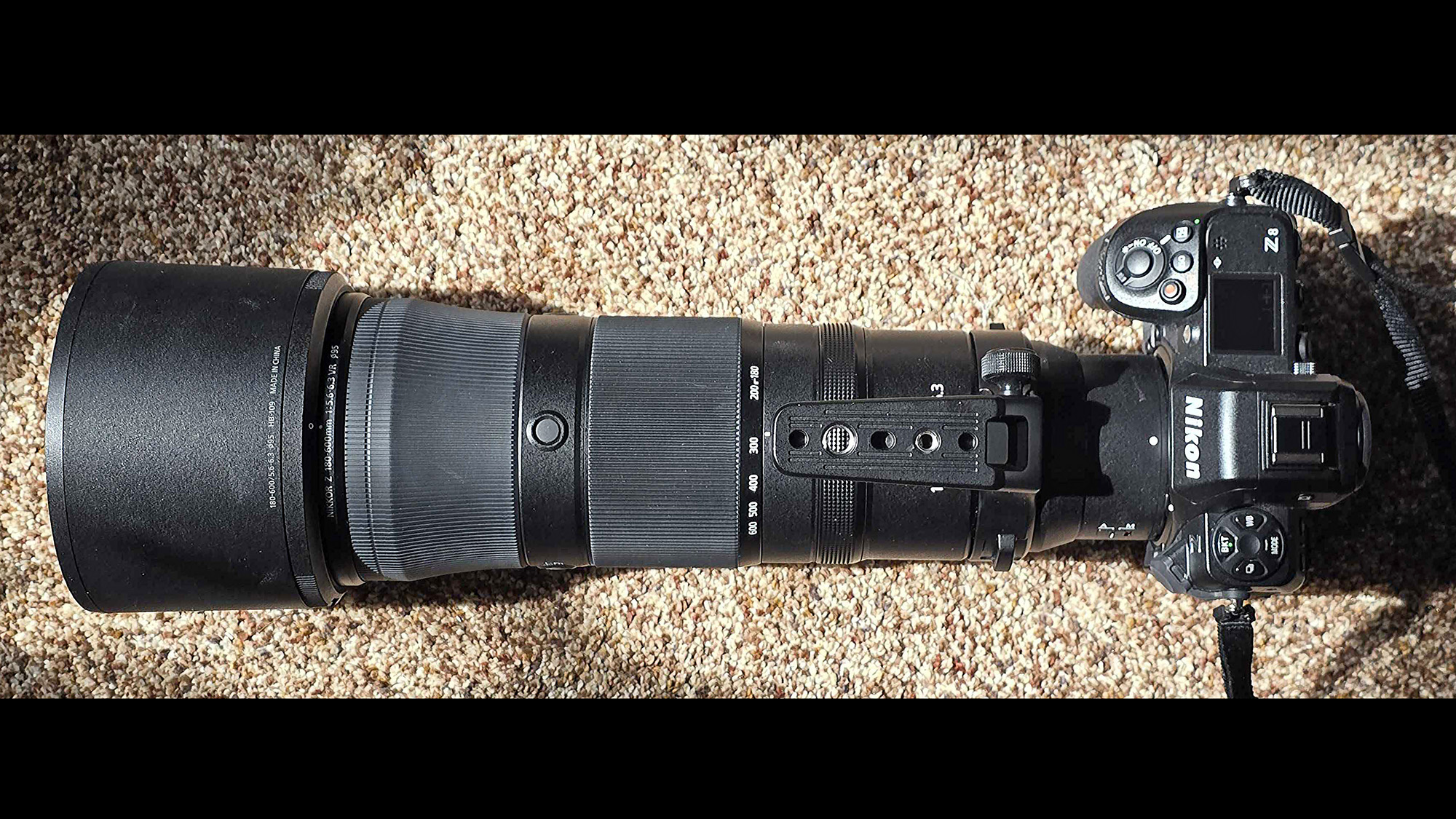
A lot depends on how close the boat you are on gets to the shoreline or within range of the water-based animals. I took my 180-600mm f/5.6-f/6.3 lens which was perfect for the gorillas, even though we were some distance away, because they are quite large. When the hippos are in the water, all you see are eyes and ears so a longer reach would be preferred, but on land 600mm was long enough. The photos of the smaller monkeys on their colony needed cropping, so with those an 800mm lens would have been needed to fill the frame. The seals got quite close to the boat so anything from 150-300mm would have been fine to get a close up shot of them.
Before you go…
To capture animals at long range you’ll need a big telephoto lens, a fast memory card and a big camera backpack to put your stuff in.
Author: Wendy Evans
Source: DigitalCameraWorld
Reviewed By: Editorial Team