

Earth Day takes place on April 22 this year, and is a show of support for environmental conservation and protection – a reminder of the responsibility that humankind has to safeguard the planet for future generations. (For more information about the day, and how to get involved, visit www.earthday.org).
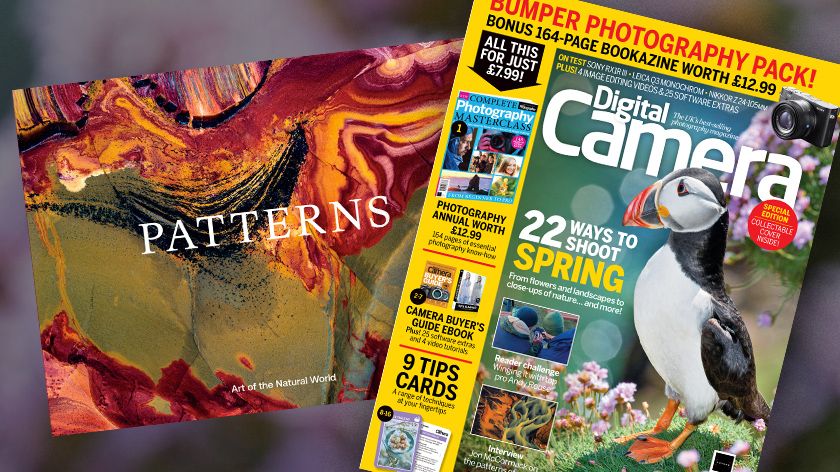
Published to coincide with Earth Day, a new book by photographer and conservationist Jon McCormack is titled Patterns: Art of the Natural World.
A collection of photography that explores the hidden geometry and unseen patterns of the planet, it is the author’s first monograph, with most of the images having been captured since 2020.
Described by publisher Damiani Books as a “meditation on the geometric patterns that define our planet’s most breathtaking landscapes and ecosystems”, Patterns documents how the earth reveals itself as “both architect and storyteller”.
Over 168 pages, the reader will savor images that range from microscopic mineral blooms to vast aerial geometries, gathered from across the world.
Keen to find out more about the book, we spoke to Jon McCormack on a video call from his home in California.
You grew up in the Australian Outback. For anyone not familiar with it, can you describe what this vast territory is actually like?
It was semi-arid, with only about 16 inches of rain a year, and life there was pretty harsh. The closest town was about 15 miles away.
The mailbox, on the main road, was a mile from the house, and it was 15 miles to school every day on the school bus.
And did living in the Outback develop your love of the natural world and eventually photography?
My father embraced regenerative agriculture long before it was an interesting thing. The farming world in Australia had largely gone chemical, but Dad was resistant to that.
His view was that we’d been farming the land for over 100 years and it had been fine, so there was no real reason to change. He also said that we didn’t know what this was going to do to the earth.
The other thing about growing up in that part of the world is that there’s a lot of space and natural beauty. We didn’t have electricity until after I went to boarding school.
We had a 32V generator that Dad would turn on at night so we could watch a little black-and-white TV, but we spent a lot of time outside because that was really all there was.
This informed my view of how I think about the environment and how the environment shows up in my life.
Western Queensland is a very textured environment. It goes from semi-arid to arid, with the occasional small waterhole that would be surrounded by trees, lush grass, animals, and birds.
At some point, my dad gave me a camera that had belonged to my grandfather. It was made in the late 1940s and was an Olympus 35 Mark IV, I think.
Nothing about it was automatic – there was an external light meter, for example. The other kicker was that the closest place to get film developed was a two-hour drive away, so I’d only get film back every couple of months.
This made me a student of photography in terms of taking photographs and making sure I was taking good notes as well.
And I needed to do that; I’d get my photos back and I’d be like, “What did I do there?” That was quite annoying at the time, but also deeply instructive.
You wanted to have a day job in addition to photography, so you did an engineering degree, then studied computer science and went on to get a job in tech. How long did it take you to form your visual style that we know today?
When we were all stuck inside, I was lucky because there’s a little beach not far from where I live. When it became clear that we couldn’t catch Covid just from going outside, I would wander on the beach every afternoon just to get out of the house.
Of course, I took my camera with me and started making photographs. But after a while, how many sunsets can you take and still be interested?
So I started to look for these intriguing little details, interesting patterns that could only happen one time because they were a result of a combination of the tide, the light, wind, seagrasses and so on.
Then, I ended up making a decision that I would stick to for the remainder of lockdown; I went to the beach every day and took one photograph with a single lens.
Because of the compositional discipline of only having one telephoto lens, I started looking for the deeper details. Searching for these patterns became fascinating to me, so I ended up spending four or five months seeking out the patterns formed by light, wind and water.
Looking back at my earlier work, a lot of it was about patterns. When I think about the photographs I made while working in tech in India, my strongest ones tend to be those where I’m much more focused on a pattern than whatever the charismatic subject is.
By the time Covid finally ended, my photography had moved onto this idea of looking for patterns. I see wonder in patterns and find that from a neuroscience perspective, patterns – especially ones occurring in nature – have a profound effect on the brain, because they engage you without taxing you.
Patterns in nature are relatively regular, but never repeat exactly. Here’s an interesting fact… if you look at Jackson Pollock’s drip paintings, they are true fractals [repetitive geometric patterns forming a larger pattern], and that’s why these messy, squiggly things are so relaxing.
It turns out you have a choice; you can go and spend a few million dollars on a Jackson Pollock or you can go and walk outside – I’ll take the walking option.
So, photographically, I really resonated with these patterns. Part of it – a lot of it, in fact – was just because of the personal effect that had on me. For me, my photography is now hunt and peck, looking for interesting patterns. And even the journey on its own is fun.
The other thing that I learned during the pandemic was that it was OK if there was no photograph to be had. I wasn’t going to force it. I wasn’t looking for winners. I wasn’t looking for great shots.
Instead, I would be thinking, ‘Just let the photograph happen’. If it did, that was fantastic; if it didn’t, I would still have a good time sitting on the beach. I became a far more relaxed photographer because of it.
When was the body of work that features in Patterns gathered, and from how many different places?
Are you pleased with how Patterns has turned out?
Of course, the great irony in the book is that I traveled all around the world to take the photographs, but the key thing that it taught me is that wonder is everywhere.
If you take a blade of grass and put it under the microscope, it becomes this fantastical thing. Ironically, I travelled the world, only to find that there’s wonder in my back garden.
![Photograph taken by photographer and conservationist Jon McCormack, of diatoms [single-celled algae] – each one is no larger than the width of a human hair.](https://cdn.mos.cms.futurecdn.net/eEcsyHpM6xNQNpNxfGpZyj.jpg)
What did you use to make these images?
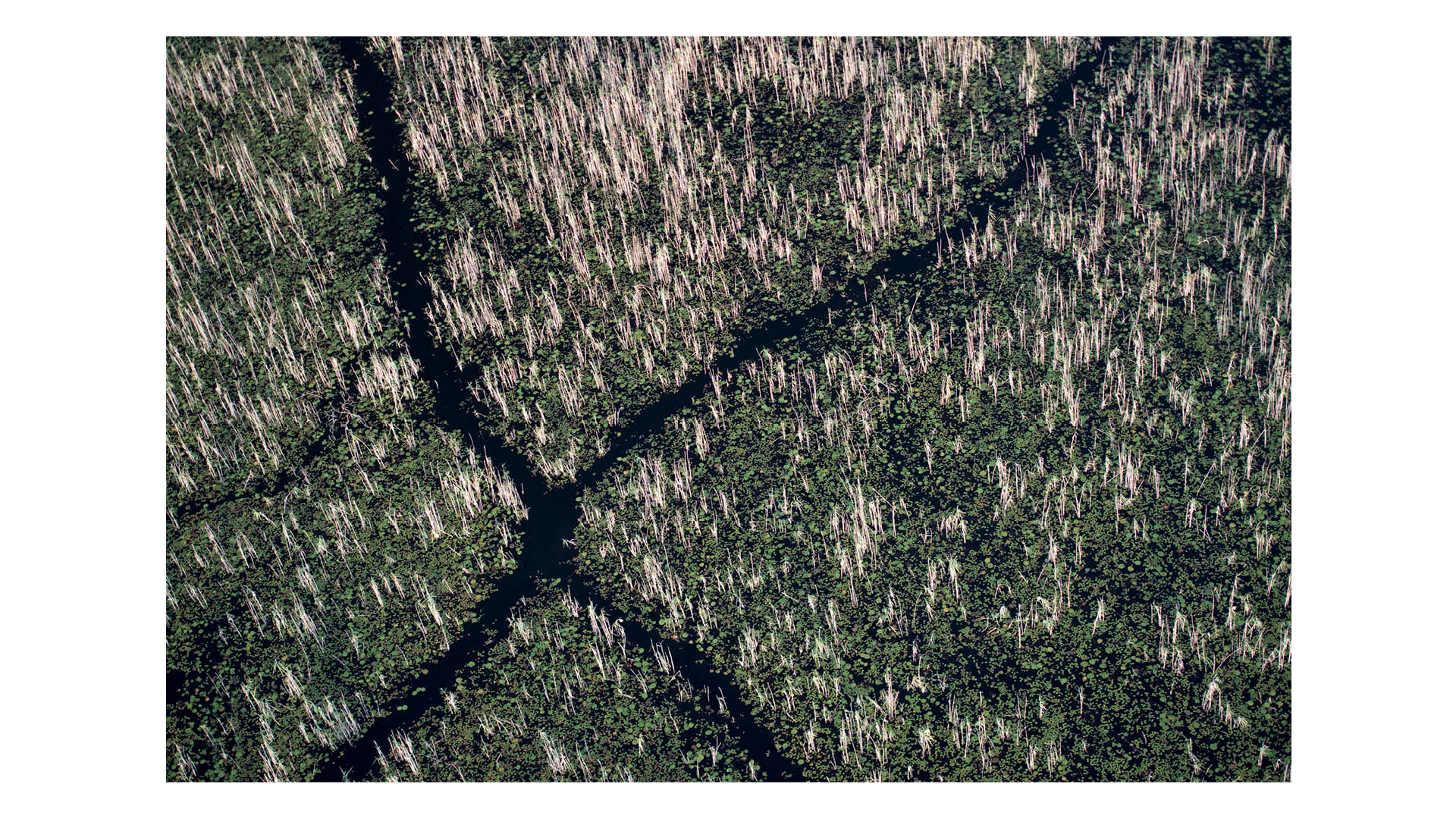
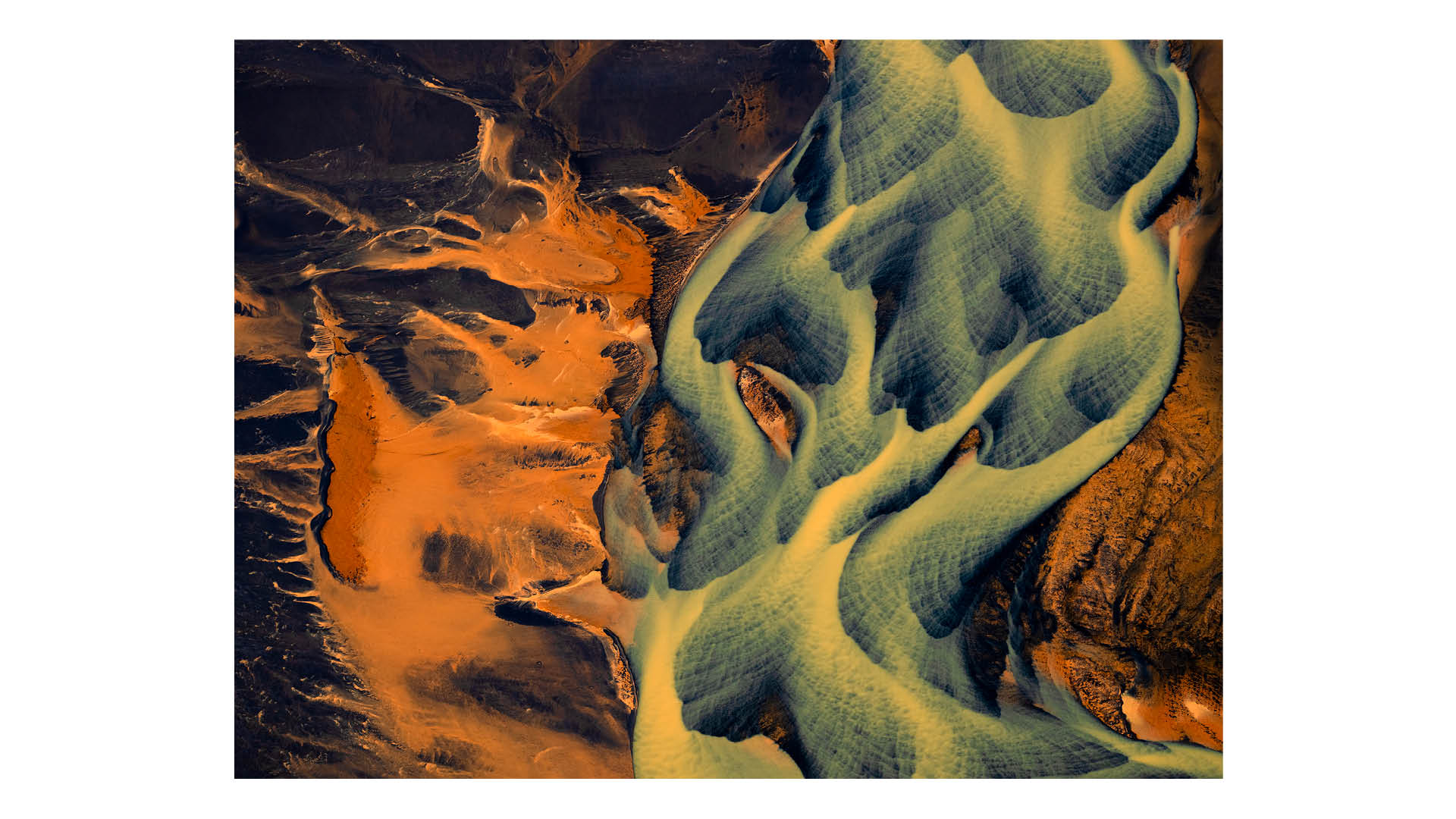
In a helicopter, I tend to fly at about 500 feet, so a 100-400mm is my go-to lens for that. The microscopic pictures were probably the biggest adventure, figuring out how to do microscopic photography, using a Zeiss microscope with a mirrorless body attached.
Actually, here’s an interesting story… that slide that looks like a whole load of buttons [on p121 of the book], they’re all diatoms [single-celled algae] and every one is smaller than the width of a human hair.
I actually bought that slide at an auction. It was made by a company called Fenton & Son in Edinburgh, Scotland, in the late 1800s. Remember, this was back in the days of Victorian Britain, where you would have people hand-arranging diatoms on slides.
Then, in drawing rooms, people would get out their microscopes so they could observe natural history. It’s just one of those wonderful things that you sort of discover along the way. This idea of looking closely at nature is not actually a new thing at all.
The publication of Patterns is timed to coincide with Earth Day 2026. What does Earth Day mean to you?
We’re the only planet we have found that’s like this in the universe – that’s not to say that there aren’t others out there, but Earth is an extraordinary place. And Earth Day was set aside for people to notice that once a year.
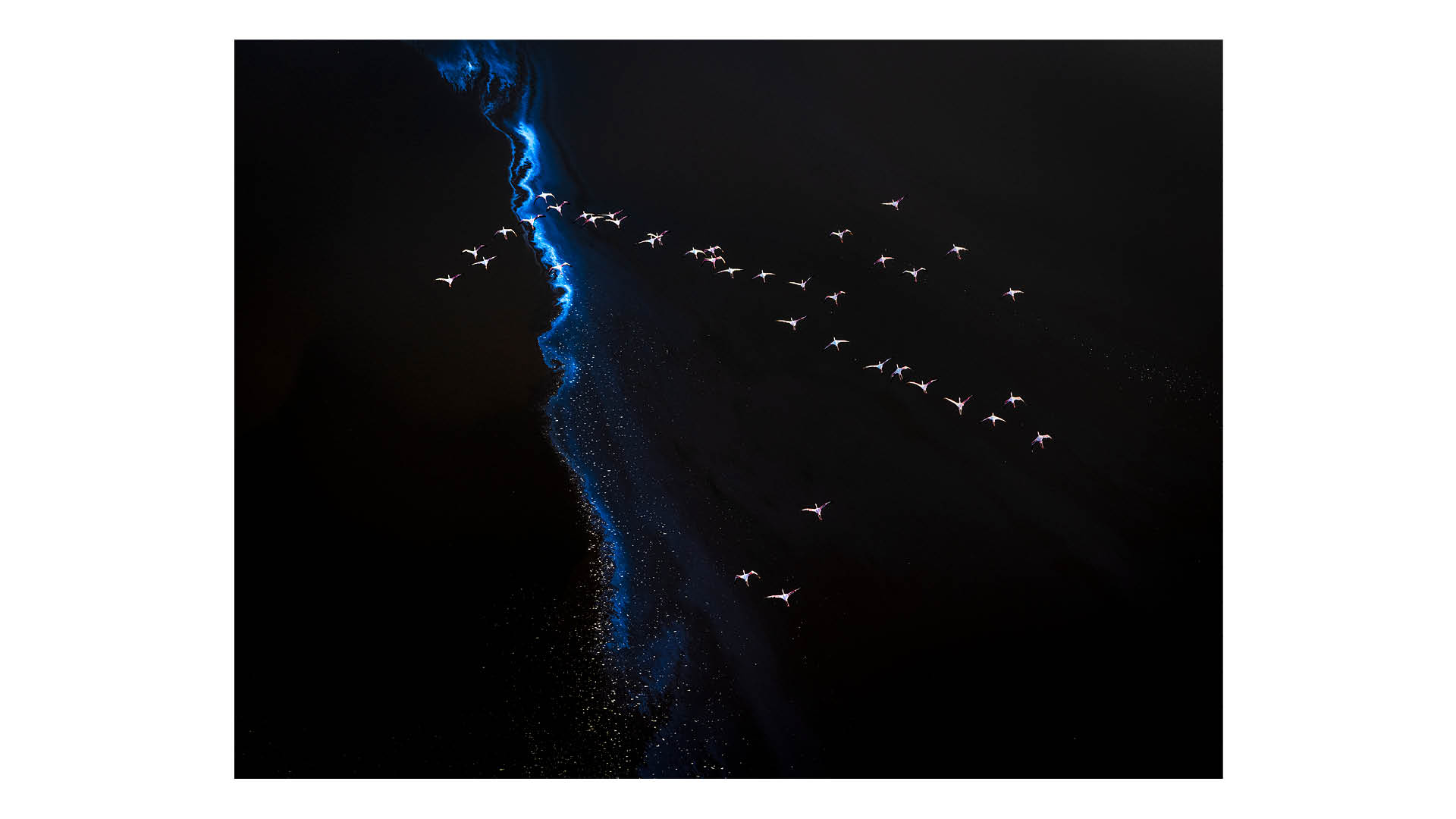
Who will buy the book – people who love photography or conservation, or both?
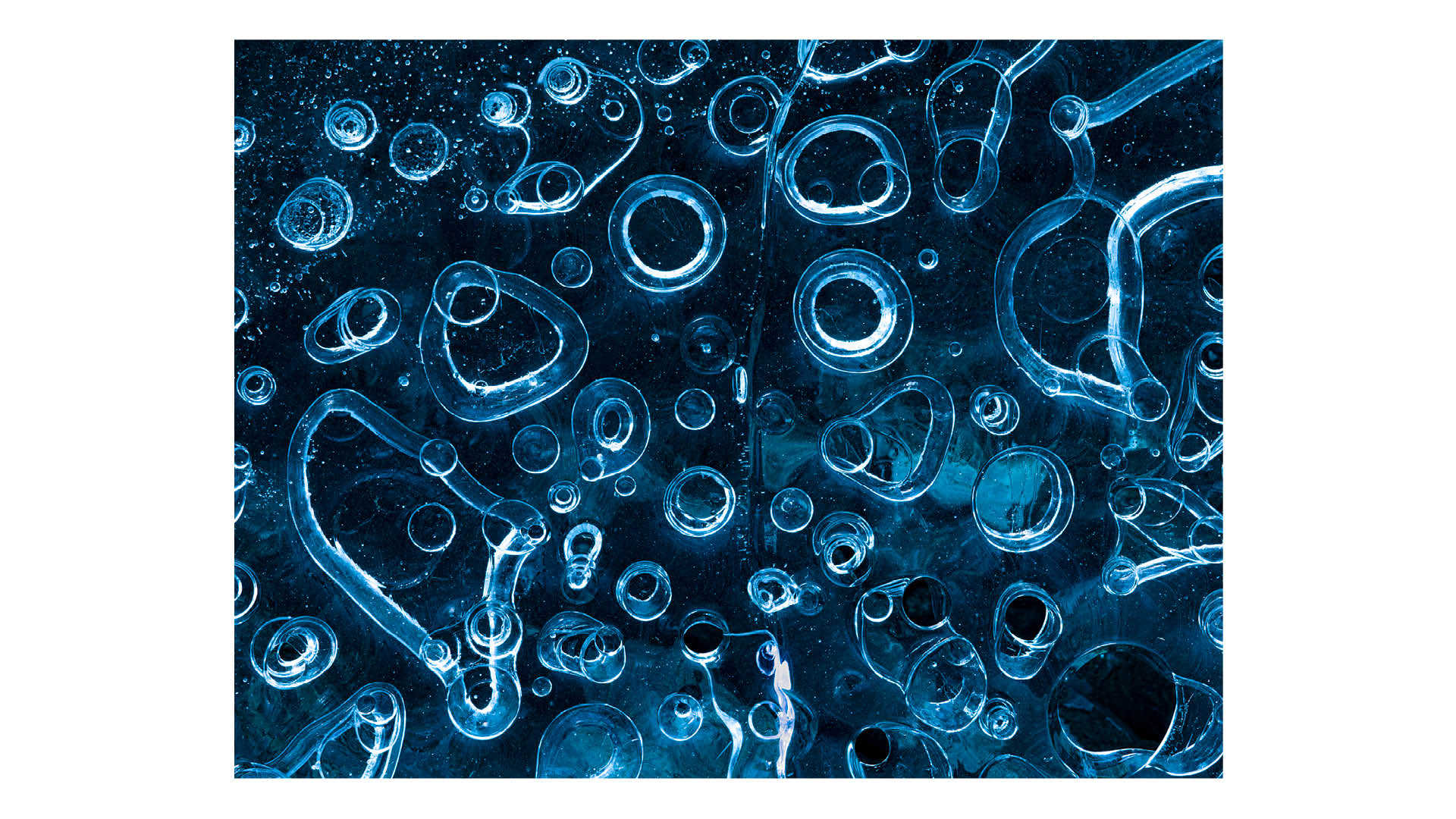
With the exception of the final image in the book, I’ve taken away all scale references. That was intentional because I want people to look at a photograph and say, “What on earth is that?”
Then just by asking that question and engaging in the caption, they might think, “Oh, wow, that’s cobalt blue ancient ice in Antarctica, the old forest of the ice. What a fantastic thing”. So I do hope that Patterns is a crossover book.
Of course, it would be great if anyone buys my book, but I’m less worried about people who are already sold on the environment buying the book because they’re already more likely to agree with the things that I’ve got to say.
What I’m much more interested in is people who pick up the book and just have an opportunity to go, “Wow! This is really fun, this is really interesting”.
Want to read more about Patterns by Jon McCormack?
A longer version of this interview appears in the Spring issue (306) of Digital Camera World magazine.
You can subscrib and get the magazine delivered to your door every month. Choose between a print or digital subscription, or a bundle of the two.
All print subscribers to Digital Camera magazine can now access digital back issues dating from 2009 (when using iOS) or 2012 (when using the Pocketmags Magazine Newsstand app or the Pocketmags website).
Buy Patterns: Art of the Natural World
Patterns: Art of the Natural World by Jon McCormack, with essays by Ami Vitale, Daniel Katz, David George Haskell, Sylvia Earle and Wade Davis, is published by Damiani Books (ISBN: 978-88-6208-857-2) and is priced $55/£45.
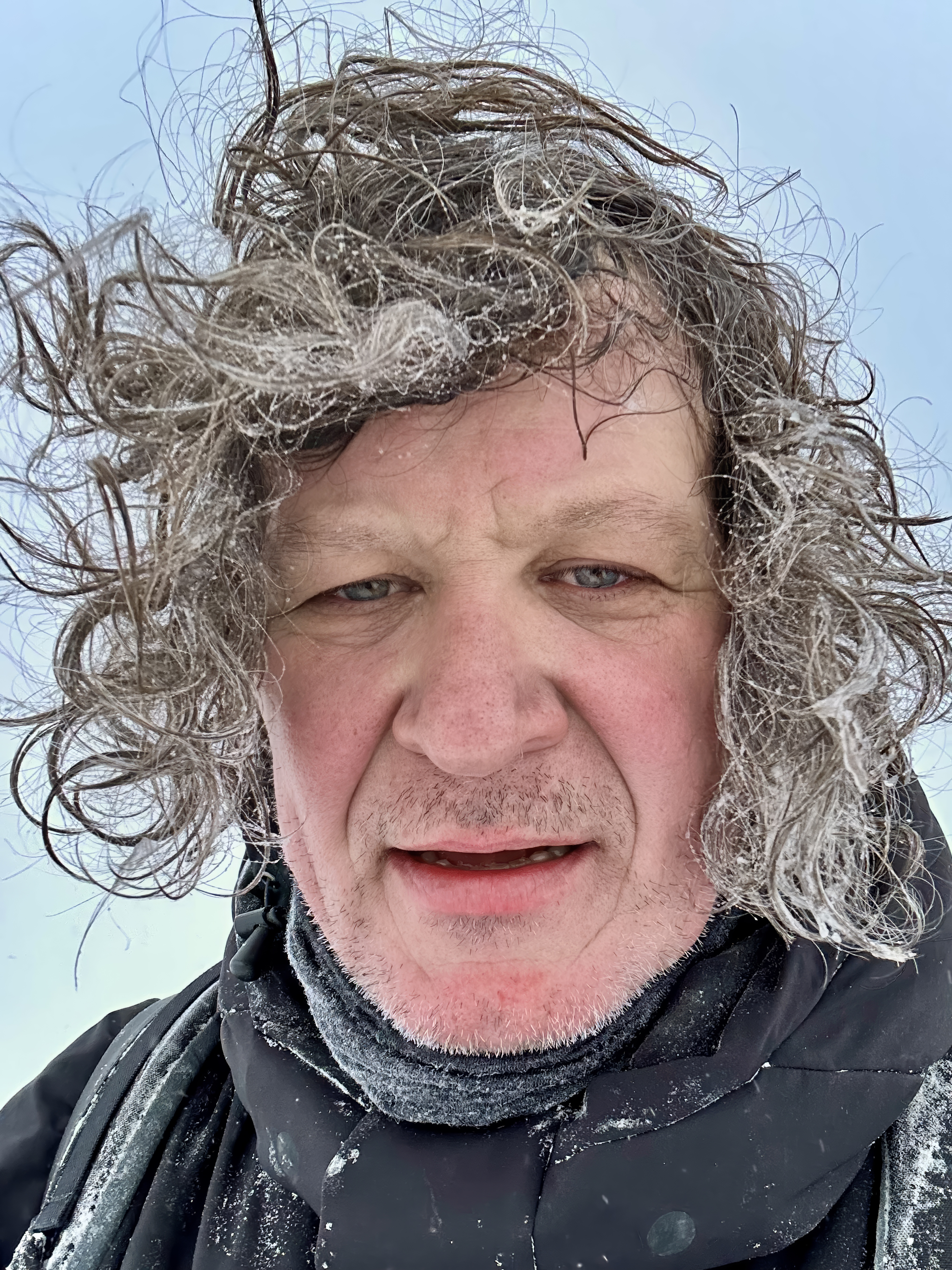
The arid, wide-open spaces of the Australian Outback engendered a love of the natural world in the young Jon McCormack, who turned to photography to document it.
Studying engineering and then computer science led Jon to a career in the tech industry, and he currently works for Apple, developing the lens and camera software for the iPhone.
Jon is a Fellow of the Royal Geographical Society, serves on the board of the Rainforest Alliance and is a founding board member of the oceans conservation organisation SeaLegacy.
He co-founded The Kilgoris Project, which partners with the local community to support the education of children in a Maasai village in south-west Kenya. Jon lives in California, USA.
Author: Niall Hampton
Source: DigitalCameraWorld
Reviewed By: Editorial Team