

How to view a partial lunar eclipse
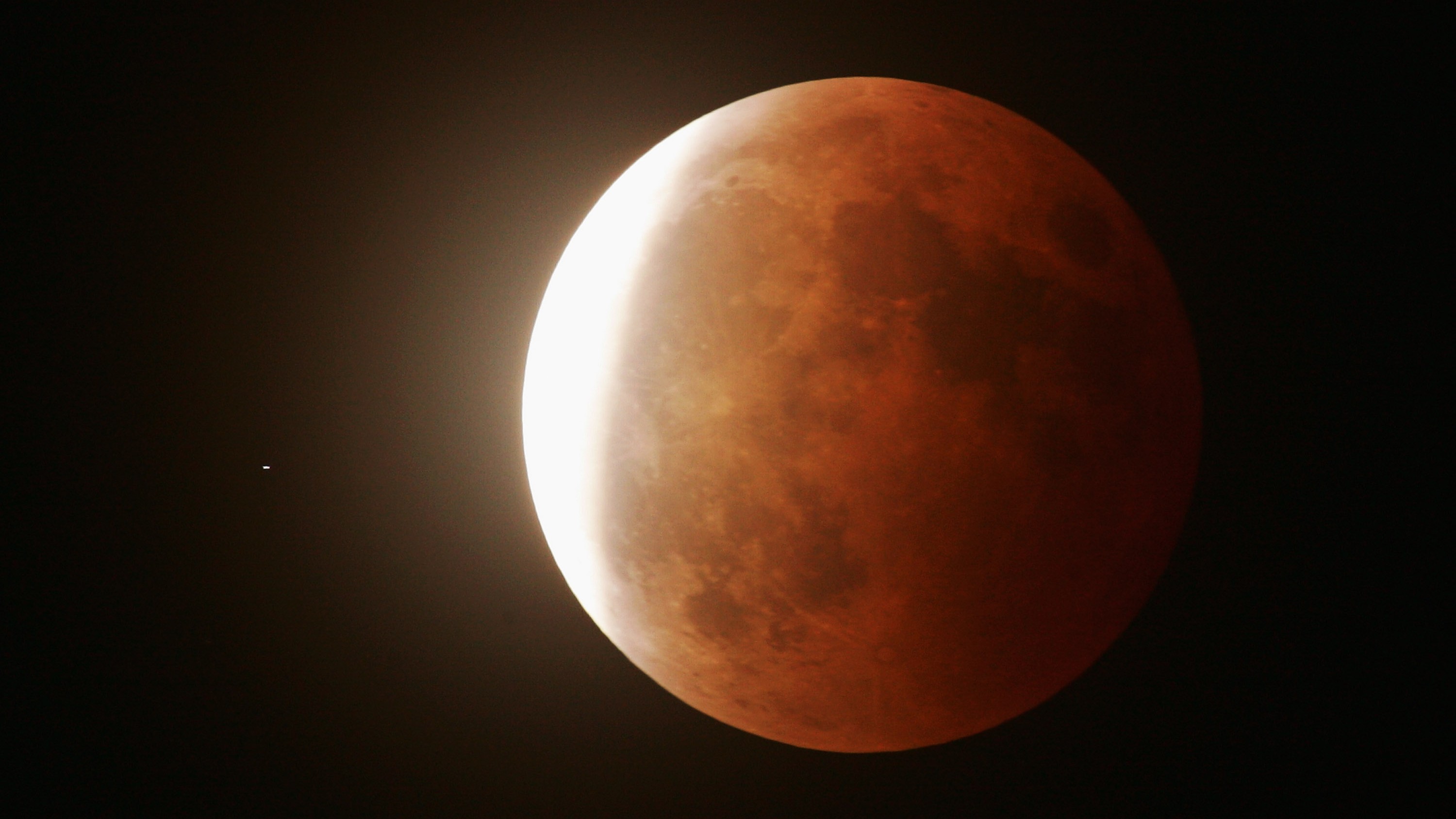
One of the wonderful things about a lunar eclipse is that it can be witnessed by everyone who happens to be on the night side of Earth as it occurs, weather permitting.
You don’t need any special equipment like eclipse glasses to enjoy the show. Simply step outside and look up to see Earth’s curved inner shadow crawl across the moon in a spectacular display of orbital mechanics.
Want a closer look? No problem! It’s completely safe to point a pair of binoculars or a telescope at the moon during a lunar eclipse. Doing so will give you a magnified view of the colossal craters and dark lunar seas that mark the moon’s near side as they fall within the umbral shadow.
Where will the Aug. 27-28 partial lunar eclipse be visible?
The good news is that unlike a solar eclipse, a lunar eclipse can be seen from anywhere the moon is above the horizon. That means millions of skywatchers worldwide will have a chance to witness at least part of the Aug. 27-28 eclipse, weather permitting.
The best views will be from North and South America, where the entire eclipse will be visible. Across Europe and Africa, the eclipse takes place before dawn on Aug. 28, with the moon setting during the latter stages of the event.
Read more: Partial lunar eclipse August 2026: Where will it be visible from?

Why this partial lunar eclipse is one you won’t want to miss
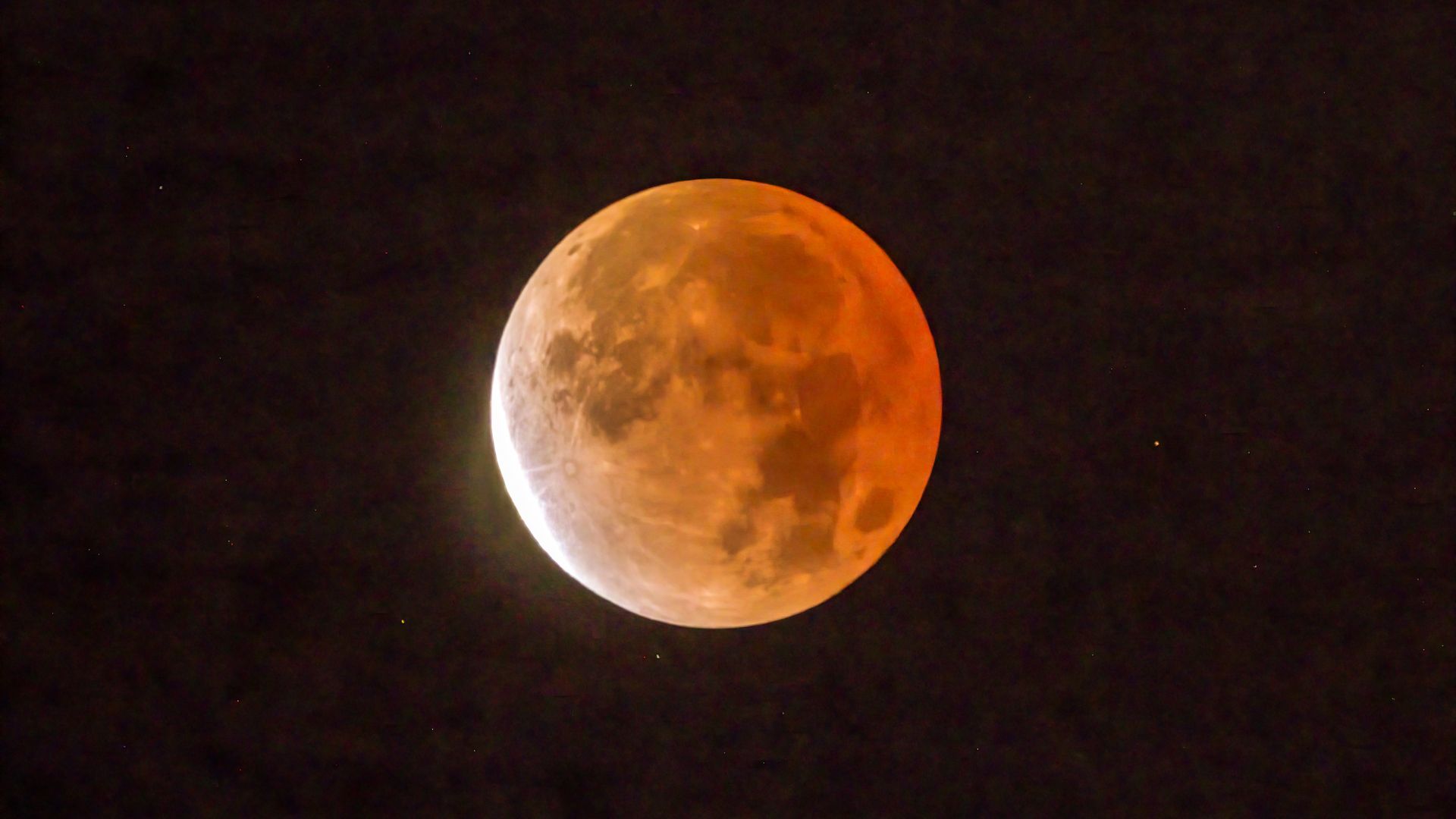
When most people hear the words “partial lunar eclipse,” they might often assume it will be less impressive than a total eclipse, and not really worth the effort to try and see it. But the Aug. 27-28 eclipse is anything but ordinary.
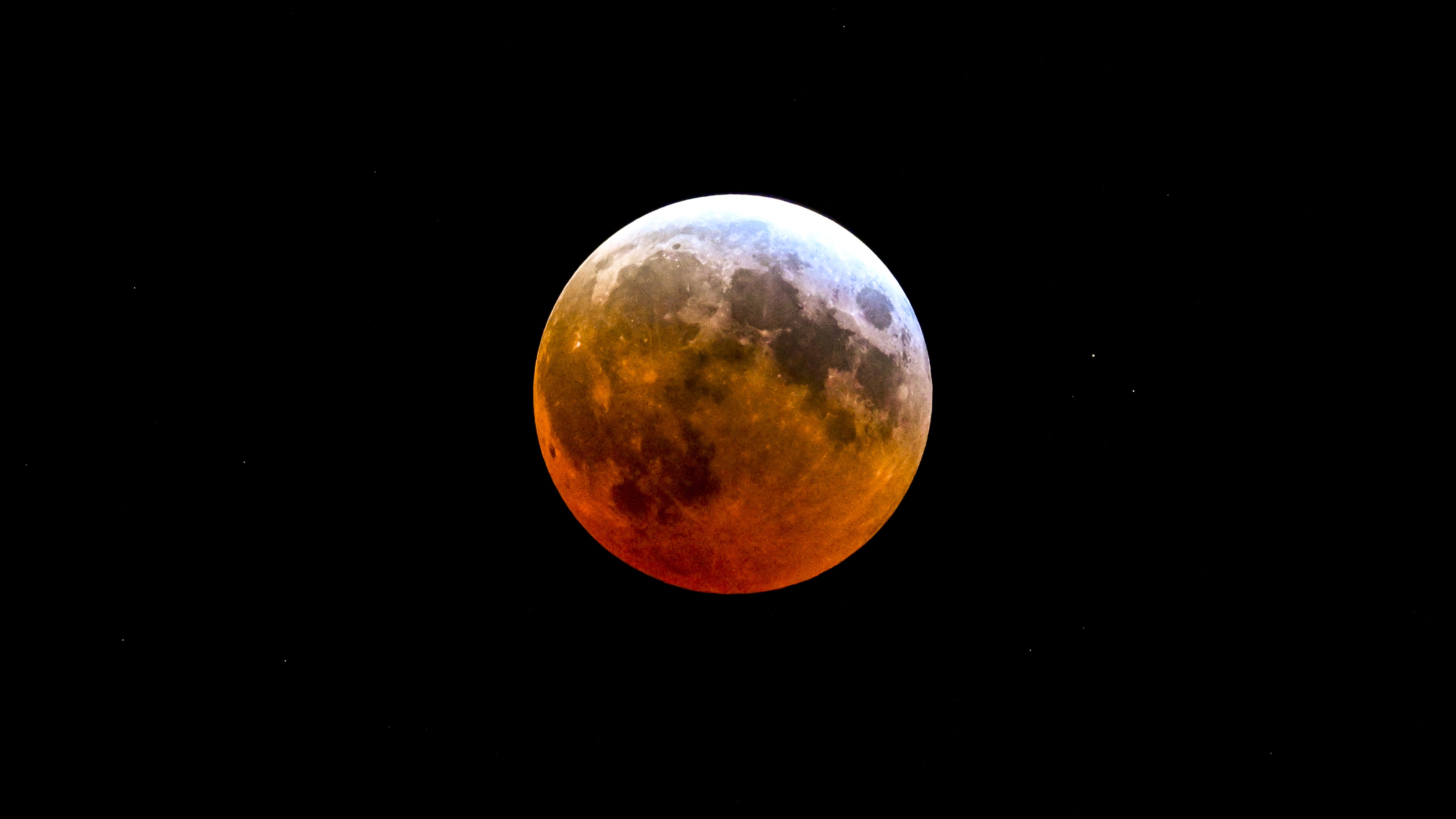
At maximum eclipse, 96.2% of the moon will be immersed in Earth’s umbra, the darkest part of our planet’s shadow. That means only a thin sliver of the lunar surface will remain directly illuminated by the sun, while the rest of the moon will take on a deep reddish-orange hue.
If you miss this one, you’ll have to wait until Dec. 31, 2028 for another lunar eclipse that rivals it in spectacle. So whether you’re planning on staying up late in the US or setting your alarms early in Europe, this is one skywatching show that’s well worth making time for!
1 week to go until the deepest partial lunar eclipse until 2028
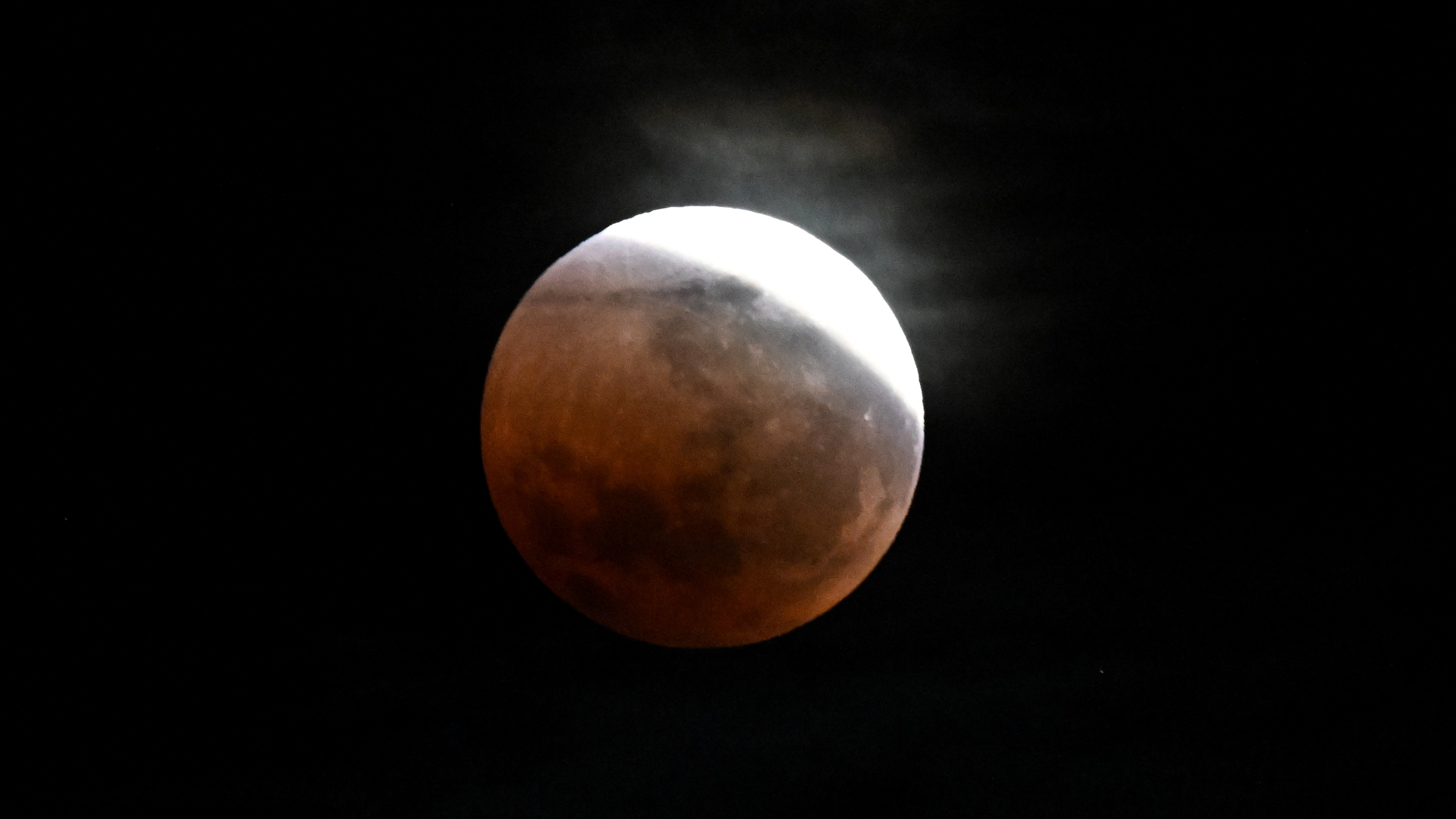
We’re officially one week away from one of the best skywatching events of the year!
On the evening of Aug. 27 (for North America), or the early hours of Aug. 28 (for western Europe), Earth’s shadow will creep across the full moon during a very deep partial lunar eclipse. At maximum eclipse, 96.2% of the moon will be immersed in Earth’s dark central shadow.
The eclipse will be visible, at least in some part, from North and South America, Europe, Africa and parts of western Asia, weather permitting. Observers in the Americas are well-positioned for the best views while skywatchers across Europe will need to look toward the western horizon before sunrise as the eclipse reaches its peak.
Read more: A 96% partial lunar eclipse is just 1 week away: Here’s what you need to know.
You must confirm your public display name before commenting
Please logout and then login again, you will then be prompted to enter your display name.
Author: Daisy Dobrijevic
Source: Space.com
Reviewed By: Editorial Team