

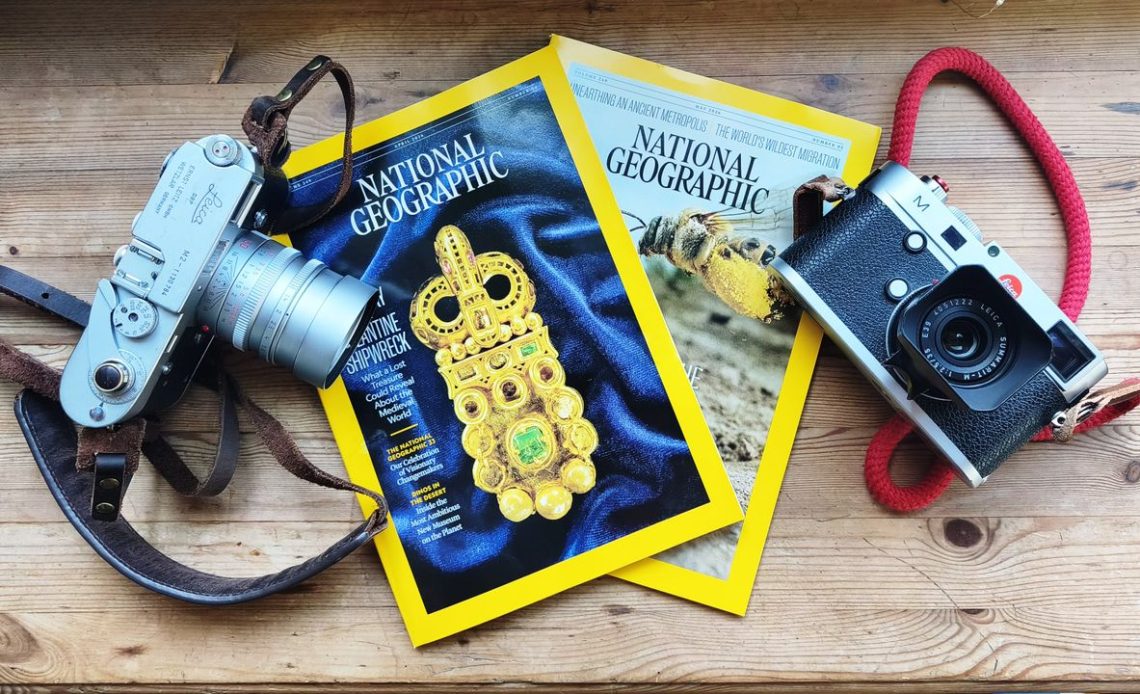
National Geographic was my photography bible long before I ever knew what kind of photographer I would become. As a young boy, I would pore over its pages with a kind of quiet awe, completely absorbed by the way it seemed to treat photography not just as illustration, but as something sacred. Every issue felt important.
Every image had a purpose. It was a publication that oozed class, dedication, and above all else, an unwavering belief that photography mattered. To me, that was everything.
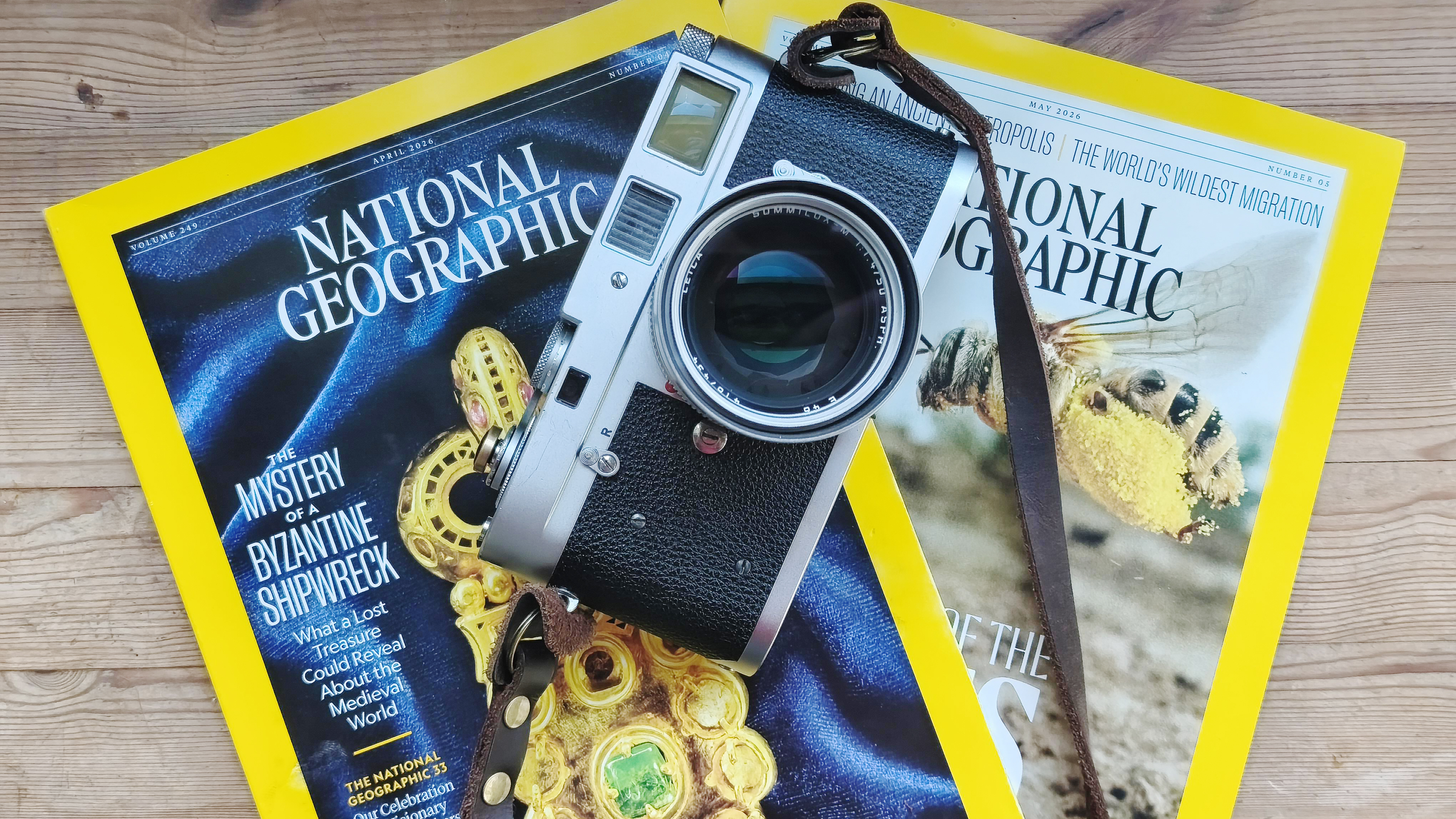
My subscription came through my grandmother, who was a photojournalist herself and understood exactly what those pages could do to a young, impressionable eye. She told me that National Geographic would help me learn how to really see a photograph in front of me, and she was absolutely right.
It taught me that a great image was never just about what was in the frame, but how it made you feel, what it revealed, and what it asked you to stay with for a little longer. Looking back now, that advice was one of the greatest gifts I was ever given.
The truth is, National Geographic helped shape my earliest dreams of becoming a professional photographer. It planted the idea that photography could be more than a hobby or a passing interest. It could be a way of documenting the world, of telling stories, of preserving lives, places, and moments that might otherwise pass unnoticed.
Without that early boost, I genuinely do not know whether photography would have entered my life in the same way. Then again, who am I kidding? With a grandmother who was a photojournalist, a mother who was a journalist, and a father who worked as a newspaper printer, I am surprised I was not handed a camera before I could walk.
Like so many things in life, though, time moved on, and the dream evolved. That National Geographic subscription came to an end, and with it, that particular chapter of youthful ambition faded into the background.
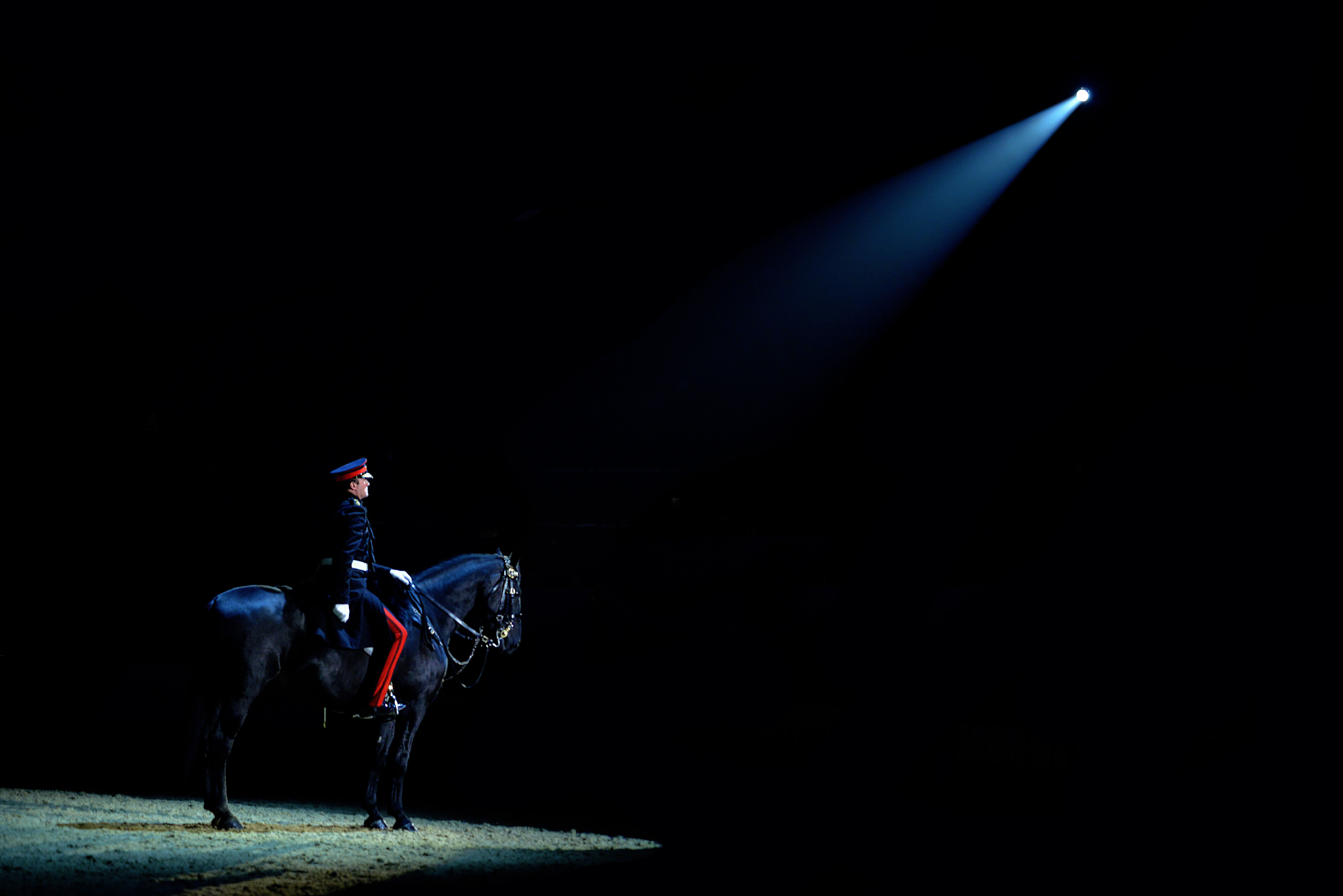
My focus shifted, my career took shape, and photography became less about dreaming and more about doing. Sports photography became my bread and butter for many, many years as a professional, and I threw myself into it fully. It was fast, demanding, exciting, and it gave me a career I am deeply proud of.
But even while I was making my living in sport, I think those early National Geographic years never really left me. They were always there in the background, quietly influencing the way I thought about images and their relationship to story. Because what National Geographic taught me was not just how to admire a great photograph, but how a sequence of pictures could build a narrative, deepen emotion, and create a fuller understanding of a subject. In many ways, it was my first education in visual storytelling.
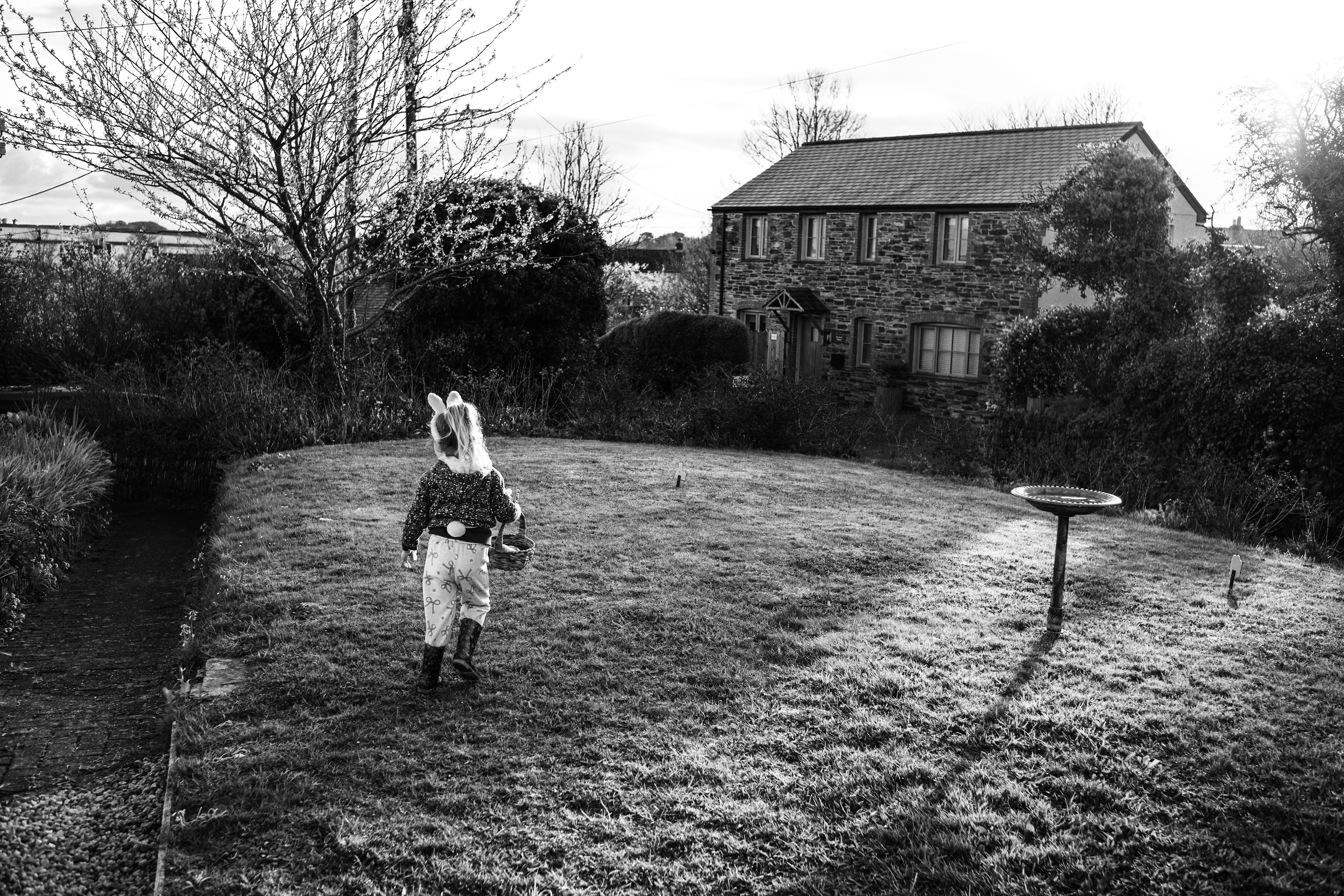
Now, after moving on from professional sports photography and finding myself writing about photography while making the odd picture or two in the documentary and street genre, life has taken on a funny kind of symmetry.
More than 20 years after that first subscription, I have subscribed to National Geographic once again. Opening that first issue after all this time was a strangely emotional experience. It was as though all those old dreams came flooding back at once, reminding me of the excitement, wonder, and ambition that publication first sparked in me.
The remarkable thing is that it still feels utterly unmatched. Yes, there are superb photo books out there, and they absolutely have their place. But for me, there is still nothing quite like sitting down with National Geographic and losing yourself in its glorious photography, paired with excellent stories from cover to cover.
It remains one of the few places where image and written word still seem to exist in perfect harmony, each elevating the other. In an age of endless scrolling and disposable content, that feels more valuable than ever.
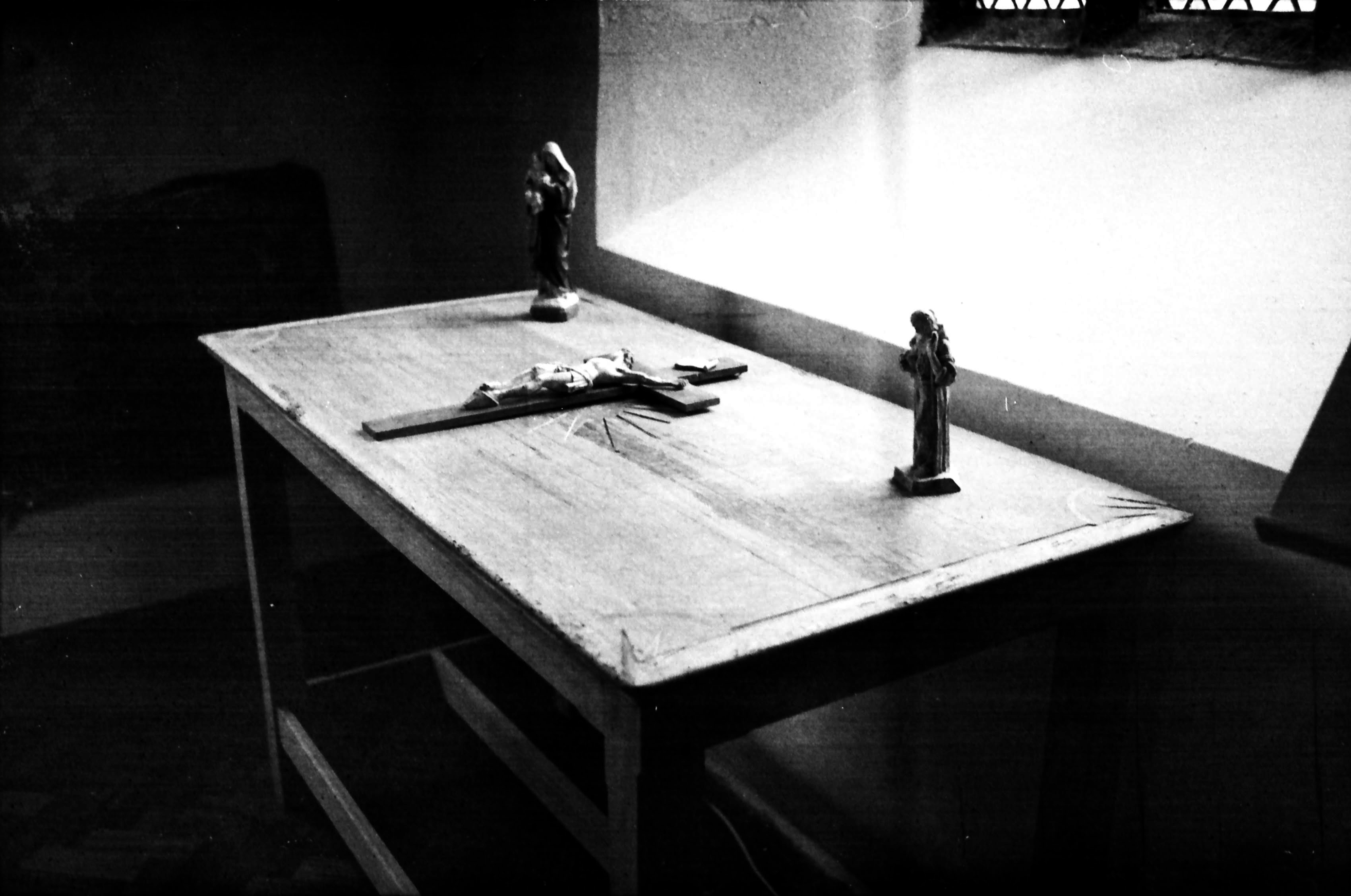
Will this mean I chase that old dream again and try to document something worthy of National Geographic? Who knows. I will leave that to the universe to decide. But what I do know is this: my photographic eye is being trained once more by the very publication that first gave it direction.
Perhaps that is enough for now. Or perhaps, just perhaps, it is the beginning of something else – a few more personal photography projects, stories I have always wanted to tell, and a return to the kind of seeing that made me fall in love with photography in the first place.
Author: Sebastian Oakley
Source: DigitalCameraWorld
Reviewed By: Editorial Team