

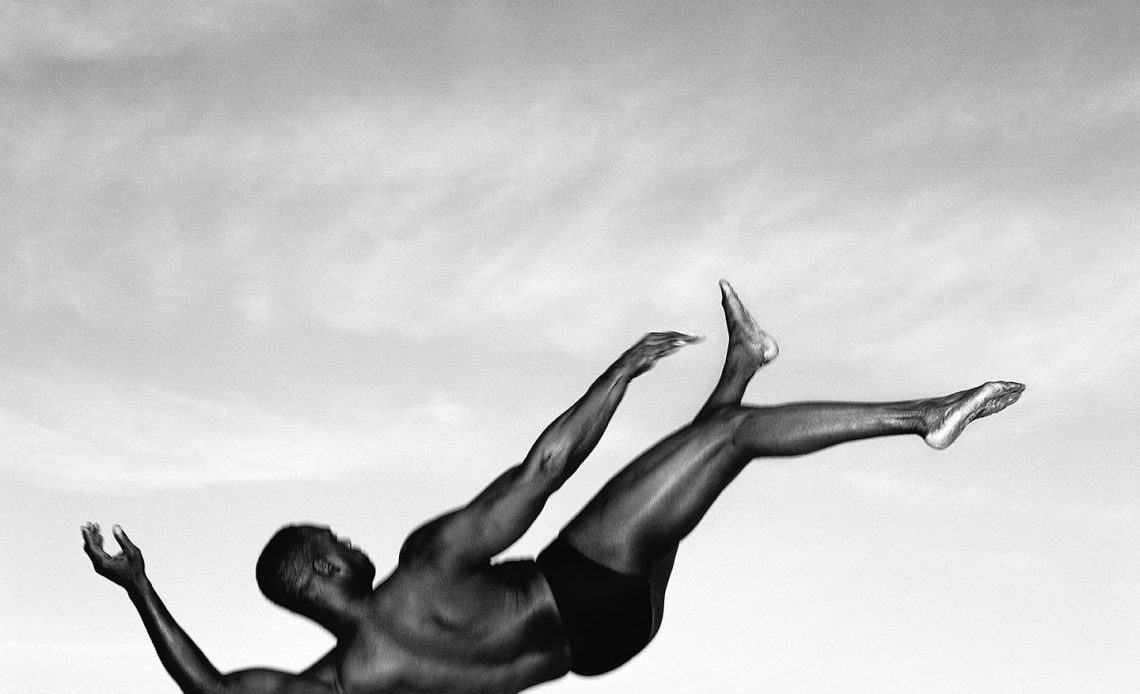
With every generation of digital camera technology, we seem to be able to capture more and more visual information. The latest models lock on to eyes from long distance, drag usable detail out of deep shadows, and fire off more frames in a second than a film photographer would once shoot in an afternoon.
All of this is very welcome, and offers endless creative possibilities. Yet there’s also a danger in doing things just because we can. It’s easy to get into the habit of making our pictures as rich and detailed as possible. Yet it’s worth remembering that the opposite approach can sometimes be more fruitful.
London-based photographer Nadav Kander has spent four decades demonstrating just this. As a new exhibition in Amsterdam demonstrates, some of his best pictures are mostly fog, flat water or empty sky.
Atmosphere over detail
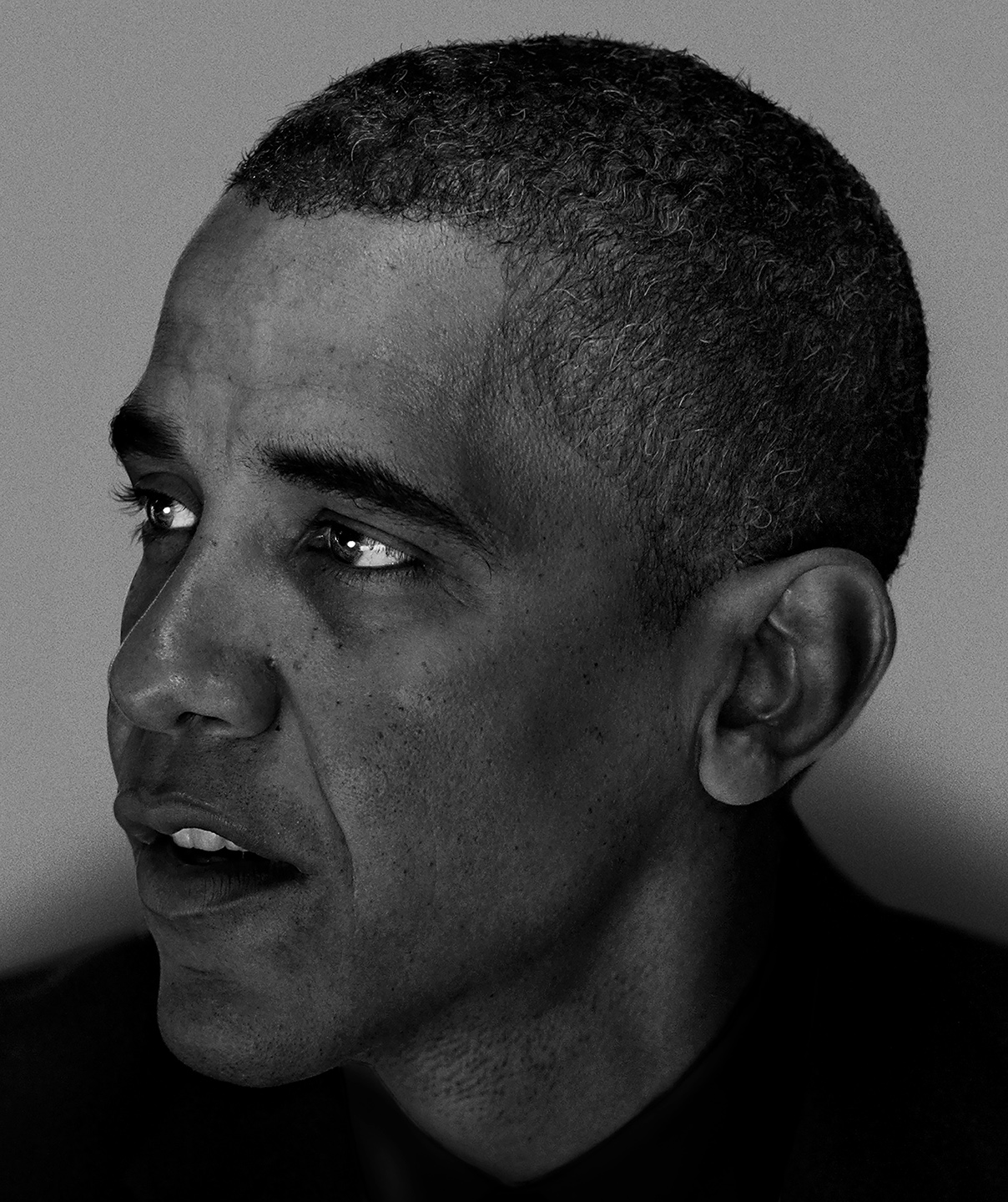
Even if you haven’t heard the name of Nadav Kander, you may well have seen his photography. Since he starting shooting aged 13, he’s photographed Barack Obama, David Lynch and Rosamund Pike for titles including The New York Times Magazine, The New Yorker and TIME, and has received a number of awards for his work.
The Obama portrait in the show is a good example of his style. When you’re President of the United States, you’re endlessly surrounded by the trappings of power. And yet here, there’s no flag, no desk, no statesmanlike gaze into the middle distance. Just… a man.
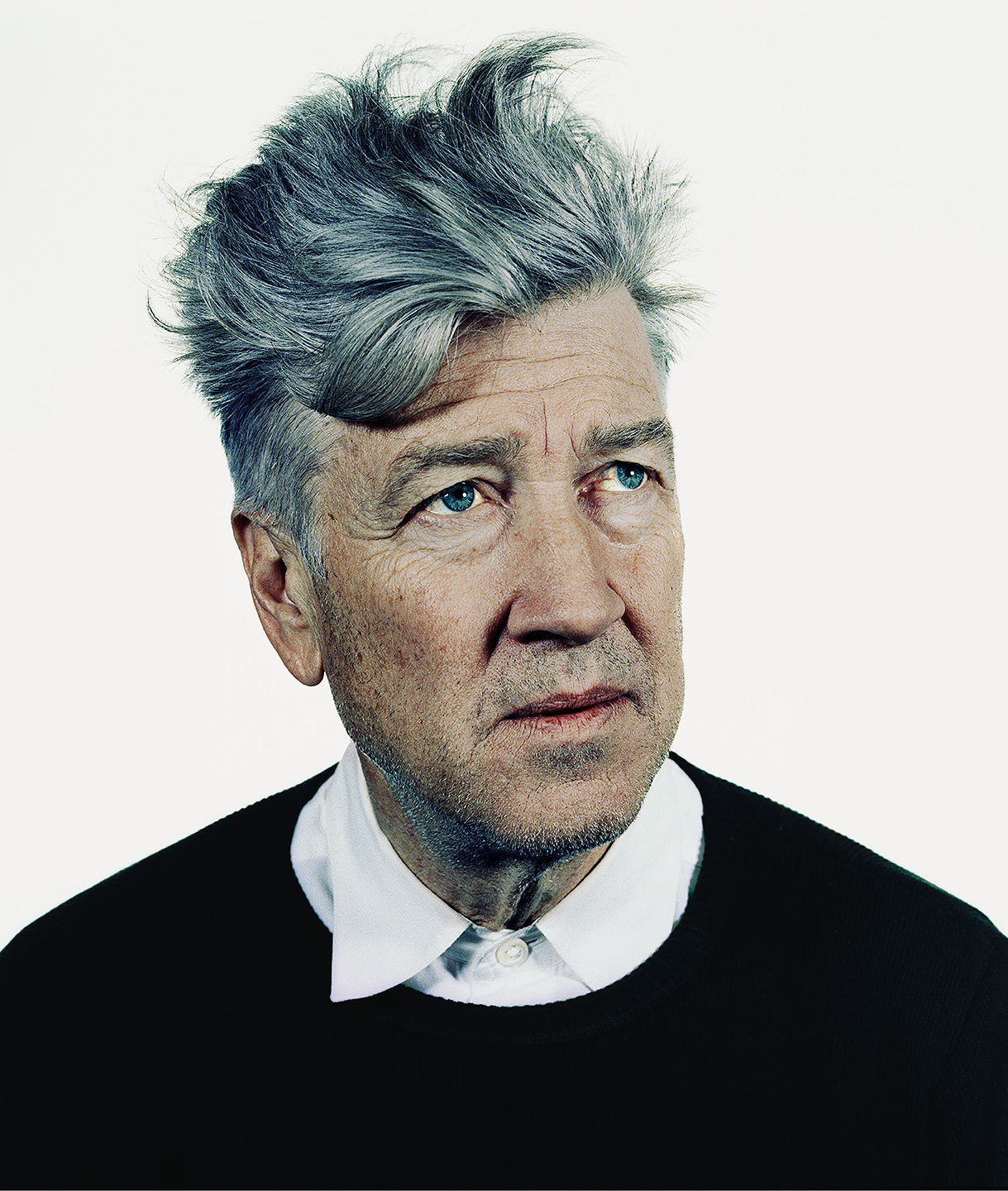
There’s a similar atmosphere to his 2007 portrait of David Lynch; all electric hair and pale blue eyes against nothing but blank white. Yet rather than lacking something, the absense of background feels like it’s adding something.
Shadow and silence
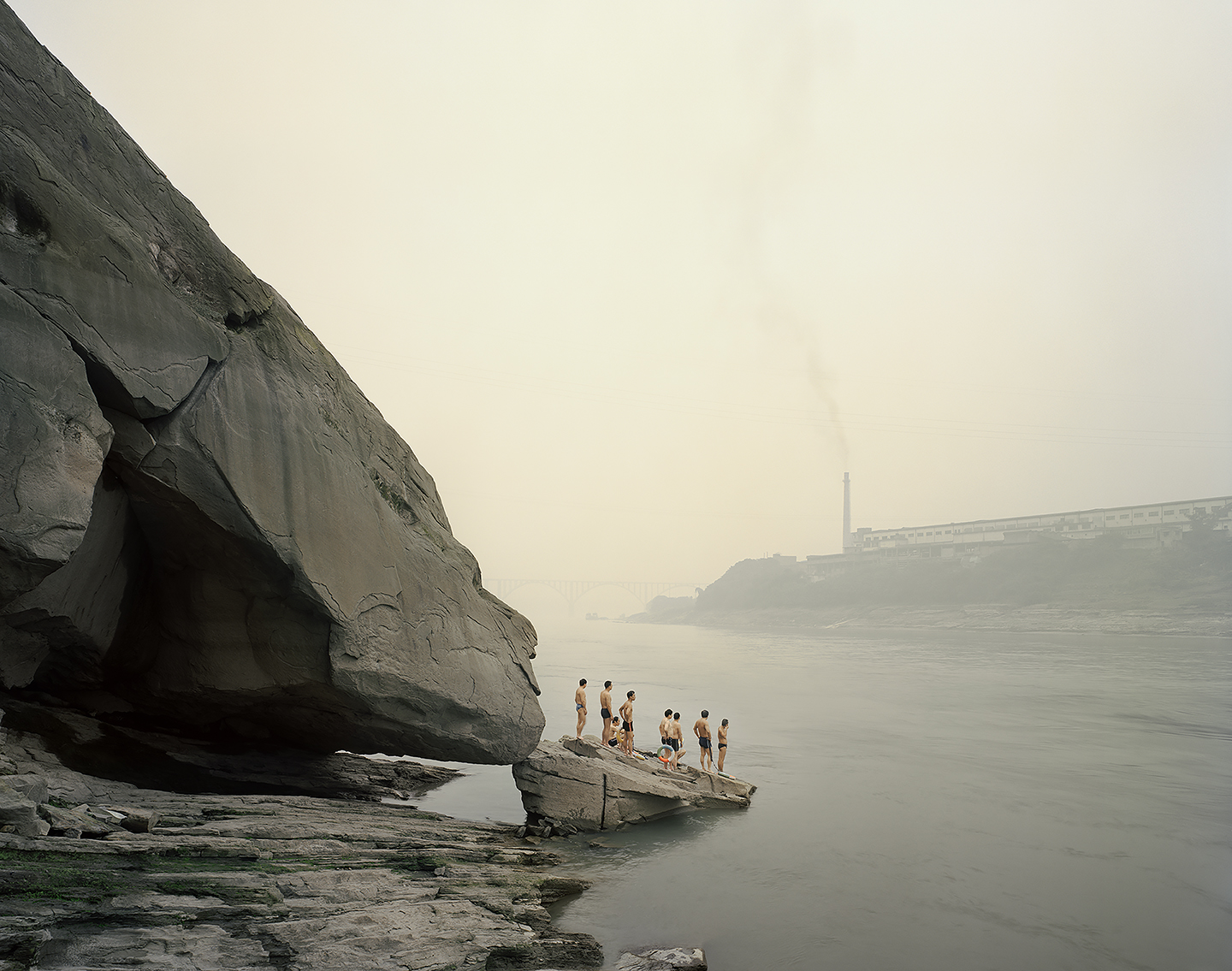
For me, though, it’s in Kander’s landscapes that his style truly sings. In Yibin I (Bathers), from the Yangtze series, the top half of the frame is given over entirely to haze, with a cluster of tiny swimmers dwarfed by a vast boulder and the faintest wisp of a factory chimney smoking in the background.
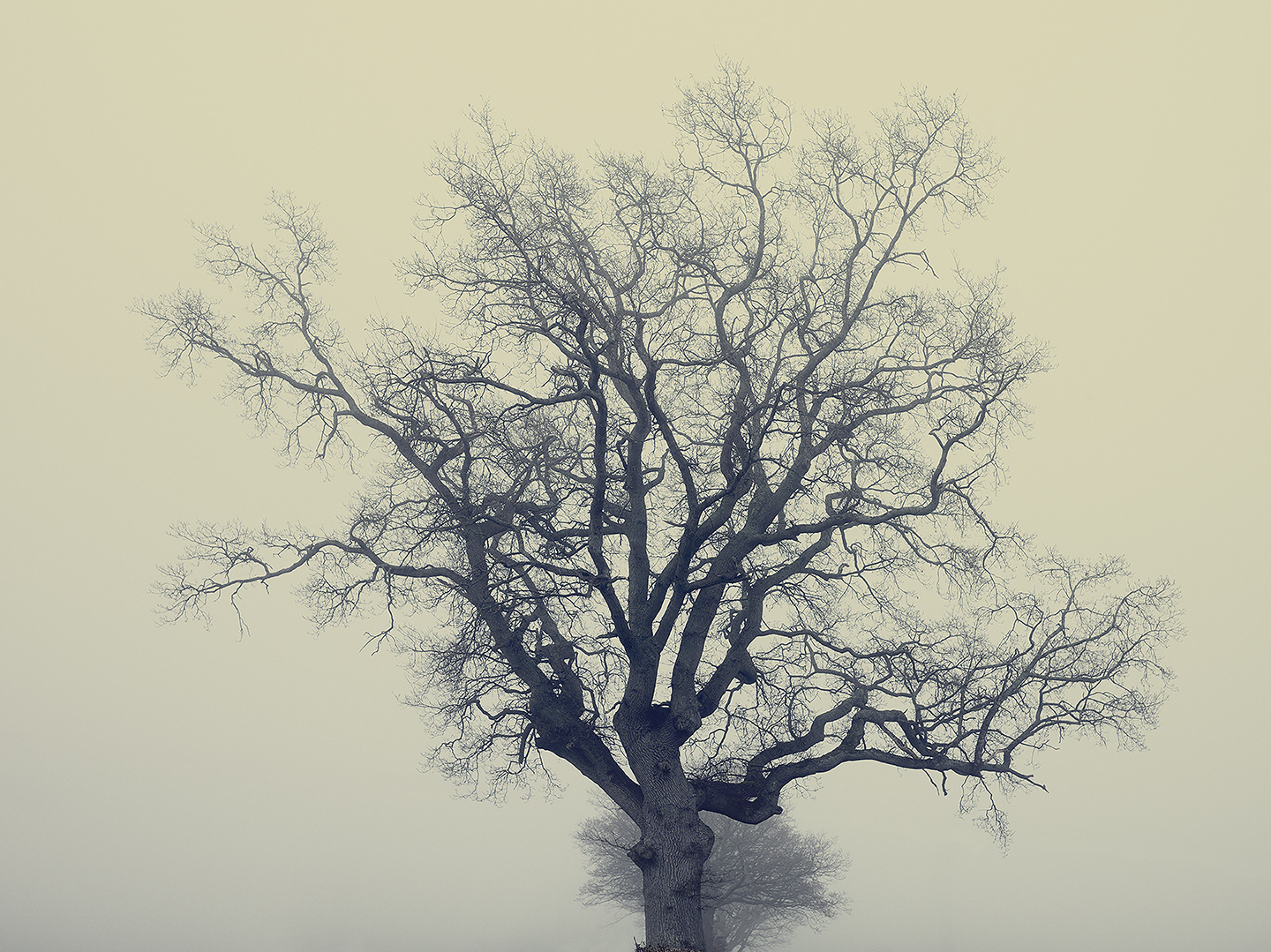
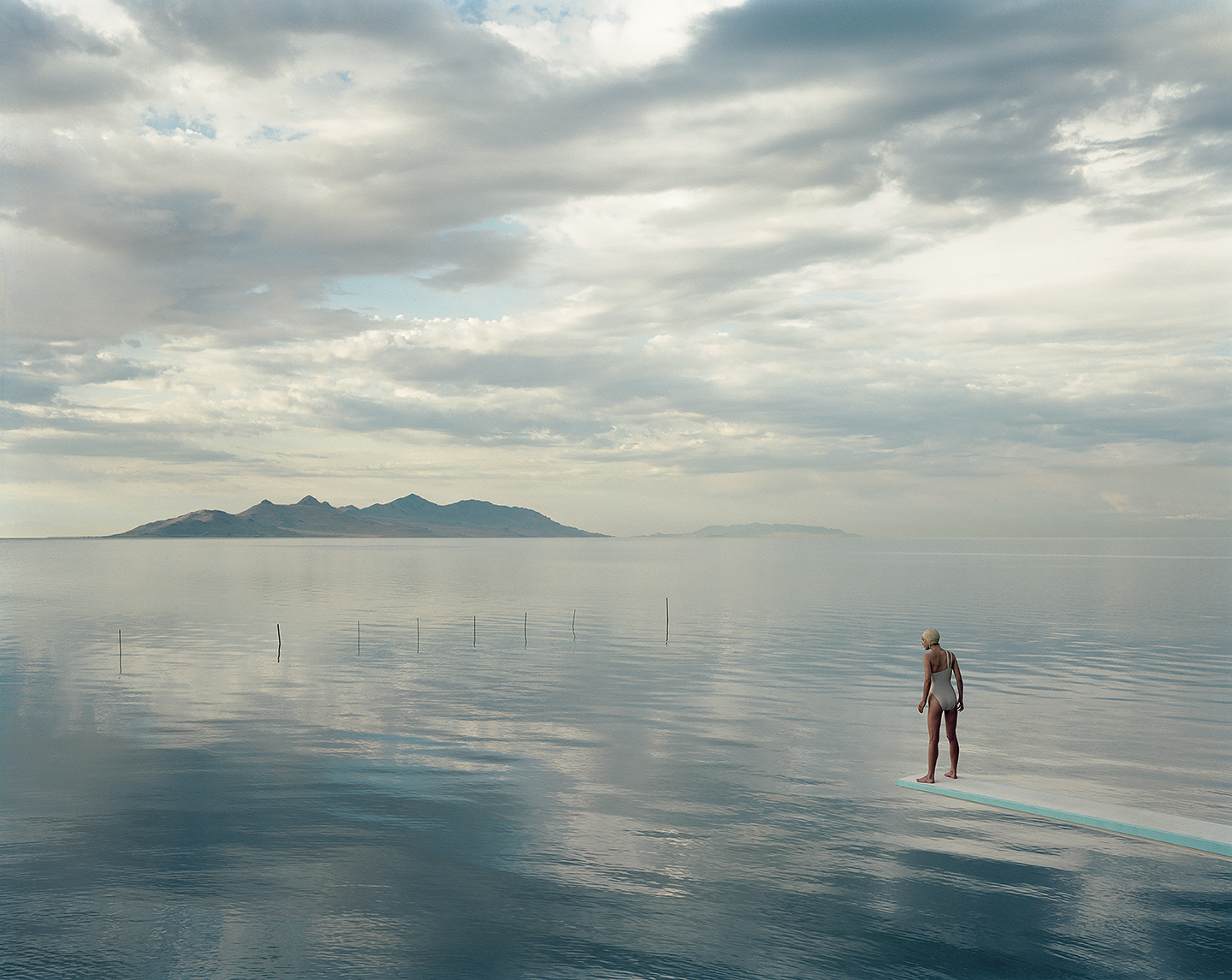
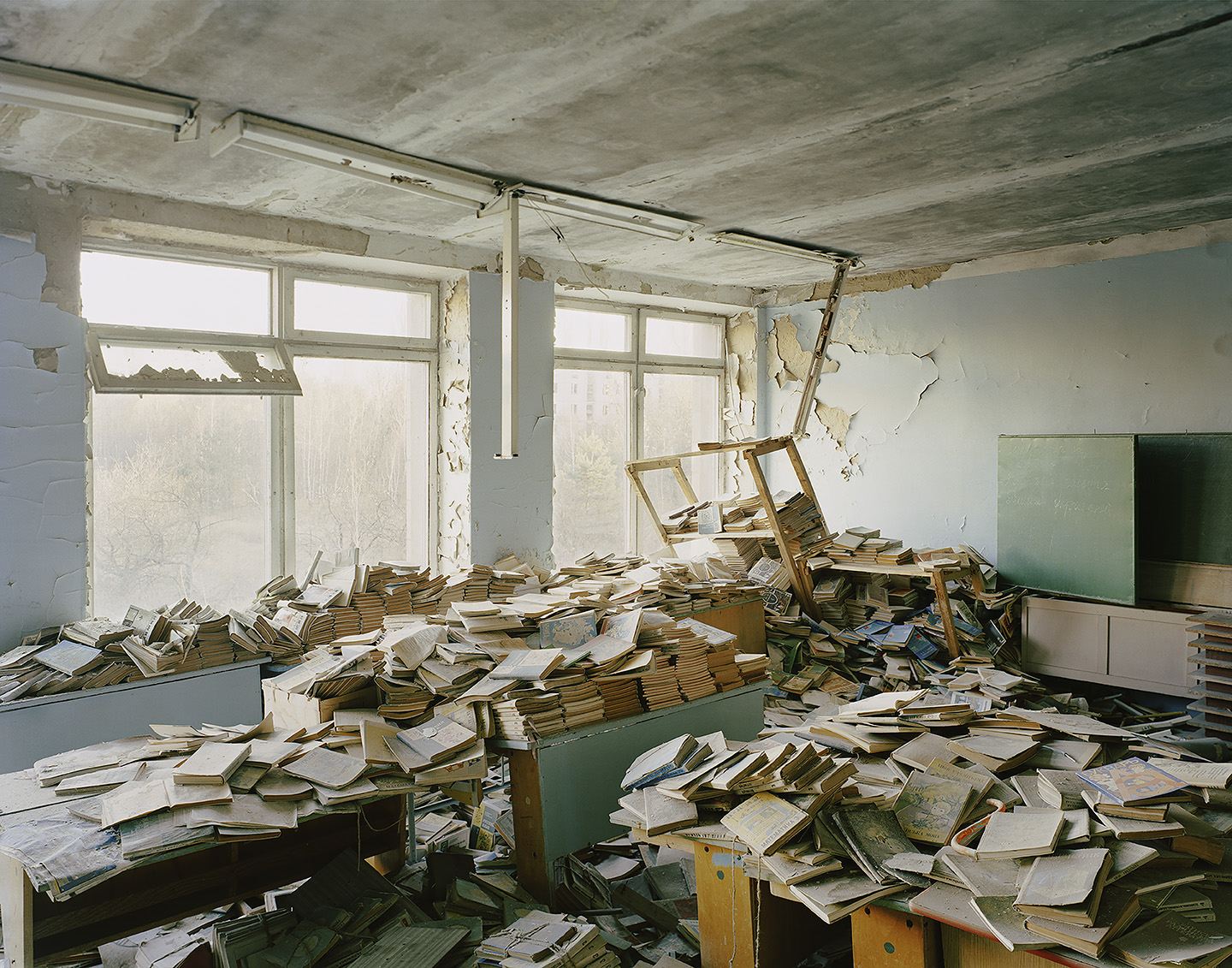
In Diver, a lone swimmer stands on a board that seems to float over an endless sheet of still water. Treow V (Trust and Promise) , at the top of this page, is just an oak into fog. Then there’s School Library, from his Chernobyl series, where collapsing piles of abandoned books do all the tragic storytelling you needed.
If there’s a thread running through all of this, it’s that Kander uses emptiness, shadow and silence not as a backdrop but as ingredients, giving the viewer room to bring something of their own to the picture.
And the lesson for photographers? Don’t discard a shooting opportunity because there’s a lack of interesting stuff going on. Because sometimes, the best pictures are hiding in mist, water and emptiness.
Nadav Kander: The edge of things is at Foam, Keizersgracht 609, Amsterdam, Netherlands, until 31 January 31 2027. Open daily 10am to 6pm, and until 9pm on Thursdays and Fridays. An accompanying book is published by Thames & Hudson.
Author: Tom May
Source: DigitalCameraWorld
Reviewed By: Editorial Team