

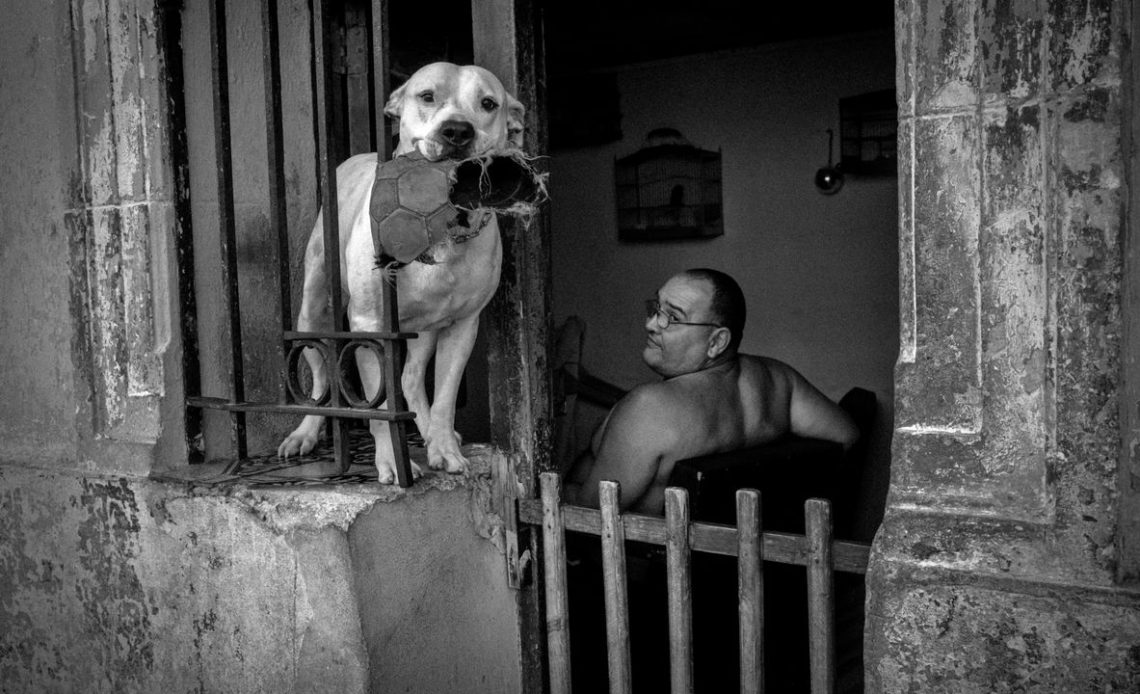
Every photographer who lands in Havana knows the standard shooting checklist. A 1957 Chevy Bel Air against peeling pastel paint. A cigar-smoking abuela on a wrought-iron balcony. The Malecón promenade at golden hour. And the thing is, you’re probably going to get a nice picture. It’ll be, though, a picture that’s been taken roughly nine million times already.
David Saxe went looking for something else: the unposed, unpolished moments most visitors walk straight past. His resulting series Cuba es Vida, built from three separate journeys to the island, has just been named All About Photo’s solo exhibition for August 2026 .
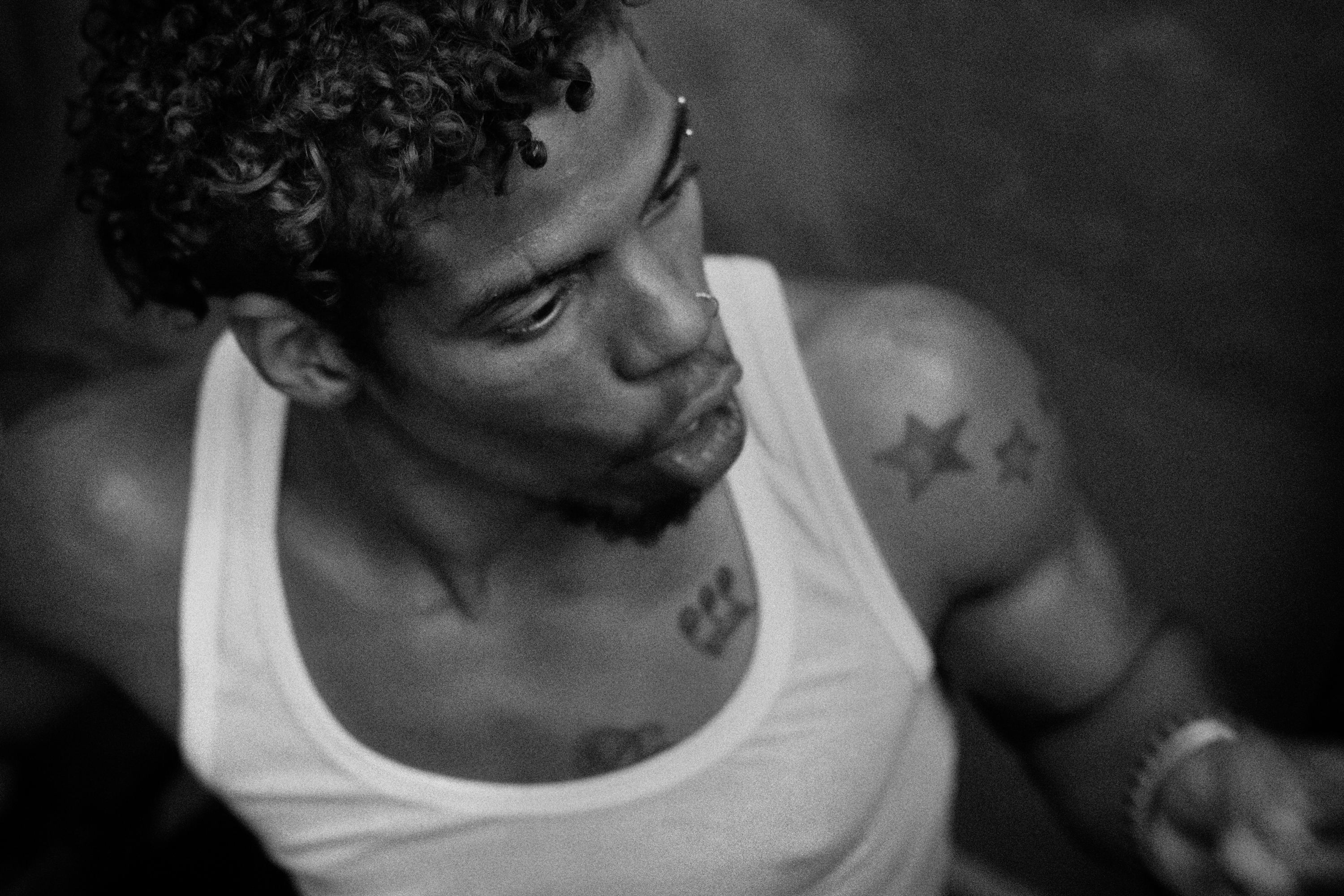
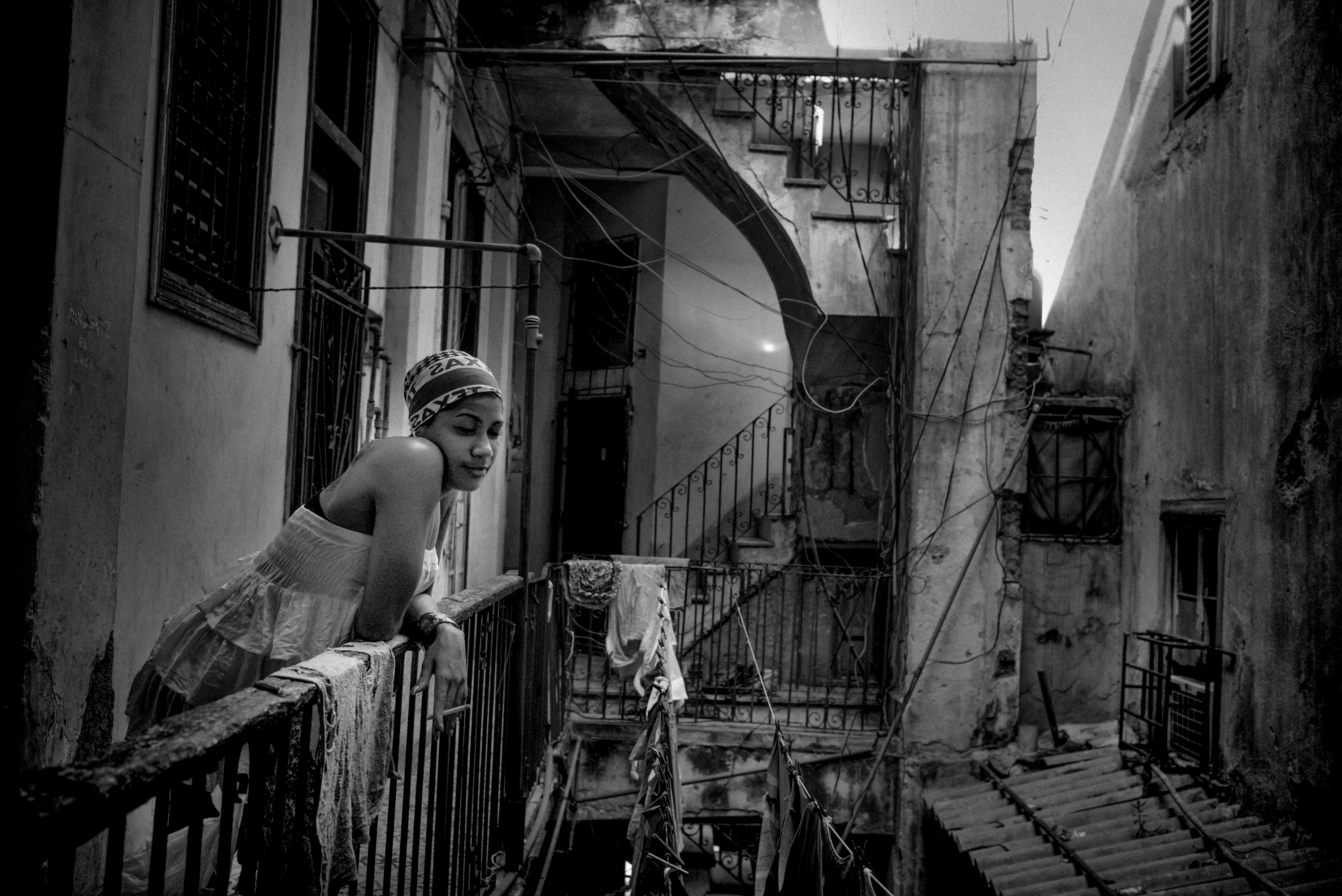
It’s a monochtome project that leans hard into darkness, blur and atmosphere, favouring feeling over documentation. Rather than tourist landmarks, he went looking for domino games under a portico, a trumpeter perfecting his lines on a seawall at dusk, two sisters doing each other’s hair on a crumbling patio. What makes it worthy of attention, though, is not just the subject matter. It’s the stubbornness of the visual language.
Grain as a feature
Plenty of travel photographers treat imperfection as something to be corrected in post: sharpen the grain away, lift the shadows, clean up the blur. Saxe does the opposite. His images resist the polished perfection that’s become the default setting for travel photography. The press release puts it plainly: shadows soften the edges of memory, movement suggests the pulse of daily life, and imperfect moments become expressions of authenticity rather than mistakes to fix.
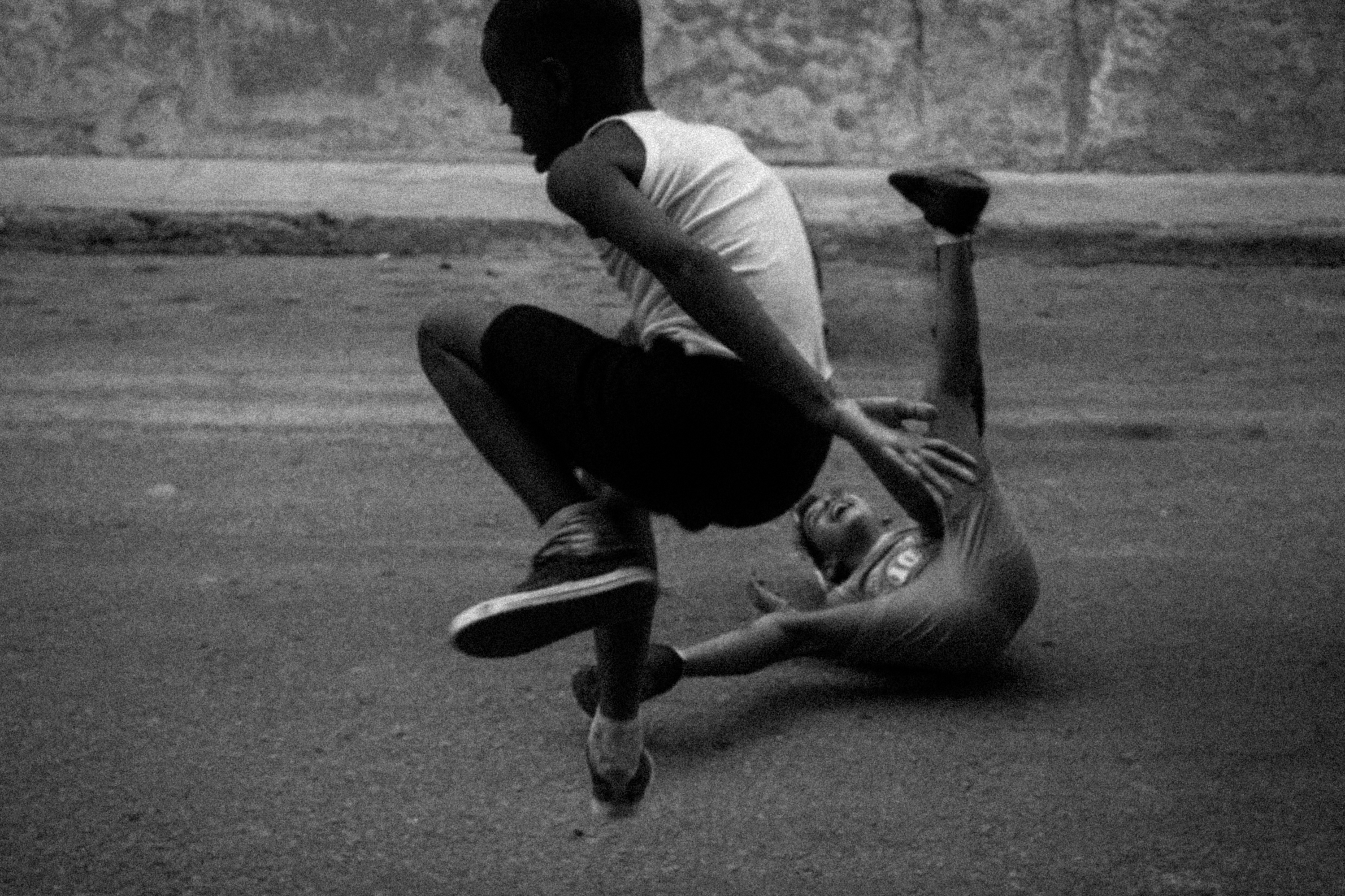
That’s worth thinking about, next time you’re tempted to bin a slightly soft frame because it didn’t look “clean” enough. Here, a boy mid-tumble in a Havana street, caught in a blur that a sharpness-obsessed editor might reject, does more to convey the energy of the moment than a tack-sharp version ever could.
Why this matters
Cuba has been photographed relentlessly over the years, and there’s a real risk of the island becoming photographic shorthand: a set of visual clichés rather than a place with its own present tense.
Saxe’s approach – three trips deep and built around access rather than spectacle – gets past that. He’s not interested in the big symbols of history and culture for their own sake. He wants to capture what those symbols sit alongside, which is ordinary Cuban life carrying on regardless.
A long apprenticeship
Saxe, born in Montreal in 1943, cites Robert Frank, Roy DeCarava and Henri Cartier-Bresson as his early influences, and spent four years studying under the Canadian photographer John Max before building a career that’s now taken him through decades of exhibitions across Canada and the US.
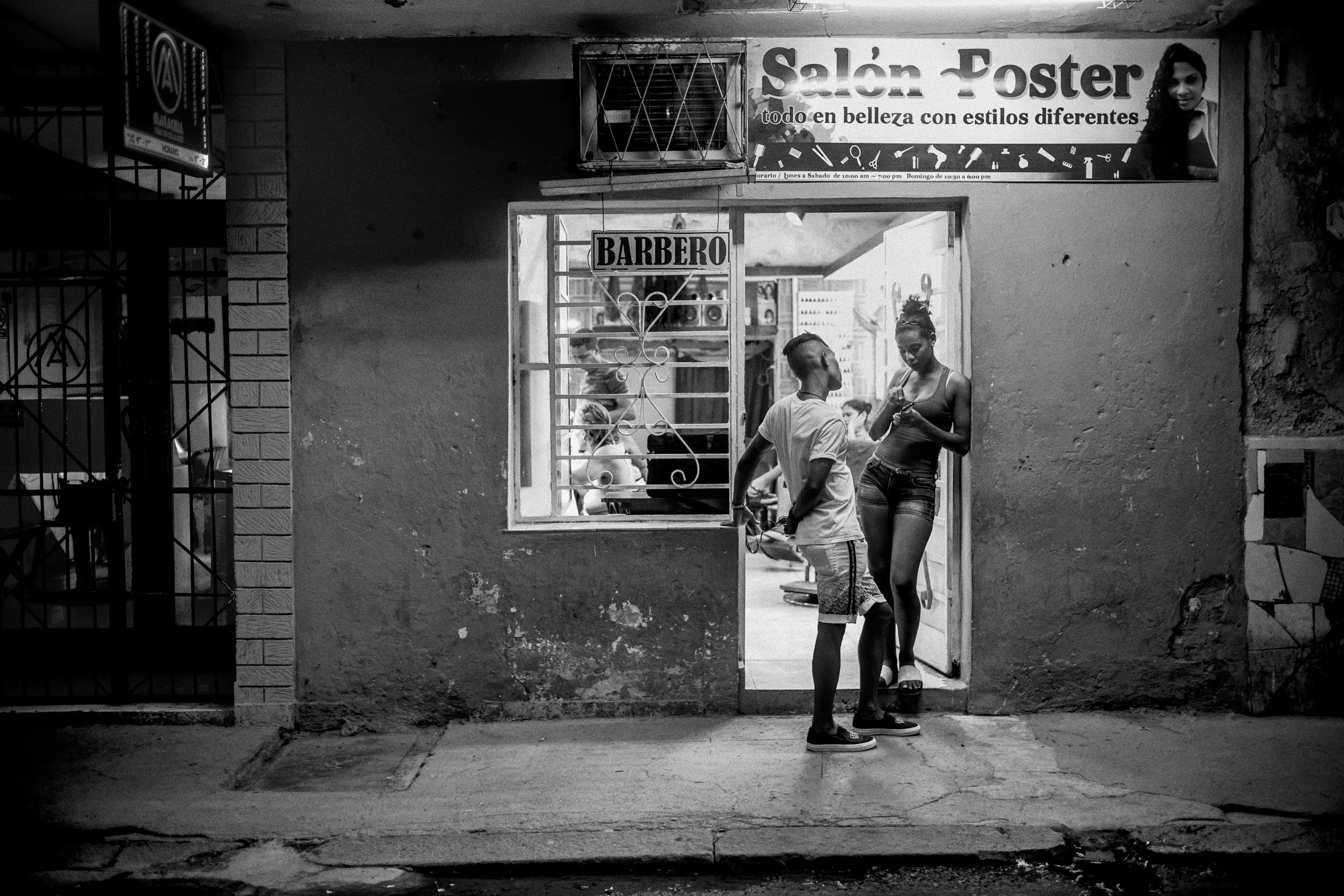
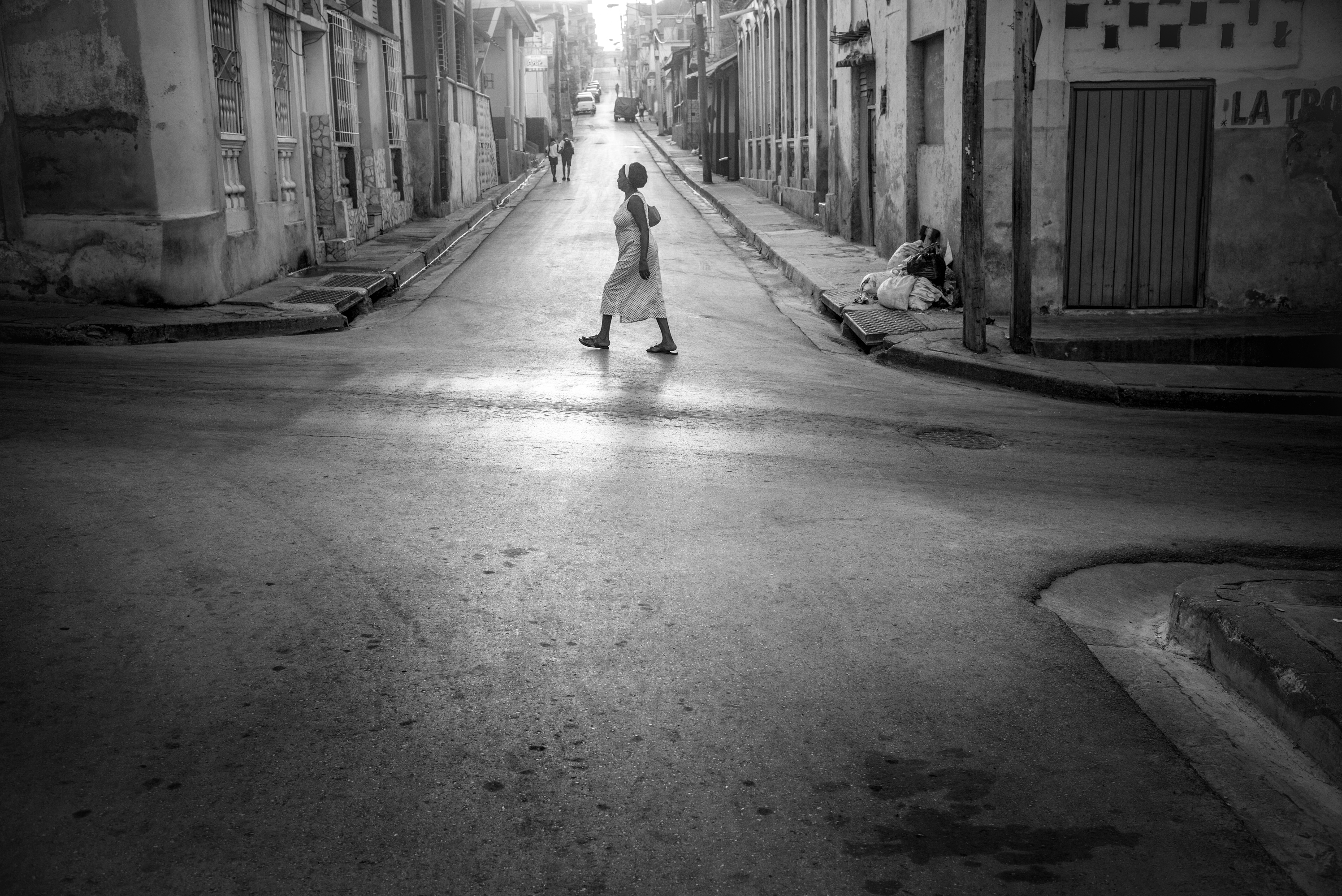
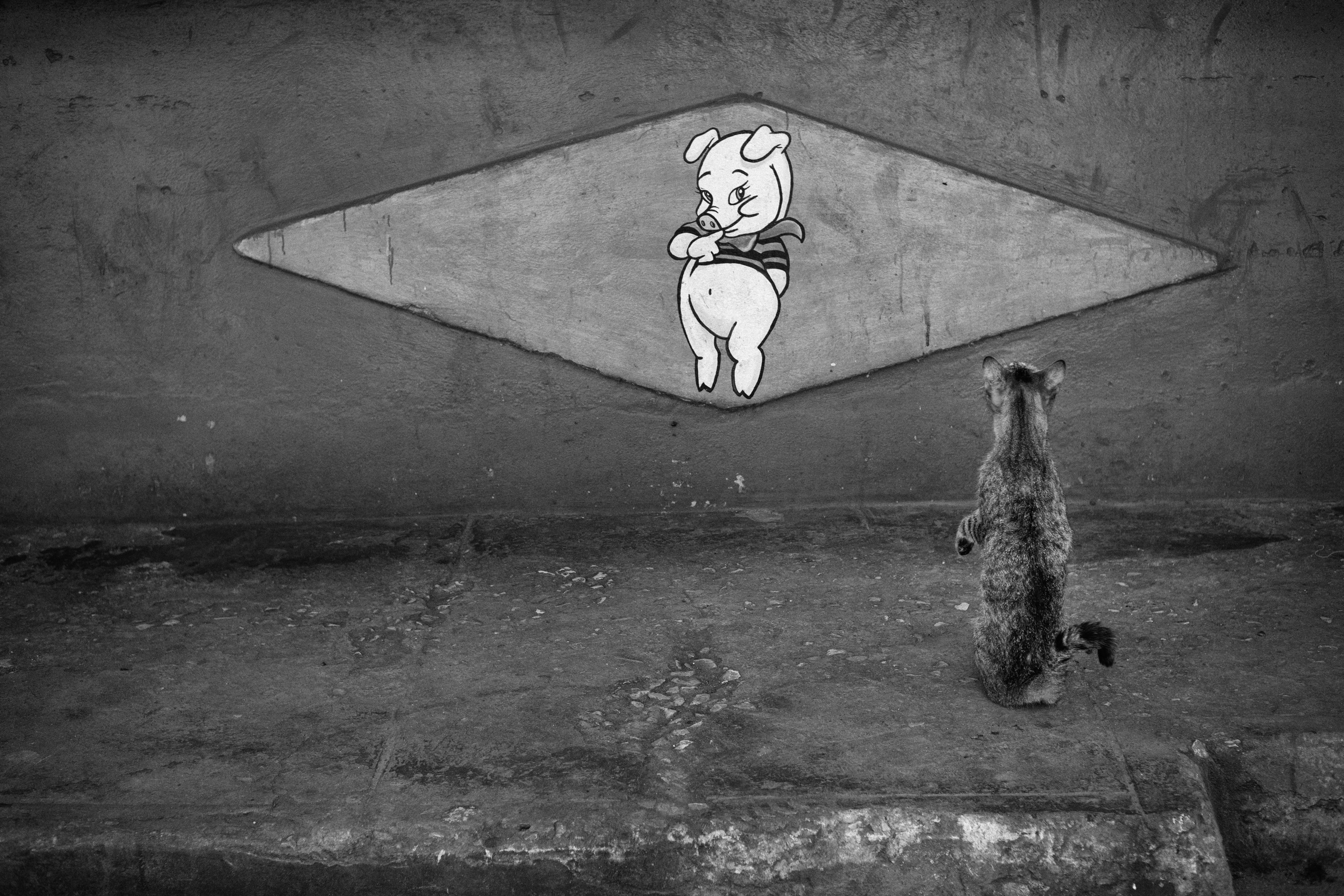
It’s a reminder that this kind of loose, atmospheric documentary style isn’t a shortcut or an aesthetic trend; it’s the product of a long apprenticeship in looking properly.
For anyone planning a documentary project where the obvious shot is tempting, Cuba es Vida is worth studying closely. The lesson isn’t complicated: put the postcard down, wait for the gesture, and let the grain do some of the talking.
Cuba es Vida runs throughout August on All About Photo’s Solo Exhibition platform.
Author: Tom May
Source: DigitalCameraWorld
Reviewed By: Editorial Team