


I can still remember the first time that, standing with a camera around my neck and aching feet, one of the members of the bridal party told me that I had done a great job. I must have looked confused. The wedding wasn’t even over yet, the photographs had yet to leave my camera – how did she know my photographs weren’t terrible?
The bridesmaid wasn’t complimenting my photographs; she was simply thanking me for something quite simple: Not being rude.
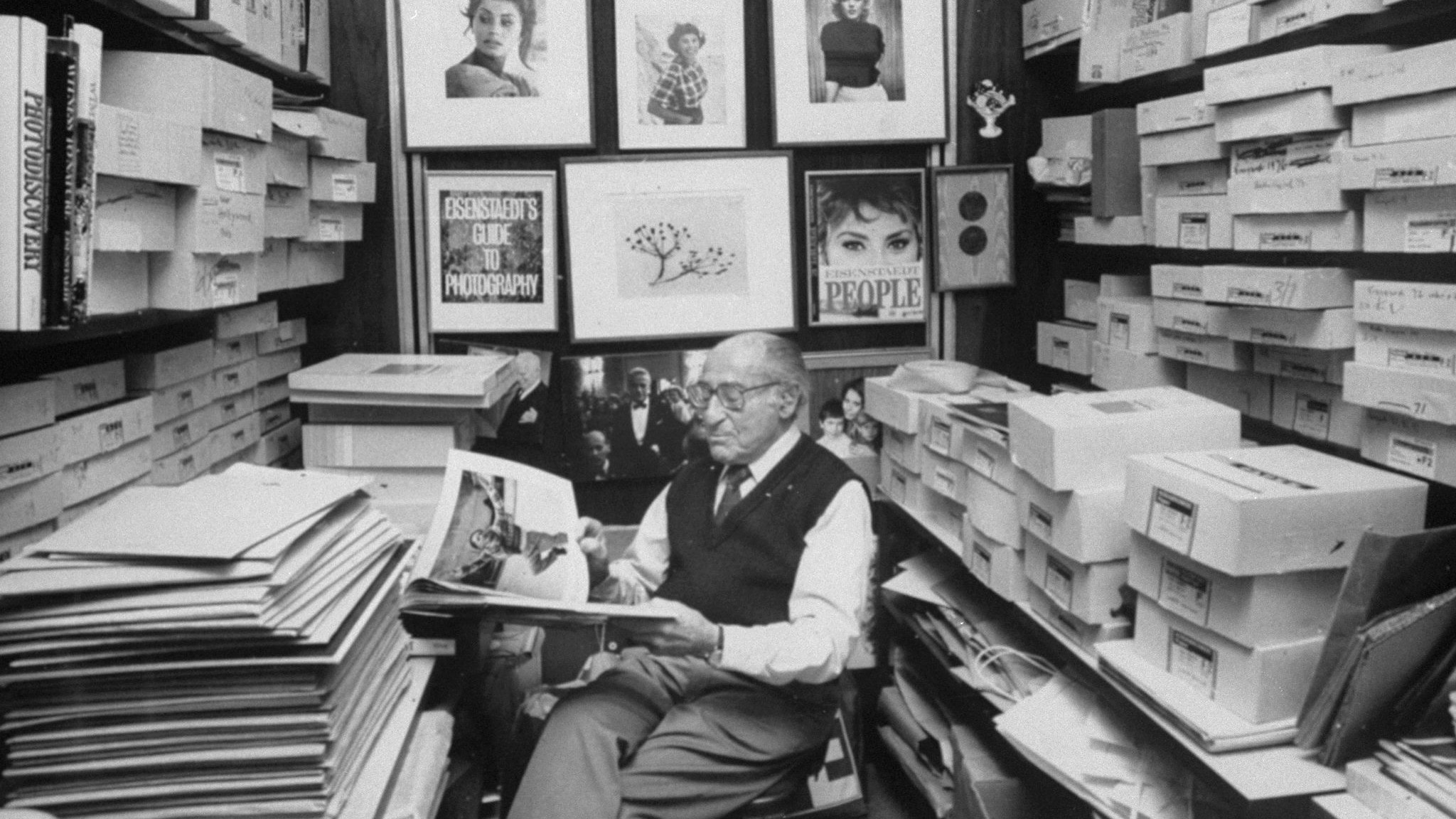
Photographs should never come before people. But perhaps no one has expressed that idea more eloquently than the iconic photojournalist who used the camera to create historical poetry: Alfred Eisenstaedt.
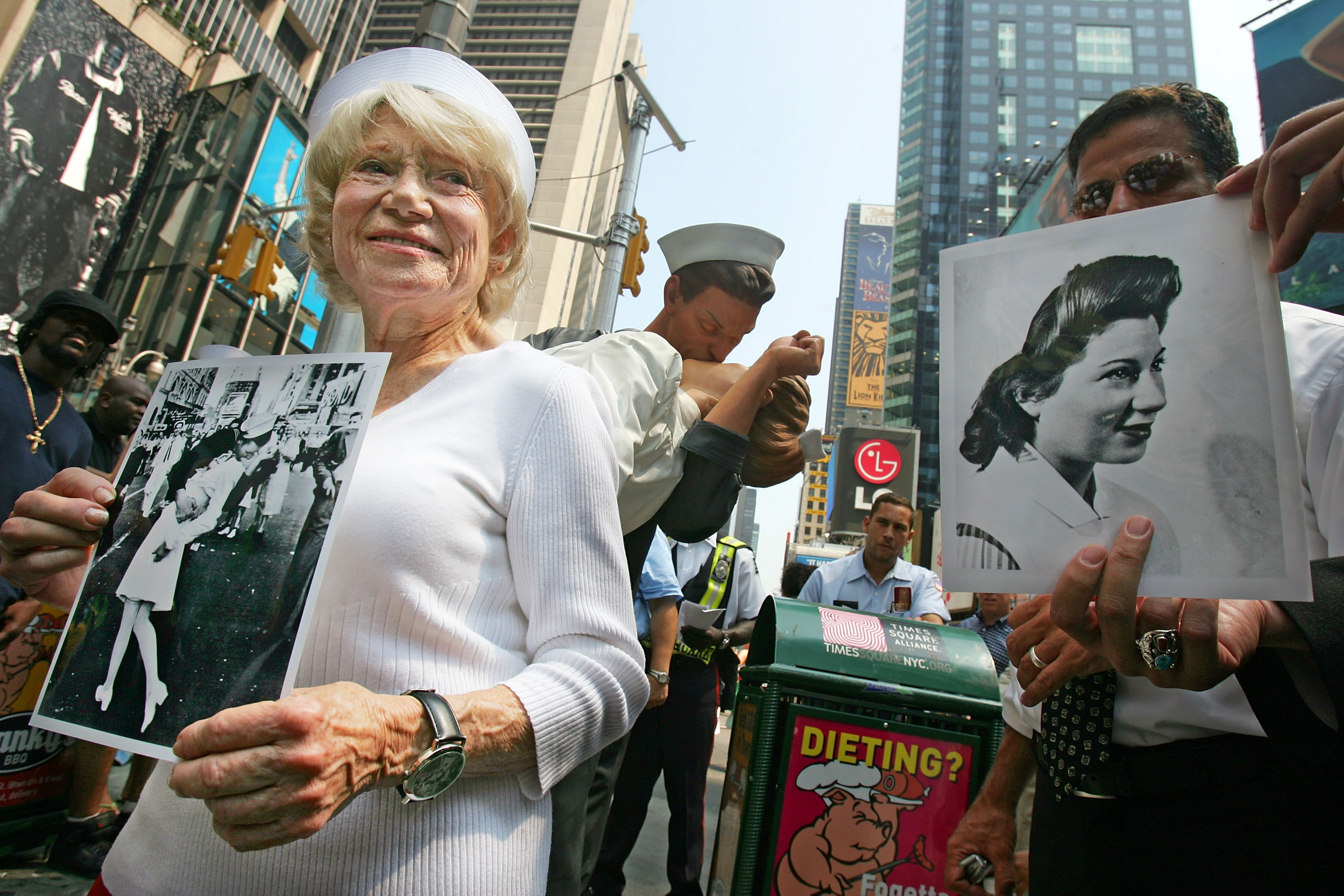
Perhaps you’ve never heard the name Eisenstaedt, but you’ve seen his work. The German-born photographer who went on to spend 40 years at LIFE Magazine was the photographer behind the historic V-J Day photo in Times Square of a sailor kissing a woman in a nursing uniform at the end of World War II.
“Never boss people around,” Eisenstaedt said. “It’s more important to click with people than to click the shutter.”
It’s more important to click with people than to click the shutter.”
Alfred Eisenstaedt, 1898–1995
There are two key ways that this statement from a legendary photographer, who lived from 1898 to 1995, applies to modern photography.
The first is simply that hiding behind a camera does not permit photographers to be terrible human beings. As a wedding and portrait photographer, how I connect with the people in front of my lens has a strong correlation to how the images turn out. If my actions make that person uncomfortable, angry, or frustrated, those photographs won’t be loved, no matter how technically perfect they are.
But I think there’s another way this iconic quote can be applied to modern photography, in that good photographs don’t just “click” with the person in the photograph. Great photographs “click” with the people who view them.
I can’t count the times I’ve seen “terrible” photos go viral with poor composition or bad lighting, but what’s more important is that those photos click with people; they trigger an emotional response. Creating an emotional connection with the viewer matters more than technical perfection. In fact, people may connect more with photographs that aren’t perfect, after all, humans are imperfect creatures.
Eisenstaedt’s connection to the people he photographed is undoubtedly why the photojournalist’s work remains some of the most impactful images in history. When he stood in Times Square on V-J Day, he wasn’t just a photographer, he was also a Jewish soldier who served in World War I, but moved to America in 1935 amid increasing persecution. I bet standing behind the camera on that day in 1945, he clicked with the soldier and the nurse in the iconic photograph.
Yes, the technical side of photography is important, but never more important than “clicking” with both the people in front of the camera and the people viewing the photographs.
Author: Hillary K. Grigonis
Source: DigitalCameraWorld
Reviewed By: Editorial Team