
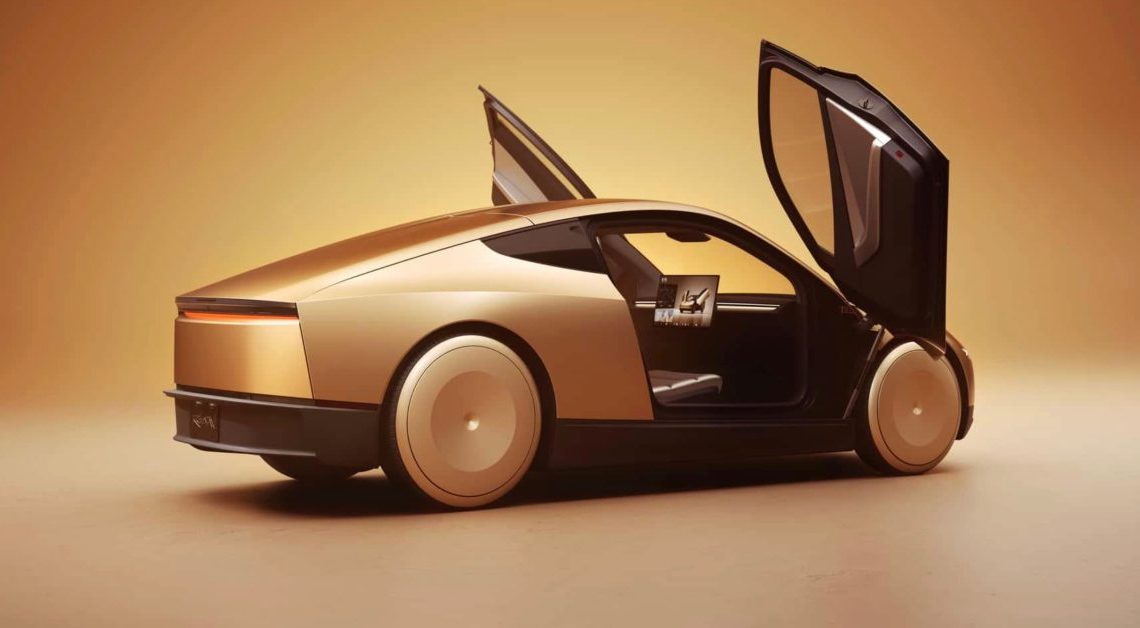
Tesla is now asking businesses whether they’d like to buy and operate their own fleets of Cybercab robotaxis on its network. It’s the same pitch Elon Musk has been making since 2019: buy the cars, put them to work, and earn money while you sleep.
There’s one problem with it. And it never happened, and you shouldn’t fall for it now. If running a fleet of Cybercabs were actually profitable, Tesla wouldn’t sell you a single one.
The pitch Tesla keeps making
At its Cybercab event on September 3, Tesla started circulating an interest form to fleet buyers asking who wants in on “Cybercab fleet vehicle purchasing.” The idea is that a company buys the cars, runs them on Tesla’s Robotaxi network, and splits the revenue.
We’ve heard this before. At Autonomy Day in 2019, Musk told the world that owners could add their cars to the “Tesla Network” and pull in as much as $30,000 a year in gross profit per vehicle. Same year, he called Teslas “appreciating assets” that would gain value as Full Self-Driving improved.
None of it happened. Owners paid up to $15,000 for FSD on the promise of taxi income, and years later, not one of them can run their car as a robotaxi. Tesla runs the service itself. The people who funded the dream are still waiting.
Ask MisterGreen how that worked out
Some people actually built a business on Musk’s promise. MisterGreen, a Dutch leasing firm, went all-in on Tesla, buying more than 4,000 of them on the belief that the cars would hold their value and eventually earn robotaxi income.
Instead, Tesla spent two years slashing new-car prices, and used Teslas started depreciating at roughly three times the rate of the broader used-car market. The robotaxi income never came. MisterGreen went bankrupt in December 2025 and wiped out its bondholders. $40 million was lost.
That’s what betting on the “appreciating asset” looks like in practice. Not great.
Why selling you a robotaxi is the tell
Tesla is not a charity. It aims to maximize profits. Tesla builds the Cybercab. It owns the Robotaxi network, the software, the dispatch, and the pricing. It sets the split. If a Cybercab on that network genuinely printed $30,000 a year, why would Tesla hand that money to a stranger instead of keeping every car for itself?
Companies don’t outsource money machines. They outsource risk. Selling you the Cybercab means you eat the capital cost and the depreciation, while Tesla keeps the software margin and its cut of every fare.
And you’d be competing directly against the company that controls the platform. Tesla can undercut your prices, prioritize its own cars in the app, change the revenue split, or geofence you out entirely. You don’t own a business in that arrangement. You own the downside.
Author: Fred Lambert
Source: Electrek
Reviewed By: Editorial Team