


Nothing quite illustrates the power of a camera – new or old – like astrophotography.
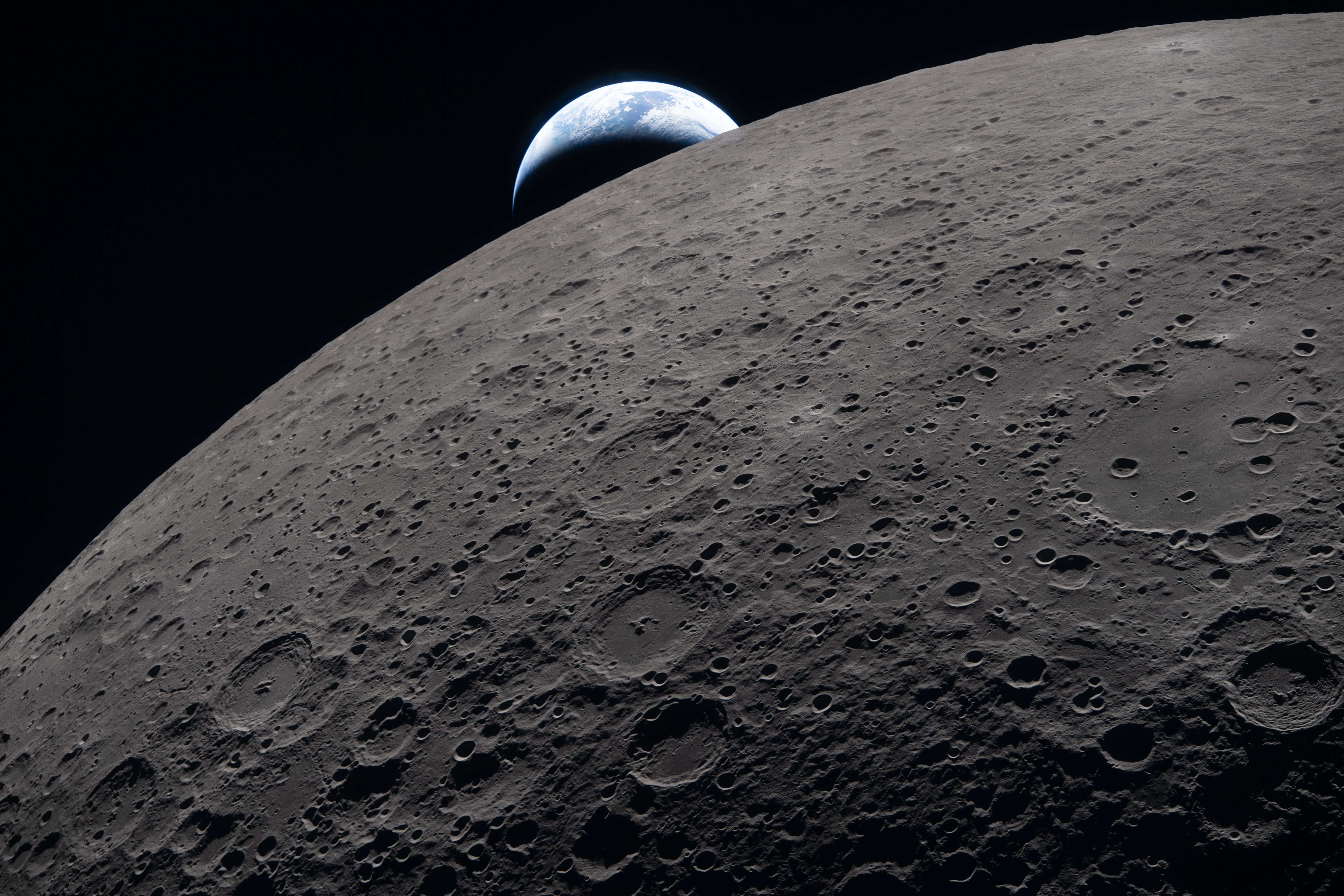
I can’t orbit the moon, but I can get a glimpse of the experience with a camera. That’s how powerful and impactful the camera is.
But cameras don’t even need to be the latest flagship models to be powerful. Artemis II used a decade-old DLSR, an old GoPro, and a modern mirrorless Nikon Z9 that I could buy and use in my own backyard if I wanted to.
The Artemis II images had me wondering, what else have cameras helped discover, even without ever leaving Earth’s atmosphere? Giuseppe Donatiello, an amateur astronomer, discovered five new galaxies – using a 2MP CCD camera sensor with a homemade telescope.
Terry Lovejoy is a backyard astronomer who has now discovered 17 comets. His first two? Those were discovered photographing the night sky with the Canon 300D, a 6.3MP entry-level DSLR introduced back in 2003.
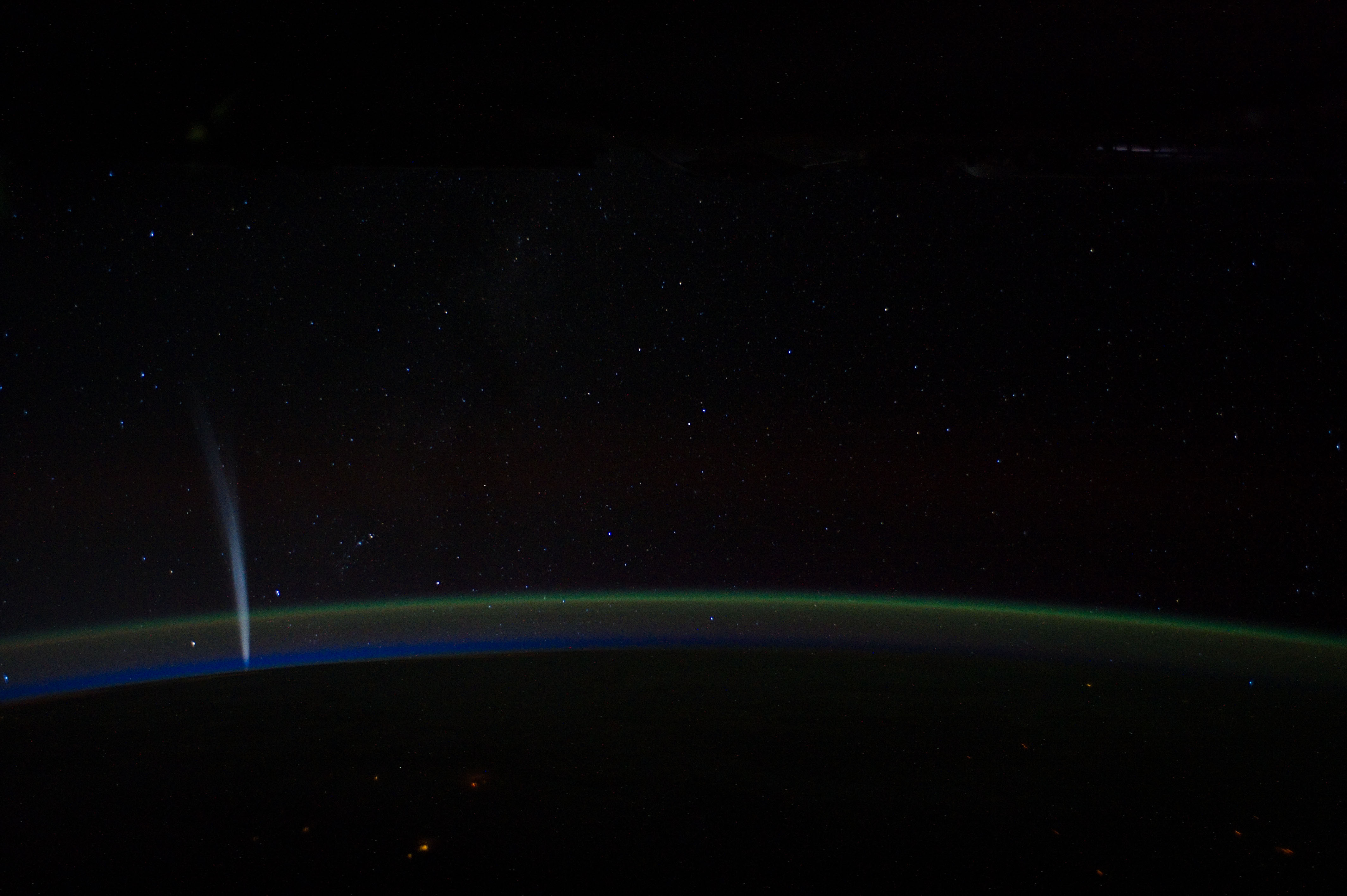
It’s not just the camera, but images that have led to a number of discoveries about our universe. Caroline Moore was just 14 when she discovered a new supernova – making her the youngest person to do so. She discovered the surprisingly dim supernova using images from the Puckett Observatory Supernova Search before locating it with her astrophotographer father’s backyard telescope.
The camera isn’t just a tool for exploring space. The camera is an equalizer, allowing anyone to explore the final frontier with two feet placed firmly in their own backyard.
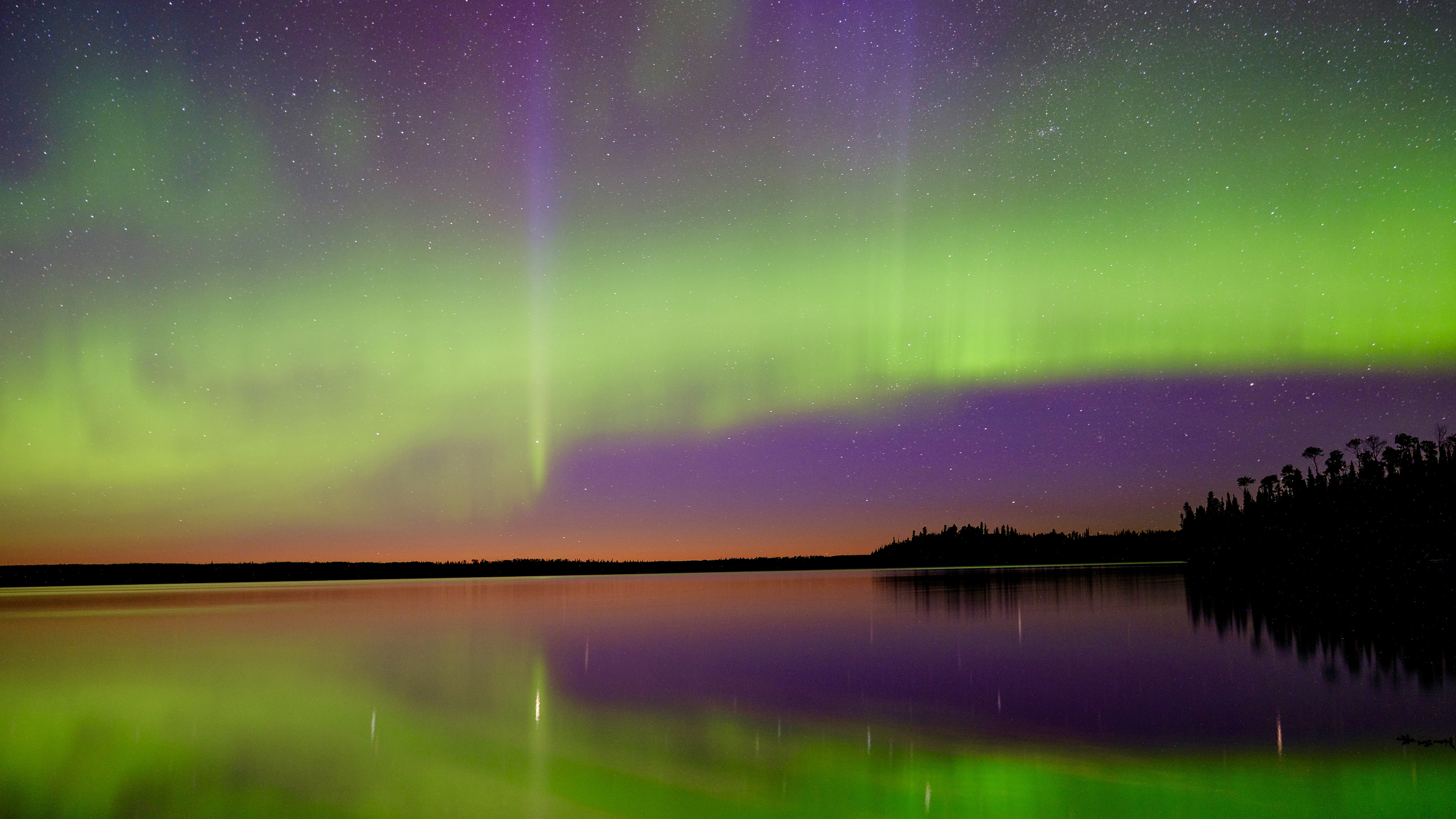
Standing in my backyard with a camera directed up towards the sky makes me feel both small and powerful at once. There’s something about the night sky that eases the tension in my shoulders and makes the stress of the day seem inconsequential in the grand scheme of things.
I can’t name much beyond the Big Dipper and Polaris, but I can stand in awe of the universe just the same. As my favorite science fiction alien, Rocky from Hail Mary, would say, photographing the stars makes me feel “Amaze! Amaze! Amaze!” (An excellent movie, which, by the way, featured stunning images from astrophotographer Rod Prazeres.)
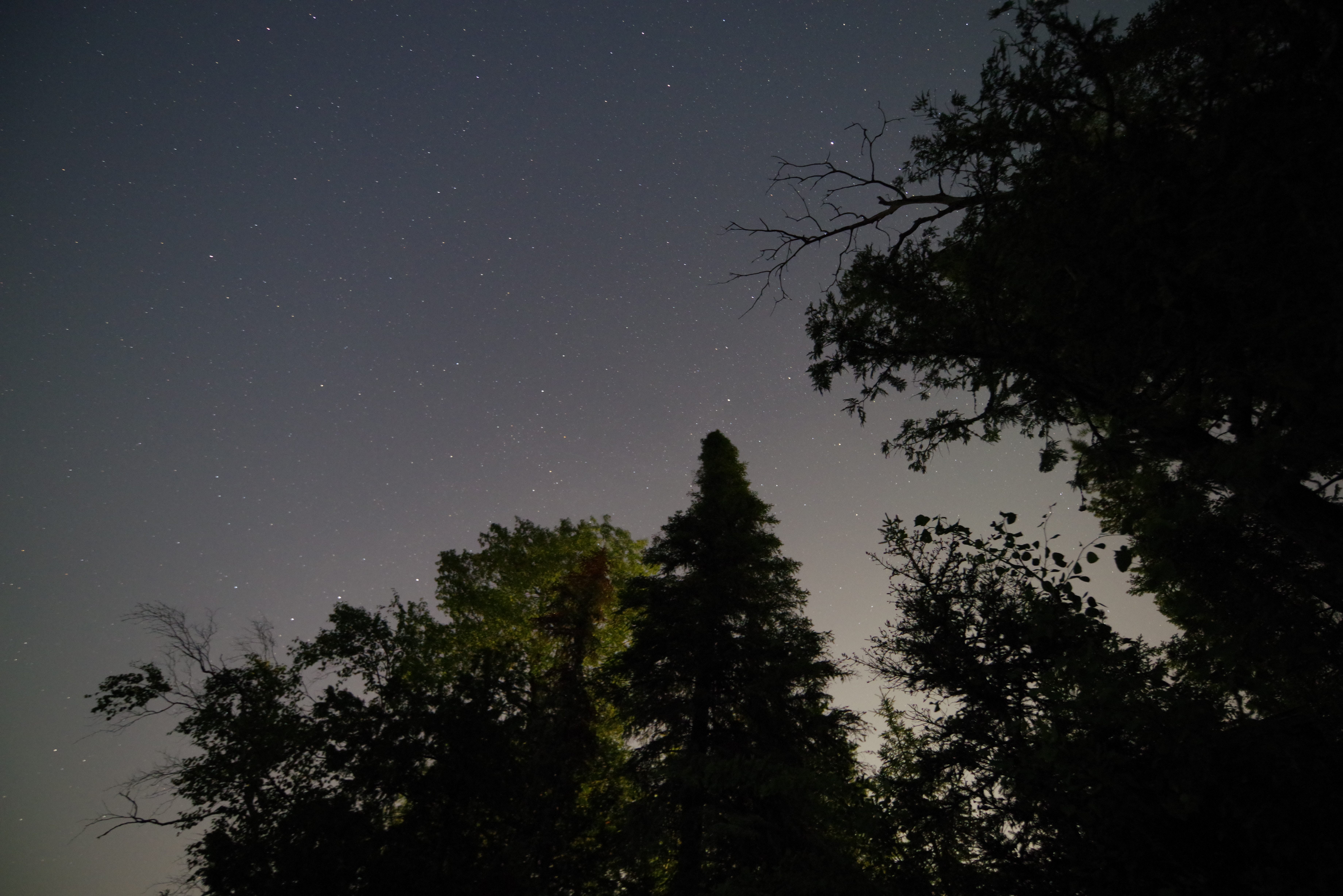
National Space Day celebrates achievements in space exploration and encourages the next generation of explorers. After watching the Artemis II mission from afar, I can’t help but think that the camera is still an integral tool for space discovery, both in microgravity and with two feet firmly planted in a dark backyard.
Author: Hillary K. Grigonis
Source: DigitalCameraWorld
Reviewed By: Editorial Team